Some stories are odd from the first line, but the truly unforgettable ones keep mutating as you read. Just when you think you understand what happened, another detail turns everything sideways.
These 12 tales begin with a curiosity and end somewhere between history, rumor, and pure nightmare. If you like mysteries that get less sensible and more fascinating with every twist, you are in exactly the right place.
1. The Man Who Lived at the Airport

When I first read about Mehran Karimi Nasseri, it sounded like a bureaucratic mistake that would be fixed by lunchtime. Instead, his missing papers trapped him inside Charles de Gaulle Airport, where legal confusion became a lifestyle.
Airlines would not fly him, France would not admit him, and no country seemed willing to claim him.
That is where the story turns from frustrating to surreal. He built a routine in Terminal 1 with cardboard, a bench, and small possessions, and airport workers slowly treated him less like a stranded traveler and more like part of the building itself.
Visitors brought gifts, reporters made him famous, and his life even helped inspire The Terminal, which somehow made the whole situation feel even more unreal.
Then came the strangest twist of all: after years of stateless limbo, he reportedly rejected opportunities that might have ended the ordeal. By the time illness removed him from the airport, the terminal was no longer just where he lived.
It was who he had become.
2. The Town That Banned Death

A law against death sounds like satire, which is exactly why the story of Cugnaux grabs you so fast. In the 1830s, with cemeteries overcrowded and cholera fears rising, local officials issued an order that essentially told residents not to die within town limits.
It was a legal response to a physical problem, and on paper it looked absurd from the start.
The more you sit with it, the stranger it gets. The decree reportedly threatened fines and burial restrictions, which means authorities tried to discipline an event nobody controls, then leaned on grieving families to make the impossible somehow administrative.
Instead of solving mortality, the town turned death into a zoning dispute, which feels both ridiculous and oddly modern.
What fascinates me is that the order was not just a joke headline that vanished overnight. It lingered, was reprinted, and entered local memory as a serious workaround to a crisis.
You start by laughing at the idea, then end up staring at how desperate people must have been.
3. The Radio Station’s Ghost Voice

At first, the phantom voice at New Zealand station 4ZA sounds like a prank pulled by someone with too much time and access to equipment. A rough voice reportedly cut into broadcasts saying unsettling things like, “I’m alive… trapped in here,” which is already enough to make any late-night listener freeze.
Engineers checked tapes, wires, transmitters, and every obvious explanation that should have ended the mystery quickly.
But the story keeps slipping away from logic. The voice allegedly knew details it should not have known, including private information about station staff, which pushed the incident past ordinary interference and into something much harder to dismiss.
Calls flooded in, rumors spread, and the station gained the kind of notoriety that makes every technical glitch feel haunted.
What really makes it stranger is that nothing decisive ever surfaced. No saboteur stepped forward, no device was found, and no clean explanation stuck.
You begin with radio static and end with a case that feels like folklore born in real time, then left unresolved on purpose.
4. The Woman Who Woke Up Speaking a New Language
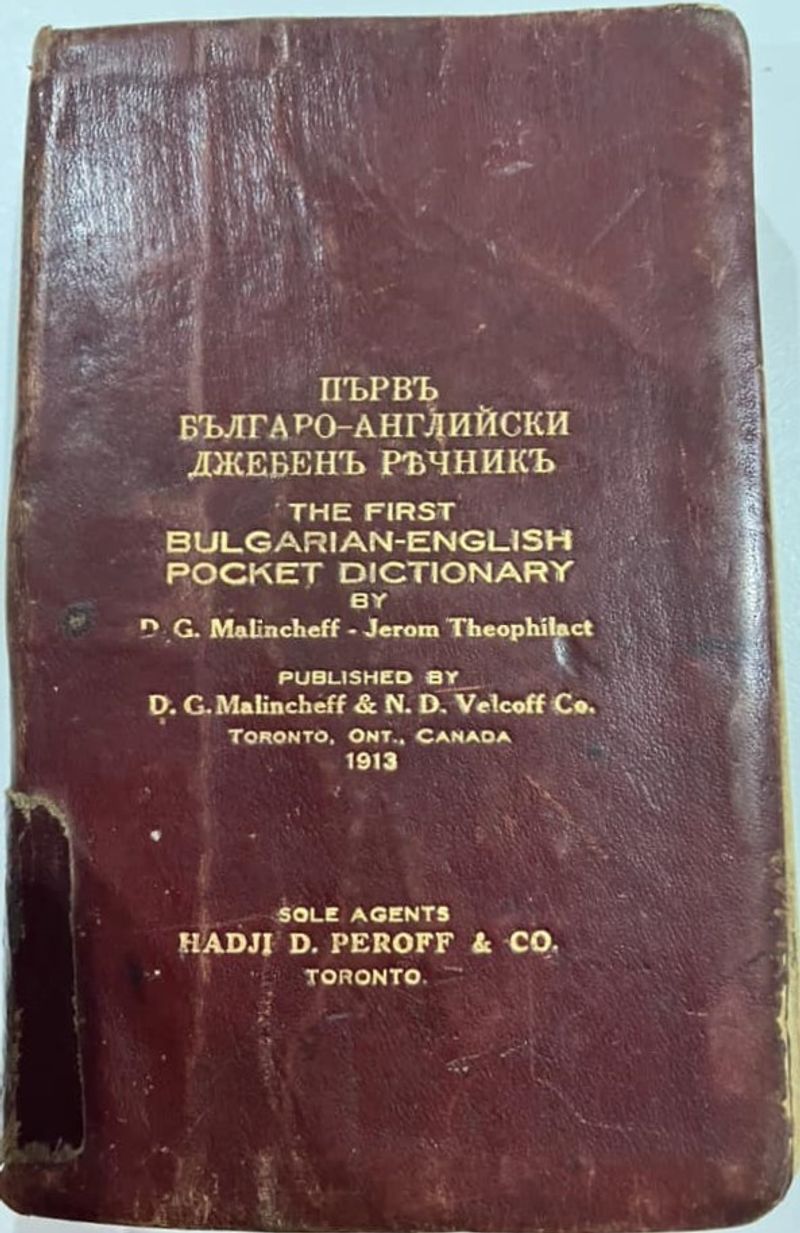
The idea of waking up fluent in a language you never studied sounds like something a screenwriter would pitch and get rejected for being too unrealistic. Yet the case of Sarah Colwell, later Sarah Wilson, begins with migraines and ends with her suddenly speaking Bulgarian while English became difficult and unfamiliar.
That alone is strange enough, but the medical side makes it even harder to shake off.
Doctors linked her condition to a rare language disorder related to brain trauma, often discussed alongside foreign accent syndrome. Instead of simply sounding different, she seemed to access a language she had no reason to know, complete with grammar and patterns that stunned specialists.
Watching experts try to map that onto brain function is where the story moves from bizarre anecdote to serious neurological puzzle.
What gets me is the emotional weirdness buried underneath the headlines. Imagine trying to explain yourself when your own native language suddenly feels distant and clumsy.
She had to relearn familiar speech while carrying around a mystery no ordinary conversation could ever fully explain.
5. The Man Receiving a Stranger’s Mail for Decades
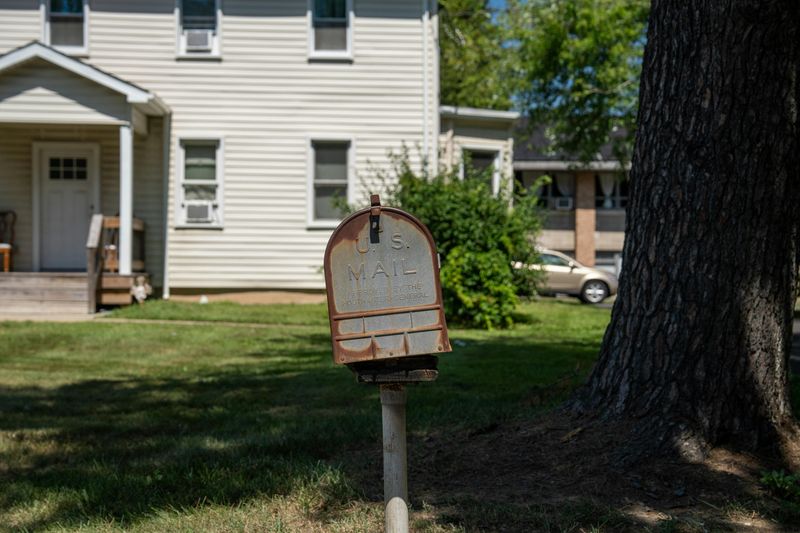
Most mail mix-ups are annoying for about a week, maybe a month if you are unlucky. Bill Line’s problem stretched across decades, as letters for a man named Robert J.
Peters kept arriving at his Ohio address long after any normal forwarding system should have corrected the error. Love notes, bills, condolences, and old wartime correspondence turned his mailbox into a time capsule for someone else’s life.
That is where the mystery gets deliciously strange. Bill reportedly tried the usual channels, even answered one letter, yet the stream kept coming as if the postal system had become emotionally attached to a ghost identity.
Every envelope added a new layer, because the mail was not random junk. It suggested a real person with relationships, obligations, and a history that somehow remained routed into the wrong life.
The eventual explanation only deepens the oddness instead of dissolving it. A demolished address and a World War II veteran named Peters gave the story an anchor, but not closure.
Imagine inheriting a stranger’s paper trail for forty years and never quite escaping his shadow.
6. The Hotel Room That Didn’t Exist

Urban legends usually fall apart once you ask for a floor plan, which is why Room 331 is such a perfect brain hook. Guests at a hotel near Hachioji Station in Japan reportedly described the same room in convincing detail, complete with a balcony, floral wallpaper, and a humming refrigerator.
Then staff would insist no such room existed and that the numbering stopped at 330.
The repetition is what makes the story hard to shrug off. If only one person mentioned a phantom room, you could blame exhaustion, alcohol, or bad signage, but multiple descriptions allegedly matched in odd, specific ways.
Blueprints did not help, renovations did not reveal a hidden space, and the hotel itself eventually disappeared without resolving the question.
I love mysteries where the setting feels ordinary until one impossible detail refuses to move. Room 331 turns a familiar experience, checking into a hotel, into something slippery and uncanny.
By the end, you are no longer wondering whether the room existed. You are wondering how many people walked into it anyway.
7. The Painting That Haunted Its Owners

Some paintings unsettle you because of what they show, and some because of what people swear happens after they see them. Bill Stoneham’s The Hands Resist Him already looks eerie on its own, with a boy, a doll-like figure, and shadowy hands pressing from behind a glass door.
Then the ownership stories begin, and the painting stops being art trivia and starts feeling like a dare.
The legend gained real speed when an online sale described viewers experiencing dread, computer glitches, and even strange reactions from pets. Suddenly the image was not just creepy, it was supposedly active, as if looking at a digital photograph could trigger whatever lived inside the original canvas.
That modern layer matters, because it transformed an obscure artwork into a viral curse story built for the internet age.
What keeps it strange is that the artist offers a grounded explanation about childhood and isolation, which should settle everything. Somehow it does the opposite.
The more ordinary his interpretation sounds, the more people seem determined to believe the painting is doing something else when nobody is watching.
8. The Disappearance Caught on Camera

Most disappearance stories leave gaps so large that your mind fills them in automatically. This one is worse because it seems to remove the gaps and still explains nothing.
In the 2004 Narita Airport case, announcer Tanaka was reportedly seen on camera drinking coffee and walking toward a restroom area, only to vanish so completely that dozens of surveillance angles failed to show where he went next.
That detail should make the mystery smaller, but it does the opposite. Security searched the surrounding area, investigators reviewed footage, and yet the camera network became part of the horror instead of the solution.
When a place is built around visibility, checkpoints, and controlled movement, a clean disappearance feels almost aggressive, like reality refusing to cooperate with the systems designed to record it.
Then there are the later reports of odd calls to his family, which keep the case from settling into a simple missing-person file. No body, no confirmed escape route, no final sighting beyond the obvious one.
You start with surveillance footage and somehow end up with less certainty than before.
9. The Message in a Sealed Time Capsule

Finding an old bottle in a riverbed is the kind of discovery that usually ends with a quick photo and a shelf decoration. This one allegedly contained a note dated 1932 predicting the end of the Depression, a coming war, and a moon landing decades before it happened.
That is already eerie, but the real tension comes from how neatly the dates seem to line up.
If the bottle had obviously been tampered with, the mystery would collapse into a decent hoax and everyone could move on. Instead, reports say the seal looked intact, the paper and handwriting matched the era, and the whole thing carried just enough authenticity to keep skeptics from feeling entirely comfortable.
It becomes less about prophecy and more about impossible timing, which is somehow creepier.
I think what makes this story linger is its simplicity. No glowing artifact, no elaborate machinery, just a cheap glass bottle and a folded note that should not know the future.
You read it expecting a clever trick and end up trapped between fraud, coincidence, and something much weirder.
10. The Island That Vanishes
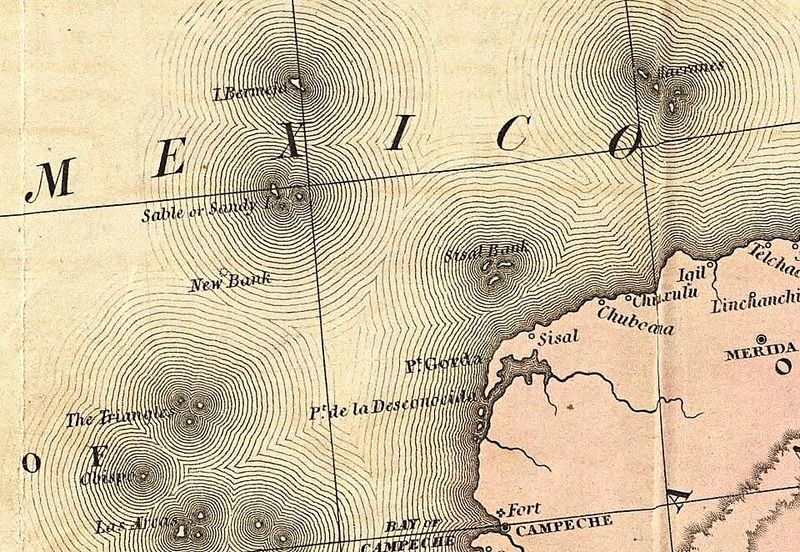
Phantom islands are one of those historical oddities that sound harmless until money and borders get involved. Bermeja appeared on maps of the Gulf of Mexico for centuries, enough times that its existence felt less like rumor and more like accepted geography.
Then modern surveys and satellite scans failed to find it, turning a piece of land into a geopolitical question mark.
The weirdness multiplies because every explanation opens a fresh problem. If the island sank, when did that happen and why did no clear record survive.
If it never existed, why did generations of mapmakers keep placing it, and why do some fishermen still claim it was there. And if you prefer the darker theory, you end up in a maze of oil rights, international incentives, and whispers of deliberate erasure.
What I love about Bermeja is how it attacks your trust in something basic. Maps are supposed to reduce uncertainty, not preserve it for five hundred years.
By the end, the island matters less as a destination than as proof that entire landscapes can slip between record and reality.
11. The Song Too Catchy to Escape

At first glance, this is just a novelty Christmas song that people either adore ironically or cannot stand. But the story around “Grandma Got Run Over by a Reindeer” gets stranger when you realize the backlash was not only about taste.
Some listeners reportedly described the tune as so inescapable that it triggered irritation, obsessive replay loops, and genuine fights during the holiday season.
That sounds exaggerated until you look at what researchers say about earworms. Repetition, predictability, and reward can turn a simple melody into a mental trespasser, something your brain keeps serving back whether you invited it or not.
Suddenly the song is not merely annoying. It becomes a tiny psychological experiment playing out in shopping aisles, car rides, and family gatherings where nobody can agree on whether it is funny or unbearable.
I think that is why this one belongs on a list of growing weirdness. The lyrics are silly, but the effect points somewhere serious.
You begin with a joke record and end up wondering how easily a three-minute tune can hijack mood, memory, and social peace.
12. Doppelgänger in Disguise

Richard Jones walked out of a Kansas prison in 2017 after 17 years behind bars for a 1999 robbery he didn’t commit, freed only when his lawyers uncovered a near-perfect stranger doppelgänger. The man, Ricky Johnston, shared not just Jones’s facial features down to the jawline and eyes, but matching scars, builds, and even a neighborhood vibe that fooled eyewitnesses completely.
It started as a routine aggravated robbery case – until side-by-side mugshots hit the defense team like a plot twist no one saw coming.
The deeper layers unravel any tidy resolution. Johnston lived blocks away during the crime, had the same casual style, and witnesses picked Jones from lineups with total confidence, swearing it was him despite zero other evidence like fingerprints or DNA tying Jones to the scene.
Courts had dismissed earlier appeals, calling the resemblance “coincidental,” but once Johnston’s record surfaced – complete with his own priors – the injustice snowballed into a national story of failed justice.
What elevates it from wrongful conviction headline to lingering unease is the human glitch it exposes. Even with modern forensics, a face so eerily replicated shattered trust in eyewitness ID, the backbone of so many trials.
You begin with a heist gone wrong and end questioning how fragile our grip on “unique” really is, especially when police photos make the impossible look routine.
Share this story