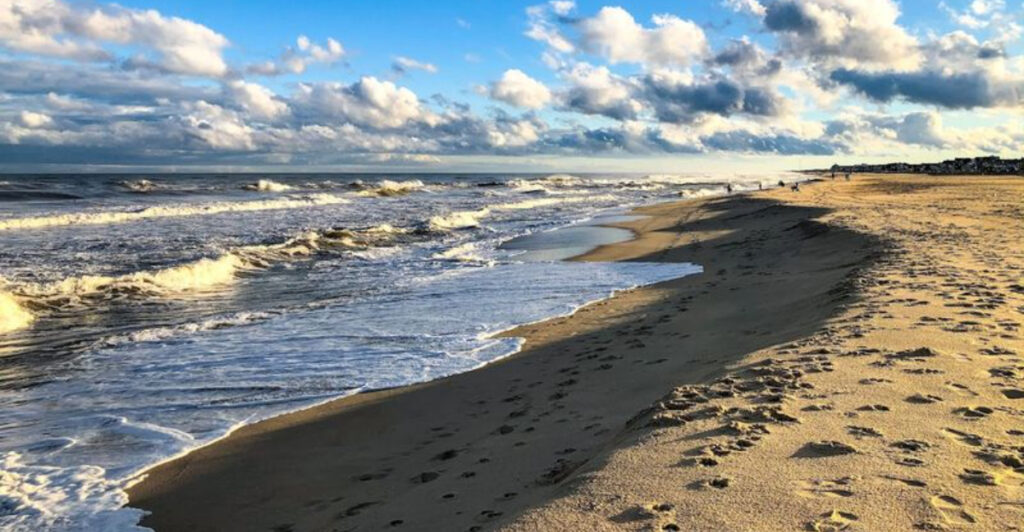
There is a small stretch of the Jersey Shore where surfers paddle out at dawn, lifeguards keep a sharp eye on strong Atlantic currents, and the boardwalk fills up with families who have been returning every summer for decades. This town does not try to be the flashiest beach town on the coast, and that is exactly what makes it work.
The beach has a reputation for being genuinely clean, well-maintained, and welcoming to everyone from toddlers building sandcastles to adults looking for a long walk with a good ocean view. There is also more going on beneath the surface here than most first-time visitors expect, from shipwreck history sitting just offshore to a surf culture that has quietly shaped this community for generations.
This article covers everything worth knowing about one of the Shore’s most underrated spots.
Where Exactly Belmar Beach Sits on the Jersey Shore
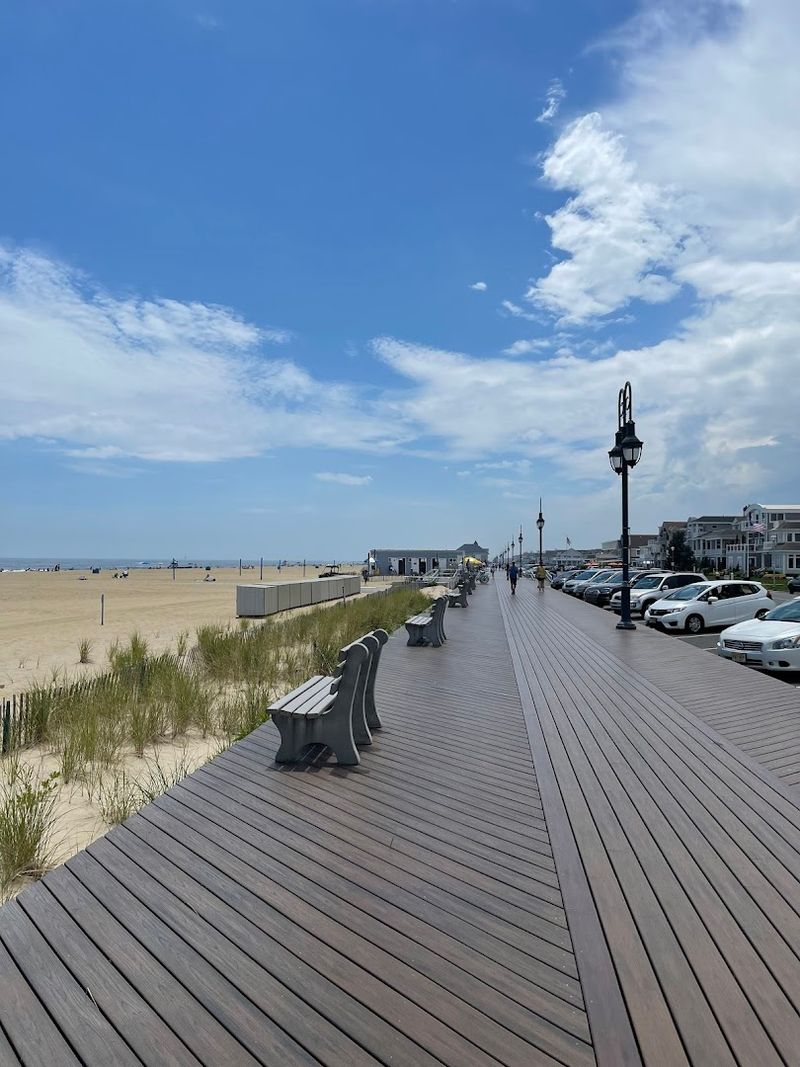
Belmar Beach sits along the Atlantic coastline at Belmar Boardwalk, Belmar, NJ 07719, in Monmouth County, roughly an hour south of New York City and centrally located within the Jersey Shore corridor.
The town sits between Avon-by-the-Sea to the north and Spring Lake to the south, making it one of the more accessible mid-Shore destinations for day-trippers and weekend travelers from central New Jersey.
The beach runs along Ocean Avenue, with the boardwalk stretching parallel to the waterline and offering a wide paved promenade for walking, cycling, and simply watching the Atlantic roll in.
Belmar is a small borough, tight-knit in its layout, and most of the main attractions are within easy walking distance of the beach itself. The surrounding streets are lined with residential homes, a handful of restaurants, and local shops that give the town a neighborhood feel rather than a tourist-trap atmosphere.
The Surf Culture That Quietly Defines This Town
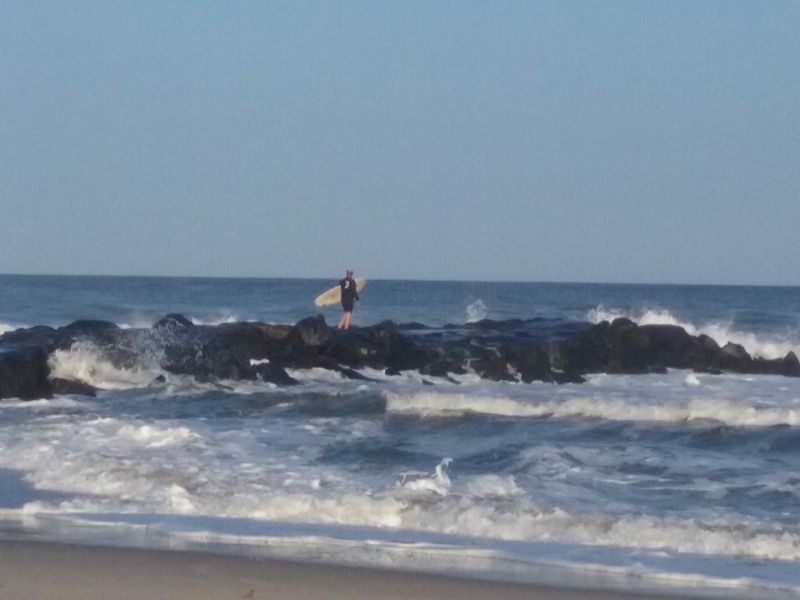
Long before surf camps became popular up and down the East Coast, Belmar was already building a reputation as one of the better surf spots on the Jersey Shore.
The waves here are not particularly massive, but they are consistent enough to attract beginner and intermediate surfers who want reliable breaks without driving hours to find them.
Several surf schools and camps operate in and around the Belmar area each summer, offering lessons for kids and adults who want to get comfortable on a board in relatively forgiving Atlantic conditions.
The surf community here is low-key and welcoming, not competitive or exclusive. Early mornings before the beach badge requirement kicks in are when surfers tend to have the water mostly to themselves, and the atmosphere during those hours has a relaxed, almost meditative quality that regular beachgoers appreciate.
Surfing is woven into Belmar’s identity in a way that feels organic rather than marketed.
Shipwrecks Offshore and the History Beneath the Waves
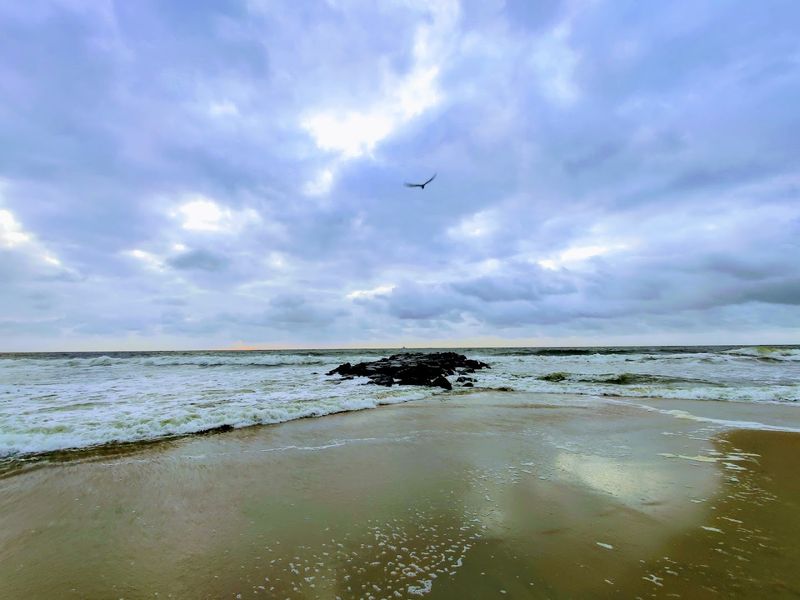
The waters off the Jersey Shore hold dozens of shipwrecks, and the stretch near Belmar is no exception to that rule.
Divers and maritime historians have long been drawn to this section of the coast, where the seafloor holds remnants of vessels from different eras, including commercial ships and wartime casualties that never made it to port.
The wrecks sit several miles offshore in water depths that range from accessible to advanced, making the area a destination for recreational divers as well as serious wreck-diving specialists.
Several dive charters operate out of Belmar Marina, which sits along the Shark River inlet just north of the main beach area. These trips run regularly during the warmer months and attract divers from across the tri-state region.
For those who prefer to stay dry, the local lore around these wrecks is just as compelling, with stories of cargo, navigation errors, and storms that have shaped the town’s relationship with the sea for well over a century.
The Boardwalk That Actually Delivers on Its Promise
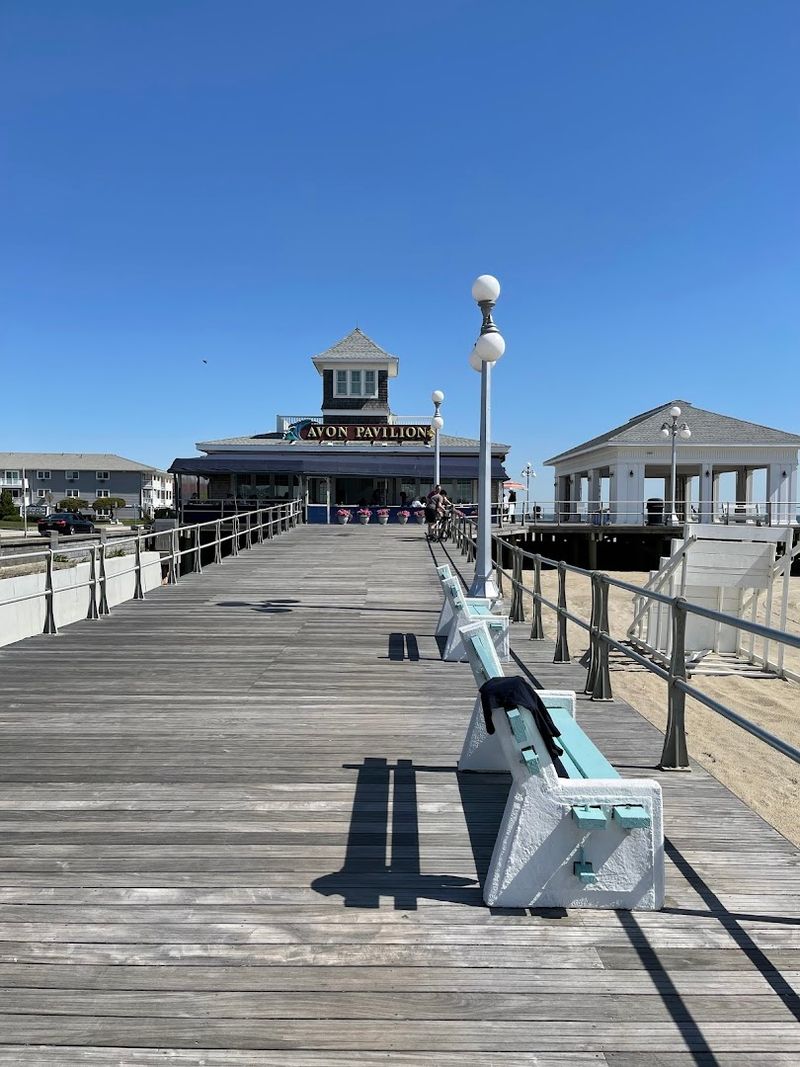
Not every Jersey Shore boardwalk lives up to the hype, but Belmar’s version earns its reputation through consistency and upkeep rather than flashy attractions.
The boardwalk runs along the beach and is wide enough to accommodate walkers, joggers, and cyclists without feeling cramped, even on busy summer weekends.
Benches are positioned at regular intervals, giving people a place to sit and take in the ocean view without having to plant themselves in the sand. The promenade is also fully lit after dark, which makes evening walks a genuine option rather than an afterthought.
Accessibility is a real priority here. The boardwalk is wheelchair-accessible and well-maintained, with ramps and smooth surfaces that make it usable for people of all mobility levels.
Kids play areas are scattered along the route, and while the old pirate ship that longtime locals remember from childhood is gone, the spirit of that kind of community-focused design is still present in how the space is organized and maintained year after year.
Beach Badges, Entry Fees, and How the System Works
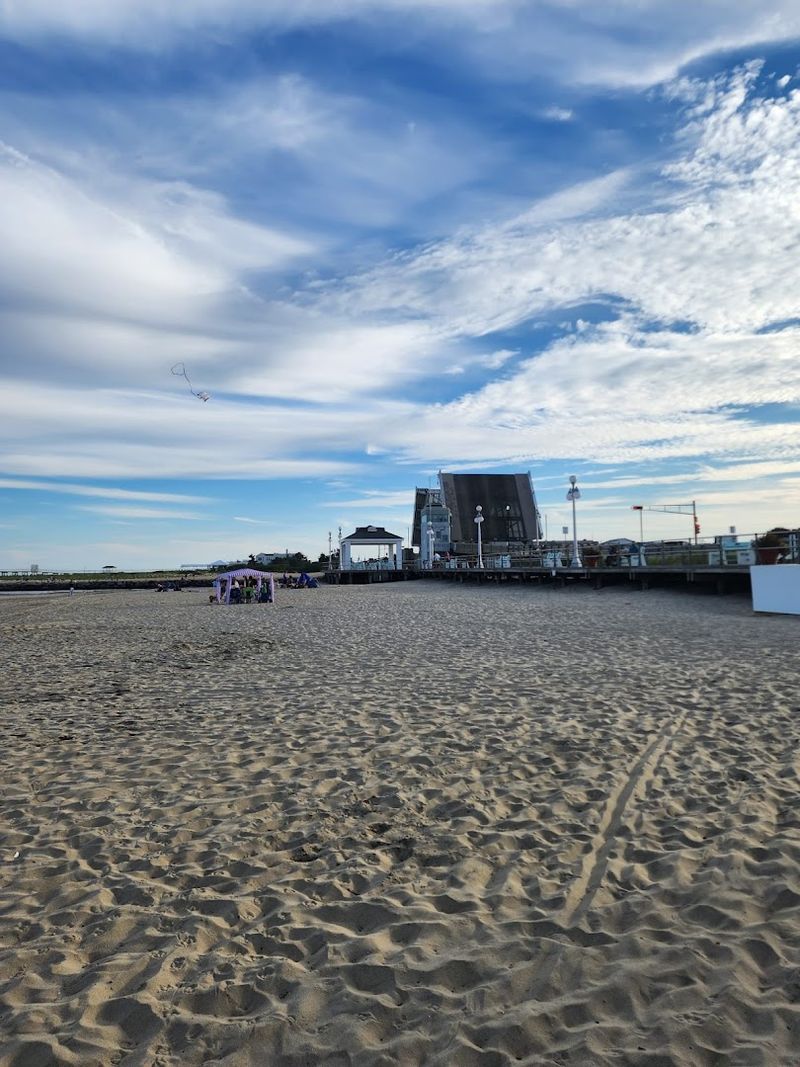
Belmar Beach operates on a paid-entry system, which is standard for many Jersey Shore towns but can catch first-time visitors off guard if they show up unprepared.
Adult beach badges currently cost $12 per person, and children 13 and under get in free. The system is largely cashless, meaning the most straightforward way to pay is through a dedicated app or by scanning a QR code available at entry points along the beach.
For those who prefer to use cash, there is at least one location on 5th Avenue where wristbands can be purchased that way. Once payment is processed through the app, visitors show the confirmation to the attendant at the booth and receive a wristband in return.
One practical detail worth knowing: if you arrive after 4:30 in the afternoon, the wristband requirement is lifted, making late-afternoon visits a budget-friendly option.
Season passes are also available for frequent visitors, and the daily badge system is designed to keep the beach from becoming overcrowded beyond a manageable level.
Parking Realities and the Best Strategy for Getting a Spot
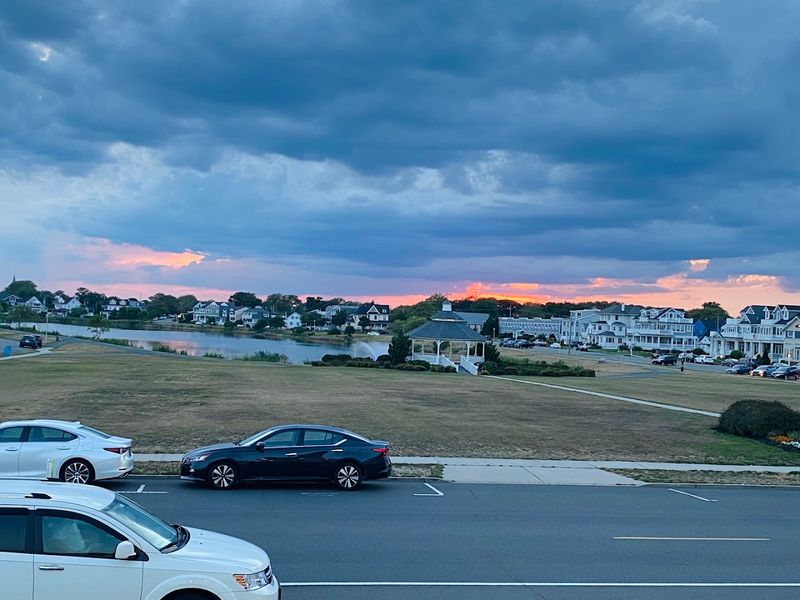
Parking at Belmar Beach is the single most common source of frustration for visitors, and it is worth addressing honestly rather than glossing over.
On summer weekends, especially midday arrivals, finding a spot close to the beach can take significant time. The parking areas near the boardwalk fill up quickly, and latecomers often end up several blocks away from the sand.
The most reliable strategy is arriving early, ideally before 9 in the morning on weekends, when both street parking and paid lots near the beach still have availability. Weekday visits are considerably easier, with much less competition for spots throughout the day.
Street parking on the surrounding residential blocks is free once you find it, and the walk to the beach from a few blocks away is not particularly long. Paid parking zones near the beach allow payment by scanning a QR code in each zone, and hourly rates are reasonable.
Patience and an early start are the two most effective tools for a stress-free parking experience here.
Swimming Conditions and What Lifeguards Want You to Know
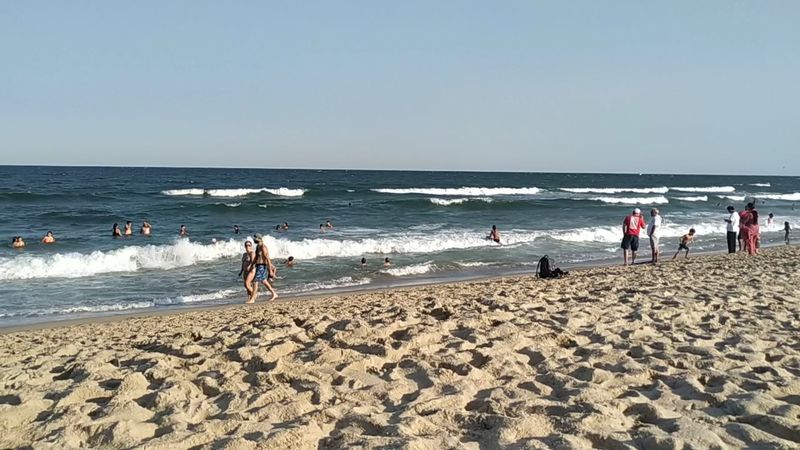
The Atlantic at Belmar runs warm through the summer months, which makes it genuinely comfortable for swimming rather than just tolerable.
That said, the currents here can be strong, and the beach takes water safety seriously. Lifeguards are on duty during designated hours, and swimming is only permitted between areas marked with green flags, which are typically positioned near lifeguard stations.
The waves themselves are not particularly large most of the time, which makes the beach well-suited for families with younger children who want to get in the water without dealing with heavy surf.
Strong current days do occur, and the flag system is in place precisely to communicate those conditions clearly. Staying within the designated zones is not just a rule but a genuinely practical safety measure given how quickly ocean conditions can shift.
The beach also has shower facilities, though the number of rinse stations is more limited compared to some other nearby Shore towns, so planning accordingly helps avoid a long wait after a swim.
The Marina, the Inlet, and the Other Side of Belmar
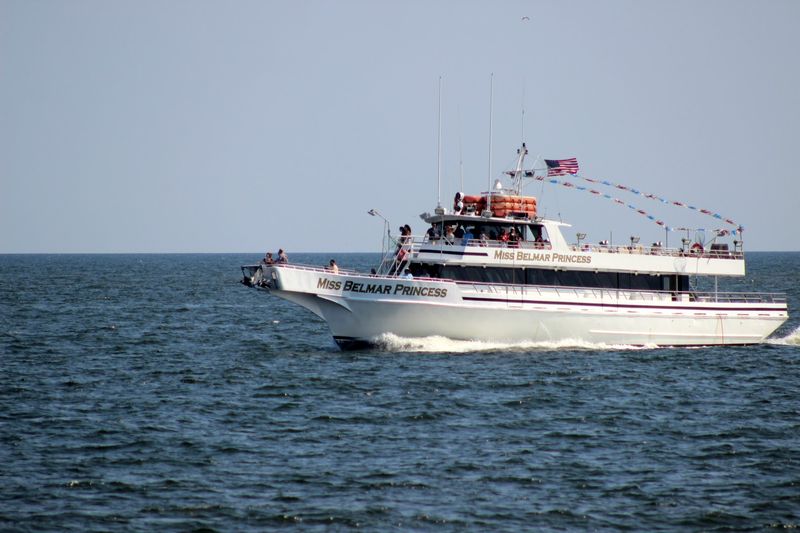
Most visitors focus entirely on the ocean-facing side of Belmar, but the town has a second waterfront worth knowing about.
Belmar Marina sits along the Shark River inlet, which runs along the northern edge of the borough and empties into the Atlantic just north of the beach. The marina is a working hub for fishing charters, dive boats, and recreational boaters who use it as a base for exploring both the river and the offshore waters.
Fishing charters out of the marina target a range of species depending on the season, from striped bass and bluefish in the spring to offshore species during the summer months.
The inlet area also has a different atmosphere from the main beach, quieter and more focused on the water in a practical sense. It is a good option for visitors who want to experience Belmar beyond the boardwalk and sand.
The marina draws a dedicated crowd of regulars whose relationship with this part of the coast goes well beyond a day at the beach.
What the Off-Season Version of Belmar Looks Like
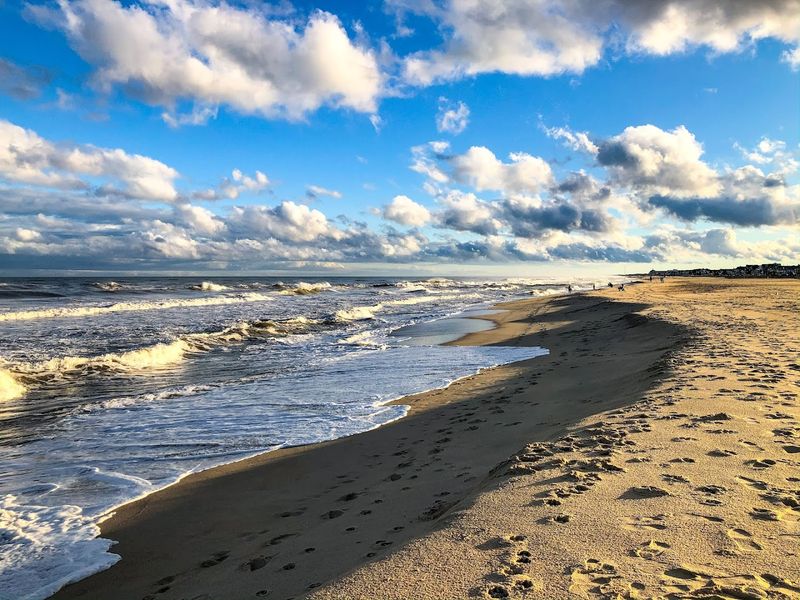
Belmar in late September and into the fall is a noticeably different place from its peak-summer self, and for some visitors, it is the preferred version entirely.
The crowds thin out dramatically after Labor Day, parking becomes straightforward, and the beach takes on a quieter character that appeals to walkers, photographers, and anyone who finds the summer rush more exhausting than exciting.
The water stays warm enough for swimming well into September, and the Atlantic at that time of year can be calmer and more consistent than during the height of summer.
Restaurants along Main Street and near 8th Avenue remain open through the shoulder season, though the selection narrows compared to July and August. A few boardwalk-adjacent spots close once the summer crowds leave, so checking ahead before planning a meal-focused visit is worthwhile.
The off-season version of Belmar rewards those who seek it out with a more personal and unhurried experience of a beach town that genuinely earns its reputation year-round.
The Clean Beach Standard and How Belmar Maintains It
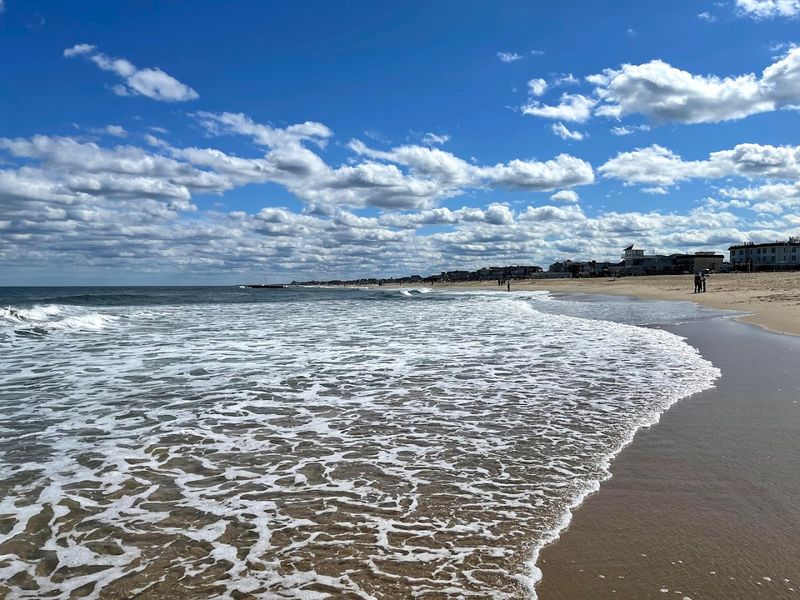
Among all the things Belmar Beach gets consistent credit for, cleanliness ranks at the top of the list across nearly every account of the place.
The sand is raked and maintained regularly, the boardwalk is kept in good repair, and the restroom facilities along the beach are monitored and cleaned throughout the day, which is not something every Shore town can claim.
The paid-entry system plays a role in funding this upkeep, and the investment shows in the day-to-day condition of the beach itself. Occasional debris does appear, as it does at any active beach, but the overall standard here is noticeably higher than at many comparable spots along the coast.
Workers who maintain the beach and boardwalk are a visible presence throughout the day, addressing issues as they come up rather than waiting for an end-of-day cleanup.
For families with young children, the cleanliness factor is often a deciding reason to return to Belmar summer after summer rather than trying somewhere new.
Vintage Boardwalk Stories and What Longtime Locals Remember
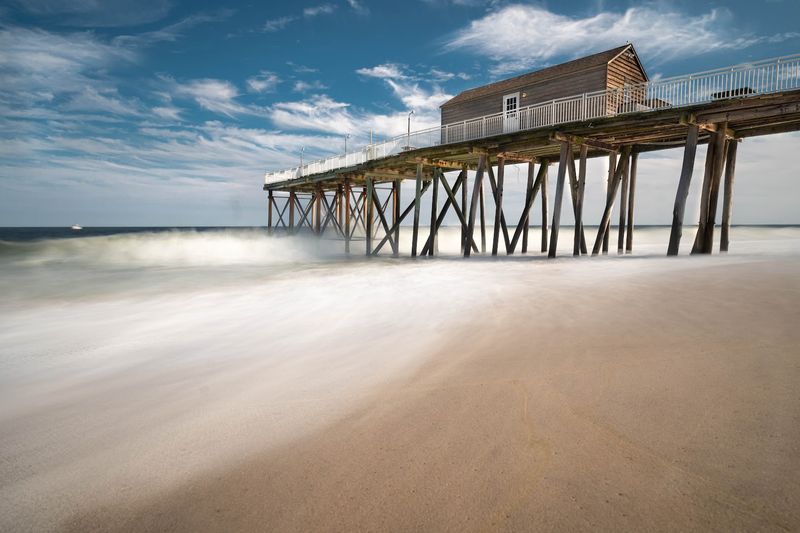
Ask anyone who grew up coming to Belmar as a child, and the stories tend to circle back to specific things that no longer exist but are remembered with real clarity.
The pirate ship play structure that once stood in the sand play area along the boardwalk is one of the most frequently mentioned touchstones, referenced by people now in their twenties and thirties who built their earliest beach memories around it.
The boardwalk itself has been rebuilt and updated over the years, with improvements following storm damage and general wear, but the bones of the place retain enough of its original character that returning visitors still recognize it as the same spot they knew as kids.
Old photographs of the Belmar boardwalk from the mid-20th century show a place that was already a community anchor, with the same mix of family recreation and ocean access that defines it today.
That continuity across generations is not accidental. It reflects deliberate choices about what kind of beach town Belmar wants to remain.
Planning Your Visit: Practical Tips for a Smooth Day
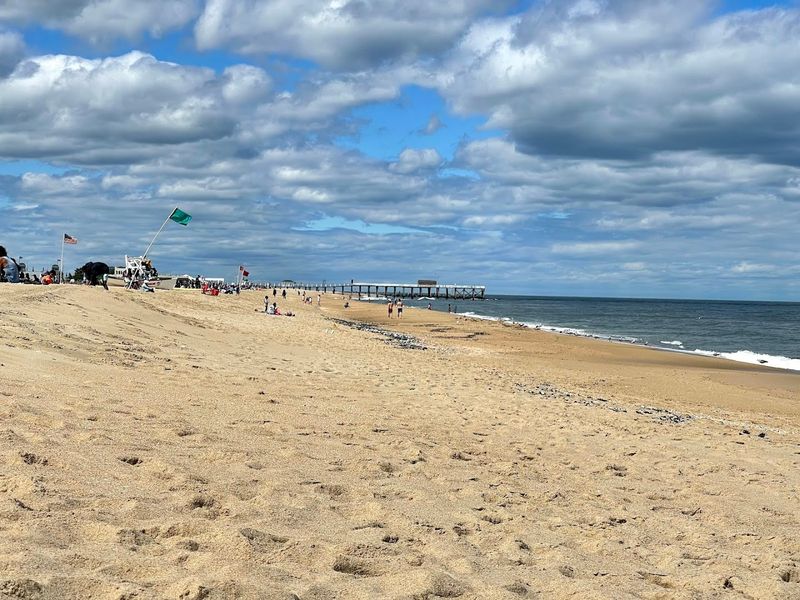
A well-planned trip to Belmar Beach makes a noticeable difference in how enjoyable the day turns out, and a few key details are worth knowing before you go.
Arrive early on weekends, ideally before 9 a.m., to secure parking within a reasonable distance of the boardwalk. Download the beach badge app in advance so that purchasing your wristband does not require standing in a line at the entry booth.
Children 13 and under get in free, and anyone arriving after 4:30 p.m. does not need a wristband, making late-afternoon arrivals a practical option for shorter visits.
Most dining options are concentrated near 8th Avenue and along Main Street rather than directly on the boardwalk, so planning meals with that geography in mind helps avoid unnecessary searching.
Weekday visits are quieter across the board, with easier parking, less crowded sand, and a more relaxed pace that lets the genuine character of Belmar come through without the weekend rush layered on top of everything.
Share this story