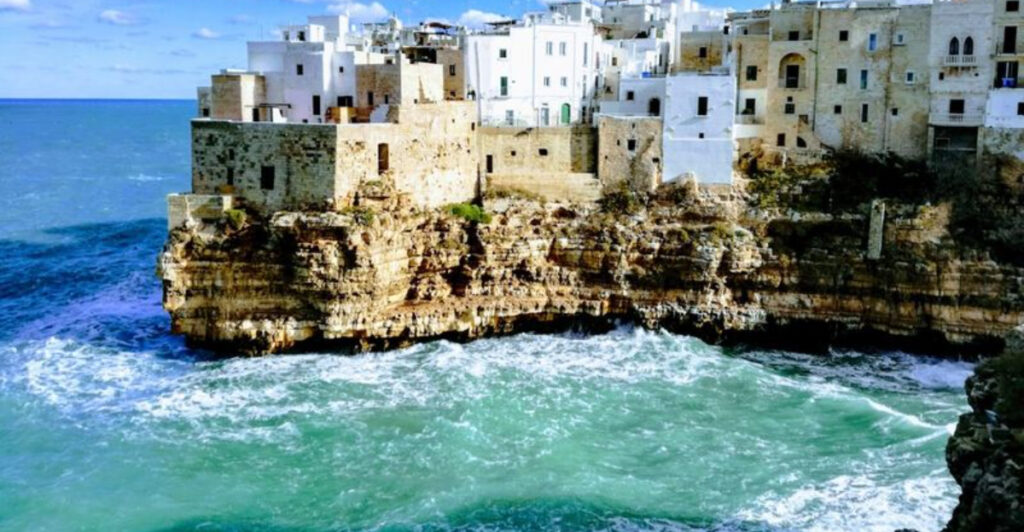
If your dream Italian beach trip involves actual peace, this list is your escape route. Beyond the headline-making coastlines, Italy hides seaside towns where fishing boats still outnumber selfie sticks and dinner feels blissfully unhurried.
These places deliver clear water, good food, and charm without the packed promenades. Consider this your invitation to trade the frenzy for salty air, slower mornings, and much smarter bragging rights.
Tellaro (Liguria)
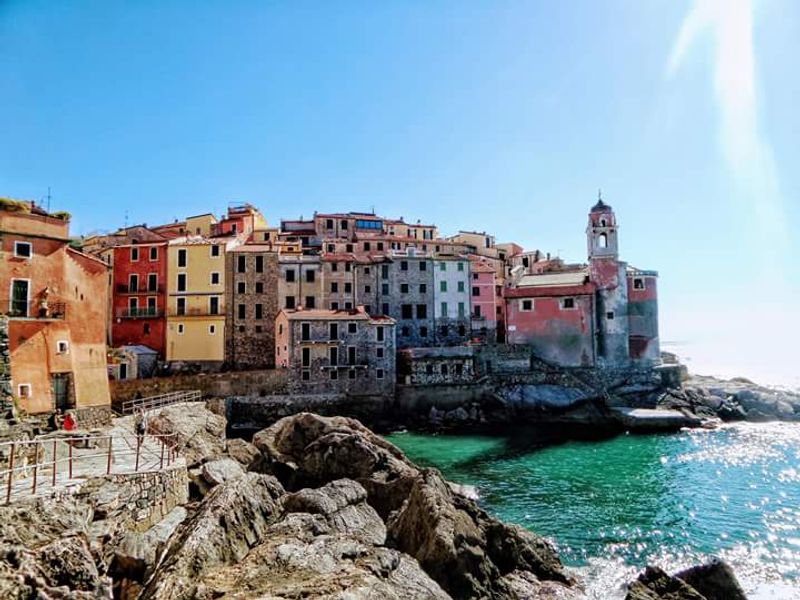
One glance at Tellaro and your stress levels may politely resign. This tiny Ligurian village feels tucked away from modern hurry, with pink and yellow houses stacked above the water and lanes so narrow you naturally slow down.
Even the sea seems quieter here, lapping against rocks instead of performing for crowds.
Wander a little and the place reveals its best tricks. Stone alleys open onto little viewpoints, cats supervise doorsteps, and swimmers slip into clear coves where conversation stays low and unbothered.
It is often called a calmer answer to Cinque Terre, and honestly, that sounds exactly right once you see the peaceful shoreline.
Lunch is the sort of event that stretches on happily. You can settle in for seafood pasta, watch boats drift, and feel no pressure to turn the table quickly because Tellaro does not move at tourist-sprint speed.
It moves at espresso, sea breeze, and maybe one more plate of anchovies speed.
By evening, the village glows softly rather than loudly. Sit near the church by the water, listen to waves echo off the stones, and enjoy the rare pleasure of an Italian coastal gem that still feels intimate, local, and wonderfully uninterested in showing off.
Camogli (Liguria)
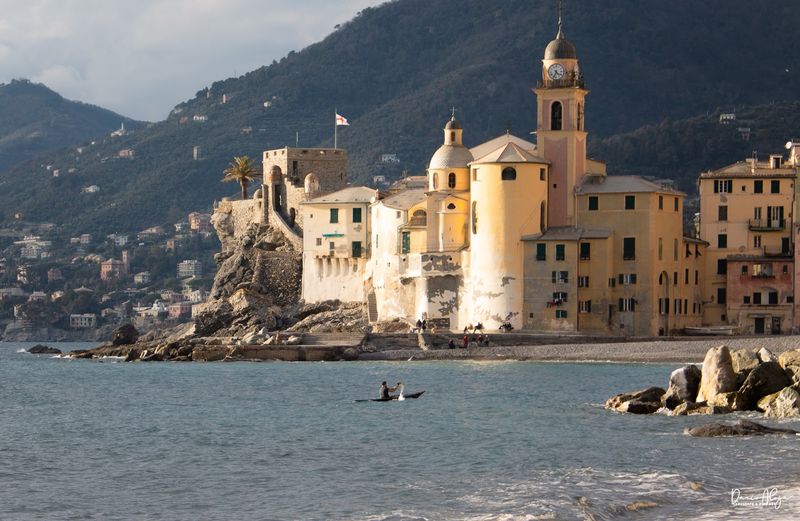
Camogli has the kind of waterfront that makes you stop mid-step and grin. Rows of tall pastel buildings face a broad pebble beach, fishing boats rest nearby, and the whole scene feels polished without feeling overly precious.
You get beauty, yes, but you also get room to breathe.
Unlike flashier coastal names, Camogli keeps things wonderfully grounded. Locals still outnumber day-trippers in many corners, bakeries smell irresistible in the morning, and the beach is ideal for a slow swim followed by an even slower coffee.
There is elegance here, but it wears comfortable shoes.
Climb into the old streets and you will find a town that rewards curiosity. Little shops, simple trattorias, and sea views around sudden corners keep the walk lively without turning it into a performance.
It often gets compared to Amalfi-style towns, yet the atmosphere is far more relaxed and pleasantly less theatrical.
Then dinner arrives, and Camogli really starts winning hearts. Fresh fish appears on plates with very little fuss, the harbor turns golden, and conversations drift late into the evening.
If you want a coastal stay that feels authentic, scenic, and low on chaos, this Ligurian classic quietly delivers.
Boccadasse (Liguria)
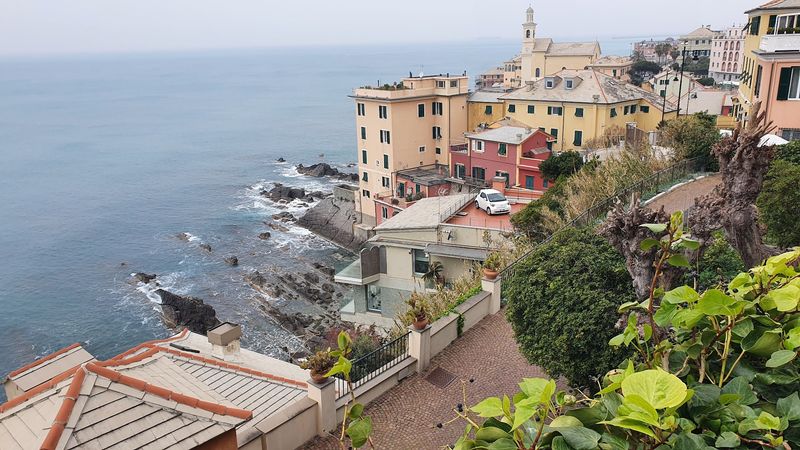
Boccadasse feels like Genoa accidentally hid a postcard in plain sight. This tiny seaside district looks like a self-contained fishing village, complete with bright houses, little boats, and a modest beach where the city suddenly softens into something much gentler.
It is compact, charming, and refreshingly easy to love.
You do not come here for endless sightseeing checklists. You come for a short walk by the water, a lazy pause on the stones, and maybe a gelato while watching the afternoon light bounce off painted facades.
The scale of the place is part of the magic because everything feels personal, not inflated.
There is also a delightful sense of discovery in finding it. One minute you are in busy Genoa, the next you are staring at a little curve of coastline that seems designed for exhaling.
Locals chat along the promenade, swimmers dip into the water, and nobody seems especially interested in turning the moment into a spectacle.
As evening settles in, Boccadasse becomes even sweeter. Restaurants glow softly, the beach quiets down, and the sea looks like brushed glass under the fading light.
If you want a crowd-light coastal detour with genuine character, this tucked-away corner delivers far more charm than its size suggests.
Sperlonga (Lazio)
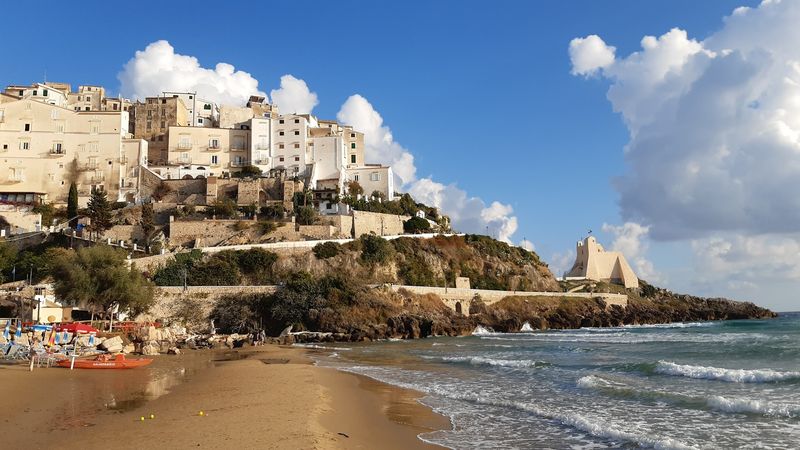
Sperlonga arrives looking impossibly clean, bright, and ready for your camera roll. Its whitewashed old town rises above the coast in a jumble of stairways and terraces, while below, a sandy beach curves beside clear water that looks almost suspiciously inviting.
Best of all, it still feels calmer than it should.
Because it sits between Rome and Naples, you might expect a circus. Instead, Sperlonga often feels like a stylish secret where mornings start with beach walks and evenings end with dinner in breezy little lanes.
The town has polish, but it never tips into the exhausting sort of fame that drains the fun.
Spend a few hours wandering uphill and you will see why it sticks in people’s minds. Flowers spill from balconies, sea views appear between white walls, and every staircase seems to lead somewhere worth lingering.
Then you head back down, spread out a towel, and remember that this beauty also happens to come with an excellent beach.
Night adds another layer of charm. Tables fill slowly, the old center glows warmly, and the entire place feels romantic without trying too hard.
If you want classic Italian seaside appeal without the jam-packed feel of bigger names, Sperlonga makes a very persuasive case for changing your plans.
Ponza (Lazio)
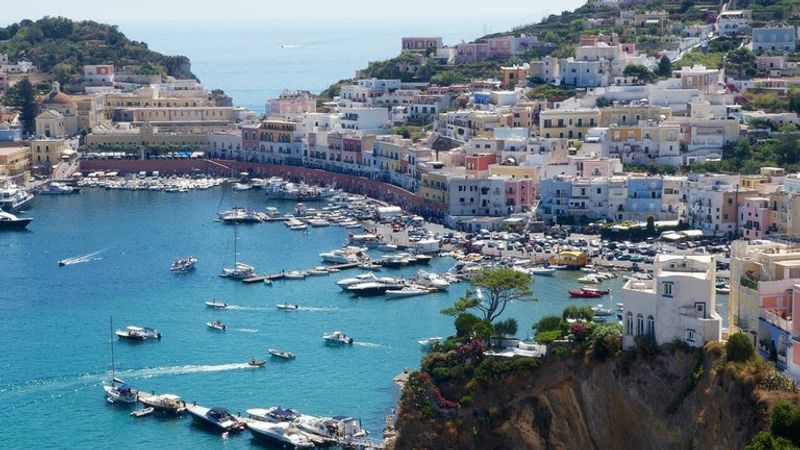
Ponza is what happens when an island stays cool without becoming exhausting. Often mentioned as a more relaxed alternative to Capri, it offers clear water, rocky coves, and harbor views that feel glamorous in a quietly confident way.
Nothing here seems desperate to impress you, which is exactly why it does.
The best days on Ponza are deliciously unstructured. You take a boat to a hidden inlet, swim in absurdly transparent water, return salty and happy, then linger over lunch as if time has agreed to loosen its belt.
The pace is slower, the mood is lighter, and the scenery keeps casually overachieving.
Back in town, pastel buildings curve around the port and restaurants serve seafood with very little nonsense. Even when the island gets lively in summer, it still manages to feel more intimate and less overworked than Italy’s more famous island darlings.
You can actually hear the water instead of nonstop commentary.
Sunset is when Ponza slips into its finest mood. Boats rock gently, the harbor lights come on, and the evening air seems designed for one more aperitivo.
If your ideal beach escape involves coves, calm, and a distinct lack of frantic energy, Ponza deserves a spot near the top of your list.
Maratea (Basilicata)
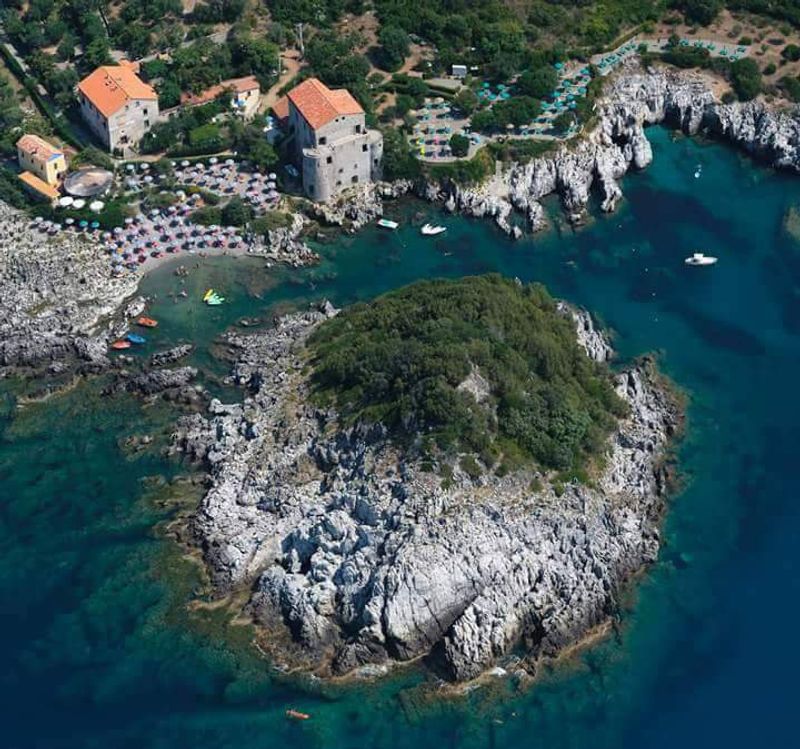
Maratea does not whisper for attention, yet it steals plenty of it anyway. Spread along one of Italy’s most scenic coastlines, this Basilicata gem mixes steep cliffs, hidden beaches, and deep blue water with a wonderfully uncrowded feel.
It is rugged, elegant, and just remote enough to stay interesting.
What makes Maratea special is the variety. One stretch offers dramatic rock faces and cinematic viewpoints, another gives you small coves where the water is calm enough for a long swim without interruption.
You can spend a full day beach-hopping here and still feel like the coast is keeping a few secrets in reserve.
The historic center, set above the shore, adds another reason to linger. Churches, stairways, and little piazzas create a classic southern Italian atmosphere that feels lived in rather than staged for visitors.
Down by the sea, restaurants focus on fresh ingredients and a mood that says nobody should be rushing dinner.
Then there is the simple joy of space. You are not constantly negotiating towel territory or queueing for every scenic spot.
Maratea lets the landscape do the work, and that confidence is hard to resist. For travelers who want dramatic beauty without dramatic crowds, this place lands beautifully.
Tropea (Calabria)
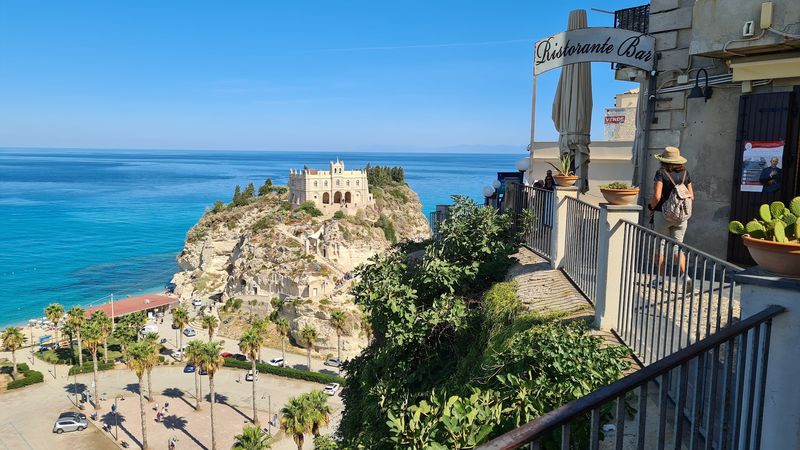
Tropea looks like it was built specifically to show off, and somehow it still feels approachable. Perched on dramatic cliffs above astonishingly clear water, this Calabrian favorite pairs visual drama with a more relaxed atmosphere than many famous beach resorts farther north.
It is striking, yes, but not relentlessly chaotic.
The beach below the old town is the obvious star. Soft sand, transparent sea, and views back toward the cliffside buildings make even a simple swim feel memorable.
Yet the town itself is half the pleasure, with narrow streets, balconies, and little squares that invite aimless wandering between gelato breaks.
Tropea also has a comfortable rhythm that keeps it from feeling overhyped. Mornings are for coffee and sea views, afternoons drift toward the beach, and evenings fill with diners enjoying local specialties at an admirably civilized pace.
Calabria’s sunshine helps, of course, but the town’s easy confidence does plenty of work too.
Best of all, Tropea manages to be beautiful without seeming brittle. It has life, local flavor, and enough breathing room to let you enjoy the setting instead of battling through it.
If you want cliffside glamour, swimmable water, and a historic center that actually feels welcoming, Tropea makes a strong case.
Scilla (Calabria)
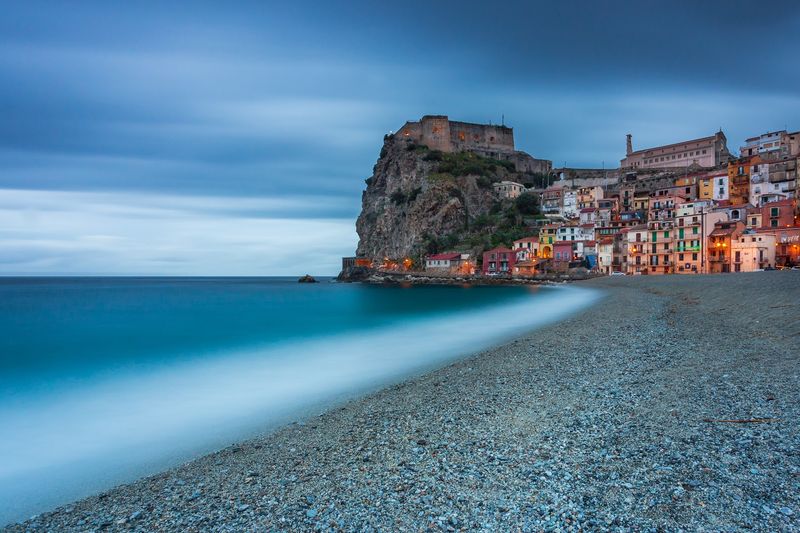
Scilla has mythology in its back pocket, but it wins you over with everyday beauty. This fishing village in Calabria combines turquoise water, a relaxed beach, and an old waterfront quarter where boats, houses, and sea all seem to belong in the same carefully chosen color palette.
It is charming without feeling curated.
Chianalea, the oldest part of town, is especially memorable. Houses sit right above the water, restaurants line tiny lanes, and the whole area feels suspended between village life and dream destination.
You can walk slowly, watch fishermen at work, and understand why this place has such a loyal following among people who dislike noisy resorts.
The beach itself is another pleasant surprise. It is easygoing, swimmable, and framed by scenery that gives your average afternoon sunbathing a serious upgrade.
Above it all, the castle adds a dramatic touch, but the mood stays friendly and unpretentious rather than grandiose.
When evening comes, Scilla turns gently magical. Lights shimmer on the water, seafood dinners stretch out, and the atmosphere remains rooted in local life instead of tourist theater.
If you want southern Italy with history, clear sea, and a village feel that still feels authentic, Scilla deserves far more space on your itinerary.
Pizzo (Calabria)
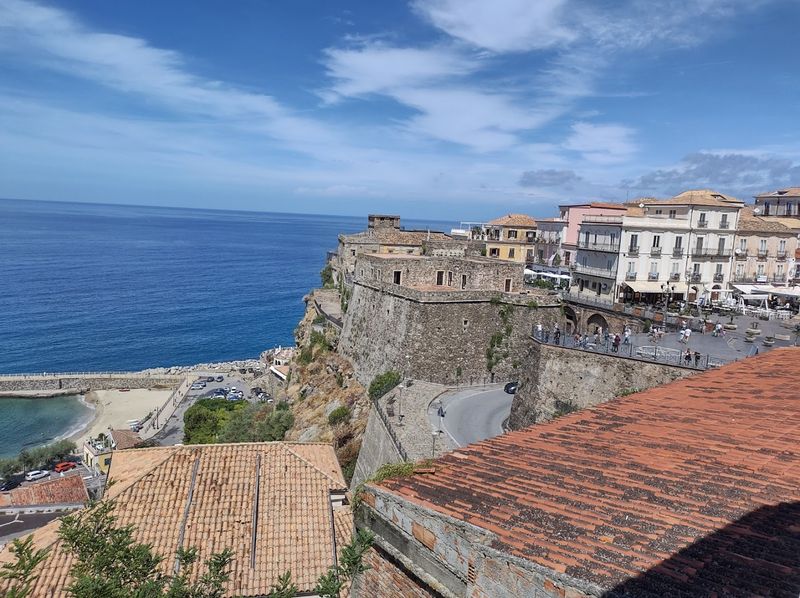
Pizzo has the rare ability to feel both lively and overlooked at the same time. This Calabrian seaside town pairs cobbled streets, sea views, and inviting blue water with a low-key atmosphere that keeps things pleasantly grounded.
It does not shout for your attention, which makes discovering it even more satisfying.
Start in the historic center and you will quickly understand the appeal. The piazzas are handsome, the lanes are compact and walkable, and the views toward the sea seem to arrive exactly when your coffee needs a scenic companion.
There is enough beauty here to impress you, but not so much fuss that it feels overproduced.
Then there is the coastline. The water is clear, the beaches are easygoing, and nearby spots offer simple pleasure rather than overbuilt resort excess.
Pizzo is also famously associated with tartufo, so yes, you should absolutely make room for dessert. Travel discipline has limits, and this is one of them.
By night, the town settles into a comfortable rhythm of strolling, chatting, and lingering over dinner. It feels local, social, and refreshingly short on spectacle.
If you want a beach town where you can swim well, eat very well, and avoid the bigger-name crowds, Pizzo is an easy pick.
Polignano a Mare (Puglia)
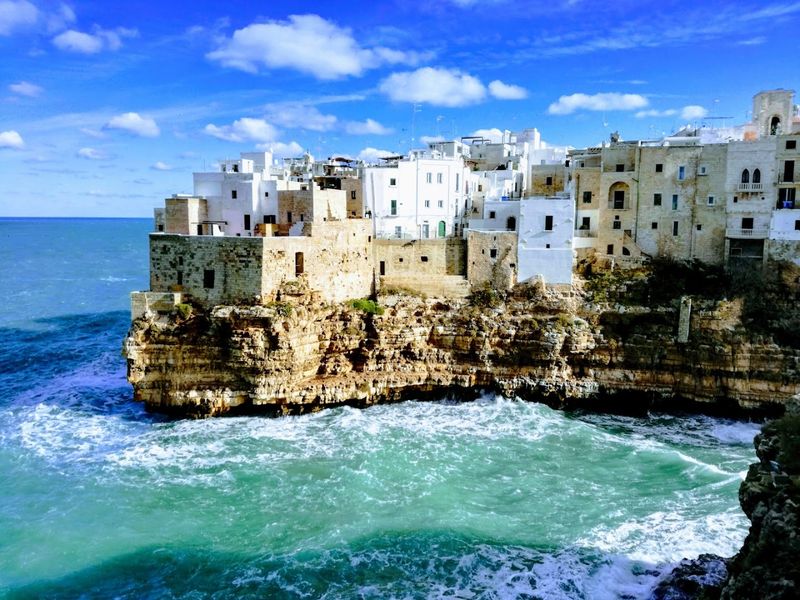
Polignano a Mare is the kind of place that makes cliffs seem like a lifestyle choice. Famous for its dramatic limestone edges and glittering Adriatic water, this Puglian town has gained attention, yet it still rewards travelers who look beyond the busiest viewpoints.
Quiet corners absolutely exist, and they are worth hunting down.
The old town is compact, whitewashed, and full of little surprises. Balconies open above the sea, lanes twist toward sudden lookouts, and cafés tempt you into slowing down between swims.
Yes, some parts are popular, but step away from the obvious photo stops and the mood becomes calmer and more local surprisingly fast.
The coastline is where Polignano really earns its reputation. Hidden coves, rocky ledges, and clear water create a beach experience that feels more adventurous than a standard sandy stretch.
It is a place for diving in, drying off in the sun, and then rewarding yourself with seafood and something cold on a terrace.
There is also a playful energy here that keeps it from feeling too polished. You can wander, snack, swim, and repeat without much planning.
If you want one of Italy’s most unique coastal towns but still hope to sidestep the thickest crowds, Polignano a Mare remains a very smart choice.
Vieste (Puglia)
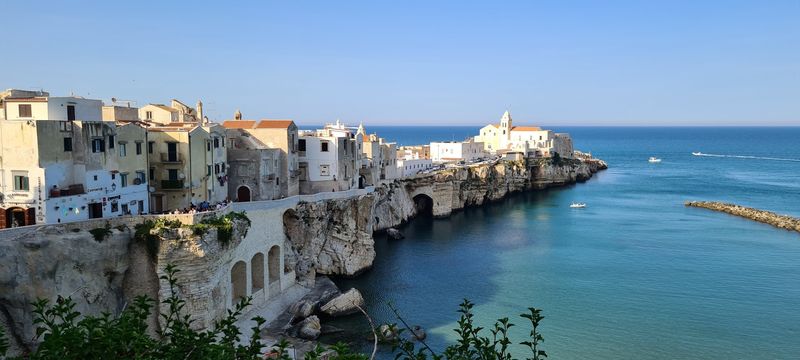
Vieste comes with long beaches, dramatic rocks, and a refreshing shortage of hype. Set on the Gargano Peninsula, it offers the kind of coastal scenery that could support a much louder reputation, yet it still feels gentler and less crowded than many southern Italian resort areas.
That is very good news for you.
The town itself rises white and handsome above the sea. Its old center is full of winding lanes, sea views, and the sort of corners that make getting slightly lost feel like a productive use of time.
Nearby, the famous limestone formations along the shore give the coastline extra character without overshadowing the beaches.
And those beaches are the headline act for many visitors. Some are broad and sandy, perfect for lingering all day, while others feel more tucked away and quiet.
Add warm water, dependable sunshine, and a generally easygoing atmosphere, and Vieste starts looking like the answer to several holiday planning mistakes.
What lingers most is the balance. Vieste is scenic but not smug, accessible but not overrun, and lively without becoming hectic.
You can spend the morning exploring town, the afternoon in the sea, and the evening eating well with very little stress. For an underappreciated beach base, it is hard to beat.
Marzamemi (Sicily)
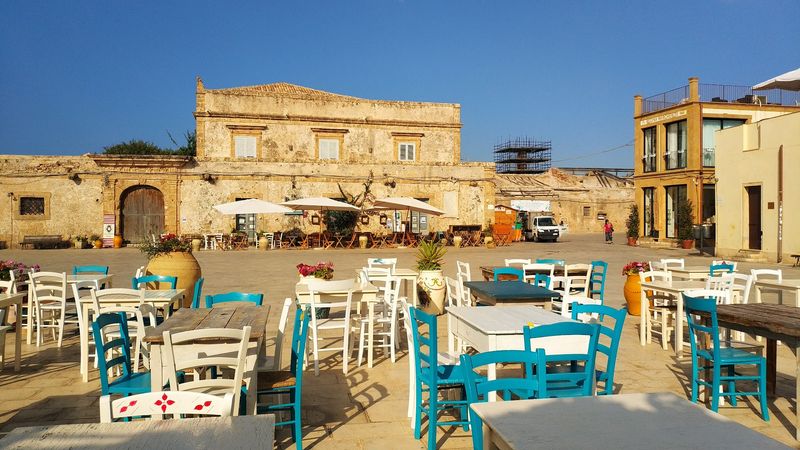
Marzamemi looks camera-ready at every hour, but it feels better than a mere photo stop. This small Sicilian fishing village combines colorful buildings, a lovely central piazza, and a calm rhythm that encourages you to sit down, order something fresh, and forget whatever agenda you arrived with.
It is photogenic, yes, but genuinely enjoyable too.
The old tuna-fishing heritage still gives the place character. Around the harbor and square, stone buildings and simple details create a setting that feels rooted rather than manufactured.
Wander a few minutes in any direction and you reach the coast, where clear water and a peaceful mood make beach time easy to fit into the day.
Food is part of Marzamemi’s charm as much as the scenery. Seafood appears everywhere, outdoor tables fill gradually, and the atmosphere stays relaxed even when the village gets a little lively in summer.
It is the kind of place where one quick drink mysteriously turns into a full evening and nobody seems upset about it.
After sunset, the piazza glows and the village becomes even more inviting. Conversations spill outside, plates keep arriving, and the sea remains close enough to shape the whole mood.
If you want a Sicilian coastal stop that feels beautiful, intimate, and easy to love, Marzamemi is an excellent call.
Bosa (Sardinia)
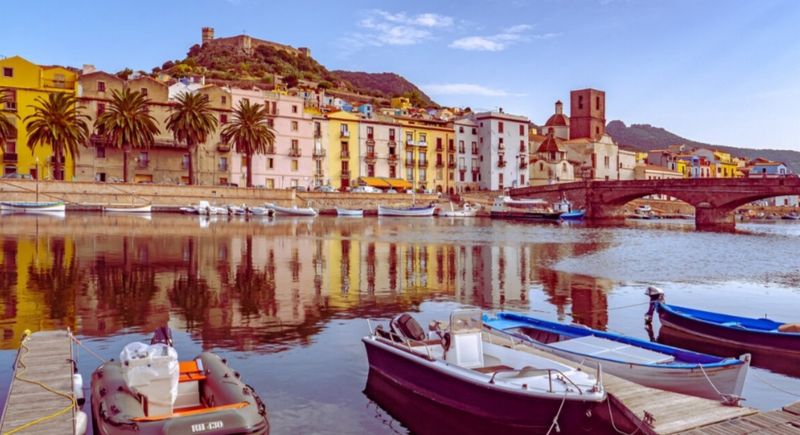
Bosa is the overachiever of this list, casually offering a river, colorful houses, and nearby beaches. Set in western Sardinia, it feels distinct from the island’s glitzier coastal hotspots, replacing luxury-postcard energy with lived-in charm and scenery that somehow keeps getting better as you walk.
It is memorable without being demanding.
The first thing you notice is color. Houses in pink, ochre, and pastel shades line the river and climb toward the hillside, while a castle watches from above like it knows it has a good view.
The town center invites lingering, with old streets, little shops, and enough atmosphere to carry an entire afternoon.
Then you remember the sea is close, which makes Bosa even more appealing. Nearby beaches give you easy access to clear water without the packed, polished feel found in Sardinia’s more famous resort zones.
You can split your day between town and coast without feeling rushed or overscheduled, always a vacation victory.
What makes Bosa stick is its personality. It is scenic, yes, but also comfortable, local, and pleasingly short on pretension.
You get beauty, history, and beach access in one place, which feels almost suspiciously efficient. For travelers craving Sardinia with soul and breathing room, Bosa is a brilliant alternative.
Villasimius (Sardinia)
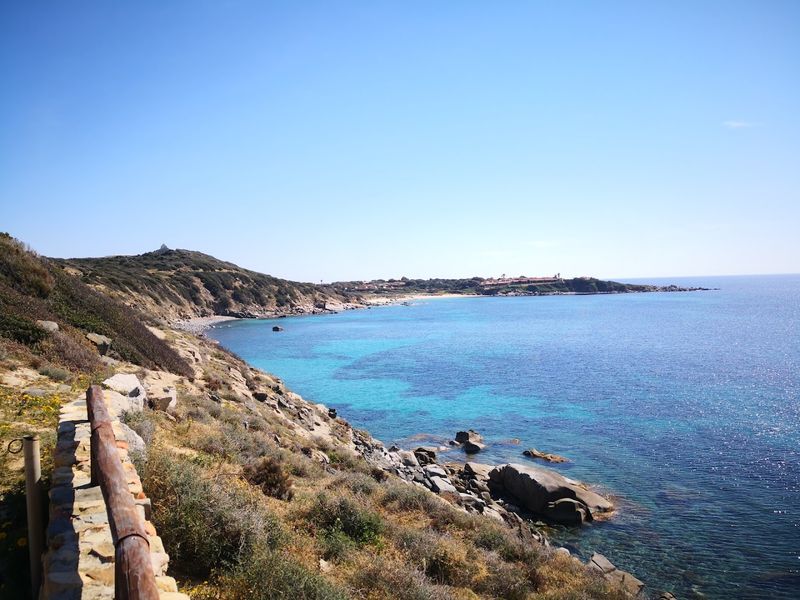
Villasimius serves up water so clear it feels mildly competitive. Located in southern Sardinia, this beach town is known for brilliant turquoise sea, soft sand, and coastal scenery that can stop conversation mid-sentence.
Yet compared with many Mediterranean resort favorites, it still manages to feel relatively calm and pleasantly unfrenzied.
The beaches are the obvious draw, and they deserve the attention. Wide sandy stretches, sheltered coves, and dazzling color changes in the water make swimming here almost ridiculously rewarding.
Even in busier periods, the area often feels more spacious and less showy than destinations that spend all season performing their own importance.
Beyond the shoreline, Villasimius keeps things easy. You can alternate beach time with simple town strolls, relaxed meals, and excursions to nearby viewpoints or marine areas without turning the trip into a logistical puzzle.
It is a place built for long, sunny days and very few unnecessary decisions, which is ideal holiday engineering.
As the light softens, the coast becomes even more impressive. The sea turns luminous, the breeze cools, and dinner tastes better because you spent the day in near-transparent water.
If your priority is beautiful beaches with a quieter mood than many big-name resort zones, Villasimius is a superb final answer.
Share this story