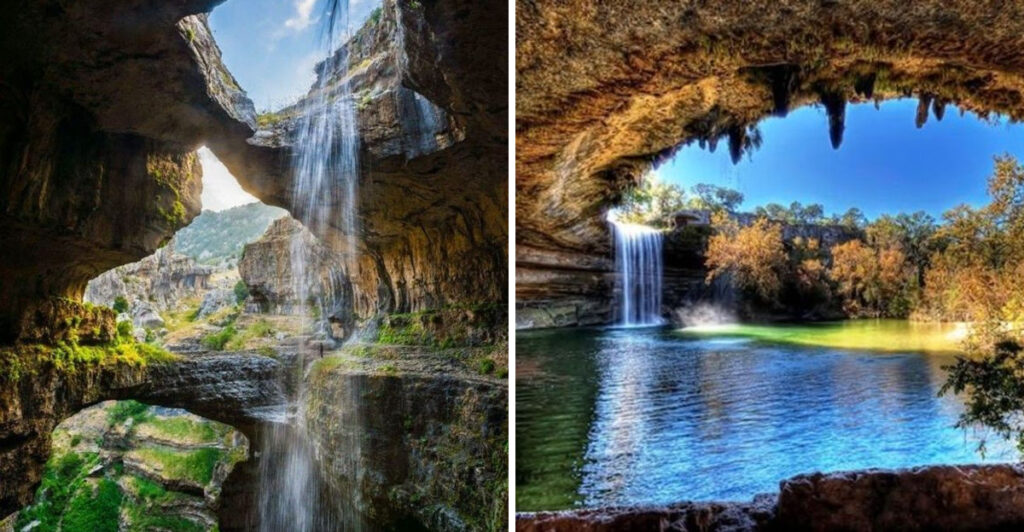
Most waterfalls love the spotlight, but these ones prefer mystery, echo, and a very dramatic cave entrance. Hidden beneath mountains, jungles, and sinkholes, they turn a normal sightseeing trip into something that feels secret and slightly unreal.
You get the roar, the mist, and the wow factor, just with more limestone and less elbow room. If you like your natural wonders with a side of darkness and adventure, this list is going to be hard to resist.
Ruby Falls (Tennessee, USA)
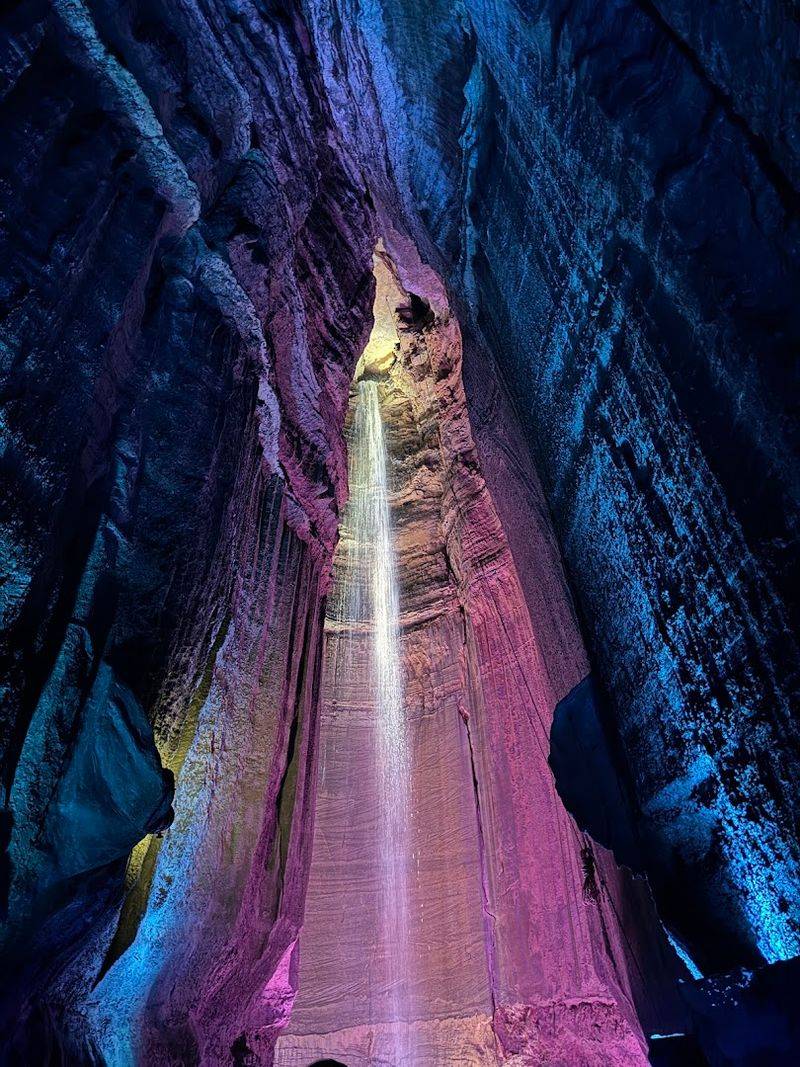
Down beneath Lookout Mountain, Ruby Falls delivers a show that feels delightfully theatrical. You ride an elevator deep underground, then follow a winding cave path where stalactites and stone curtains keep stealing your attention.
By the time the main chamber opens, the anticipation is doing half the work for the waterfall.
Then the cascade appears, dropping about 145 feet through a vertical shaft into the cavern below. It is the tallest underground waterfall open to the public in the United States, which is a pretty excellent title to carry.
Colored lighting adds drama, but the real star is the cool mist and steady roar bouncing off ancient rock walls.
The tour is easy enough for most visitors, though the cave passages can feel narrow in spots. That only makes the final reveal more satisfying, like nature understood the value of a good entrance.
If you want a hidden waterfall without needing ropes, mud, or a hero complex, this is a very friendly place to start.
Come ready for damp air, camera temptation, and the strong urge to say wow at least once. Most people do.
Trümmelbach Falls (Switzerland)
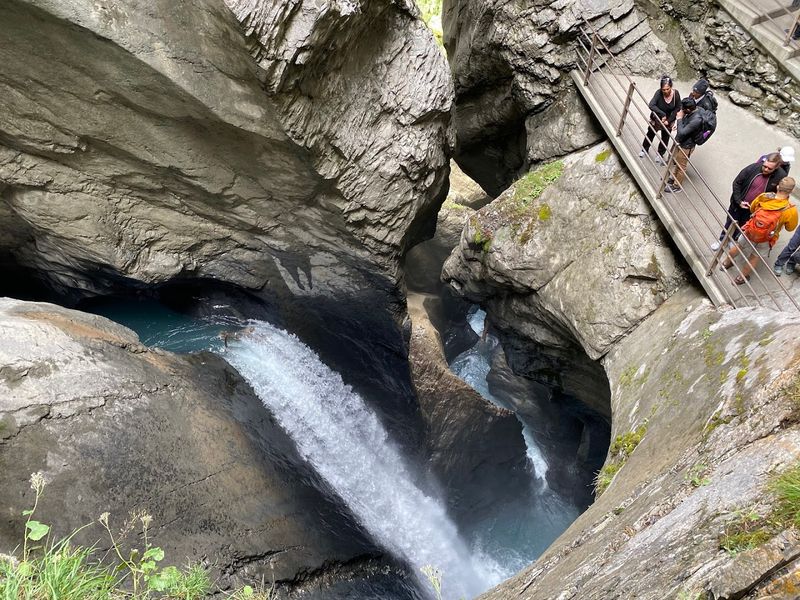
Some waterfalls whisper, but Trümmelbach absolutely shouts from inside the mountain. Hidden in Switzerland’s Lauterbrunnen Valley, these glacier-fed falls channel meltwater through tight rock tunnels with a force that feels almost excessive.
It is loud, fast, wet, and completely unforgettable.
What makes this place so thrilling is the access. A tunnel lift and a series of walkways let you move through the mountain and watch the water twist, slam, and surge through sculpted stone.
Every viewing platform offers a slightly different angle, and every angle looks like the mountain is having an argument with itself.
The water comes from the great peaks above, including the Eiger, Monch, and Jungfrau, so the volume can be astonishing in warmer months. You are not just looking at a waterfall here.
You are stepping into a whole interior plumbing system powered by snow and gravity, which sounds boring until you actually hear it roaring past your face.
Wear shoes with grip and expect spray on your clothes and glasses. Trümmelbach is not interested in keeping visitors perfectly dry, and honestly, that is part of the fun.
Gaping Gill (England)
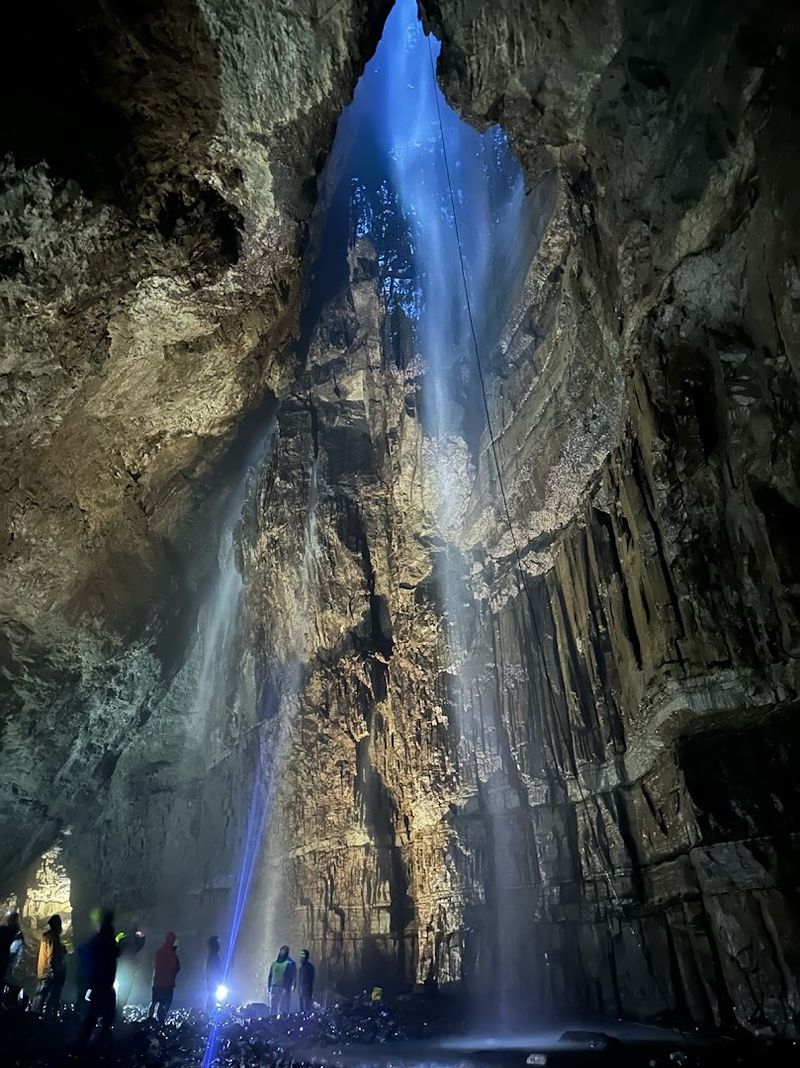
If a cave name sounds like it belongs in a ghost story, expectations rise immediately. Gaping Gill, tucked into the Yorkshire Dales, lives up to the drama with a waterfall that plunges nearly 100 meters into one of Britain’s most famous caverns.
It is wild, imposing, and gloriously short on cozy vibes.
The stream from Fell Beck disappears into a pothole and crashes into a vast chamber below, creating a spectacle that cavers have admired for generations. During special public events, usually run by local caving clubs, visitors can be lowered into the cavern by winch.
That descent alone is enough to make your palms remember they exist.
Once inside, the scale of the chamber is the real surprise. The falling water feels bigger underground, partly because the sound expands in every direction and partly because cave walls offer no visual escape.
You are standing in a space shaped by persistence, pressure, and time, which is a polite way of saying nature went absolutely all in.
This is not an everyday tourist stop, so planning matters. Check event dates, dress for mud and cold, and prepare for a rare underground waterfall experience that feels adventurous from the very first moment.
Devil’s Throat Cave (Bulgaria)
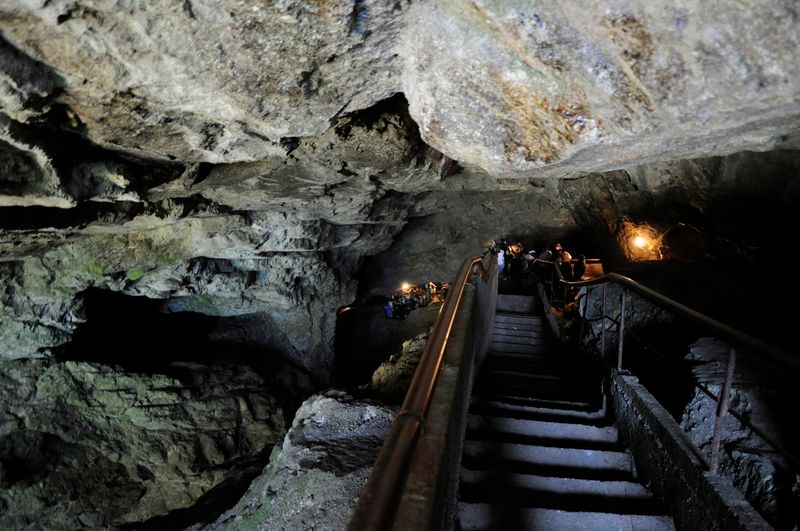
The name alone deserves a slow, suspicious glance. Devil’s Throat Cave in Bulgaria is one of those places where the atmosphere arrives before you do, helped along by legends, dark stone, and the thunder of the Trigrad River vanishing underground.
Subtle it is not.
Inside, the river plunges into a huge chamber known as the Roaring Hall, and the title is wonderfully accurate. The waterfall crashes through the cave with such force that conversation quickly becomes optional.
Visitors follow a constructed route through the cavern, where stairways and platforms make it possible to experience the scale without needing caving skills or unusual bravery.
Local mythology adds another layer to the visit. Some connect the cave to the story of Orpheus descending into the underworld, which feels entirely plausible once you are standing in a dim chamber with booming water and sheer walls.
The mood is half natural wonder, half dramatic stage set, and it works brilliantly.
The cave is cool, damp, and often echoing with tourist gasps, which is fair enough. If you enjoy your waterfalls with a side of folklore and a touch of menace, Devil’s Throat delivers a memorably eerie underground adventure without crossing into impossible territory.
Smoo Cave Waterfall (Scotland)
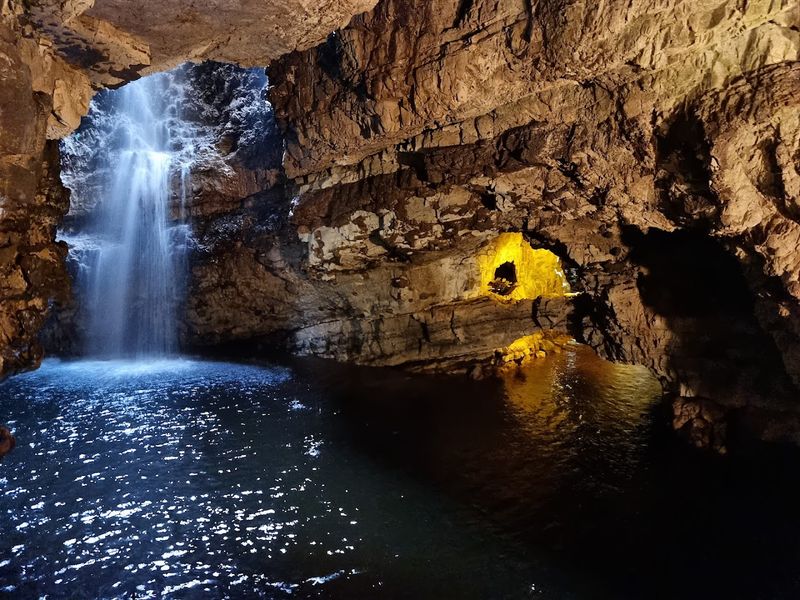
On Scotland’s far northern coast, Smoo Cave feels like a place that weather personally designed. This dramatic sea cave near Durness features a waterfall dropping through an opening in the ceiling into a dark chamber below.
It is compact, moody, and very easy to love.
Part of the appeal is how accessible it is. A short walk takes you to the enormous cave entrance, where the mix of sea-carved space and freshwater waterfall creates a surprisingly layered landscape.
In season, boat tours venture deeper inside, adding a little extra adventure and a lot more echo to the experience.
The waterfall itself is not the tallest on this list, but it does not need to be. The setting gives it character, with wet rock, shifting light, and a soundtrack that includes dripping water, flowing stream, and the occasional enthusiastic visitor trying not to slip.
It feels theatrical without trying too hard, which is a rare gift.
Smoo Cave works especially well for travelers who want something dramatic without committing to a full underground expedition. Bring a waterproof layer, take your time near the entrance, and enjoy one of the United Kingdom’s most charmingly shadowy waterfall stops.
Škocjan Caves (Slovenia)
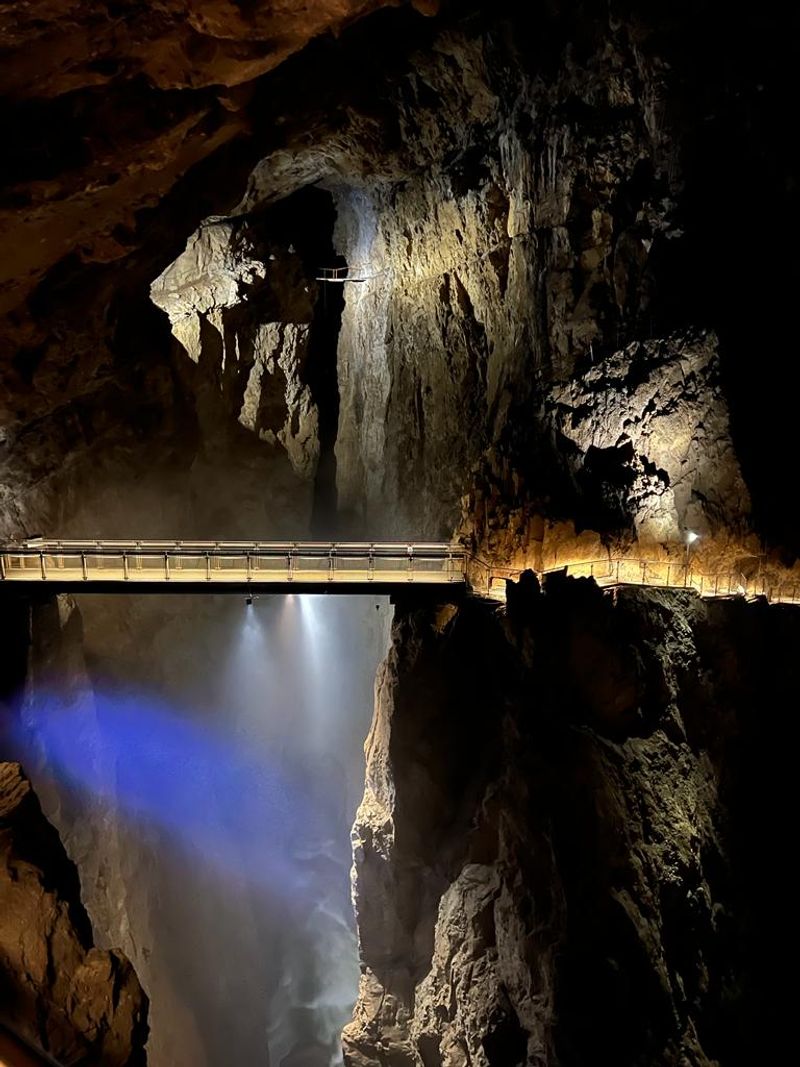
Few cave systems know how to make an entrance quite like Škocjan. This UNESCO-listed wonder in Slovenia contains immense underground canyons, roaring rivers, and waterfall sections that make you feel pleasantly small in the best possible way.
It is less a cave visit and more a full-scale subterranean performance.
As you move through the system, the scale keeps escalating. Giant chambers open into steep voids, and bridges suspended high above the river provide views that are thrilling, slightly intimidating, and completely worth it.
The water rushes through the canyon below with serious intent, creating falls and surges that turn the whole place into an echo chamber.
What makes Škocjan unforgettable is how dynamic it feels. Some caves are all silence and stillness, but this one has motion, noise, mist, and a genuine sense of geological drama.
Every turn reveals another oversized space or another stretch of river charging through limestone like it has somewhere urgent to be.
Guided tours keep the experience manageable, and sturdy paths help visitors focus on the scenery instead of survival. If you want a hidden waterfall setting with cathedral-scale ambition, Škocjan easily earns a place near the top of the list.
Grotte aux Fées (Switzerland)
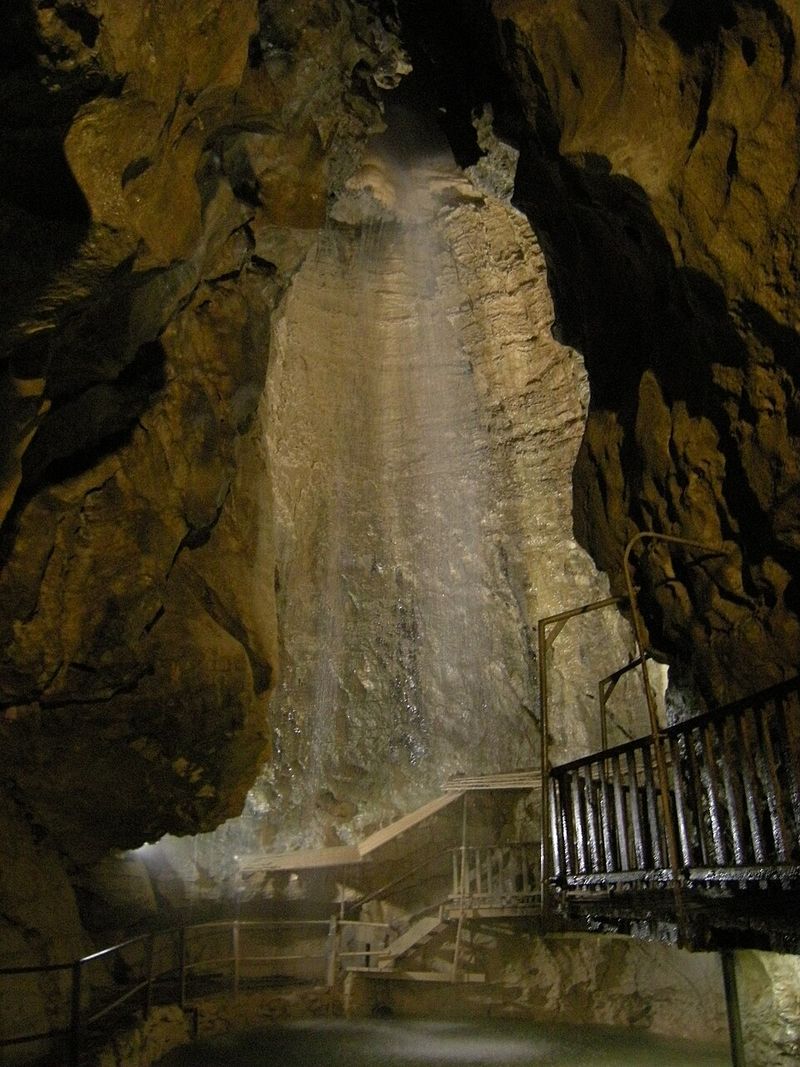
Fairy Cave is a bold name, but Grotte aux Fées actually pulls it off. Tucked near Saint-Maurice in Switzerland, this cave invites visitors into a quieter underground world where a hidden waterfall and shimmering rock walls create a setting that feels pleasantly enchanted.
It is charming without becoming sugary.
The route through the cave is manageable and atmospheric, leading you past damp passages, textured stone, and pockets of shadow that keep the reveal interesting. Eventually, you reach the underground cascade, and the whole place seems to brighten even when the light is low.
Water, rock, and echo do a lot with very little.
This is not the loudest or largest waterfall on the list, which is exactly why some travelers love it. Grotte aux Fées has a more intimate mood, the kind that rewards slow steps and actual attention instead of nonstop photographing.
If giant caverns are the blockbuster version of underground waterfalls, this one is the elegant indie release.
Nearby history adds extra appeal, but the cave itself is the real draw. Wear comfortable shoes, expect cool air, and lean into the atmosphere.
A hidden cascade inside a fairy cave is not an everyday travel memory.
Majestic Caverns (Alabama, USA)
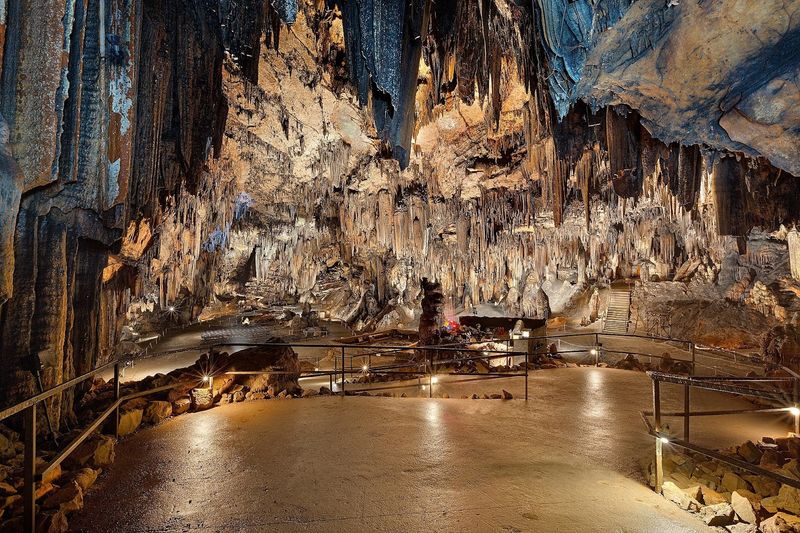
Alabama keeps this one nicely tucked away. Majestic Caverns, formerly known as DeSoto Caverns, combines an underground waterfall with impressive formations and a healthy dose of regional history.
The result is a cave tour that feels both scenic and surprisingly layered, which is always a welcome combination.
As you move through the caverns, you pass stalactites, flowstone, and spacious chambers that have hosted everything from guided tours to more unusual events over the years. The underground waterfall adds movement and sound to the limestone setting, giving the cave a livelier feel than places that rely on rock formations alone.
Water always improves the atmosphere underground.
What sets Majestic Caverns apart is its balance. It is accessible enough for casual visitors, but still interesting enough for travelers who like geology, local stories, and hidden natural features.
You are not squeezing through dangerous crevices or dangling over giant pits, which means more people can focus on enjoying the cave instead of reconsidering their life choices.
This stop works especially well for families or road trippers looking for an easy adventure. Bring a light jacket, expect a cool interior, and enjoy a waterfall experience that mixes Southern charm with serious underground credentials.
Hamilton Pool Preserve (Texas, USA)
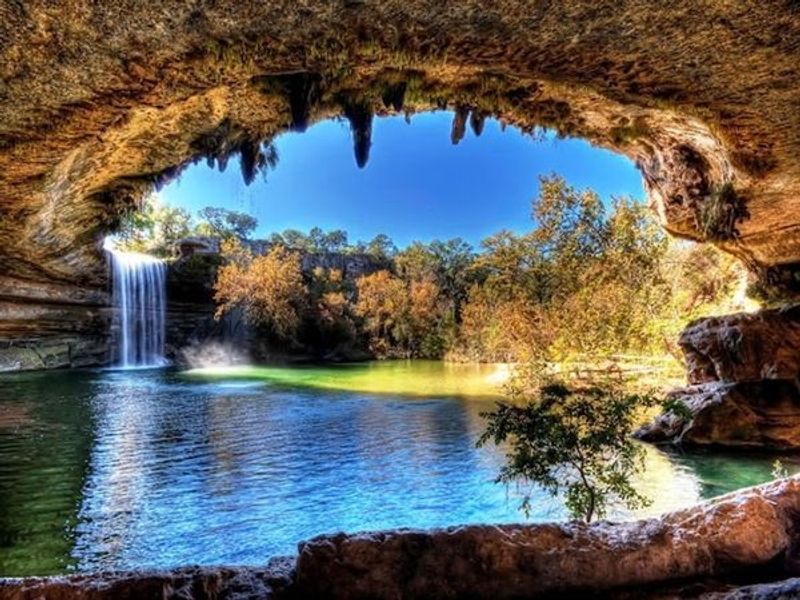
This one cheats a little, and honestly, I respect that. Hamilton Pool Preserve near Austin is not fully underground, but its collapsed grotto creates a cave-like setting where a waterfall spills into a striking natural pool beneath a limestone overhang.
It is part hidden chamber, part outdoor showpiece.
The scene is famously photogenic, and for good reason. Ferns cling to the rock, the pool often glows green-blue, and the curved ceiling frames the waterfall like nature briefly got into architecture.
Depending on conditions, swimming may be allowed or restricted, so it is worth checking ahead before showing up with big splash ambitions.
What makes Hamilton Pool memorable is the contrast. You get open sky, bright vegetation, and then this sudden sheltered space where water drops into shade and echo.
It feels secret even when other visitors are around, which is no small achievement for a well-known destination. The short hike in also helps build just enough anticipation.
Reservations are often required, especially in busy seasons, and the preserve carefully manages access. That is good news for the landscape and for anyone hoping to enjoy the grotto without total chaos.
Bring patience, sturdy shoes, and your camera’s better angles.
Puerto Princesa Underground River (Philippines)
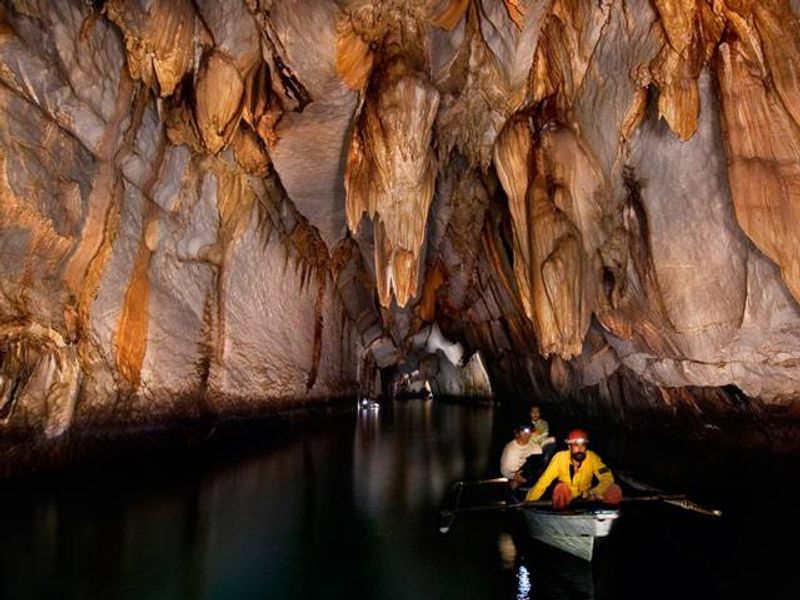
A boat ride into a mountain already sounds promising, and Puerto Princesa Underground River more than follows through. Located on Palawan in the Philippines, this UNESCO-listed system carries visitors through vast cave chambers where flowing water, rock formations, and hidden cascades create a slow-moving spectacle.
It is calm, eerie, and deeply impressive.
The journey happens by guided boat, which means you get to sit back and stare upward while the cave does all the dramatic work. Stalactites hang overhead, chambers expand into darkness, and occasional cascades add motion and sparkle to the underground river environment.
The silence between paddle strokes makes every drip and rush feel amplified.
Part of the appeal here is scale. The river stretches far into the cave system, and the sheer size of some chambers makes them feel more like subterranean halls than simple passages.
Wildlife in the surrounding national park adds another layer to the overall experience, though inside the cave the real stars are water, stone, and acoustics.
Expect organized tours, humid air, and a setting that feels very different from classic waterfall viewpoints. This is less about one giant drop and more about entering a hidden water world you can actually travel through.
Waitomo Cave Waterfall Areas (New Zealand)
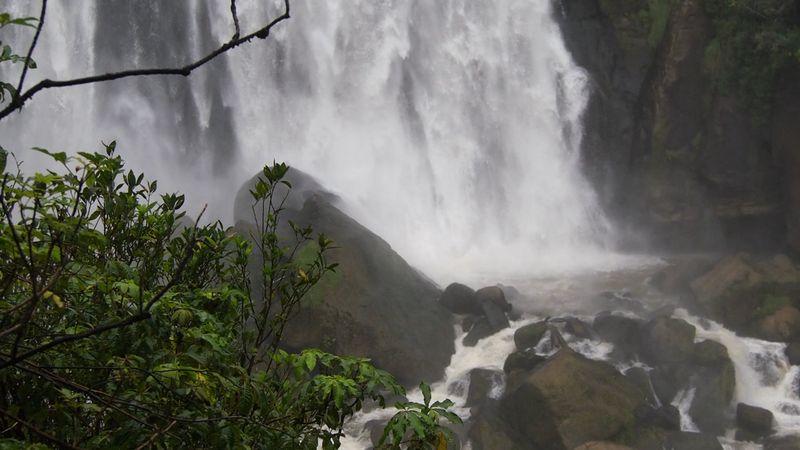
Glowworms may get the headlines, but Waitomo has more than one trick underground. Within these famous New Zealand caves, hidden waterfall areas and flowing streams bring movement to chambers already glowing with tiny blue lights.
It is the kind of combination that makes ordinary cave standards give up immediately.
Depending on the cave and tour you choose, you may walk, boat, or even adventure through sections where water shapes the experience as much as the limestone does. Small cascades and underground streams thread through the darkness, adding a soft soundtrack under the glowworm constellations above.
The atmosphere lands somewhere between peaceful and slightly unreal, which is a strong place to be.
What really stands out is how well the elements work together. The water catches faint light, the ceiling sparkles, and the cave walls frame everything without trying too hard.
You are not looking at one single giant waterfall here, but at a series of hidden water features that transform the caverns into a full sensory event.
Waitomo offers options for relaxed visitors and serious thrill seekers alike. Choose a gentler tour or a wetter one, but either way, expect underground beauty with a very distinctive New Zealand twist and a surprisingly magical finish.
Helmcken Falls Ice Cave (Canada)
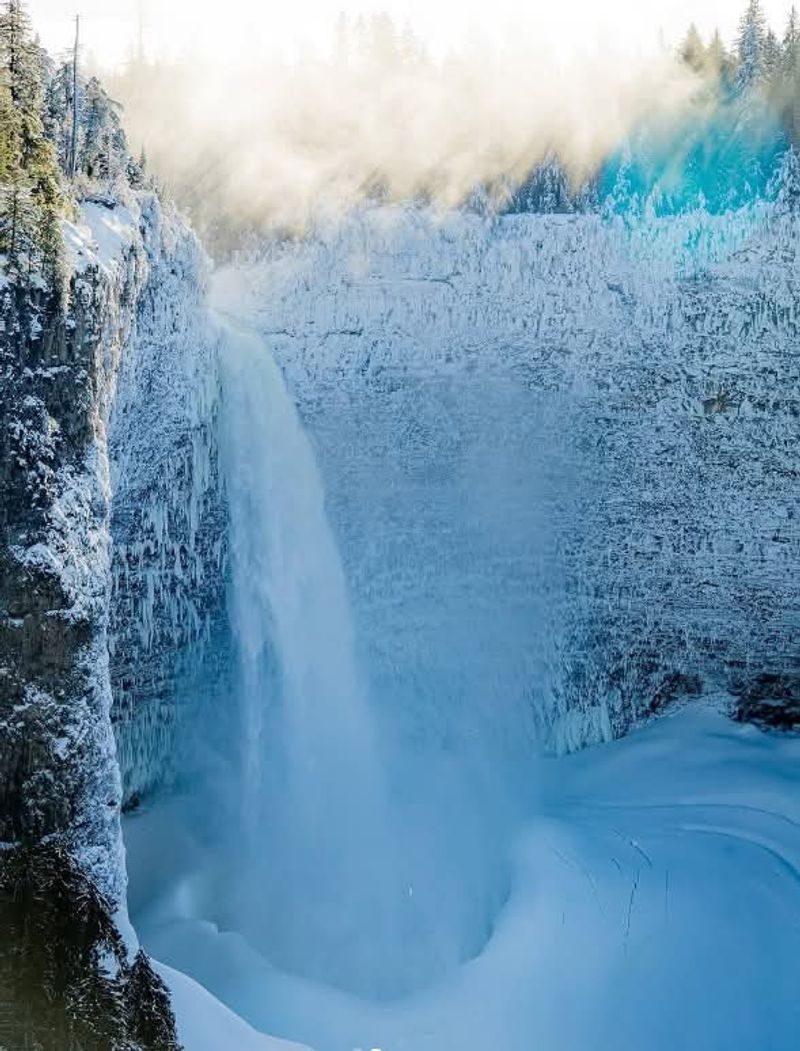
Winter takes this waterfall and turns the drama all the way up. At Helmcken Falls in British Columbia, freezing spray builds a huge natural ice cave beside the powerful cascade, creating one of the most striking behind-the-waterfall experiences anywhere.
It is beautiful, intense, and definitely not beach weather.
The falls themselves are famous, but the cold-season transformation is what makes this version special. As mist freezes over time, a massive icy amphitheater forms around the plunge pool area, allowing experienced hikers and photographers to view the waterfall from a perspective that feels almost impossible.
Blue ice, swirling spray, and thunderous water make an excellent trio.
This is not a casual stroll in sneakers. Winter conditions can be serious, trails may be challenging, and safety matters far more than getting the perfect photo for five seconds of online applause.
Still, for prepared visitors, the reward is extraordinary. Few places let you stand near a roaring waterfall while wrapped in the architecture of its own frozen breath.
Bring proper cold-weather gear, check local conditions, and respect the power of the site. Helmcken’s ice cave is one of those rare places where nature manages to look both elegant and slightly ferocious at the same time.
Baatara Gorge Cave (Lebanon)
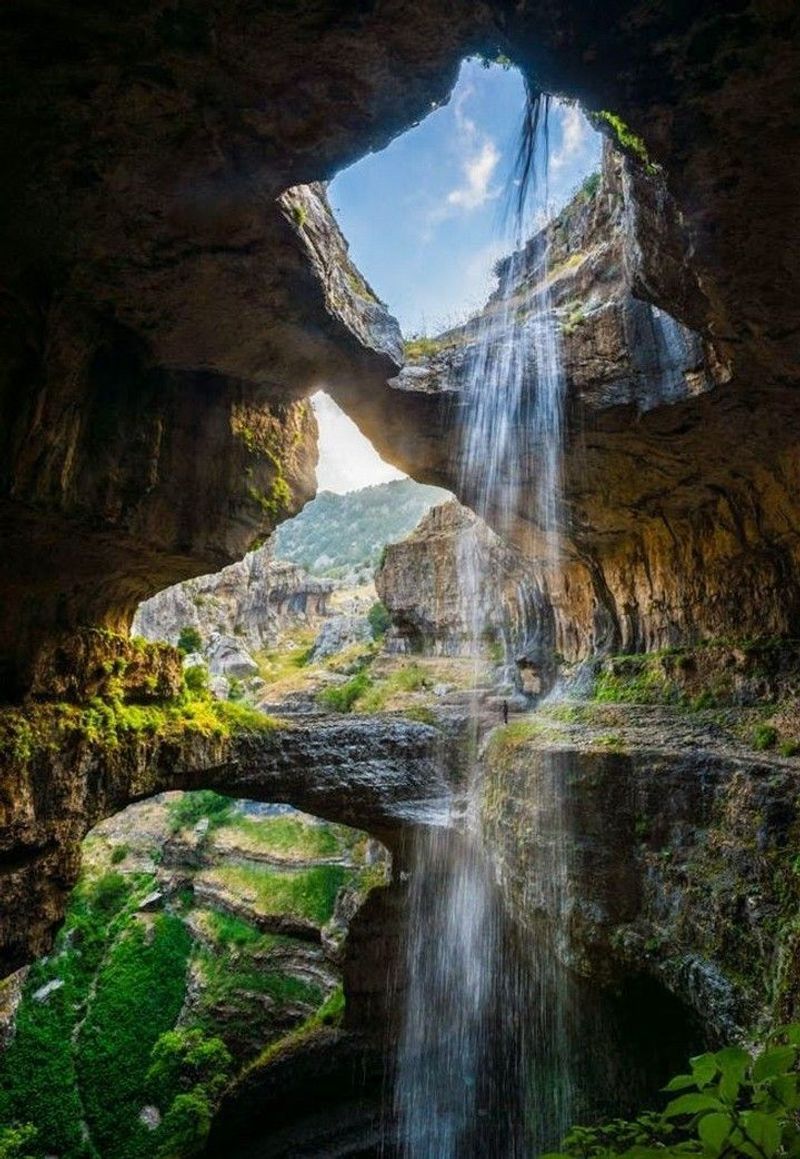
At first glance, Baatara Gorge looks like the earth forgot to finish a sentence. This spectacular sinkhole in Lebanon features a seasonal waterfall that plunges through a huge cave opening, passing natural limestone bridges before disappearing into the depths below.
It is outrageous in the best possible geological way.
The site is partly open to the sky, but the cavernous space beneath gives it a strong hidden-world effect. In spring, when snowmelt feeds the falls, the water drops dramatically through the chasm and turns the whole formation into a natural stage set.
The layered rock bridges are the detail that really seals the deal, because apparently one astonishing feature was not enough.
Reaching the gorge typically involves some travel into the mountains, and conditions can vary depending on season and weather. That said, the visual payoff is enormous.
Few places combine vertical drama, cave atmosphere, and such an unusual structural design in one view. It is the kind of landscape that makes you pause first and ask questions later.
Visitors should be careful near edges and ideally go when the waterfall is active. If you catch Baatara at the right time, it offers one of the most striking semi-underground waterfall experiences anywhere in the world.
Rio Secreto (Mexico)
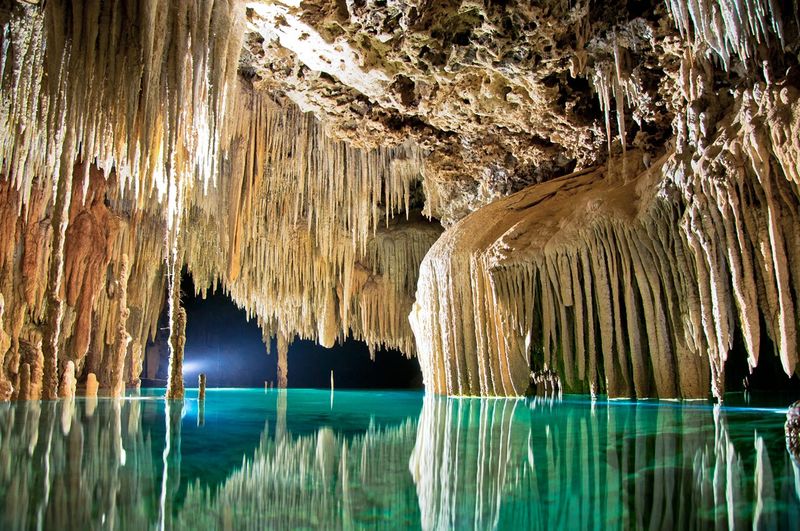
Under the jungle near Playa del Carmen, Rio Secreto hides a whole watery world. This guided cave system in Mexico combines underground rivers, small cascades, limestone formations, and swimmable passages into an adventure that feels equal parts nature tour and secret mission.
It is playful, immersive, and very good at surprising people.
Visitors typically explore with helmets, lights, and guides, moving on foot and through the water as the cave reveals chamber after chamber. The cascades here are smaller than some others on this list, but they fit the setting perfectly.
Rippling water, reflective walls, and filtered light create an atmosphere that is less thunderous and more quietly mesmerizing.
One of the best things about Rio Secreto is how physically engaging it is. You are not just standing on a platform and looking at a hidden waterfall from a polite distance.
You are in the environment, wading and swimming through it, which makes every curve in the cave feel immediate. The guided format also helps visitors relax and appreciate the geology instead of worrying about where to step next.
Expect cool water, slick rocks, and a memorable contrast with the sunny world above. If you like your underground wonders active, accessible, and just a little adventurous, Rio Secreto is a standout finale.
Share this story