Some meals don’t just feed you, they take you straight back to a kitchen that smelled like home. Baby boomers grew up eating food that was hearty, simple, and made with whatever was in the pantry.
These dishes weren’t fancy, but they had something no restaurant can replicate: the taste of a time when life moved a little slower. Get ready for a delicious trip down memory lane.
Meatloaf with Ketchup Glaze
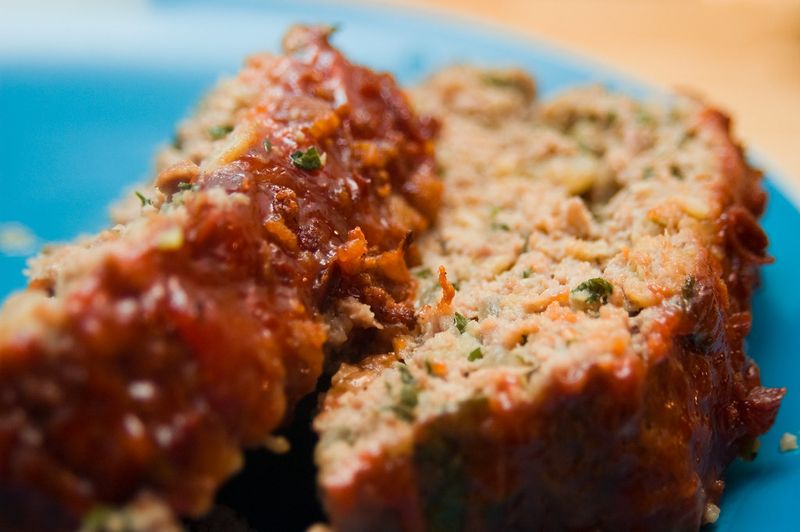
Nobody talked about meatloaf like it was a masterpiece, but somehow it always disappeared before anyone asked for seconds. Mom would mix ground beef with breadcrumbs, an egg, and whatever seasoning she felt like that Tuesday.
The real magic happened on top: a thick layer of ketchup that caramelized in the oven into something sticky and slightly sweet.
Every family had their own secret version. Some added onion soup mix.
Others threw in Worcestershire sauce like they were writing a recipe for royalty. The result was always the same kind of ugly, delicious loaf that nobody could stop eating.
Meatloaf was the ultimate budget meal that somehow felt filling and special at the same time. Leftovers made the best cold sandwiches the next day, slapped between two slices of white bread.
It was never glamorous, but it was always exactly what you needed after a long day.
Tuna Noodle Casserole
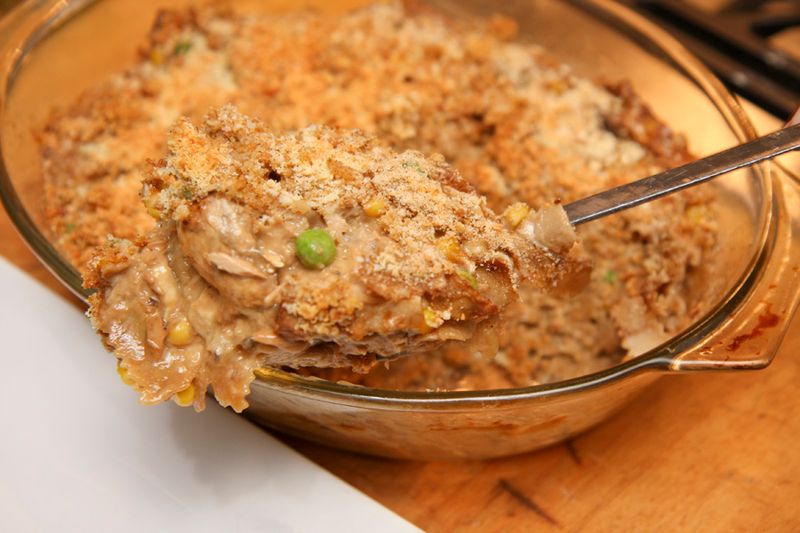
Tuna noodle casserole was the dish that showed up whenever the grocery budget was running low and dinner still had to happen. A can of tuna, a can of cream of mushroom soup, some egg noodles, and a handful of frozen peas were all it took.
That crunchy cracker topping on top? Absolutely non-negotiable.
I remember the whole house smelling like this on cold weeknights, and honestly, it was comforting in a way that fancy food never quite managed. It was warm, creamy, and filling without requiring any culinary skill whatsoever.
That was kind of the point.
Casseroles like this one were the original one-dish wonders long before meal prep became a trend. You mixed everything in the dish, popped it in the oven, and dinner was handled.
Simple, reliable, and deeply satisfying in that no-nonsense boomer way that modern cooking sometimes forgets to be.
TV Dinners
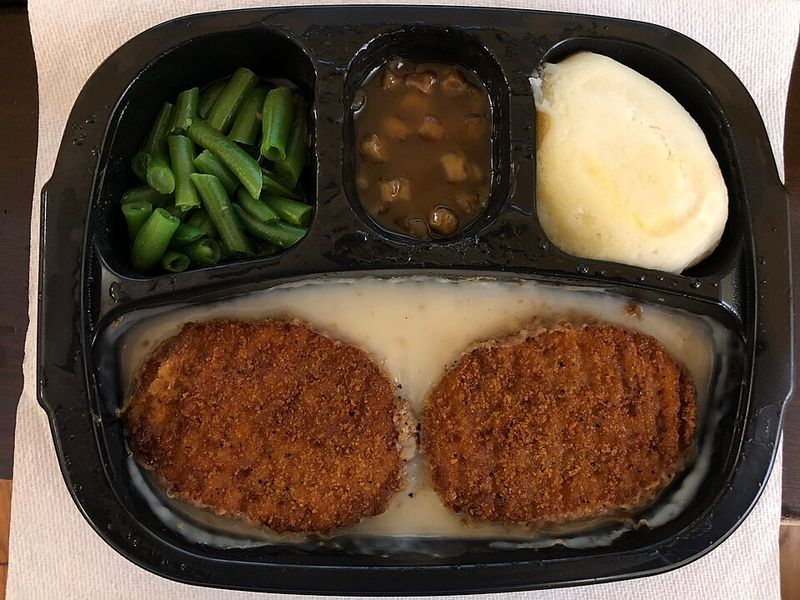
The TV dinner was nothing short of a revolution wrapped in aluminum foil. Swanson launched the first one in 1953, and by the time boomers were growing up, eating dinner in front of the television felt like the most modern thing a family could do.
The little divided tray made everything feel official, like a first-class meal on a budget airline.
Peeling back that foil to reveal the mashed potatoes, the mystery meat, and that tiny square of apple cobbler was a weekly ritual in millions of homes. The corn was always weirdly sweet.
The brownie section was always the first to go.
These meals were not exactly gourmet, and nobody pretended they were. But they gave kids something to look forward to on nights when mom needed a break.
TV dinners were less about the food and more about the freedom of eating on the couch without getting in trouble.
Jell-O Salad
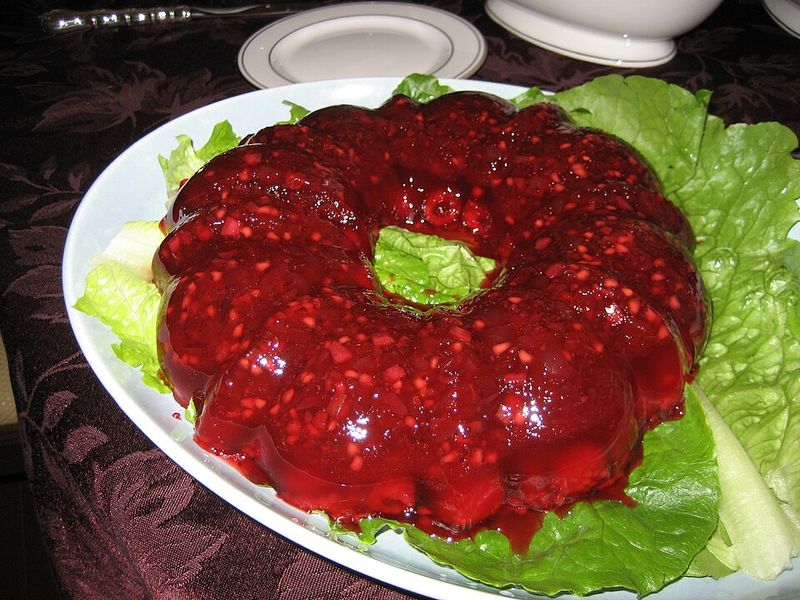
Jell-O salad was the dish that confused every generation that came after the boomers. Why is there cream cheese in there?
Why are there carrots? Why is it shaped like a ring?
Nobody had satisfying answers, but everyone ate it anyway because Grandma brought it and you did not argue with Grandma.
At its peak popularity, Jell-O was being combined with everything from shredded cabbage to canned fruit cocktail to Cool Whip. The result was a jiggly, colorful creation that somehow counted as both a salad and a dessert depending on who you asked.
It was a simpler time, food-wise.
Lime Jell-O with cream cheese and crushed pineapple was a particular classic that showed up at nearly every potluck from 1955 to 1975. Food historians actually study this stuff.
The Jell-O salad era says a lot about postwar optimism and the love of convenience food. Or maybe people just really loved watching things wobble.
Sloppy Joes
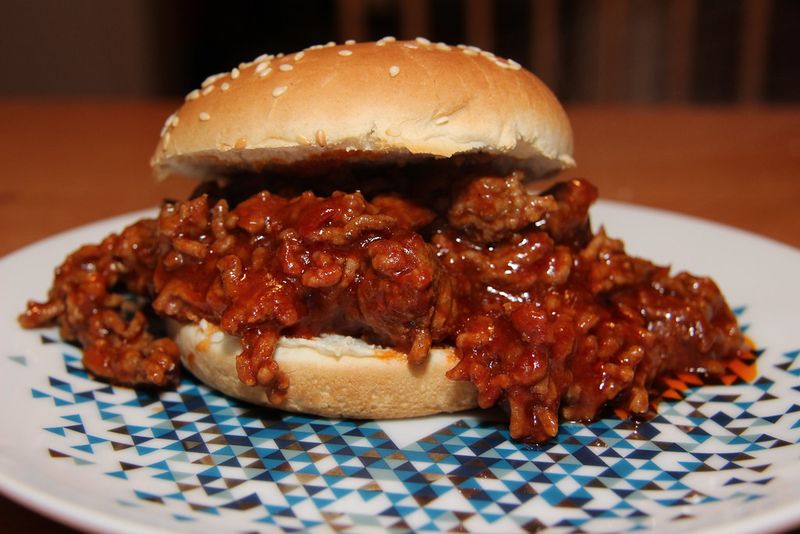
There is no dignified way to eat a Sloppy Joe, and that was always the whole point. Ground beef cooked in a sweet, tangy tomato sauce piled high on a soft bun was the kind of lunch that required a stack of napkins and zero sense of self-importance.
Kids loved it precisely because it was messy and parents let it happen anyway.
Manwich made the canned version famous in 1969, turning a Tuesday night dinner into a two-minute operation. Just brown the meat, pour in the can, simmer, and serve.
The bun did its best to hold everything together, and it usually lost.
Sloppy Joes were a school cafeteria staple that triggered genuine excitement. Something about that sweet-savory sauce on a soft bun just worked.
They were not sophisticated, they were not balanced, and they absolutely did not care. That carefree attitude is exactly why people still make them today with a big nostalgic grin.
Spaghetti with Meat Sauce
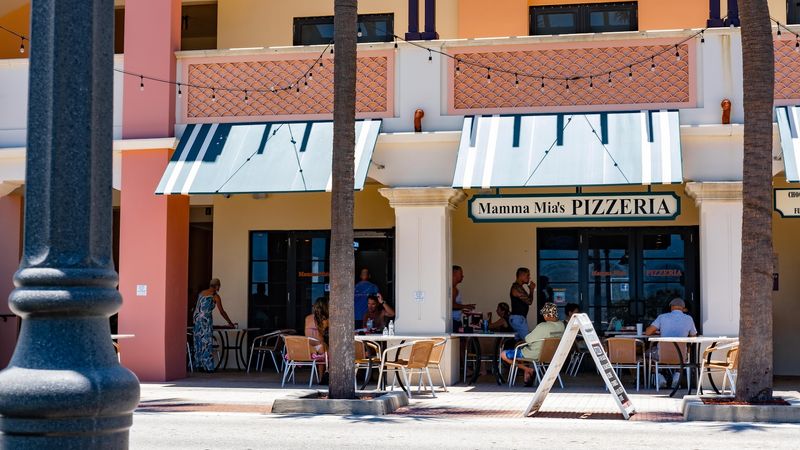
Wednesday night was spaghetti night in a lot of boomer households, and nobody complained. A big pot of noodles, a skillet of browned beef simmered in jarred tomato sauce, and a generous shake of parmesan from that green cardboard can.
It was Italian-American comfort food at its most honest and unpretentious.
The sauce splatters on the stovetop were basically a sign that things were going well. Mom would stir that pot like she was conducting an orchestra, tasting as she went and adding a pinch of sugar if the tomatoes tasted too sharp.
That trick alone felt like cooking wisdom passed down through generations.
Spaghetti had a superpower: it fed a crowd without draining the wallet. A pound of pasta and a pound of beef could stretch to feed six hungry people with leftovers for lunch the next day.
It was practical, beloved, and reliable. Some things never go out of style, and this is one of them.
Macaroni and Cheese (From the Box)
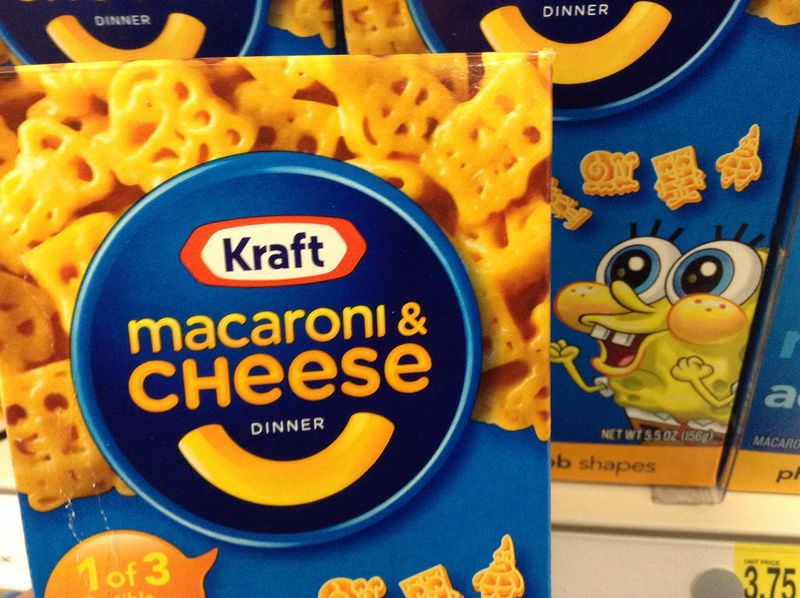
Kraft introduced boxed mac and cheese in 1937, calling it a “thrifty family meal,” and boomers basically grew up treating it as a food group. The bright orange powder, the tiny elbow noodles, and the ritual of adding butter and milk felt like cooking even when it absolutely was not.
The result was creamy, salty, and deeply satisfying in a way that made no nutritional sense.
I made this so many times as a kid that I had the steps memorized before I could multiply fractions. Boil noodles, drain, add the good stuff, stir until everything turned that iconic orange.
Done in under ten minutes and good enough to eat straight from the pot.
Homemade mac and cheese exists and it is wonderful, but it has never quite replaced the boxed version in the hearts of people who grew up eating it. There is something about that specific flavor that triggers pure, uncomplicated happiness.
No apologies needed. The box version earned its legendary status fair and square.
Pot Roast with Vegetables
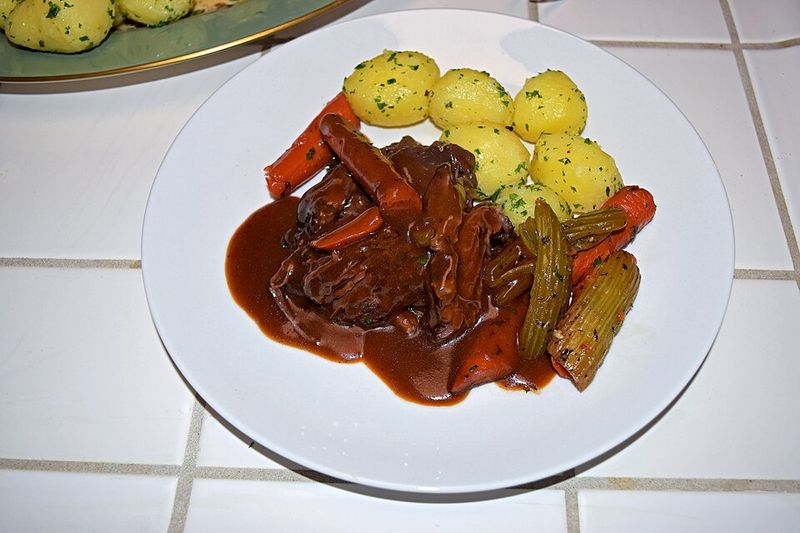
Sunday pot roast was not just dinner, it was an event. The whole house smelled incredible by noon, and everyone knew better than to ask what time it would be ready because the answer was always “when it’s done.” A tough cut of beef, low heat, and a few hours of patience transformed into something genuinely spectacular.
Chuck roast was the cut of choice because it was cheap and became impossibly tender after hours in the oven. Carrots, potatoes, and onions went in the same pot, soaking up all that beefy broth and becoming the best vegetables anyone ever ate.
Nothing fancy. Everything perfect.
Pot roast was also the dish that taught boomers the value of slow cooking before slow cookers existed. You could not rush it, and trying to was pointless.
That patience paid off every single time. The rich, fork-tender result was worth every minute of waiting, and the leftover sandwiches the next day were basically a bonus prize.
Creamed Chipped Beef on Toast
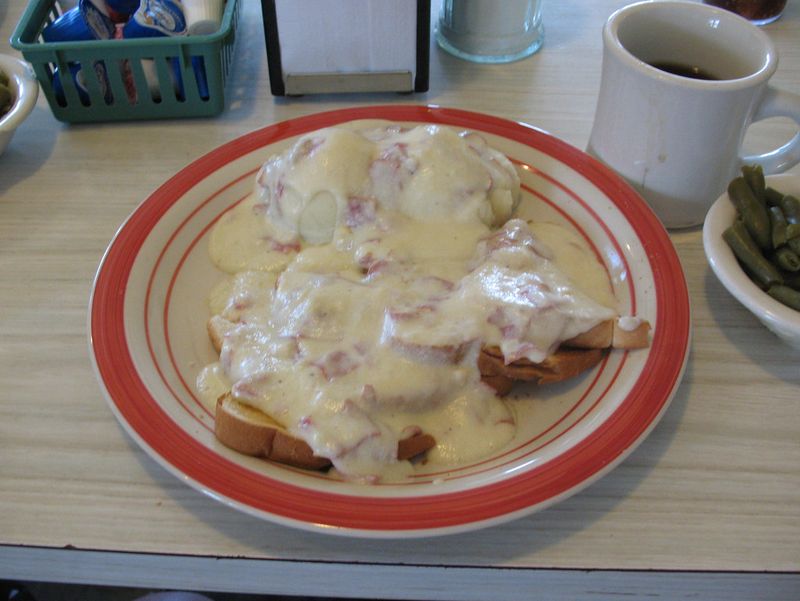
The military gave this dish its colorful nickname, and the name alone tells you everything about how people felt eating it. Dried beef in a thick white gravy ladled over toast was the kind of meal that appeared at breakfast, lunch, or dinner depending on how the week was going.
It was cheap, fast, and filling in that no-nonsense 1950s way.
Jars of dried chipped beef sat in pantries across America for exactly this purpose. The cream sauce was a simple white gravy made with butter, flour, and milk.
Served over two slices of toast, it became a whole meal that required almost no skill and almost no money.
Boomers who grew up eating this either love it fiercely or have blocked it from memory entirely. There is no middle ground.
Those who love it will defend it loudly and make it for their grandkids just to watch their faces. That is the true power of a polarizing comfort food classic.
Deviled Eggs
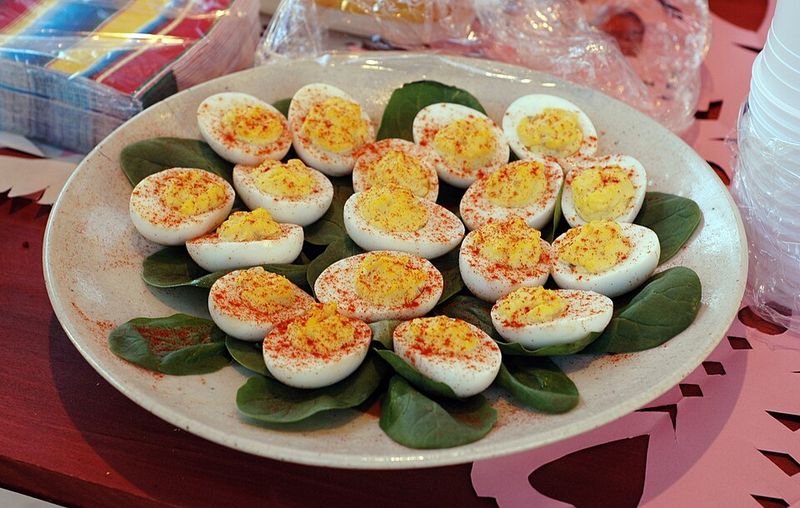
No church potluck, family reunion, or holiday table was complete without a platter of deviled eggs, and everyone knew whose were best. The filling was simple: egg yolks mashed with mayo, mustard, a little pickle relish, and a dusting of paprika on top.
The result was creamy, tangy, and completely impossible to eat just one of.
Deviled eggs required an actual deviled egg platter, which every boomer household owned. That oval dish with the little egg-shaped divots was a staple of mid-century kitchen cabinets right next to the fondue pot and the Jell-O molds.
It was absolutely a whole aesthetic.
The funny thing about deviled eggs is that they never went out of style. They showed up in the 1950s, survived every food trend since, and are still the first thing to disappear at every party today.
Turns out, when something is perfectly delicious, no amount of time can make people stop wanting it.
Fish Sticks and Tartar Sauce
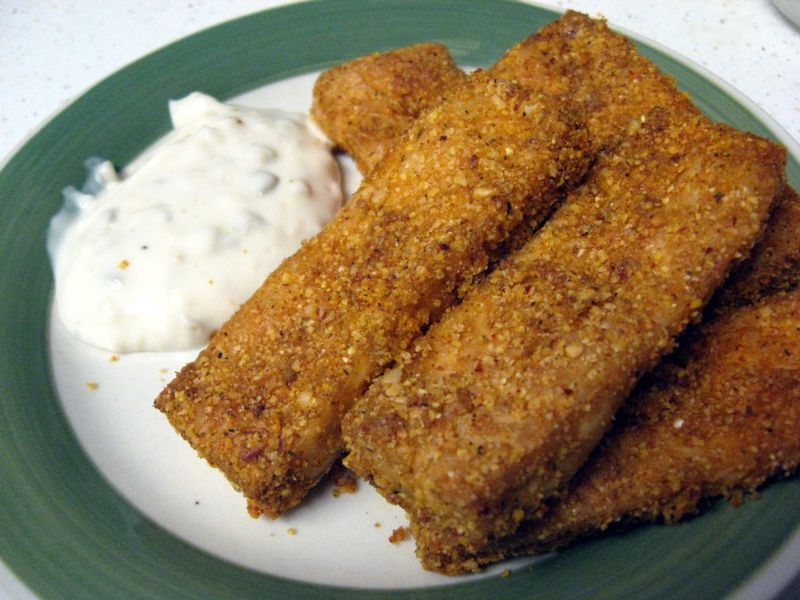
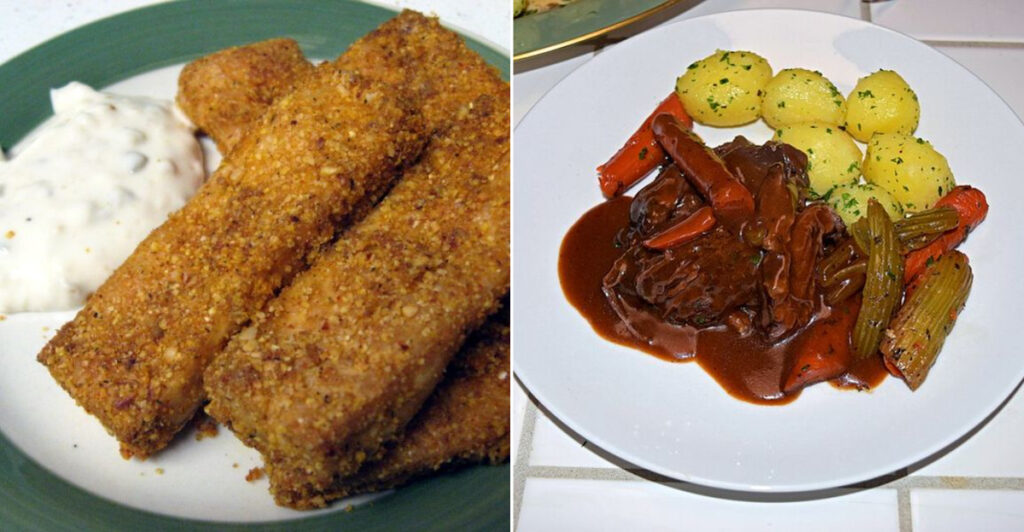
Fish sticks were the Friday night dinner for millions of Catholic families and plenty of non-Catholic ones too, because honestly, they were delicious and nobody needed a religious reason to eat them. Gorton’s and Birds Eye had the frozen fish stick market locked up by the 1960s, and the golden, crispy rectangles became a weekly ritual in homes across the country.
The tartar sauce was non-negotiable. Some families made it from scratch with mayo, pickles, and a squeeze of lemon.
Others squeezed it straight from the jar, and that was fine too. The fish stick did not care about your sauce origin story.
It just wanted to be dipped.
Kids who grew up eating fish sticks rarely questioned what kind of fish was inside, and that was probably for the best. They were crunchy, mild, and easy to eat with ketchup if tartar sauce felt too adventurous.
Simple pleasures from a simpler era, still holding up beautifully in frozen food aisles everywhere.
Bologna Sandwiches
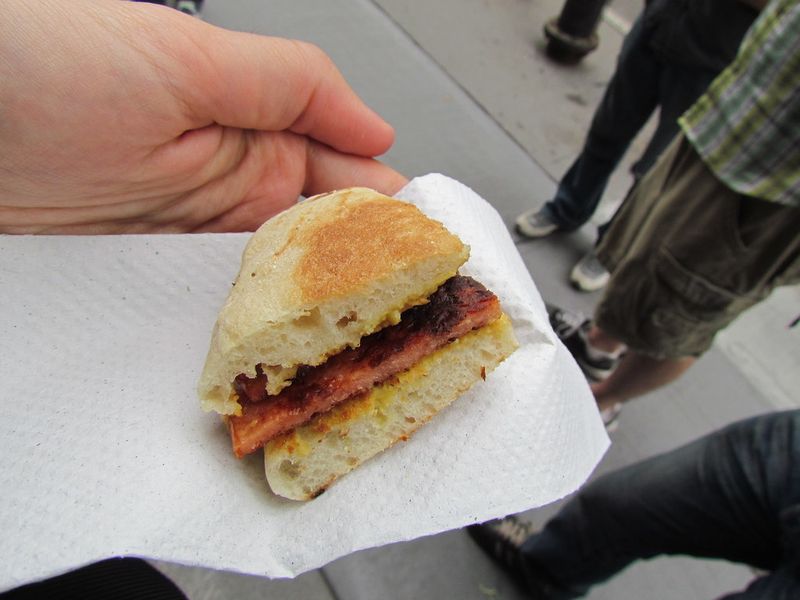
Bologna was the working-class hero of the deli counter, and it deserved far more respect than it ever got. A few slices of bologna on white bread with yellow mustard was the lunch that fueled an entire generation through school days, summer afternoons, and road trips in station wagons without air conditioning.
Simple, dependable, and always available.
Frying bologna in a skillet until the edges curled up and the center puffed into a dome was a legitimate upgrade that many boomer kids discovered entirely by accident. Throw that on bread with mustard and you had something that felt almost gourmet by 1965 standards.
Almost.
Bologna got a reputation as cheap mystery meat, and sure, maybe some of that was earned. But ask any boomer about their school lunch memories and bologna will come up within the first two answers.
Some foods are not about quality. They are about the specific, irreplaceable feeling of being a kid with a good lunch and nowhere to be.
Peanut Butter and Jelly Sandwiches
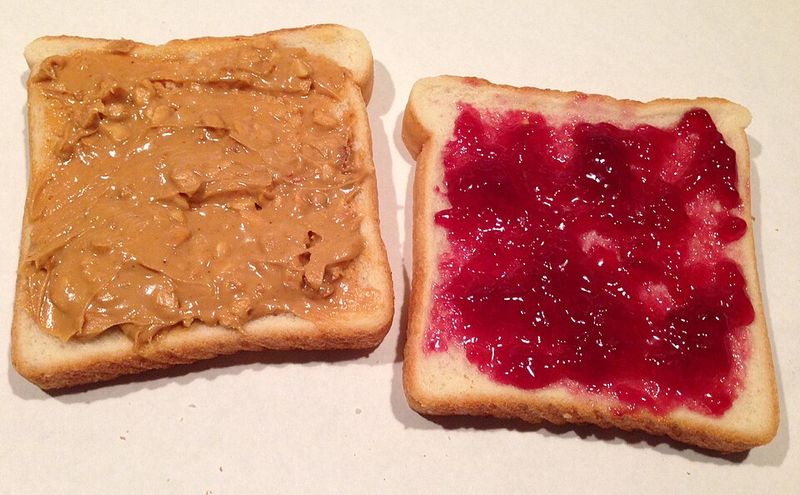
The peanut butter and jelly sandwich is arguably the greatest food invention in American history, and I will not be taking questions. Creamy peanut butter, grape jelly, two slices of soft white bread, and a diagonal cut that somehow made it taste better than a straight cut ever could.
This was lunch perfection achieved through pure simplicity.
Boomers ate these constantly, from kindergarten lunchboxes to after-school snacks to late-night hunger emergencies. The combination of sweet and salty, soft and slightly sticky, made it universally satisfying at any age and any time of day.
Jif and Welch’s basically built empires on this sandwich alone.
What makes the PB&J truly legendary is its total lack of pretension. It does not need to be elevated, deconstructed, or served on sourdough with artisan jam.
It is perfect as it is and always has been. Every generation rediscovers it and every generation reaches the same conclusion: this sandwich was right all along.
Pineapple Upside-Down Cake
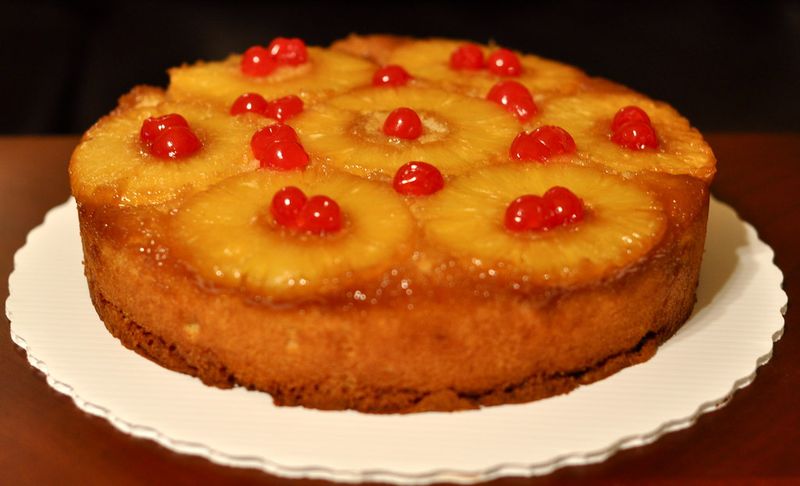
Pineapple upside-down cake had one of the best origin stories in American baking. Dole started promoting canned pineapple recipes in the early 1900s, and by the time boomers came along, this sticky, caramelized cake was a full-on family classic.
The dramatic flip at the end, revealing those perfect pineapple rings with their little cherry centers, was basically a kitchen performance art piece.
The base was a simple yellow butter cake. The magic was the brown sugar and butter melted in the pan first, with pineapple slices arranged just so before the batter went on top.
When it came out of the oven and flipped onto a plate, it looked like something from a magazine cover.
Maraschino cherries sitting in the center of each pineapple ring were non-negotiable. Removing one before the cake was served was considered a minor offense in most households.
This cake looked impressive, tasted incredible, and required ingredients everyone already had. That winning combination made it a showstopper for decades and counting.
Icebox Cake
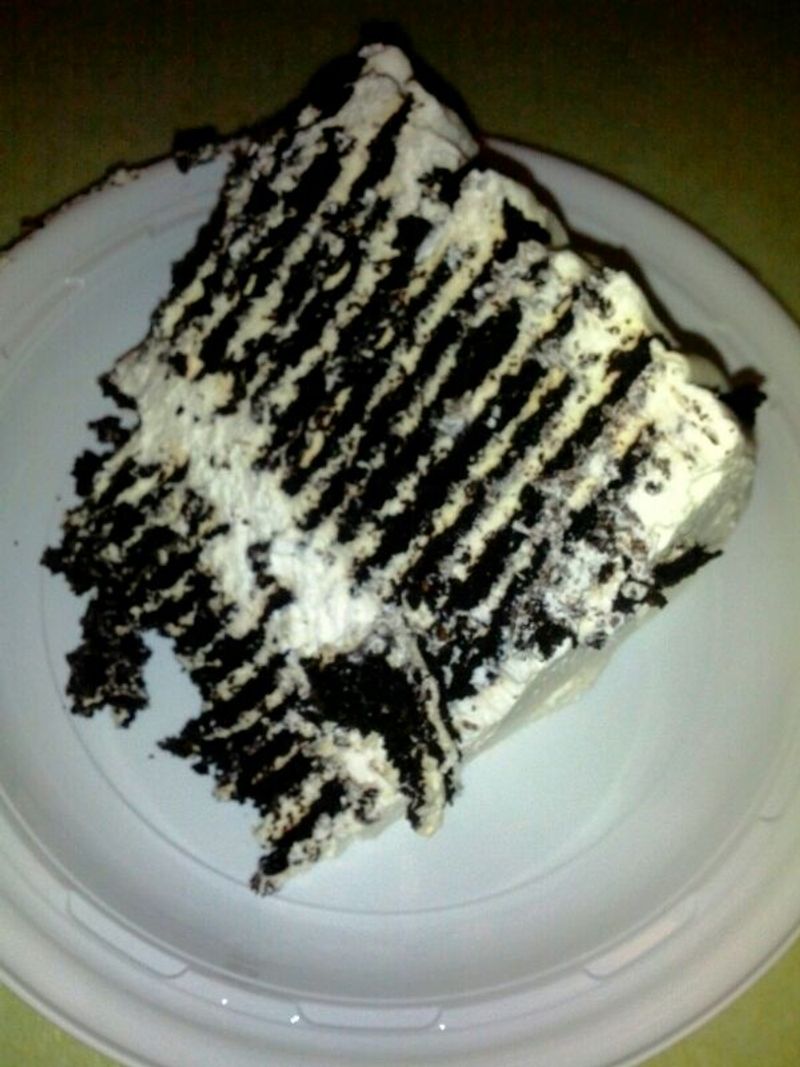
The icebox cake was what happened when a brilliant baker realized that cookies and whipped cream left overnight in the refrigerator became something far greater than the sum of their parts. Nabisco chocolate wafers stacked with layers of whipped cream, chilled until the cookies softened into a cake-like texture, was genuinely genius.
No oven required. No baking skills needed.
The recipe was printed right on the back of the Nabisco Famous Chocolate Wafers box for decades, which meant generations of home cooks made the exact same dessert and called it their own specialty. Nobody complained.
It was too good to argue about attribution.
Icebox cake showed up at summer parties and holiday dinners alike because it could be made the night before and actually got better with time in the fridge. That make-ahead quality was revolutionary before anyone used that word for cooking.
Slicing into those soft, striped layers felt like unwrapping a gift. And the taste?
Pure, old-fashioned magic every single time.
Share this story