There is a place in Illinois so small, so forgotten, and so geographically strange that most people have never heard of it, even though it once held one of the most important titles in the entire Midwest. A river swallowed its past, a state border shifted around it, and today fewer than a dozen people call it home.
The story of this village reads like something out of a history book that nobody remembered to keep on the shelf. From its days as a thriving French colonial settlement to its current status as an isolated pocket of land technically cut off from the rest of Illinois by the Mississippi River, this place carries centuries of drama in a footprint you could walk across in minutes.
Keep reading, because this one is genuinely worth your time.
A Village Stranded on the Wrong Side of the River
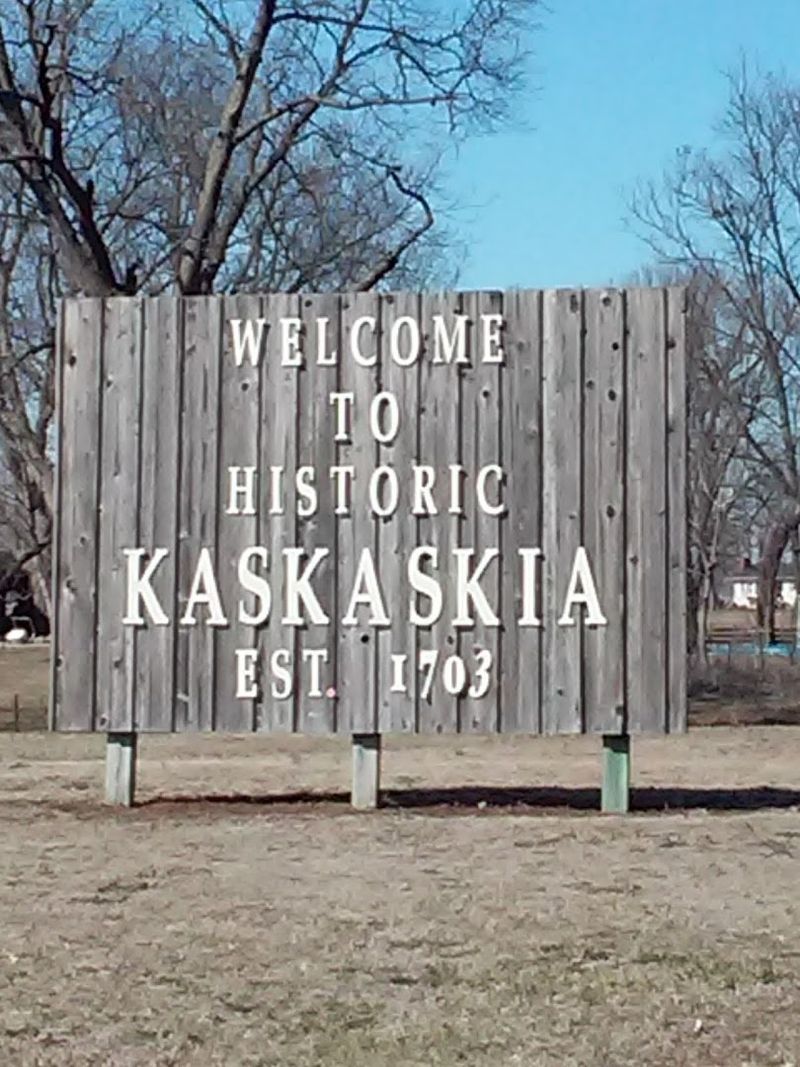
Kaskaskia sits in one of the most unusual geographic positions of any municipality in the United States. Located in Randolph County, Illinois, at Kaskaskia Precinct, IL 62233, the village rests on the west side of the Mississippi River, meaning it is physically separated from the rest of Illinois by water.
To reach it, you cross from Missouri, not from Illinois. The river essentially claimed the original town site during a catastrophic flood in 1881, carving a new channel and leaving this small patch of land stranded on what had always been the Missouri side.
The state boundary never moved, so Kaskaskia remains legally part of Illinois despite being geographically nestled against Missouri’s eastern edge. It is the only part of Illinois located west of the Mississippi River, and that quirky fact alone makes it worth putting on your map.
From Thriving Capital to Ghost-Town Silence
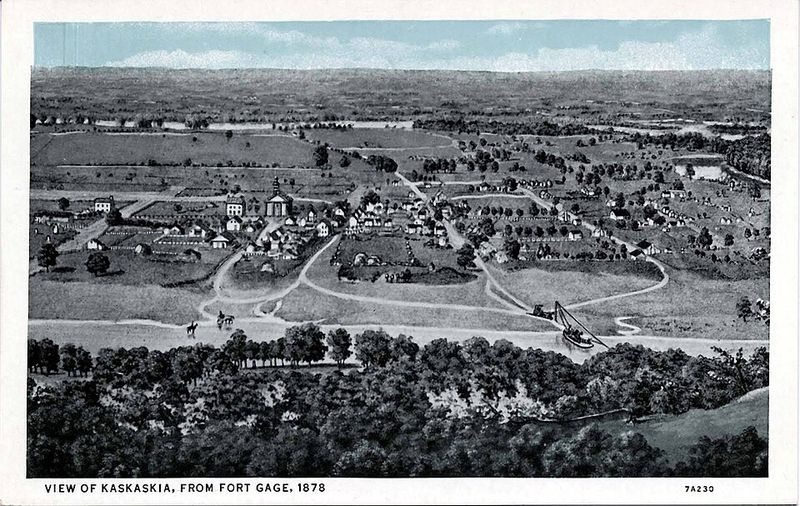
Hard to believe now, but Kaskaskia was once the most important city in this entire region. When Illinois became a U.S. territory in 1809, Kaskaskia served as its capital, and when Illinois achieved statehood in 1818, it held that same honor as the state’s very first capital city.
At its peak, the town had a population of several thousand and was a hub of French colonial culture, political activity, and commerce along the Mississippi River corridor. French settlers had established the community as early as 1703, making it one of the oldest European settlements in the entire Midwest.
Then the floods came, the river shifted, and the capital moved to Vandalia in 1820. The population drained away over the following decades, leaving behind a place that once shaped a state but now barely registers on a modern map.
The contrast is genuinely striking.
The French Colonial Roots That Still Echo Here
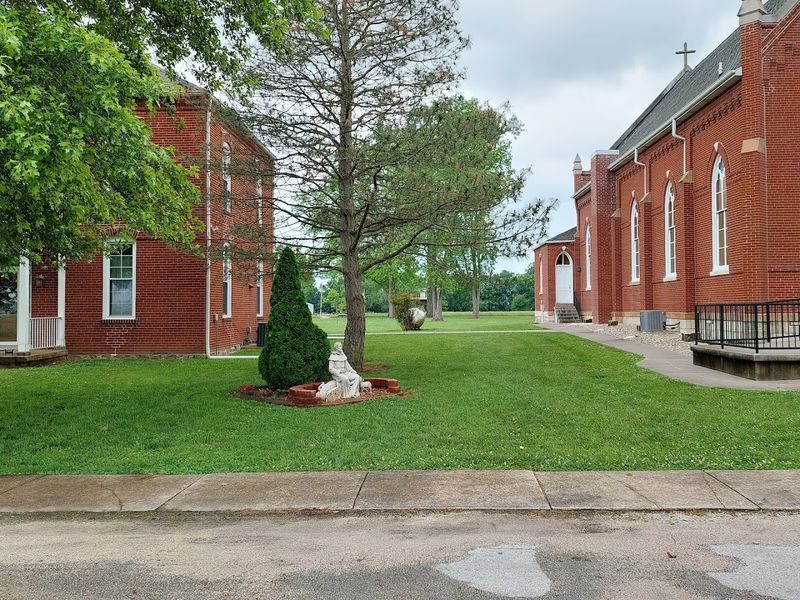
Long before American settlers pushed westward, French missionaries and traders had already built a community at Kaskaskia that functioned as the administrative heart of French Illinois Country. The settlement dates to 1703, founded by Jesuit missionaries alongside members of the Kaskaskia tribe of the Illiniwek Confederacy.
French influence shaped everything from the town’s architecture to its legal traditions, and for decades Kaskaskia was the cultural and economic center of a vast stretch of North American territory claimed by France. When France ceded the region after the French and Indian War, the town transitioned into British and then American hands, but its French identity lingered for generations.
Walking through what remains today, you can almost sense that layered history beneath the quiet. The French chapter of Kaskaskia’s story is not just a footnote; it is the entire foundation on which everything else was built.
The Liberty Bell of the West
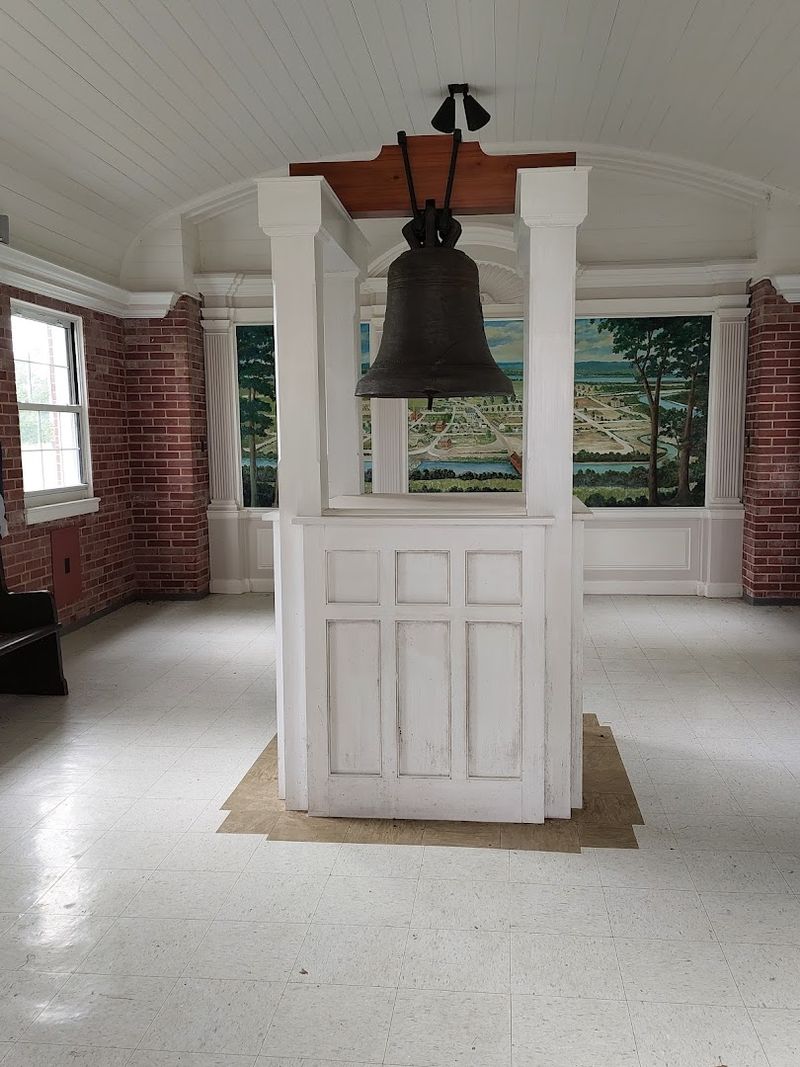
One of the most tangible artifacts of Kaskaskia’s extraordinary past is a bell that King Louis XV of France donated to the village church in 1741. Known today as the Kaskaskia Bell, or the Liberty Bell of the West, it is housed in a small brick structure on the island and remains one of the oldest bells in the Mississippi Valley.
The bell rang out in celebration when American forces under George Rogers Clark captured the British-held town in 1778 during the Revolutionary War, a moment that secured the Northwest Territory for the new United States. That single night of ringing changed the course of American history in the region.
Today the bell is preserved as a state memorial, and visitors can actually see it up close. For a piece of metal hanging in a nearly empty village, it carries a remarkable amount of national weight and historical significance.
The Great Flood That Erased a City
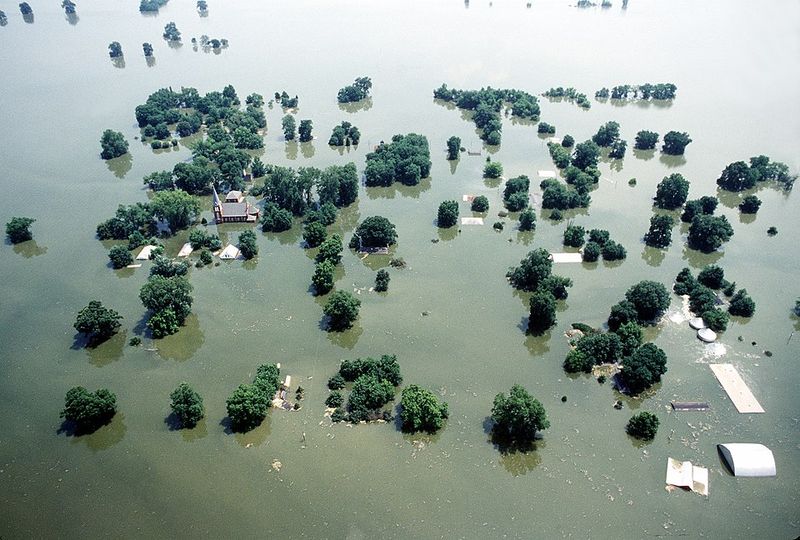
The event that effectively ended Kaskaskia’s story as a functioning town was not a war or an economic collapse; it was water. In 1881, the Mississippi River flooded with unusual ferocity and carved a new channel directly through the old town site, physically relocating the riverbank and submerging most of what had been built there over nearly two centuries.
Homes, churches, cemeteries, and streets all went under. Residents who had already been trickling away after the capital moved now had no reason to stay at all.
The town that had once welcomed the first Illinois governor and hosted the earliest state legislature was simply washed away.
Some accounts describe locals watching buildings drift downstream as the flood peaked. The image of an entire capital city being reclaimed by a river is the reason so many people now compare Kaskaskia to a kind of American Atlantis, a civilization that literally sank beneath the water.
A Population You Can Count on One Hand
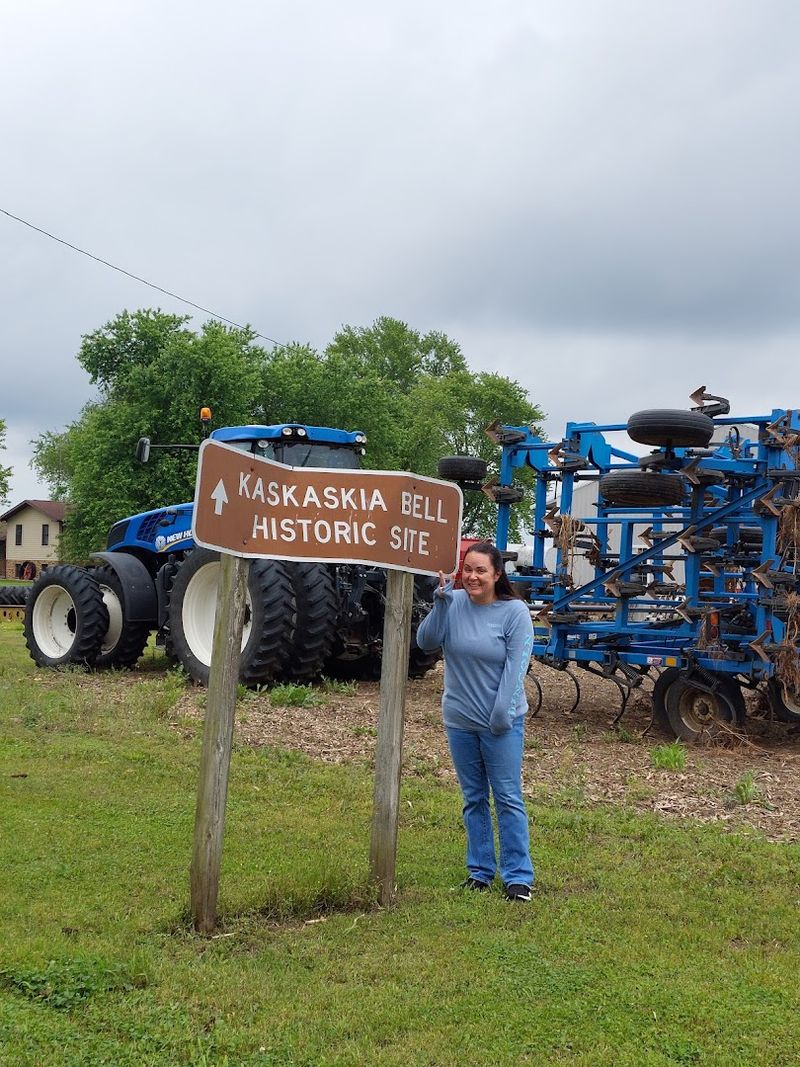
Current census data places the population of Kaskaskia at somewhere between seven and fourteen people, depending on the year. That makes it one of the smallest incorporated municipalities in the entire United States, a village in name but a handful of residents in reality.
The people who do live here are not staying out of inertia; they are choosing a life of genuine quiet, surrounded by farmland, river access, and a history that most of their neighbors in the region have never taken the time to learn. There are no restaurants, no shops, and no real commercial activity to speak of.
What exists is a church, the bell memorial, a cemetery, and a scattering of homes. For most people, that would sound like the end of something.
For the few who call Kaskaskia home, it sounds exactly like the kind of peace they came here to find.
The Immaculate Conception Church: A Survivor
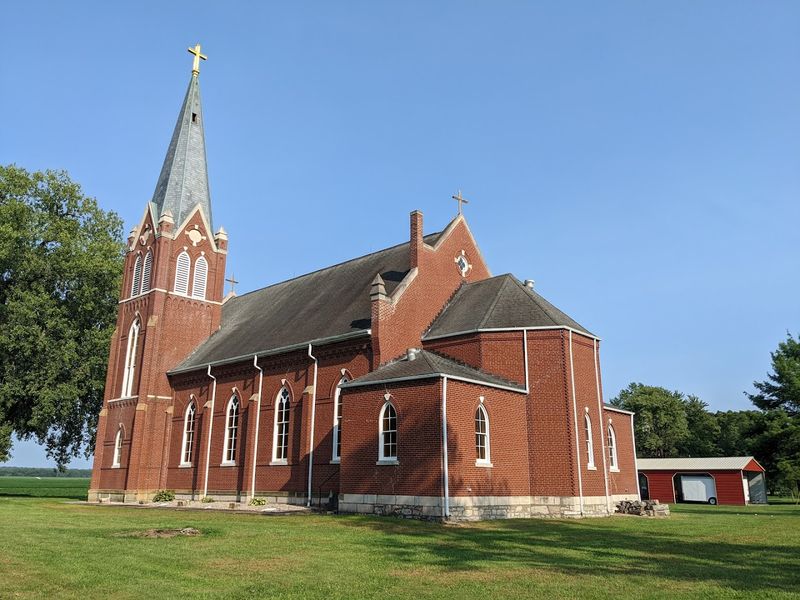
Not everything in Kaskaskia was swallowed by the river. The Church of the Immaculate Conception, which traces its roots back to the original French mission established in the early 1700s, still stands as a functioning place of worship in the village today.
The current building is not the original structure, which was lost to the floods and the passage of time, but it represents a continuous thread of religious community life that has persisted in Kaskaskia for more than three centuries. That kind of institutional longevity is rare anywhere in the country, let alone in a village this small.
The church serves as both a spiritual anchor for current residents and a pilgrimage point for history enthusiasts who make the trip out to the island. Seeing it standing quietly against the flat river plain gives you an unexpected sense of resilience, the kind that does not need to announce itself.
Getting There Is Half the Adventure
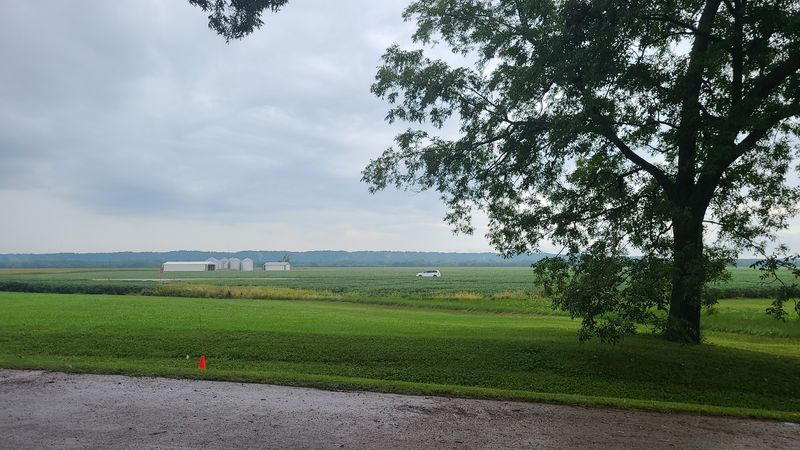
Reaching Kaskaskia is not like driving to a typical historic site with a parking lot and a gift shop. Because the village is physically located on the Missouri side of the Mississippi River, you actually enter from Missouri, typically via a bridge near the town of Chester, Illinois, which sits across the river.
The drive itself takes you through quiet river-bottom farmland, flat and wide open in every direction. There are no dramatic entry signs or tourist infrastructure welcoming you to one of Illinois’ most historically significant spots.
You sort of just arrive, and the quietness of that arrival is part of what makes the experience feel so personal. Most visitors describe a mild disorientation when they realize they have crossed into Missouri and then somehow ended up in Illinois without crossing back.
That geographic puzzle is genuinely fun to work through on the ground, map in hand.
The Submerged Cemetery and Its Haunting Legacy
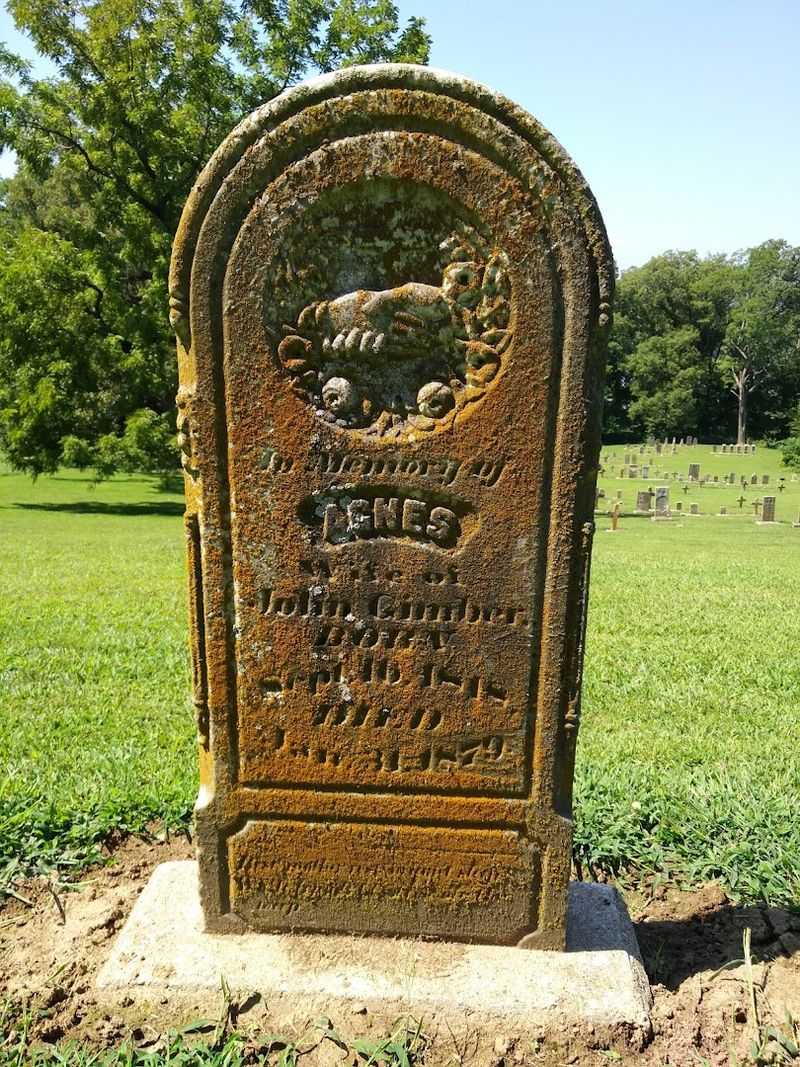
One of the more quietly affecting details about Kaskaskia is that much of its old cemetery was lost to the river during the 1881 flood and subsequent erosion events. Gravestones, burial plots, and centuries of community history were gradually claimed by the shifting riverbank over the decades that followed.
Some grave markers were relocated before the waters rose too high, but many were not. The idea that the resting places of some of Illinois’ earliest residents, including figures who shaped the territory and the early state, now lie beneath river sediment adds a layer of melancholy to the village’s story that is hard to shake.
What remains of the cemetery is maintained with care, and visiting it feels like a genuine act of remembrance. The stones that survived tell fragments of stories, French surnames mixed with English ones, a linguistic record of a community that bridged two empires and two eras.
Why Kaskaskia Deserves a Place on Every History Lover’s List
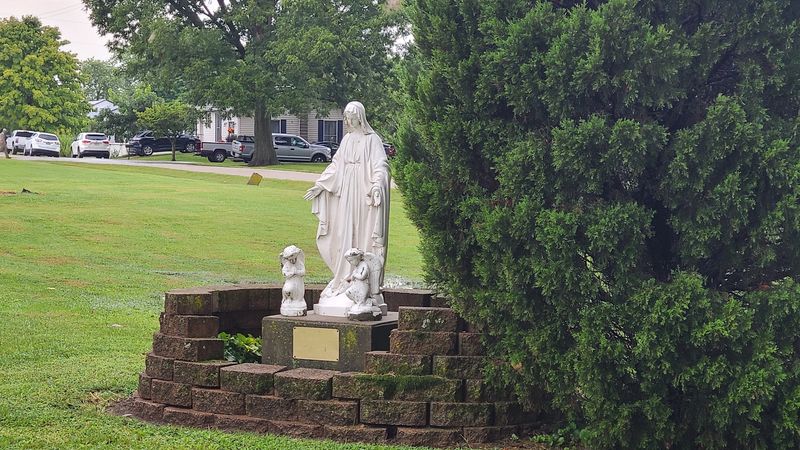
There is something genuinely moving about a place that held so much power and importance and then quietly faded into near-obscurity without fanfare or ceremony. Kaskaskia was the first capital of Illinois, one of the oldest European settlements in the Midwest, and a crossroads of French, Native American, British, and American history, all packed into a sliver of land that most GPS devices barely acknowledge.
History lovers who make the trip consistently describe it as one of the most unexpectedly emotional stops they have made anywhere in the country. The combination of historical depth, physical isolation, and sheer quietness creates an atmosphere that no museum can fully replicate.
If you care about American history beyond the well-worn landmarks, Kaskaskia is the kind of place that rewards curiosity. It does not shout its significance; it simply holds it, patiently, waiting for the visitors who are paying close enough attention to notice.
Share this story