Trenton, New Jersey has a reputation as a city of grit and government, but tucked along the Delaware River sits a brick house that has been quietly holding onto secrets since 1719. This is the oldest surviving house in Trenton, and it has watched the city grow from a colonial trading post into the state capital.
The stories locked inside its walls stretch from wealthy merchant life to the enslaved people who kept the estate running, and every corner of the property has something worth knowing. Whether history is a passion or just a passing curiosity, this address has a way of making three centuries feel surprisingly close.
Where History Has a Street Address
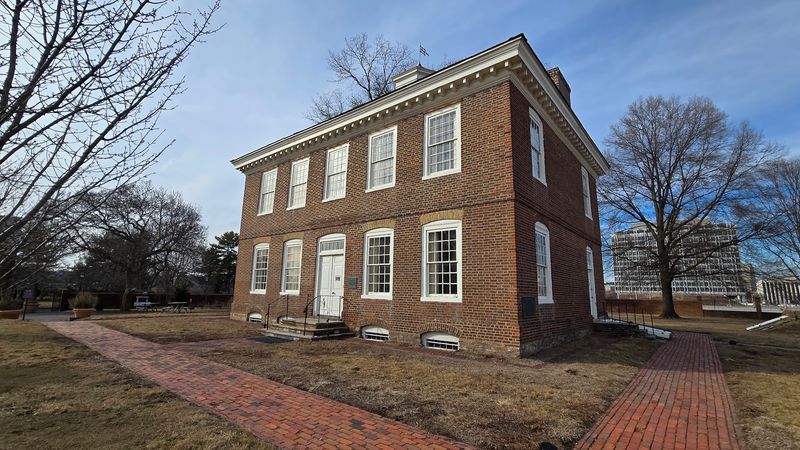
The 1719 William Trent House Museum sits at 15 Market St, Trenton, NJ 08611, right in the heart of downtown, flanked by two courthouses and a stretch of the Delaware River nearby.
The property is easy to find, and free parking is available close to the entrance, which removes one of the usual headaches of visiting a city museum.
The house is open Wednesday through Sunday from 1:00 PM to 4:30 PM, and it is closed Monday and Tuesday. No advance reservation is required, so dropping in on a free afternoon is a perfectly reasonable plan.
The location itself tells part of the story. Built near a river that was once a major trade route, the house was always meant to impress.
Today it still does, standing as the oldest surviving structure in Trenton and one of the finest examples of early Georgian architecture in all of New Jersey.
A Georgian Brick Beauty That Has Lasted 300 Years
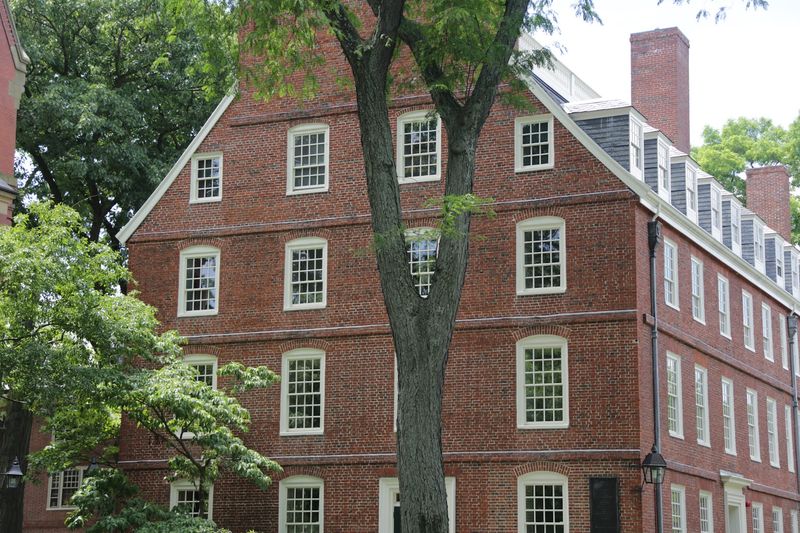
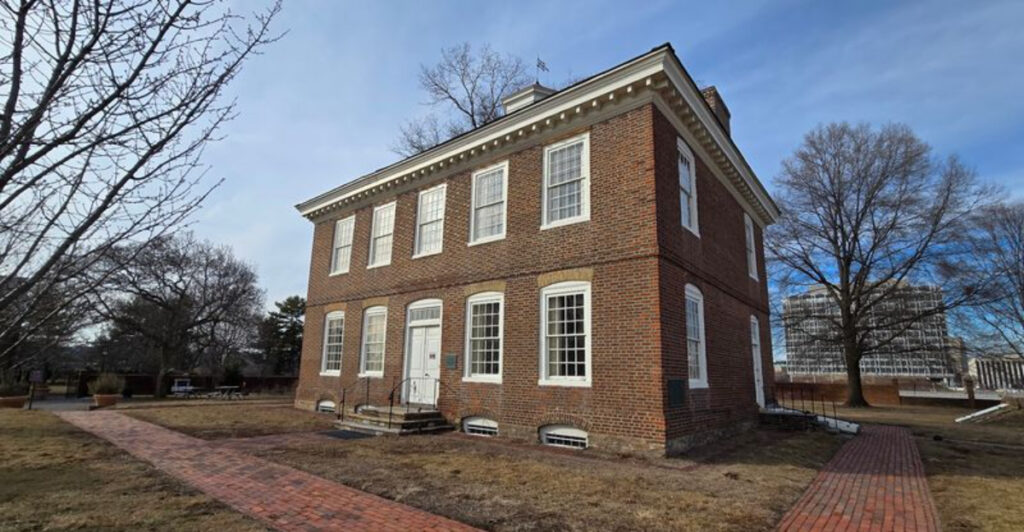
The building itself is a remarkable survivor. Constructed in 1719, the William Trent House is a two-story red brick structure built in the Georgian style, featuring the symmetry and proportion that defined elite colonial construction.
Three centuries of New Jersey weather, wars, and urban development have passed around it, yet the house still stands in genuinely good condition. The museum has worked carefully to preserve the original character of the building, and the interior has been restored to reflect the period of Trent’s ownership.
The house is now fully air-conditioned, which helps protect the original materials and makes tours comfortable for guests year-round. That balance between preservation and accessibility is something the museum takes seriously.
Walking through the rooms, the craftsmanship of early 18th-century construction becomes clear in the details: the proportions of the doorways, the layout of the rooms, and the way the whole structure was designed to communicate status and permanence.
The Guided Tour Experience Worth Every Minute
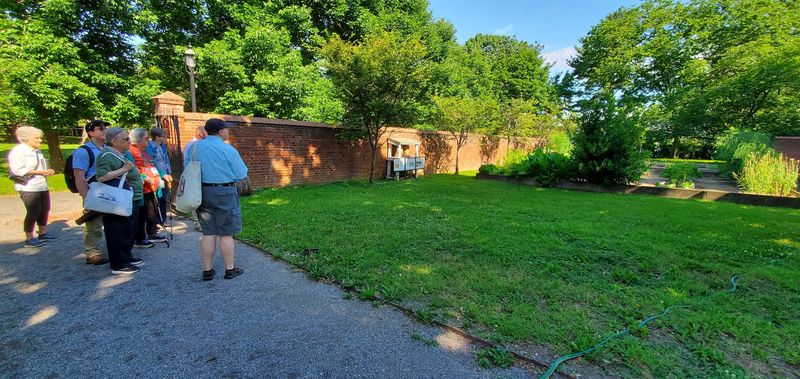
Tours at the William Trent House are guided, which means a knowledgeable staff member walks guests through the property and explains what they are looking at in real context. No audio device, no self-paced wandering, just a real person with real knowledge sharing the story of the house.
The tour runs about 45 minutes and covers the main rooms of the house, the period furnishings, and the broader history of the property and its occupants. Guides do a strong job of keeping the information flowing without overwhelming guests.
No reservation is needed. Visitors simply arrive at the grounds and a guide will take them through when the previous group has finished.
The admission area has informational displays to browse while waiting, so there is always something to engage with.
For families, school groups, or solo history enthusiasts, this format works well. The tour feels personal rather than scripted, and that makes the whole experience more memorable than a typical museum walkthrough.
The Enslaved People Whose Stories Are Finally Being Told
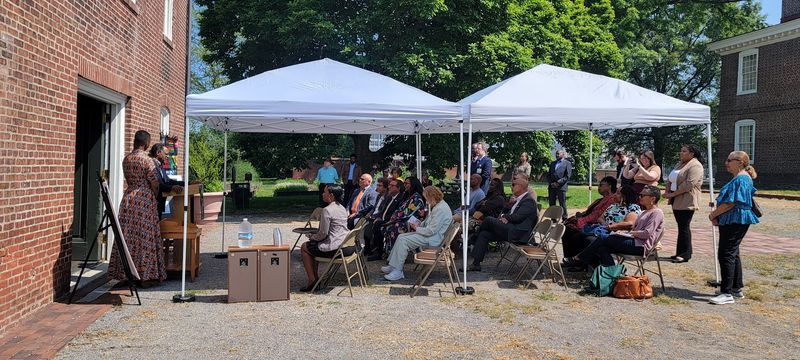
One of the most important and honest parts of the William Trent House story is the acknowledgment of the enslaved people who lived and worked on this property. William Trent, like many wealthy colonists of his era, enslaved African people to maintain his estate.
The museum has made a deliberate commitment to telling this part of the history fully and without softening it. Discussions about the African people enslaved here are woven into the tour and the broader programming, rather than tucked away as a footnote.
The museum has hosted readings and events specifically dedicated to Black history, including programs connected to figures like Frederick Douglass and the contradictions of a nation that declared freedom while maintaining the institution of slavery.
This shift toward inclusive history makes the William Trent House more than a celebration of colonial wealth. It becomes a place where the full, complicated truth of early American life gets the attention and the honesty it deserves.
Period Furnishings That Bring 1719 Into Focus
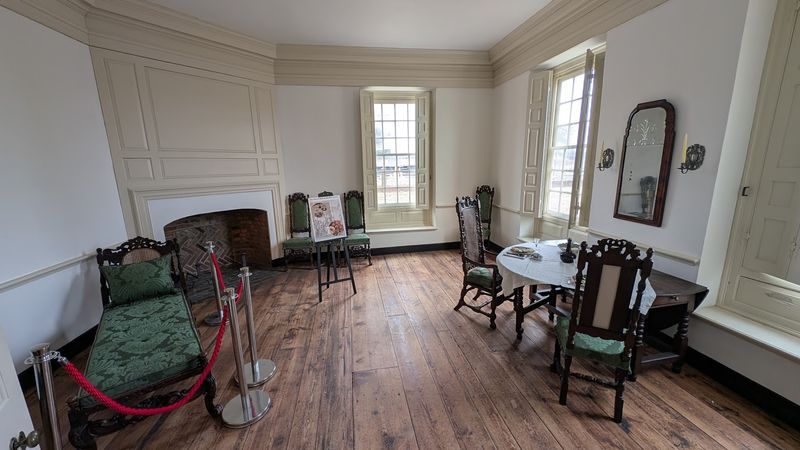
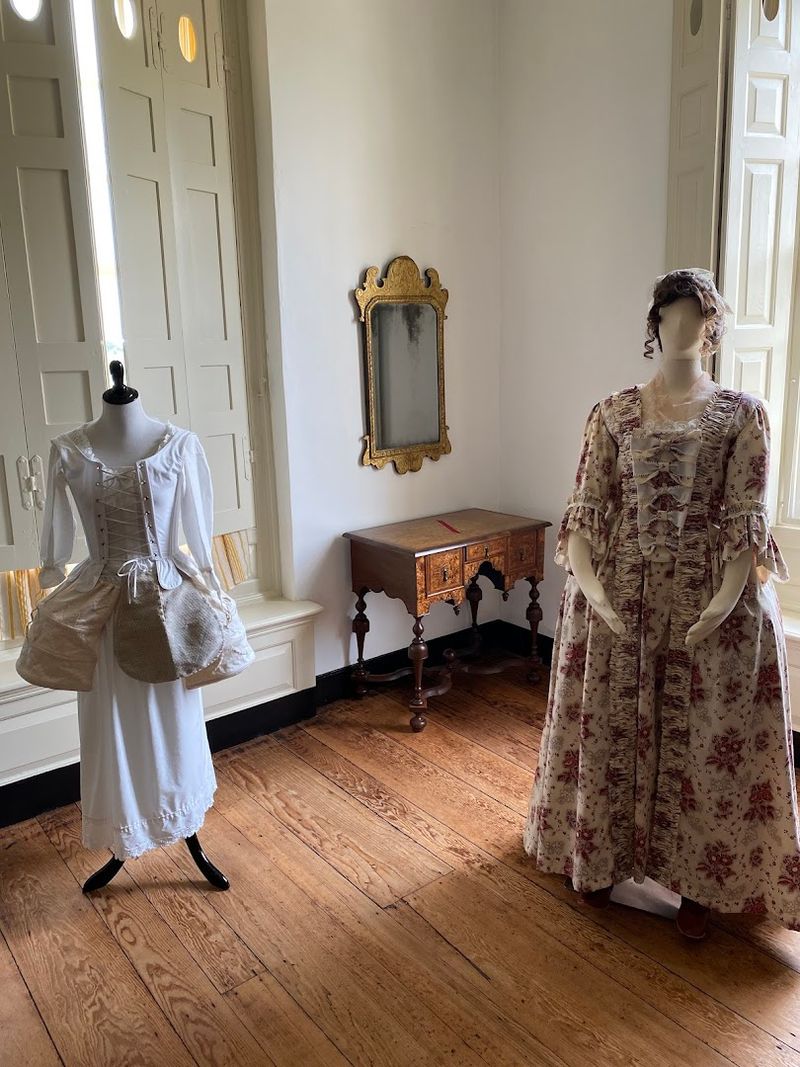
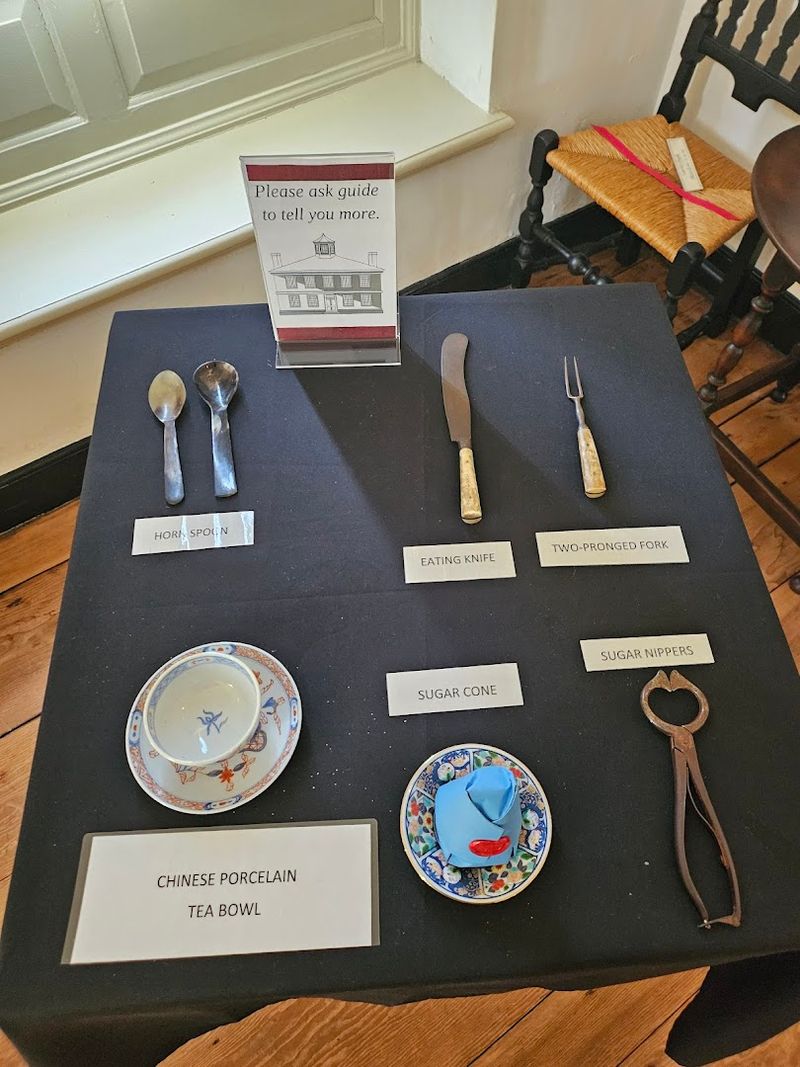
The interior of the William Trent House is furnished to reflect the early 18th century, giving visitors a concrete look at how a prosperous colonial household was organized and decorated.
The pieces throughout the rooms are consistent with the period of William Trent’s ownership, and the overall effect is a house that feels inhabited rather than sterile. This is not a bare shell with a few placards on the walls.
Each room tells a different part of the story, from the formal spaces designed to receive guests and display wealth, to the more functional areas where daily household work was carried out. The contrast between those spaces is itself a kind of history lesson.
For anyone who has only ever seen colonial-era furniture in textbooks, being in the same room with it changes the understanding in a useful way. The scale, the craftsmanship, and the practical design of these objects all communicate something that a photograph simply cannot.
The Gardens and Grounds That Frame the Property
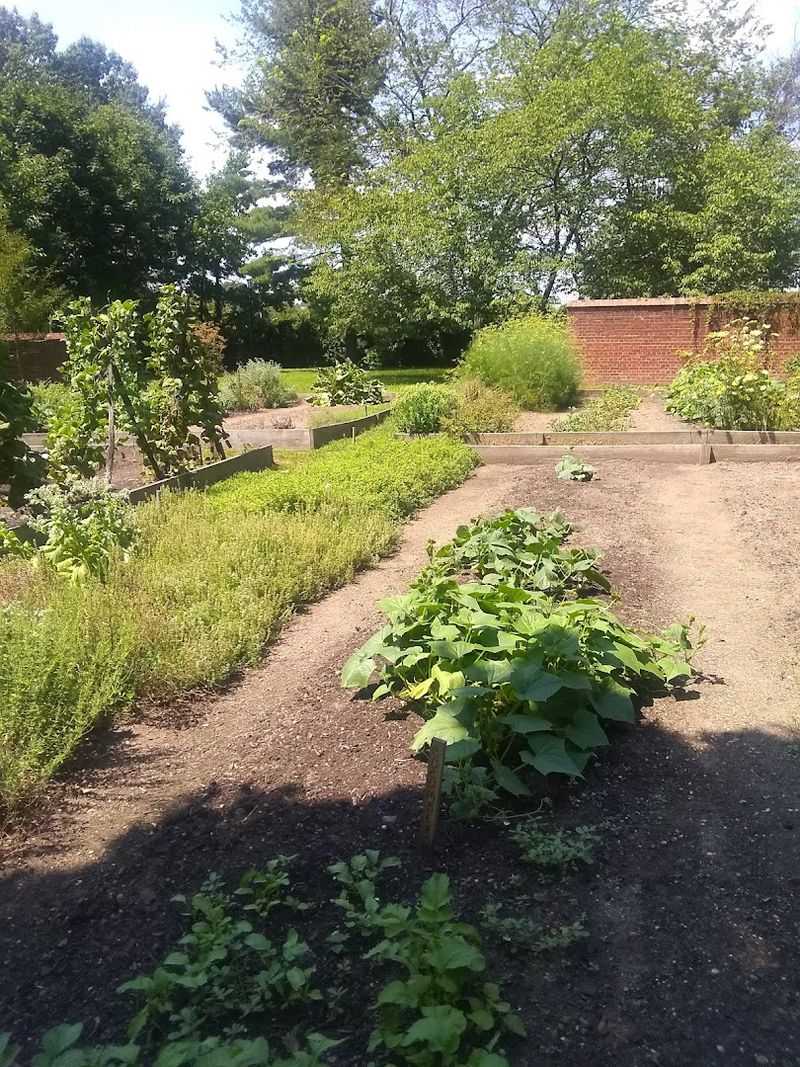
The outdoor grounds of the William Trent House are as much a part of the visit as the interior. The property includes a period garden that reflects the kind of formal outdoor space a wealthy colonial landowner would have maintained.
The grounds are well kept and offer a calm place to walk before or after a tour. The summer garden in particular draws attention for its careful plantings and the way it complements the architecture of the house itself.
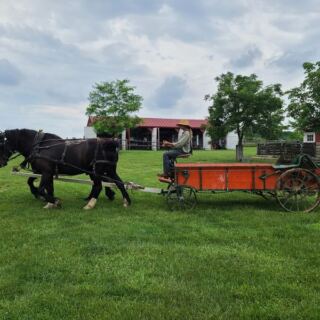
The property is also the site of seasonal events and special programs. Past events have included apple pressing demonstrations and hearth cooking activities that give guests a hands-on connection to colonial-era practices.
The outdoor space also provides context for the property’s original scale and purpose. This was a working estate, not just a house, and the grounds help communicate that even today.
Free parking is available nearby, making access to both the house and the gardens straightforward for everyone who visits.
Special Events That Give History a Live Pulse
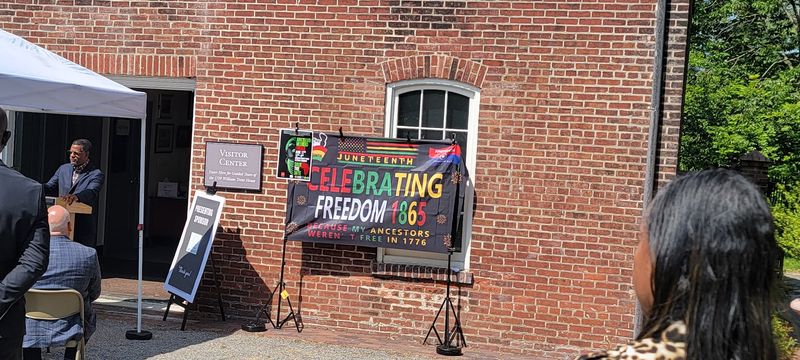
The William Trent House is not a static display. Throughout the year, the museum hosts a range of events, lectures, and special programs that bring different aspects of colonial and American history to life.
One of the most well-known events on the calendar is the Annual Hogmanay celebration, held as part of Patriots Week during the holiday season. It draws history enthusiasts who want to connect the Scottish traditions of the era with the story of the house and its original owner.
Other events have included readings tied to significant moments in African American history, community discussions about the enslaved people connected to the property, and seasonal activities tied to colonial domestic life.
These programs extend the museum experience well beyond a standard tour. They create reasons to return more than once and make the house a living part of Trenton’s cultural calendar rather than a place people visit once and move on from.
Checking the museum’s website before a visit is always a good idea.
How the House Connects to the Birth of Trenton
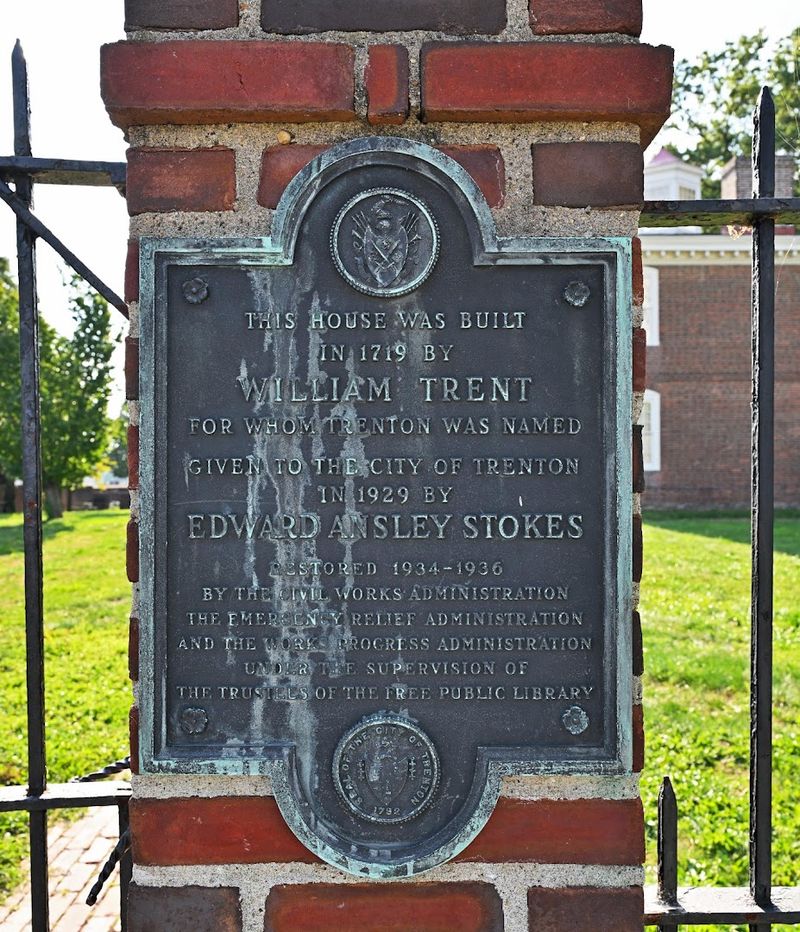
The William Trent House is not just the oldest house in Trenton. It is the reason the city has the name it does.
The estate William Trent established here in the early 18th century became the nucleus around which the town of Trent’s Town, later shortened to Trenton, grew.
That origin story gives the property a significance that goes beyond architecture or interior design. This is the physical starting point of a city that would go on to play a central role in the American Revolution and eventually become the capital of New Jersey.
The tour guides place the house within that larger historical arc, connecting the story of one merchant’s country estate to the formation of an entire city and region. That context is what separates a visit here from a simple tour of an old house.
Trenton’s history and the history of this house are inseparable, and spending an afternoon here makes that connection feel real in a way that reading about it never quite does.
Practical Tips for Planning Your Visit
A few practical details make visiting the William Trent House easier and more enjoyable. The museum is open Wednesday through Sunday from 1:00 PM to 4:30 PM, and it is closed Monday and Tuesday, so timing matters when planning a trip.
Admission is charged for the house tour, but free parking is available close to the property, which is a genuine convenience in a downtown location. No reservation is required, and walk-ins are welcome throughout operating hours.
Tours are guided and run approximately 45 minutes, so building that time into the schedule is worth doing. Arriving close to opening time on a weekend gives the best chance of joining a tour without a long wait.
For summer visits, bringing sun protection is a practical consideration since parts of the visit take place outdoors. The house itself is fully air-conditioned, keeping the interior tour comfortable regardless of the season.
The museum website at williamtrenthouse.org has current event listings and any schedule updates worth checking before arrival.
Why This Small Museum Carries Outsized Importance
Small in footprint but large in significance, the William Trent House punches well above its weight as a historical institution. It is the oldest surviving structure in the city, a well-preserved example of early Georgian architecture, and a site where the full complexity of colonial American life is being honestly examined.
The museum’s commitment to inclusive history, including the stories of enslaved people on the property, reflects a broader shift in how American historic sites are choosing to present themselves. That honesty makes the experience more valuable, not less comfortable.
The house has been meticulously maintained by the nonprofit organization that operates it, and that care shows in every room. This is not a crumbling relic propped up by nostalgia.
It is a living institution with a clear mission and a dedicated team behind it.
For anyone passing through Trenton or looking for a meaningful way to spend an afternoon, this address on Market Street offers something that is genuinely hard to find: three centuries of real American history, preserved and presented with care.
Share this story