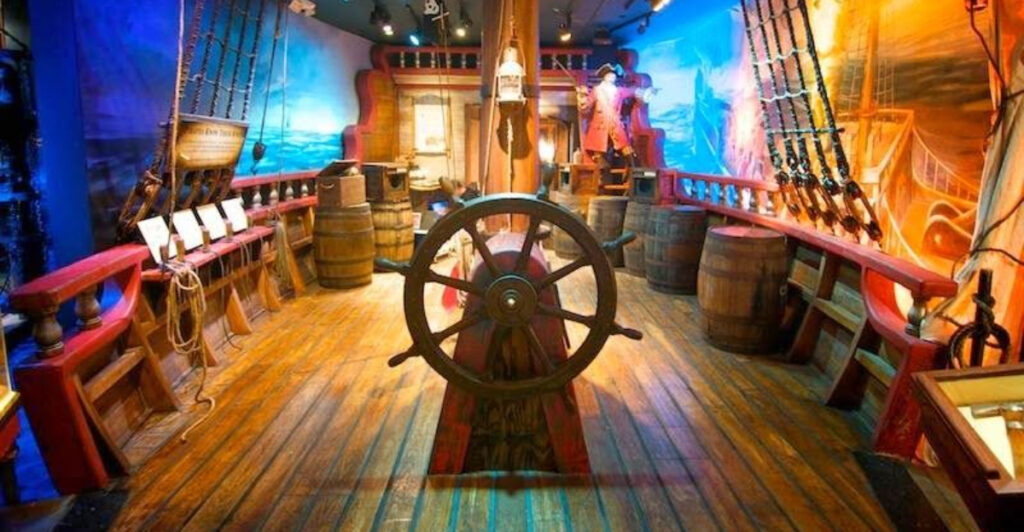
Florida has no shortage of wild things to do, but few experiences hit quite like standing face to face with a real pirate chest or firing a replica cannon in the middle of a history museum. There is a place in St. Augustine that does exactly that, and it pulls it off with surprising style.
The exhibits here span centuries of pirate lore, from the Golden Age of Piracy to legends that still send a chill down your spine. Whether you are eight years old or eighty, this museum has a way of making you feel like you just stumbled onto something the history books forgot to mention.
Keep reading, because what waits inside is far more interesting than you might expect.
A Museum Built Around Real Pirate History
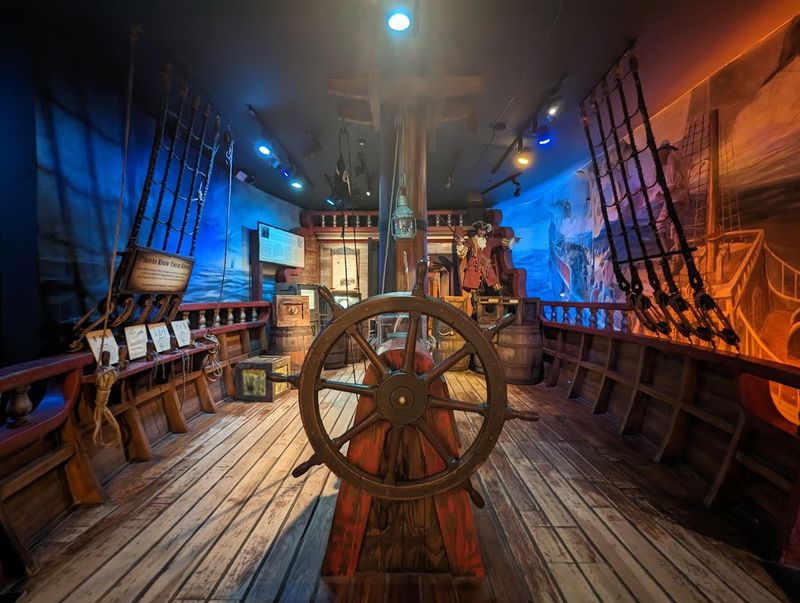
Right at 12 S Castillo Dr, St. Augustine, the St. Augustine Pirate and Treasure Museum sits close to the waterfront in one of America’s oldest cities, and that location alone sets the mood before you even walk through the door.
The museum was built around the private collection of Pat Croce, a well-known entrepreneur who spent decades tracking down authentic pirate artifacts from around the world. His passion for the subject shows in every corner of the place.
Rather than simply hanging old maps on walls, the museum uses creative lighting, dramatic staging, and layered storytelling to bring the Golden Age of Piracy to life. The history here stretches back over 300 years, connecting visitors to real events and real people who sailed dangerous seas.
It is the kind of spot that rewards curious minds of every age.
The Legendary Artifact Collection
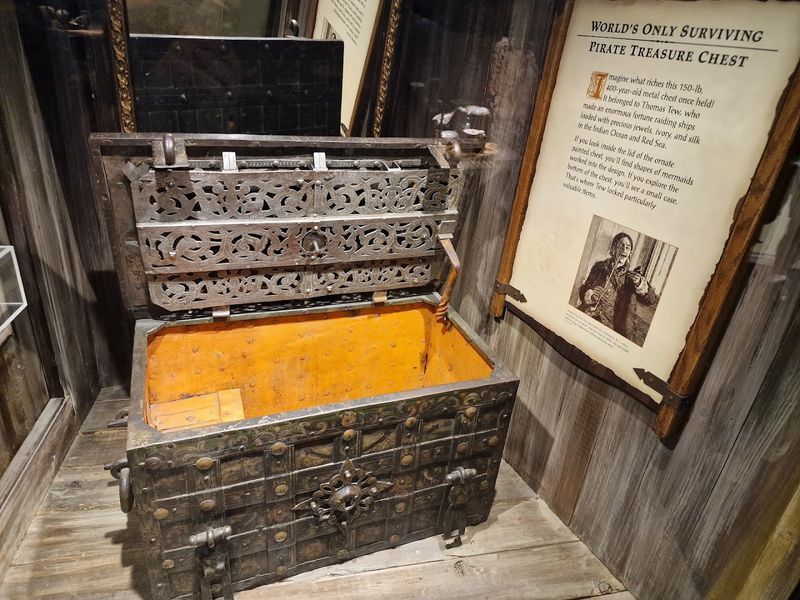
Few museums anywhere in the world can claim to house the last known surviving pirate chest on earth, but this one can. That chest alone is worth the trip, and it sits in the collection alongside an equally jaw-dropping Jolly Roger flag that once flew above a real pirate vessel.
The artifacts were gathered over many years by the museum’s founder, who personally recovered a piece of charred wood from Sir Francis Drake’s ship after it was burned and sunk. That kind of provenance is almost unheard of in a collection this accessible.
Coin clusters pulled from shipwrecks, period weapons, navigation tools, and trade goods round out the displays. Each item comes with clear, concise information that explains its background without burying you in academic language.
You leave knowing something real, not just something recreated for entertainment purposes.
Free Guided Tours Every 20 Minutes
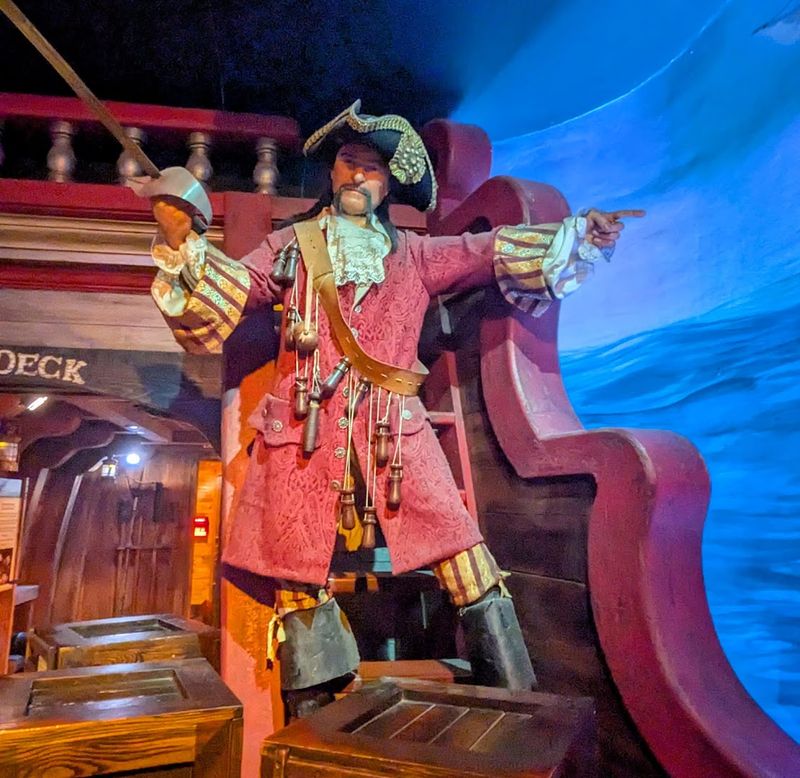
One of the best surprises at this museum is that costumed guides offer free tours roughly every 20 minutes throughout the day. These are not dry, scripted walkthroughs.
The guides are entertaining, deeply knowledgeable, and clearly enjoy what they do.
One guide named Cooper has been praised by many visitors for being genuinely funny and packed with fascinating historical details. The tours cover the major exhibits, highlight key artifacts, and give context that would be easy to miss on your own.
Even if you prefer to explore at your own pace, catching part of a guided tour adds a whole new layer to the experience. The guides answer questions freely and often share details that are not written on any of the exhibit panels.
Think of the tour as a bonus feature that comes with your admission ticket, one that is absolutely worth taking advantage of.
The Interactive Treasure Hunt for Kids
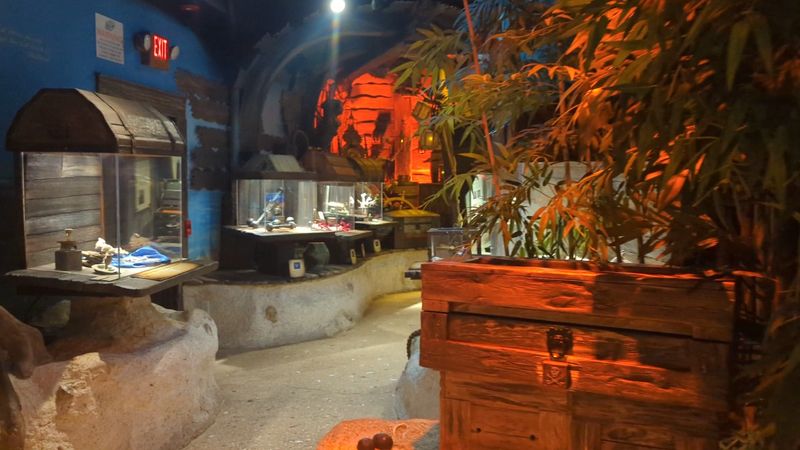
Kids who visit with a sense of adventure will find the treasure hunt activity is one of the highlights of the whole trip. Each young visitor receives a map and must hunt through the exhibits, filling in squares as they discover clues hidden throughout the museum.
Complete the hunt, and there is actual treasure waiting as a reward. It is not a gimmick designed to slow families down or pad the experience.
The hunt is genuinely well-designed and ties directly into the exhibits, so kids learn real history while they search.
Parents appreciate that the activity keeps children focused and engaged without needing to be constantly redirected. Even four-year-olds have been known to stay fully captivated from start to finish.
The treasure hunt turns a history lesson into something that feels more like a mission, and that shift in framing makes all the difference for younger visitors.
Firing the Replica Cannon
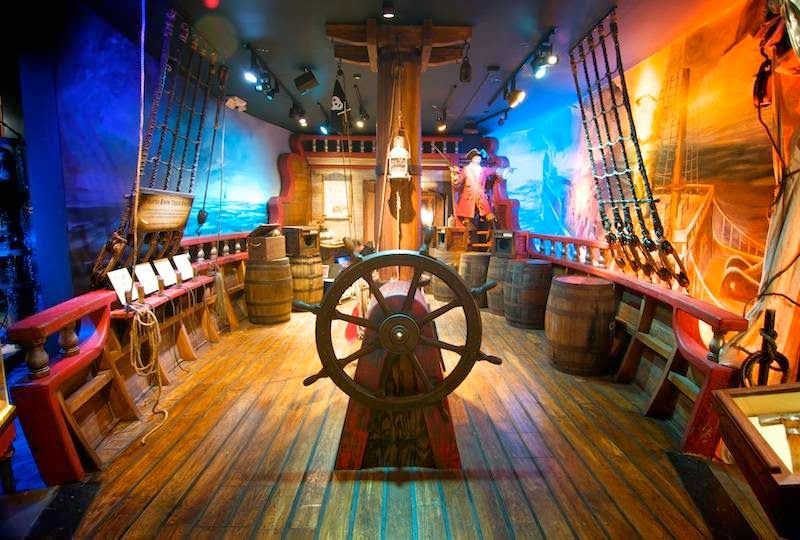
There is a replica cannon inside the museum that visitors can actually fire, and it is every bit as thrilling as it sounds. The experience is safe and supervised, but the boom and the drama of it never get old no matter how many times you watch someone else take a turn.
For kids, this is often the single most memorable moment of the entire visit. For adults, it is a surprisingly satisfying way to connect with a piece of history that usually only exists in movies and books.
The cannon station is part of a broader hands-on philosophy that runs through the entire museum. Rather than keeping everything behind glass and roping off the good stuff, the exhibits here invite you to participate.
That approach is rarer than it should be in history museums, and it is a big reason why this place earns such enthusiastic reactions from families.
Multi-Sensory Exhibit Experiences
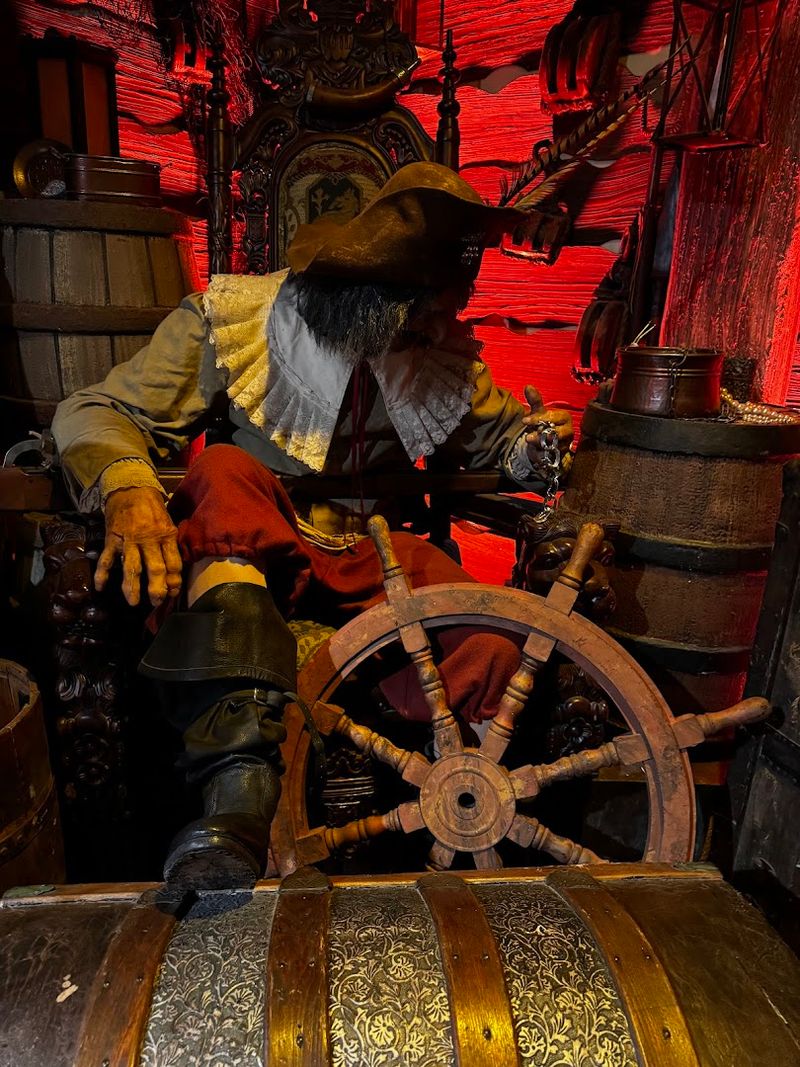
Most museums ask you to look. This one asks you to smell, listen, and touch.
Several exhibits incorporate headphones for audio reenactments that place you in the middle of a historical scene, while other stations feature actual wooden crates with scents tied to the era of piracy.
That multi-sensory approach is not just a novelty. It genuinely helps the history stick in a way that reading a panel on a wall simply cannot match.
You remember what you experienced with your whole body, not just your eyes.
The layout of the museum is also thoughtfully designed so that no single exhibit area becomes a bottleneck. Visitors can move at their own pace without feeling crowded out of key moments.
The flow guides you naturally from one era and theme to the next, building a coherent story rather than presenting random objects in random order.
The Golden Age of Piracy Brought to Life
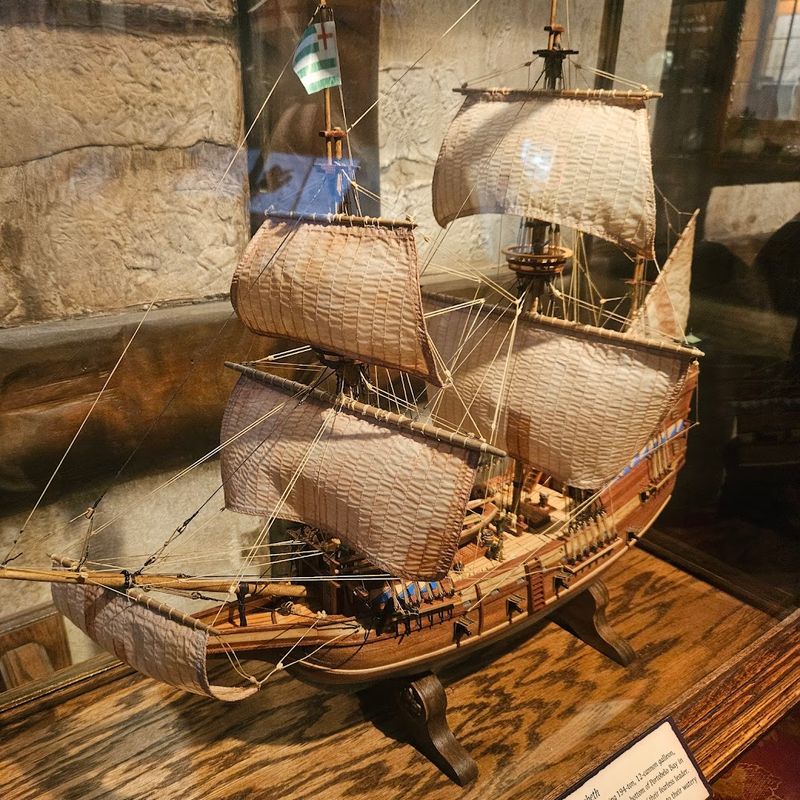
The museum centers much of its storytelling around the Golden Age of Piracy, roughly spanning the late 1600s to the early 1700s, when figures like Blackbeard and Calico Jack roamed the Caribbean and Atlantic. Port Royal, Jamaica serves as a vivid backdrop for several key exhibits.
The combination of real artifacts, dramatic lighting, and carefully written historical text paints a picture of that era that feels immediate and alive. You get a clear sense of what daily life looked like for people who chose that dangerous path, including the risks, the rewards, and the harsh realities.
The museum does not glamorize piracy without context. It honestly explores both the appeal and the consequences of that lifestyle, which gives the whole experience a thoughtful edge that parents and educators especially appreciate.
History presented this honestly tends to be far more interesting than the sanitized version most of us encountered in school.
Movie Props and Pop Culture Connections
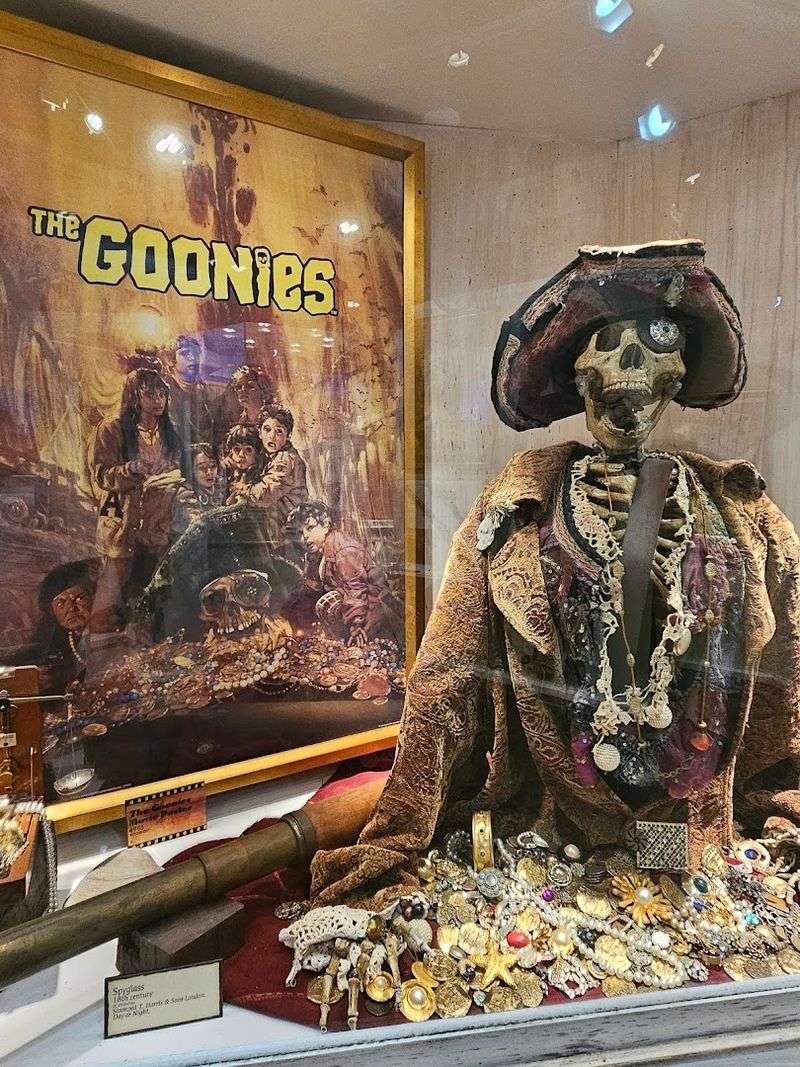
Alongside the historical artifacts, the museum also features props from pirate-themed films, which creates a fun bridge between real history and the stories that sparked most people’s love of the subject in the first place. Recognizing something from a beloved movie and then learning its historical roots is a genuinely satisfying experience.
The props are displayed with the same care and context as the authentic pieces, so the line between fact and fiction is always clearly drawn. That honesty actually deepens your appreciation for both sides of the collection.
For visitors who came in primarily as fans of pirate movies or stories, the museum offers a graceful entry point into the real history behind the legends. It meets you where your interest already lives and then gently expands it.
That kind of accessibility is what separates a great museum from one that only appeals to people who were already history enthusiasts before they arrived.
All-Day Access with a Single Pass
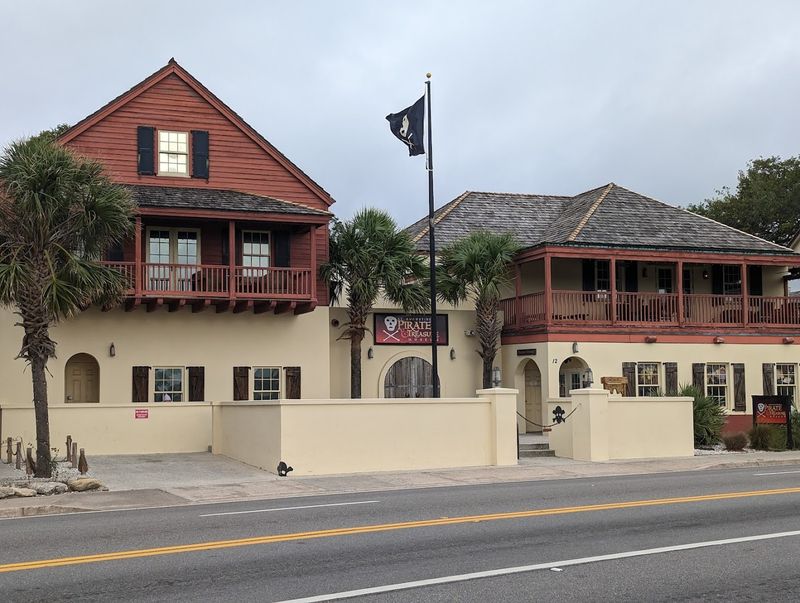
One of the most practical perks of visiting is the all-day access policy. A single admission pass lets you leave and re-enter throughout the day, which is a genuinely useful feature for families with young children who need breaks or anyone who wants to grab lunch and come back.
Several visitors have taken advantage of this by exploring the museum in the morning, heading out to see other parts of St. Augustine in the afternoon, and returning before closing to catch anything they missed. Each visit tends to reveal something new.
The museum is open daily from 10 AM to 7 PM, giving you a solid window to work with no matter what else you have planned. Military discounts are available, and it is worth asking about any current promotions when you arrive.
Planning your visit around the guided tour schedule can help you get the most out of your time there.
Accessibility and Practical Visitor Tips
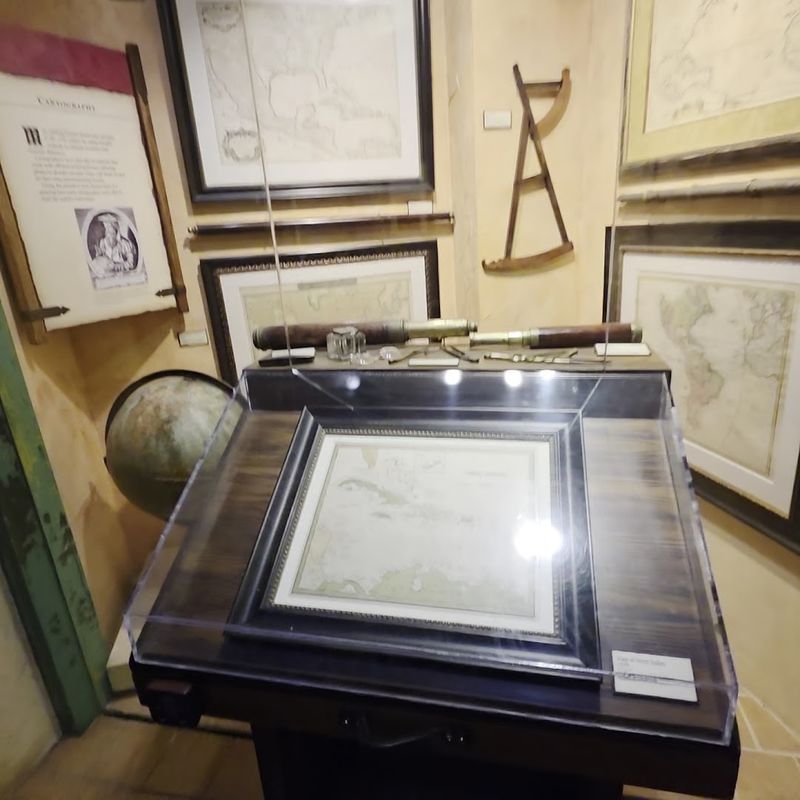
The museum is wheelchair accessible and can accommodate small strollers, though a double stroller might be a tight fit in some of the narrower exhibit spaces. The overall layout is designed to keep traffic moving smoothly, so even on busy days the experience rarely feels overwhelming.
No food or drinks are allowed inside, so finishing your coffee before you enter will save you from having to throw it away at the door. The self-guided format means there is no pressure to keep up with a group or rush through anything.
As long as you hold onto your admission sticker, you can step out and back in freely. Plan on at least one solid hour to read through the exhibits properly, and budget a bit more time if you want to complete the treasure hunt.
Going on a weekday morning tends to mean smaller crowds and a more relaxed pace overall.
Share this story