Mexico is one of those countries where the food alone is a good enough reason to book a flight. Every region has its own culinary personality, its own market culture, and its own dishes that you simply cannot replicate anywhere else.
I planned my first Mexico trip around tacos and ended up discovering a whole world of moles, ceviches, and drinks I had never heard of. Whether you are a seasoned traveler or planning your first trip south of the border, these 12 destinations will make your stomach very, very happy.
Oaxaca City
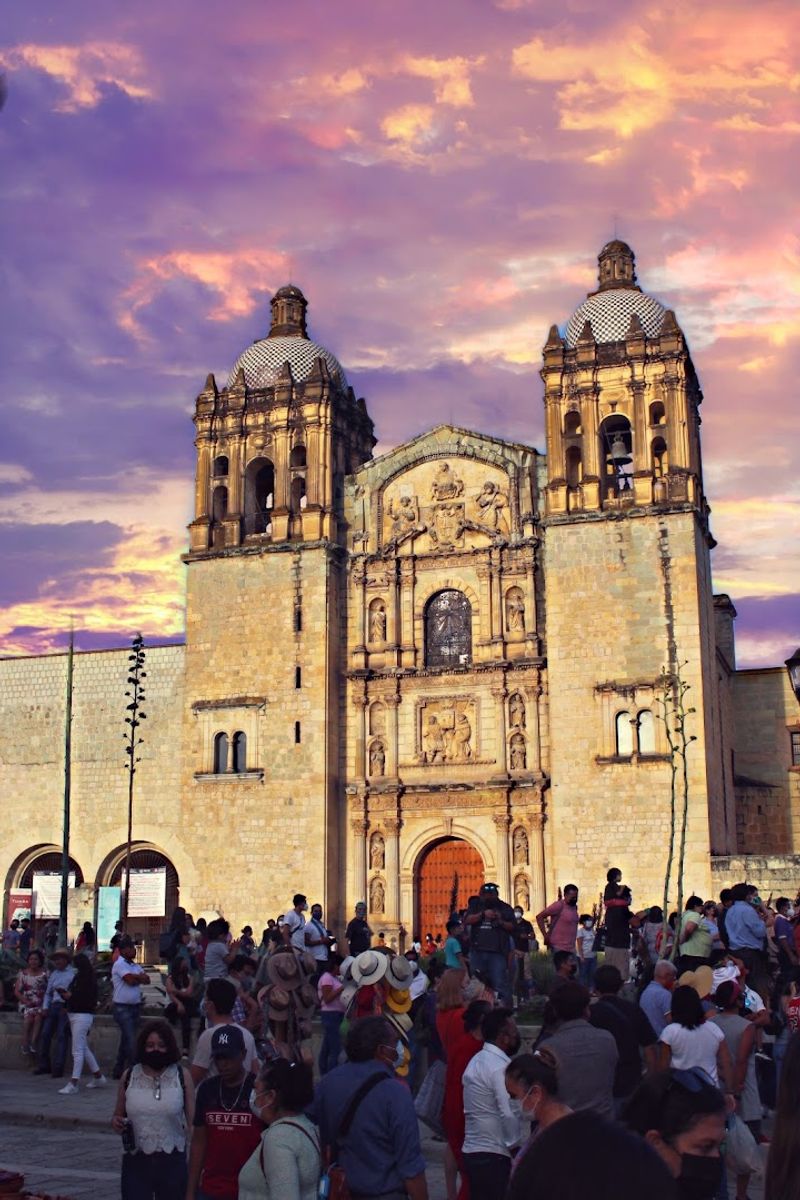
Oaxaca does not have a signature dish. It has an entire food universe.
Moles, memelas, tlayudas, tejate, chocolate, quesillo, mezcal: the list keeps going and somehow keeps getting better.
Mercado 20 de Noviembre is the best starting point for first-timers. The smoke rising from the grill section alone is enough to stop you mid-stride.
I walked in for one tlayuda and stayed for two hours.
What makes Oaxaca special is how layered its food culture is. Nothing feels like a tourist performance.
The vendors have been making these dishes for generations, and it shows in every bite. Market eating here is not just a budget move; it is the most honest way to understand the city.
Skip the fancy restaurants on your first day and just wander. Oaxaca will feed you well without any effort on your part.
Puebla
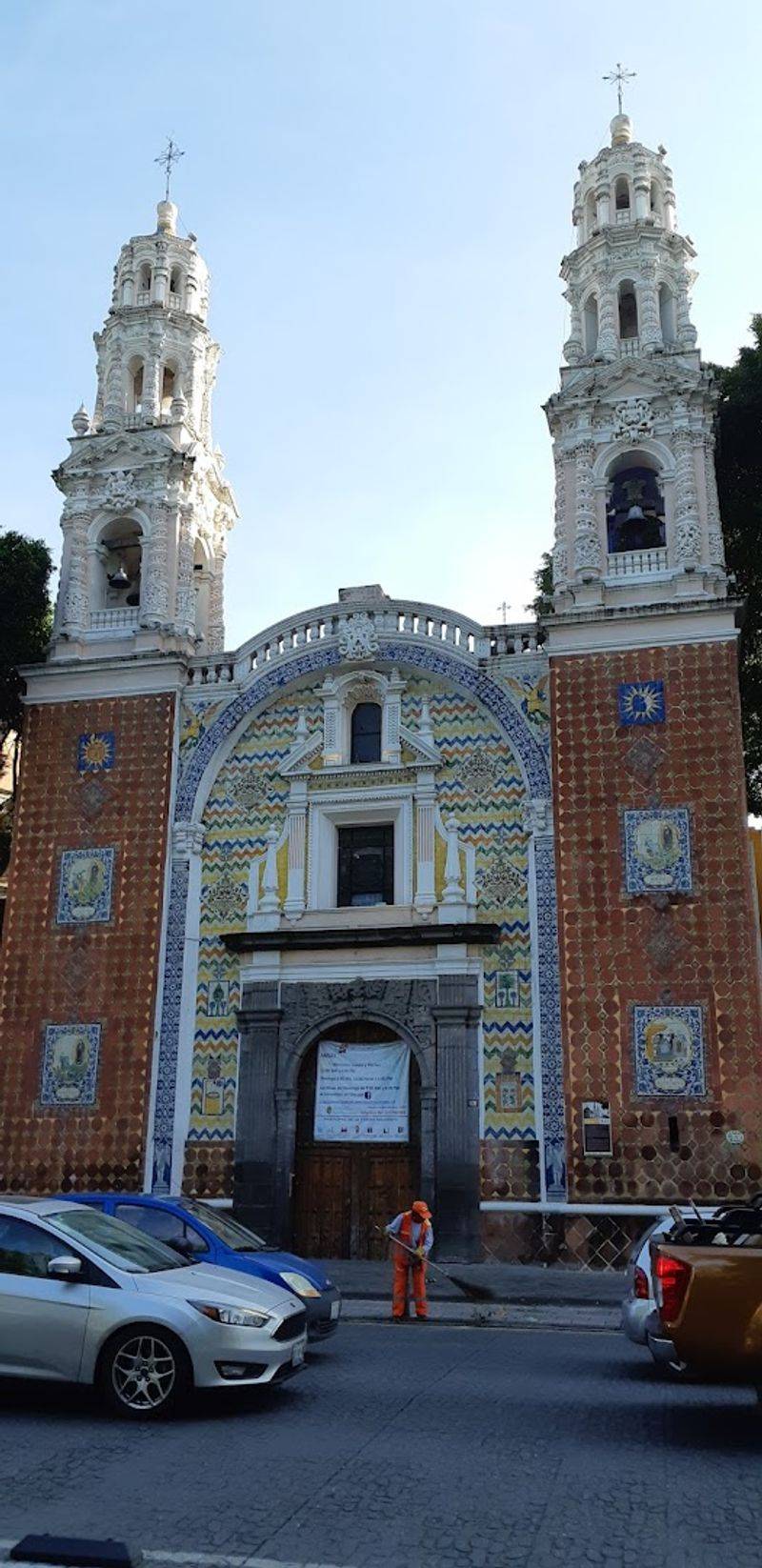
Few Mexican cities can claim two of the country’s most celebrated dishes, but Puebla pulls it off without breaking a sweat. Mole poblano and chiles en nogada are not just menu items here; they are civic pride on a plate.
Beyond those headliners, Puebla also does cemitas better than anywhere else. A properly built cemita, stuffed with chipotle, avocado, and quesillo, is an architectural achievement worth traveling for.
El Mural de los Poblanos is still the go-to restaurant for classic Pueblan cooking, and it handles both signature dishes with real confidence.
The broader food tradition in Puebla is unusually deep for a mid-sized city. The state actively promotes its culinary identity, which means you will find quality food at multiple price points.
Budget street eats and formal dining both deliver here. Puebla rewards the curious eater who goes beyond the famous dishes and starts poking around the side streets.
Mexico City
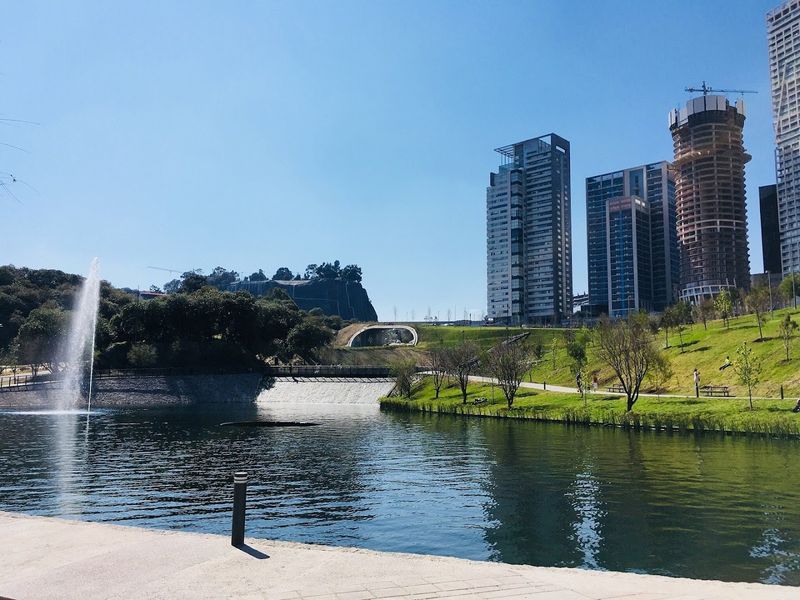
Mexico City is the rare destination where you can eat across regions, price points, and centuries all before noon. The sheer scale of culinary options is honestly a little overwhelming at first.
Mercado de San Juan is one of the city’s defining food anchors. It leans gourmet compared to other markets, with imported cheeses sitting next to tuna tostadas and fresh-cut fruit.
It is a strong starting point for building a broader CDMX eating itinerary without losing your mind to the city’s size.
The real magic of eating in Mexico City is that it never feels like a theme park version of Mexican food. Tacos al pastor at a street cart at midnight hit differently when you are actually in the capital.
The city rewards repeat visits because there is always a neighborhood you have not eaten your way through yet. One trip is never enough, and that is not a complaint.
Guadalajara
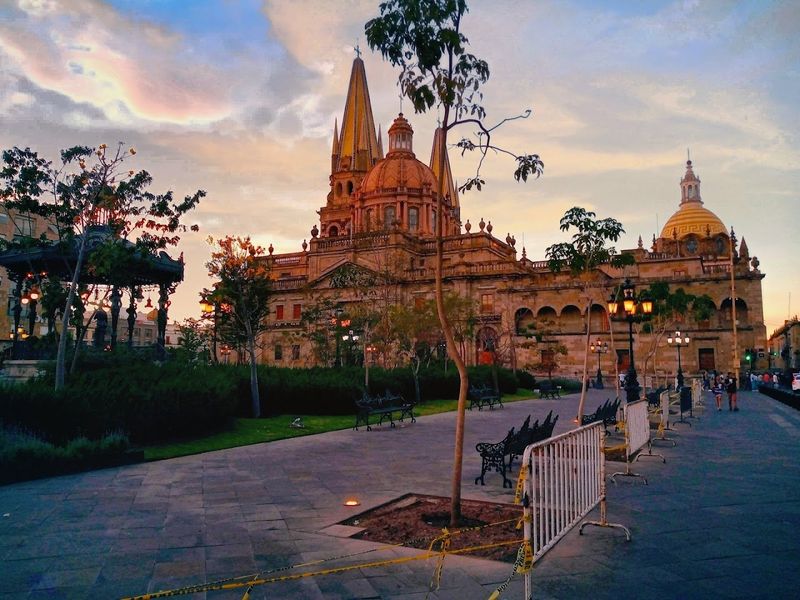
Guadalajara has a food personality that punches well above its casual reputation. Tortas ahogadas, carne en su jugo, birria tatemada, jericallas, tejuino: none of these dishes are small achievements.
Mercado Libertad, also known as San Juan de Dios, is one of Latin America’s largest indoor markets and an easy place to knock out several Guadalajara food experiences in a single afternoon. The torta ahogada stalls alone are worth the trip.
A good one hits you with chile sauce and satisfaction in equal measure.
Official tourism material consistently frames Guadalajara as a top gastronomic destination in Mexico, and the city earns that label honestly. The food culture here is not manufactured for visitors.
It is deeply local, deeply proud, and deeply delicious. First-time visitors often arrive thinking Guadalajara is just a stopover on the way to Tequila town.
They leave planning a return trip built entirely around the food.
Mérida
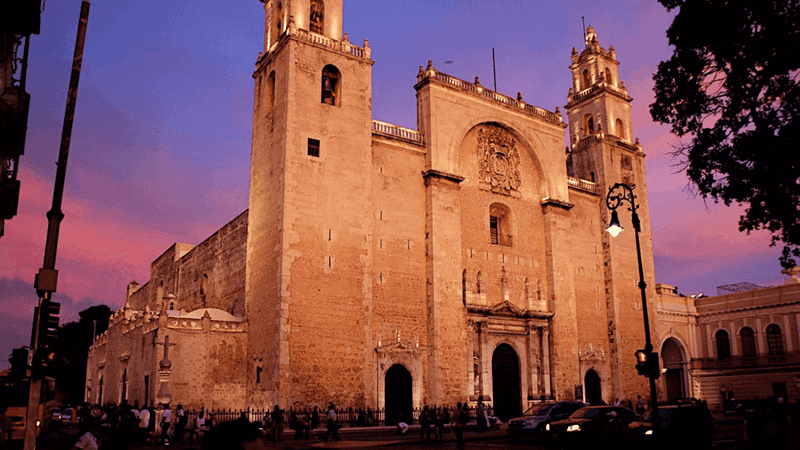
Mérida rewards visitors who show up hungry and stay curious. Yes, cochinita pibil is the headliner, but the supporting cast is just as strong.
Panuchos, poc chuc, queso relleno, huevos motuleños: Yucatecan cuisine operates on a level of complexity that most people do not expect from a beach-adjacent destination. Mercado Lucas de Gálvez is the city’s central food hub and a reliable place to eat well without overthinking it.
The Museo de la Gastronomía Yucateca is also worth a visit if you want context alongside your cochinita.
What sets Mérida apart from other regional food cities is how confidently Yucatecan it stays. The cuisine here draws from Maya traditions, Spanish colonial influence, and Lebanese immigration in ways that create genuinely unique flavors.
That last part surprises most visitors. Yucatecan cooking has more Middle Eastern influence than almost anywhere else in Mexico, and the results are quietly spectacular.
Valle de Guadalupe
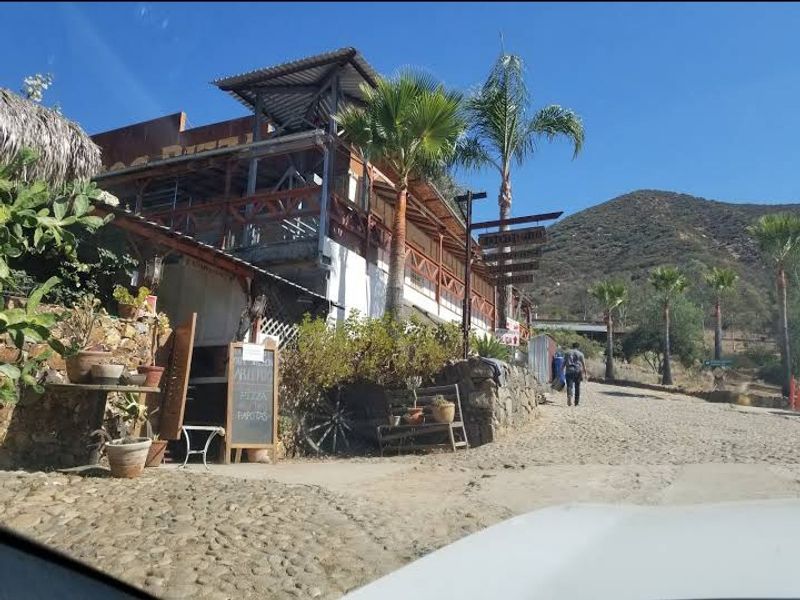
Valle de Guadalupe grew up fast. A decade ago it was a weekend wine escape for Tijuana locals.
Now it is a full food destination with restaurants that attract serious attention from the international culinary world.
The valley’s appeal is the combination: local wine, Baja produce, and chefs who treat the region’s ingredients like the main event rather than a backdrop. Fauna, operating through Bruma, and Deckman’s are both active and both worth reserving well in advance.
These are not just good restaurants; they are the reason people plan entire trips around this valley.
Baja cooking in the Valle has its own identity, distinct from both mainland Mexican cuisine and California food culture. It borrows from both without being defined by either.
The outdoor dining settings, often set against vineyard rows and open sky, add to the experience in a way that makes the whole trip feel a little cinematic. Book early.
Tables go fast.
Ensenada
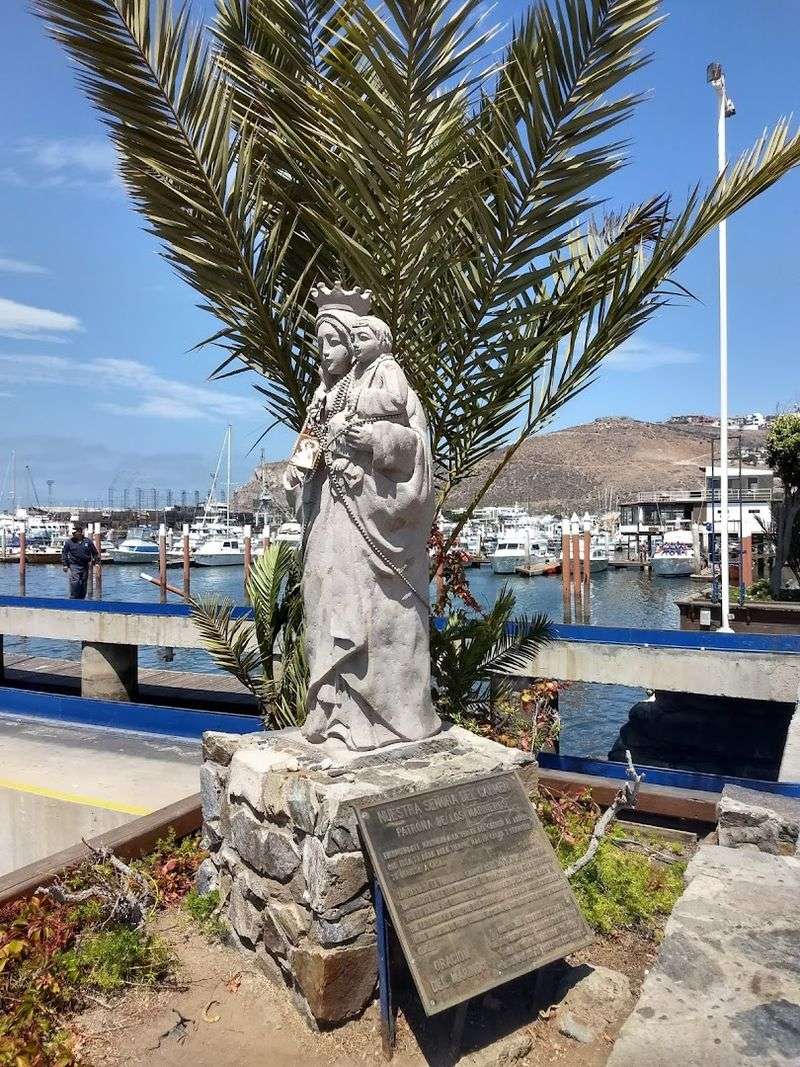
Ensenada is where the fish taco was born, and the city has absolutely not let that legacy slip. The seafood culture here is strong enough to carry an entire itinerary without any help from inland cuisine.
La Guerrerense is one of the city’s most iconic food stops, and it is still operating from both its original cart format and its restaurant. The ceviche tostadas there have earned a reputation that goes well beyond Baja.
Anthony Bourdain visited. That should tell you something.
Beyond La Guerrerense, Ensenada’s seafood scene runs deep. Shellfish, smoked fish, aguachile, and freshly fried fish tacos are everywhere, and the quality stays remarkably consistent.
The city sits right on the coast, which means the seafood is as fresh as it gets. Ensenada is also compact enough to eat your way through in a long weekend without feeling rushed.
Small city, massive food payoff.
Tijuana
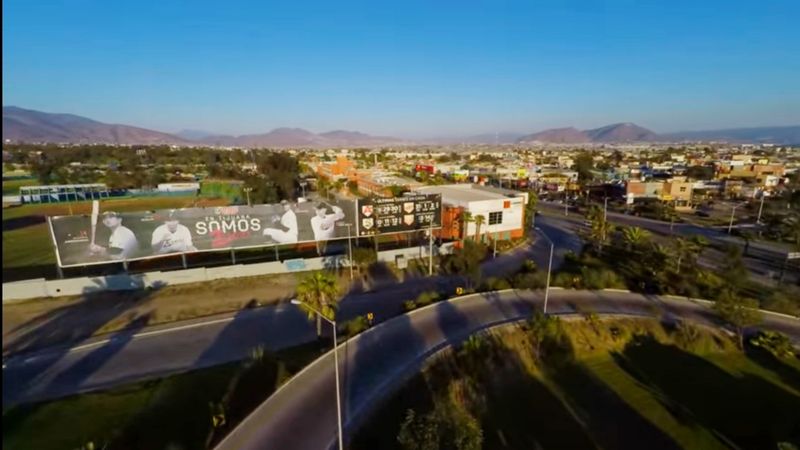
Tijuana gets underestimated as a food destination, which is a mistake that well-fed travelers stopped making years ago. The city blends culinary history with one of Mexico’s most creative contemporary dining scenes.
Caesar’s Restaurant is still operating and still telling the story of the Caesar salad’s 1924 origin right there in Tijuana. Yes, that Caesar salad.
Born here. Tableside preparation and all.
It is a genuinely fun stop even if you are not a salad person.
For a more current snapshot of Tijuana’s food identity, Telefónica Gastro Park brings together a broad range of vendors in one accessible space. The city’s food culture has evolved fast in recent years, and official Mexico tourism pages now actively position Tijuana as a creative gastronomic destination.
Border city energy, world-class food ambition, and easy access from San Diego make Tijuana one of the most practical and rewarding food trips on this entire list.
Morelia
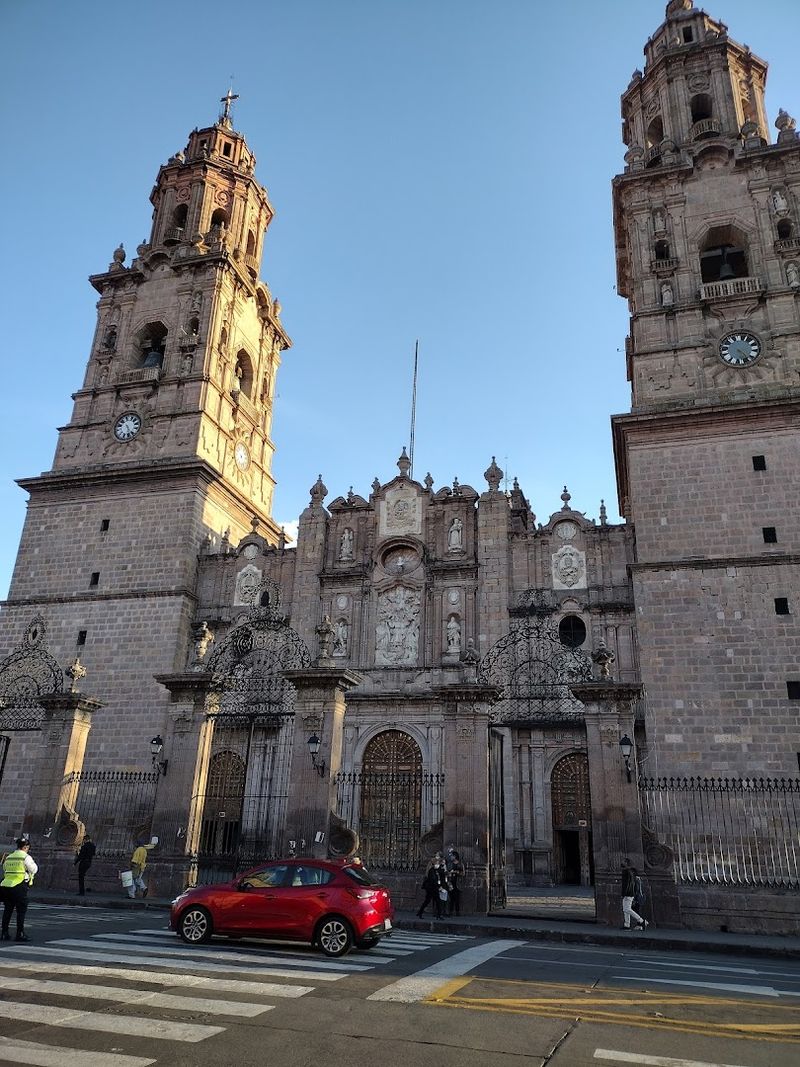
Michoacan’s food traditions are serious business, and Morelia is the best base for exploring them. Most people come for the colonial architecture and leave talking about the carnitas.
Mercado Independencia is the place to experience carnitas culture the way locals actually do it. The pork is cooked in copper pots, sold by weight, and eaten with tortillas and salsa at communal tables.
It is one of those eating experiences that feels completely unrepeatable anywhere else in the world.
Recent travel writing has started treating Morelia as a culinary destination in its own right rather than just a pretty colonial city. That shift is overdue.
The state of Michoacan holds UNESCO recognition for its traditional cuisine, which gives the whole region a credibility that backs up what your taste buds are already telling you. Carnitas are the headline, but the broader market eating culture in Morelia deserves just as much of your attention and appetite.
Maní, Yucatán
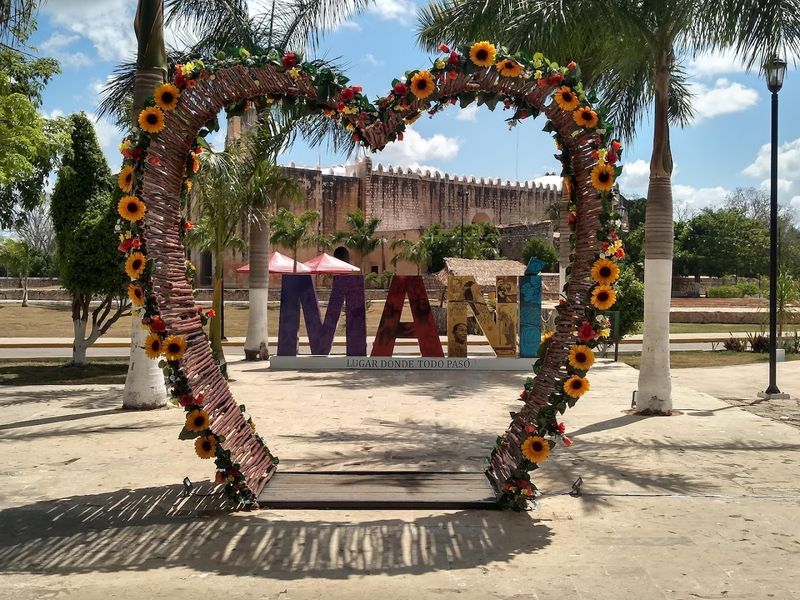
Maní is the kind of place that serious food travelers whisper about to each other like it is a secret worth protecting. It is a small town in Yucatan, but its culinary reputation is outsized in the best possible way.
Official tourism material highlights Maní as a destination for immersive Yucatecan cooking experiences built around dishes like cochinita pibil, poc chuc, mucbipollo, and traditionally prepared eggs. These are not tourist-facing interpretations.
They are rooted in Maya culinary practices that have been kept alive intentionally and proudly.
What makes Maní worth the detour from Mérida is the intimacy of the experience. You are not eating in a restaurant designed for food tourists.
You are eating in a place where the cooking methods, the ingredients, and the context are all genuinely local. For travelers who want depth over spectacle, Maní delivers something that no big city food market can fully replicate.
It is a quiet destination with a very loud culinary story.
San Andrés Huayápam, Oaxaca
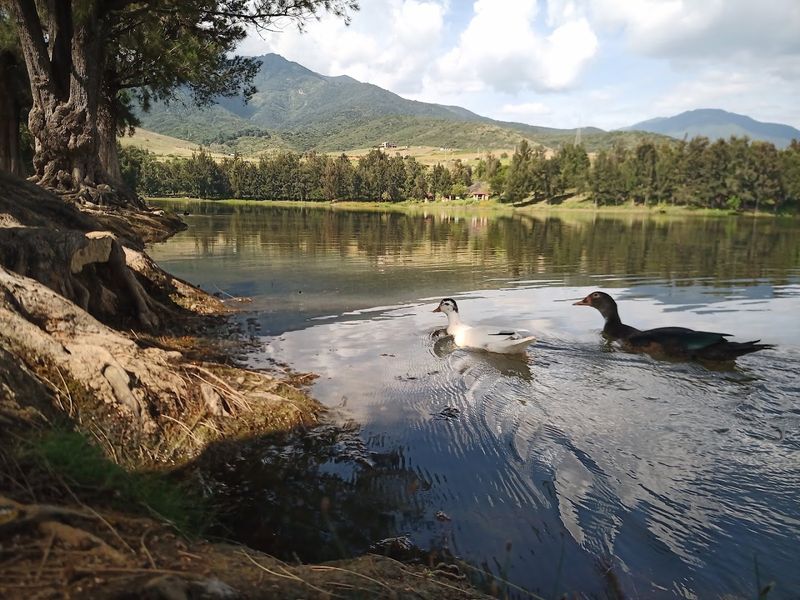
Not every food trip needs a city at its center. San Andrés Huayápam makes the case for building an itinerary around a single drink, and that drink is tejate.
Tejate is a pre-Hispanic beverage made from cacao, mamey sapote seeds, and toasted corn. It is cold, frothy, slightly bitter, and absolutely unlike anything else you will drink in Mexico.
The annual Tejate Fair in this small Oaxacan town brings together dozens of producers to celebrate and compete, and the 2026 edition continued that tradition with full force.
Going deep on one regional specialty is a completely valid way to structure a food trip. San Andrés Huayápam is just outside Oaxaca City, making it an easy half-day addition to a broader Oaxacan itinerary.
But it deserves more than a quick detour. Spend time talking to the producers, watch the preparation process, and drink several cups.
This is living culinary heritage, and it is worth every minute of your attention.
Tlaquepaque
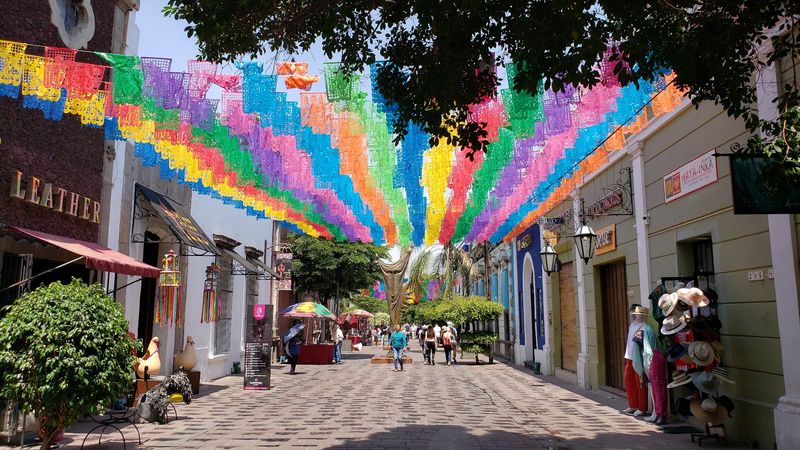
Tlaquepaque gets lumped in with Guadalajara as an arts-and-crafts side trip, but its food scene deserves its own spotlight. The strolling-and-snacking atmosphere here is genuinely hard to beat.
Birria, carne en su jugo, and tortas ahogadas are the local food anchors, and they show up in settings that feel festive rather than functional. Eating in Tlaquepaque feels like a celebration even on a random Tuesday afternoon.
The pedestrian streets, the mariachi soundtrack, and the colorful surroundings all conspire to make the food taste better.
Official tourism material specifically highlights Tlaquepaque’s culinary identity alongside its craft market reputation, which signals that the food scene here is not an afterthought. For travelers already spending time in the Guadalajara area, carving out a half day in Tlaquepaque is an easy decision.
The food is familiar enough to feel comforting and distinct enough to feel worth the extra stop. Plus, you can buy a ceramic bowl to eat your birria from.
Practical and souvenir-worthy.
Share this story