Every now and then, a construction crew shows up to work and ends up making history instead. From ancient Roman temples buried under city streets to frozen mammoths locked in Siberian ice, the ground beneath our feet hides some truly jaw-dropping secrets.
These accidental discoveries have forced builders to put down their tools and call in archaeologists. Get ready to explore some of the most mind-blowing historical finds ever uncovered by accident.
A Roman Temple and Bath Complex Beneath Modern London
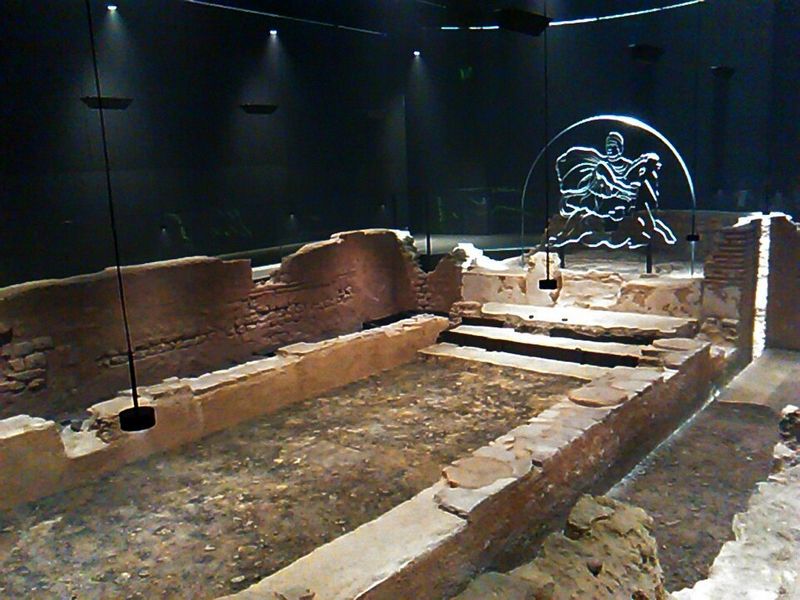
Hidden beneath the bustling streets of the City of London lies a secret that took nearly 2,000 years to surface. When workers began excavating in the mid-20th century, they uncovered the Roman Temple of Mithras, a place of worship from ancient Londinium.
The discovery was so significant that the temple was eventually preserved and re-presented beneath Bloomberg’s modern European headquarters.
Thousands of Roman-era artifacts were also recovered from the site, including leather shoes, writing tablets, and coins. Each object painted a vivid picture of daily life in Roman Britain.
The find proved that ancient history runs literally just below London’s modern surface.
The Yuka Woolly Mammoth Frozen in Siberian Permafrost
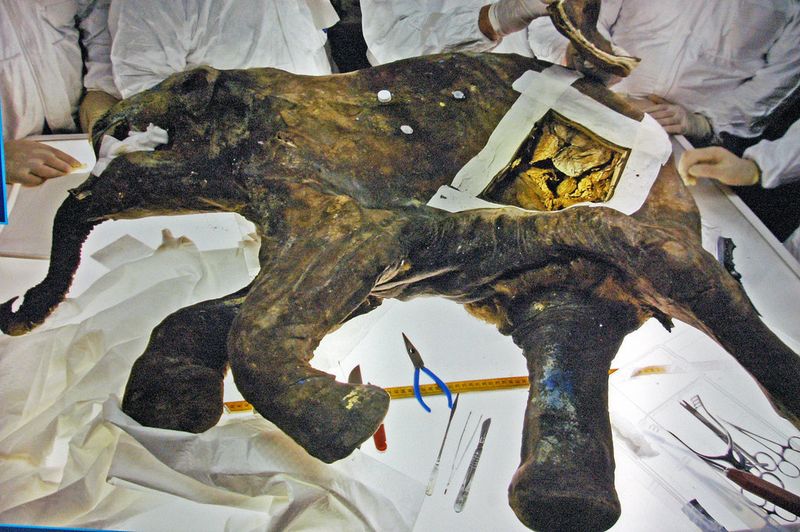
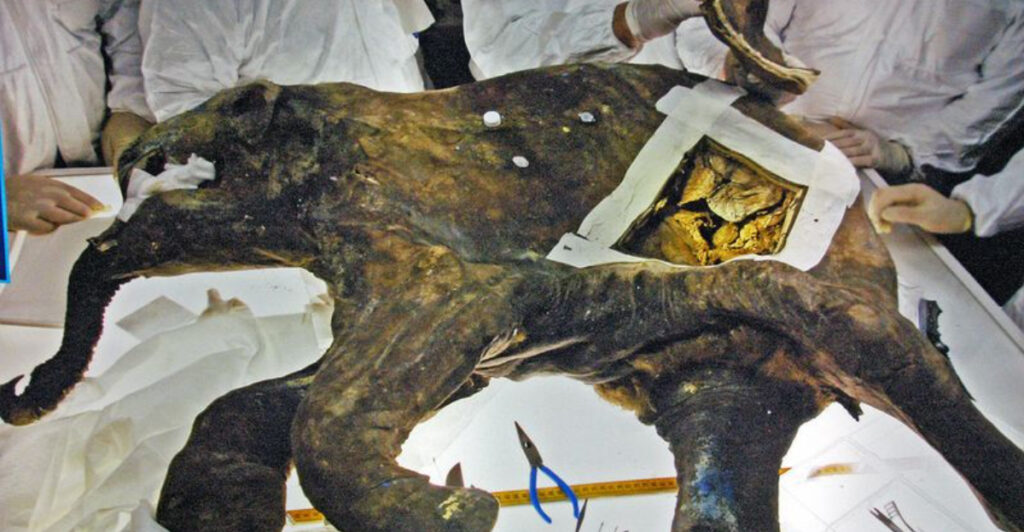
Stumbling upon a woolly mammoth frozen in the ground sounds like something from a science fiction novel, but that is exactly what happened in Siberia in 2010. Yuka, as researchers named her, was found with her reddish fur still intact, making her one of the best-preserved mammoths ever discovered.
Scientists were genuinely stunned by how much biological material had survived.
Yuka gave researchers a rare window into mammoth biology and even hinted at ancient human interaction with these massive creatures. Some evidence suggested early humans may have butchered her remains.
Her discovery reignited global conversations about cloning extinct species.
A Great Plague Burial Pit Unearthed During the Crossrail Project
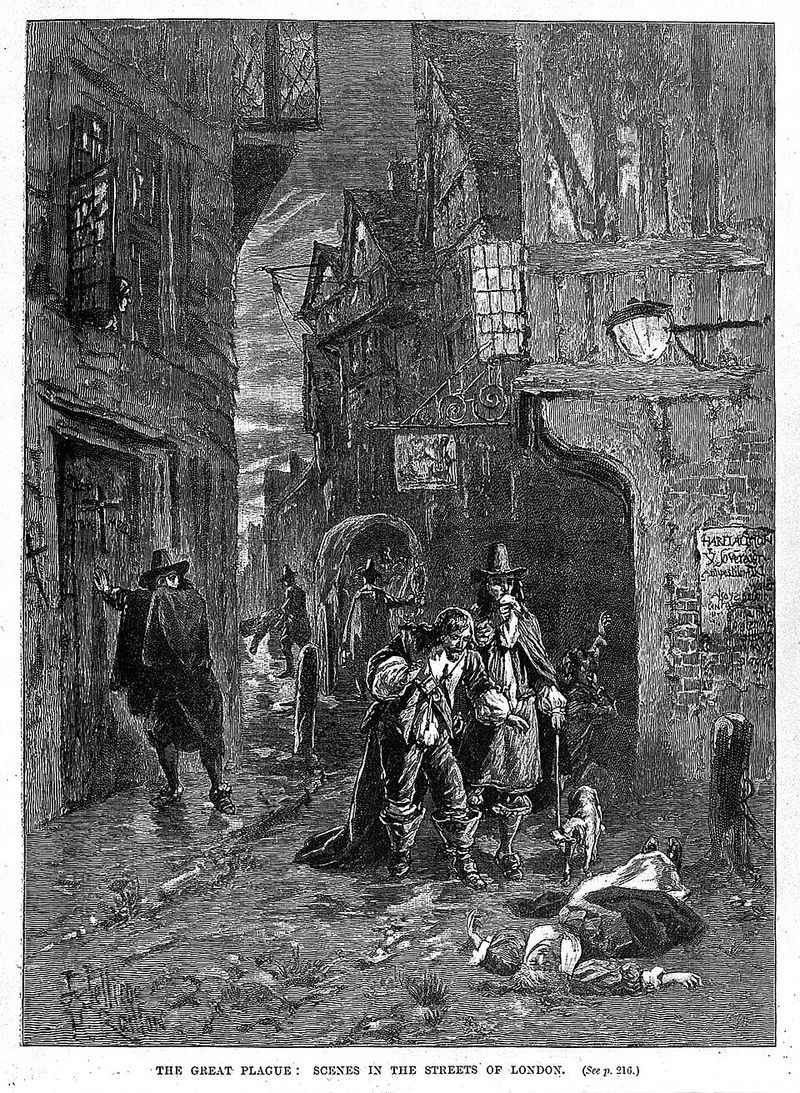
London’s Crossrail project was always going to be ambitious, but nobody expected workers to dig straight into one of history’s darkest chapters. At the Liverpool Street station site, archaeologists uncovered a mass burial pit connected to the devastating Great Plague of 1665.
The Bedlam burial ground, as it was known, held the remains of hundreds of plague victims.
What made this discovery especially valuable was the chance to study ancient plague DNA directly from the skeletal remains. Researchers were able to learn more about how the disease spread through the city.
It turned a construction delay into a groundbreaking public health history lesson.
An Ancient Dugout Canoe Found in Florida
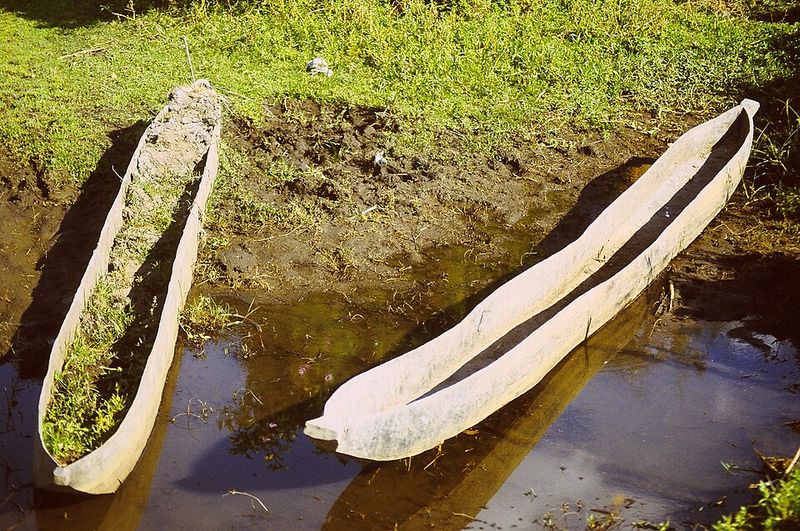
Florida might be famous for its sunshine and beaches, but its waterlogged soil has quietly been preserving some of North America’s oldest watercraft for thousands of years. Dugout canoes carved by Indigenous peoples have surfaced during construction and land disturbance projects across the state, often in remarkably solid condition.
The wet ground acted like a natural time capsule.
Some of these canoes date back several thousand years, offering a direct connection to the people who once paddled Florida’s rivers and lakes. Each find helps archaeologists better understand early Indigenous travel, trade, and daily life.
They are floating chapters of a history that rarely gets told.
Prehistoric Cave Art Preserved in Southern France
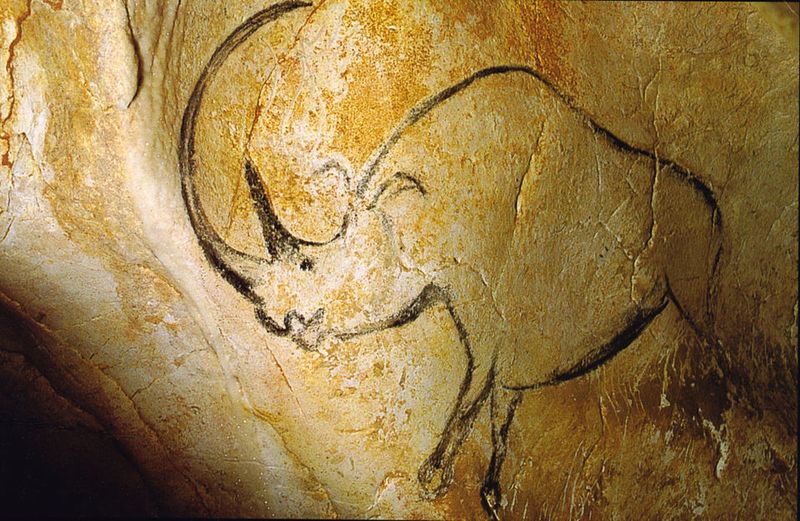
Southern France holds some of the most breathtaking artwork ever created by human hands, and much of it has been sealed underground for tens of thousands of years. Cave systems in the region, sometimes disturbed by modern development or accidental discovery, have revealed stunning Ice Age paintings of animals, hands, and geometric shapes.
The colors have lasted longer than most modern paint.
Sites like Lascaux and Chauvet showed the world that our ancient ancestors were sophisticated, creative, and deeply observant of the natural world around them. Each newly discovered chamber adds another chapter to human prehistory.
Art, it turns out, is one of our oldest instincts.
A Mummified Monk Hidden Inside a Buddha Statue
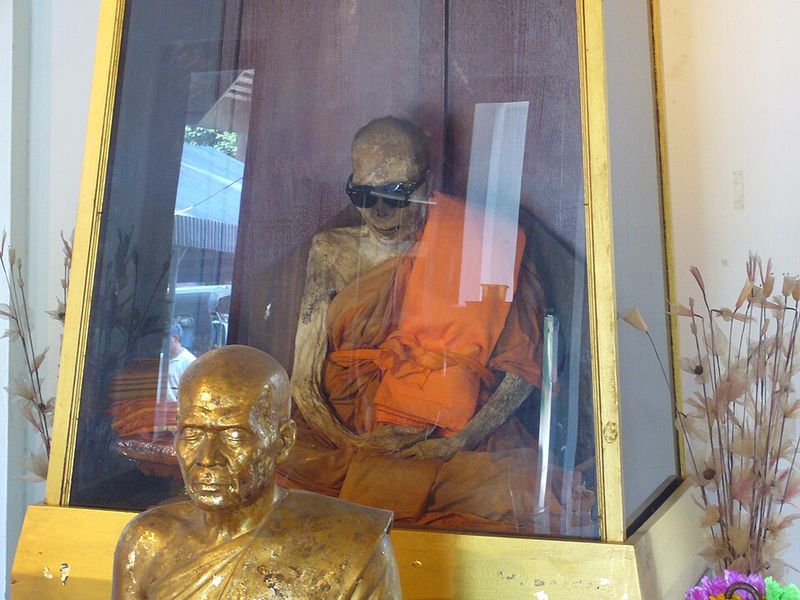
When researchers in the Netherlands ran a Buddha statue through a CT scanner, they were not expecting to find a person inside. Yet that is exactly what the scans revealed: the mummified remains of a Buddhist monk, perfectly concealed within the hollow interior of the statue.
The monk is believed to have been a master named Liuquan, who died around the 11th or 12th century.
Organ cavities inside the monk’s body had been filled with ancient texts and scraps of fabric, suggesting a deeply intentional burial ritual. The discovery stunned scientists and spiritual communities alike.
It remains one of the strangest artifact-within-an-artifact finds in modern history.
The Steamboat Arabia Buried Beneath a Missouri Cornfield
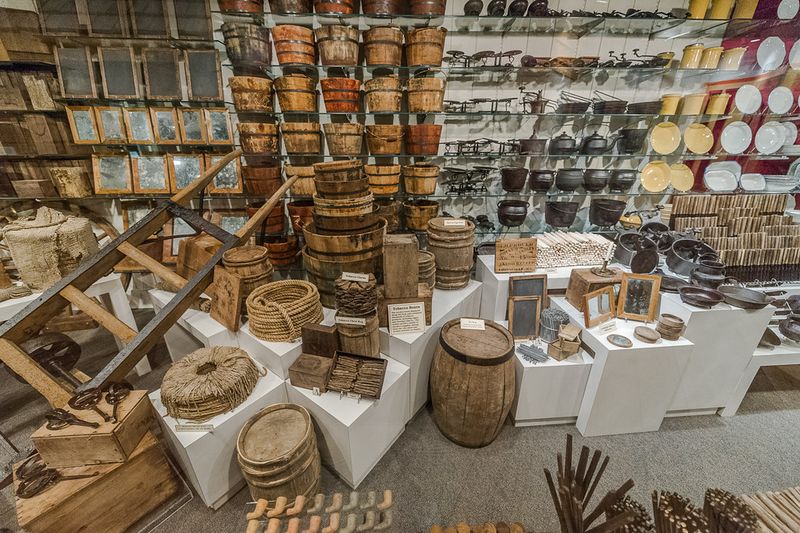
The Arabia was a working steamboat that sank in the Missouri River in 1856 after striking a submerged tree. Over time, the river shifted course, and the wreck ended up buried under a Kansas cornfield, far from any water.
When a determined family finally located and excavated it in 1988, they found something almost unbelievable.
The boat’s cargo of frontier goods, including tools, dishes, food, and clothing, had been preserved in near-perfect condition by the waterlogged soil. More than 200 tons of artifacts were recovered, offering a snapshot of 19th-century American life.
The Arabia Museum in Kansas City now showcases this treasure trove of everyday history.
A World War II Bomber Crash Site in Germany
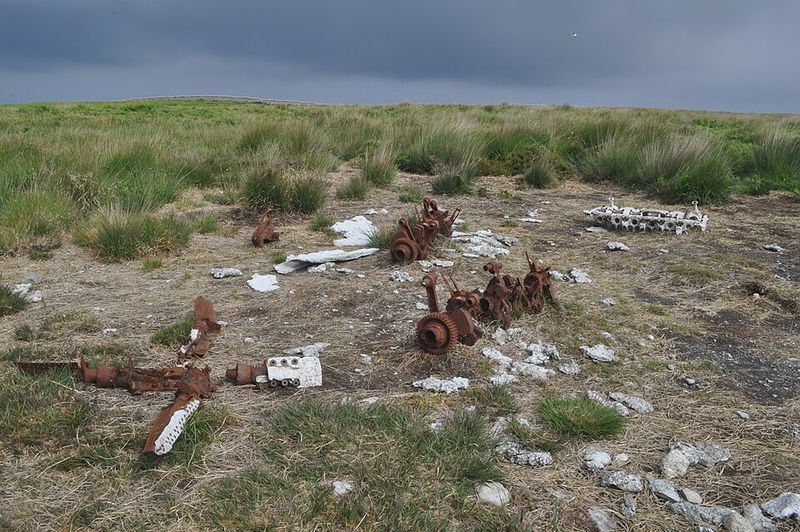
Decades after the last shots of World War II were fired, the ground across Germany still holds the wreckage of the air war that raged overhead. Construction projects and land development have repeatedly uncovered crash sites of Allied bombers, sometimes along with the remains of crew members who never made it home.
Each site is both an archaeological dig and a memorial.
U.S. recovery teams have worked with German authorities to identify missing airmen through recovered personal effects and aircraft serial numbers. Families have finally received answers about loved ones lost generations ago.
These crash sites serve as a powerful reminder that history is never truly buried beyond reach.
Share this story