Wine tourism is evolving fast, and the Wine Travel Awards 2026 highlight destinations that go beyond classic regions like Bordeaux or Tuscany. These awards spotlight places offering exceptional wine quality, unique terroirs, immersive experiences, and strong cultural identity.
From ancient winemaking traditions to emerging hotspots, the 2026 shortlist proves that some of the best wine destinations today are both historic and refreshingly undiscovered. Here are 10 standout wine regions to visit in 2026.
Kakheti (Georgia)
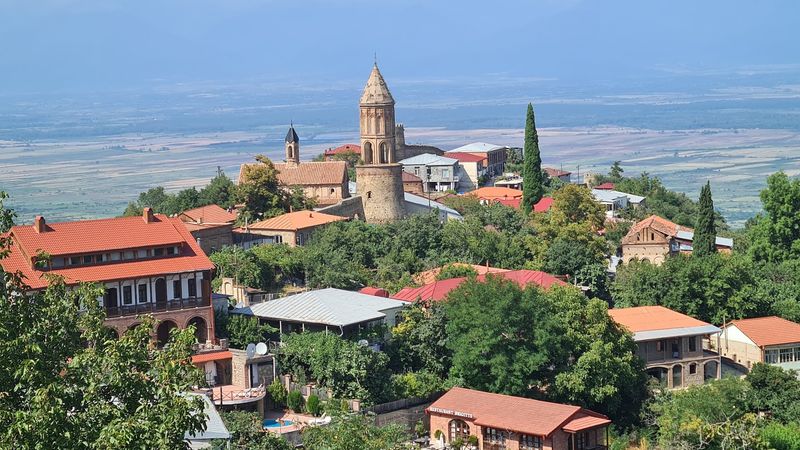
Georgia did not just top the public vote by accident. This South Caucasus country has been making wine for over 8,000 years, and Kakheti is its crown jewel.
The region produces nearly 70% of all Georgian wine, and the quality speaks for itself at every sip.
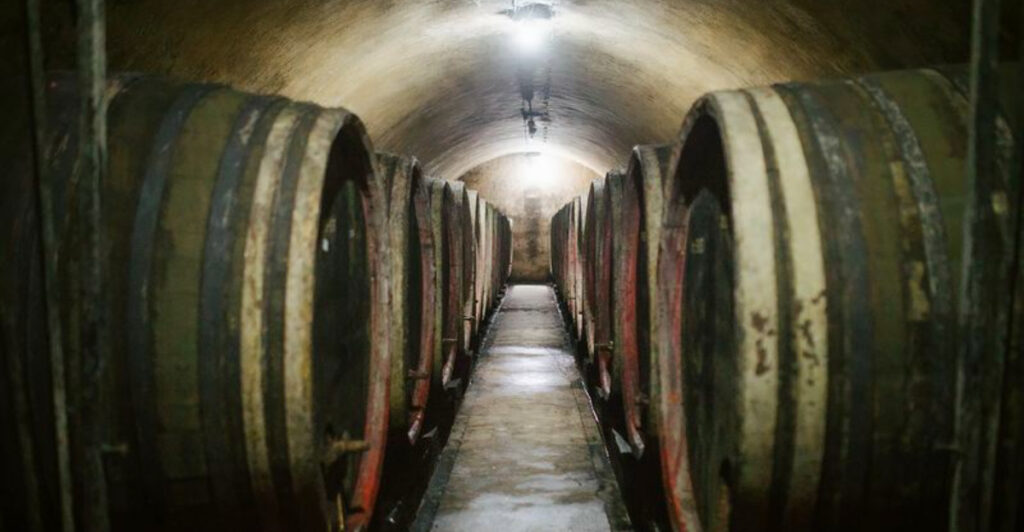
What sets Kakheti apart is the ancient qvevri method, where wine ferments inside large clay vessels buried underground. Wineries like SHUMI have mastered this technique while adding a modern, visitor-friendly touch.
Tours here feel less like tastings and more like time travel.
Amber wines, made from extended skin contact with white grapes, are a signature you will not find anywhere else quite like this. Pair them with Georgian flatbread and walnut-stuffed dishes for the full experience.
The food alone is worth the flight. Kakheti also rewards slow travelers.
Vineyard guesthouses, monastery visits, and scenic drives through the Alazani Valley make every day feel cinematic. Autumn harvest season, from late September through October, is the best time to visit when the vines glow gold and the whole region smells of fermenting grapes.
Tsinandali (Georgia)
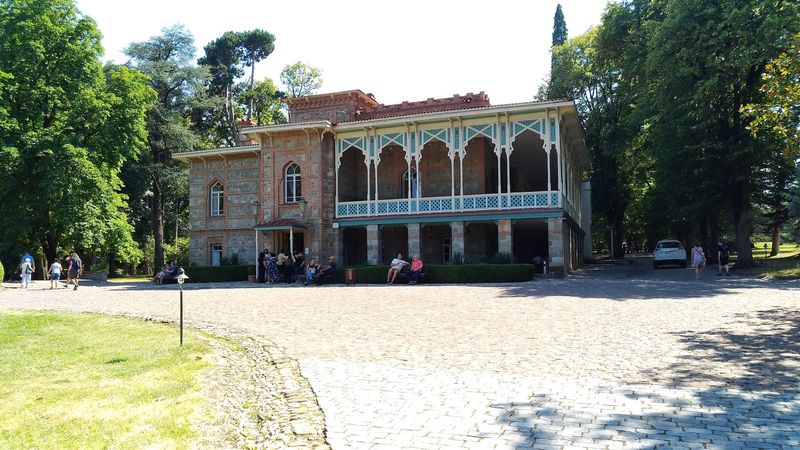
Tucked inside the Kakheti region, Tsinandali carries an almost aristocratic charm that surprises first-time visitors. The estate here dates back to the 19th century, once home to Georgian poet Prince Alexander Chavchavadze, and the gardens alone feel like stepping into a living painting.
Today, Tsinandali is blossoming into a serious wine tourism hub. Boutique wineries have sprung up alongside the historic estate, offering tastings in beautifully restored cellars.
The mix of old-world prestige and fresh energy makes this village genuinely exciting to explore.
The white wines produced here are particularly noteworthy. Tsinandali white, a blend of Rkatsiteli and Mtsvane grapes, is crisp, aromatic, and pairs beautifully with the local cuisine.
Winemakers here take real pride in preserving regional grape varieties that most of the world has never heard of.
Accommodation options have improved dramatically in recent years. Luxury hotels near the estate now offer curated wine tours, spa facilities, and farm-to-table dining.
Tsinandali is no longer just a detour on the way to bigger Georgian cities. It is a destination in its own right, and 2026 is the perfect year to discover it.
Valpolicella (Italy)
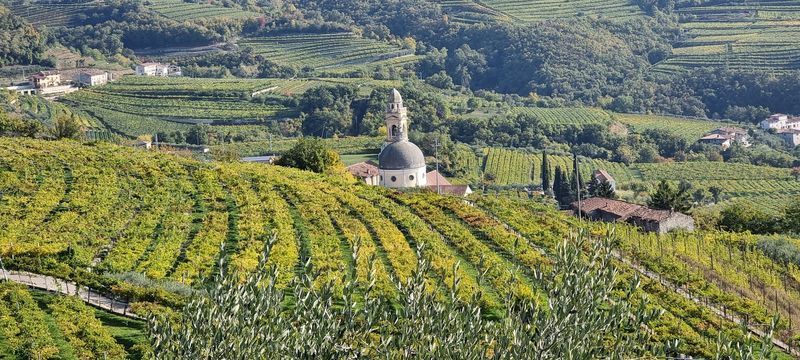
Amarone fans, this one is for you. Valpolicella, nestled between Verona and Lake Garda in northeastern Italy, is the birthplace of some of the most powerful and velvety red wines on the planet.
The region ranked among the top destinations in the 2026 Wine Travel Awards, and honestly, no one is surprised.
The star of the show is Amarone della Valpolicella, made from partially dried grapes using a technique called appassimento. This drying process concentrates the sugars and flavors, producing a wine that is rich, complex, and utterly unforgettable.
Ripasso, another local favorite, offers a lighter but equally satisfying experience.
Beyond the glass, Valpolicella is visually stunning. Ancient stone villages, Roman ruins, and terraced hillside vineyards make every drive feel like a postcard.
Many wineries here have been family-owned for generations, and that personal touch comes through in every tasting.
Spring and autumn are the best times to visit. Summer gets crowded near Lake Garda, but the vineyards stay peaceful and beautiful year-round.
Wine lovers who also enjoy art and history will find Valpolicella endlessly rewarding. Verona is just a short drive away for a dose of opera, architecture, and excellent pizza.
Romanian Wine Regions (Dealu Mare & Beyond)
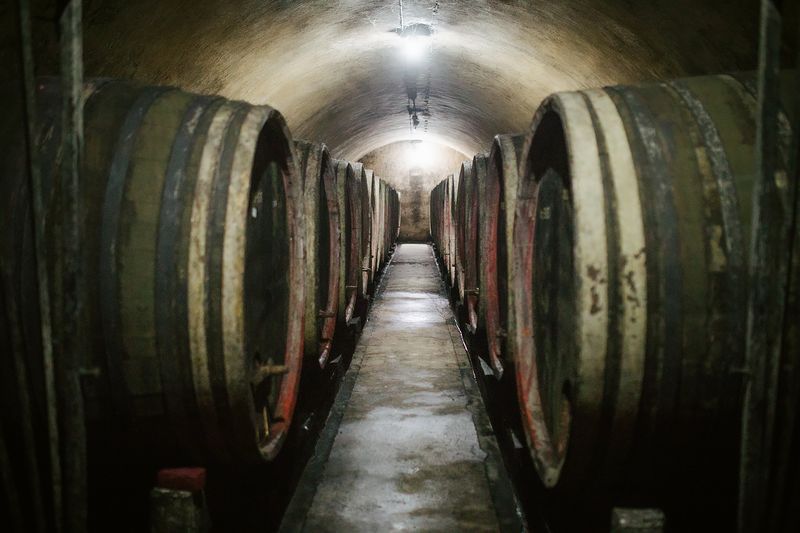
Romania is quietly becoming one of Europe’s most exciting wine stories, and the 2026 Wine Travel Awards took notice. The country was flagged as a gateway to diverse terroirs, and that description barely scratches the surface of what is happening here.
Dealu Mare, which translates to Big Hill, is the most celebrated subregion. Situated south of the Carpathian Mountains, it produces bold reds from Feteasca Neagra, a native grape variety that delivers deep color, spice, and remarkable depth.
International varieties like Cabernet Sauvignon and Merlot also thrive here.
What makes Romania especially appealing for travelers is the value. World-class wines at surprisingly reasonable prices are the norm, not the exception.
Winery tours, vineyard stays, and tasting experiences cost a fraction of what you would pay in France or Italy, without sacrificing quality.
Romania also has eight other wine regions worth exploring, from the cool-climate whites of Moldova in the northeast to the sparkling wines of Transylvania. The country’s wine culture is centuries old, rooted in traditions that survived communist-era industrialization and are now being reclaimed with passion.
Visiting now means catching Romania at its most energized and ambitious moment in modern winemaking history.
Douro Valley (Portugal)
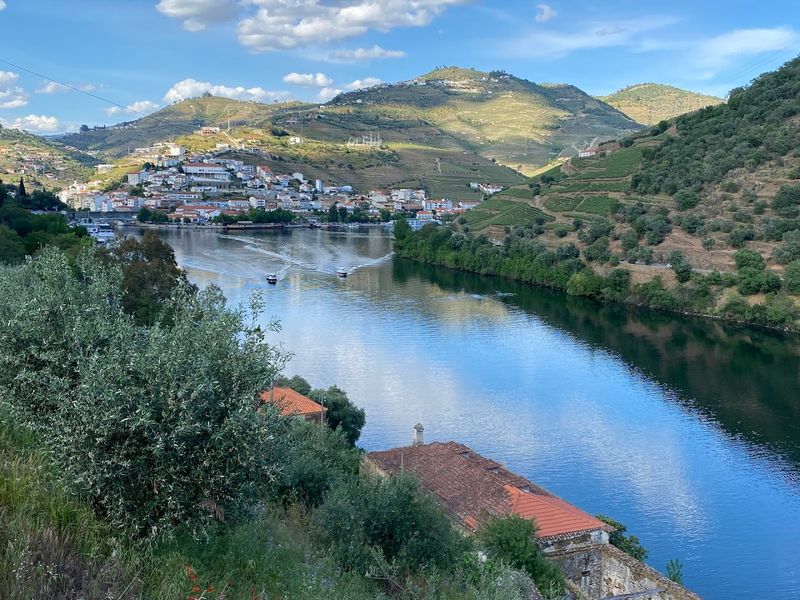
Few wine landscapes on Earth match the sheer drama of the Douro Valley. Carved by the Douro River over millions of years, this UNESCO World Heritage Site features impossibly steep terraced vineyards that cling to schist hillsides like something out of a geography textbook come to life.
Portugal’s Douro Valley is also one of the world’s oldest demarcated wine regions, officially recognized since 1756. It is best known for Port wine, the rich, fortified sweet wine that has been shipped from here to the world for centuries.
But the region also produces outstanding dry red and white table wines that are gaining serious international attention.
Cruising the Douro River is the most popular way to experience the region. Boats glide past ancient quintas, olive groves, and almond trees, stopping at estates for tastings and lunches.
It is leisurely, scenic, and utterly satisfying for anyone who loves both wine and nature.
Spring brings wildflowers and cooler temperatures, while harvest season in September fills the valley with activity and celebration. Many quintas open their doors to visitors during this period, offering hands-on grape picking experiences.
The Douro Valley is not just a wine destination. It is one of Europe’s most breathtaking landscapes, full stop.
Porto & Vinho Verde (Portugal)
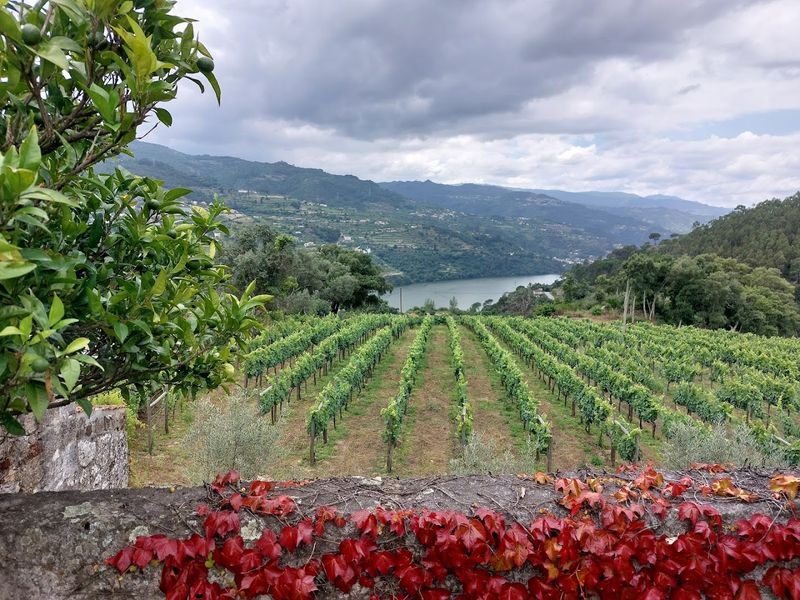
Portugal’s northern wine scene offers two very different but equally compelling experiences within easy driving distance of each other. Porto, the country’s second city, is a living museum of Port wine culture.
The famous wine lodges in Vila Nova de Gaia, just across the river, have been aging fortified wines in oak barrels for generations.
Vinho Verde sits just north of Porto in the Minho region, and it could not be more different in style. Light, fresh, slightly fizzy, and low in alcohol, Vinho Verde is the perfect warm-weather wine.
The name means green wine, referring not to the color but to the young, vibrant character of the grapes when harvested.
Together, these two destinations create a wine trail that suits almost every palate. Start with a tasting tour of the Port lodges in the morning, drive north through lush green countryside in the afternoon, and end the day with a chilled glass of Alvarinho at a riverside restaurant.
It sounds like a dream because it genuinely is.
Sustainability is also a growing priority in both regions, with many producers adopting organic and biodynamic practices. The 2026 Wine Travel Awards recognized this commitment to innovation.
Portugal’s north is not just keeping up with global wine trends. It is setting them.
Mendoza (Argentina)
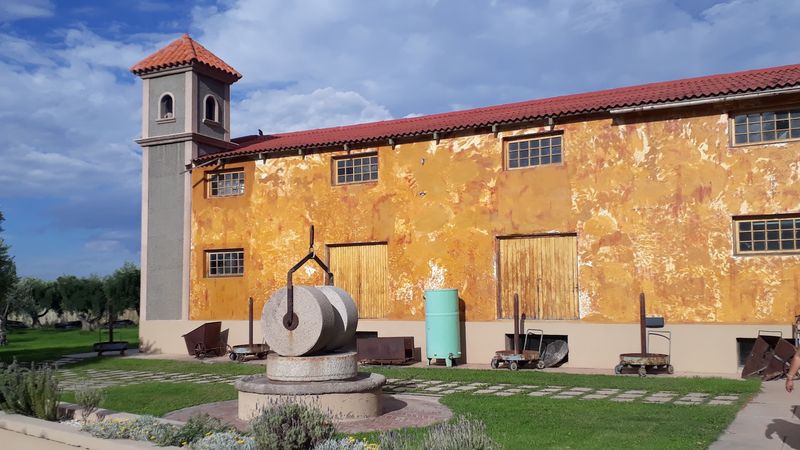
Standing in a Mendoza vineyard with the Andes rising behind you is one of those experiences that genuinely rewires your brain. The scale is enormous, the air is crisp, and the wine in your glass is almost certainly a Malbec that will make you question every other red you have ever loved.
Mendoza sits at elevations ranging from 2,000 to over 5,000 feet above sea level. That altitude means intense sunlight during the day, cool nights, and a long growing season that allows grapes to develop remarkable complexity.
Malbec, originally from France, found its true home here and has never looked back.
The wine tourism infrastructure in Mendoza is world-class. Hundreds of wineries offer tours and tastings, ranging from intimate family estates to grand architectural showpieces.
The Lujan de Cuyo and Uco Valley subregions are especially worth exploring for their premium bottlings and stunning scenery.
Cycling between wineries is a popular and highly recommended activity. The flat terrain near the city makes it easy and enjoyable, even for casual riders.
Combine that with excellent steakhouses, tango shows, and friendly locals, and Mendoza becomes a full sensory experience far beyond just wine. Argentina’s wine capital earns its place on this list every single year.
Rioja (Spain)
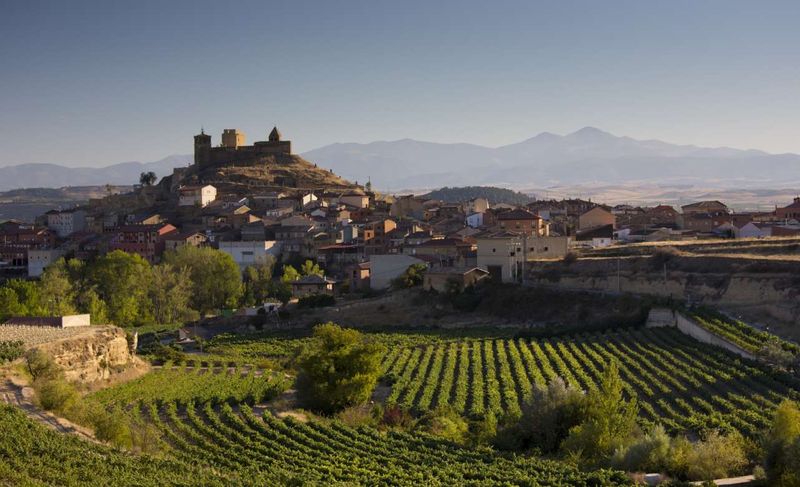
Rioja has been making wine since the Romans were around, and yet it somehow manages to feel completely current. This northern Spanish region blends centuries of Tempranillo tradition with some of the most visually striking winery architecture on the planet.
The result is a destination that satisfies history buffs and design lovers in equal measure.
The Marques de Riscal winery, designed by Frank Gehry, looks like a titanium sculpture landed in the middle of a vineyard. It is just one example of how Rioja has embraced bold, forward-thinking design without abandoning its roots.
Several other landmark wineries have followed suit, turning the region into an open-air architecture gallery.
Wine-wise, Rioja Reserva and Gran Reserva reds are the stars. Aged in American and French oak, they develop a signature vanilla and cherry profile that is instantly recognizable.
White and rose styles are also gaining recognition, offering a broader range than many visitors expect.
The town of Haro is the beating heart of traditional Rioja wine culture, home to a cluster of historic bodegas within walking distance of each other. La Rioja also holds a famous wine battle festival each June, where locals drench each other in wine.
If that does not sell you on visiting, nothing will.
Napa Valley (USA)
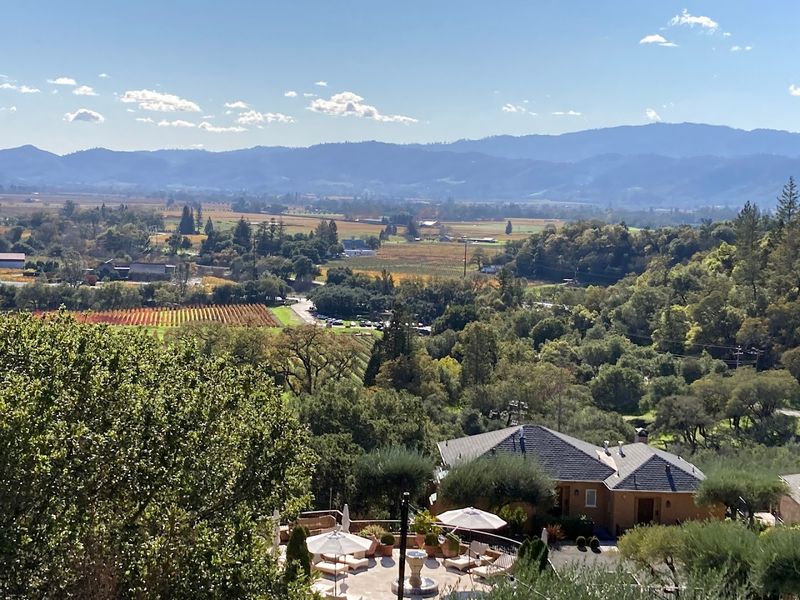
Napa Valley set the global standard for wine tourism, and it has absolutely no intention of giving up that title. Located just 50 miles north of San Francisco, this California wine country is a destination that consistently delivers at the highest level, whether you are a first-time visitor or a seasoned oenophile.
Cabernet Sauvignon is king here, and the best examples from Napa regularly compete with the finest Bordeaux in the world. The 1976 Judgment of Paris, where California wines famously beat French wines in a blind tasting, put Napa on the international map for good.
That confidence still runs through every bottle produced here.
The hospitality experience in Napa is genuinely exceptional. Tasting rooms range from intimate cave tours to grand estate experiences with food pairings curated by Michelin-starred chefs.
The level of detail and care put into every visitor experience is difficult to match anywhere else in the wine world.
Beyond the wineries, Napa offers hot air balloon rides over the valley at sunrise, world-class restaurants like The French Laundry, and a thriving arts scene in downtown Napa. Prices are higher than most wine regions, but the experience justifies every dollar.
Napa does not just meet expectations. It regularly exceeds them in ways that leave visitors planning their return trip before they even leave.
Casablanca Valley (Chile)
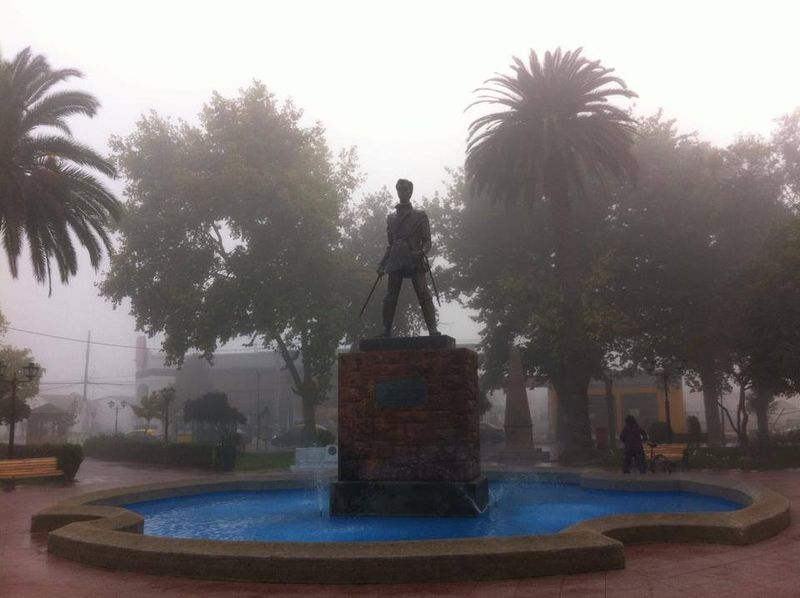
Morning fog rolls in from the Pacific Ocean most days in Casablanca Valley, and the vines absolutely love it. Located just 75 kilometers from Santiago and close to the port city of Valparaiso, this cool-climate Chilean region is producing white wines that are turning heads around the world in 2026.
Chardonnay and Sauvignon Blanc are the region’s strongest cards. The cool temperatures and coastal influence create wines with bright acidity, fresh citrus character, and elegant minerality.
Pinot Noir also performs beautifully here, offering a Chilean take on the notoriously finicky grape that surprises even skeptical visitors.
The valley has a relaxed, exploratory feel that sets it apart from the more established Maipo or Colchagua regions. Many wineries here are boutique operations run by passionate winemakers who genuinely enjoy talking to visitors.
Tastings often feel like conversations rather than sales pitches, which makes the whole experience more memorable.
Combining Casablanca with a trip to Valparaiso is highly recommended. The colorful port city, covered in murals and street art, offers a vibrant cultural contrast to the quiet vineyard landscape just up the road.
Chile’s wine scene has long been dominated by reds, but Casablanca Valley is making a very convincing case for the other side of the menu.
Share this story