Portugal may be famous for its beaches and cities, but it’s also home to a diverse network of protected landscapes, from mountain ranges and river valleys to coastal cliffs and wetlands. These areas preserve the country’s biodiversity and offer ideal conditions for spring travel, when wildflowers bloom and temperatures are mild.
From the lush north to the sun-drenched Algarve, these parks showcase Portugal at its most scenic, perfect for hiking, photography, and peaceful escapes. Here are 10 of the most beautiful natural parks to explore in spring.
Peneda-Gerês National Park
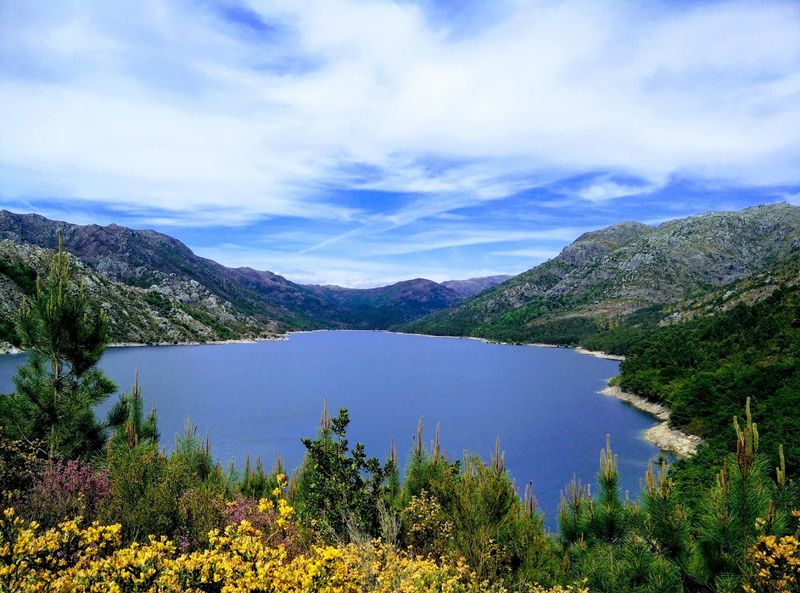
Portugal’s only official national park wears its title well, and anyone who visits quickly understands why. Located in the far north, Peneda-Gerês is a wild, dramatic landscape of granite peaks, ancient oak forests, and rivers that rush loudest in spring.
The season transforms the park into something out of a nature documentary, with vivid greens covering every hillside.
Hikers have dozens of trails to choose from, ranging from gentle riverside walks to challenging mountain climbs. The Homem River Valley is especially popular in spring, when snowmelt feeds powerful cascades and the air smells fresh and earthy.
Wildlife spotters have a real chance of glimpsing the rare Iberian wolf or a golden eagle soaring overhead.
Small stone villages dot the park, some still following centuries-old traditions. Stopping at one of these villages for a local meal adds a cultural layer to the adventure.
Camping is available for those who want to fall asleep to the sound of running water. Pack layers, because mornings in the mountains can still be cool even in April and May.
Sintra-Cascais Natural Park
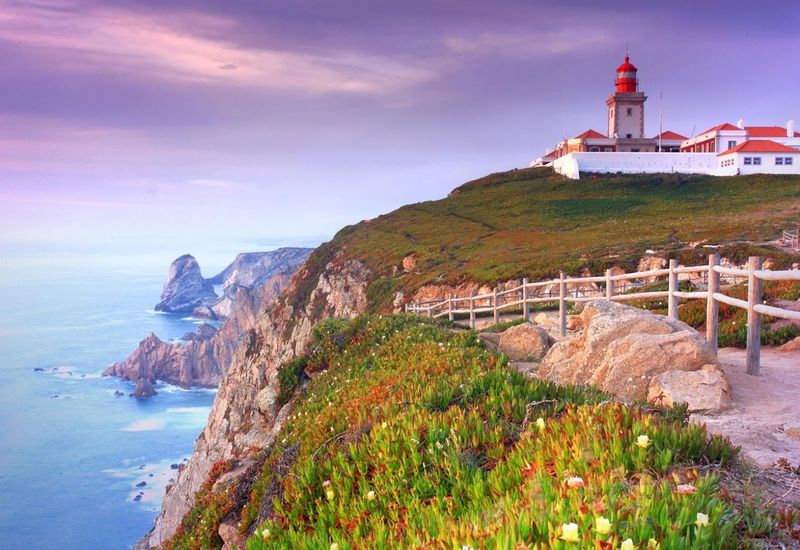
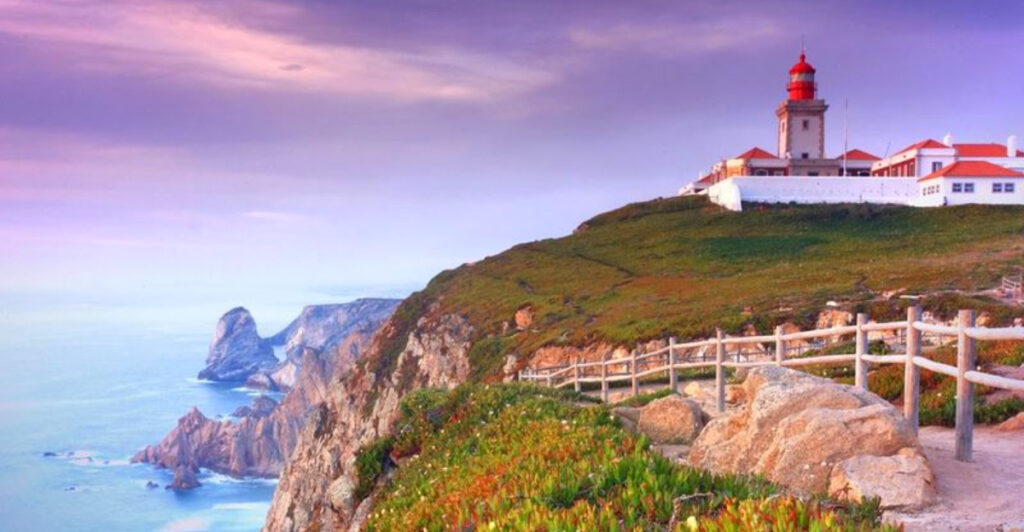
Standing at Cabo da Roca, the westernmost point of mainland Europe, you feel the full force of the Atlantic wind and wonder how something so raw can be so beautiful. That feeling pretty much sums up Sintra-Cascais Natural Park.
Sitting just 30 minutes from Lisbon, it is one of the most accessible yet genuinely wild parks in the country.
The park stretches from the forested Serra de Sintra hills down to rugged coastal cliffs, packing an impressive variety of scenery into a compact area. Spring is a fantastic time to visit because the hillside forests turn bright green and wildflowers line the walking trails.
Birdwatchers will spot peregrine falcons and white storks making the most of the mild weather.
History lovers are also well catered for here. The park surrounds the fairy-tale town of Sintra, filled with colorful palaces and UNESCO-listed heritage sites.
You can hike through the woods in the morning and explore a royal palace in the afternoon. Cycling routes connect several coastal viewpoints, making it easy to cover a lot of ground without rushing.
Few parks in Europe blend nature and culture this effortlessly.
Arrábida Natural Park
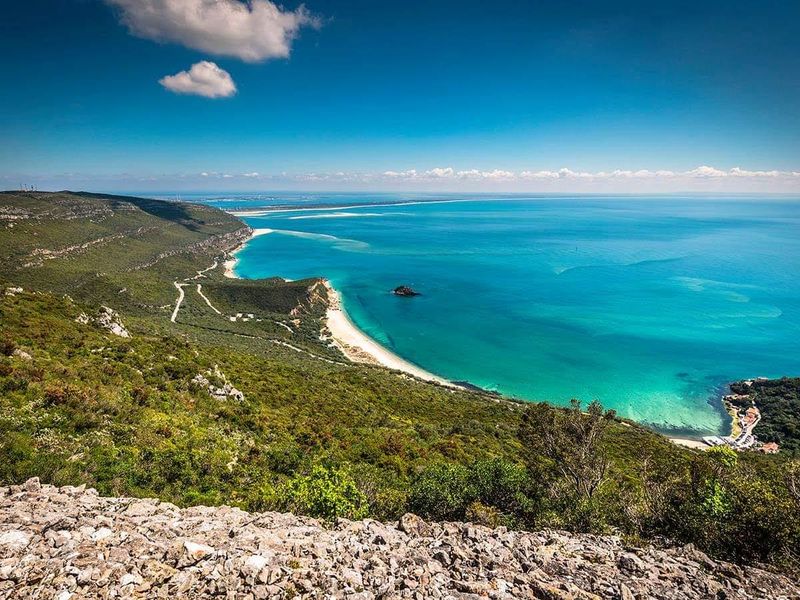
The water here is so blue it looks photoshopped, but every visitor quickly realizes it is completely real. Arrábida Natural Park sits about an hour south of Lisbon and delivers a Mediterranean-style coastline that feels more like southern Italy than Portugal.
Limestone hills covered in dense green shrubs tumble down to hidden beaches with crystal-clear water.
Spring is arguably the best season to visit because the hillside vegetation is at its most lush and the beaches are blissfully crowd-free. The park protects a rare type of Mediterranean scrubland called maquis, filled with aromatic herbs and colorful flowers that bloom heavily in April and May.
Walking the ridge trails gives you sweeping views of the Sado Estuary on one side and the Atlantic on the other.
Underwater, the park is just as impressive. The protected marine reserve hosts seahorses, octopus, and vibrant fish communities, making it a top spot for snorkeling and scuba diving.
Several local outfitters offer boat tours to sea caves and hidden coves that are impossible to reach on foot. Bring a picnic, find a quiet beach, and spend the afternoon watching the light change on the water.
Few places in Portugal feel this effortlessly special.
Serra da Estrela Natural Park
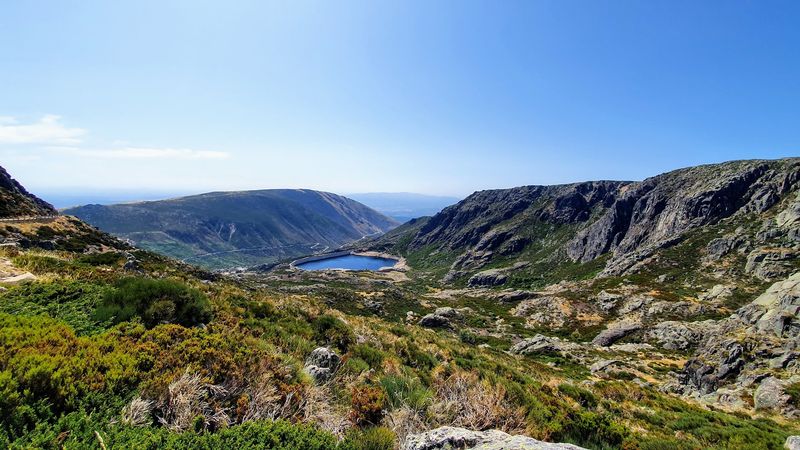
Portugal’s highest mountain range surprises most visitors who assume the country is all flat coastlines and sunny plains. Serra da Estrela reaches 1,993 meters at its peak, and in spring the landscape shifts dramatically as snow melts into rushing streams and green valleys emerge below.
It feels like a completely different country up here.
The glacial valleys carved by ancient ice sheets are genuinely impressive, with Torre, the highest point, offering panoramic views that stretch for miles on a clear day. Spring wildflowers, including rare species found nowhere else in Portugal, carpet the lower slopes in yellow, purple, and white.
The park also shelters the Serra da Estrela dog, a large and loyal livestock guardian breed that has lived in these mountains for centuries.
Hikers can tackle the Zêzere Glacial Valley trail, one of the most scenic routes in Portugal, following a river through ancient rock formations. The charming village of Manteigas serves as a great base, with cozy restaurants serving the region’s famous sheep cheese.
Temperatures can still drop sharply at night in April, so packing a good jacket is genuinely important. The reward for the effort is mountain scenery that rivals anywhere in Southern Europe.
Southwest Alentejo and Vicentine Coast Natural Park
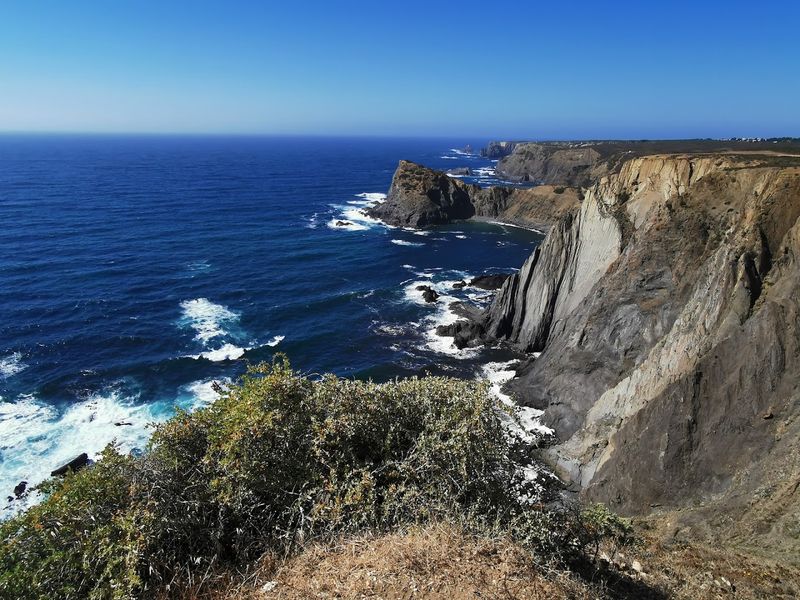
Somewhere along this coastline, the word “untouched” actually means something. The Southwest Alentejo and Vicentine Coast Natural Park protects one of the last truly wild stretches of Atlantic coastline in Western Europe, running from Sines all the way to Sagres in the Algarve.
Development is tightly controlled, which means the cliffs, dunes, and beaches look much as they did hundreds of years ago.
Spring is a remarkable time to visit because the coastal scrubland erupts in color. Rare plant species, many found only in this specific microclimate, bloom in dense patches of yellow, pink, and white.
The park is also a critical corridor for migratory birds, and serious birdwatchers from across Europe come here specifically during spring migration to spot raptors, waders, and passerines in huge numbers.
Surfers have long known about spots like Odeceixe and Arrifana, but the park offers far more than waves. Hiking the Rota Vicentina, a long-distance coastal trail, lets you walk for days through landscapes that feel genuinely remote.
Fishing villages along the route serve fresh seafood at honest prices. Camping near the cliffs under a sky full of stars is one of those experiences that stays with you long after the trip ends.
Douro International Natural Park
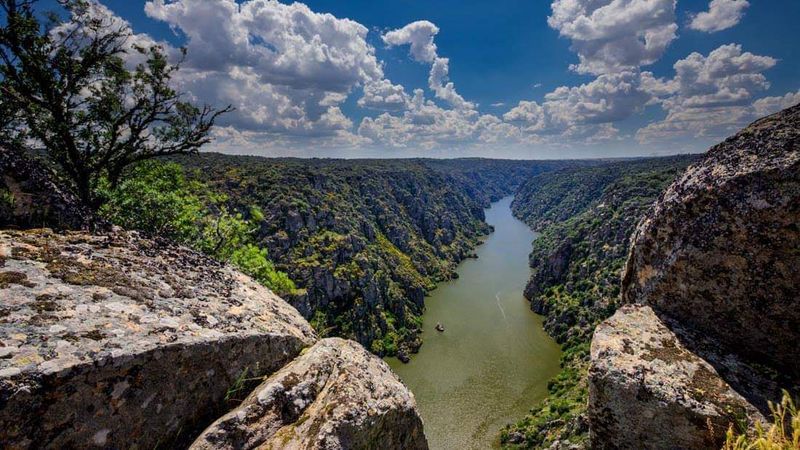
Few landscapes in Portugal are as jaw-dropping as the Douro River gorge, where sheer cliffs drop hundreds of meters to the river below. The Douro International Natural Park follows this dramatic stretch of the river along the Spanish border, in a region so remote that some villages are only accessible by dirt road.
That remoteness is exactly what makes it so special.
Spring is prime birdwatching season here, and the park delivers in spectacular fashion. Griffon vultures nest on the cliff faces, black storks wade in the shallower sections, and Bonelli’s eagles patrol the thermals above the gorge.
The rocky slopes are also home to Egyptian vultures and eagle owls, making this one of the richest spots for raptors in the entire Iberian Peninsula.
Almond trees bloom earlier in the season, usually in February and March, but by April the hillsides are covered in a patchwork of wildflowers and fresh green vegetation. The village of Miranda do Douro is the main gateway, with a cathedral, a castle, and a local dialect so distinct it is recognized as a separate language.
Scenic drives along the canyon rim offer viewpoints that genuinely stop you in your tracks. Bring binoculars and a good camera.
Montesinho Natural Park
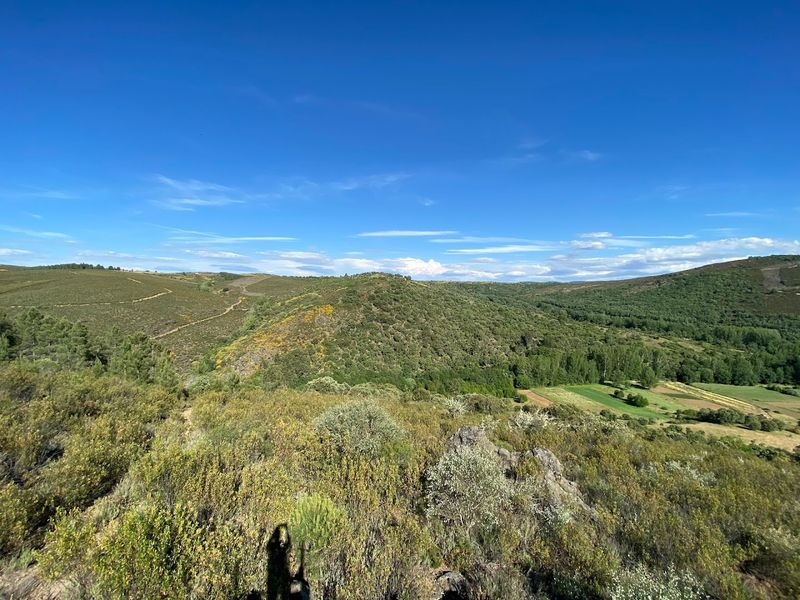
Ask most Portuguese people about Montesinho and you might get a blank stare, which is honestly part of its charm. Tucked into the far northeast corner of Portugal, this park is one of the country’s most overlooked natural treasures.
It covers over 75,000 hectares of forest, river valleys, and highland plateaus, yet sees a fraction of the visitors that more famous parks attract.
The forests here are ancient and dense, filled with oak, chestnut, and birch trees that glow with fresh spring growth in April. The park shelters populations of wolves, otters, and roe deer, along with a remarkable variety of birds.
Walking any of the marked trails feels genuinely peaceful, with long stretches where the only sounds are birdsong and wind through the trees.
Scattered throughout the park are traditional Trás-os-Montes villages where locals still keep small farms and speak in thick regional accents. Stopping for a coffee or a meal in one of these villages gives the trip a warmth that organized tourist experiences rarely match.
The town of Bragança, just outside the park, has a beautifully preserved medieval citadel worth exploring. Montesinho rewards slow travelers who are happy to wander without a strict itinerary.
Ria Formosa Natural Park
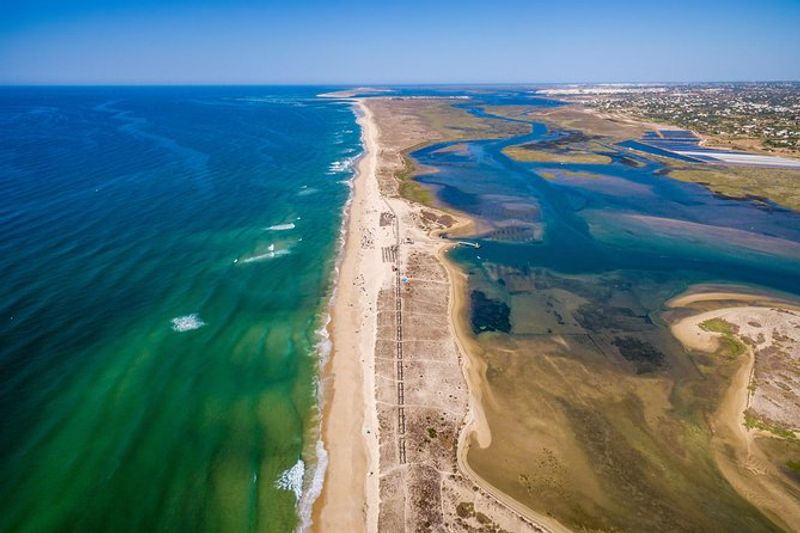
A lagoon system so productive that it supplies most of Portugal’s clams, oysters, and mussels, Ria Formosa is a place where nature and local livelihood are completely intertwined. Stretching for 60 kilometers along the Algarve coast, this park is a mosaic of channels, mudflats, salt marshes, and barrier islands that shift and reshape with every tide.
It is one of the most important wetlands in Europe.
Spring brings an explosion of bird activity. Flamingos wade through the shallow channels in elegant pink clusters, while spoonbills, herons, and dozens of wader species feed along the mudflats.
The park is also a breeding ground for the rare purple gallinule, a colorful and somewhat theatrical bird that has become something of a local celebrity. Guided boat tours from Faro or Olhão offer the best access to the inner lagoon areas.
The barrier islands that front the lagoon are some of the Algarve’s most beautiful beaches, yet they remain quiet and peaceful in spring before the summer crowds arrive. Ferries run regularly from the mainland, making a day trip to Ilha Deserta or Ilha da Culatra easy and affordable.
Cycling paths around Faro connect several lagoon viewpoints. Ria Formosa is proof that the Algarve offers far more than just beach resorts.
Alvão Natural Park
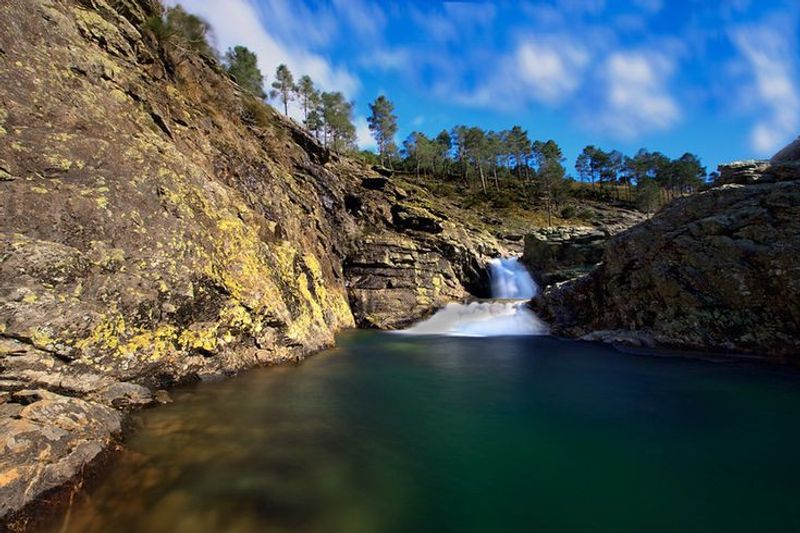
Small but absolutely fierce in character, Alvão Natural Park packs more drama per square kilometer than almost anywhere else in Portugal. Covering just 7,220 hectares in the Trás-os-Montes region, it is the country’s smallest natural park, but what it lacks in size it more than makes up for in personality.
The Fisgas de Ermelo waterfall alone, one of the tallest in Portugal, is worth the entire trip.
The park’s terrain swings between high granite plateaus and deeply cut river valleys, creating a landscape that feels almost theatrical in its contrasts. Spring is the best time to visit because the rivers run full and loud, the waterfalls are at their most powerful, and the hillsides are covered in heather, ferns, and flowering shrubs.
The contrast between the dark granite rock and the bright spring greenery is visually striking.
Traditional villages within the park, like Ermelo, still maintain old stone houses and farming practices that have changed little over generations. The local schist-and-granite architecture blends so naturally into the landscape that the villages almost seem to grow out of the hillside.
Hiking trails connect the main viewpoints and are generally well marked. The park is easily combined with a visit to the nearby Douro wine region for a well-rounded northern Portugal experience.
Serras de Aire e Candeeiros Natural Park
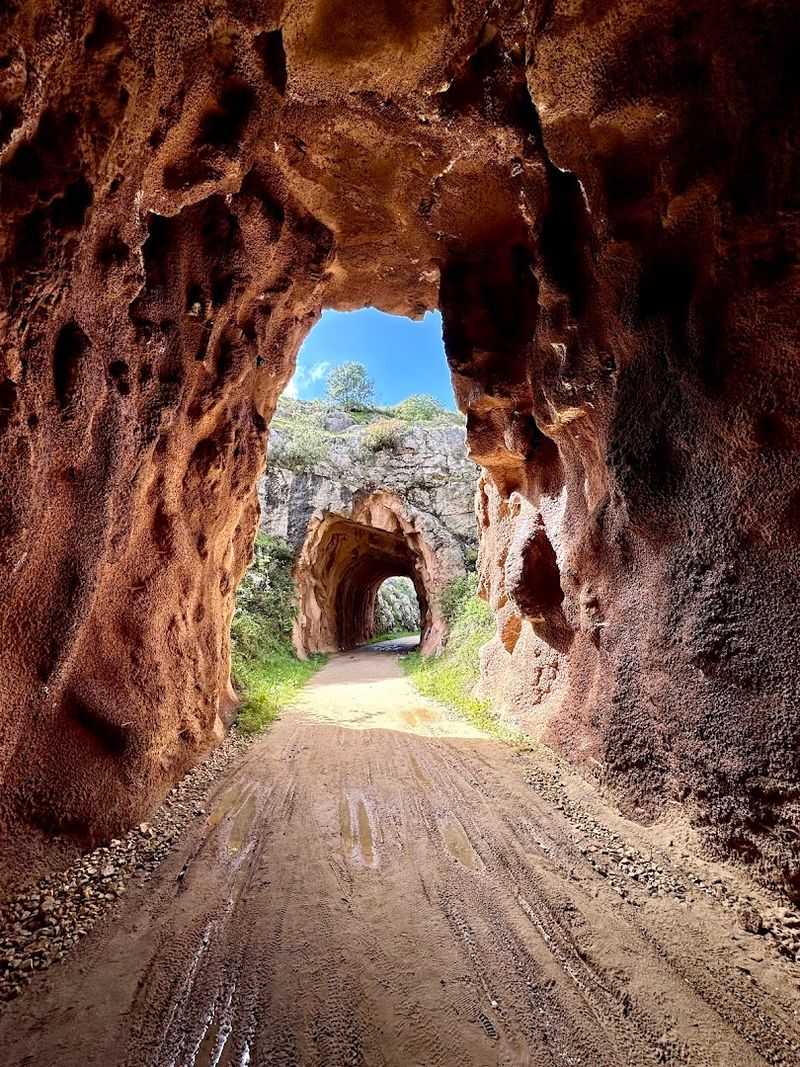
Underneath this park, a hidden world of tunnels, chambers, and underground lakes stretches for kilometers through solid rock. Serras de Aire e Candeeiros Natural Park sits in central Portugal and is the country’s most important geological area, built almost entirely on a massive limestone plateau carved by millions of years of water erosion.
The result is a landscape unlike anything else in Portugal.
Above ground, the scenery is open and windswept, with rocky outcrops, traditional dry-stone walls, and olive groves dotting the plateau. Spring brings a gentle transformation as wildflowers push through the cracks in the limestone and the air smells of wild thyme and rosemary.
The light in this part of Portugal in April and May has a particular golden quality that photographers absolutely love.
The star attraction for most visitors is the Grutas de Mira de Aire, the largest cave system open to the public in Portugal. Guided tours descend into a world of stalactites, stalagmites, and underground lakes, finishing dramatically with a water and light show inside a large cavern.
The town of Fátima, one of the most visited Catholic pilgrimage sites in the world, is just a short drive away. Combining a cave visit with the surrounding hiking trails makes for a genuinely full and memorable day.
Share this story