Not all religious communities in America look the same when it comes to college degrees. Some groups have graduation rates that blow the national average out of the water, while others fall well below it.
A mix of immigration patterns, cultural values, and historical ties to academia all play a role. Whether you’re curious about your own faith community or just love a good set of surprising statistics, this list has something for everyone.
1. Hindus

With a jaw-dropping 77% college graduation rate, Hindus top every major education study in America. That is not a typo.
No other religious group even comes close to that number.
Much of this is tied to immigration policy. The U.S. has long prioritized skilled workers in tech, medicine, and engineering, and many Hindu immigrants arrived through exactly those pathways.
They came with degrees already in hand or earned them quickly after arriving.
India alone produces millions of STEM graduates each year, and a significant portion end up in American universities and research labs. This creates a self-reinforcing cycle where education is deeply valued at home and professionally rewarded abroad.
Hindu communities in the U.S. often emphasize academic achievement as both a cultural tradition and a practical tool for success.
2. Unitarian Universalists
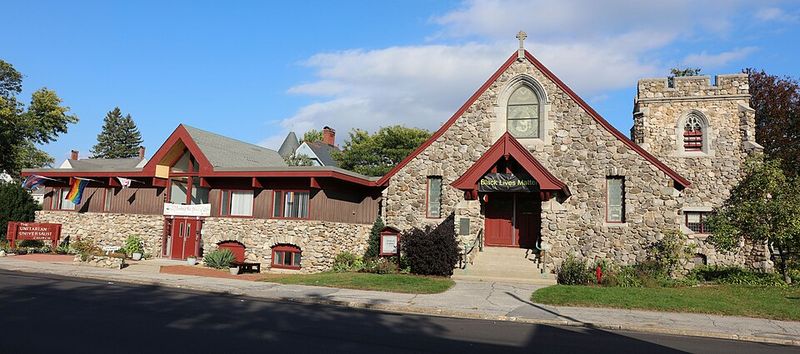
Unitarian Universalists have built their entire identity around asking hard questions, which probably explains why about 67% of them hold college degrees. Curiosity, it turns out, pays off academically.
This movement does not follow a single creed or holy book. Instead, members are encouraged to seek truth through reason, science, and personal experience.
That philosophy fits perfectly with higher education culture, where questioning assumptions is practically the whole point.
UU congregations tend to attract professors, scientists, lawyers, and artists who value intellectual freedom above all else. Many members first encountered the faith at university, which creates a natural overlap between academic life and religious community.
The group is small in numbers but enormous in educational achievement, consistently ranking among the most formally educated religious communities in every major Pew Research survey conducted over the past two decades.
3. Jews (overall)

There is a reason Jewish communities have been called “People of the Book” for centuries, and the 58 to 60% college graduation rate backs that up with hard data. Education is not just encouraged here; it is practically a sacred obligation.
Jewish cultural tradition places enormous value on learning, debate, and scholarship. The Talmud itself is essentially a multi-thousand-year-old argument between scholars, and that spirit of rigorous inquiry carries into modern academic life in a big way.
Jewish Americans are overrepresented in law, medicine, academia, and the arts relative to their share of the population. Community institutions like Jewish day schools and strong university alumni networks help sustain these outcomes across generations.
Whether the motivation is religious, cultural, or purely practical, the result is one of the most consistently high-achieving educational records of any group in American history.
4. Anglicans / Episcopalians
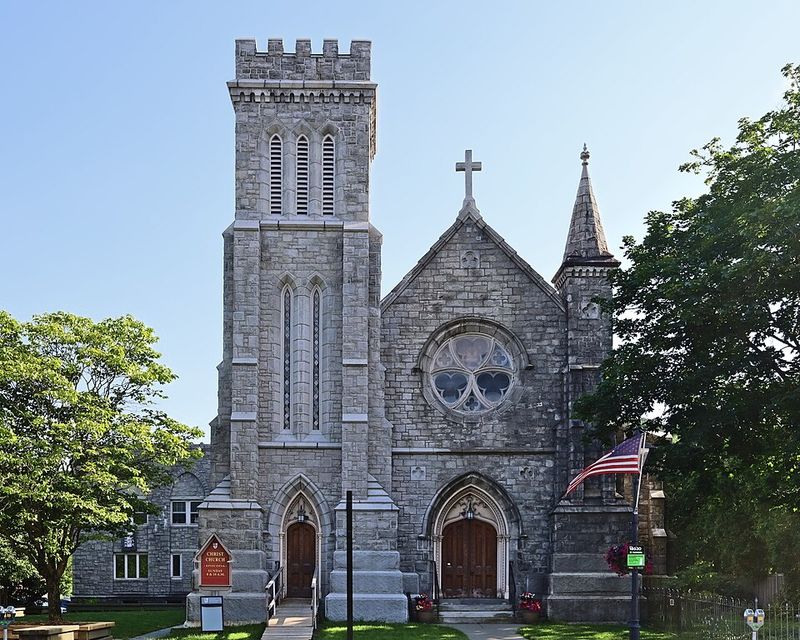
Episcopalians have long had a reputation as the “country club” church, and while that stereotype is oversimplified, the 56% college graduation rate suggests there is at least some truth to the elite academic connection.
The Episcopal Church has deep historical roots in American intellectual and political life. Many of the nation’s founding figures were Anglicans, and prestigious universities like Harvard and William and Mary were founded with strong ties to Anglican tradition.
That legacy did not disappear; it just got dressed in a blazer.
Today, Episcopalian congregations tend to cluster in urban and suburban areas with high concentrations of professionals. The denomination actively encourages critical thinking and theological inquiry, which aligns well with university culture.
Members frequently hold advanced degrees in law, medicine, and public policy, maintaining the group’s long-standing association with American academic and civic leadership.
5. Buddhists
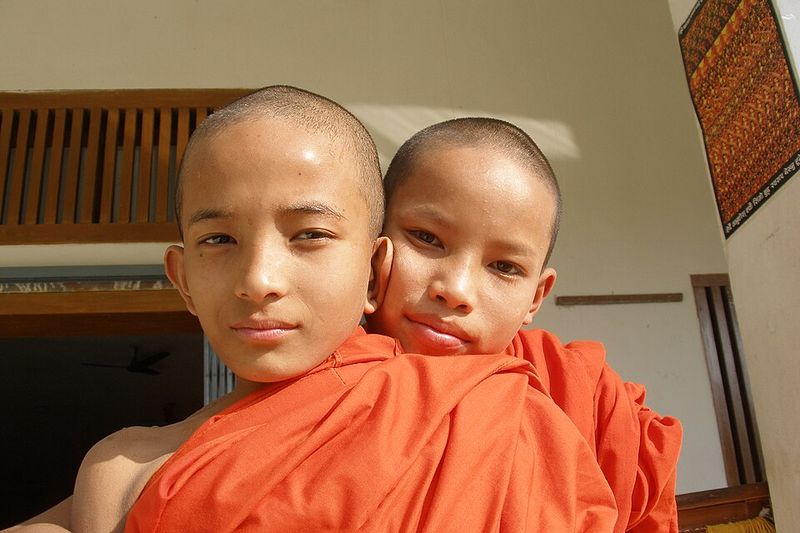
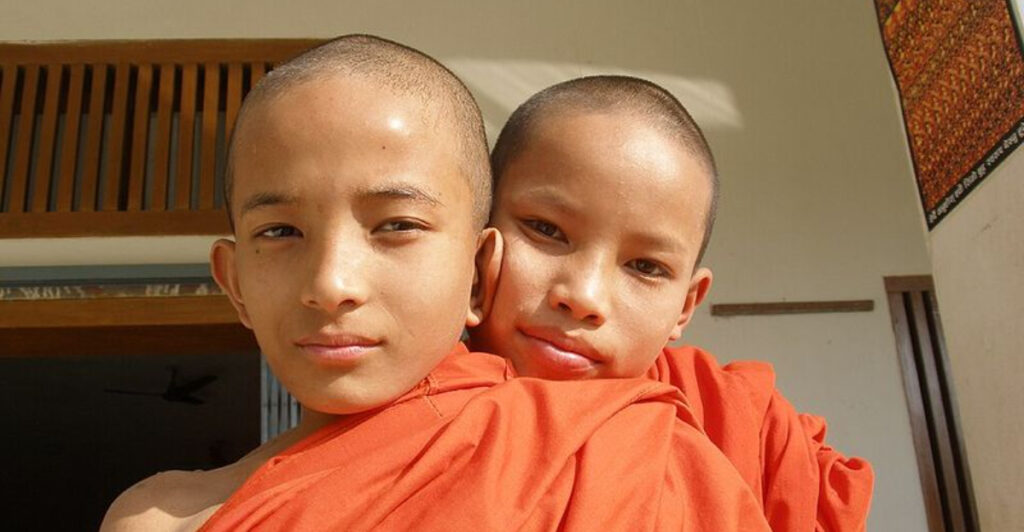
Buddhism in America looks quite different from Buddhism in Southeast Asia, and that gap shows up clearly in education statistics. Around 53% of American Buddhists hold college degrees, making them one of the most educated faith communities in the country.
A big part of this story is immigration. Many Buddhist Americans trace their roots to countries like China, Japan, South Korea, and Vietnam, where education is treated as a near-sacred family investment.
Immigrant families from these regions often arrive with strong academic credentials or push their children hard toward university achievement.
There is also a growing wave of convert Buddhists, many of whom are college-educated professionals drawn to mindfulness, meditation, and Buddhist philosophy through university courses or wellness culture. This two-track community of immigrant practitioners and educated converts creates a uniquely high overall graduation rate that surprises many people who look at the data for the first time.
6. Orthodox Christians
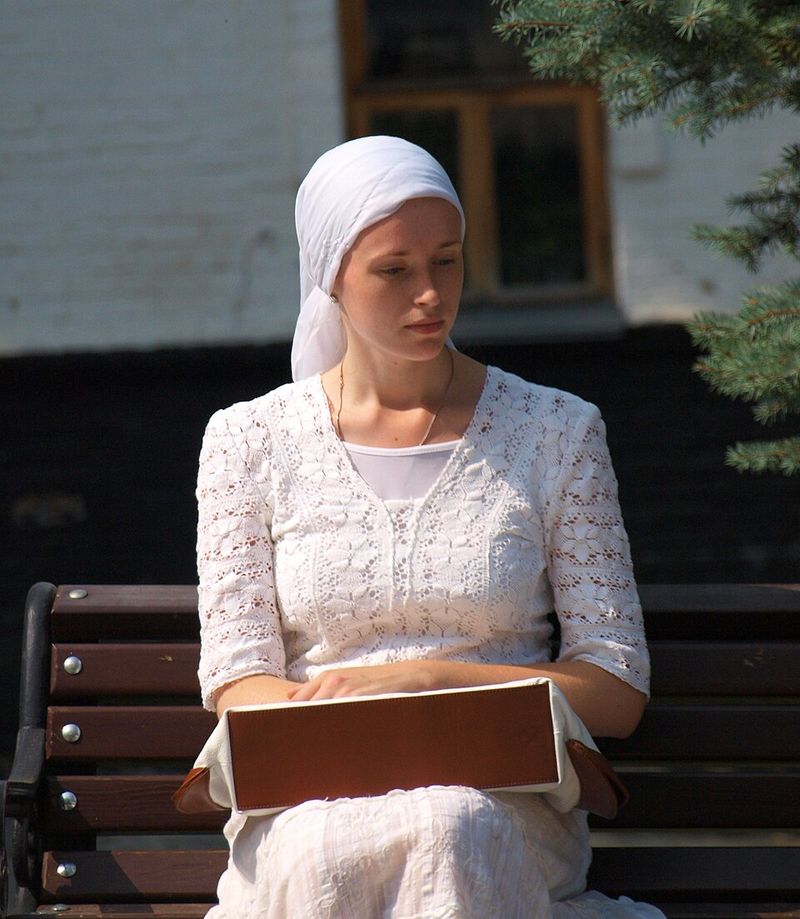
Orthodox Christianity in America is fascinatingly diverse, pulling together Greeks, Russians, Ukrainians, Syrians, Ethiopians, and more under one theological roof. That diversity also shapes its impressive 50-plus percent college graduation rate in interesting ways.
Many Orthodox communities in the U.S. are made up of first and second-generation immigrants who came from countries where professional credentials were essential for immigration eligibility. Eastern European engineers, Middle Eastern doctors, and Greek business owners form a significant backbone of these congregations.
Orthodox parishes also tend to have strong communal bonds, with church life deeply intertwined with cultural identity. This tight-knit structure encourages academic ambition because success reflects well on the whole community, not just the individual.
Parochial schools run by Orthodox churches in cities like New York and Chicago have also helped sustain above-average educational outcomes across multiple generations of American Orthodox families.
7. Muslims

Forget the outdated stereotypes. Muslim Americans actually have a college graduation rate of 40 to 45%, sitting comfortably above the national average and outpacing many other major religious groups in the country.
Like several groups on this list, immigration patterns play a huge role. A significant portion of Muslim Americans arrived through skilled worker visas or as international students who later settled permanently.
Doctors, engineers, and academics make up a large slice of the Muslim American community, particularly in the first generation.
Second-generation Muslim Americans also show strong academic performance, often driven by family expectations and a cultural emphasis on professional achievement. Community organizations, Islamic schools, and mosque-based tutoring programs all contribute to keeping educational attainment high.
The diversity within Muslim America is vast, spanning dozens of ethnicities and national backgrounds, which makes the consistently above-average graduation rate even more impressive.
8. Presbyterians
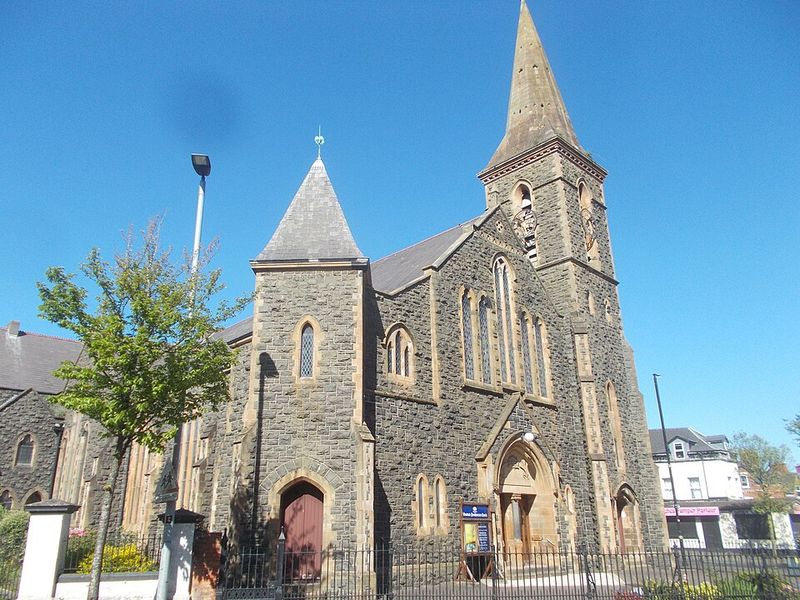
Presbyterians have been running colleges since before the United States was even a country. Princeton University started as a Presbyterian institution, and that deep commitment to formal education has never really faded from the denomination’s DNA.
With a graduation rate hovering around 40 to 45%, Presbyterians consistently rank among the most educated Protestant groups in America. The Reformed theological tradition they follow places huge emphasis on understanding scripture through careful, literate study, which naturally pushes communities toward academic achievement.
Presbyterian congregations today tend to attract professionals, academics, and retirees with advanced degrees. The denomination has also historically supported a wide network of colleges and universities across the country, from Davidson in North Carolina to Whitworth in Washington State.
That institutional investment in higher education creates a cultural feedback loop where learning is not just respected but actively celebrated and financially supported within the community.
9. Atheists / Agnostics (not religious, but often included in studies)
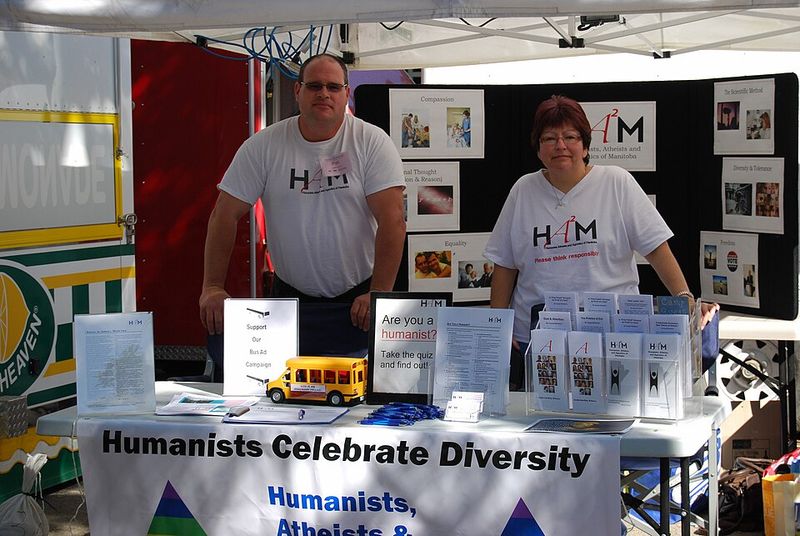
Technically not a religious group, but atheists and agnostics show up in every major religion and education study because researchers need a comparison point, and wow, do they deliver one. Their college graduation rate lands between 40 and 50%, consistently placing them near the top of the educational rankings.
There is a well-documented relationship between higher education and religious skepticism. Universities expose students to philosophy, science, and critical theory, which sometimes leads people away from traditional faith.
So the causation likely runs both ways: educated people may be more likely to identify as nonreligious, and nonreligious people may be more likely to pursue higher education.
Many atheists and agnostics are drawn to careers in academia, research, medicine, and technology, fields that require and reward advanced degrees. Their strong educational showing is less a statement about religion and more a reflection of the demographics that tend to cluster around secular identities in modern America.
10. United Church of Christ
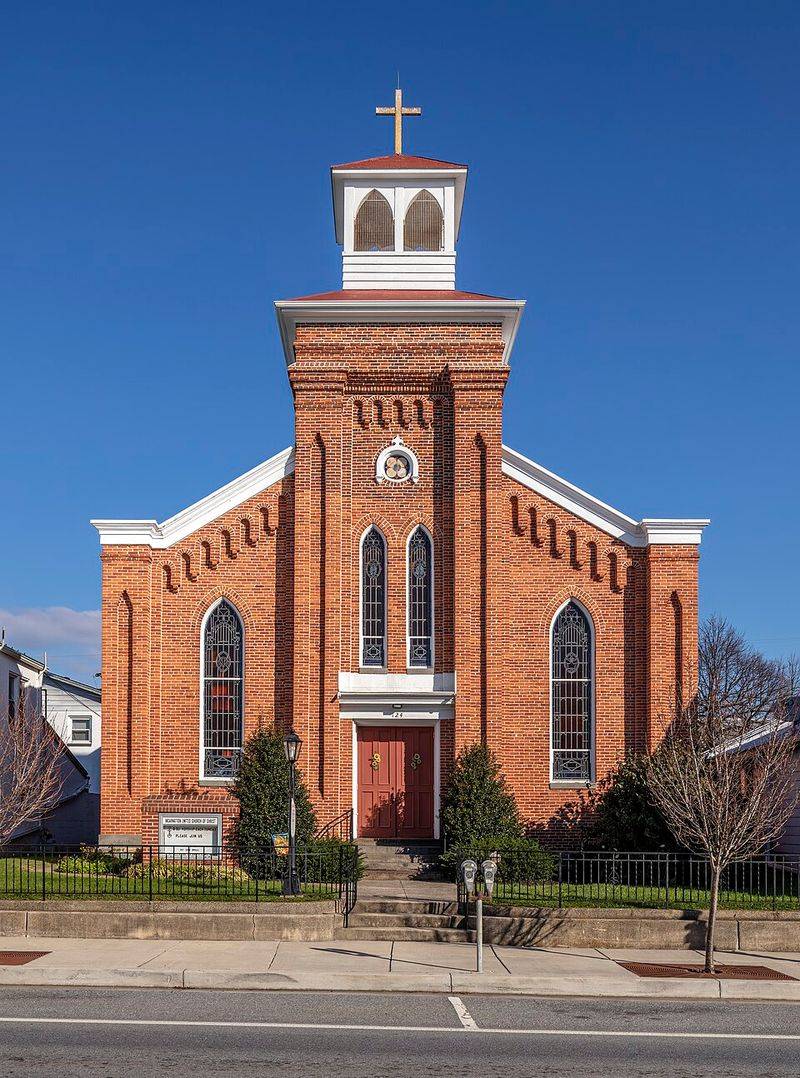
The United Church of Christ may not be the most famous denomination on this list, but its 40% college graduation rate quietly puts it ahead of most American religious groups. Small but mighty is an accurate description.
The UCC was formed in 1957 through a merger of several Protestant traditions, including Congregationalists who literally founded Harvard University back in 1636. That founding energy around education and civic engagement has carried through into the modern denomination in meaningful ways.
UCC congregations are known for being progressive, socially active, and intellectually curious. They were among the first mainline Protestant groups to ordain women and openly LGBTQ ministers, which signals a culture that values thoughtful reconsideration over rigid tradition.
That same open-minded, question-embracing culture tends to align well with the kind of critical thinking that college education both requires and rewards across disciplines.
11. Catholics
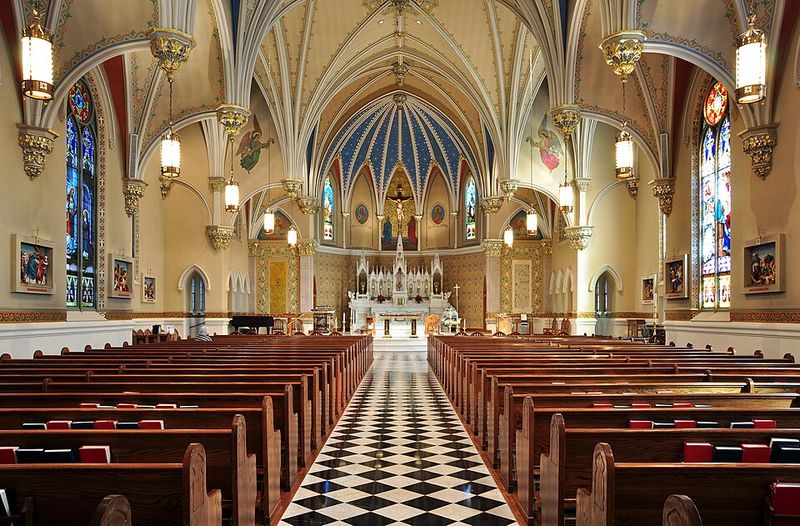
Catholics make up the single largest religious denomination in the United States, and with over 70 million members, getting an average of anything is a statistical challenge. Their 33% college graduation rate sits right around the national average, which is actually a story worth unpacking.
Catholic America is incredibly diverse. Highly educated Irish, Italian, and Polish immigrants built the early institutional backbone, complete with a massive network of Catholic universities.
But Latino Catholics, who now make up a huge portion of the Church, often face systemic barriers to higher education that pull the overall average down.
The Catholic educational infrastructure in America is genuinely impressive. Notre Dame, Georgetown, Boston College, and dozens of other universities carry the tradition forward.
Within specific subgroups, Catholic educational achievement is quite high, but the sheer size and diversity of the community keeps the overall number close to the national median.
12. Mormons (Latter-day Saints)
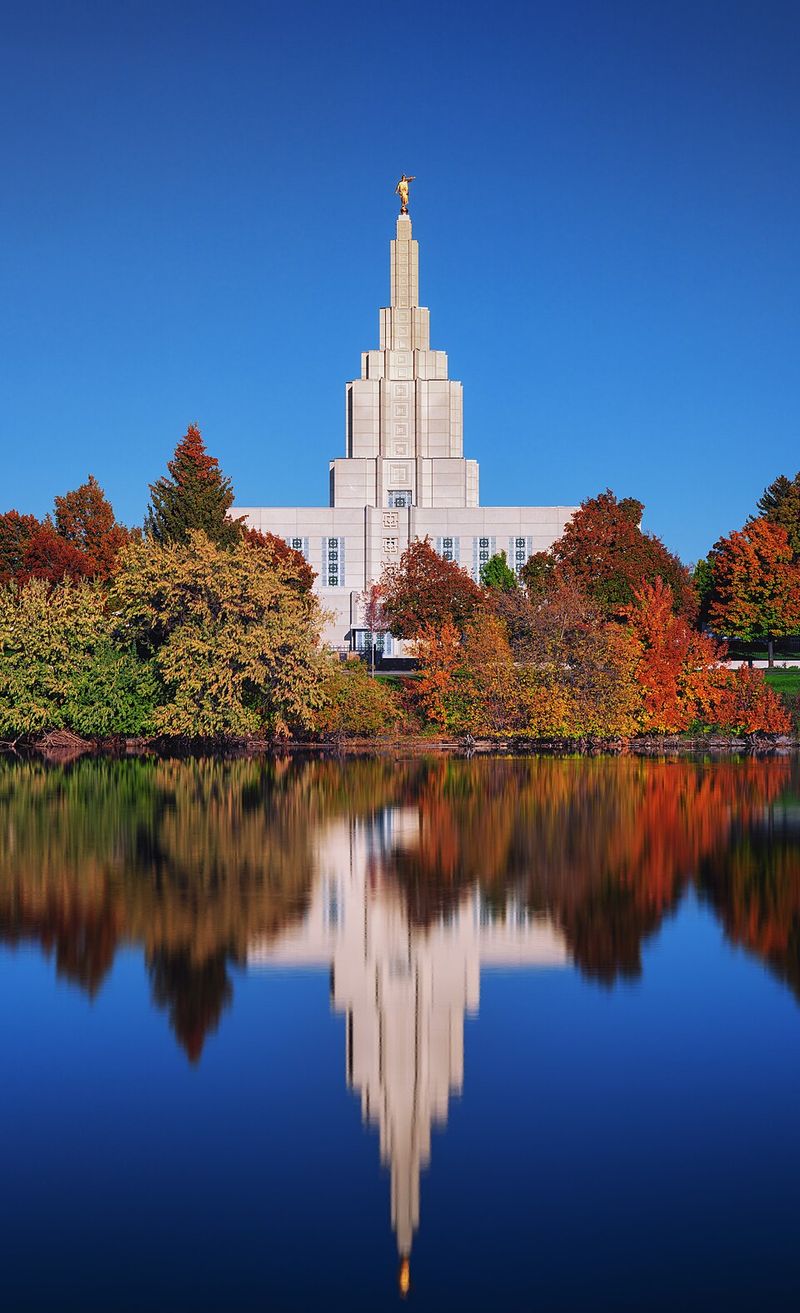
Mormons take education seriously, and the numbers show it. With a college graduation rate of 30 to 35%, the Church of Jesus Christ of Latter-day Saints has built one of the most education-friendly cultures of any American faith tradition.
Brigham Young University is the crown jewel of LDS higher education, consistently ranked among the most affordable and academically rigorous universities in the country. BYU Provo alone enrolls over 30,000 students, and the church operates additional campuses in Idaho and Hawaii.
Education is framed within LDS theology as a spiritual duty, not just a career strategy.
Young men and women who complete two-year missions often return with language skills, organizational discipline, and a maturity that translates well into academic performance. The strong community support network within LDS wards also helps members navigate financial and logistical challenges that might otherwise prevent college attendance.
Education here is genuinely a communal value.
13. Baptists (overall)
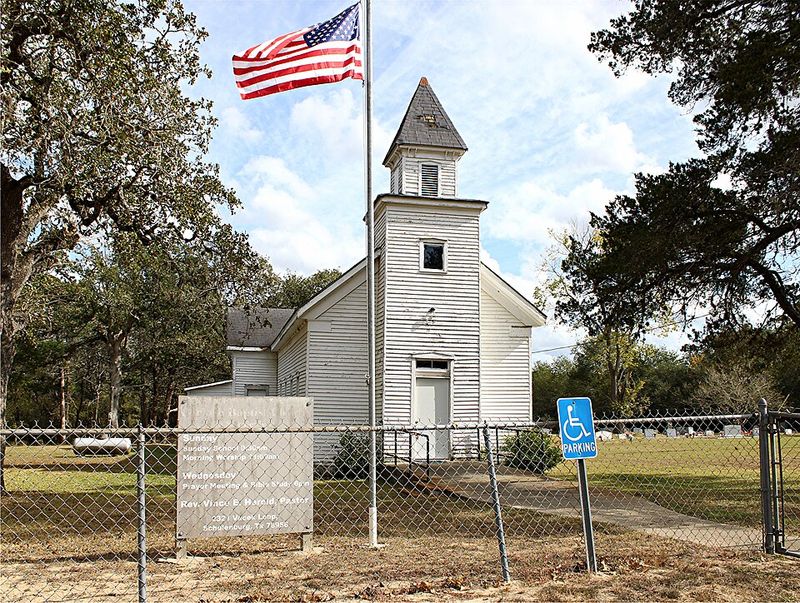
Baptists are one of the most diverse and geographically spread-out Protestant groups in America, which makes their 25 to 30% college graduation rate a complicated number to interpret. That figure hides enormous variation across hundreds of different Baptist denominations and subgroups.
Black Baptist churches, for example, have historically placed tremendous emphasis on education as a pathway to equality and economic freedom. Historically Black Colleges and Universities have deep roots in the Black Baptist tradition.
Yet the broader Baptist category also includes many rural, working-class white congregations where college attendance has historically been lower.
Theologically, many Baptist communities emphasize biblical literacy and personal faith over formal credentialing, which can sometimes create tension with secular university culture. Still, Baptist colleges and universities dot the American South and Midwest, and denominational investment in education continues to grow.
The range within this single label is honestly wider than almost any other group on this entire list.
14. Pentecostals
Pentecostalism is one of the fastest-growing religious movements on the planet, but its 20 to 25% college graduation rate in the U.S. reflects a community that has historically prioritized spiritual calling over academic credentials. That is not a criticism; it is a cultural reality worth understanding.
Many Pentecostal communities are rooted in working-class and immigrant populations where financial barriers to college are very real. The movement exploded in the early 20th century among communities that had limited access to higher education, and that demographic pattern has carried forward in some regions.
There is also a theological current within some Pentecostal traditions that views higher education with mild suspicion, seeing it as potentially worldly or faith-weakening. That said, this is shifting.
Pentecostal universities like Oral Roberts University and Lee University are growing, and younger generations within the movement are pursuing degrees at increasing rates. The gap is slowly closing.
15. Jehovah’s Witnesses

Jehovah’s Witnesses sit at the bottom of this list with a college graduation rate of around 15%, but understanding why requires looking at their theology rather than their intelligence or ambition. This is a faith where higher education is actively discouraged by official church guidance.
The Watchtower Society, which governs the faith, has historically warned members that universities expose young people to worldly philosophies that could weaken their faith. As a result, many Witness families encourage young adults to enter the workforce, pursue trade skills, or dedicate time to missionary work rather than attend four-year colleges.
This is a deliberate doctrinal choice, not a reflection of limited opportunity. Jehovah’s Witnesses are known for discipline, hard work, and community dedication.
Many run successful small businesses. The low degree rate is simply the measurable outcome of a religious community that has made a conscious theological decision to deprioritize formal academic credentials.
Share this story