Ask a Baby Boomer why life once felt easier, and the answer usually has less to do with fantasy than with structure. From the 1950s through the 1980s, daily routines were shaped by fewer devices, fewer choices, and clearer boundaries between home, work, and public life.
That did not make every problem disappear, but it did change how often people were interrupted, compared, marketed to, and expected to respond. The reasons ahead trace those shifts in concrete terms, showing how technology, prices, community habits, and cultural expectations combined to make ordinary life feel more manageable to many people.
1. No Constant Notifications
Silence used to be a normal part of the day, not a premium feature hidden in phone settings. For many Boomers, once you left the house, you were simply out, and nobody expected an instant reply.
Landlines stayed in one place, answering machines arrived later, and messages waited until you returned. That single fact created natural pauses in conversation, work, and family life, because attention was not constantly being pulled by pockets, purses, or wrists.
The modern habit of checking alerts every few minutes would have looked strange in the 1960s or 1970s. A call might come during dinner, but not ten app notifications, three group texts, and a coupon alert before dessert.
That slower communication rhythm reduced pressure and let plans remain simple. If you said, “Meet at seven,” people showed up, and the evening did not require a running stream of updates, screenshots, pins, and battery anxiety.
2. Fewer Choices

Decision fatigue had a much smaller stage when the shelf held six options instead of sixty. Boomers often remember stores, restaurants, and entertainment menus as narrower, which made ordinary choices quicker and less mentally crowded.
Television offers a clear example. In many places, households relied on a handful of channels, and the evening schedule was set by broadcasters rather than by endless scrolling through thousands of titles.
Shopping worked the same way. National brands dominated, regional stores stocked fewer variations, and many purchases were practical repeats rather than identity statements disguised as consumer research.
That did not mean better quality in every case, and it certainly meant less customization. Still, when toothpaste came in a few versions and dinner came from a familiar rotation, people spent less time comparing reviews, studying labels, or wondering whether a different choice would somehow improve everything.
3. Face-to-Face Communication
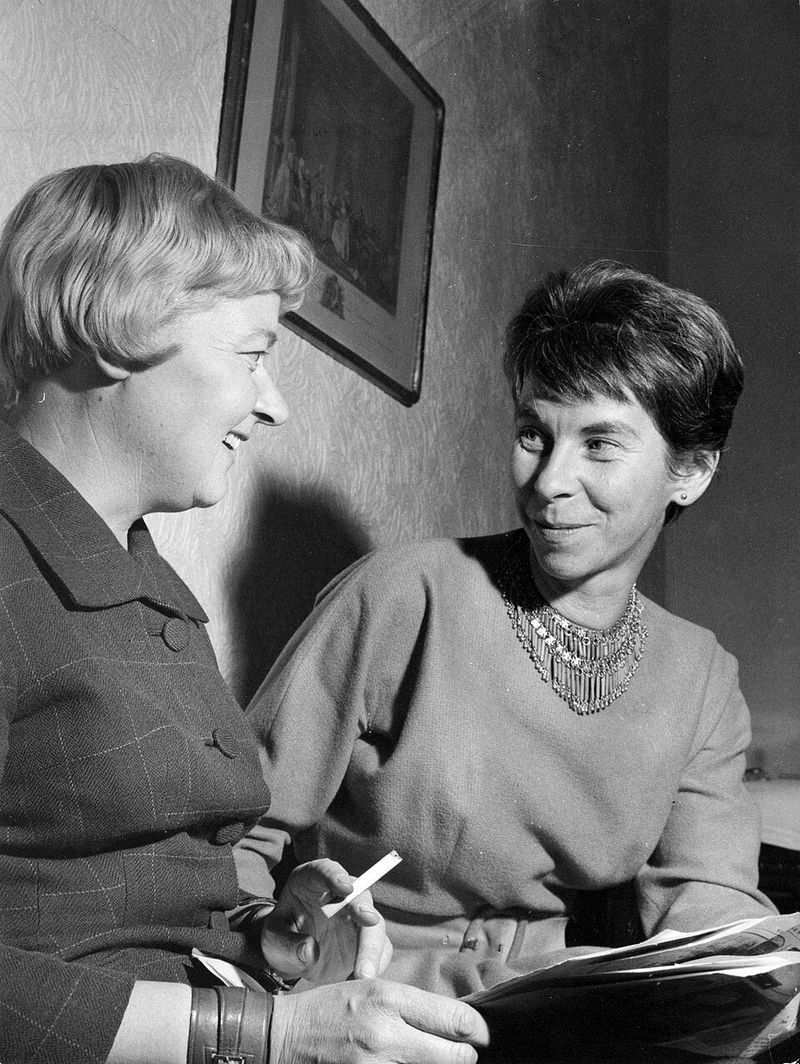
Conversation once required actual presence, which sounds quaint until you remember how much that simplified things. Boomers grew up when most communication happened in person, by letter, or on a telephone that stayed attached to a wall.
That limited format shaped social behavior. You could hear tone, watch expressions, settle misunderstandings quickly, and end a discussion without wondering how a short message might be interpreted by twelve people in a group chat.
Face-to-face contact also tied communication to place. Neighbors talked outside, classmates talked after school, and relatives often shared updates through scheduled calls rather than all-day message threads.
There were drawbacks, of course, including distance and delay. But the social rules were clearer: if something mattered, you said it directly, and if it did not, it probably did not need four follow-ups, two reaction icons, and a carefully edited statement that made everyone read between the lines.
4. Slower Pace of Life
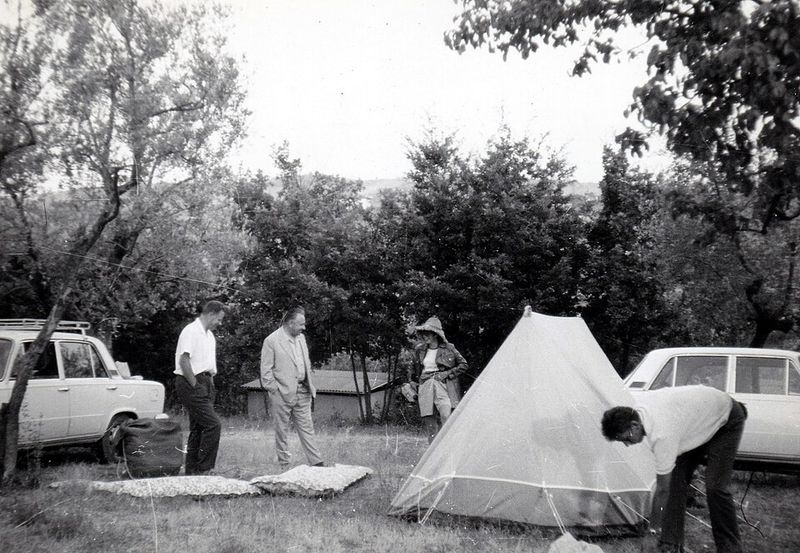
Daily life once moved on a timetable that had more stopping points and fewer overlapping demands. Boomers often describe a world where errands, work, meals, and free time occupied separate lanes instead of colliding all afternoon.
Part of that pace came from technology. Without email, navigation apps, instant banking, and twenty-four-hour shopping, many tasks simply had to wait for business hours, posted schedules, or the next day.
That built natural limits into the calendar. Stores closed earlier, offices shut their doors, and people generally understood that not every question required immediate resolution before bedtime.
The slower pace could be inconvenient, especially when something urgent came up. Yet it also prevented the modern habit of treating every moment as usable space for productivity, side hustles, updates, purchases, and logistics, which is why many Boomers remember ordinary weekdays as more orderly and far less crowded in the head.
5. Affordable Living Costs
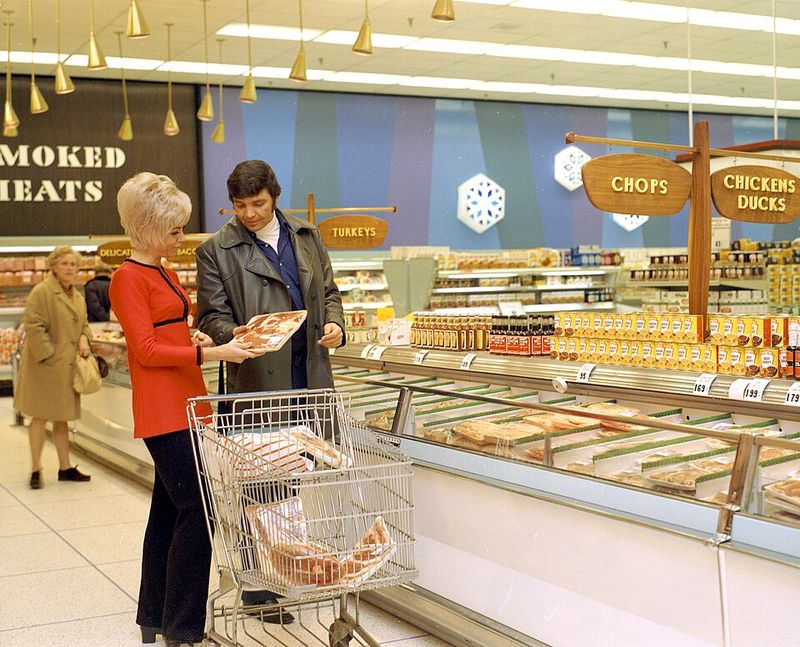
Nothing clarifies nostalgia quite like an old receipt or mortgage payment. Many Boomers point to housing, college tuition, and everyday expenses as major reasons life felt less complicated, because the math placed less strain on ordinary households.
Home prices were lower relative to income in many regions during the postwar decades, even if interest rates later rose sharply. Public college costs were also far lower than today, and rent consumed a smaller share of monthly pay for many workers.
That financial breathing room changed the emotional tone of adulthood. People still budgeted carefully, but fewer felt that every basic milestone required heroic planning, multiple jobs, or permanent subscription management.
This memory can overlook inequality and regional differences, and not every family felt secure. Still, when groceries, utilities, and starter homes seemed reachable through more typical wages, daily life involved fewer financial calculations, fewer delayed milestones, and less of the background stress that now follows people into nearly every decision.
6. Stronger Local Communities
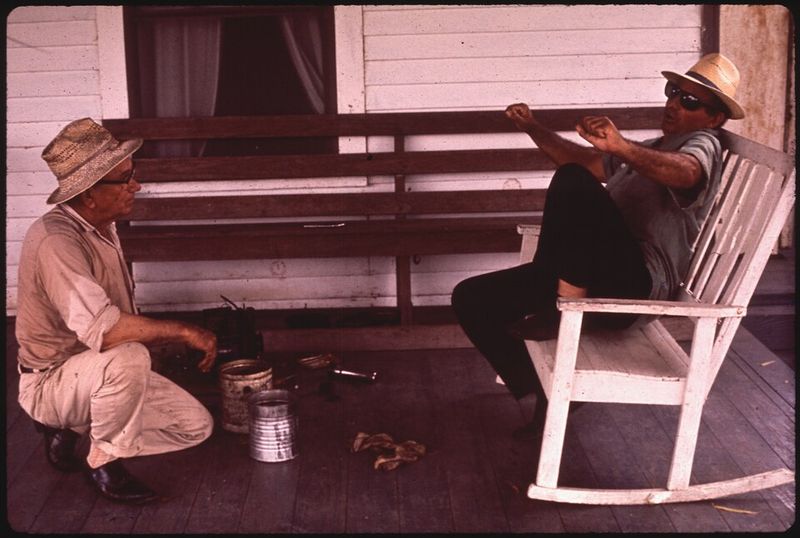
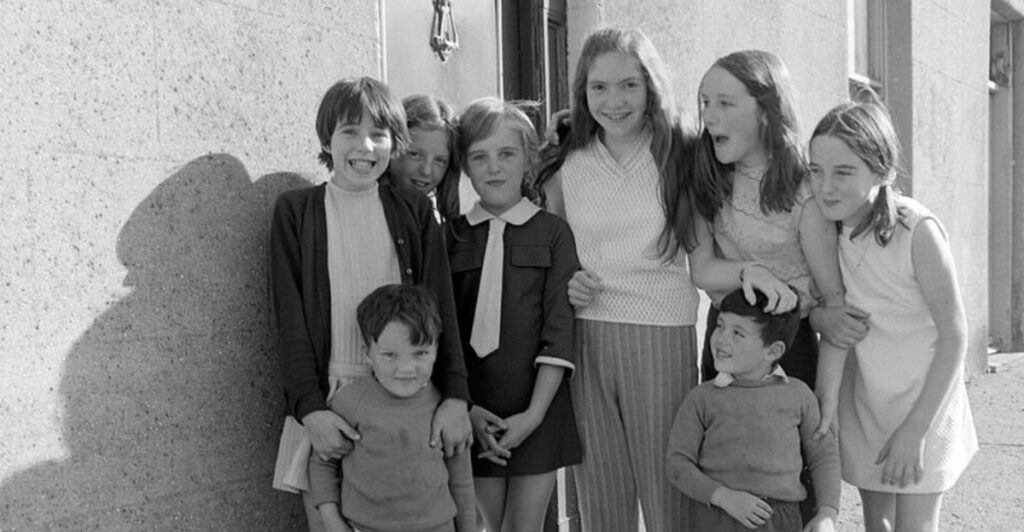
Neighborhood life once came with fewer introductions and more built-in familiarity. Boomers often remember knowing the people on their street, not because everyone became close friends, but because local routines made repeated contact hard to avoid.
Children attended nearby schools, adults shopped in local business districts, and community groups organized parades, fundraisers, church suppers, and town events that brought the same faces together again and again. You did not need an app to discover what was happening three blocks away.
That visibility created informal support systems. A neighbor might collect your mail, share tools, relay news, or remind your parents where the kids had gone with a level of casual coordination that feels unusual now.
Communities were never perfect, and they could be narrow or exclusionary in ways worth remembering honestly. Even so, stronger local ties often made everyday problems easier to handle, because help, information, and accountability lived nearby instead of behind passwords, automated menus, and carefully curated profiles.
7. Less Screen Time

Entertainment used to end when the program ended, which left more hours open than people realized at the time. Boomers grew up with television, but screens occupied a smaller portion of the day and offered fewer chances to disappear into endless content.
Many homes had one set, limited channels, and fixed schedules. If nothing appealing was on, people read magazines, played cards, worked on hobbies, visited friends, or headed outside instead of opening a second screen and a third tab.
That mattered because devices did not compete for every pause. Waiting rooms, car rides, and evenings after dinner were more likely to involve conversation, newspapers, puzzles, or plain idleness rather than personalized feeds built to keep attention circulating.
Less screen time did not make everyone productive or virtuous. It simply removed one of the strongest modern habits, the constant reach for distraction, and that helped daily life feel more straightforward, with fewer digital detours swallowing time that once stayed visible.
8. Clear Work-Life Separation
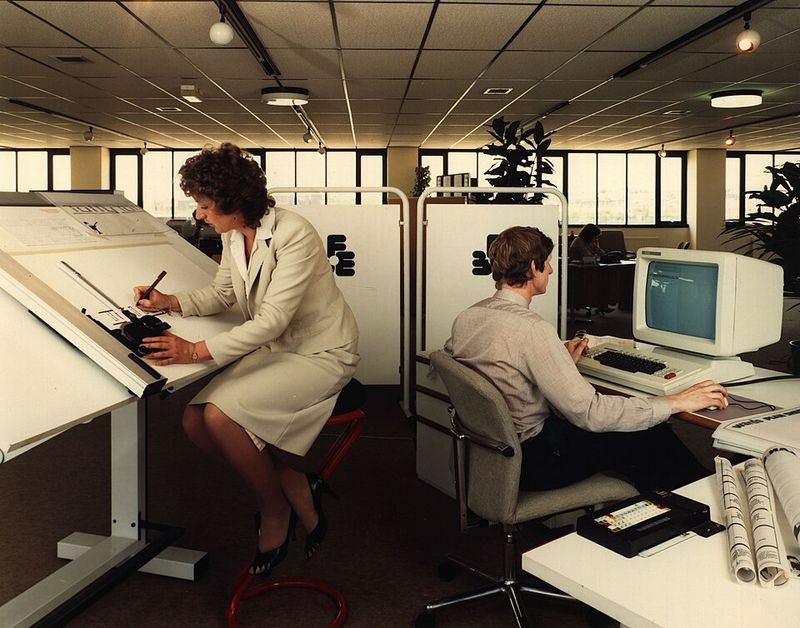
The office door once acted like a real boundary instead of a decorative suggestion. Boomers often recall that work generally stayed at work, especially before computers, mobile phones, and remote logins turned every sofa into a possible branch office.
Traditional schedules were not universal, but the basic structure was clearer. If you left the factory, classroom, bank, or office for the day, supervisors rarely had a direct line to your pocket, and late-night email simply did not exist.
That separation influenced family routines. Dinner, weekends, and vacations were less likely to be interrupted by status checks, document requests, or the modern ritual of pretending one quick reply will only take a minute.
Older workplaces came with plenty of limitations and inequities, and many jobs were physically demanding. Yet the absence of constant digital access created a firmer line between earning a living and living, which is a major reason many Boomers describe their schedules as more contained and mentally easier to manage.
9. Simpler Technology
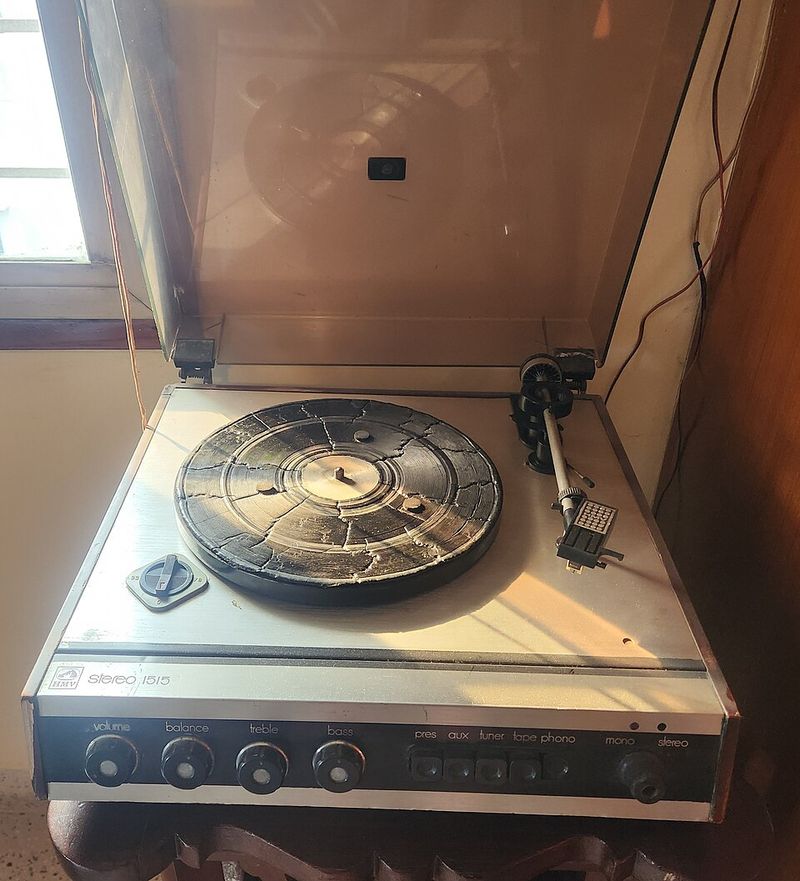
Machines once did fewer tricks, and that was often the whole charm. Boomers lived through major technological change, but many remember household tools and electronics as simpler to understand, use, and occasionally repair without consulting a forum full of panic.
A television changed channels, a stereo played records, and a washing machine had straightforward controls. Product manuals were shorter, features were fewer, and many devices were built for a single purpose instead of trying to become your camera, office, map, theater, bank, and social life.
That simplicity reduced troubleshooting. When something failed, the problem was often visible, local, and mechanical rather than buried in updates, subscriptions, passwords, and settings that seem to move whenever you finally learn them.
Older technology could be bulky, limited, and unreliable in its own ways. Still, fewer interconnected gadgets meant fewer opportunities for total household chaos when the router blinks mysteriously, the app signs you out, and the printer decides it has entered a private philosophical phase.
10. More Unstructured Time
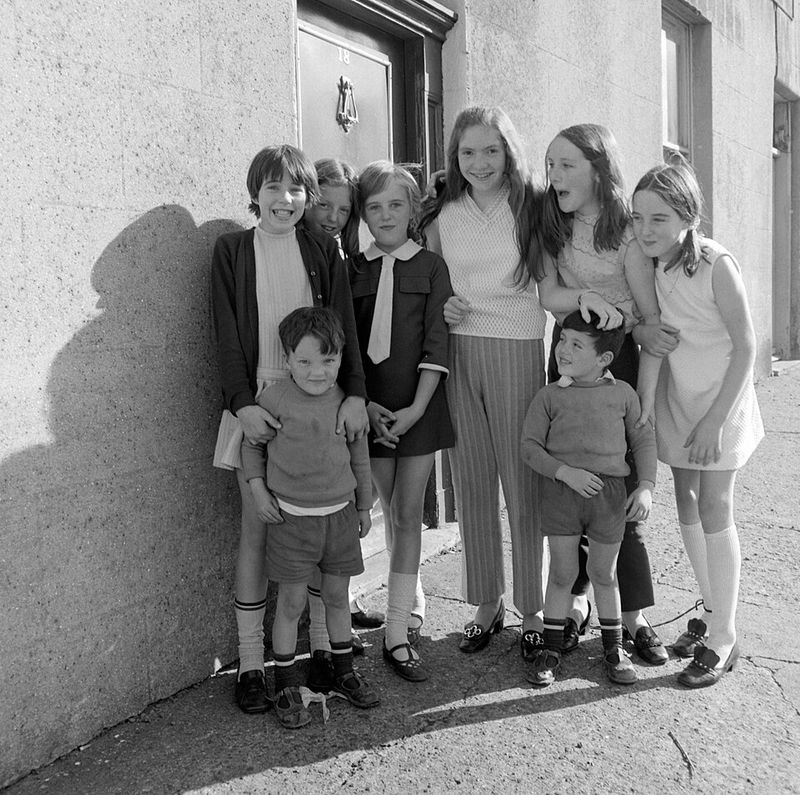
Boredom once had a better public reputation than it does today. Boomers often had stretches of unscheduled time after school, on weekends, and during summer, when adults expected kids to occupy themselves without a detailed itinerary and color-coded sign-up sheet.
That freedom mattered for adults too. Leisure was less likely to be optimized into productivity goals, and ordinary downtime could exist without pressure to document it, monetize it, or transform it into a self-improvement project by Tuesday.
Unstructured time encouraged improvisation. Children invented games, built forts, drew comics, practiced instruments, wandered libraries, or simply sat around long enough for an idea to appear, which is less glamorous than people claim but often more useful.
Not every empty hour became a masterpiece, and many people wasted time in perfectly ordinary ways. Even so, the absence of constant programming gave daily life more breathing room, and that made schedules feel less engineered, less supervised, and easier to move through without mental traffic.
11. Limited News Exposure
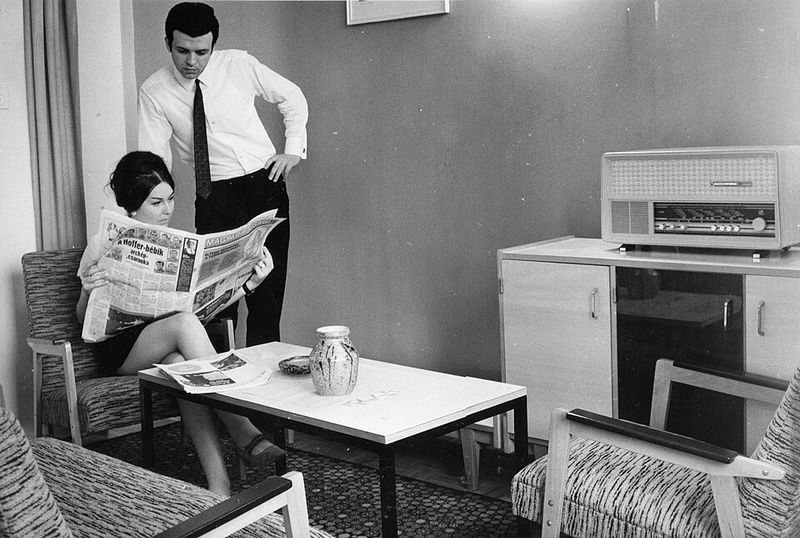
The news once arrived in portions instead of pouring through every available opening. For many Boomers, information came from morning papers, evening broadcasts, weekly magazines, and local radio, which created natural limits on how much could demand attention at once.
That structure shaped emotional life as much as civic awareness. People still followed major events closely, but they were not asked to absorb constant updates, opinion loops, breaking banners, and worldwide commentary before finishing breakfast.
Broadcasters also worked within stricter windows. The nightly news had a start time and an end time, which meant public information occupied a defined place in the day rather than becoming a permanent companion in line at the pharmacy.
Limited exposure had drawbacks, including slower reporting and fewer viewpoints. Yet it also reduced the sense that every global development required immediate personal processing, and many Boomers remember that bounded news cycle as a major reason life felt calmer, more local, and less relentlessly crowded by headlines.
12. Stronger Privacy

Private life used to stay private by default, which now feels almost suspiciously luxurious. Boomers came of age before social media turned milestones, arguments, vacations, dinners, and opinions into content that might live forever in searchable form.
Photos were printed, stored in albums, and shown intentionally. Family updates traveled by mail, phone, or conversation, not by public post, and youthful mistakes were less likely to become permanent records waiting for a future employer or distant classmate.
That privacy changed social pressure. People could experiment with style, hobbies, and identity without the added burden of audience metrics, instant feedback, or the strange expectation that every event deserves documentation before it is even finished.
Older communities certainly gossiped, often enthusiastically. Still, the scale was smaller, the memory shorter, and the tools far less invasive, which helped daily life feel less performative and more contained within actual relationships rather than platforms that invite everyone to become both broadcaster and archivist.
13. DIY Mindset
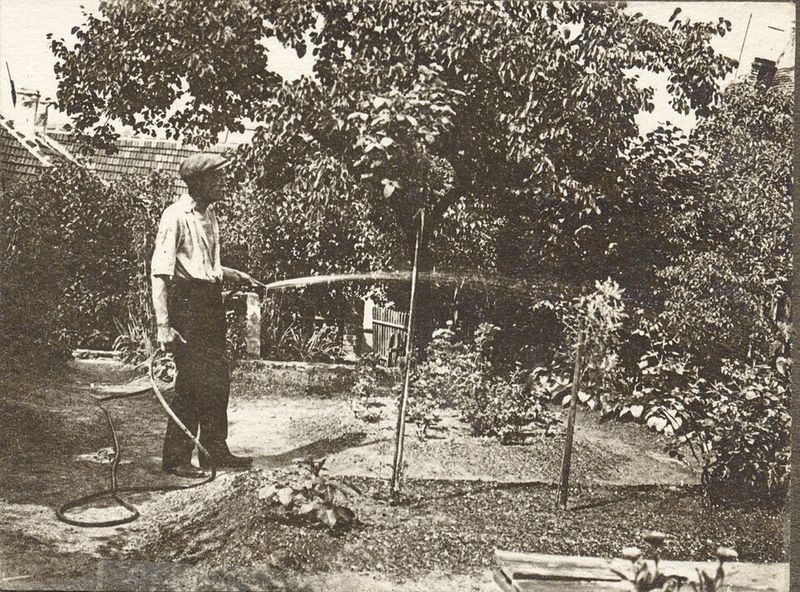
A loose screw once inspired a toolbox before it inspired an online replacement order. Boomers often remember a stronger do-it-yourself culture, where households repaired furniture, maintained cars, sewed clothes, painted rooms, and handled small breakdowns as routine parts of adulthood.
Several forces encouraged that habit. Products were often more repairable, labor-saving services were less omnipresent, and shop classes, home manuals, neighborhood advice, and local hardware stores gave people practical confidence to try first and call later.
This mindset shaped values as much as budgets. Fixing something created familiarity with how it worked, reduced dependence on specialists, and reinforced the idea that not every inconvenience required a new purchase and overnight shipping.
Of course, not everyone was a home-repair wizard, and some projects produced famously crooked shelves. Still, the expectation that ordinary people could patch, mend, tune, and assemble things made life feel more manageable, because competence lived closer to home and fewer problems seemed instantly outsourced.
14. Fewer Social Comparisons
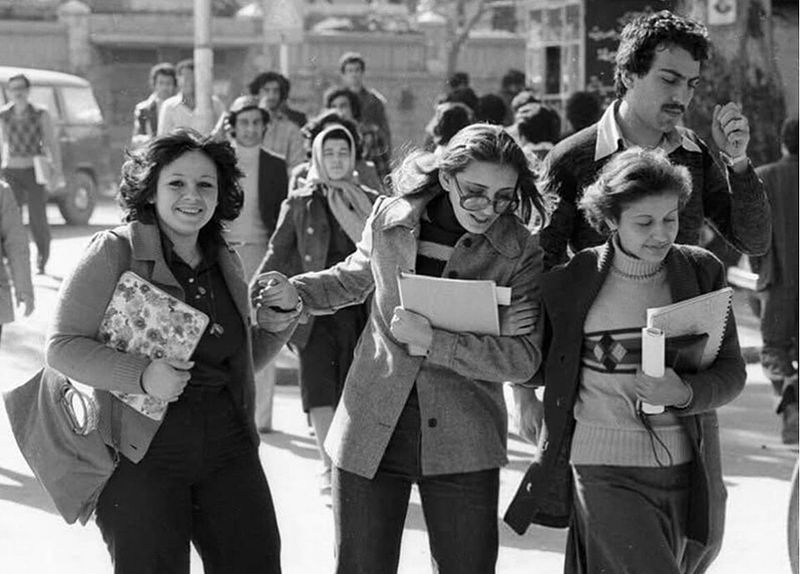
Status anxiety had fewer delivery systems when there was no feed updating it all day. Boomers certainly compared themselves to neighbors, coworkers, celebrities, and classmates, but those comparisons arrived less often and with much smaller audiences.
Most people saw a limited slice of other lives. You knew what friends drove, where relatives lived, and maybe what stars wore on television, yet you were not handed an endless slideshow of promotions, vacations, kitchens, workouts, and filtered anniversaries before lunch.
That narrower window affected expectations. People still wanted nicer homes or better jobs, but the pressure was less constant because comparison required actual proximity, magazines, or scheduled programming rather than an algorithm devoted to sustained envy.
Earlier decades were not free from keeping up appearances. Even so, the absence of social media removed a major amplifier, which helped many Boomers focus more on local standards, personal goals, and what their own family needed instead of measuring daily life against thousands of edited public performances.
15. Clearer Expectations
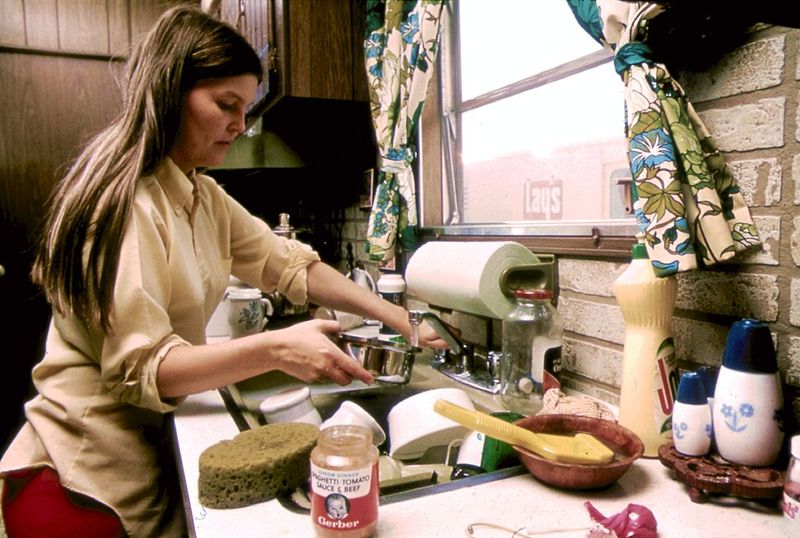
Life once came with a more widely shared script, and many Boomers found that script easier to navigate. Social expectations around schooling, work, marriage, home ownership, and retirement were often narrower, which reduced ambiguity even when the rules felt rigid.
Employers offered more long-term career paths, local communities reinforced similar milestones, and major institutions carried greater authority in shaping what adulthood should look like. You might not have loved every expectation, but you usually knew what people considered the next step.
That predictability simplified decisions. Fewer people felt compelled to build a personal brand, invent a unique life architecture, or evaluate endless lifestyle options while also deciphering economic instability and rapidly shifting norms.
Clearer expectations could be constraining, especially for anyone whose goals did not fit the standard template. Yet many Boomers remember the era as simpler because the map was more visible, and following or rejecting it required fewer daily negotiations than modern life often demands.
Share this story