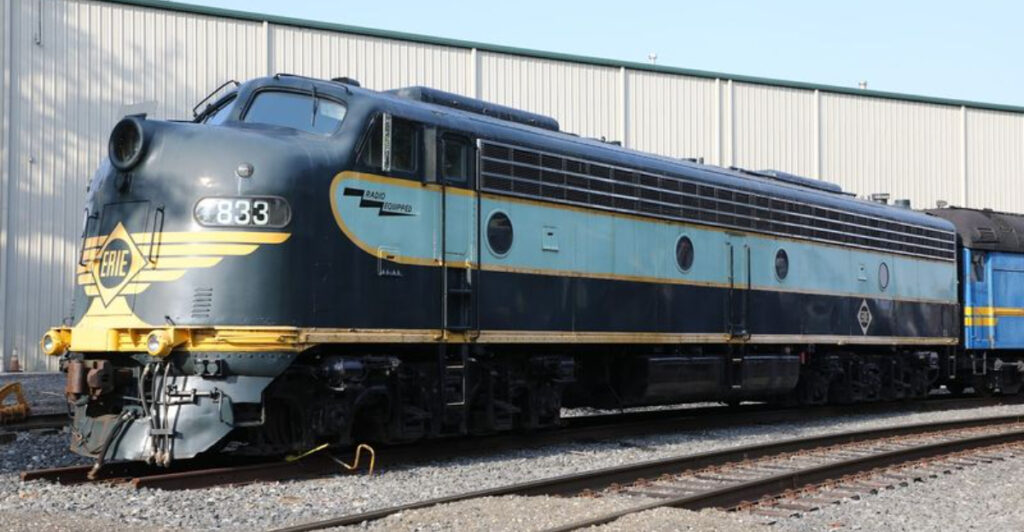
There is a stretch of track in southern New Jersey where the past and present run on the same rail. Tucked into the industrial landscape of Logan Township, a short-line railroad quietly moves freight the old-fashioned way, with real locomotives, real crews, and real work to do.
What makes this operation stand out is not just its function but its character, because some of the power rolling through this yard dates back to an era when American railroading was at its peak. This is not a museum, and it is not a tourist attraction in the traditional sense.
For anyone curious about how American industry keeps moving, and how old-school rail power refuses to retire, this Logan Township operation tells a story worth following from the first section to the last.
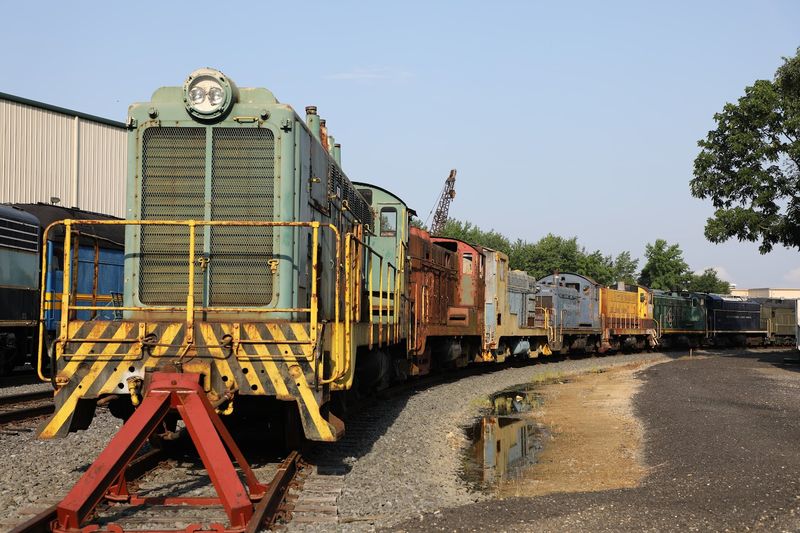
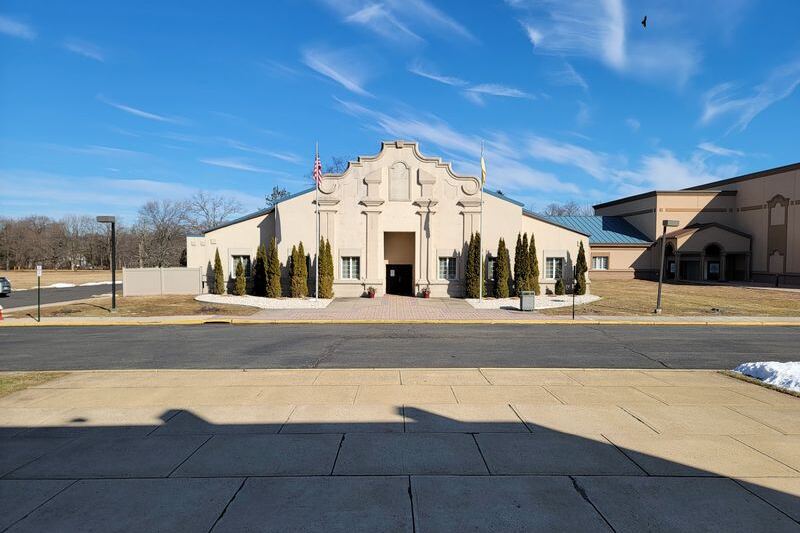
SMS Rail Lines operates out of 513 Sharptown Rd, Logan Township, NJ 08085, positioned in Gloucester County in the heart of southern New Jersey’s industrial corridor. The location sits close to major freight-generating industries, which is exactly the point for a short-line railroad built around practical, day-to-day freight service.
Logan Township itself is a quiet community that most travelers pass through without a second thought, but the rail yard at Sharptown Road tells a different story. This is where locomotives are prepped, freight cars are loaded, and the business of moving goods by rail gets done without fanfare.
The yard is accessible and functional, designed for commercial freight customers rather than casual drop-ins. The surrounding area reflects the working character of the operation, with industrial facilities nearby that generate the kind of freight that keeps a short-line railroad financially healthy and operationally active throughout the year.
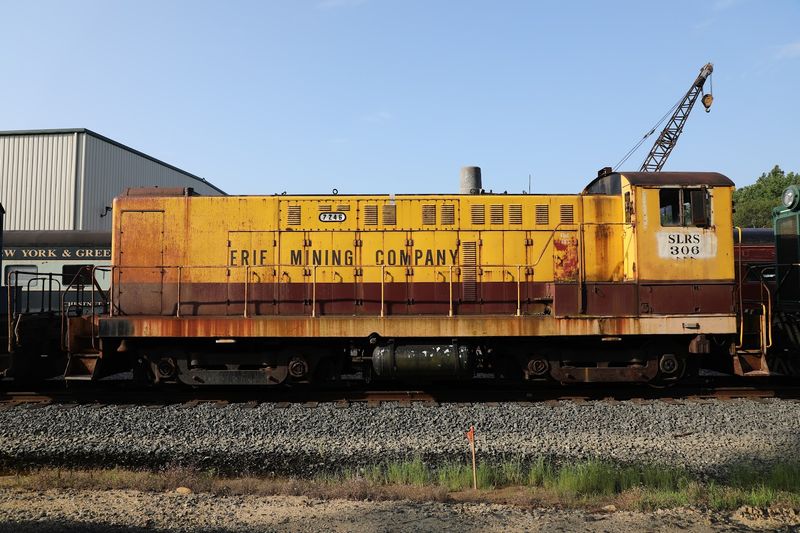
Baldwin Locomotive Works shut down production in 1956, which means any Baldwin still pulling freight today is operating well past what most engineers would have expected. SMS Rail Lines has built a reputation among railroad enthusiasts specifically because the operation runs Baldwin locomotives on active freight assignments, not as display pieces.
Baldwin machines were known for their heavy-duty construction and distinctive mechanical character. The fact that working examples still turn wheels on revenue freight in New Jersey is the kind of detail that stops rail fans mid-scroll when they come across it online.
The locomotives at SMS are not pampered artifacts. They work.
They move cars, they haul loads, and they do it on the same tracks that modern short-line equipment uses every day. For anyone with even a passing interest in railroad history, that combination of vintage power and active service makes SMS Rail Lines genuinely unusual in a way that is hard to overstate.
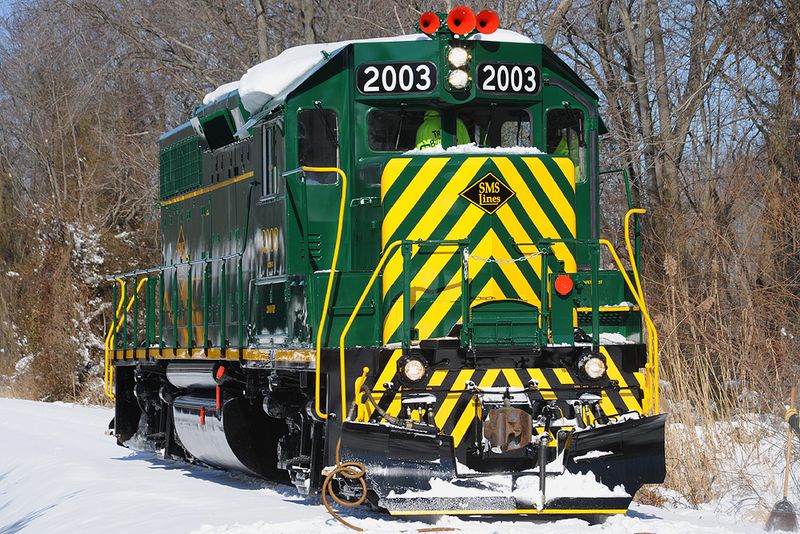
Not every railroad runs coast to coast. Short-line railroads like SMS Rail Lines serve a specific geographic area, connecting local industries to the broader national rail network.
They fill a gap that the major Class I railroads cannot always cover efficiently, handling smaller volumes of freight over shorter distances.
Short-line operations are the unsung workhorses of American freight logistics. Without them, many manufacturers, processors, and distributors would lose their rail connection entirely, forcing more cargo onto highways and increasing transportation costs across the supply chain.
SMS Rail Lines fits squarely into this category, serving the industries of the Logan Township and Gloucester County area with a level of local knowledge and operational flexibility that larger railroads simply cannot match. The crew knows the territory, knows the customers, and knows how to get freight moving efficiently.
That local expertise is exactly what makes short-line railroading a durable and necessary part of American transportation infrastructure today.
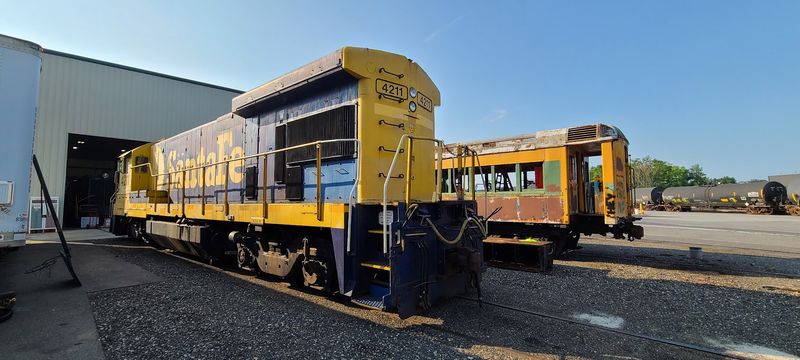
One of the practical details that stands out about SMS Rail Lines is the loading and scaling process. Trucks arriving to transfer freight must scale in and out, a standard requirement for accurate freight measurement and billing that keeps the operation running cleanly and professionally.
The scale is positioned close to the loading area, which keeps the process efficient. Drivers familiar with the site know the routine, and the straightforward layout means turnaround times stay reasonable even during busy periods.
The staff at the scale house are part of what gives the operation its professional reputation.
Loading freight into railcars requires coordination between truck drivers and the rail crew, and SMS has developed a system that works smoothly when everyone follows the established procedure. The yard does not offer overnight parking, which reflects the focus on keeping the operation active and the tracks clear for the next movement.
Efficiency is the operating philosophy here, not convenience storage.
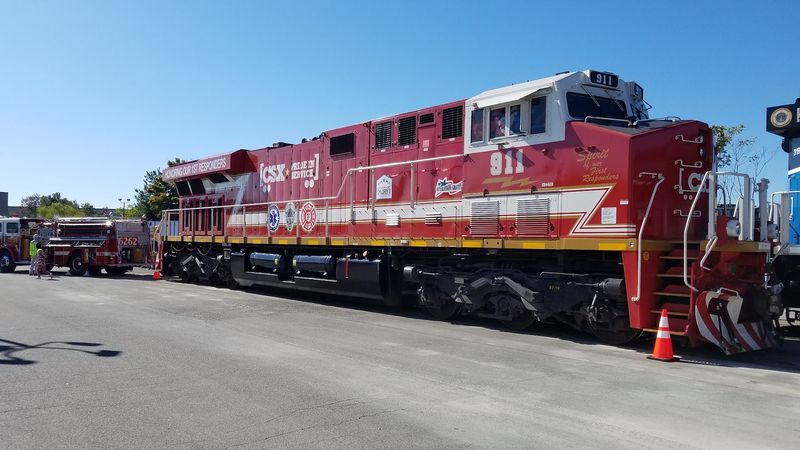
SMS Rail Lines has participated in events connected to Operation Lifesaver, the national nonprofit organization dedicated to railroad crossing and trespassing safety education. These events bring the railroad into direct contact with the public in an educational context, which is a meaningful contribution to community safety awareness.
Railroad crossing accidents remain a serious concern across the United States, and organizations like Operation Lifesaver work to reduce those incidents through outreach and education. A working railroad hosting or sponsoring these events puts real equipment and real context behind the safety message, making the information more concrete and memorable for attendees.
For SMS Rail Lines, participation in these events also connects the operation to its surrounding community in a positive way. A freight railroad tucked into an industrial zone is not always visible to local residents, but safety events create a point of contact that builds goodwill and awareness.
That community relationship matters for a small railroad operating in a specific regional area.
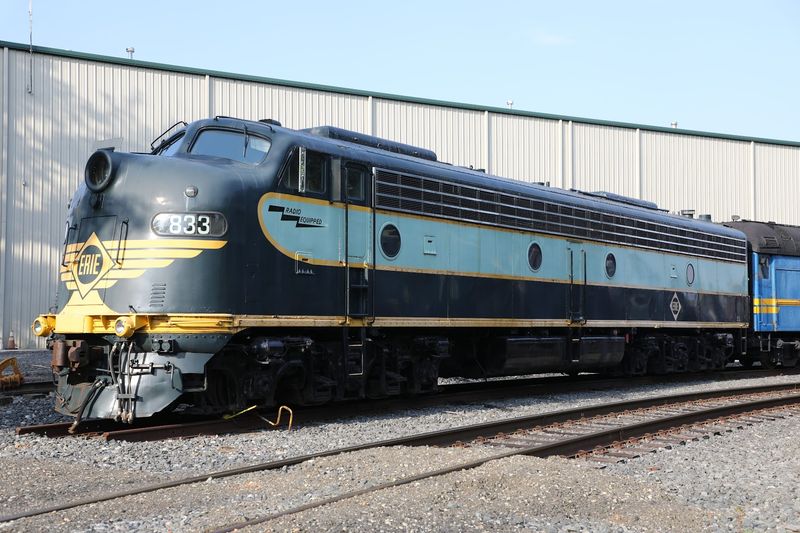
SMS Rail Lines has hosted public train events that draw rail enthusiasts from around the region. These gatherings give the public a rare opportunity to see working vintage locomotives up close in an active freight railroad setting, which is a very different experience from a static museum display.
Train shows at working railroads have a specific energy that comes from the fact that the equipment on display is genuinely operational. The locomotives are not restored for show, they are maintained for work, and that distinction is immediately apparent to anyone with an eye for the difference.
Attendees at past SMS events have noted the locomotives as the clear highlight of the experience. The presence of a fire engine at one past event added a bit of extra noise to the proceedings, though opinions on that particular addition were mixed.
Overall, these public events serve as a bridge between the working railroad and the broader community of people who find vintage rail operations genuinely compelling.
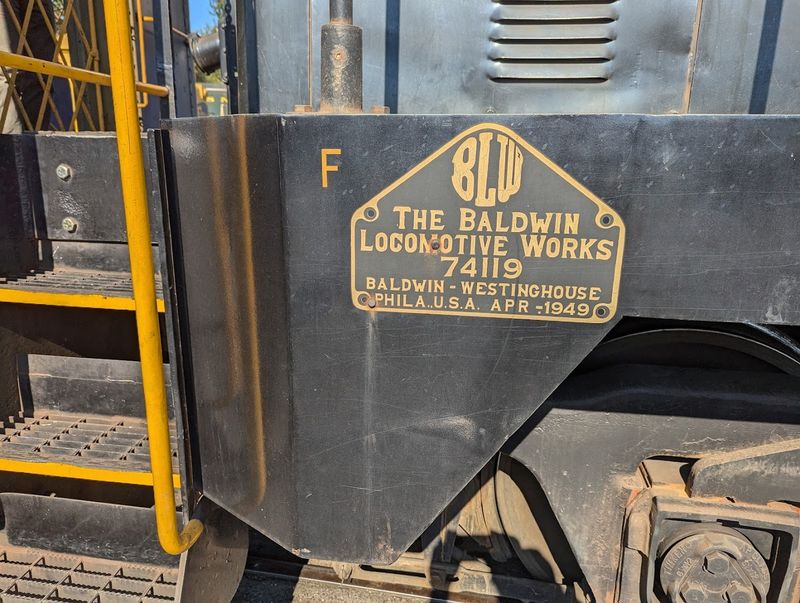
Baldwin Locomotive Works was founded in Philadelphia in 1825 and spent well over a century building some of the most powerful and recognizable locomotives in American railroad history. By the time the company ended locomotive production in 1956, it had built tens of thousands of machines that spread across railroads worldwide.
The transition from steam to diesel was not kind to Baldwin. The company struggled to compete with General Motors and General Electric in the diesel market, and eventually ceased production.
That makes surviving, operational Baldwin diesels increasingly rare and increasingly significant to railroad historians and enthusiasts.
SMS Rail Lines operating Baldwin power on active freight duty is not just a curiosity, it is a living connection to a chapter of American industrial history that most railroads closed out decades ago. Every time a Baldwin at SMS pulls a cut of freight cars, it is doing something that very few surviving examples of its type still get the chance to do anywhere in the country.
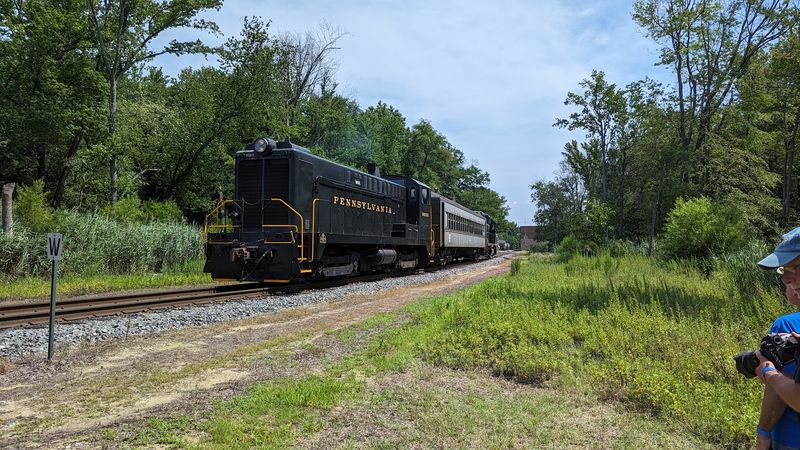
Gloucester County, New Jersey, has a long history tied to industrial activity, much of it connected to the Delaware River corridor that runs along its western edge. The region has attracted chemical processing, manufacturing, and distribution operations for well over a century, and rail service has been part of that economic fabric throughout.
SMS Rail Lines operates within this industrial context, serving the freight needs of businesses that depend on reliable rail connections to move raw materials and finished products. The geography of the area, flat, accessible, and close to major transportation arteries, makes it well suited to rail freight operations.
Logan Township specifically has developed as an industrial hub within Gloucester County, with facilities that generate consistent freight volumes. For a short-line railroad, having a stable base of industrial customers in a concentrated geographic area is the foundation of a sustainable business model.
SMS Rail Lines is positioned directly within that productive industrial zone, which explains why the operation has remained active and relevant.
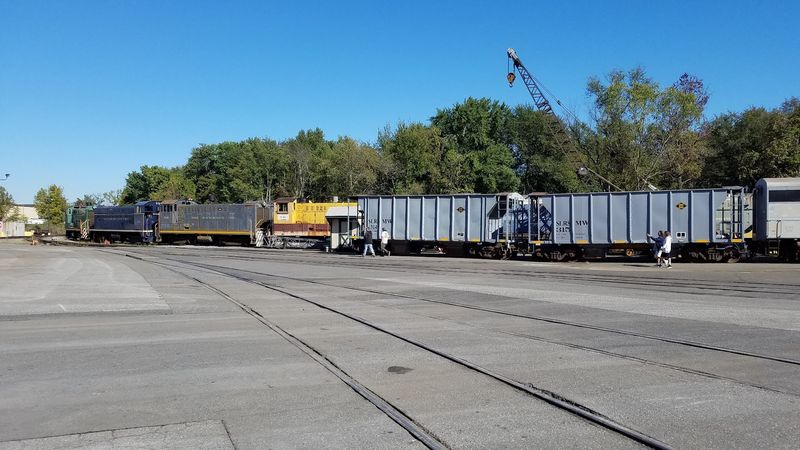
Short-line railroads operate on tight margins, which means every freight car moved and every customer relationship maintained directly affects the bottom line. Unlike major Class I railroads with vast networks and enormous traffic volumes, a short-line like SMS Rail Lines depends on a smaller number of customers and a more focused operational territory.
The key to financial sustainability for operations like SMS is reliability and efficiency. Customers who ship by rail need to trust that their freight will move on schedule and arrive in good condition.
A short-line that delivers on those basics consistently builds the kind of loyal customer base that keeps the operation financially healthy through market fluctuations.
SMS Rail Lines has maintained its operation over multiple years, which itself is a meaningful indicator of business stability in a competitive freight market. Short-line railroads that fail tend to fail quickly, so longevity in this sector reflects real operational competence and genuine customer value delivered on a regular basis.
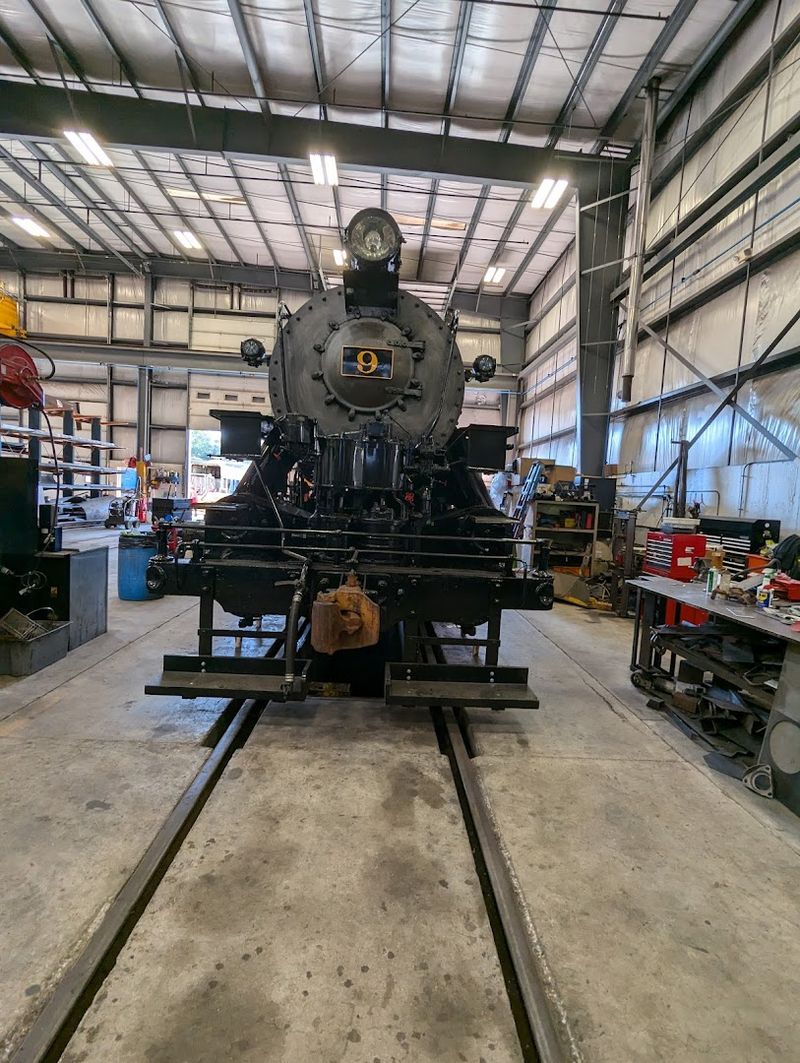
Rail fans, the dedicated community of people who track, photograph, and document railroad operations, have taken notice of SMS Rail Lines specifically because of its Baldwin locomotive fleet. Online railroad communities regularly discuss the rarity of operational Baldwins, and SMS comes up as one of the few places where these machines still work regular freight assignments.
That kind of organic enthusiasm from a knowledgeable audience says something real about what SMS has. Rail fans are not easily impressed by ordinary operations, but vintage power in active service consistently draws attention and generates genuine interest across forums, social media groups, and railroad photography communities.
The SMS website at smsrail.com provides additional information about the operation for those looking to learn more before making a trip to the Logan Township area. For rail enthusiasts planning a visit to southern New Jersey, the presence of working Baldwin locomotives at an active freight yard is the kind of detail that moves a location from the maybe list to the definite list.
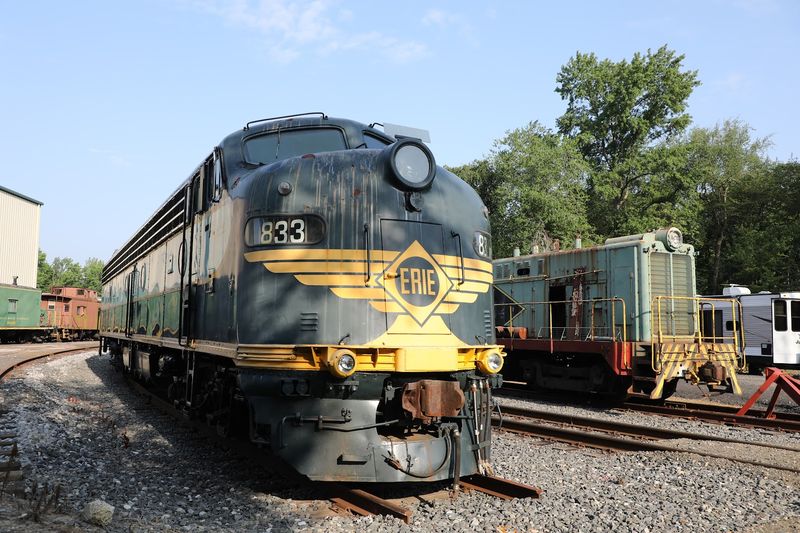
It would be easy to frame SMS Rail Lines purely as a nostalgia story, a place where old locomotives live on past their expected lifespan. But that framing misses the more important point, which is that this is a functioning freight railroad doing real economic work in a real community.
The industries SMS serves depend on rail service for their logistics. The freight cars moving through the Logan Township yard carry materials that feed manufacturing processes and supply chains.
The people working at the railroad have jobs that depend on the operation staying productive and financially viable.
The vintage locomotives are genuinely remarkable, and they deserve the attention they get from the rail fan community. But they are remarkable precisely because they are still working, not because they are preserved behind glass.
SMS Rail Lines represents something increasingly uncommon in American transportation, a small, independent railroad that has found a way to keep running, keep serving its customers, and keep its historic equipment earning its place on the active roster.
Share this story