Somewhere along the Jersey Shore, tucked into a quiet stretch of Barnegat, there is a place that collectors, designers, and curious road-trippers keep coming back to. It is not a museum, and it is not a typical antique shop.
It is a sprawling architectural salvage yard packed with over 12,000 square feet of reclaimed pieces that range from ornate Victorian doors to six-foot airplane propellers. The sheer variety on display makes it hard to know where to look first.
Whether someone is restoring a century-old home, hunting for a one-of-a-kind garden sculpture, or just browsing for the unexpected, this New Jersey destination delivers in ways that few other places can. Keep reading to find out what makes this salvage yard one of the most talked-about stops on the East Coast and why so many people leave with far more than they planned to buy.
Where It All Starts: The Address and Setting
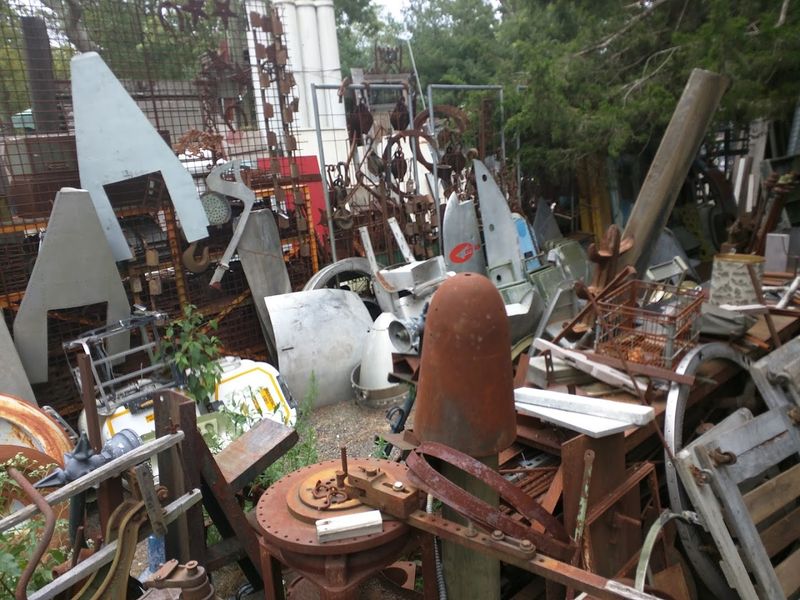
At 381 N Main St in Barnegat, New Jersey 08005, Recycling The Past occupies a property that is hard to miss and even harder to leave quickly. The location sits along a straightforward stretch of road in Ocean County, yet the grounds feel like a world apart from the surrounding neighborhood.
The outdoor lot greets anyone who pulls up with rows of weathered doors, stone carvings, and metal fixtures that stretch in every direction. It is not a polished showroom setup, and that is entirely the point.
The raw, open-air layout encourages exploration rather than passive browsing. New Jersey is home to plenty of antique shops, but few match this scale or this particular combination of architectural history and sheer physical volume.
The property works as both a shopping destination and a kind of open-air archive of materials that would otherwise be lost to time.
A Business Built on Saving What Others Discard
The entire operation at Recycling The Past is built around a straightforward but powerful idea: the materials pulled from old buildings deserve a second life rather than a landfill. That philosophy shapes everything about how the business runs, from what it acquires to how it presents its inventory.
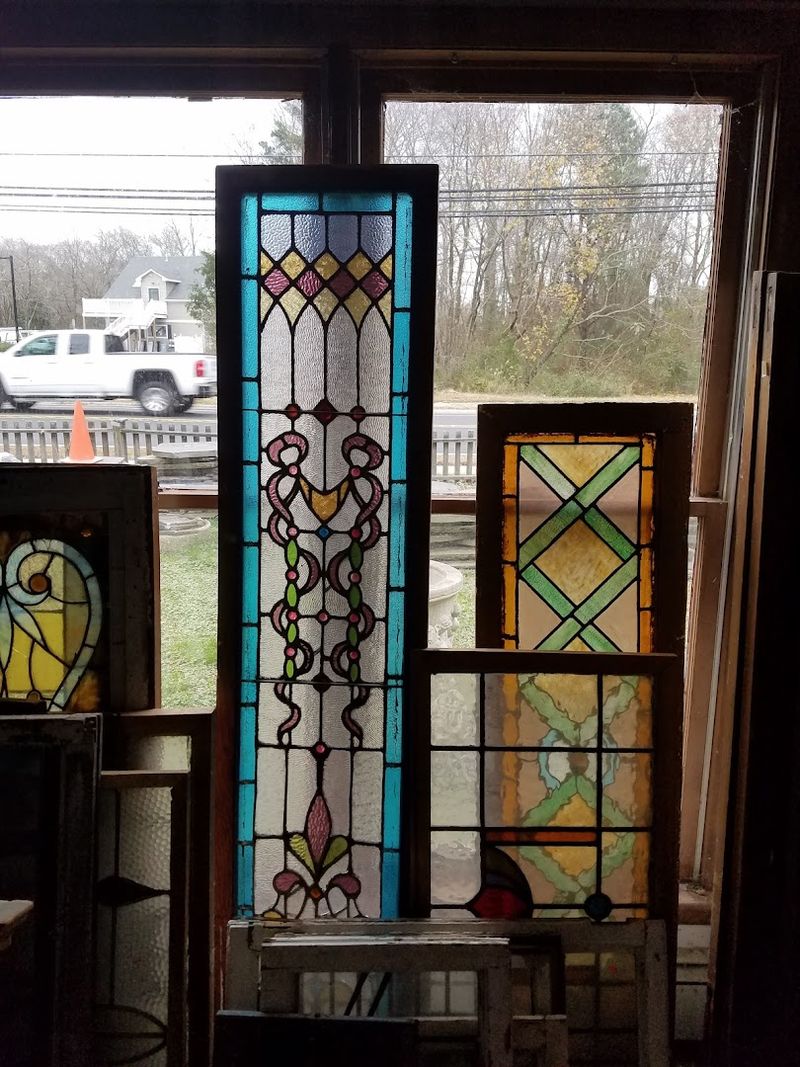
Pieces come from demolished buildings, estate clearouts, and renovation projects across the region. Each item carries its own background, whether it is a cast-iron gargoyle that once drained rainwater from a city rooftop or a set of leaded glass windows from a pre-war home.
The result is an inventory that reads more like a catalog of regional architectural history than a standard resale collection. For anyone working on a restoration project or a creative build, the sourcing story behind each piece adds real value.
Knowing that a door or a column came from an actual building gives the material a weight that brand-new reproduction pieces simply cannot replicate.
The Scale of the Collection Is Hard to Overstate
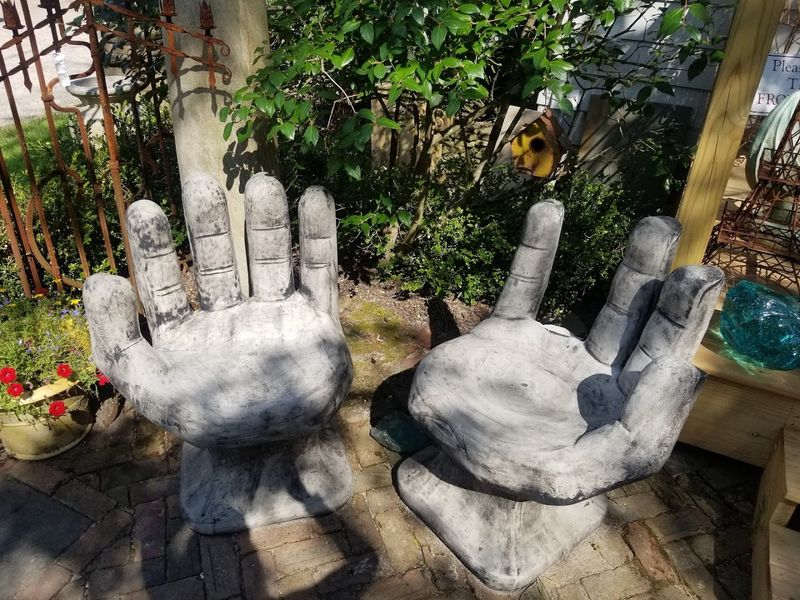
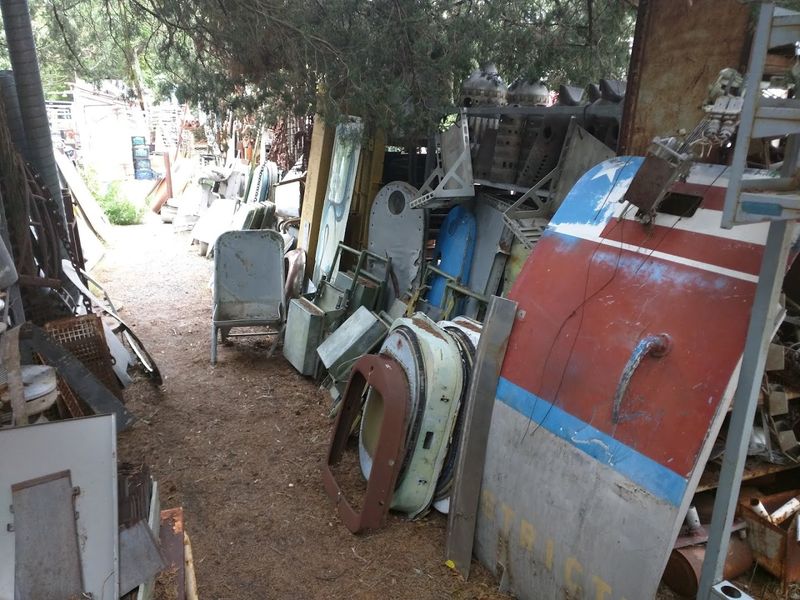
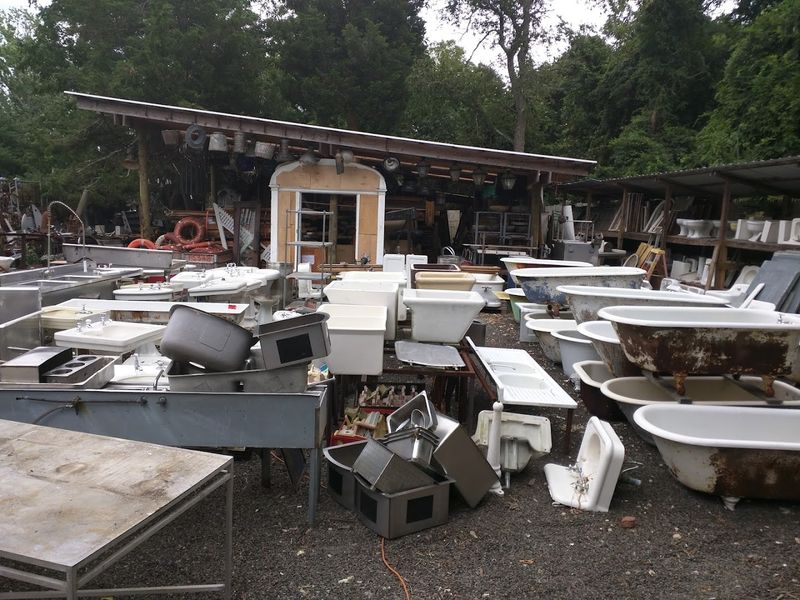
Twelve thousand square feet sounds like a large number on paper, but the full weight of it only registers once someone starts walking the grounds at Recycling The Past. The space covers both an indoor warehouse area and a sprawling outdoor lot, and both sections are packed with items from floor to ceiling or, in the case of the outdoor yard, from the ground up to eye level and beyond.
Stacks of vintage doors line one area. Rows of architectural columns stand in another.
Light fixtures hang in clusters, and garden sculptures occupy corners and open patches of ground throughout the property.
The sheer density of the collection means that repeat visits almost always turn up something new. Items cycle in and out regularly, which is part of why so many people treat Recycling The Past as a destination they return to rather than a one-time stop.
The scale genuinely rewards patience and a willingness to look carefully.
Doors That Tell Their Own Stories
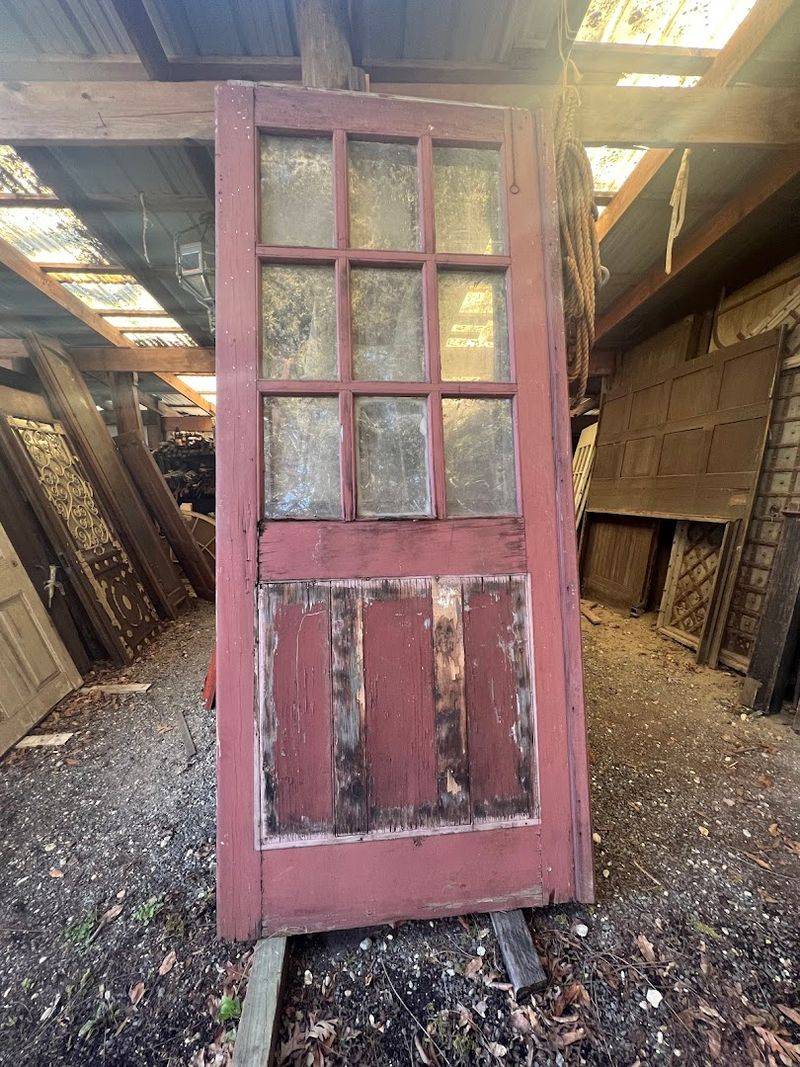
Doors are one of the signature categories at Recycling The Past, and the selection runs deep. The yard holds an impressive variety of antique and vintage doors spanning multiple eras and architectural styles, from simple craftsman panels to elaborately carved Victorian entry doors with their original hardware still attached.
For anyone restoring an older home, finding a period-correct door through standard retail channels is genuinely difficult. The proportions, wood types, and joinery methods used in pre-war construction are rarely replicated in modern production, which makes salvage the most reliable option for an authentic match.
Beyond restoration projects, the doors here attract designers and artists who repurpose them as headboards, wall panels, barn-style sliders, and decorative backdrops. The patina and wear that come with age are features in this context, not flaws.
Each door has already survived decades of use, which means it arrives with a built-in character that no amount of distressing technique can fully reproduce.
Light Fixtures That Bring Old Eras Back
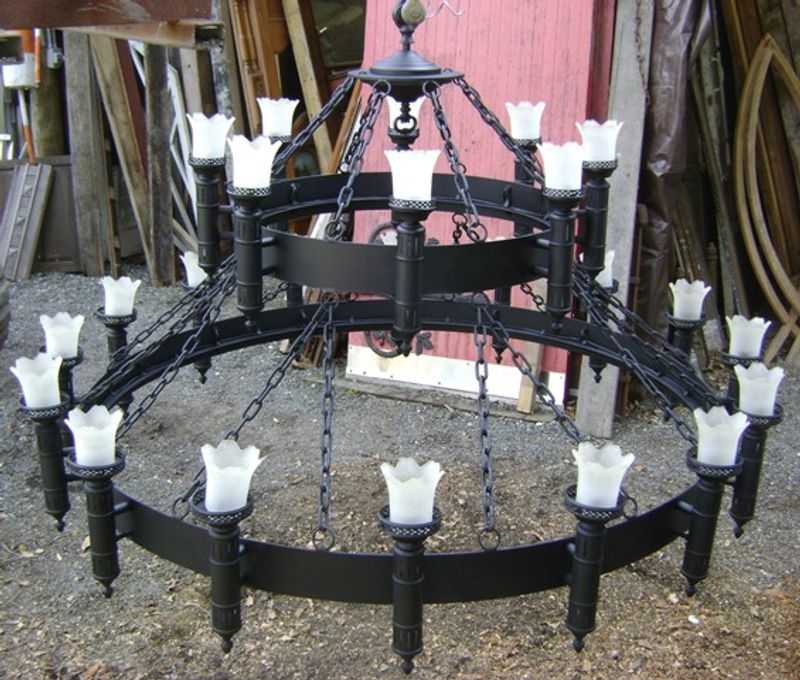
The light fixture selection at Recycling The Past covers a wide range of periods and styles, making it a reliable stop for anyone trying to source period-appropriate lighting for a renovation or a creative interior project. Industrial pendants, art deco wall sconces, ornate chandeliers, and utilitarian factory fixtures all share space in the collection.
Finding vintage lighting in working condition is its own challenge, and the yard tends to carry pieces that are structurally intact even when they need rewiring. For many buyers, the investment in professional rewiring is worth it to get a fixture that genuinely fits the era of their home or project.
The variety also appeals to photographers and set designers who need authentic period props rather than modern reproductions. A genuine 1920s schoolhouse pendant or a cast brass wall bracket from an old hotel lobby brings a level of detail to a space that reproduction lighting rarely achieves, no matter how well it is made.
Garden Sculpture and Outdoor Pieces Worth Exploring
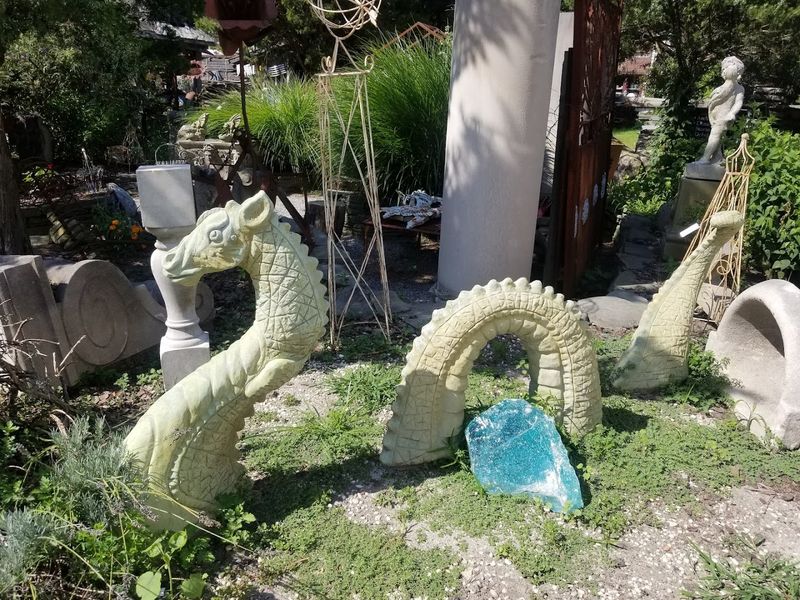
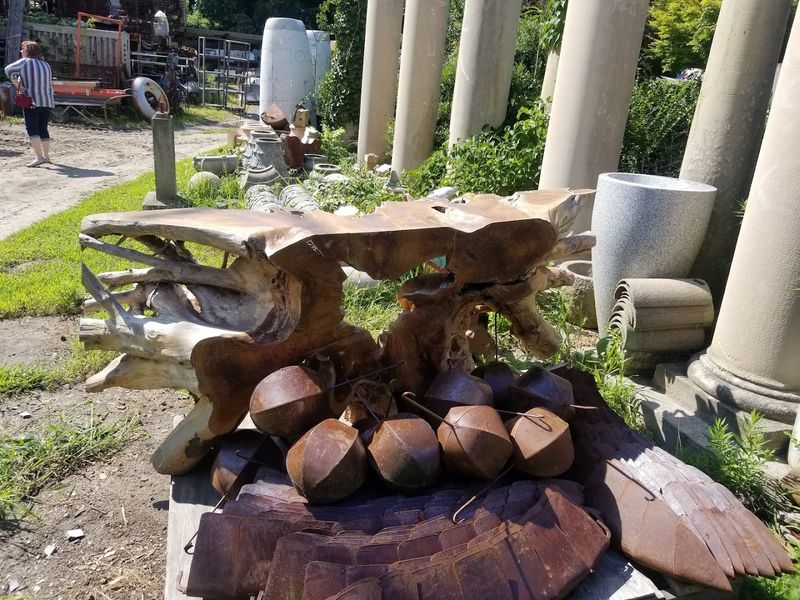
The outdoor section of Recycling The Past functions almost like a sculpture garden, except that everything on display is also for sale. Cast iron urns, stone pedestals, carved garden figures, antique fountains, and decorative ironwork fill the yard in a layout that encourages slow, deliberate exploration rather than a quick scan.
Landscape designers have noted that the yard is one of the stronger sources for salvaged garden materials on the entire East Coast. The range of pieces supports everything from formal estate-style gardens to eclectic cottage plantings, and the aged finishes on most items mean they integrate naturally into established outdoor spaces.
Gargoyles that once served as functional drain spouts on the rooftops of city buildings now sit among the garden pieces, available for repurposing as purely decorative elements. That kind of historical crossover is part of what makes the outdoor collection at Recycling The Past genuinely different from what a typical garden center or antique mall can offer.
The Unexpected Finds That Keep People Coming Back
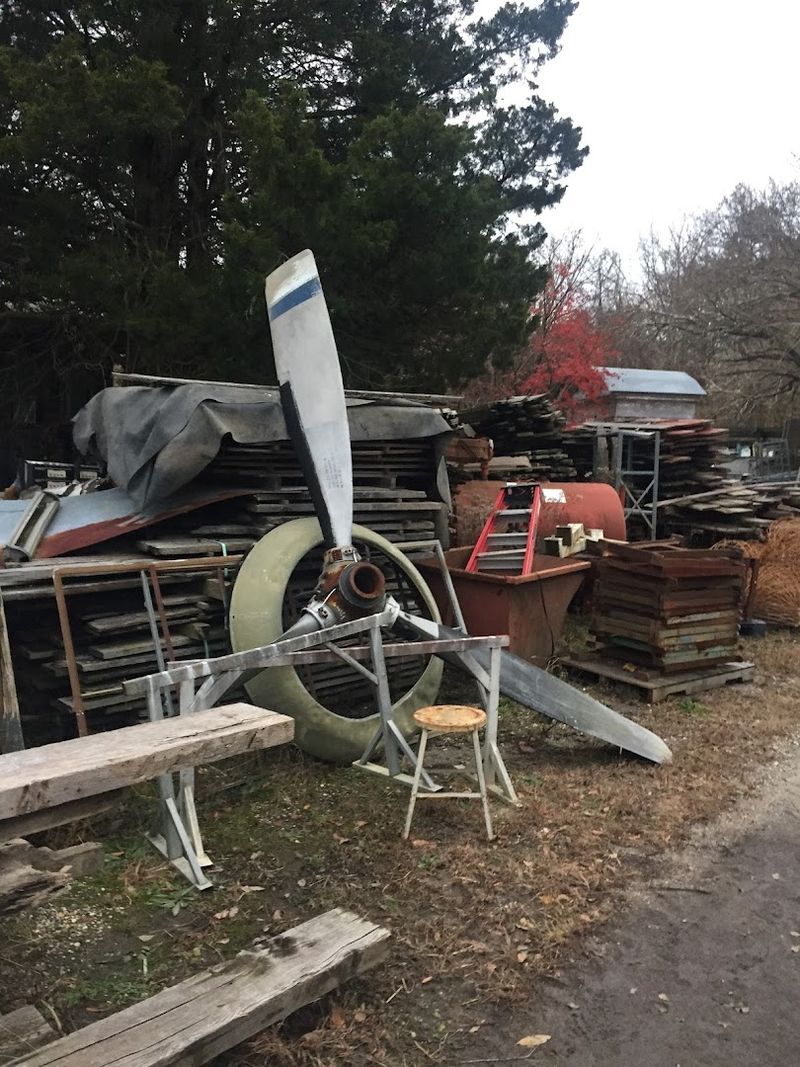
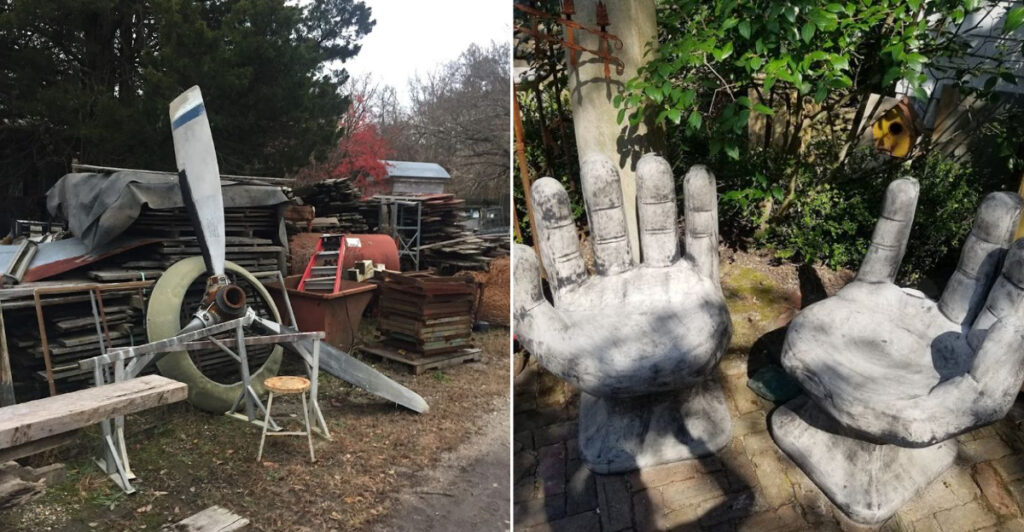
Part of the enduring appeal of Recycling The Past is the category of items that genuinely defies easy description. Six-foot airplane propellers, vintage boat anchor chains, industrial metal components, and ceramic architectural details from demolished commercial buildings all end up in the inventory at various points.
A light blue ceramic soap dish pulled from a mid-century bathroom sits a few feet away from a piece of melted glass recovered from a closed New Jersey bottle manufacturer. Neither item fits neatly into a standard antique category, but both carry a specificity and strangeness that makes them hard to walk past without stopping.
For collectors who specialize in industrial or vernacular artifacts, the yard functions as a rotating resource that rewards frequent visits. The inventory shifts constantly, so the selection on any given Wednesday looks different from what was there the previous Saturday.
That unpredictability is a feature rather than a drawback for the people who have made this place part of their regular circuit.
A Go-To Resource for Victorian Home Restorations
Anyone working on a Victorian-era home restoration quickly discovers that sourcing authentic period materials is one of the more demanding parts of the process. Reproduction millwork and hardware exist, but matching the proportions, wood species, and construction methods of original Victorian building components requires either skilled custom work or access to genuine salvage.
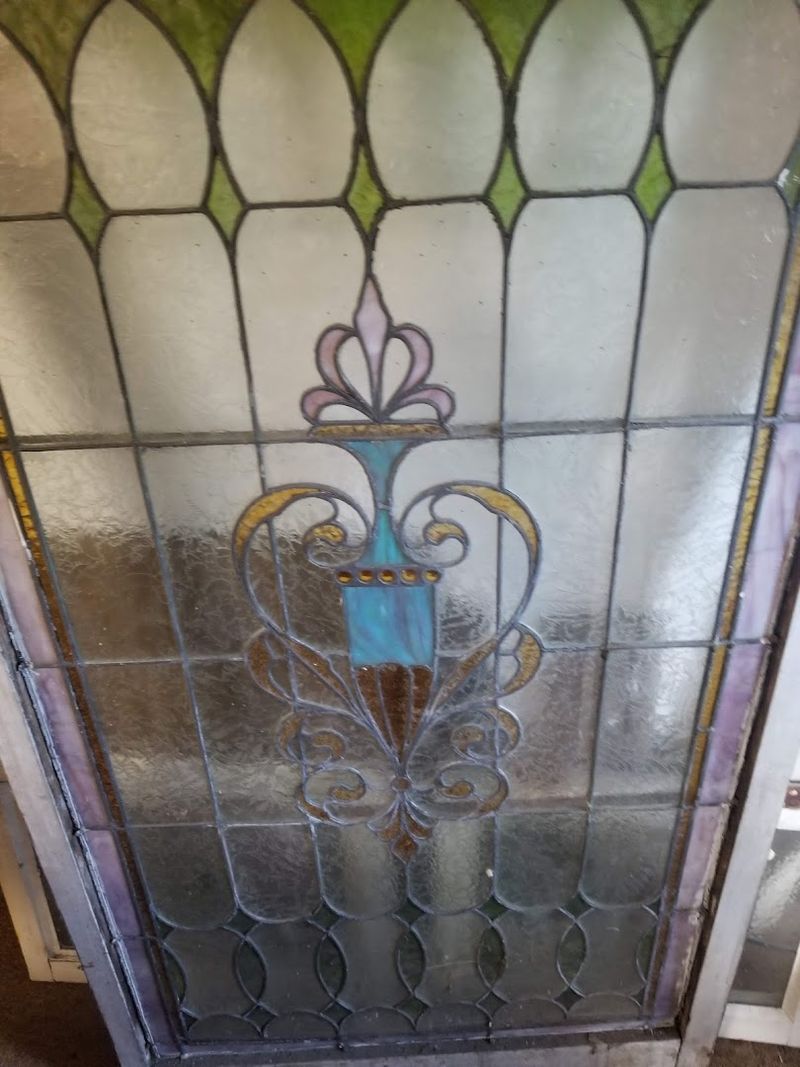
Recycling The Past has built a reputation as one of the more dependable sources for exactly this kind of material. Carved moldings, decorative brackets, period hardware, stained glass panels, and ornate woodwork cycle through the inventory regularly, drawn from demolition and renovation projects throughout the region.
The depth of the Victorian category reflects both the age of the housing stock in New Jersey and the surrounding states and the yard’s long-standing relationships with contractors and estate managers who call when relevant materials become available. For someone working room by room through a full Victorian restoration, the yard functions as an ongoing resource rather than a single-visit solution.
On-Site Welding Services Add Practical Value
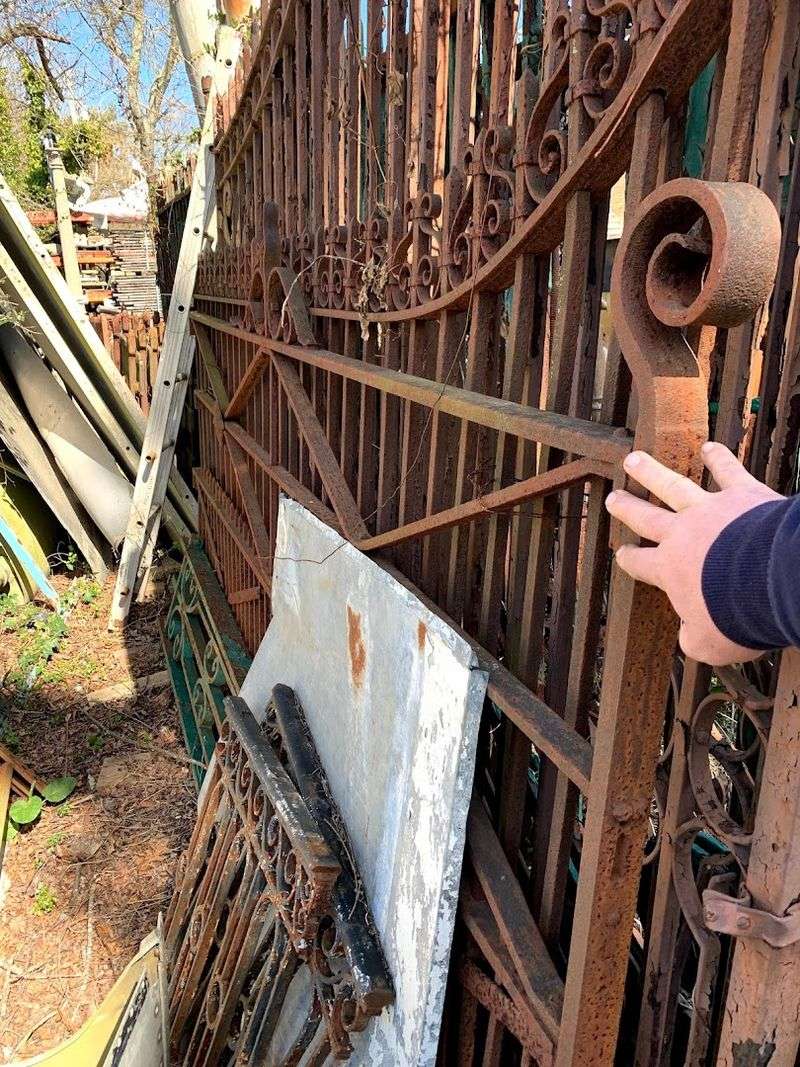
One detail that separates Recycling The Past from a standard antique shop is the availability of on-site welding services. For buyers who find a metal piece that needs modification, repair, or custom fabrication to work in their intended application, having that capability on the property is a meaningful practical advantage.
A collector who spots an interesting set of industrial metal components can discuss modifications on the spot rather than hauling the pieces to a separate fabrication shop and coordinating two separate transactions. That streamlined process saves time and reduces the logistical friction that often discourages buyers from pursuing more ambitious or unconventional projects.
The welding capability also supports the yard’s role as a resource for artists and designers who work with metal as a primary material. Someone building a custom gate, a large-scale garden installation, or a sculptural furniture piece can source material and arrange fabrication work in a single visit, which is a combination that is genuinely hard to find anywhere else in the region.
Hours, Access, and Planning Your Visit
Recycling The Past operates on a schedule that suits the weekend explorer as well as the midweek professional. The yard is open Wednesday through Sunday from 10 AM to 5 PM, and it remains closed on Mondays and Tuesdays.
That five-day window gives both casual browsers and serious buyers plenty of opportunity to plan a trip.
The Wednesday through Sunday schedule works well for contractors and designers who may need a weekday visit without taking a weekend trip, and it also catches the heaviest foot traffic that typically comes on Saturdays and Sundays from collectors and home renovation enthusiasts making a day of it.
Arriving closer to opening time tends to give visitors the most relaxed experience, with the full property available to explore before crowds build later in the day. The property is large enough that even a moderately busy Saturday rarely feels crowded, but an early arrival still makes the browsing process more comfortable and thorough from start to finish.
What to Know About Pricing Before You Go
Pricing at Recycling The Past reflects the rarity and condition of individual pieces rather than a standardized retail model. Some items carry prices that feel entirely reasonable given their age and specificity.
Others are priced at a premium that reflects the difficulty of sourcing equivalent pieces through any other channel.
The general consensus among regular visitors is that haggling is part of the process, particularly for larger or higher-priced items. Coming prepared with a clear budget and a willingness to negotiate tends to produce better outcomes than expecting fixed-price simplicity.
For buyers working on projects where authenticity matters, the pricing at Recycling The Past often compares favorably to the cost of custom reproduction work, especially for carved or cast pieces that would require significant skilled labor to replicate. The value calculation shifts once the sourcing difficulty and the irreplaceable character of original materials are factored in.
Bringing cash and flexibility on both sides of the transaction tends to make the experience smoother for everyone involved.
Why This Place Has Earned Its Reputation on the East Coast
Recycling The Past has developed a reputation that extends well beyond Ocean County and the immediate Jersey Shore area. Collectors, designers, and restoration professionals from across the mid-Atlantic region make dedicated trips to the Barnegat yard because the depth and variety of the inventory justify the drive.
The combination of factors that make the place stand out is not easy to replicate: the scale of the physical space, the breadth of the categories covered, the on-site services available, and the consistent turnover of new material as older pieces sell and fresh acquisitions arrive. Few salvage operations manage all of those elements at once.
The yard also benefits from decades of operation and the networks that come with longevity in the salvage business. That history translates into access to materials and sources that newer operations simply have not had time to develop.
For anyone serious about reclaimed architectural materials, Recycling The Past in Barnegat, New Jersey, belongs on the short list of destinations worth planning a trip around.
Share this story