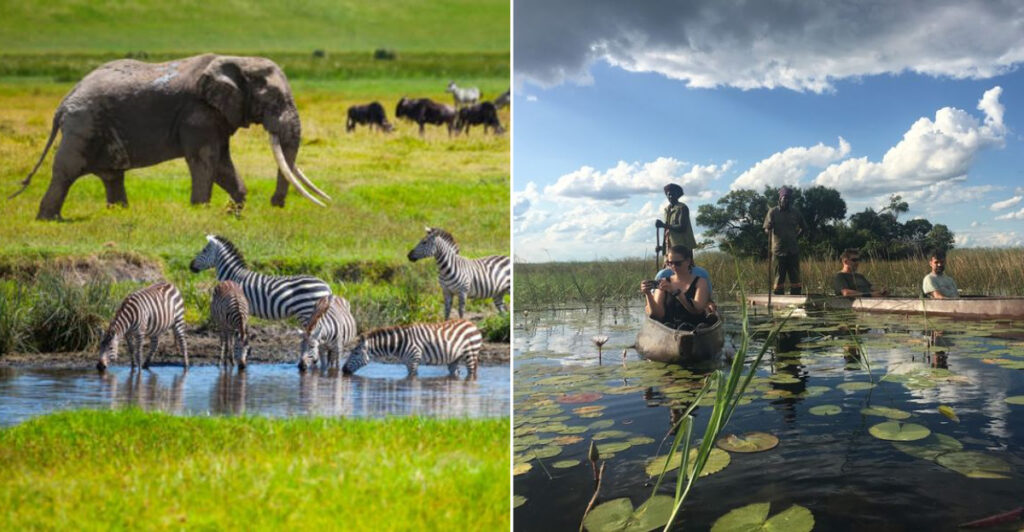
Africa is so much more than wildlife documentaries and postcard sunsets. From ancient rock churches carved into mountains to vast desert dunes that look like another planet, the continent has a way of surprising even the most seasoned traveler.
I have been guilty of thinking I knew what Africa looked like before I actually went, and I could not have been more wrong. These 13 experiences go beyond the highlight reel and show you the real, layered, jaw-dropping Africa.
Visit the Rock-Hewn Churches of Lalibela, Ethiopia
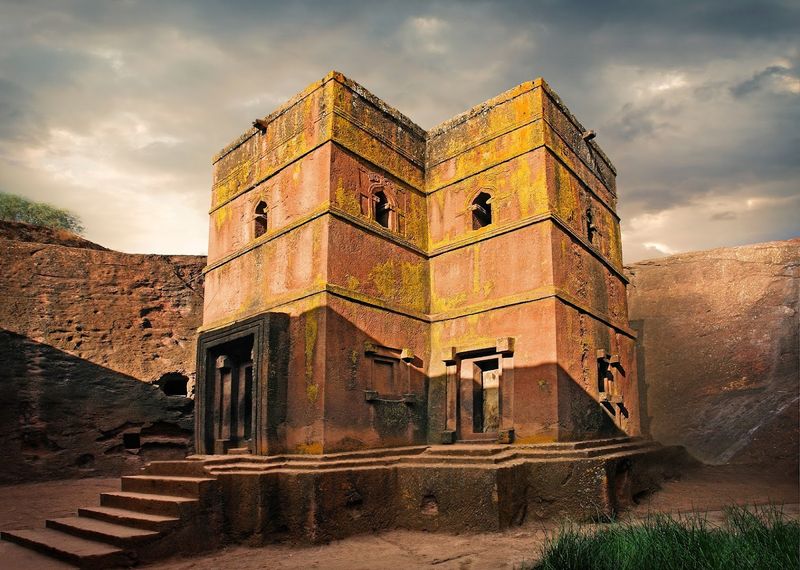
Carved straight into volcanic rock in the 12th century, the churches of Lalibela are the kind of thing that makes you question what humans are actually capable of. There are 11 of them, all connected by stone tunnels and ceremonial courtyards.
UNESCO called it a “New Jerusalem,” and honestly, that is not an overstatement.
What makes Lalibela different from most heritage sites is that it is still fully alive. Pilgrims travel here from across Ethiopia for religious festivals, and priests in colorful robes conduct services inside churches that have been standing for nearly 900 years.
It is history you can walk through, not just look at.
The best-known church, Bet Giyorgis, is a perfect cross-shaped structure sunk deep into the earth. Visit during Timkat or Genna festivals for a truly unforgettable experience.
Bring comfortable shoes because the terrain is uneven and the walking is worth every step.
See Victoria Falls From Both Zimbabwe and Zambia
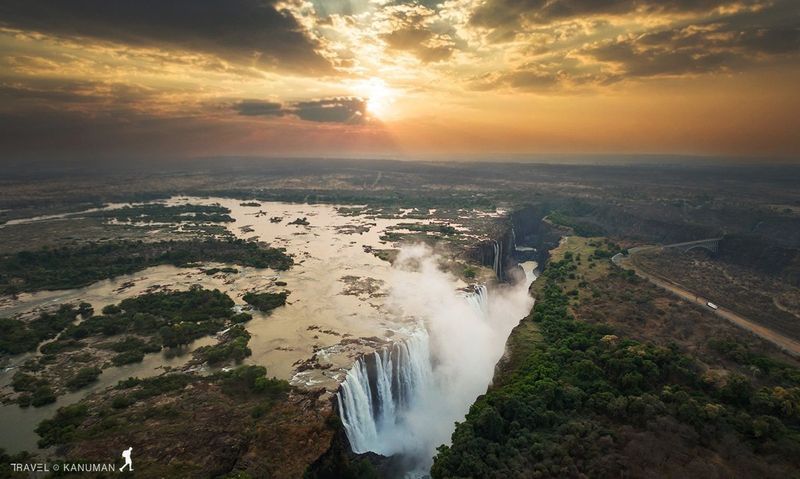
Victoria Falls is one of those places where photos simply do not do the job. Standing at the edge while a wall of mist soaks you in seconds is a completely different experience from anything you have seen online.
Locals call it “Mosi-oa-Tunya,” meaning “The Smoke That Thunders,” which is the most accurate name in travel history.
Here is a tip most visitors skip: cross both borders. Zimbabwe gives you the classic wide panoramic views, while Zambia gets you closer to the action during peak flow season.
Each side has its own national park entrance, and the contrast between the two perspectives is genuinely worth the border crossing hassle.
The Zimbabwe-side park is open year-round, so there is never a bad time to visit. Just pack a waterproof bag for your phone because the mist is relentless and wonderfully aggressive.
Your camera will thank you later.
Ride the Cableway Up Table Mountain, South Africa
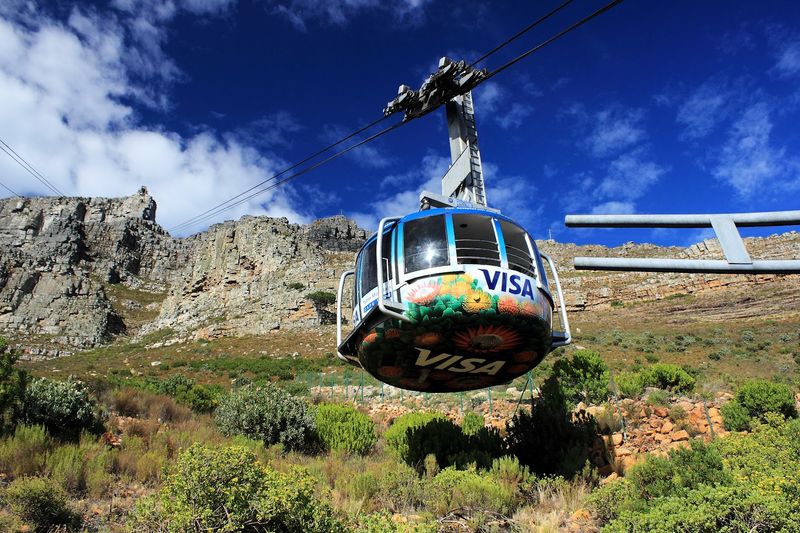
Table Mountain sits right inside Cape Town like nature forgot to read the city planning memo. You can see it from almost anywhere in the city, and yet riding the rotating cable car to the top still feels like a big deal.
The views from the summit stretch over the Atlantic Ocean, the Cape Peninsula, and the city below in a way that genuinely stops conversation.
The cableway runs year-round, but weather rules everything up here. Strong winds can shut operations down with very little notice, so always check the official website before heading over.
There is also a scheduled maintenance closure from July 27 to August 9, 2026, worth keeping in mind if you are planning ahead.
Once you are on top, spend time exploring the plateau rather than rushing back down. There are walking trails, unique fynbos plants found nowhere else on Earth, and the occasional very bold dassie who will absolutely judge your snacks.
Get Lost in the Medina of Marrakech, Morocco
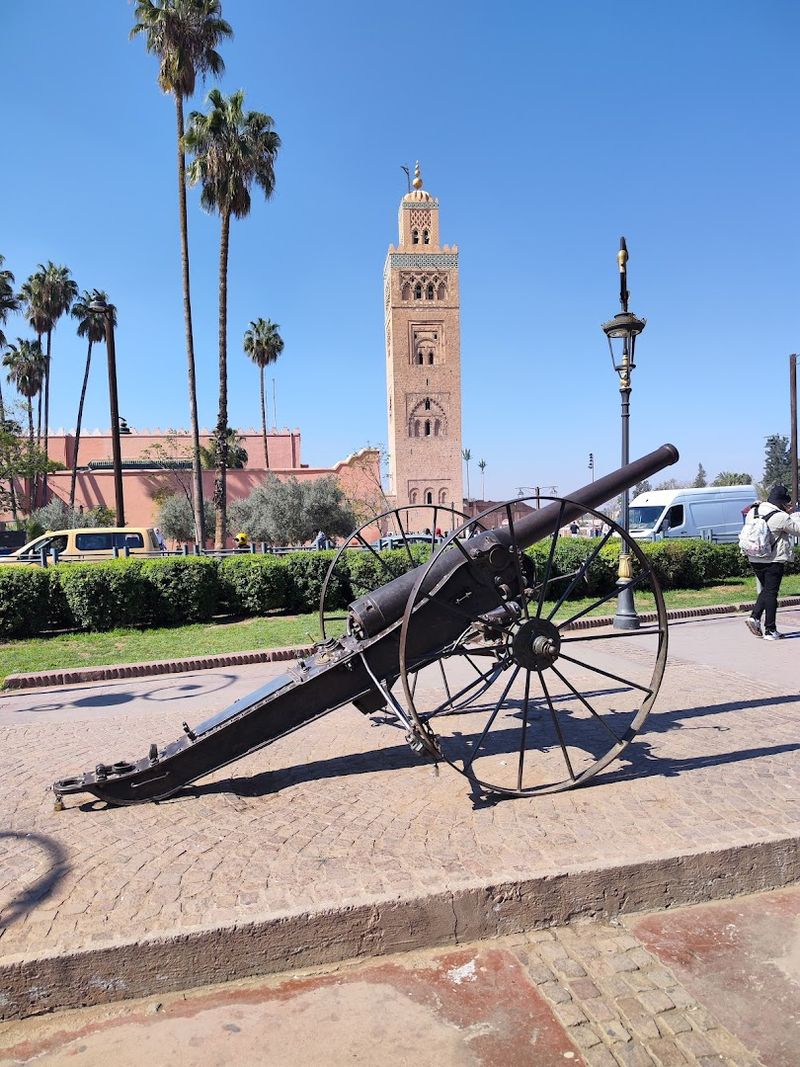
The Marrakech medina is a UNESCO World Heritage site and also the most gloriously chaotic place I have ever tried to navigate with Google Maps. Spoiler: the app gave up before I did.
Streets twist, split, and dead-end into someone’s front door without apology.
Beyond the famous Djemaa el-Fna square, the medina holds mosques, museums, hidden riads, leather tanneries, and souks selling everything from handmade slippers to fresh-pressed argan oil. Morocco’s official tourism site lists it as one of the country’s top cultural destinations, and it earns that title every single day of the week.
The best strategy is to pick a general direction, put your phone away, and just wander. You will stumble onto a courtyard garden or a centuries-old fountain when you least expect it.
Marrakech rewards curiosity more than it rewards planning, which is a genuinely refreshing travel experience in a world obsessed with itineraries.
Go Gorilla Trekking in Bwindi Impenetrable National Park, Uganda
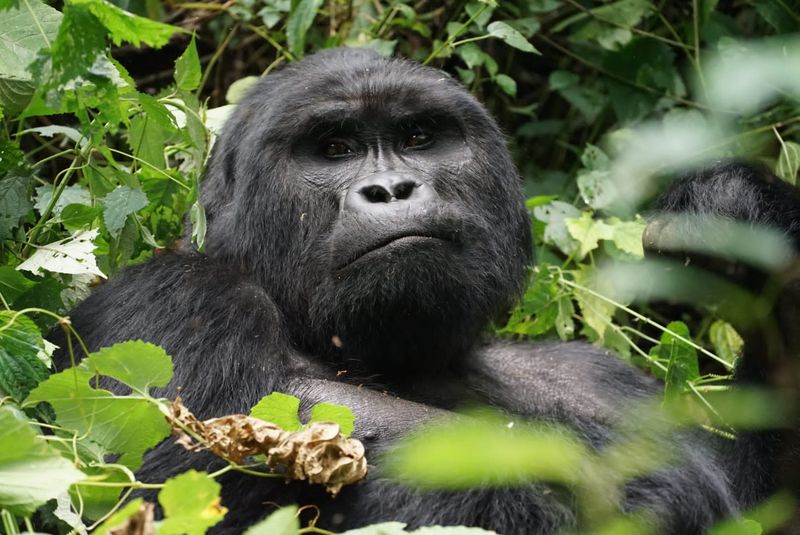
There is a moment during gorilla trekking in Bwindi when a silverback looks directly at you and you completely forget what country you are in. The Bwindi Impenetrable National Park in Uganda is home to roughly half the world’s remaining mountain gorillas, and spending one hour with a gorilla family is the kind of wildlife encounter that rewires your brain permanently.
Permits cost $800 per person for foreign non-residents, which feels steep until you are actually there. The revenue directly supports conservation efforts and benefits the local communities surrounding the park.
It is one of those rare cases where the price tag genuinely goes toward something meaningful.
The trek itself can range from one hour to a full day depending on where the gorilla family has decided to hang out that morning. Wear layers, bring rain gear, and prepare for muddy terrain.
The forest is dense, beautiful, and absolutely worth every soggy step.
Take a Mokoro Safari in the Okavango Delta, Botswana
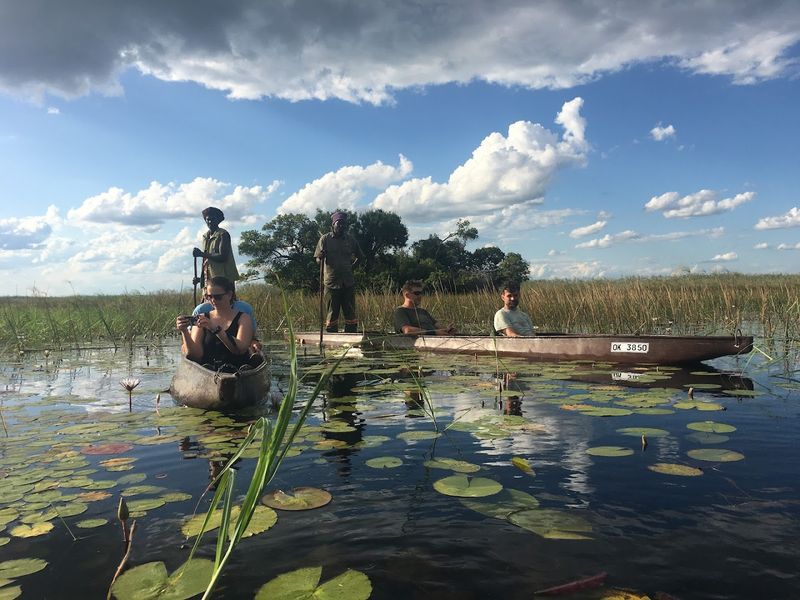
The Okavango Delta is a UNESCO-listed wilderness where the water goes in but never comes out. It flows into the Kalahari Desert and simply disappears, which is one of the most quietly dramatic geographic facts on the continent.
Exploring it by mokoro, a traditional dugout canoe, is the slowest and best way to see it.
Your guide stands at the back and poles you silently through channels lined with water lilies and papyrus. Hippos snort somewhere nearby.
A fish eagle calls overhead. The whole experience feels like the world has pressed pause on purpose.
Botswana has built its tourism model around low volume and high quality, which keeps the delta protected and the experience genuinely special. This is not a place for crowds or rush.
Pack light, bring binoculars, and prepare to spend long stretches doing absolutely nothing while somehow feeling completely entertained by the wildlife around you.
Visit Robben Island, South Africa
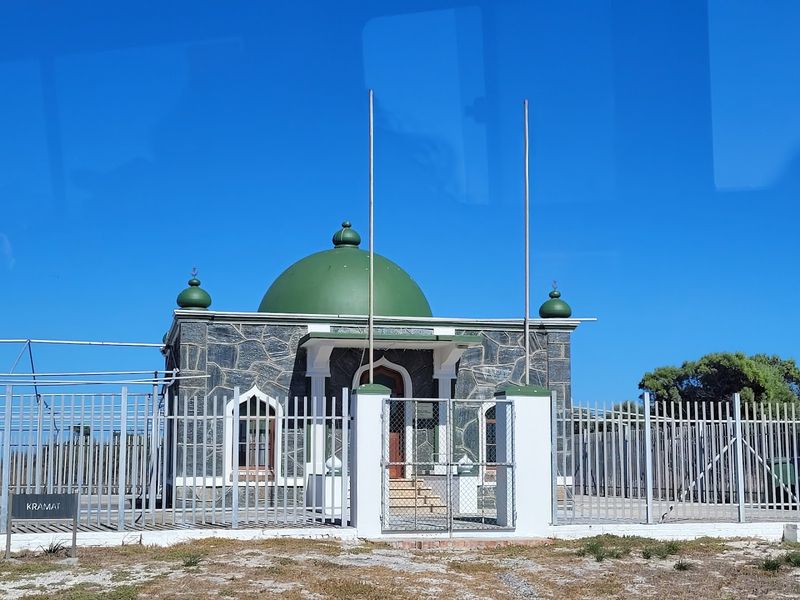
Robben Island is seven kilometers off the Cape Town waterfront and about a lifetime away from the usual tourist experience. Nelson Mandela spent 18 of his 27 prison years here, and the island has since become one of South Africa’s most important World Heritage sites.
The ferry ride over gives you time to prepare, though nothing fully does.
Tours run Monday through Sunday from 08:00 to 17:00 and include the ferry crossing from the V&A Waterfront plus a guided tour of the island. Many guides are former political prisoners themselves, which gives every word they say a weight that no textbook can replicate.
Standing inside Mandela’s actual cell is a genuinely humbling experience. It is small, sparse, and honest in a way that large monuments rarely are.
Robben Island does not try to be dramatic. It simply shows you the truth and trusts you to feel what needs to be felt.
Plan at least half a day.
Watch the Great Migration in Serengeti National Park, Tanzania
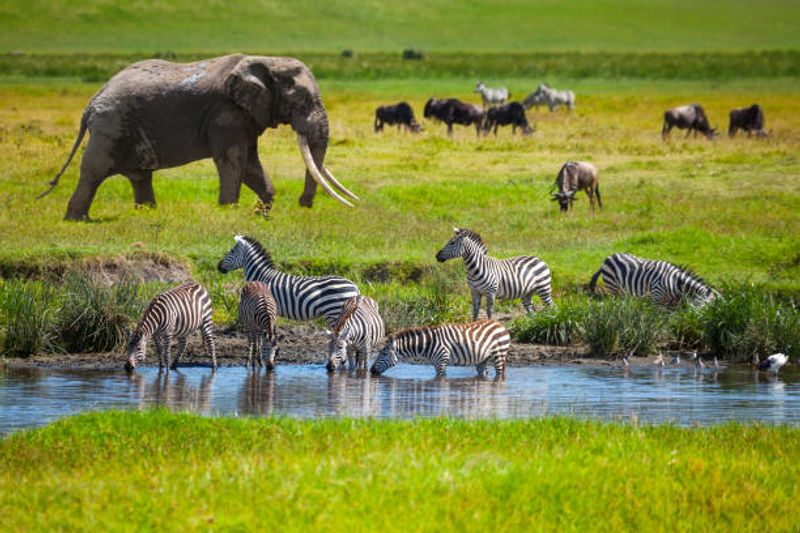
Over 1.5 million wildebeest move across the Serengeti every year in what is officially the largest overland migration on Earth. They do not follow a schedule, they do not read travel blogs, and they absolutely do not care about your planned departure date.
That unpredictability is actually part of what makes it so thrilling.
Tanzania’s official tourism resources describe the herds moving from southern plains through the western corridor and up toward the Masai Mara border in Kenya. The river crossings, where crocodiles wait with alarming patience, are the most dramatic moments.
July through September is generally peak crossing season in the northern Serengeti.
Book your safari well in advance because lodges near the migration routes fill up fast. A good guide makes an enormous difference here since reading animal movement takes real skill and local knowledge.
Come with low expectations and a fully charged camera battery. The Serengeti will handle the rest.
Walk the Dunes of Sossusvlei, Namibia
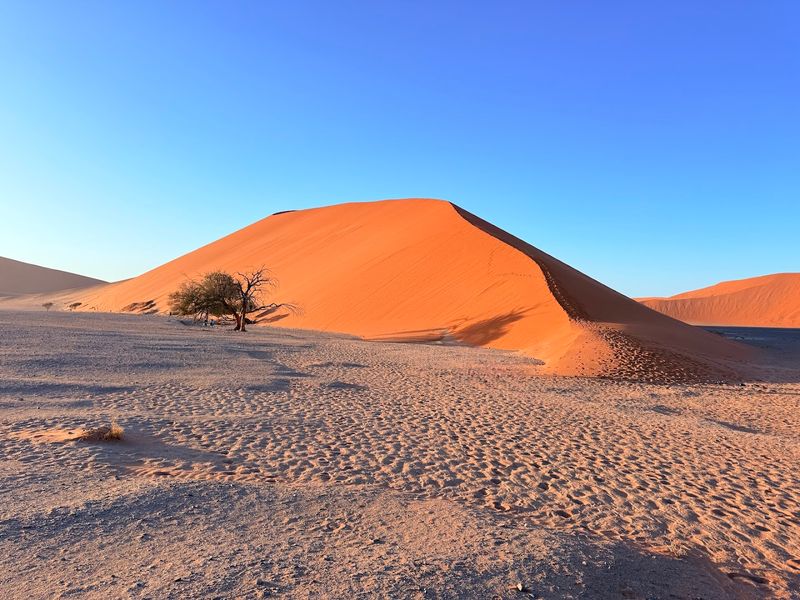
Dune 45 near Sossusvlei is one of the most photographed dunes in the world, and yet no photo has ever done it justice. The red sand glows orange at sunrise, the shadows cut sharp lines across the ridges, and the silence is so complete it feels almost physical.
Namibia delivers a version of Africa that most people do not expect.
The Namib-Naukluft Park surrounding Sossusvlei is one of the largest protected areas in Africa. The clay pans of Deadvlei, with their ancient blackened camel thorn trees standing in cracked white earth, look like a painting someone forgot to finish.
It is surreal in the best possible way.
Start early. Seriously, pre-dawn early.
The heat builds quickly and dune climbing in midday sun is miserable in a way that takes the fun out of everything. Bring more water than you think you need, wear sunscreen generously, and plan to stay for sunset.
Namibia earns every superlative it gets.
Stand Before the Pyramids of Giza, Egypt
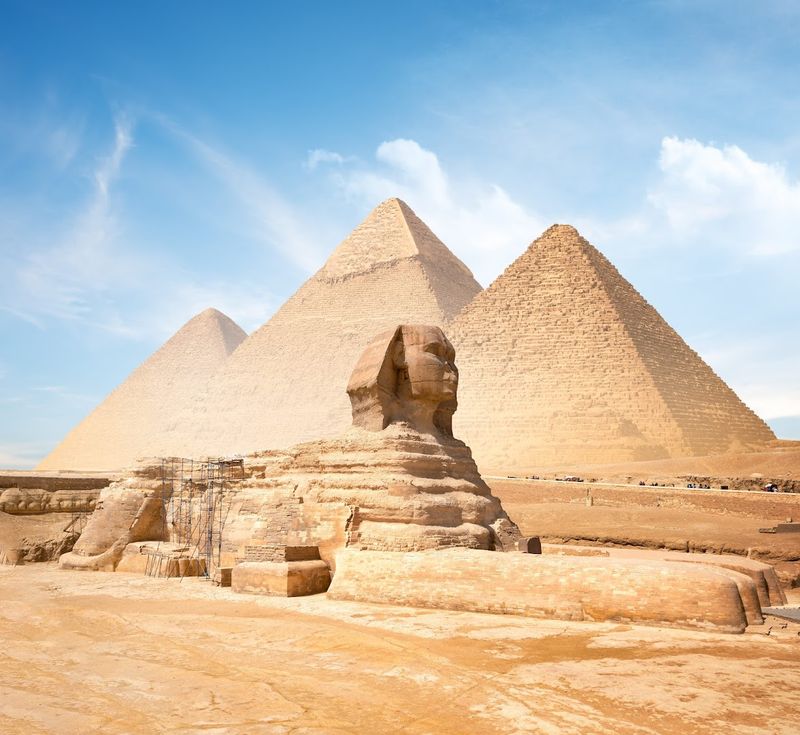
The Pyramids of Giza were already over 2,000 years old when the ancient Romans visited them as tourists. That fact alone should settle any argument about whether they are worth seeing.
Standing at the base of Khufu’s pyramid and craning your neck upward is one of those experiences that genuinely recalibrates your sense of scale.
The Giza Plateau is home to three main pyramids, associated with pharaohs Khufu, Khafre, and Menkaure, plus the Great Sphinx and several smaller structures. Current visitor information includes ticketing, opening hours, and guided tour options, making it straightforward to plan.
Hiring a licensed local guide adds context that signs alone cannot provide.
Go early in the morning to beat the heat and the crowds, both of which arrive with enthusiasm around midday. The camel and horse operators near the site are persistent but avoidable.
The pyramids themselves are not going anywhere, but your energy will be. Pace yourself and enjoy the actual history.
Go on a Self-Drive Safari in Kruger National Park, South Africa
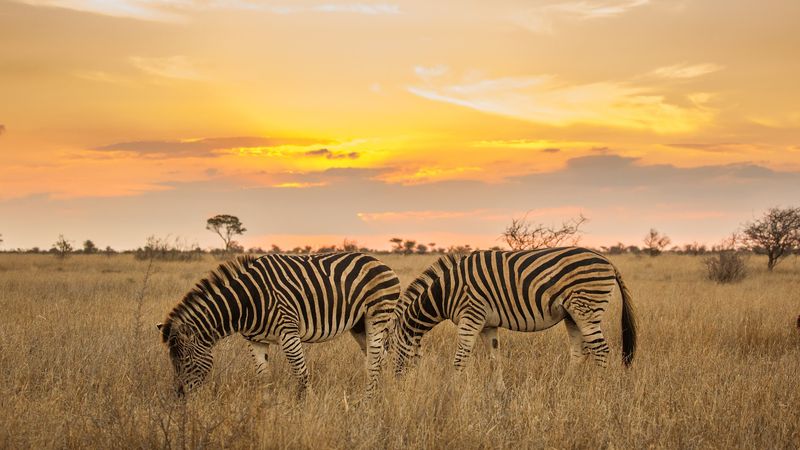
Kruger National Park lets you run your own safari from behind your own steering wheel, which is either thrilling or terrifying depending on how you feel about elephants crossing the road directly in front of you. I have experienced both reactions simultaneously.
The park is enormous, covering nearly 20,000 square kilometers of South African bushveld.
SANParks manages Kruger as South Africa’s flagship national park, with a conservation history dating back to 1898. Public rest camps are well-equipped, reasonably priced, and positioned throughout the park so you can spend multiple days covering different ecosystems.
The Big Five, lion, leopard, elephant, buffalo, and rhino, all live here.
Self-driving means you set your own pace and can sit quietly at a waterhole for as long as you like without anyone rushing you. Download the SANParks app before you go for maps and camp information.
Book rest camps well in advance, especially during South African school holidays, when availability disappears faster than a leopard in tall grass.
Trek Gorillas in Volcanoes National Park, Rwanda
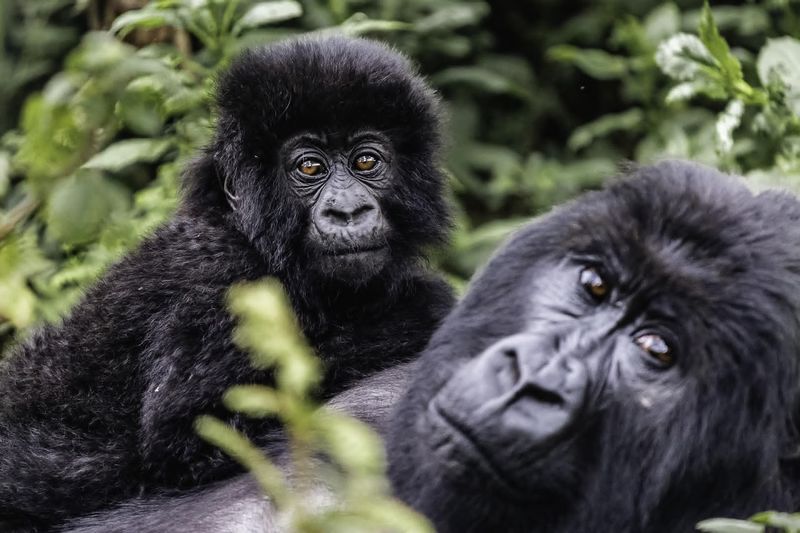
Rwanda’s Volcanoes National Park sits at the base of the Virunga mountain range, a chain of volcanoes shared with Uganda and the Democratic Republic of Congo. This is the same forest where Dian Fossey conducted her groundbreaking research on mountain gorillas in the 1960s and 70s.
Coming here feels like stepping into the pages of a genuinely important story.
Gorilla trekking permits in Rwanda currently cost $1,500 per person, issued through the Rwanda Development Board with strictly limited daily availability. The higher price point compared to Uganda reflects Rwanda’s premium conservation model, and the proceeds fund both gorilla protection and community development programs around the park.
The trek through bamboo forest and volcanic slopes is challenging but well worth the effort. Groups are kept small, and your time with the gorilla family is limited to one hour to minimize stress on the animals.
Book permits months in advance. Rwanda has made gorilla trekking both exclusive and exceptionally well-organized.
Wander Marrakech’s Gardens, Palaces, and Craft Streets
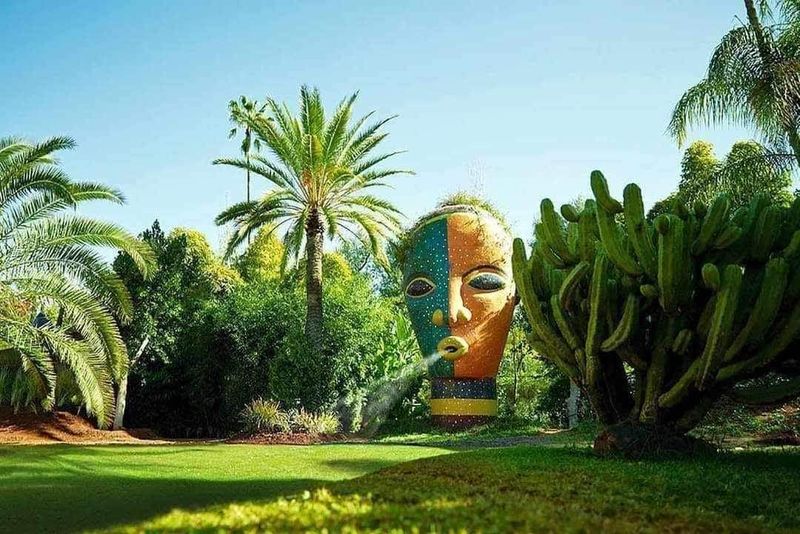
Once you have survived the sensory sprint of Djemaa el-Fna, Marrakech rewards you for slowing down. The city has gardens, palaces, museums, and craft streets that most visitors rush past on the way to the next photo opportunity.
The Majorelle Garden alone, a vivid blue botanical garden once owned by Yves Saint Laurent, is worth an entire afternoon.
Morocco’s official tourism guide promotes Marrakech as a full cultural destination beyond the famous square, listing galleries, food experiences, road trips, outdoor activities, and shopping. The Bahia Palace and El Badi Palace ruins are free of the crowds that clog the souks and genuinely stunning in their own right.
Craft streets around the medina are where you find artisans actually working: weavers, potters, leather workers, and woodcarvers who have been practicing their trades for generations. Skip the tourist-priced stalls near the main square and wander deeper into the neighborhoods.
The quality goes up and the prices come down the further you explore.
Share this story