Paris is iconic, no doubt about it. But after the crowds, the queues, and the eye-watering café prices, even the most devoted Francophile starts wondering if there is something better out there.
Good news: Europe is absolutely packed with cities that offer romance, culture, history, and great food without the chaos. Here are 15 cities that deserve a spot on your travel list this year.
Lisbon, Portugal
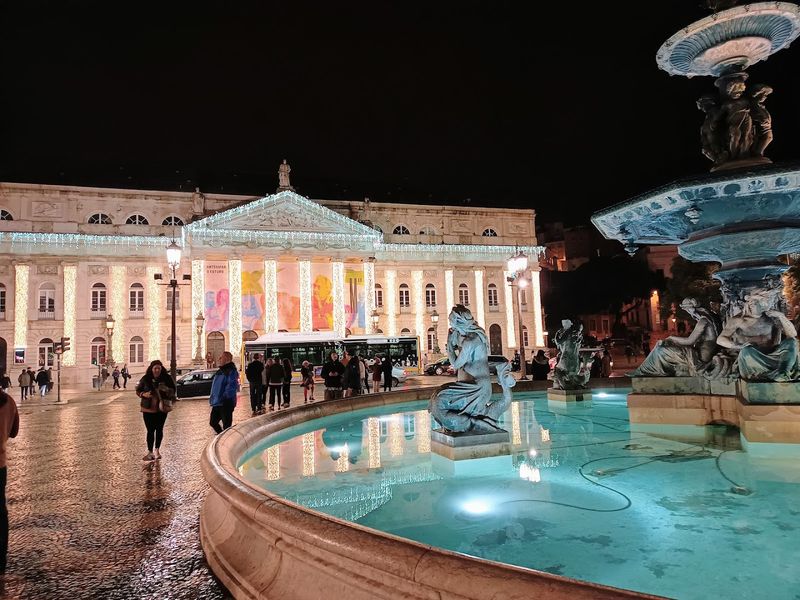
Lisbon runs on sunshine, sardines, and a kind of effortless cool that Paris has been trying to bottle for decades. The city spills down seven hills toward the Tagus River, and every corner turns up something worth stopping for.
Trams rattle up steep streets past azulejo-tiled buildings that look like living mosaics.
The viewpoints, called miradouros, offer sweeping golden panoramas that cost absolutely nothing. I spent a full afternoon at one with a pastel de nata and zero regrets.
The historic neighborhoods of Alfama and Belem are endlessly walkable and full of character.
The Lisboa Card covers public transport and major attractions, making it easy to plan without stress. Arco da Rua Augusta is a must-see in the downtown Baixa district.
Lisbon also gets significantly more sunshine than Paris, which is reason enough to book a flight right now.
Vienna, Austria
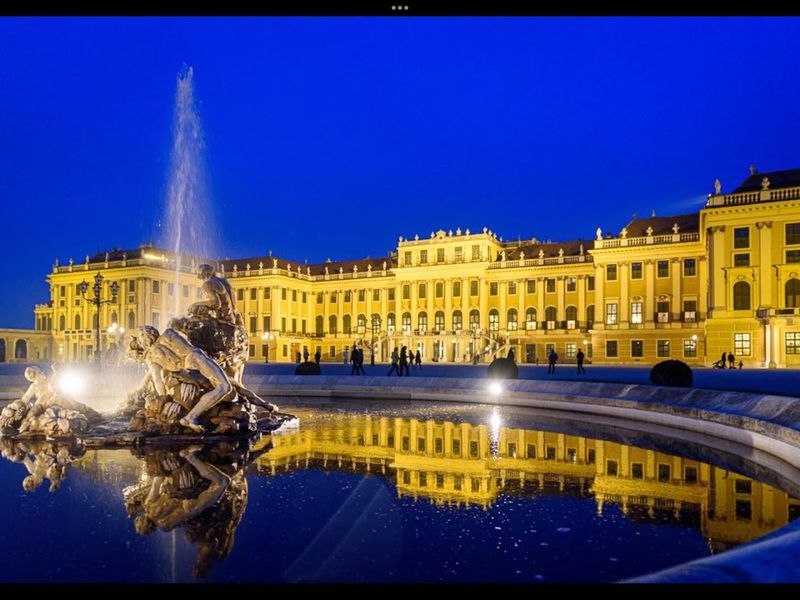
Vienna does not just have culture. It practically exhales it.
The city gave the world Mozart, Klimt, Freud, and the croissant (yes, really). Every palace, museum, and café feels like it was designed to make you feel slightly underdressed but completely dazzled.
The Ringstrasse boulevard alone is a jaw-dropper, lined with grand buildings that make Paris’s Haussmann architecture look like it was sketched on a napkin. Coffee house culture here is a UNESCO-recognized tradition, which means lingering over a Melange for two hours is basically a civic duty.
The Vienna City Card gives access to public transport and discounts across the city. Schonbrunn Palace, the Kunsthistorisches Museum, and the Vienna State Opera are all essential stops.
For a city this refined and rewarding, Vienna is surprisingly affordable compared to its Western European rivals. Book a concert ticket in advance and thank yourself later.
Prague, Czechia
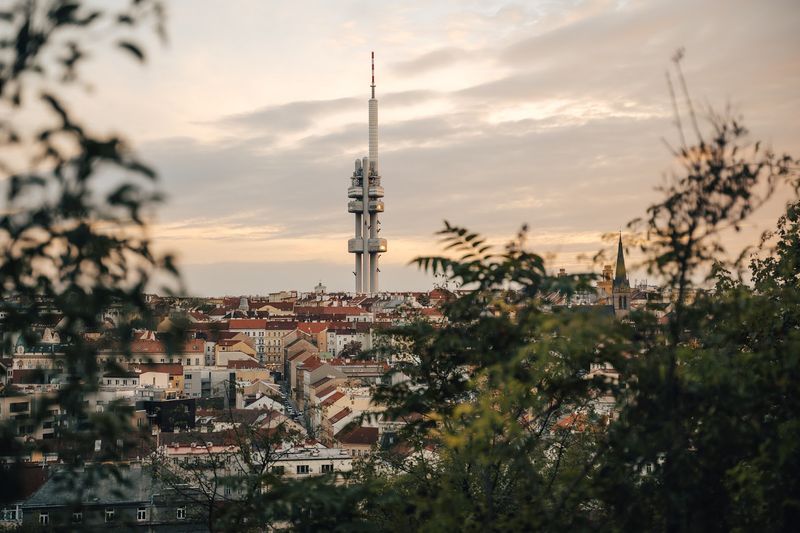
Prague is the city that makes you feel like you have accidentally walked onto a film set. The old town is so well-preserved it borders on theatrical, with Gothic towers, cobblestone squares, and a medieval astronomical clock that draws a crowd every hour on the hour.
Charles Bridge is the obvious highlight, best visited at dawn before the tour groups arrive and ruin the mood. The Vltava River cruise included in the Prague City Tourism visitor pass is a surprisingly lovely way to see the city from a different angle.
The pass covers over 70 experiences, including museums, galleries, guided tours, and public transport, making it one of the best-value city cards in Europe. Josefov, the old Jewish Quarter, is deeply moving and historically significant.
Prague also has a craft beer scene that would make Brussels nervous. It is beautiful, affordable, and endlessly rewarding.
Porto, Portugal
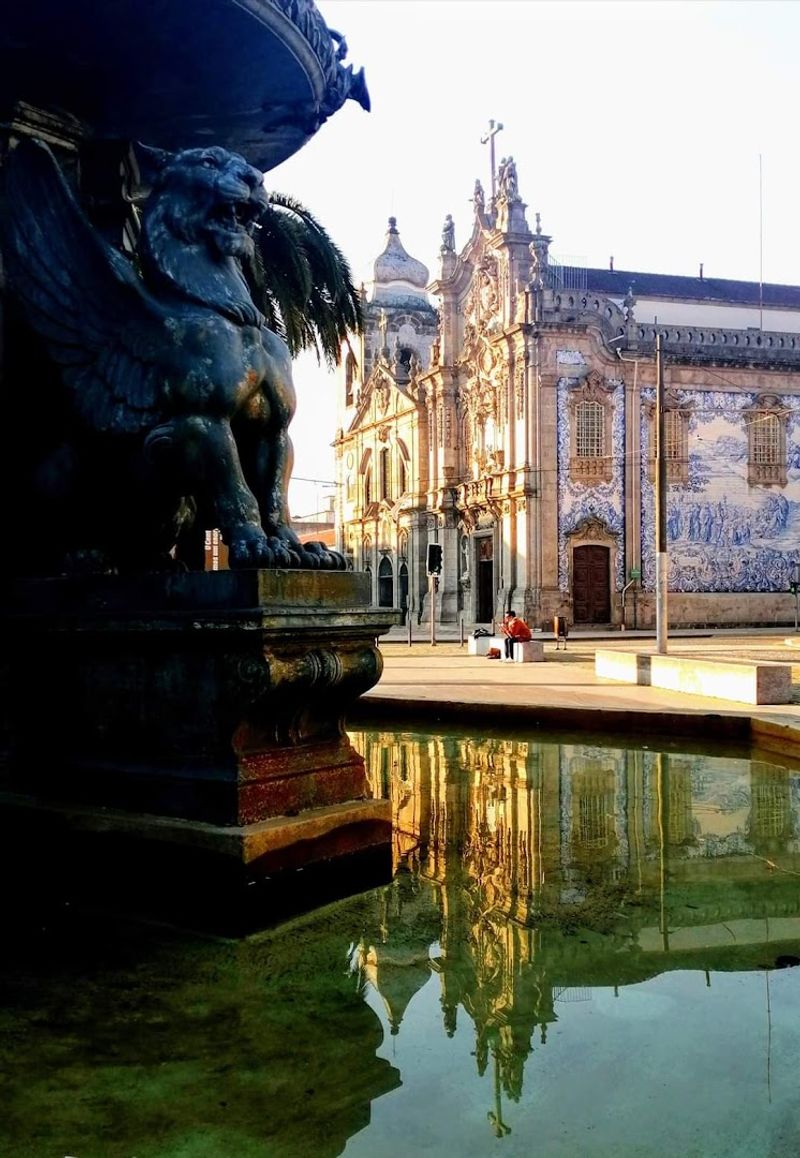
Porto is what happens when a city decides to be romantic without making any effort whatsoever. It just is.
The Douro River curves through the city, lined with port wine cellars on one side and colorful ribeira townhouses on the other. The Dom Luis I bridge ties it all together in a dramatic iron bow.
I walked across that bridge on a drizzly afternoon and it was still one of the best walks of my life. The Livraria Lello bookshop is legitimately stunning and worth the small entry fee.
Tiles, hills, wine, and views are the four food groups here.
The Porto Card includes public transport and discounts at major attractions. Vila Nova de Gaia, just across the river, is where most of the famous port wine cellars offer tastings.
Porto does not compete with Paris. It simply does not need to.
It is entirely, confidently itself.
Valencia, Spain
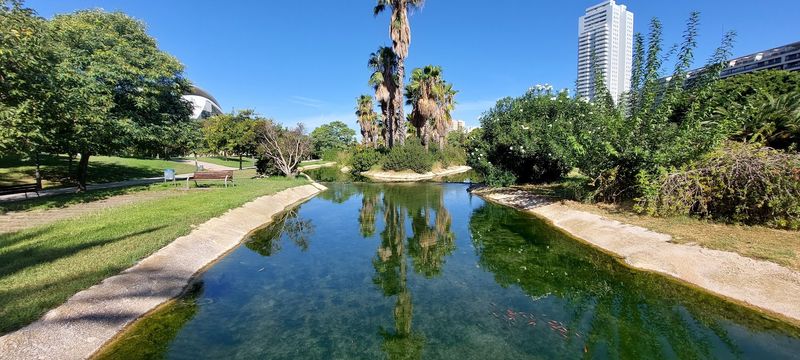
Valencia pulled off one of the greatest city glow-ups in recent European history. It converted an old riverbed into a massive green park running through the city center, then built the jaw-dropping City of Arts and Sciences at one end.
The result is a city that feels both ancient and completely modern at the same time.
The Central Market is one of the best in Spain, a stunning Art Nouveau building packed with fresh produce, seafood, and locals who take their shopping seriously. Paella was invented here, so ordering it anywhere else now feels slightly fraudulent.
The beaches are wide, sandy, and genuinely swimmable, which is not something you can say about the Seine. Valencia’s official tourism site offers current visitor information, discounts, and trip-planning tools.
It is cheaper than Barcelona, less hectic than Madrid, and far sunnier than Paris. Sometimes the best cities are the ones hiding in plain sight.
Ljubljana, Slovenia
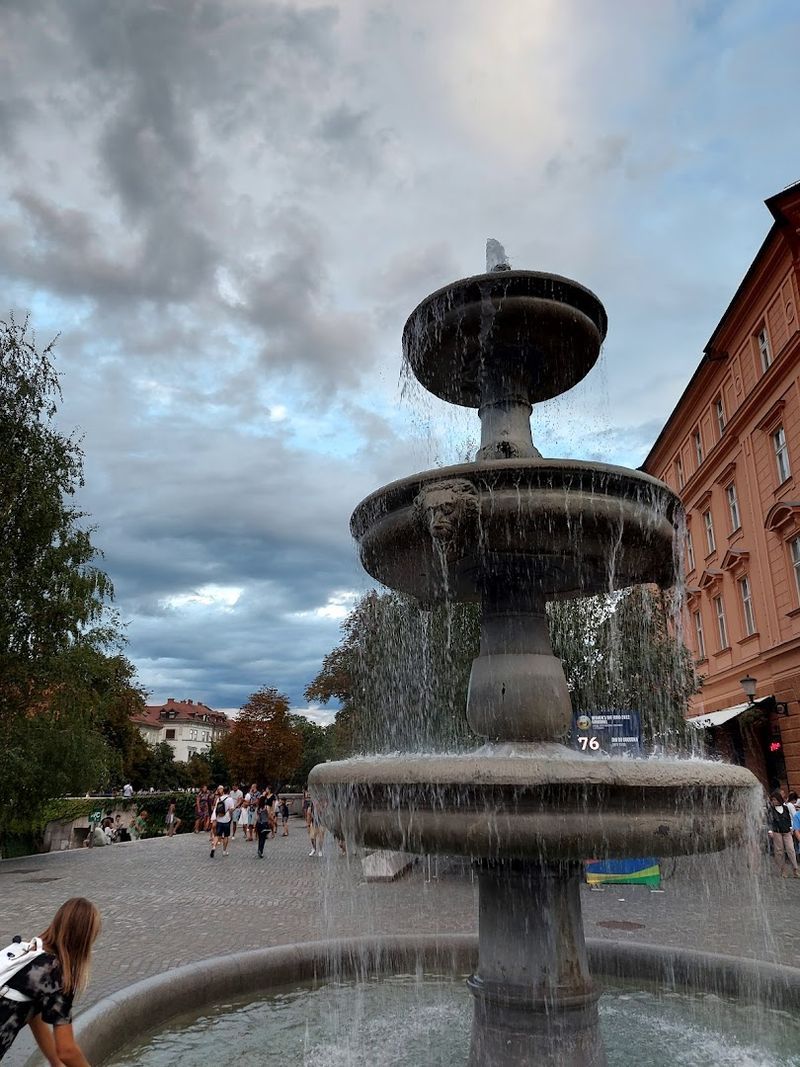
Ljubljana might be the most underrated capital city in Europe. It is small enough to walk end to end in an afternoon, yet packed with enough cafes, galleries, and riverside charm to keep you busy for days.
The castle sits on a hill above the old town like a friendly overseer rather than a looming fortress.
The Triple Bridge is a genuinely clever piece of urban design: three bridges side by side, creating a pedestrian plaza in the middle of the city. Outdoor cafe culture thrives along the Ljubljanica River, especially in warmer months when the whole city seems to move outside.
Day trips to Lake Bled, Postojna Cave, and the Adriatic coast are all within easy reach. Visit Ljubljana’s official site lists current experiences and city resources.
For travelers who find Paris overwhelming, Ljubljana offers all the romance with none of the noise. It is calm, green, and quietly wonderful.
Ghent, Belgium
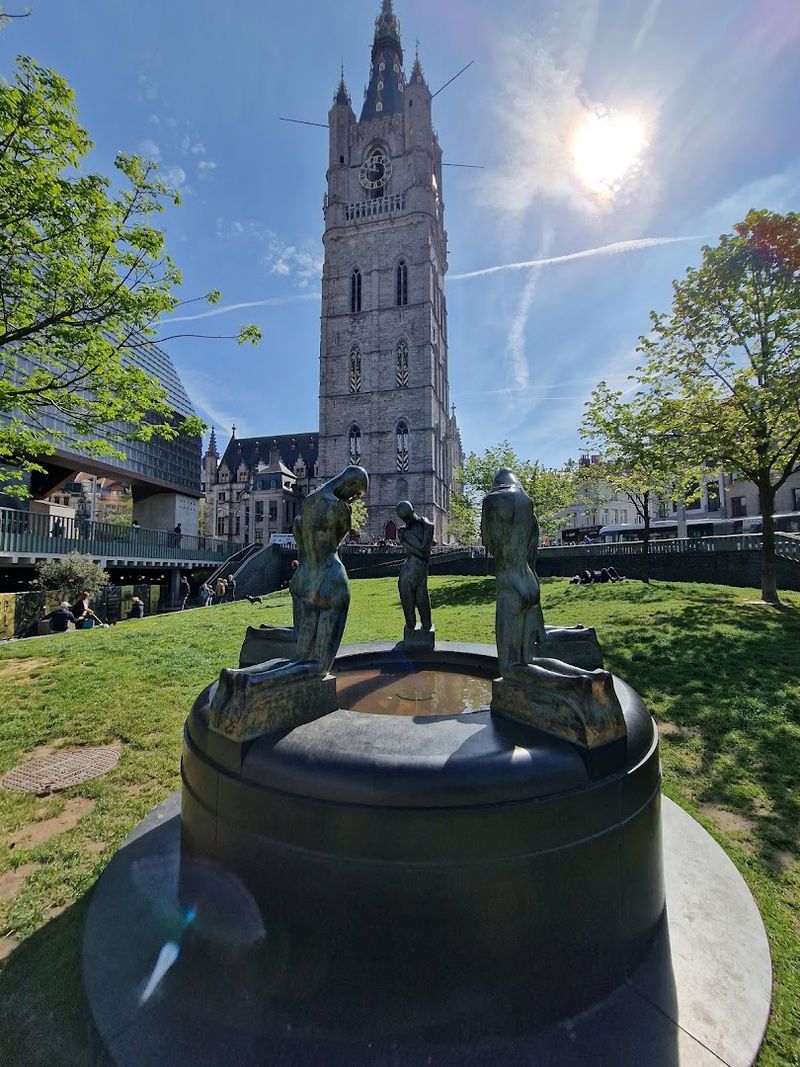
Ghent is the city that Bruges wishes it could be when it grows up and stops being quite so photogenic. That sounds harsh, but Ghent earns it.
It has the canals, the medieval architecture, and the guild houses, but it also has a proper university population, a thriving music scene, and restaurants that would embarrass most European capitals.
The Graslei waterfront at dusk is one of those views that stops you mid-stride. The Gravensteen Castle sits right in the city center, which feels almost absurdly dramatic.
Ghent also has a strong tradition of vegetarian food, and its annual Gentse Feesten festival transforms the whole city every July.
Visit Gent describes the city as a cultural cocktail on a human scale, and that is exactly right. It is big enough to explore for several days without repeating yourself.
Skip the obvious Belgian cities just this once and give Ghent a proper chance.
Bologna, Italy
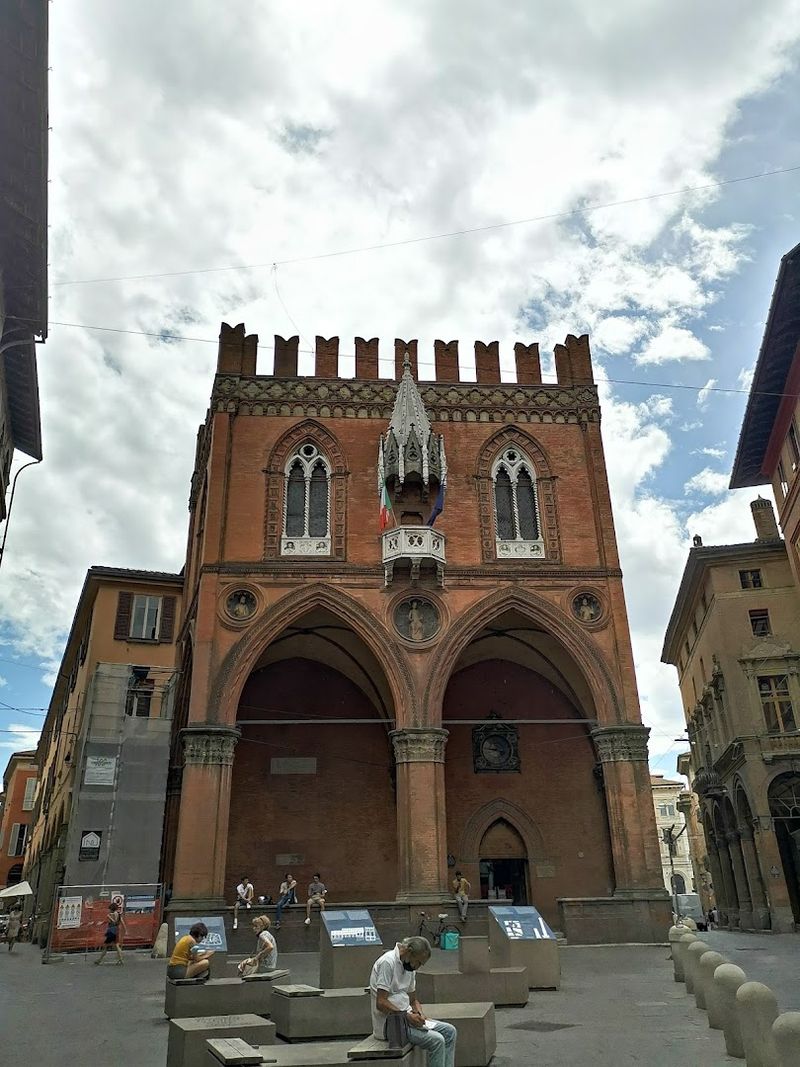
Bologna is Italy’s best-kept secret, and the Italians would like to keep it that way. While tourists flood Rome and Venice, Bolognesi quietly go about their lives under 40 kilometers of medieval porticoes, eating some of the greatest food on the planet.
Ragu here is not a jar of sauce. It is a philosophy.
The Two Towers lean over the old town like they are checking on things, and the Piazza Maggiore is one of Italy’s finest central squares. Bologna’s university is the oldest in the Western world, which gives the city a youthful, intellectual energy that never feels forced.
Bologna Welcome’s official site covers current visitor information, events, and restaurant recommendations. The covered walkway up to the Sanctuary of San Luca is a genuinely beautiful hike.
Bologna is proof that skipping the obvious Italian cities is almost always the right call. Your stomach will write you a thank-you note.
Tallinn, Estonia
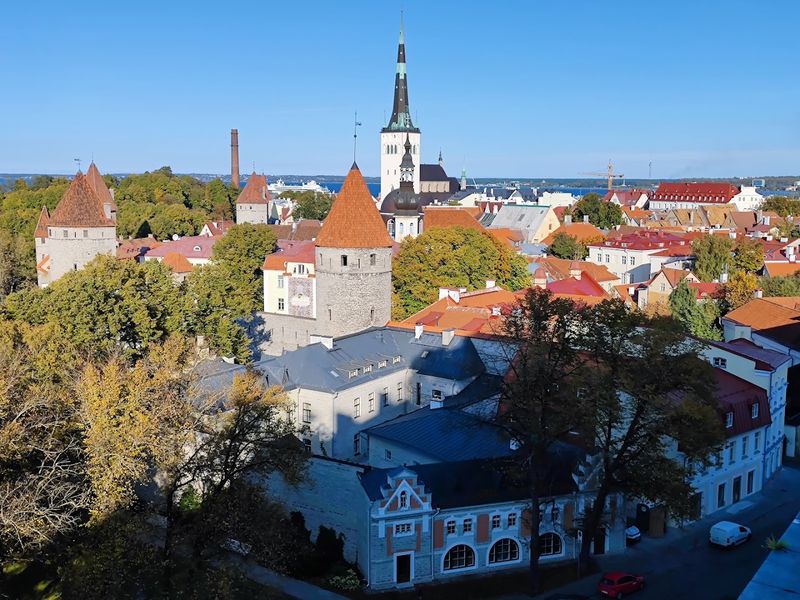
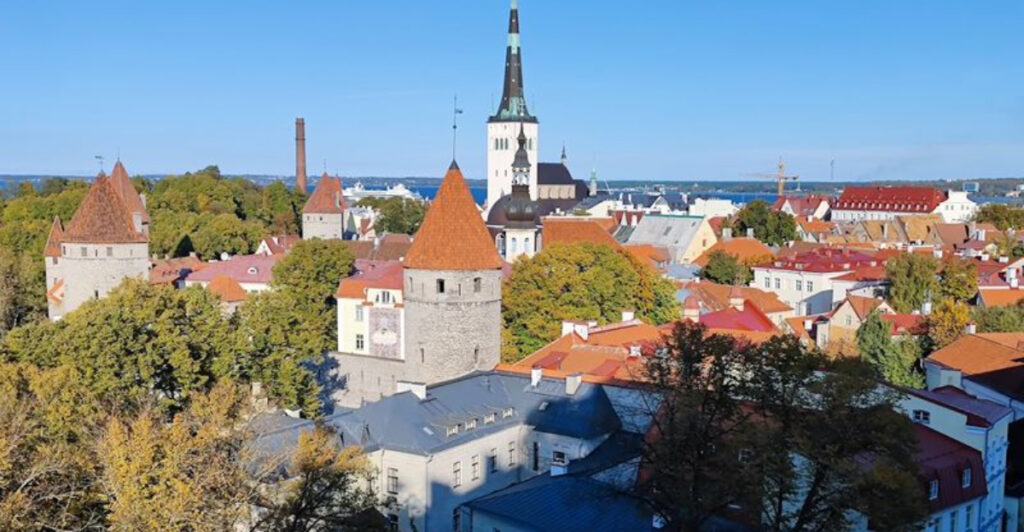
Tallinn is what happens when a medieval city survives almost completely intact into the 21st century. The old town is a UNESCO World Heritage Site, and walking through it feels genuinely surreal.
Gothic spires, limestone towers, and cobblestone streets that have barely changed in 600 years.
Toompea Hill gives panoramic views over the terracotta rooftops and out toward the Baltic Sea. The city also has a thriving tech and startup scene, which creates a fascinating contrast between ancient walls and modern ambition.
Estonian food is hearty, underrated, and extremely affordable.
Visit Tallinn’s official guide covers current attractions, events, transport options, and dining recommendations. The Christmas market in Tallinn’s Town Hall Square is widely considered one of the best in Europe, though summer visits are equally rewarding.
Tallinn also offers excellent ferry connections to Helsinki and Stockholm. For a city this beautiful and this budget-friendly, it is remarkable that more people are not already here.
Riga, Latvia
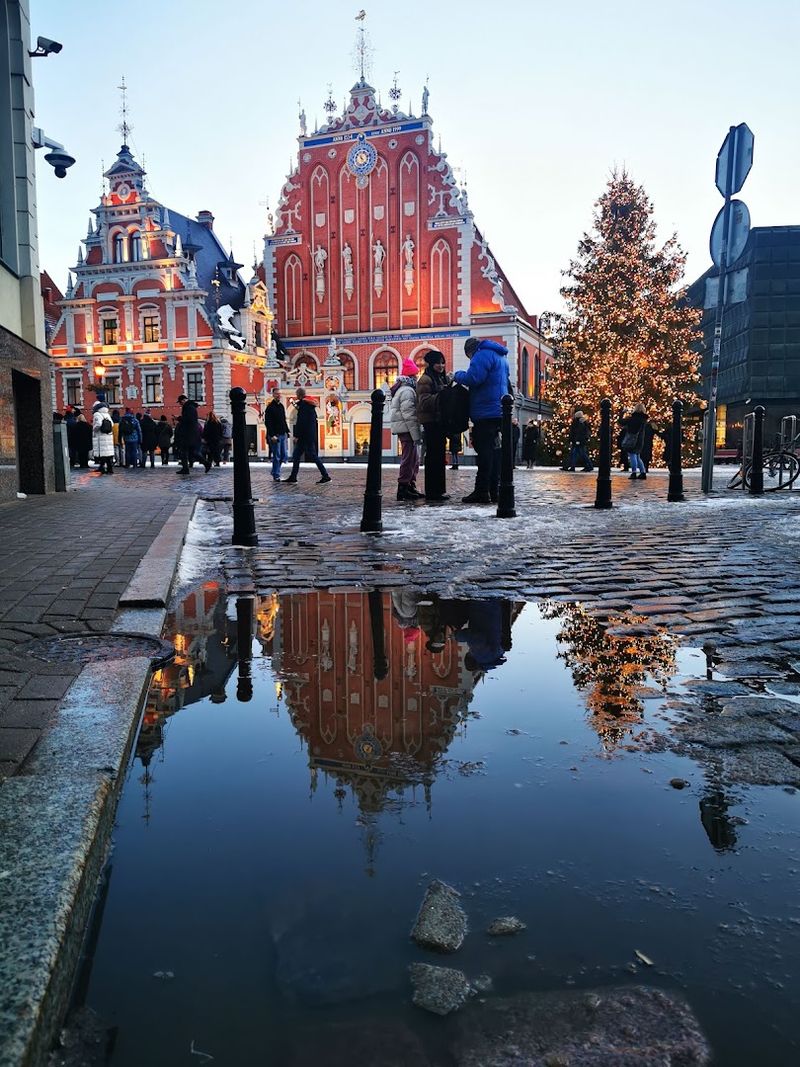
Riga has more Art Nouveau architecture than any other city in the world. That is not a boast.
It is just a fact that most people walk past without knowing. The Alberta Street district alone is worth a dedicated morning, with building facades so ornate they look like they were designed by someone who had never heard the word restraint.
The Central Market, housed in five enormous former Zeppelin hangars, is one of the most impressive food markets in Europe. Old Riga is compact, walkable, and full of medieval buildings, courtyards, and bars that stay open considerably later than is sensible.
LiveRiga’s official site positions the city as a destination with the elegance, culture, and creative energy people often chase in bigger European capitals. The Latvian National Opera is world-class and tickets are surprisingly affordable.
Riga rewards slow travel. Spend a few days here and you will leave wondering why you waited so long.
Seville, Spain
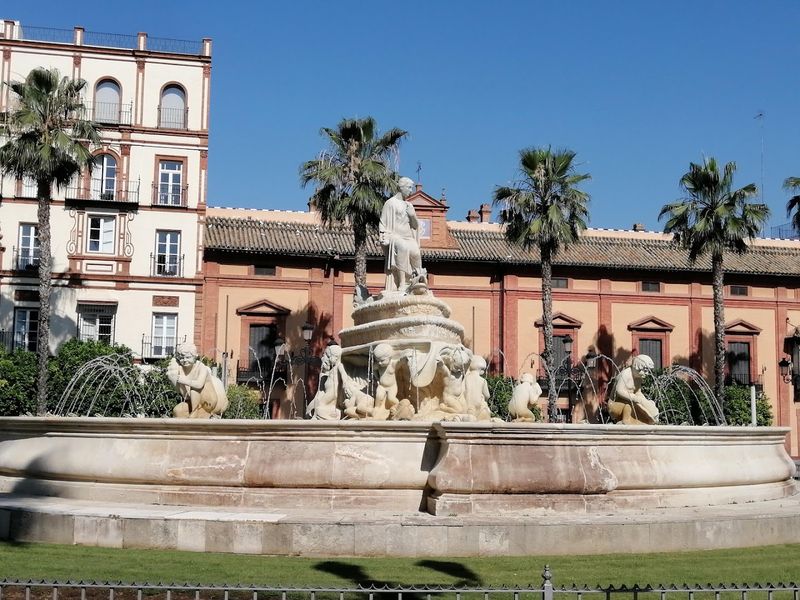
Seville turns up the heat in every sense. The Real Alcazar palace is one of the most breathtaking buildings in Europe, a layered masterpiece of Moorish and Renaissance architecture surrounded by gardens that feel almost impossibly lush.
The cathedral next door is the largest Gothic church in the world.
Flamenco here is not a tourist show. It is a living tradition performed in small tablaos where you can feel the floor vibrate.
Tapas bars line every street in the old town, and the local custom of eating standing up at the bar is one of the best social habits in existence.
The Visita Sevilla official site covers festivals, cultural events, and city attractions. Seville gets blazing hot in summer, so spring and autumn are the sweet spots for visiting.
The orange trees lining every street smell extraordinary in bloom. Paris has its charms, but Seville has flamenco, sunshine, and churros.
The competition is not close.
Kraków, Poland
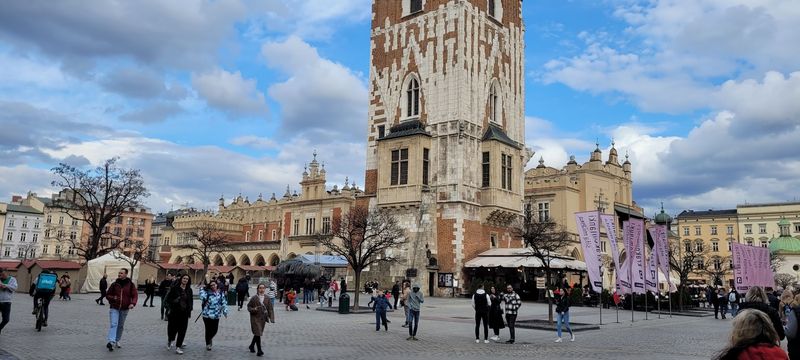
Kraków’s Main Market Square is one of the largest medieval squares in Europe, and standing in it for the first time genuinely stops you in your tracks. St. Mary’s Basilica anchors one corner, and every hour a bugler plays a traditional call from its tower that has been interrupted only once in 700 years.
That is commitment.
Kazimierz, the old Jewish Quarter, has transformed into one of Europe’s most vibrant neighborhood scenes, packed with quirky cafes, galleries, and klezmer music spilling out of small restaurants. Wawel Castle looms over the Vistula River with quiet authority.
The official Kraków Travel site lists heritage sites, cultural attractions, events, and practical visitor tools. Kraków is also one of the most affordable cities on this list, which makes longer stays very easy to justify.
Polish food is hearty, delicious, and criminally underrated. Pierogi alone are worth the flight.
Dresden, Germany
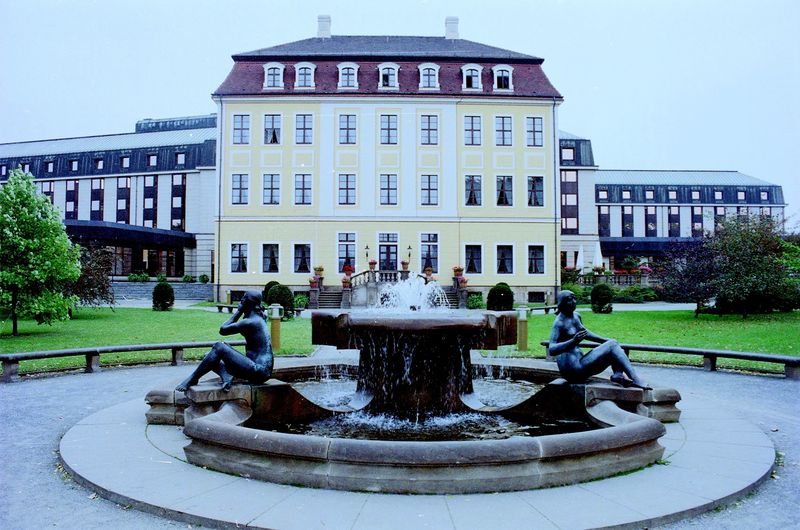
Dresden got flattened in 1945 and spent decades rebuilding. The fact that it now looks the way it does is either a miracle of restoration or a testament to sheer German stubbornness.
Probably both. The Frauenkirche, reconstructed stone by stone and reopened in 2005, is one of the most moving buildings in Europe.
The Zwinger palace complex houses world-class museums including the Old Masters Picture Gallery, home to Raphael’s Sistine Madonna. The Semperoper opera house is stunning inside and out.
The Elbe riverfront promenade, known as the Canaletto View, has been painted by masters for centuries and still earns the attention.
Dresden’s official tourism resources cover sightseeing, visitor services, and travel planning. The Neustadt neighborhood across the river offers a completely different side of the city: street art, independent bars, and a young creative scene.
Dresden is proof that some cities come back stronger than they started.
Bilbao, Spain
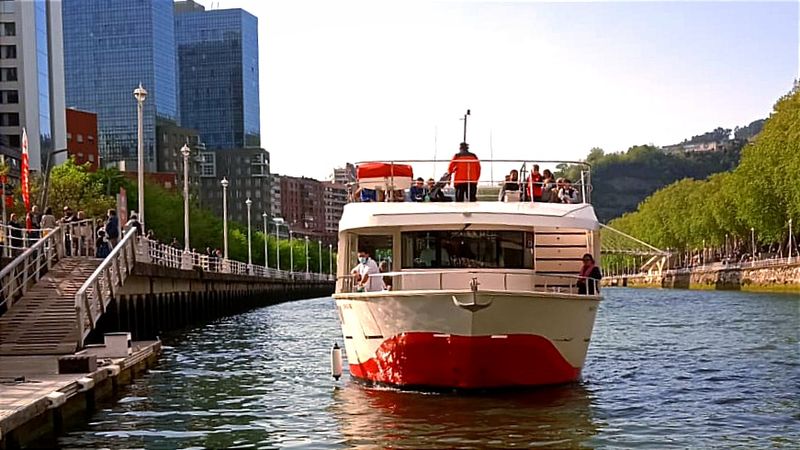
Before the Guggenheim opened in 1997, Bilbao was a gritty industrial port city. The museum changed everything.
Frank Gehry’s titanium-clad building is so visually striking that architects still argue about it, which is probably the highest compliment a building can receive. The art inside is equally worth your time.
Bilbao’s food scene is world-class. The pintxos bars in the Casco Viejo old town operate on an honor system of sorts: you grab, you eat, you tell the bartender what you had.
It is chaotic and delicious and entirely the right way to eat. The Basque region takes food more seriously than almost anywhere else in Europe.
Bilbao Turismo describes the city as a gateway to Basque culture, with the Guggenheim as its international symbol and a strong reputation for urban reinvention. The surrounding countryside and coast are equally spectacular.
Bilbao is a city that surprises people, and it clearly enjoys doing so.
Trenčín, Slovakia
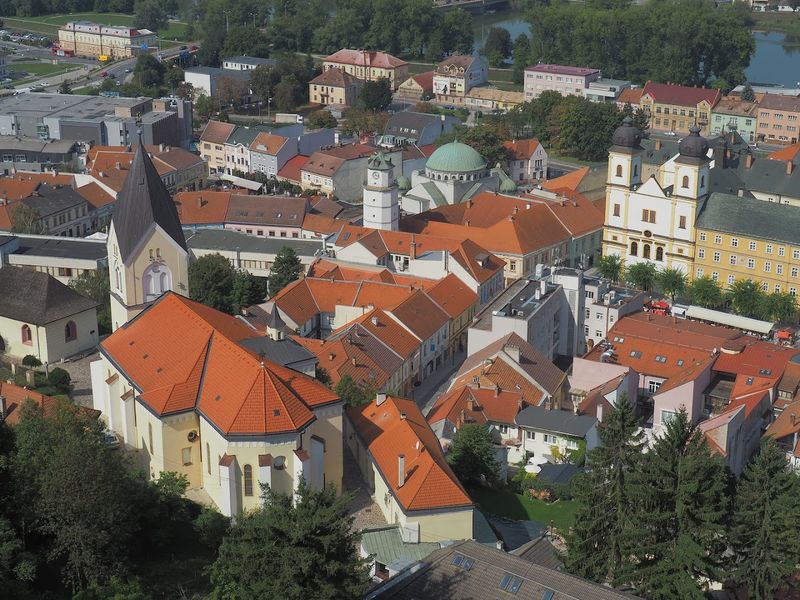
Trenčín is not a city most people have on their radar, and that is exactly what makes it worth putting there. In 2026, it becomes one of the European Capitals of Culture alongside Oulu, Finland, which means this year is the perfect time to visit before the word fully gets out.
The city is gearing up in a big way.
Trenčín Castle, perched on a dramatic cliff above the old town, is one of Slovakia’s most striking landmarks. The baroque town square below it is charming, human-scaled, and refreshingly free of crowds.
The region around the city offers hiking, thermal spas, and traditional Slovak culture that feels completely authentic.
The official Trenčín 2026 site highlights cultural programming, revitalized spaces, and events running across the city and surrounding region. Slovakia is one of the most affordable countries in Central Europe.
Trenčín is the kind of discovery that makes you feel like a genuinely clever traveler. Go now, before everyone else figures it out.
Share this story