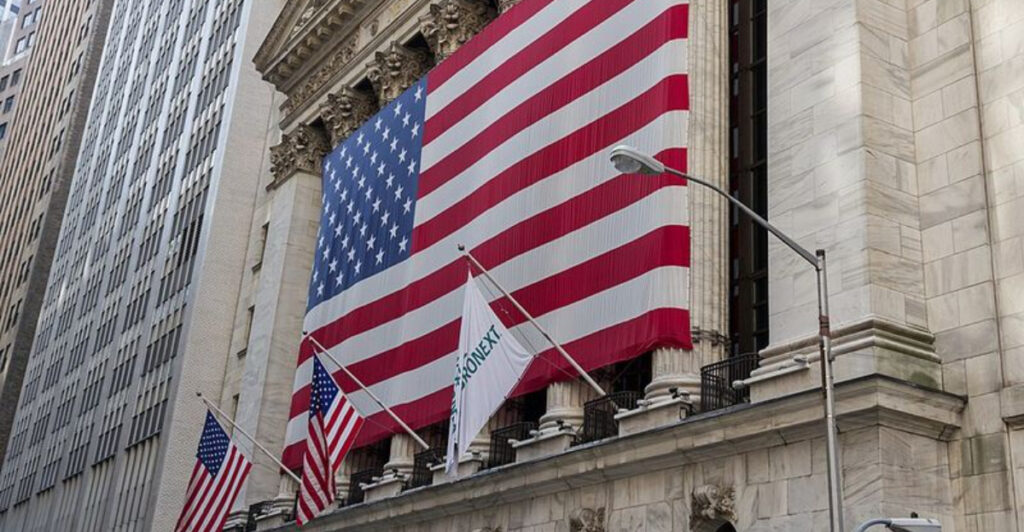
Traveling the world opens your eyes to a lot of things, including how other people see you. Americans, as a group, have picked up quite a reputation abroad, and not all of it is flattering.
From talking too loud to waving the flag a little too enthusiastically, there are patterns that travelers and locals around the globe have noticed. Here is an honest, lighthearted look at the most common criticisms people worldwide have about Americans.
Loudness in Public

You can hear them before you see them. That is the joke told in hostels from Paris to Tokyo, and honestly, there is some truth behind the laughter.
Americans tend to project their voices in ways that feel perfectly normal back home but can seem jarring in quieter cultures.
In countries like Japan or Finland, public spaces are treated almost like libraries. Speaking softly is a sign of respect, not shyness.
An American chatting at full volume on a train can unintentionally come across as inconsiderate, even when they mean no harm at all.
The habit likely comes from American culture valuing openness and enthusiasm. Being expressive is encouraged from a young age.
Still, a little volume awareness goes a long way when visiting places where silence is actually golden.
Strong National Pride
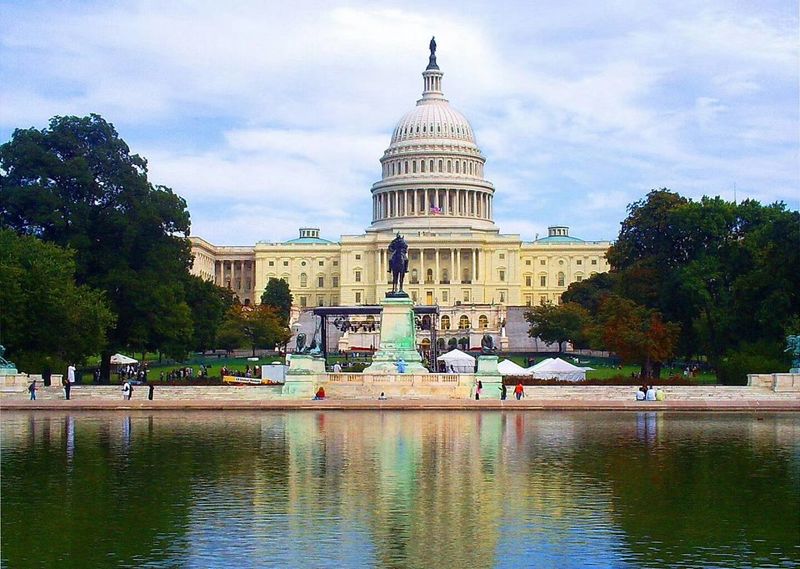
No country waves its own flag quite like the United States does, literally and figuratively. American patriotism is loud, colorful, and seemingly everywhere, from bumper stickers to Fourth of July fireworks that neighboring countries can probably hear from across the border.
To many foreigners, this level of national pride feels excessive or even a bit tone-deaf. When patriotism tips into the belief that America is simply the best at everything, it can come across as dismissive of other nations and their achievements.
That said, pride in your country is not automatically a bad thing. The issue arises when it shuts down curiosity about the rest of the world.
Many Americans who travel widely tend to balance their love for home with genuine appreciation for everywhere else they visit.
Limited Knowledge of Other Countries

Geography class apparently did not leave a lasting impression on everyone. Stories of Americans asking whether Australia is near England, or whether Europeans use dollars, have become almost legendary on travel forums and social media threads.
Part of this comes down to the sheer size of the United States. When your own country contains deserts, rainforests, mountain ranges, and major global cities, the outside world can feel a bit distant and optional.
American school curriculums have also historically focused more on domestic history than global awareness.
This is not a knock on intelligence. It is more of a cultural blind spot that many Americans themselves acknowledge and work to fix.
Travelers who make the effort to learn even basic facts about their destination country are almost universally welcomed with warmth and appreciation by locals.
Tipping Culture Expectations

Back home, not tipping your server is practically a social crime. So when Americans travel abroad and tip generously out of habit, they are genuinely trying to be kind.
The problem is that in many countries, tipping can actually cause confusion or even mild offense.
In Japan, tipping is considered rude. In parts of Europe, a small tip is fine but leaving 20 percent can seem strange.
Some service workers abroad earn fair wages and do not rely on tips the way American workers do, thanks to very different labor laws.
The reverse also causes friction. Americans sometimes expect tip-based service standards in countries where that system simply does not exist.
Understanding local customs around payment before you travel saves awkward moments at the register and shows genuine respect for how things work elsewhere in the world.
Work-Centric Lifestyle

Americans work a lot. Like, a shocking amount compared to most of the developed world.
The United States is one of the few wealthy nations without a guaranteed minimum number of paid vacation days, and many workers do not even use the time off they do receive.
In countries like France, Italy, or Germany, long lunches, generous holidays, and strict work hour limits are considered basic quality of life standards. The American attitude of grinding nonstop and wearing busyness like a badge of honor genuinely baffles many Europeans and others.
The phrase “I will sleep when I am dead” is practically an American motto. While ambition and hard work are admirable, critics argue that constant overworking leads to burnout, health problems, and a narrower life experience.
Many countries have figured out that rest is not laziness. It is actually productive.
Consumerism

Black Friday stampedes, a storage unit industry worth billions, and closets full of clothes with tags still attached. American consumer culture is, by almost any global measure, extraordinary in its scale and intensity.
Shopping is not just an activity in the U.S. It is practically a hobby.
People from countries with simpler, less brand-obsessed cultures often find this overwhelming or even a little sad. The idea that happiness can be purchased through the next gadget, outfit, or home upgrade is viewed skeptically in many parts of the world where community and experience are valued above possessions.
To be fair, American consumerism drives a massive chunk of the global economy. But critics point out the environmental cost and the hollow feeling that comes with always wanting more.
Minimalism movements within the U.S. itself suggest plenty of Americans are quietly questioning the buy-more lifestyle too.
Fast Food Culture

McDonald’s golden arches now appear in over 100 countries. That is not an accident.
American fast food has spread across the globe with the determination of a marketing army, and not everyone is thrilled about it. Local food traditions sometimes struggle to compete with cheap, convenient, and heavily advertised American chains.
Critics argue that the global fast food expansion has contributed to rising obesity rates and the slow erosion of traditional food cultures. When a KFC opens next to a family-run noodle shop that has been there for generations, it is hard not to see that as a cultural trade-off.
Americans themselves consume fast food at rates that stun visitors from countries with stronger food cultures. Italy, France, and many Asian nations place enormous cultural value on fresh, slow meals.
The idea of eating in a car through a drive-through window is genuinely alien to many people worldwide.
Cultural Assumptions

Raise your hand if you have ever heard someone say, loudly, “But why is this not in English?” while standing in a country where English is decidedly not the official language. This particular habit drives locals in many countries absolutely up the wall.
The assumption that English is the global default, that prices should be in dollars, or that customer service should work the same way as it does in Ohio reflects a kind of cultural tunnel vision. It is not always arrogance.
Often it is simply a lack of exposure to how differently things operate elsewhere.
Experienced American travelers tend to shed these assumptions quickly. Learning even a few words in the local language, carrying local currency, and approaching unfamiliar systems with curiosity rather than frustration makes an enormous difference.
Locals notice the effort immediately and respond with genuine warmth and helpfulness.
Direct Communication Style

Americans tend to say exactly what they mean, and they usually mean it right now. This directness is celebrated at home as honesty and efficiency.
Abroad, however, it can land very differently depending on local communication norms.
In many Asian, Middle Eastern, and even some European cultures, communication is layered with subtlety, politeness, and indirectness. Saying no outright, skipping pleasantries, or jumping straight to the point can read as rude, aggressive, or socially unaware.
What feels refreshingly honest to an American can feel blunt to someone from a high-context culture.
There is no universal right way to communicate, but awareness helps enormously. Americans who travel frequently often learn to slow down, read the room, and adjust their style.
The goal is not to become someone else. It is simply to recognize that directness is a cultural preference, not a universal truth.
Tourist Behavior
Cargo shorts. Fanny packs.
Enormous cameras dangling from necks. The stereotype of the American tourist is so well-established it has its own wardrobe.
But beyond fashion choices, behavior is where the real criticism tends to show up in conversations with locals worldwide.
Standing in the middle of busy pathways, speaking only English at full volume, touching things they should not touch, and ignoring posted signs are habits that get attributed to American visitors more than most. Whether this is entirely fair is debatable, but the pattern shows up often enough to have become its own cultural shorthand.
The good news is that tourist behavior is entirely fixable with a bit of preparation and humility. Reading up on local customs before arrival, dressing appropriately for religious sites, and following the lead of locals rather than assuming your way is the right way transforms the experience for everyone involved.
Politics Dominating Conversations

American politics has a way of showing up everywhere, whether you invited it or not. Presidential elections, policy debates, and cultural flashpoints from the U.S. get wall-to-wall coverage in international media, which means people in countries you would not expect have very strong opinions about American political figures.
This creates an awkward situation for American travelers. People abroad sometimes project political opinions onto individual Americans based on news coverage alone.
You could be a tourist just trying to find good pasta in Rome and find yourself defending or explaining your entire government’s foreign policy over dinner.
U.S. global influence means American political decisions genuinely affect other countries, so the interest is understandable. What frustrates many is when Americans seem unaware of this impact or dismiss international concerns as irrelevant.
Acknowledging that American politics has real global consequences goes a long way in cross-cultural conversations.
Sense of Centrality
Here is a fun party trick: show an American a world map printed with a different country at the center and watch their brain briefly short-circuit. Most American maps place the U.S. front and center, which subtly reinforces the idea that the country is the natural focal point of everything.
This geographic quirk reflects something broader. American culture often treats U.S. standards, systems, and values as the global baseline from which everything else deviates.
Sports championships within the U.S. get called “World” championships. Domestic issues dominate news cycles while major international events get limited coverage.
People from other countries pick up on this quickly, and it can feel dismissive of their own histories, systems, and contributions to the world. The shift from seeing America as the center to seeing it as one fascinating piece of a much larger, richer global puzzle makes for a far more interesting life.
Share this story