Florida is one of the wildest states in the entire country, and we mean that in the best possible way. From swimming with manatees to spotting alligators lounging in the sun, the Sunshine State is packed with jaw-dropping wildlife encounters waiting to happen.
Whether you are a seasoned nature lover or just curious about what lives beyond the beach, Florida has something that will leave you speechless. Pack your binoculars, charge your camera, and get ready to meet some seriously amazing animals.
1. Everglades National Park
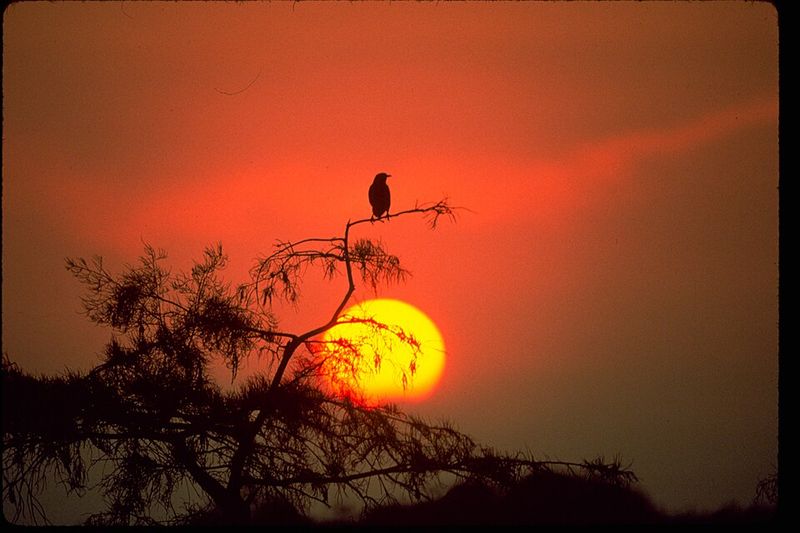
Step onto the Anhinga Trail and within minutes, you will be standing just feet away from an alligator that could not care less you exist. Everglades National Park is Florida’s crown jewel of wildlife, covering 1.5 million acres of wetlands, prairies, and mangroves.
It is the only place on Earth where alligators and crocodiles naturally share the same habitat.
Herons, egrets, and roseate spoonbills strut around like they own the place, because honestly, they do. Airboat tours are wildly popular and give you access to remote areas teeming with turtles, fish, and wading birds.
Panthers roam here too, though spotting one is a rare and unforgettable prize.
Sunrise visits reward early risers with golden light and active wildlife. Bring bug spray, wear light clothing, and stay on marked trails.
This park delivers guaranteed alligator sightings every single visit.
2. Crystal River
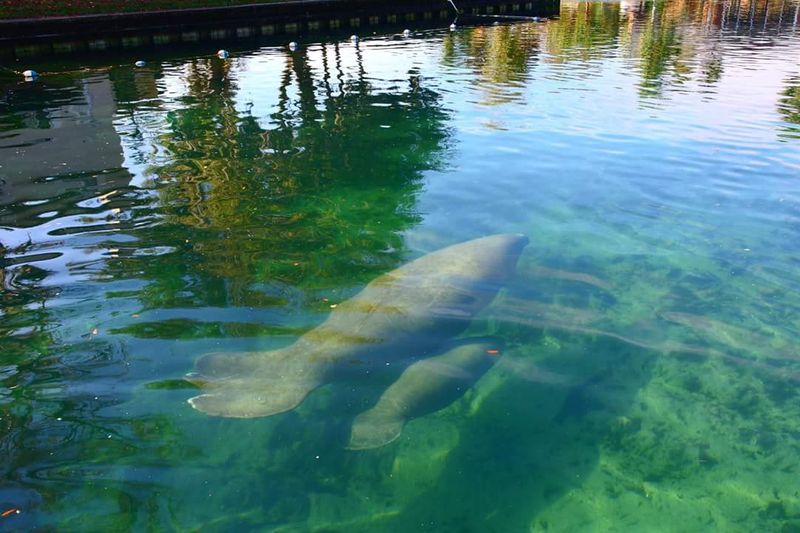
Somewhere in the world, a bucket list is being written, and swimming with wild manatees in Crystal River belongs at the very top. This small Florida town sits above a network of freshwater springs that stay a cozy 72 degrees year-round, making them a magnet for manatees during cold winter months.
Crystal River is one of the only places on Earth where you can legally swim with these gentle sea cows in their natural habitat.
Guided snorkel tours launch from local marinas and lead you straight to the manatee gathering spots. Hundreds of manatees crowd the springs between November and March, and getting nose-to-nose with one is a memory you will carry forever.
They are surprisingly curious creatures and will sometimes approach you first.
Book tours early since spots fill up fast during peak season. Underwater cameras are a must-have here.
3. Merritt Island National Wildlife Refuge
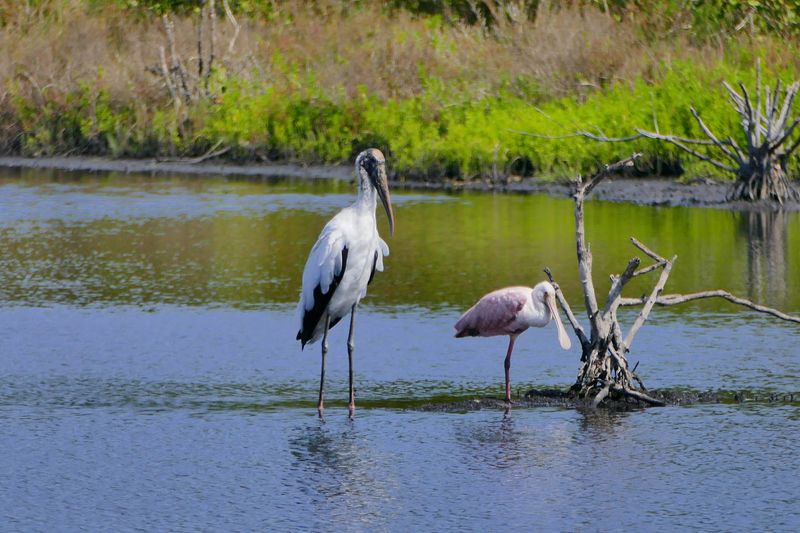
Sharing a fence line with a rocket launch pad might be the most uniquely Florida wildlife experience imaginable. Merritt Island National Wildlife Refuge sits right next to Kennedy Space Center, and somehow that combination works perfectly.
Over 330 bird species have been recorded here, making it one of the top birding destinations in the entire country.
Black Point Wildlife Drive is a seven-mile loop road where you can spot bald eagles, roseate spoonbills, and alligators without even leaving your car. Binoculars come in handy, but many animals get close enough that you barely need them.
Ospreys nest on nearly every tall structure in sight.
The refuge is free to enter and open year-round, though fall and winter bring the biggest variety of migratory birds. Early morning visits are best for active wildlife.
Bring a camera with a zoom lens for the best shots.
4. Dry Tortugas National Park
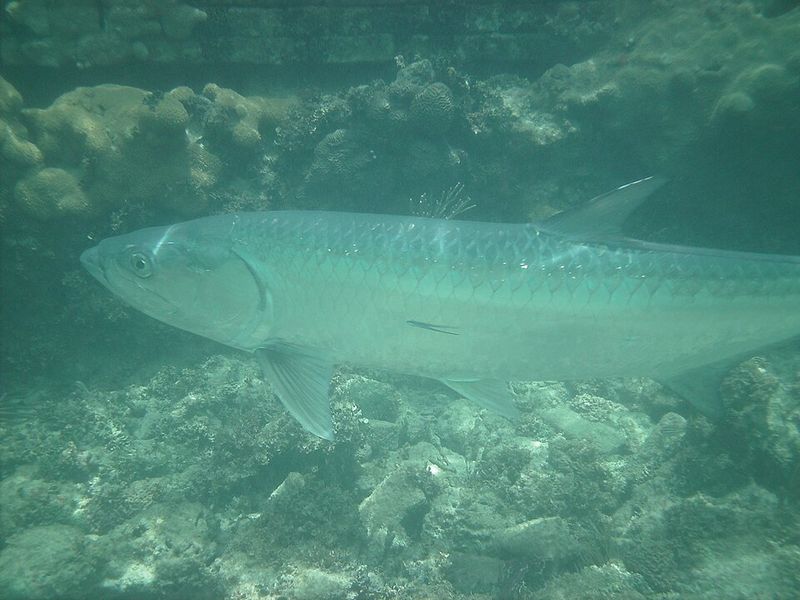
Getting there requires a boat or seaplane, and that effort alone makes Dry Tortugas National Park feel like a secret the rest of the world has not fully discovered yet. Located 70 miles west of Key West, this remote island park is surrounded by some of the clearest water you will ever see.
Sea turtles glide through coral-filled shallows while colorful tropical fish dart in every direction beneath the surface.
Snorkeling here is extraordinary, with visibility stretching up to 100 feet on calm days. Frigatebirds and sooty terns nest on nearby Bush Key in massive colonies that make an impressive spectacle.
The historic Fort Jefferson adds a dramatic backdrop to the whole experience.
Day trips are available by ferry from Key West, or you can camp overnight for a truly wild experience. Pack all your supplies since there are no stores on the island.
5. Myakka River State Park
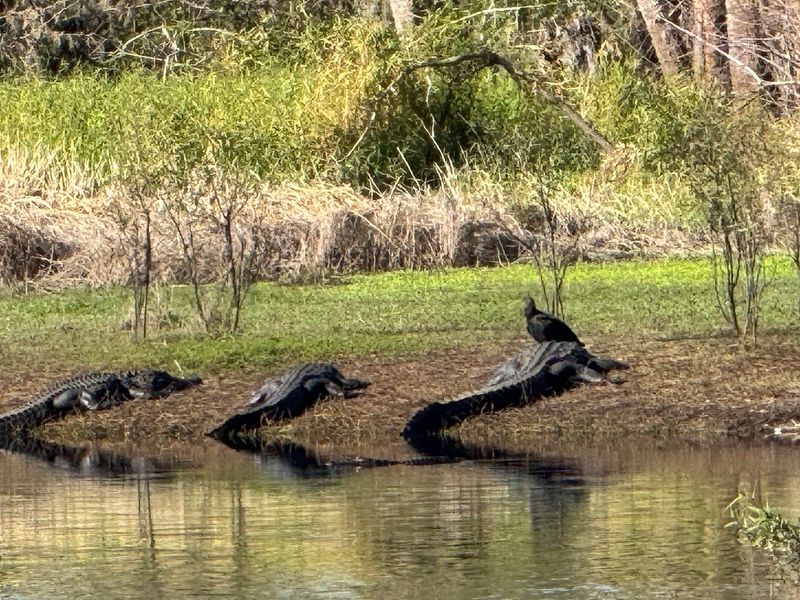
Florida has no shortage of state parks, but Myakka River State Park hits different when you see 50 alligators lined up along a single riverbank like they are waiting for a bus. One of the oldest and largest state parks in Florida, Myakka covers nearly 37,000 acres of wetlands, prairies, and dense hammock forests.
Wildlife here is not shy, and encounters happen constantly throughout the day.
The park’s canopy walkway towers above the treetops and gives visitors a bird’s-eye view of the forest below, where deer, wild turkeys, and sandhill cranes roam freely. Airboat tours on the lake offer a thrilling close-up look at the alligator population, which is genuinely massive.
Bald eagles and osprey frequently circle overhead.
Camping is available for those who want to extend the adventure into the evening hours. Sunrise boat tours are especially popular with photographers and wildlife enthusiasts alike.
6. Sanibel Island
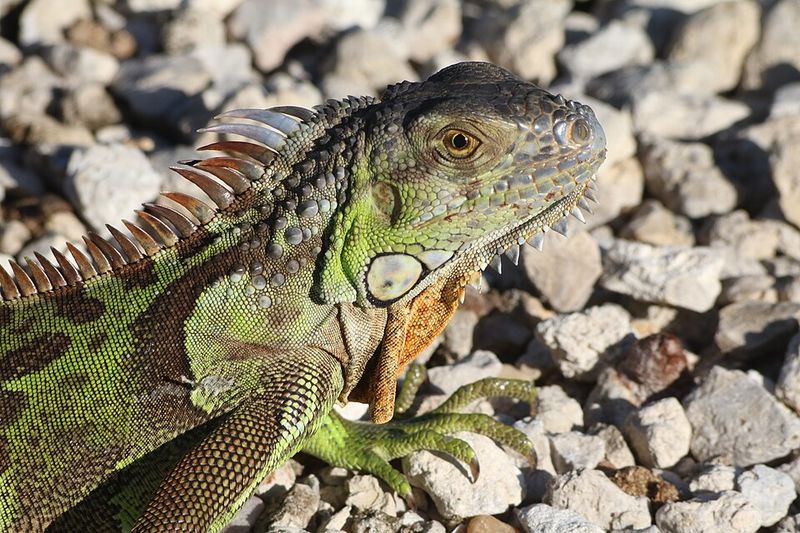
Most people come to Sanibel Island for the shells, but the wildlife here quietly steals the entire show. J.N.
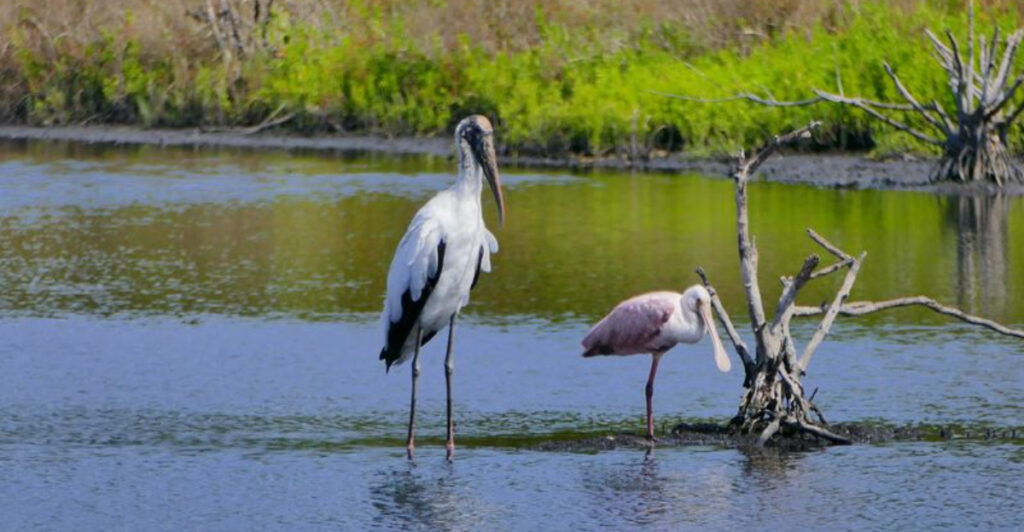
Ding Darling National Wildlife Refuge takes up a huge chunk of the island and protects one of the largest undeveloped mangrove ecosystems in the United States. Roseate spoonbills, with their cartoon-pink feathers and spatula-shaped bills, are practically the unofficial mascots of the refuge.
Dolphins cruise through the shallow bays just offshore, and manatees often drift past kayakers exploring the calm waterways. The five-mile Wildlife Drive is open to cars, bikes, and walkers, and wildlife sightings are almost guaranteed at every turn.
American alligators bask along the road edges without a care in the world.
Tram tours with guided narration are great for first-timers who want the full story behind what they are seeing. The refuge closes on Fridays, so plan your visit accordingly.
7. Blue Spring State Park
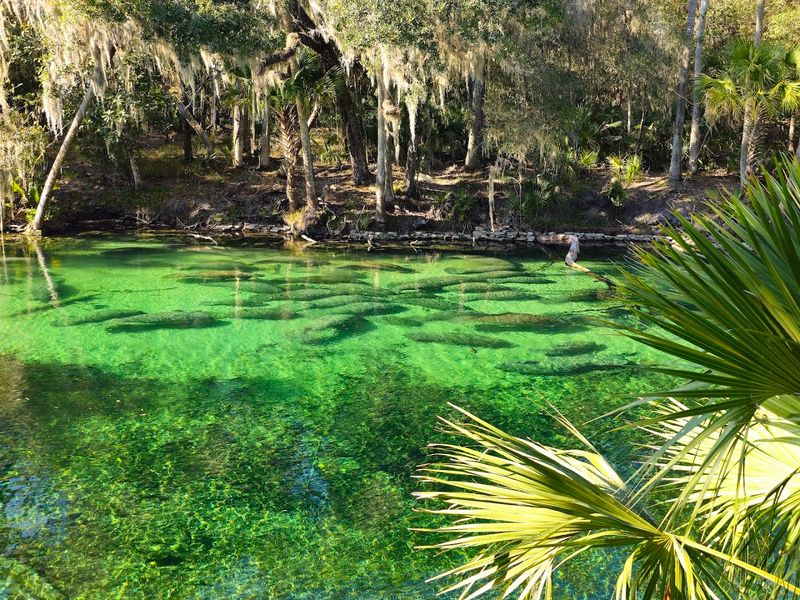
Every winter, something magical happens along the St. Johns River when manatees by the hundreds pour into Blue Spring’s warm, crystal-clear waters to escape the cold. Blue Spring State Park is one of the best places in Florida to watch manatees up close from a boardwalk that runs directly alongside the spring run.
During peak winter days, over 700 manatees have been counted in a single visit.
Rangers on the boardwalk share facts and help visitors spot individual manatees that have been tracked for decades. Swimming in the spring is not allowed during manatee season, but watching from above is honestly just as thrilling.
Fish school in dense silvery clouds beneath the manatees, and turtles pop up between them for air.
Summer visitors can swim and snorkel in the spring after the manatees head back to sea. The park fills up fast on weekends, so arriving early is strongly advised.
8. Big Cypress National Preserve
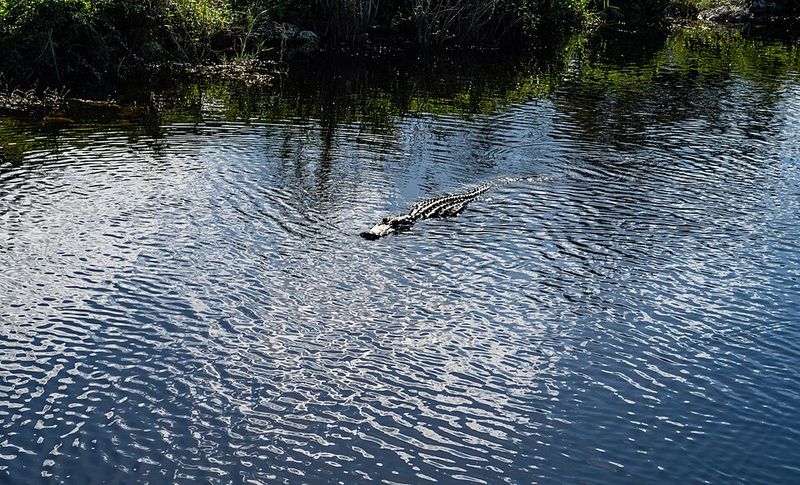
Big Cypress National Preserve is the wilder, quieter cousin of the Everglades, and wildlife here feels less like a show and more like a genuine encounter with something untamed. Covering over 729,000 acres of cypress swamps, prairies, and pine flatwoods, this preserve is home to alligators, black bears, and the elusive Florida panther.
Spotting a panther is rare, but the possibility alone makes every drive feel like an adventure.
Scenic Loop Road winds through the heart of the preserve and is one of the best wildlife-watching drives in the entire state. White-tailed deer and wild hogs cross the road regularly, especially at dawn and dusk.
Birds are everywhere, from wood storks to red-shouldered hawks patrolling the tree lines.
Off-road vehicle trails attract adventurous visitors looking to explore deeper into the wilderness. The preserve is less visited than the Everglades, which means more wildlife and fewer crowds waiting for you.
9. St. Marks National Wildlife Refuge
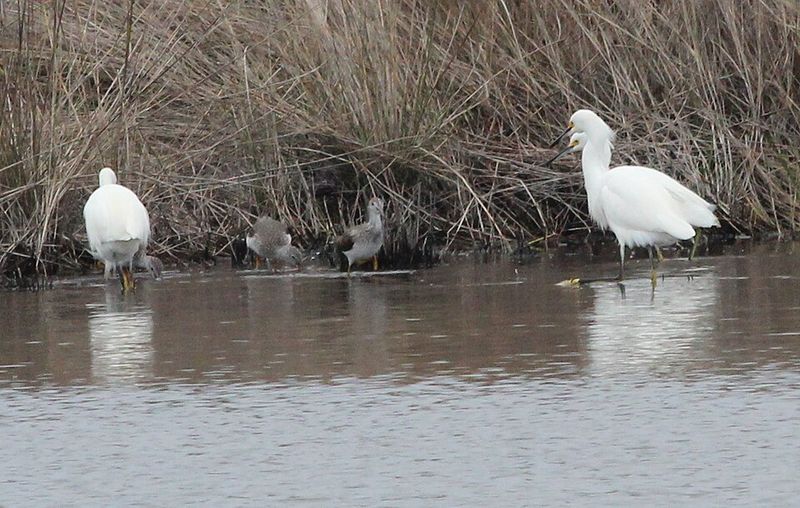
Established in 1931, St. Marks National Wildlife Refuge is one of the oldest refuges in the entire United States, and it has been doing its job beautifully ever since. Stretching along the Gulf Coast in the Florida Panhandle, this 70,000-acre refuge is a critical stop for millions of migratory birds traveling the Eastern Flyway each fall and winter.
Monarch butterflies also pass through in spectacular numbers during October.
The famous St. Marks Lighthouse, built in 1831, stands at the end of a scenic road lined with alligators sunning on the banks. Deer wander through the pine flatwoods, and ospreys fish the shallow coastal pools with impressive precision.
Bald eagles nest here year-round.
The refuge is free to enter and open daily from sunrise to sunset. Fall migration season brings the most dramatic wildlife activity, with birds filling every marsh and mudflat in sight.
10. Wakulla Springs State Park
Wakulla Springs holds one of the world’s largest and deepest freshwater springs, pumping out over 400,000 gallons of crystal-clear water every single minute. That flow keeps the river perfectly transparent, which means you can watch manatees, alligators, and enormous schools of fish from the surface like you are peering through glass.
The guided riverboat tour here is genuinely one of the best wildlife experiences in all of Florida.
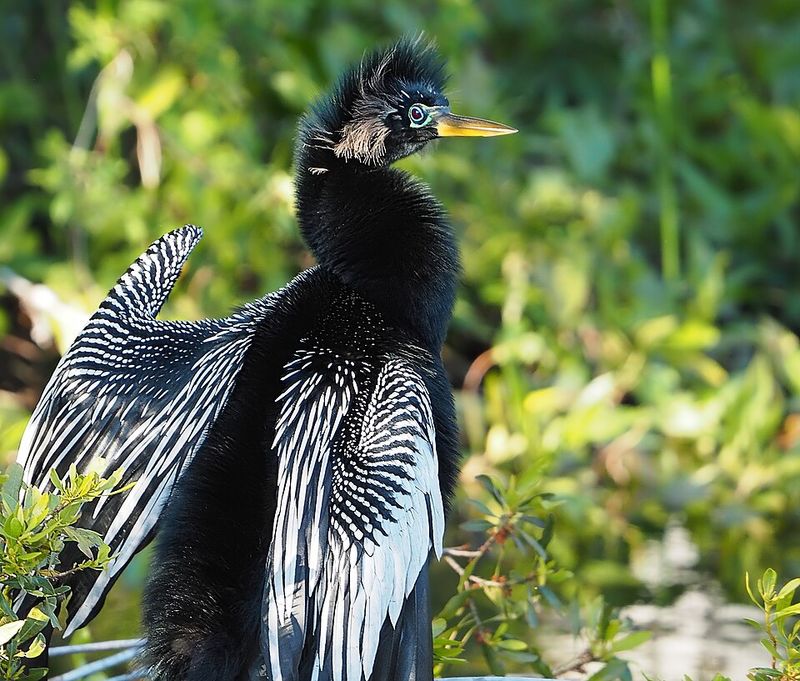
Boat captains point out alligators lurking in the shadows, anhingas drying their wings on low branches, and manatees grazing on aquatic plants just below the surface. Limpkins, wood ducks, and herons line the riverbanks throughout the entire tour.
The surrounding old-growth forest feels ancient and deeply peaceful.
Wakulla Springs was also a filming location for several classic Tarzan movies in the 1930s and 1940s, which adds a fun layer of history to the visit. Swimming is allowed in designated areas during warmer months.
11. Honeymoon Island State Park
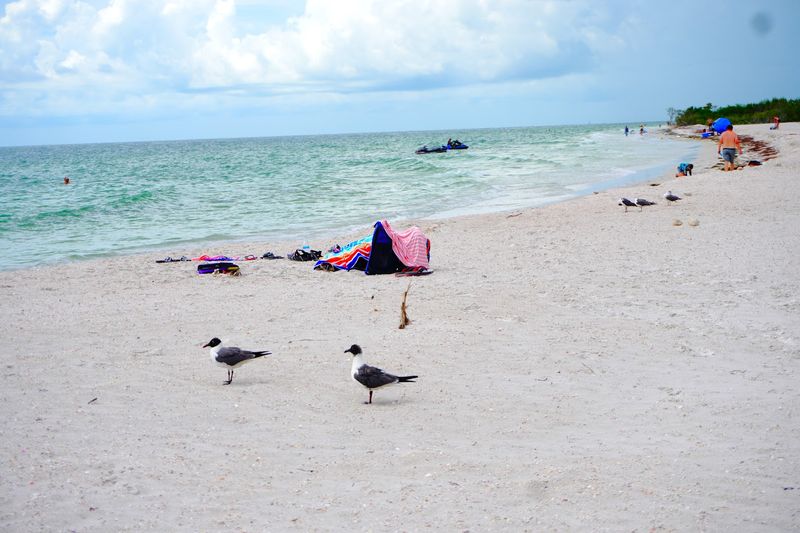
Ospreys practically run the show at Honeymoon Island State Park, nesting on dead pines all along the Osprey Trail and putting on a fishing display that beats anything on television. Located just north of Clearwater near Tampa, this barrier island park packs an impressive range of ecosystems into a small space, from virgin slash pine forests to tidal flats and mangrove shorelines.
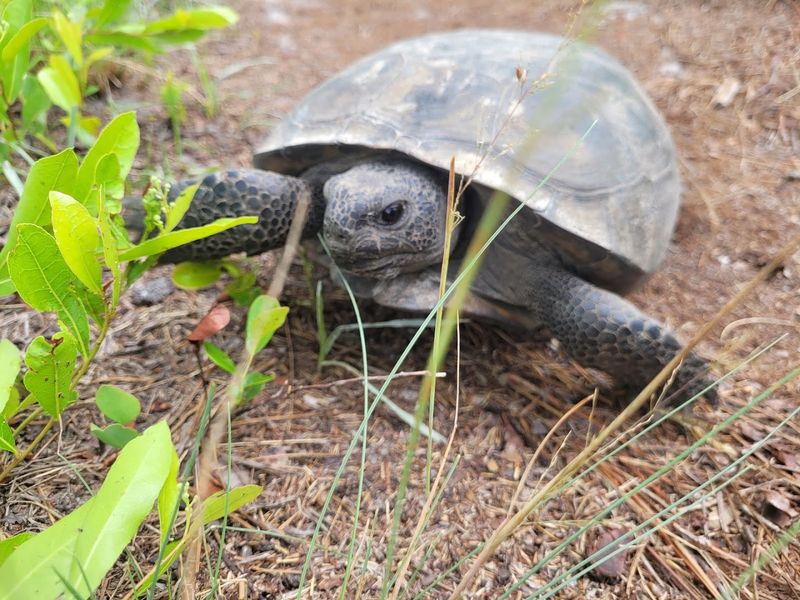
Gopher tortoises trundle across the sandy trails completely unbothered by passing hikers.
Dolphins are regularly spotted just offshore, rolling through the calm bay waters in small groups. Shorebirds crowd the beaches, and wading birds like tricolored herons and reddish egrets hunt in the shallow tidal pools with dramatic flair.
The island also serves as a nesting site for several threatened bird species.
A ferry from Honeymoon Island takes visitors to the even wilder Caladesi Island next door. Parking fills up fast on weekends, so aim for a weekday morning visit.
12. Apalachicola National Forest
Florida’s largest national forest does not get nearly the attention it deserves, and honestly, that is exactly what makes it so special. Apalachicola National Forest covers nearly 633,000 acres of longleaf pine forests, cypress swamps, and blackwater rivers in the Florida Panhandle, and it shelters one of the most diverse collections of wildlife in the entire Southeast.
Black bears roam the forest interior, foxes trot along the edges at dusk, and endangered red-cockaded woodpeckers tap away at old-growth pines.
Hikers on the Florida National Scenic Trail pass through the forest and regularly report encounters with deer, wild turkeys, and river otters along the creek banks. The solitude here is genuinely rare, with far fewer visitors than the more famous parks further south.
Camping under a canopy of longleaf pines with owls calling overhead is an experience that sticks with you.
Hunting and fishing are permitted in designated areas. Bring a detailed map since cell service can be unreliable deep in the forest.
Share this story