An Ann Arbor nonprofit store has built a loyal following and a 4.6-star rating by selling donated craft supplies at low prices. It turns surplus materials into an accessible resource for artists, teachers, and hobbyists.
The inventory ranges from fabric scraps and ribbon to buttons, paper goods, and unexpected finds that change daily. It is a place people visit for affordable materials and leave with ideas for their next project, which is why many keep coming back.
The Address and Setting That Started It All
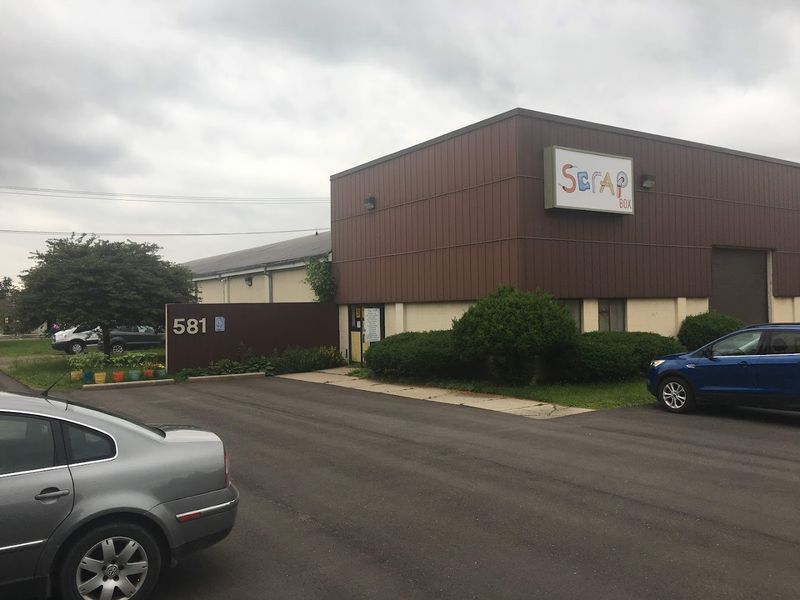
Right at 4567 Washtenaw Ave in Ann Arbor, MI 48108, SCRAP Creative Reuse sits next door to a children’s clothing shop, which turns out to be a brilliant bit of retail geography. The store moved to this location in November 2019, and the neighborhood fit was immediately obvious.
Before the move, the store operated near Costco, but the Washtenaw Avenue spot gave it more visibility and foot traffic. The building itself is unpretentious, the kind of place you might drive past without a second glance until someone tells you what is inside.
Once you know, you will never ignore it again. The store is open seven days a week from 11 AM to 6 PM, which makes it easy to fit a visit into almost any schedule.
You can reach them at 734-800-4137 or browse their website at scrapa2.org. That convenience alone makes it worth bookmarking for your next creative afternoon out.
The Nonprofit Mission Behind the Madness
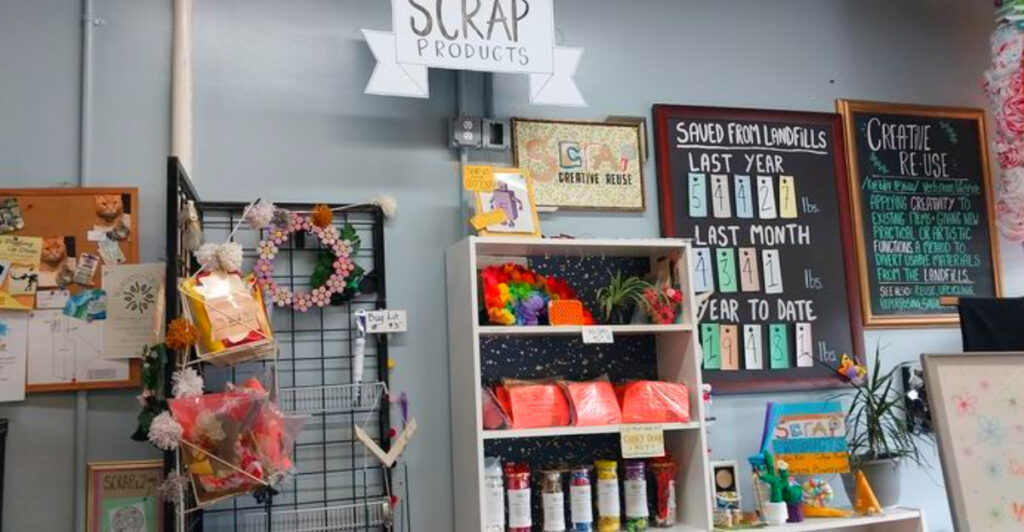
Not every store you walk into is actively trying to make the world better, but this one is. SCRAP Creative Reuse is a nonprofit organization whose core mission is to divert usable materials from landfills and redirect them into the hands of artists, educators, and crafters.
The model is elegantly simple. Businesses and individuals donate surplus materials, and the store makes them available to the community at low prices.
Every purchase supports that cycle of creative reuse rather than feeding a cycle of waste.
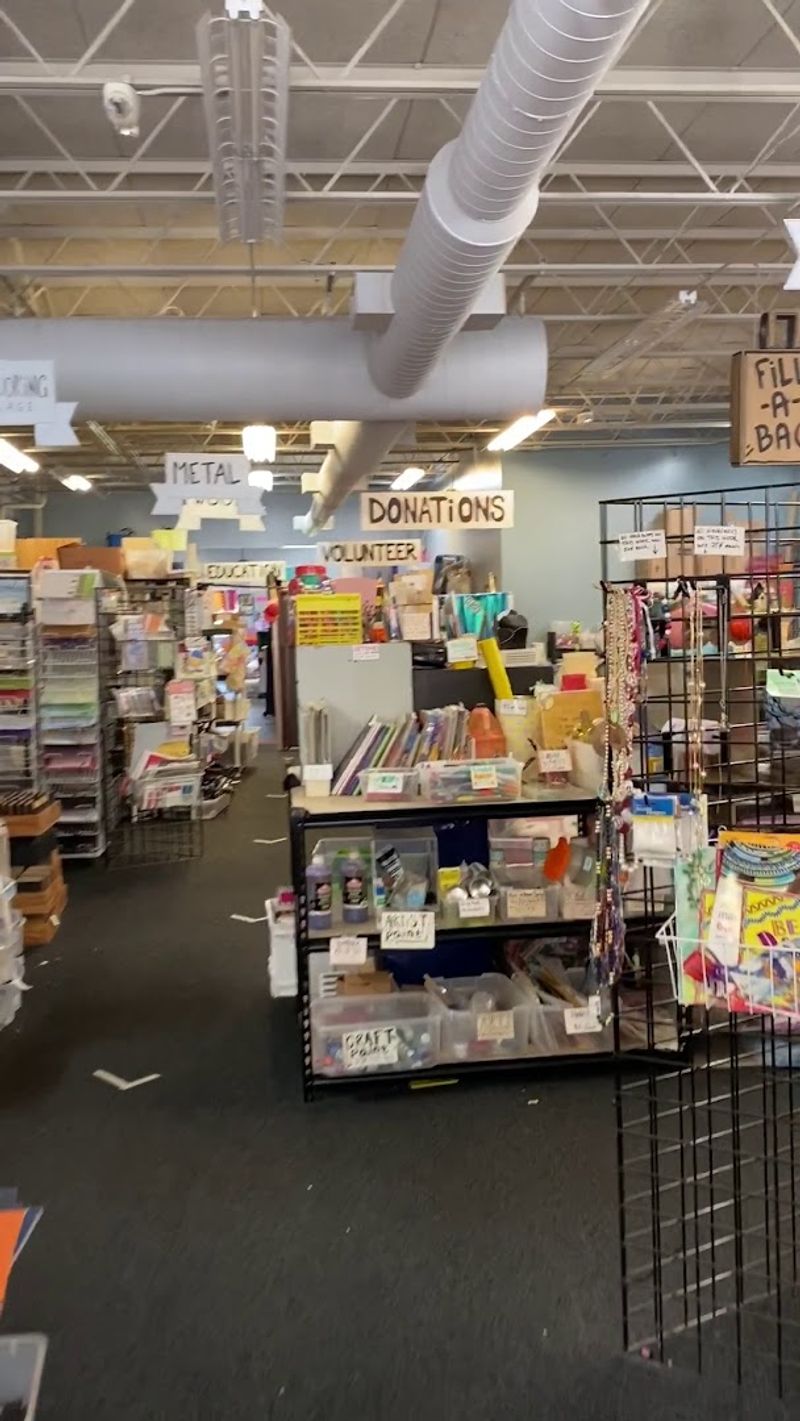
What makes this mission feel real rather than just a tagline is the inventory itself. You will find items here that would have ended up in a dumpster, now sorted, priced, and waiting for someone with a vision.
The environmental impact compounds quietly with every transaction. For anyone who has ever felt guilty about buying craft supplies they might not use, shopping here feels like a genuinely responsible choice that also happens to be a lot of fun.
What the Inventory Actually Looks Like Up Close
The variety inside SCRAP is the kind of thing that makes a crafter’s pulse quicken. Paper in every weight and color, fabric scraps, washi tape, stickers, blank cards, stamps, plastic gems, yarn, colored pencils, picture frames, old records, binders, canvases, and ribbon all share space under one roof.
One of the more legendary finds is the large drum of paperclips near the back, which sounds mundane until you realize scrapbookers treat paperclips like currency. There are also barrels at the back of the store where you can dig through loose items like a treasure hunter at low tide.
The restocking is constant and unpredictable, which is part of the appeal. One week you might find bobbin lace thread, a specialty item that is nearly impossible to track down elsewhere.
The next week, something entirely different catches your eye. Regular visitors tend to check in often precisely because the inventory never stays the same for long.
How the Store Manages to Stay Organized
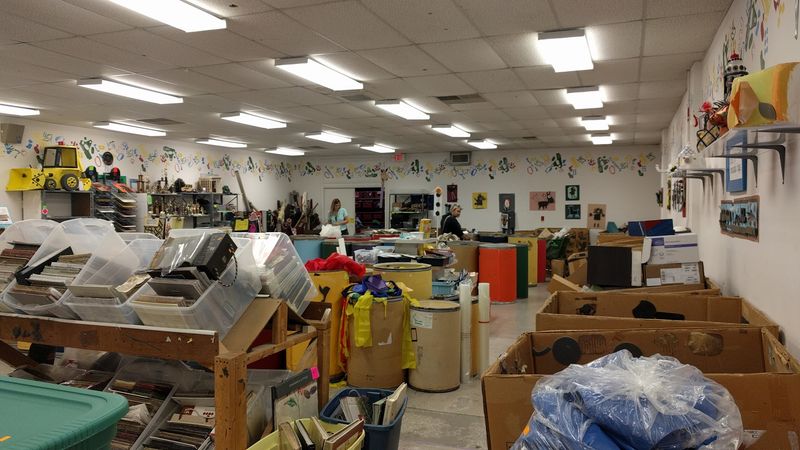
Given the sheer volume and variety of donated goods flowing through the doors, you might expect the place to feel chaotic. Surprisingly, it does not.
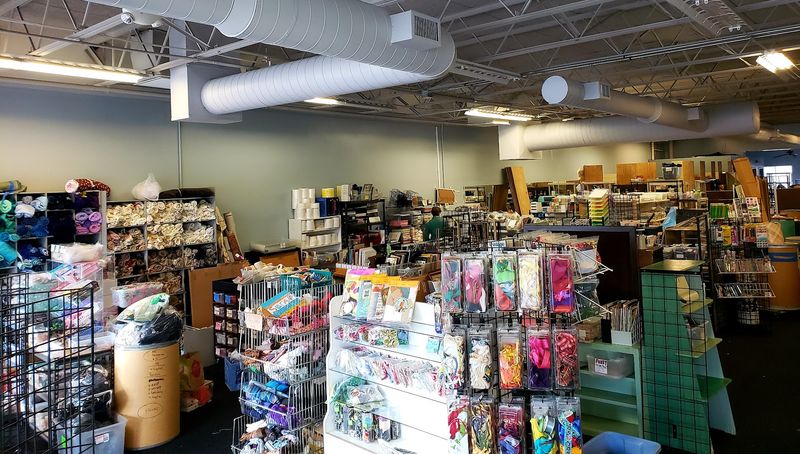
The store is organized into general categories and sorted further by item type and color, which makes browsing far more manageable than the premise might suggest.
Signage helps guide you through different zones, and staff members are clearly invested in keeping things tidy. That level of organization is not easy to maintain when new donations arrive constantly and the inventory is always shifting.
There is a rolling cart with a handle available at the entrance, and grabbing one before you start browsing is genuinely good advice. Without it, you will end up juggling armloads of supplies while trying to make decisions, which is exactly how things get dropped or forgotten.
The thoughtful layout makes what could be an overwhelming experience feel more like a satisfying hunt, where you know roughly where to look but still get to enjoy the element of surprise.
The Price Structure That Keeps Crafters Coming Back
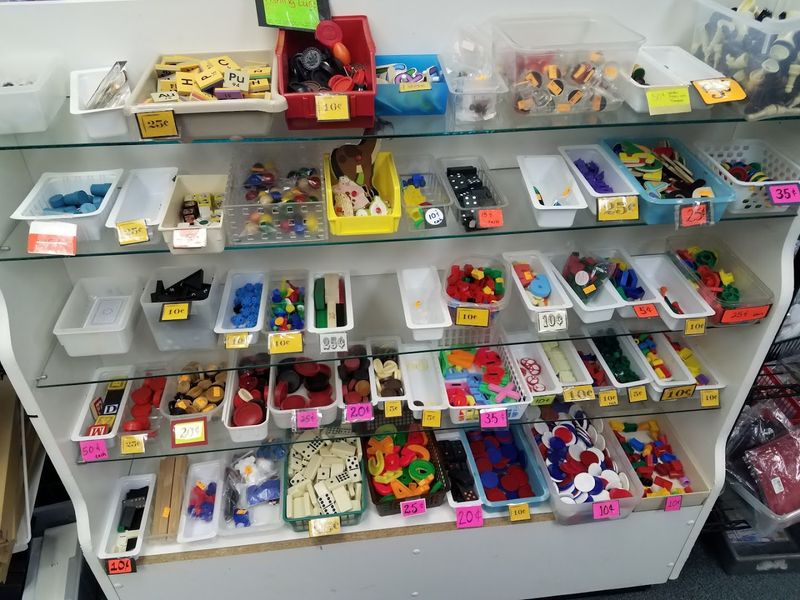
Budget-conscious crafters talk about this store with a kind of reverent disbelief. Pens, postcards, papers, and pins for around four dollars total.
A handful of buttons, fabric swatches, and stickers for under two dollars. Jewelry sold by the ounce.
These are the kinds of prices that make experimenting feel low-risk and genuinely fun.
For teachers running after-school art programs, the pricing model is especially meaningful. Buying supplies weekly without breaking a budget becomes entirely possible here, and the variety means you can introduce students to new materials regularly.
It is worth noting that pricing on some items, particularly yarn, has drawn criticism from a handful of shoppers who felt certain pieces were priced above their value relative to condition. That feedback is fair to mention.
Most visitors, though, come away feeling like they found a bargain, especially on smaller mixed items and specialty finds. The overall value proposition for regular crafters remains one of the store’s strongest selling points, and it keeps people returning month after month.
A Paradise for Scrapbookers and Junk Journalers
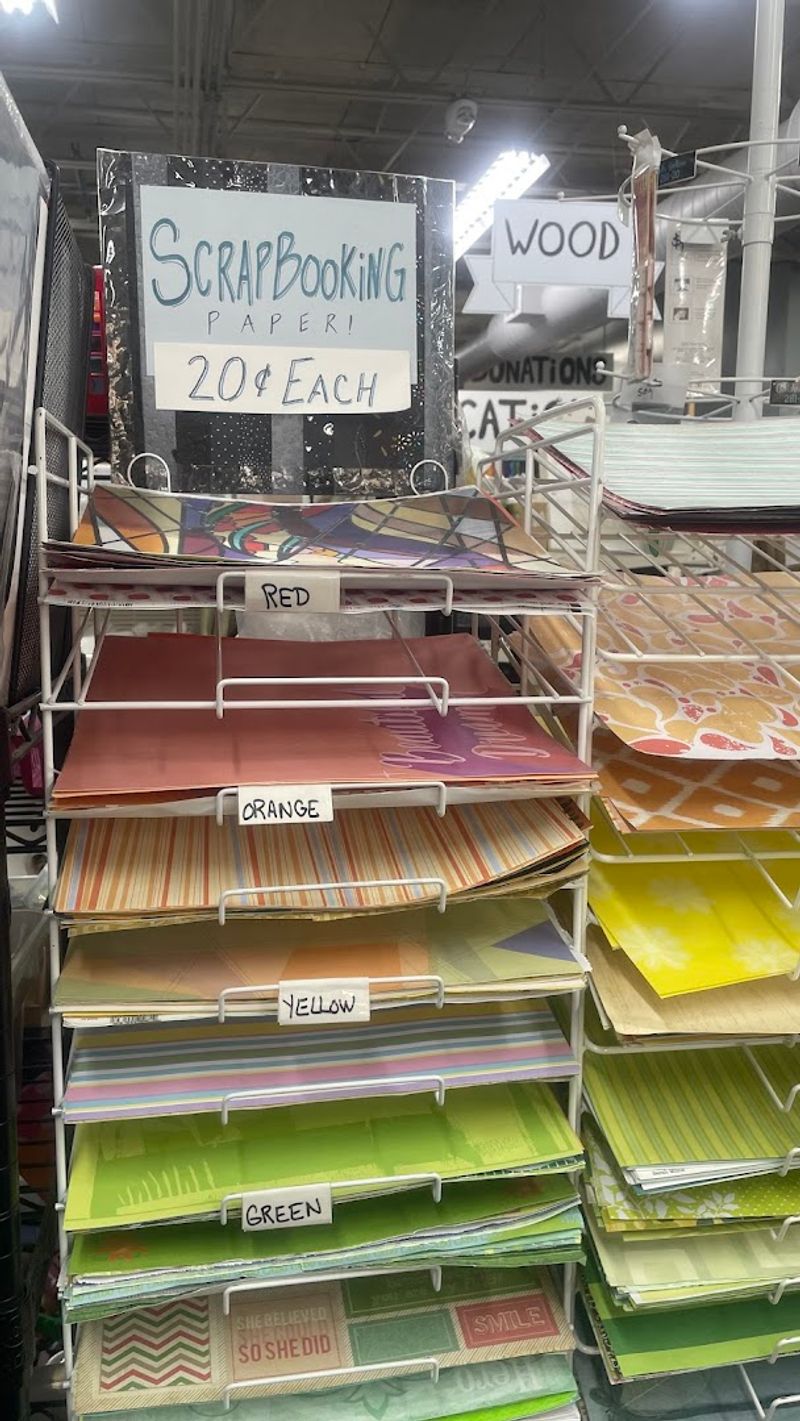
If you keep a junk journal, make handmade cards, or build scrapbook layouts, this store might genuinely feel like it was designed with you in mind. The selection of paper, stickers, washi tape, blank cards, and decorative ephemera is broad enough to fuel multiple projects in a single visit.
The paperclip drum alone has become something of a cult favorite among scrapbookers, who use them as both functional tools and decorative accents. Finding a large supply of them at no extra cost feels like a small but satisfying victory.
Card makers in particular report that a single visit here can stock them with enough materials to produce birthday cards, thank-you notes, and seasonal greetings for months. The mix of textures, colors, and styles means no two cards end up looking alike, which is exactly the point of handmade.
If you have never tried junk journaling or decorative cardmaking, browsing the paper section here might just be the nudge you needed to start a new creative habit.
Teachers and Educators Who Rely on This Place
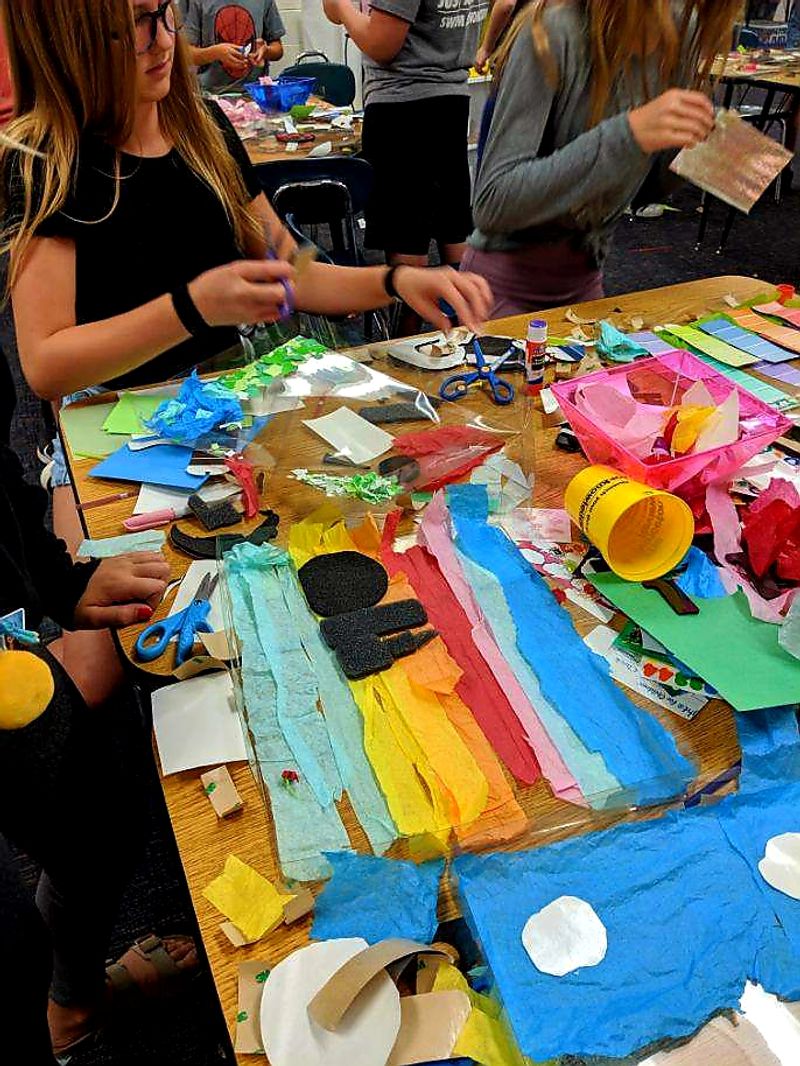
There is a particular kind of loyalty that educators develop toward SCRAP, and it makes complete sense once you understand the economics. Running an after-school art club or a classroom creative project on a school budget is a constant juggling act, and finding a store that restocks weekly with fresh, affordable materials is genuinely valuable.
Teachers have been known to visit every single week, not just to stock up but to look for inspiration. A new material on the shelf might spark an entire lesson plan.
A bag of fabric scraps might become a textile art project. The unpredictability of the inventory is actually an asset for educators who want to keep their students engaged with something new.
The store also offers space rental for classes and group events, which opens up another layer of possibility for anyone who wants to run a workshop or a crafting party. That classroom availability, combined with the supply access, makes this more than just a store for teachers.
It functions as a creative infrastructure for the community.
The Drop-In Crafting Classroom Experience
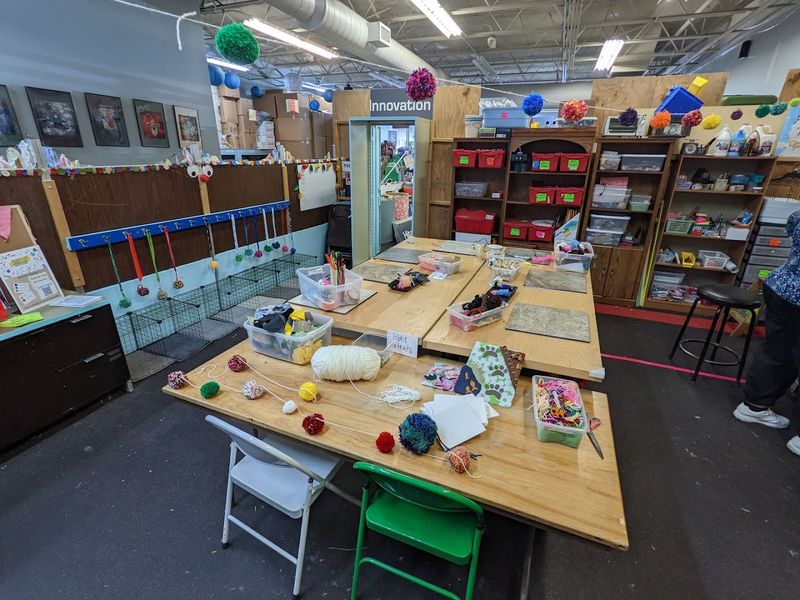
At some point, SCRAP expanded beyond just selling supplies and opened a dedicated classroom space for drop-in crafting. This shift turned the store from a shopping destination into something closer to a creative community hub, which is a meaningful distinction.
The classroom hosts art classes, group events, and crafting sessions that welcome people of various skill levels. Whether you are a complete beginner or a seasoned maker, the low-pressure environment makes trying something new feel approachable rather than intimidating.
Families have used the space for birthday parties, community groups have gathered there for collaborative projects, and individuals have simply shown up to spend an afternoon making something with their hands. The energy inside during an active session is noticeably different from a standard retail environment.
There is conversation, laughter, and the particular satisfaction that comes from creating something tangible. That atmosphere is hard to manufacture and easy to appreciate once you experience it firsthand.
The next section reveals something about the store that even regular visitors sometimes overlook.
Unexpected Treasures Hidden in Plain Sight
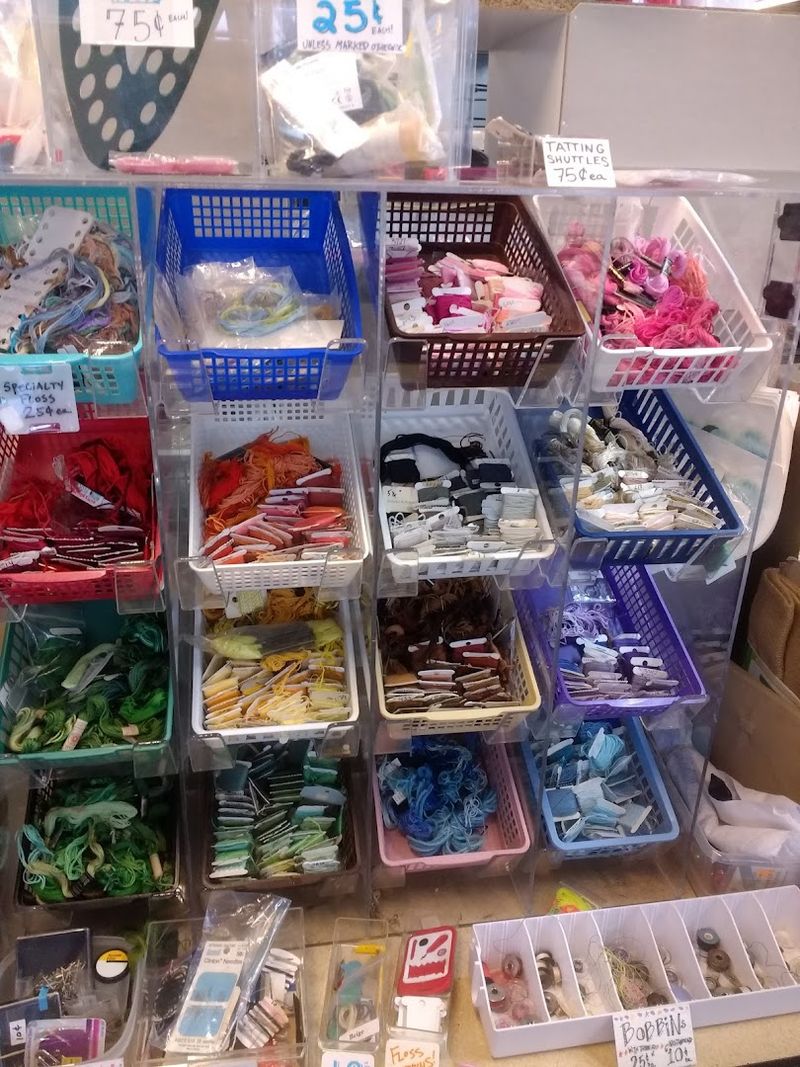
Part of what makes a visit here feel like an adventure is the genuine unpredictability of what you might find. Old vinyl records, trophies, glass bottles, baskets, glue guns, and even a lap harp have all shown up on the shelves at various points.
These are not items you would typically find at a craft supply chain.
The mix of standard craft materials and completely unexpected objects is what gives the store its particular personality. You come in looking for cardstock and leave with a vintage picture frame and a set of ceramic tiles you have no immediate plan for but cannot leave behind.
That kind of spontaneous discovery is increasingly rare in a retail landscape dominated by predictable inventory. The unpredictability here is not a flaw in the system.
It is the system. Materials arrive as donations, get sorted and priced, and hit the floor for whoever happens to walk in that day.
Timing your visit right can feel like winning a very niche and deeply satisfying lottery.
The Community of Crafters Who Call This Place Home
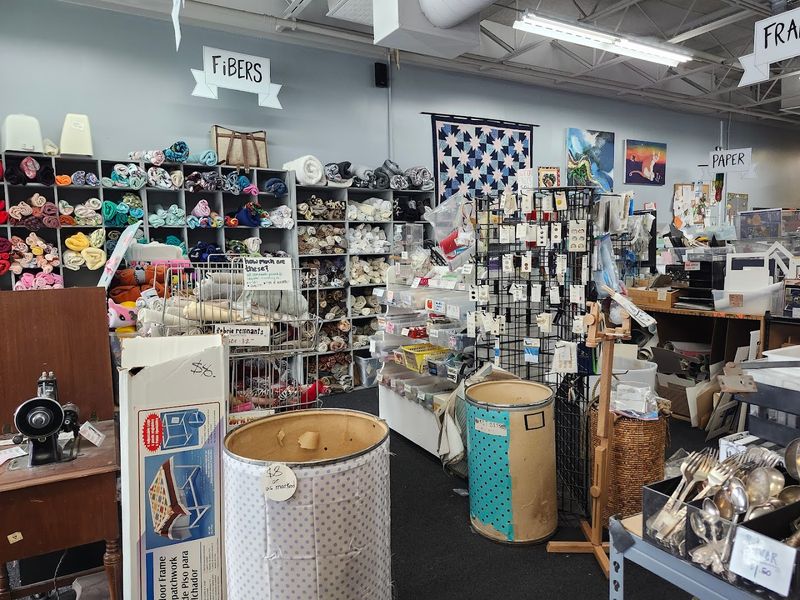
The people who shop at SCRAP are part of what makes the experience memorable. On any given afternoon, you might encounter a jewelry maker filling a case of jewelry boxes for an upcoming art show, a teacher loading up on supplies for the week, or a teenager discovering a new creative medium for the first time.
The staff contributes significantly to that welcoming atmosphere. Friendliness comes up repeatedly when regular visitors describe what keeps them returning, and there is a noticeable warmth in the way the store operates.
That said, like any public-facing business, individual experiences can vary, and not every interaction has been uniformly positive according to a small number of reviews.
Overall, the sense of shared purpose among shoppers is real. People here are not just buying things.
They are participating in a community built around the idea that creativity should be accessible to everyone, regardless of budget. That shared value creates a quietly powerful sense of belonging that is hard to find in a conventional retail setting.
Donating Your Own Supplies to Keep the Cycle Going
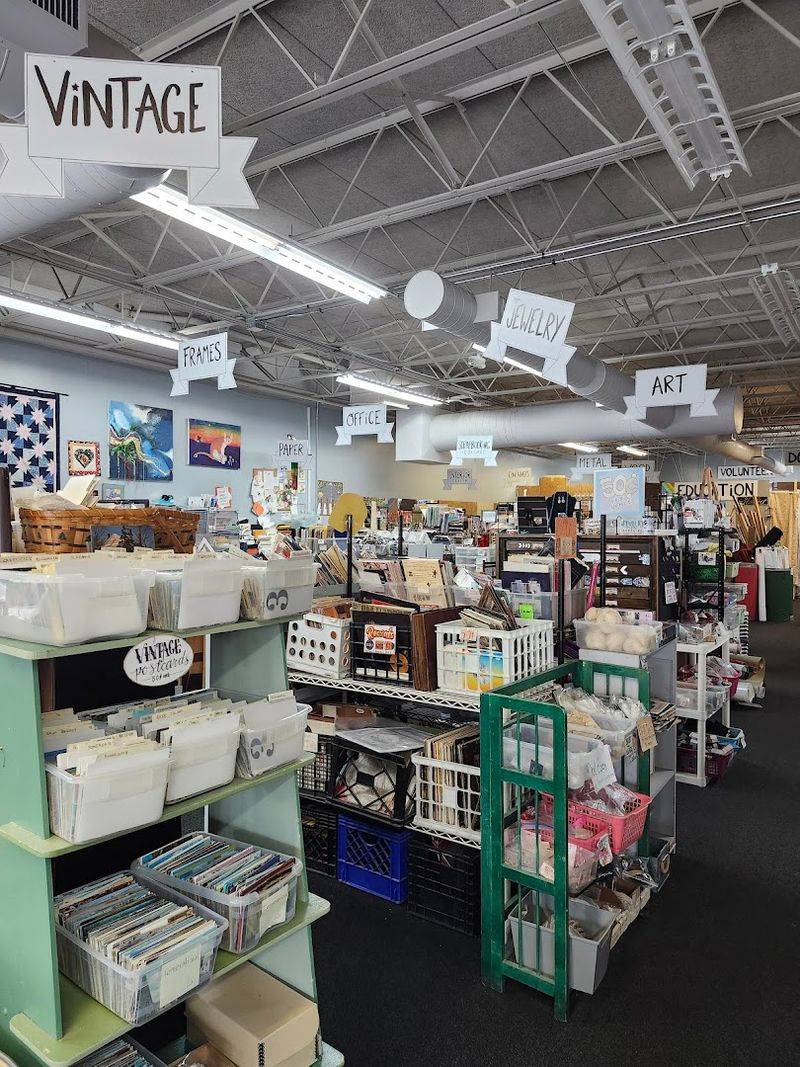
One of the most satisfying aspects of SCRAP’s model is that it flows in both directions. Shoppers are not just consumers here.
Many of them also become donors, bringing in materials they no longer need so that someone else can put them to use.
Think about the craft supplies sitting in your closet right now: the partial skeins of yarn, the sticker sheets you bought on impulse, the fabric remnants from a project you finished two years ago. Instead of letting them gather dust or sending them to a landfill, you can drop them here and know they will find a new purpose.
That cycle of giving and receiving is central to the store’s identity. One person described leaving jewelry there, knowing someone else might use the pieces for necklaces, hair clips, or asymmetrical earring looks.
The idea that your discarded materials might become exactly what a stranger needed to complete their project is a quietly wonderful thing to be part of.
Why This Store Deserves a Spot on Your Regular Rotation
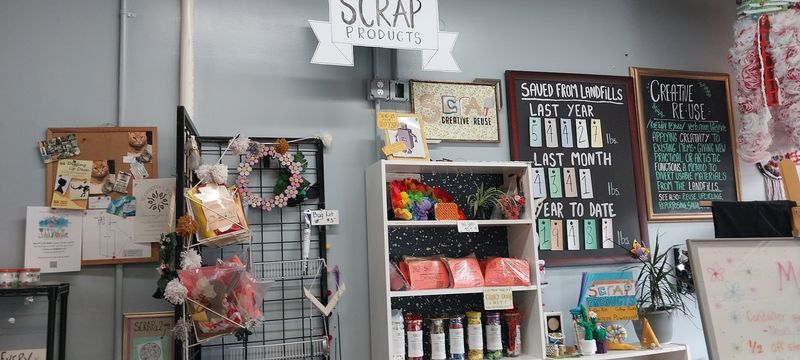
Some stores are worth visiting once for the novelty. SCRAP is worth visiting on a regular schedule because the inventory genuinely changes week to week, and the experience of discovering something unexpected never really gets old.
Regular visitors often describe checking in monthly or even weekly just to see what has arrived.
The combination of affordability, variety, environmental purpose, and community energy is not something you stumble across often. For crafters in Ann Arbor and the surrounding Southeast Michigan area, it fills a niche that no other store quite manages to cover in the same way.
Whether you are a lifelong maker or someone who just started experimenting with a new hobby, there is something here that will speak to your creative instincts. The store operates every day from 11 AM to 6 PM, which means there is almost always a good time to stop by.
Once you visit, the only real question is how long you can resist going back for another round of creative treasure hunting.
Share this story