Michigan’s White Pine Trail stretches 92 miles from Grand Rapids to Cadillac, making it one of the longest continuous trails in the state. Despite its size, it remains under the radar compared to more well-known routes.
Riders use it for more than distance. The trail passes through forests, wetlands, and small towns, with access points near places like Big Rapids.
Along the way, you will find historical markers, local stops, and stretches that feel far removed from busy roads, giving it a mix of recreation and exploration that keeps people coming back.
Where the Trail Begins: Big Rapids and the Heart of the Route
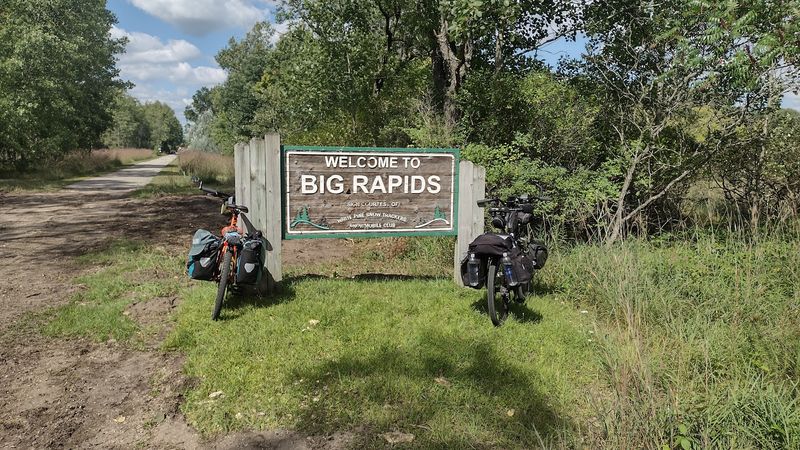
The Fred Meijer White Pine Trail State Park runs along White Pine Trail in Big Rapids, MI 49307, and this stretch near Big Rapids sits right in the middle of the full 92-mile route connecting Cadillac to Grand Rapids.
Big Rapids is one of the most convenient access points on the entire trail, with parking areas, restrooms, and easy entry to both the northern and southern sections of the path.
The town itself has a relaxed, welcoming feel, and knowing that Ferris State University is nearby means there is always a bit of energy in the air even on quieter weekdays.
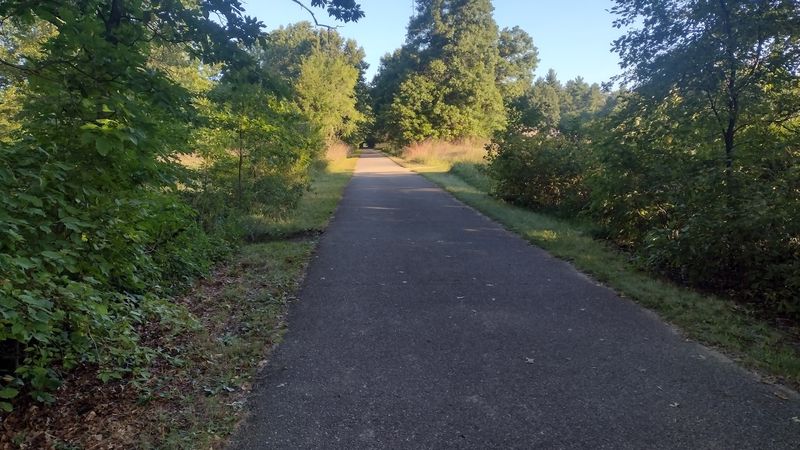
The trail surface heading north from Big Rapids runs through open countryside that feels genuinely peaceful, with farmland views stretching wide on both sides.
Heading south, the terrain shifts into something more wooded and shaded, which makes it a great option for warm summer afternoons when you want a break from the sun.
A Rail Trail With Real Roots: The History Behind the Path
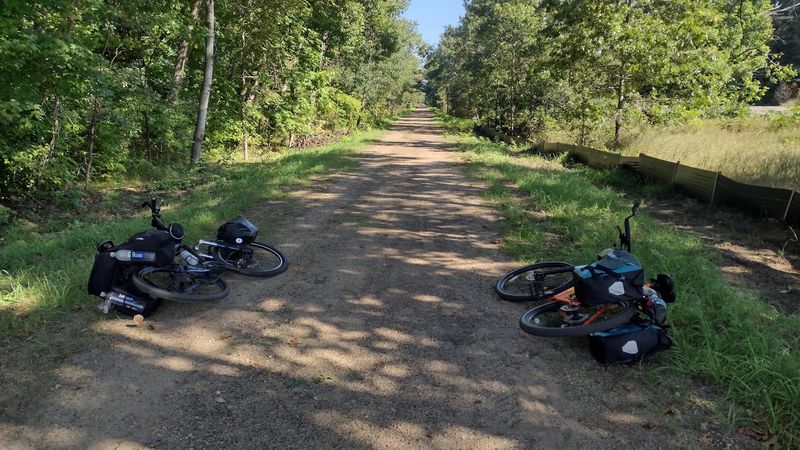
Before cyclists and hikers claimed this corridor, trains rolled through it for decades, hauling freight and connecting Michigan communities that had few other links to the wider world.
The White Pine Trail follows the former route of the Grand Rapids and Indiana Railroad, a line that once played a central role in the economic life of central Michigan.
When rail service ended, the corridor sat unused until a visionary effort transformed it into one of the longest rail-to-trail conversions in the country.
Fred Meijer, the Michigan retail legend and philanthropist, was a major force behind funding and championing the trail, which is why it carries his name today.
That kind of personal investment from a community figure gave the trail a story worth telling, not just a surface worth riding.
Understanding that history makes every mile feel a little more meaningful, and it is a reminder that some of the best public spaces exist because one person decided to care.
What 92 Miles Actually Feels Like Under Your Wheels
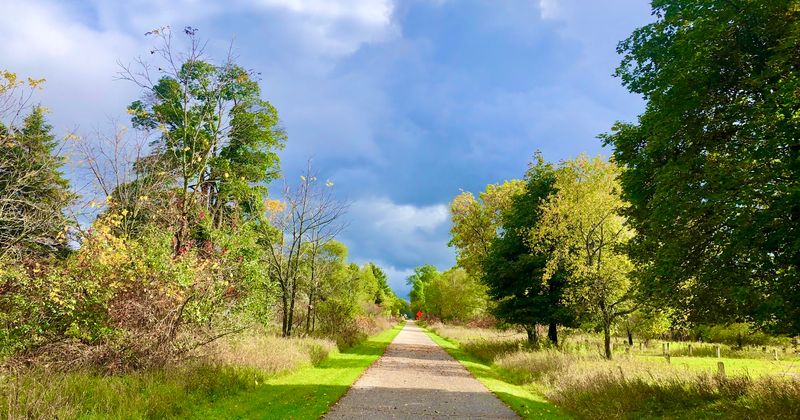
Ninety-two miles sounds like a number on a map until you are actually out there riding it, and then it becomes something much more personal.
The trail does not feel uniform from end to end, which is part of what makes it interesting. Some sections are freshly paved and smooth as a gymnasium floor, while others carry the honest texture of a path that has been around for years and needs a little attention.
Near Big Rapids, the surface heading north is generally well-maintained, and riders on road bikes or e-bikes tend to find it very manageable.
The older sections further south toward Howard City have some rough patches caused by tree root upheaval and joint failures, so a gravel bike or hybrid with slightly wider tires will serve you better there.
Tires in the 35mm to 38mm range handle the mixed conditions comfortably, and that small detail can make the difference between a great day and a frustrating one.
Forests, Wetlands, and Wide-Open Skies Along the Way
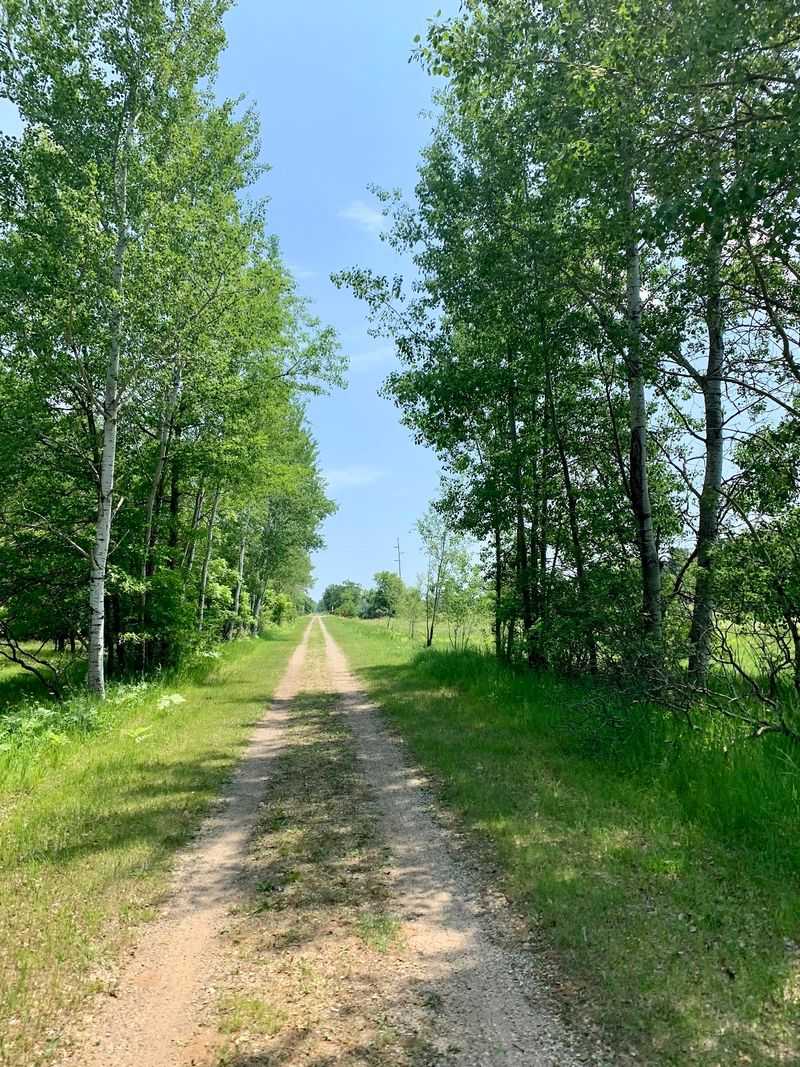
One of the most striking things about this trail is how quickly the scenery changes as you move through it. One moment you are gliding past a quiet wetland where herons stand motionless in shallow water, and the next you are riding through a dense canopy of maples and oaks that blocks out the sun entirely.
The Big Rapids area in particular offers a nice mix of open agricultural land and wooded stretches, giving the ride a natural rhythm that keeps things visually interesting.
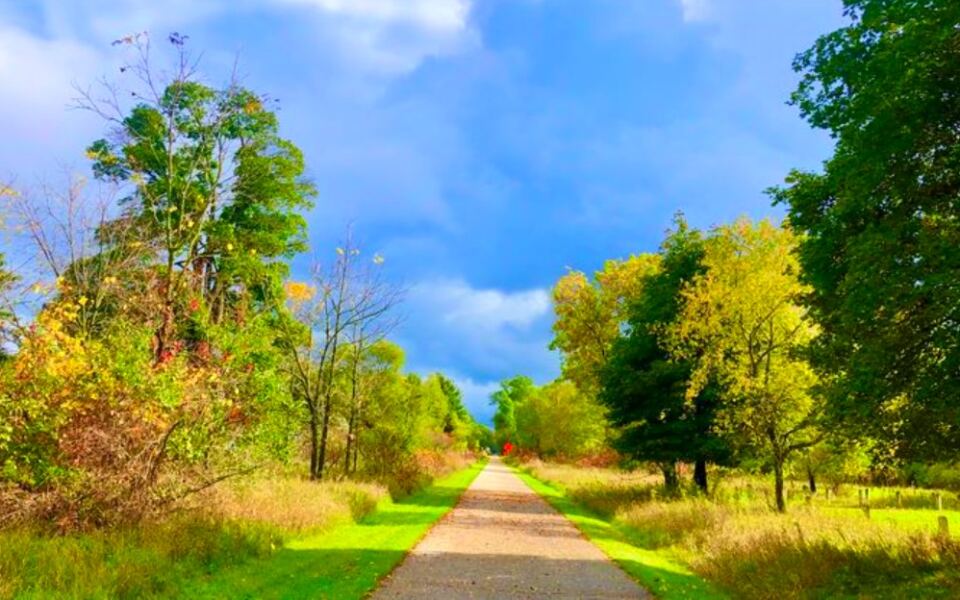
In spring, wildflowers push up along the trail edges and the whole corridor smells fresh and alive. In fall, the tree-lined sections near Big Rapids turn into something close to a color tunnel, with reds and oranges pressing in from both sides.
Wildlife sightings are common: foxes, deer, turtles, and the occasional hawk overhead make appearances that remind you this trail runs through genuinely wild country, not just a manicured park path.
Trail Amenities That Actually Impress
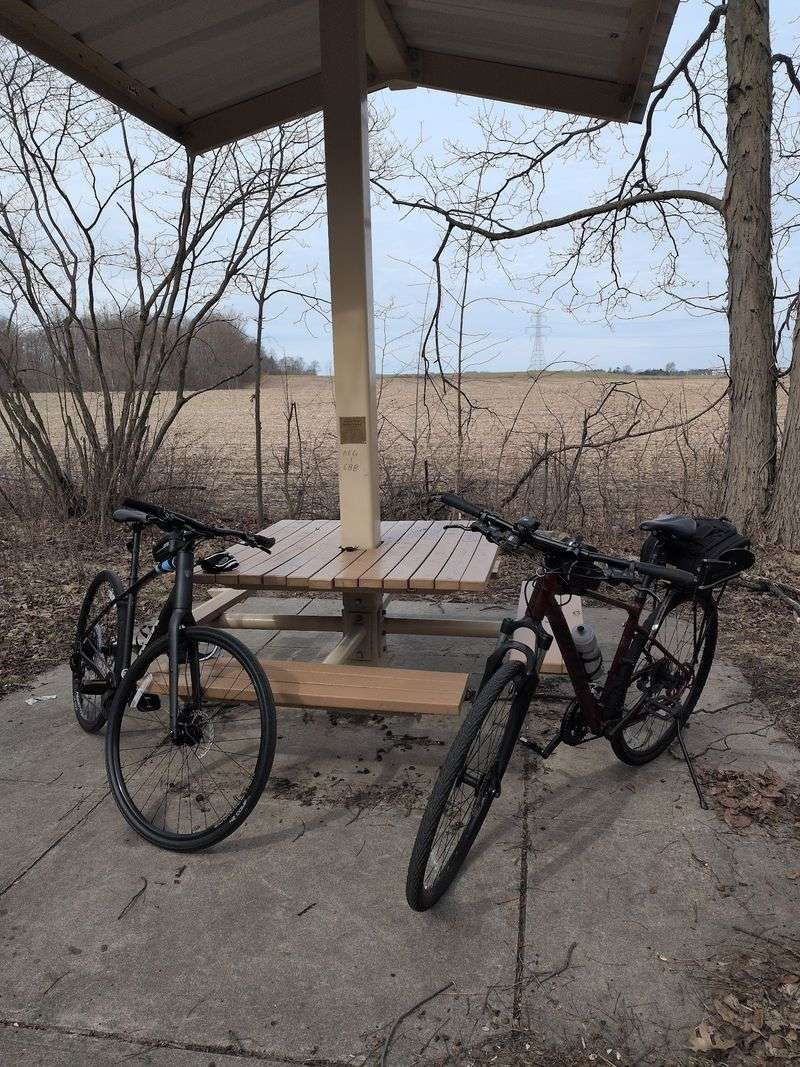
Rest stops on long trails can range from a lonely bench to a fully equipped cyclist station, and the White Pine Trail has been upgrading its facilities in ways that riders genuinely appreciate.
Several access points along the trail now feature clean restrooms, filtered water fountains, and dedicated bicycle rest areas stocked with air pumps and basic repair tools. That kind of infrastructure matters a lot when you are 20 miles from your car and your rear tire starts feeling soft.
The Big Rapids area has benefited from these improvements, and newer installations reflect a real commitment to making the trail more usable for everyone.
That said, water availability is not consistent across every community along the route, so filling up whenever you see a fountain is a smart habit to build early in your ride.
Carrying at least two full bottles and a small snack is basic trail wisdom here, and the well-placed rest areas make it easy to refuel and get back on the path without losing momentum.
Small Towns That Make the Ride Worth Stopping For
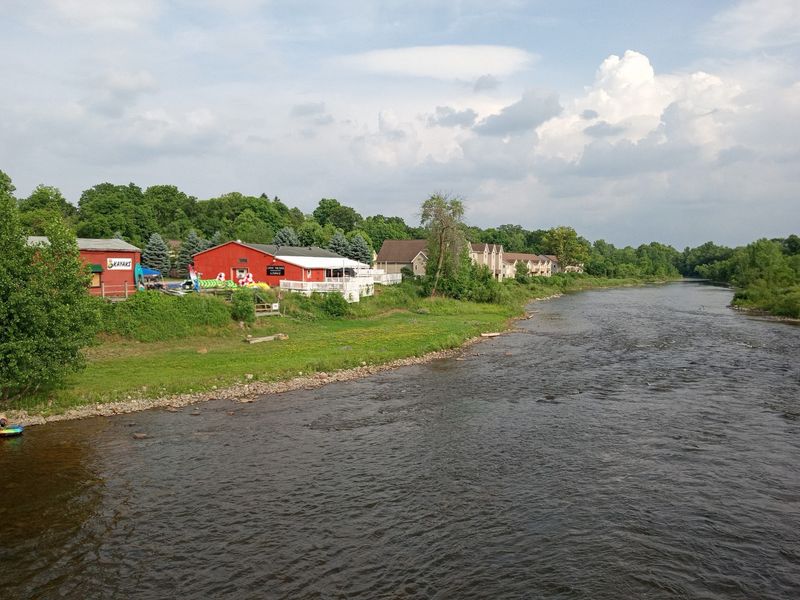
One of the quiet pleasures of this trail is the way it threads through small Michigan towns that most people drive past on the highway without a second glance.
From Big Rapids, heading south, you pass through communities like Morley, Howard City, and Sand Lake, each with its own personality and a handful of places to grab food or a cold drink before pushing on.
Signs along the trail point toward local restaurants and shops, and following one of those signs can lead to surprisingly good food in places you would never have found otherwise.
Howard City, in particular, has earned a reputation among trail regulars for having solid facilities and a friendly atmosphere around the trailhead area.
These towns are not tourist destinations in the traditional sense, but they have a genuine Midwestern warmth that is easy to appreciate when you roll in tired and hungry from a long morning on the bike.
The trail has quietly become a lifeline for some of these communities, bringing in visitors who might not have stopped otherwise.
The Amish Buggy Factor: A Quirk You Need to Know About
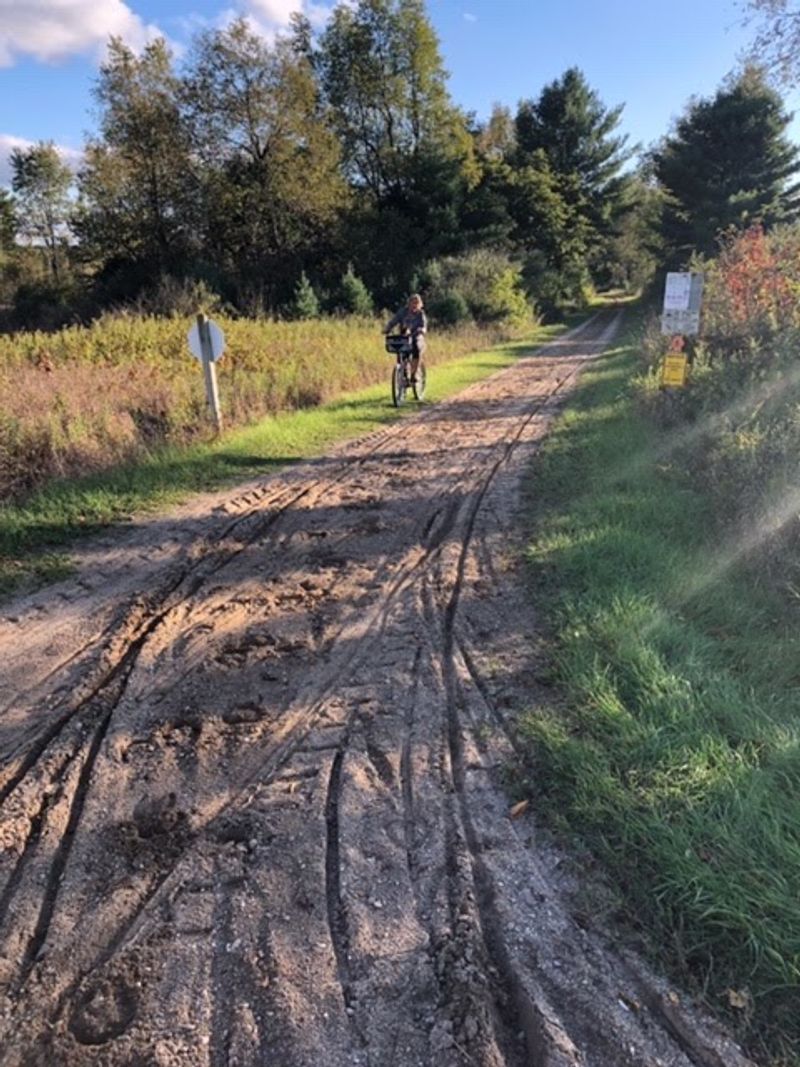
Here is something the trail maps do not always prepare you for: in certain sections between Morley and Stanwood, Amish horse-drawn buggies have been using the trail corridor, and the impact on the pavement is real.
The combination of horse hooves and heavy buggy wheels can chop up the trail surface in ways that create deep ruts and uneven patches, which can catch cyclists off guard if they are not paying attention.
This is not a complaint about the Amish community itself, which is a well-established and respected part of rural Michigan life. It is simply useful information for anyone planning a ride through that section.
Slowing down and staying alert through the Morley-Stanwood corridor is genuinely good advice, and keeping an eye out for horses on the trail itself is worth building into your riding habits for that stretch.
It is one of the more unexpected elements of this trail, and honestly, it adds a layer of character that you will not find on most other bike paths in the country.
Best Times to Ride and What Each Season Offers
The trail near Big Rapids is open 24 hours a day, seven days a week, which gives riders a lot of flexibility, but the season you choose will shape your experience in meaningful ways.
Summer brings the longest days and the most other trail users, which creates a social energy that some people love and others prefer to avoid by starting early in the morning.
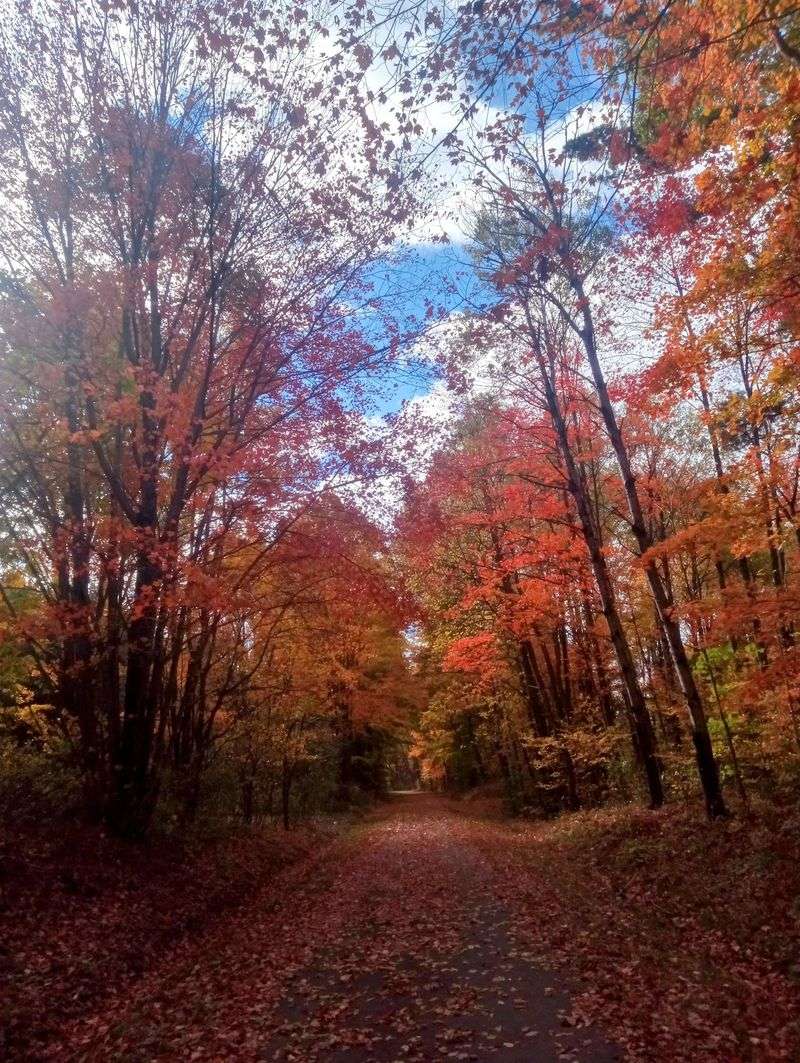
Fall is genuinely spectacular in this part of Michigan. The tree-lined sections between Big Rapids and Cadillac light up with color in late September and October, and the cooler temperatures make long rides feel effortless compared to the humid summer days.
Spring offers a quieter experience with fresh greenery and active wildlife, though some trail sections may have debris or water on the path after winter.
Winter use is possible for those with fat bikes or a high tolerance for cold, but the trail is not groomed for snow, so conditions vary widely depending on the year.
Road Crossings and Safety Details Worth Knowing
The trail crosses a number of roads along its route, and not all of those crossings are well-marked from the perspective of drivers who are not expecting trail users.
Near Big Rapids and through the surrounding communities, some intersections have clear signage and painted crossings, while others require you to slow down, look both ways carefully, and essentially assert your presence before crossing.
Drivers on rural Michigan roads are generally courteous, but they are not always watching for cyclists emerging from a tree-lined trail corridor at speed.
A small bell or a habit of making eye contact with drivers before crossing goes a long way toward keeping things safe and stress-free.
Reflective gear and a front light are smart additions if you plan to ride in early morning or late evening hours, especially in wooded sections where light levels drop quickly under the canopy.
None of this should discourage anyone from riding the trail, but a little awareness makes the whole experience smoother and more enjoyable from start to finish.
Planning Your Ride: Practical Tips for First-Timers
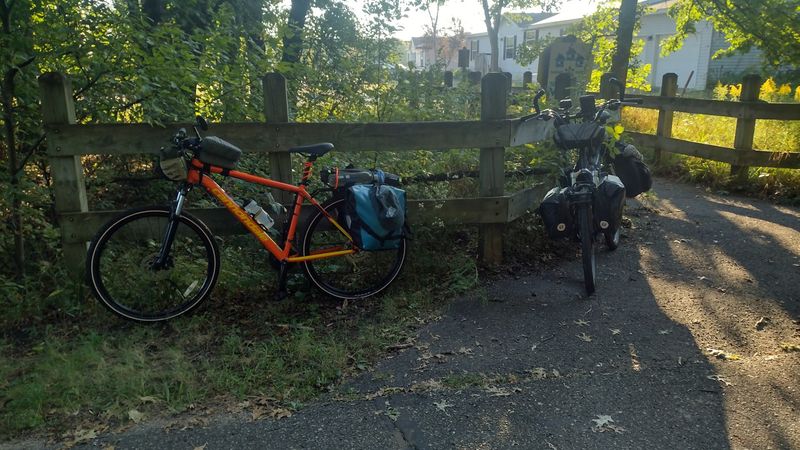
A trail this long rewards a little planning, and first-time visitors to the Big Rapids section will have a much better experience if they think through a few basics before heading out.
Decide in advance whether you want an out-and-back ride or a point-to-point route with a shuttle, because the logistics are quite different and the shuttle option requires coordinating two vehicles or using a local service.
Pack more water than you think you need. The filtered fountains at some rest stops are excellent, but gaps between water sources can stretch longer than expected, particularly in the northern sections above Big Rapids toward Cadillac.
A basic repair kit with a spare tube, tire levers, and a multi-tool is worth the extra weight in your bag, especially given the surface variations on older sections of the trail.
The trail holds a 4.8-star rating from riders who have experienced it firsthand, and that enthusiasm is well-earned, as long as you show up prepared for an adventure rather than a perfectly manicured ride.
Share this story