A road that seems to run out of mainland Florida leads to a porch, a creaking floor, and a store that feels too stubborn to fade away. Out here, the Everglades does not whisper politely – it rustles, splashes, and nudges you toward stories packed into shelves, photographs, old tools, and weathered wood.
I came expecting a quick stop and found myself slowing down, because every corner seemed to wink with another detail. Keep reading, because this place is small in size but big on character, and it rewards anyone who likes Florida with grit, salt air, and a few surprises tucked behind the counter.
The Address at the Edge of Old Florida
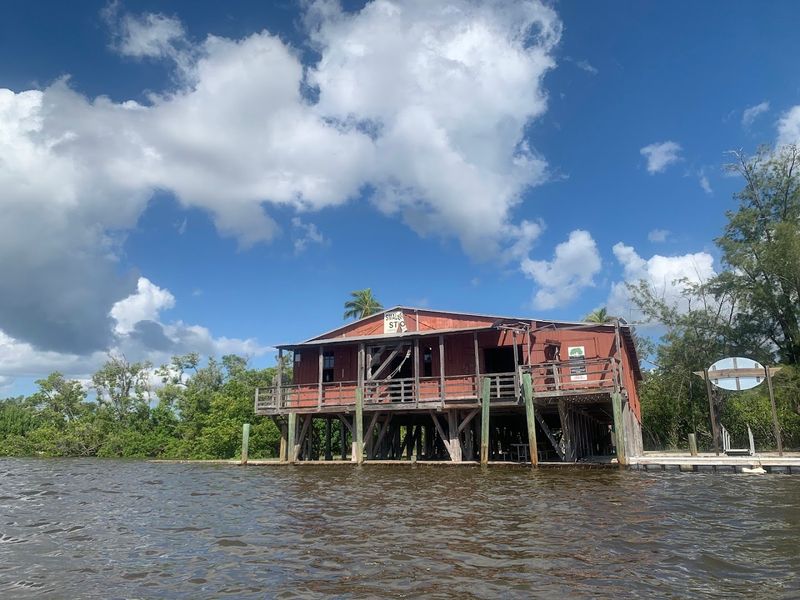
The road to Smallwood Store feels like it has been saving its best story for the very end. You find it at 360 Mamie St, Chokoloskee, on Chokoloskee Island in Florida, United States, where the land meets the broad, brackish edge of the Everglades.
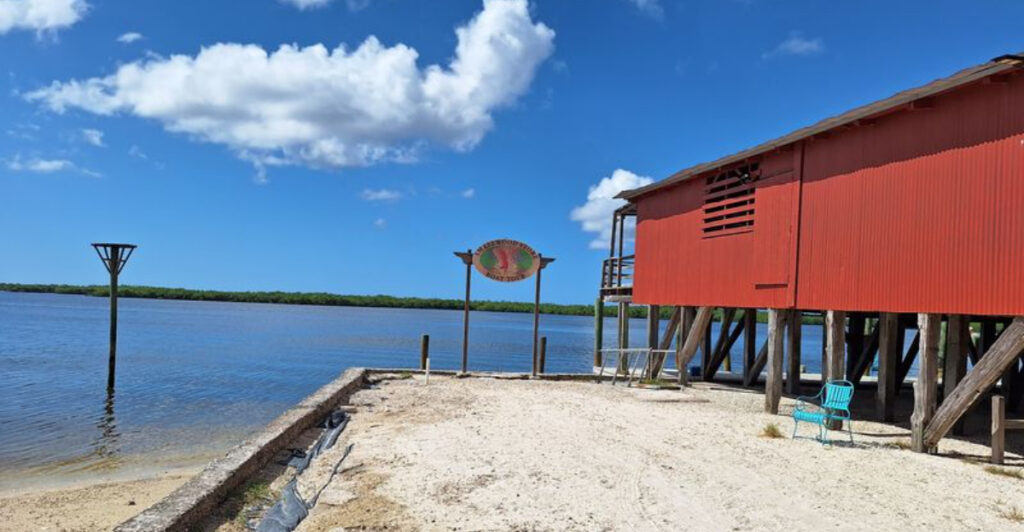
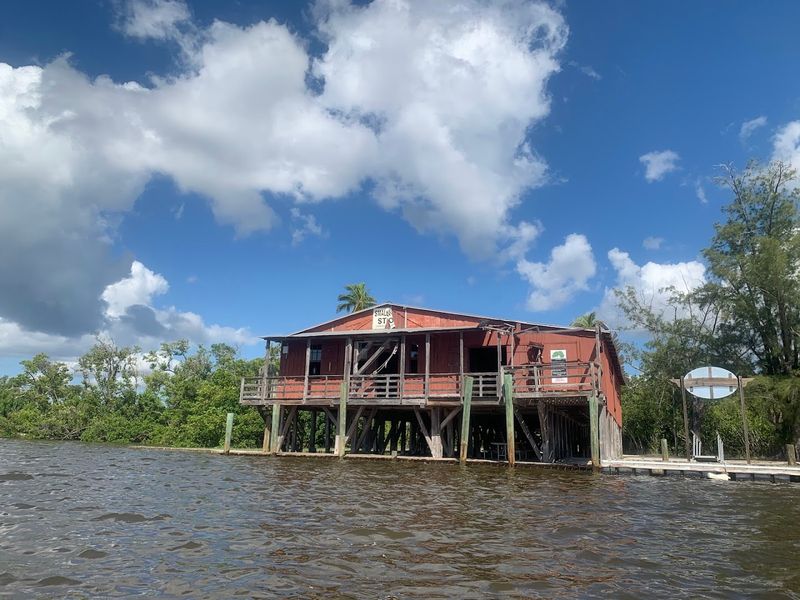
I like that the arrival is not flashy, because the place does not need a drumroll. The weathered building, raised above the ground on pilings, already tells you this corner of Florida has learned to negotiate with water, wind, and time.
Before I even reached the door, the porch view slowed my pace. Mangroves, quiet water, and that faraway Ten Thousand Islands feeling gave the visit its setting, while the store itself waited with the confidence of a local who has seen plenty and still has more to say.
A Trading Post With Real Backbone
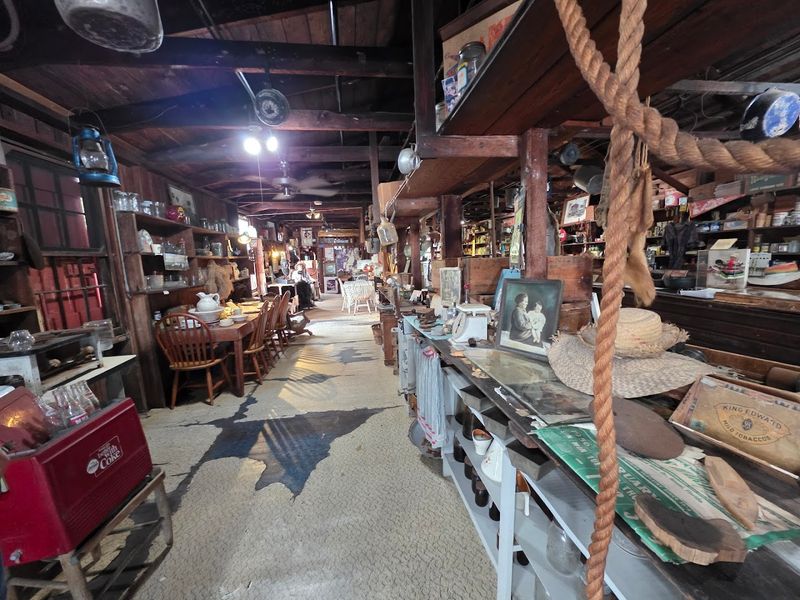
Some historic places feel polished until they lose their pulse, but this one keeps its edges. Smallwood Store began as a trading post serving a remote community, and that purpose still clings to the counters, shelves, and practical objects that fill the rooms.
I could feel how important a place like this would have been before quick errands and phone orders existed. Supplies, news, mail, gossip, and business all had reasons to pass through these boards, which makes the building feel less like a display and more like a meeting point still holding its breath.
The fun is in letting the store teach you without turning stiff. You are not just looking at antiques behind glass, you are standing inside a working memory of Chokoloskee life, where ordinary goods helped people handle an extraordinary landscape.
Creaky Floors and Shelf Talk
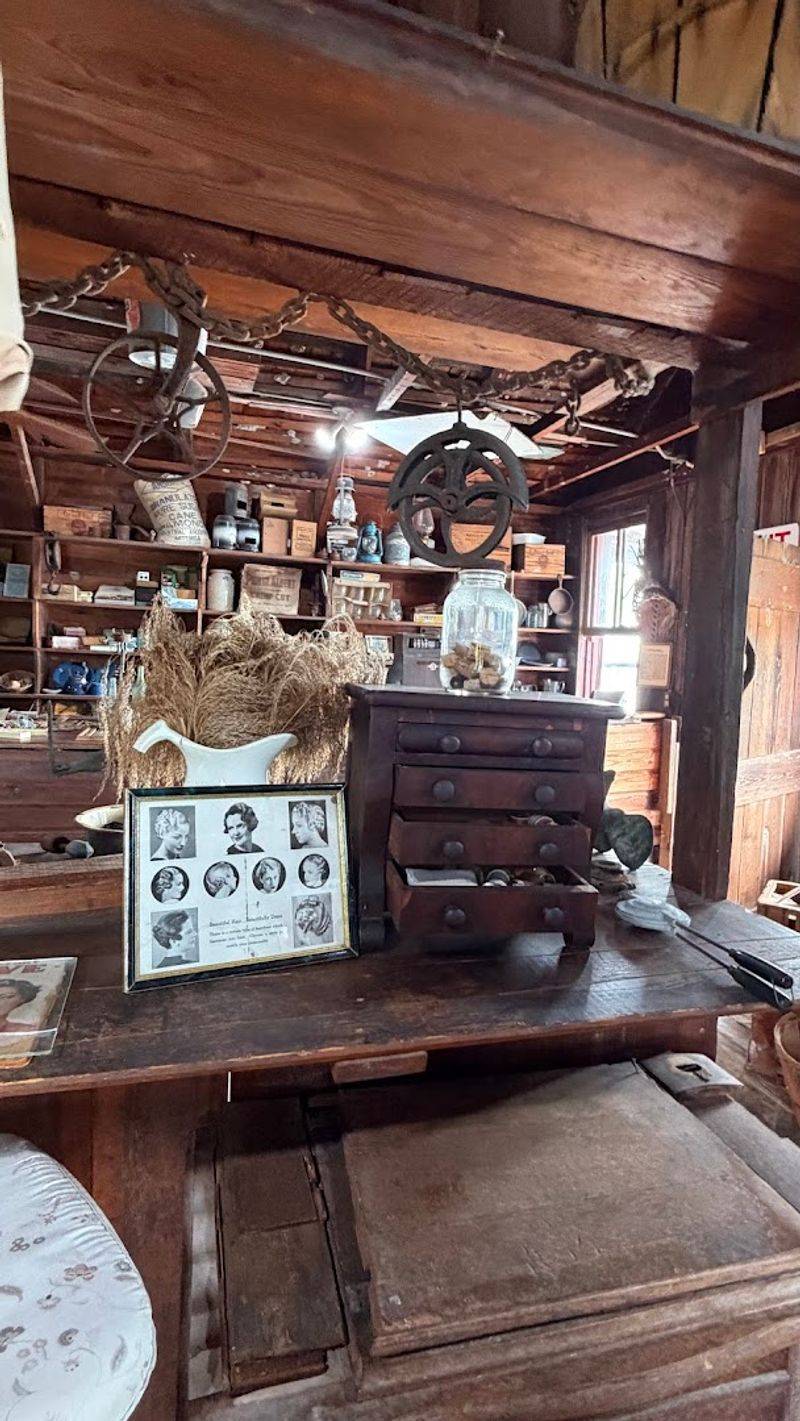
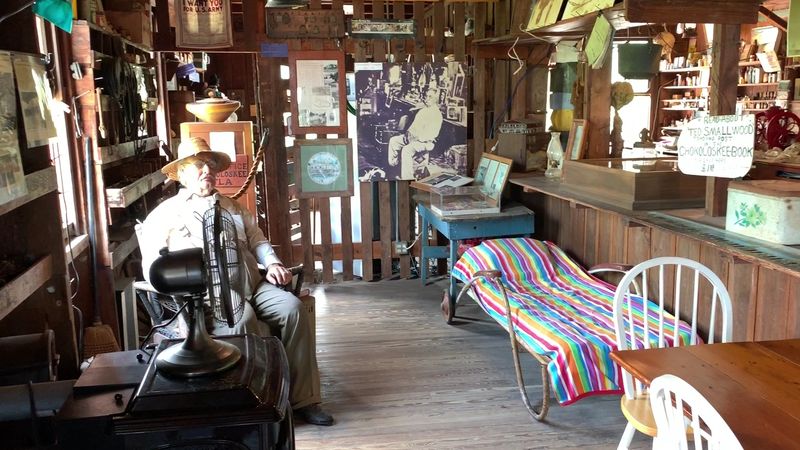
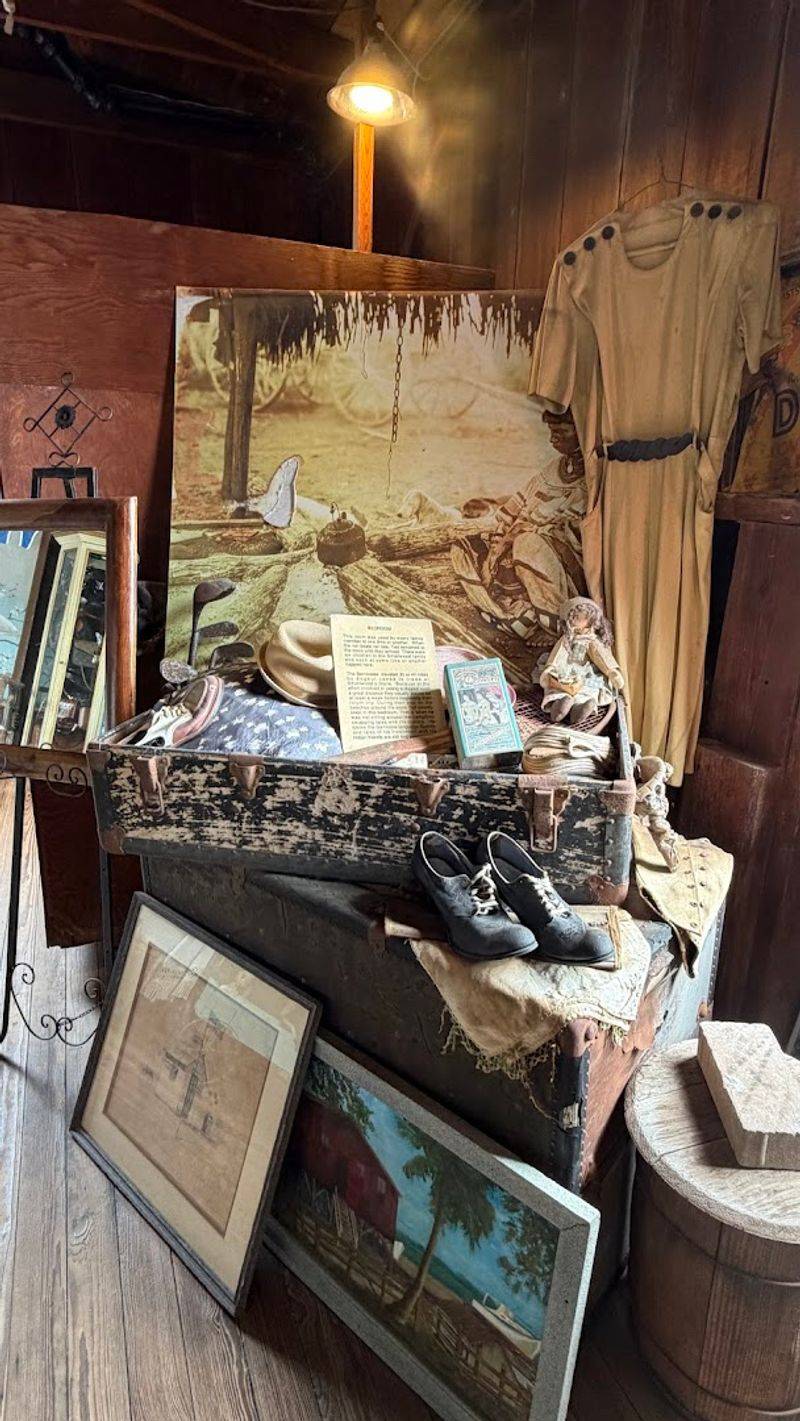
The floorboards do their own storytelling, and I mean that in the best possible way. Each creak underfoot adds a little punctuation as you move past old tins, tools, household pieces, photographs, and store goods from a Florida many visitors never learned about in school.
I took my time because the rooms reward close looking. A quick lap gives you the basics, but a slower wander lets labels, textures, and odd little objects connect into a picture of daily life on an island that once felt far more isolated.
The store is not enormous, so do not rush just because you can see the walls. Linger near the counters, scan the shelves twice, and let the small details gang up on you in the most charming, history-packed way.
The Porch View Earns a Pause
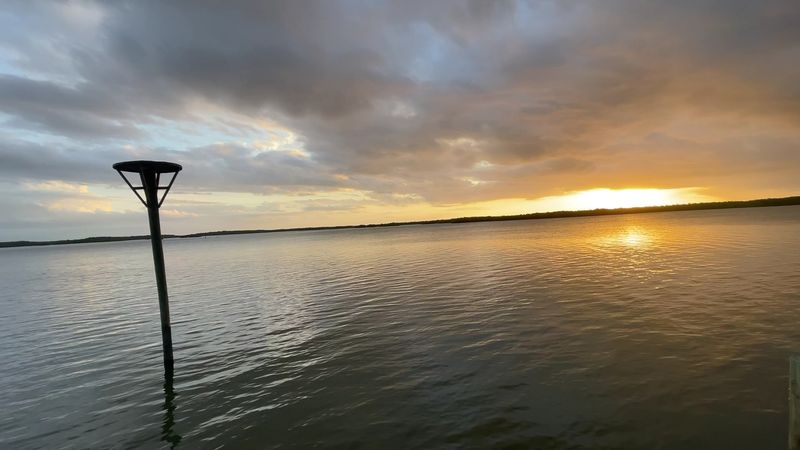
The porch may be the quietest scene-stealer in Chokoloskee. After the close, object-filled rooms inside, that open view of water and mangroves gives your eyes room to breathe and your brain a chance to catch up.
I noticed the water carrying that tea-colored Everglades tint, shaped by mangroves and tidal life. It is not postcard-blue Florida, and that is exactly why it feels so honest, because this landscape runs on roots, mud, birds, currents, and patience.
A few minutes outside changes the pace of the visit. You start to understand why a trading post here mattered, because the porch faces the watery network that once linked people, supplies, and stories across this remote edge of Southwest Florida.
A Small Museum That Asks for Slow Eyes
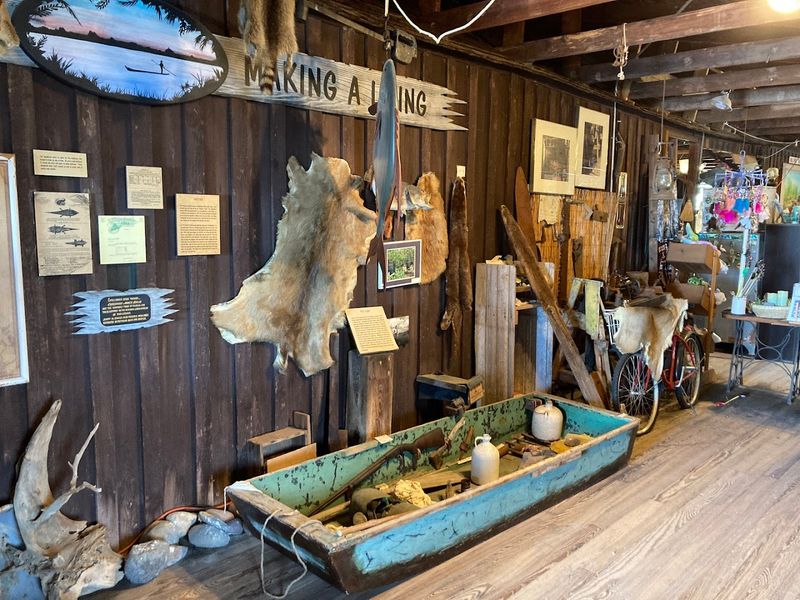
A modest admission fee helps keep the museum open, and I found it easy to justify before I had finished the first room. The value here is not measured in square footage, but in how many layers of local life are preserved within a compact space.
The displays include family pieces, photographs, tools, old merchandise, and household items that feel connected rather than randomly collected. I liked seeing practical objects take center stage, because they say more about survival, work, and routine than any glossy panel could.
Plan on at least half an hour, and add more time if you enjoy reading details. This is the kind of stop where curiosity pays interest, especially when one faded label sends you back across the room to look again.
The Building Has Weathered Plenty
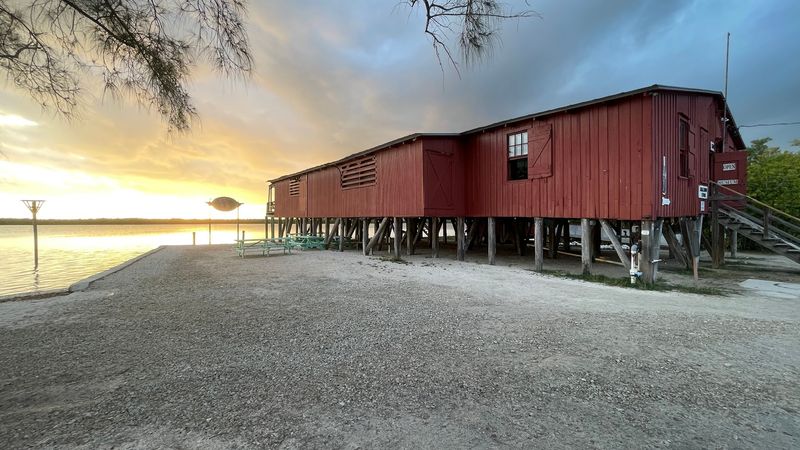
The building itself deserves attention before you get too distracted by the objects inside. Raised above the ground, the store shows how architecture in this watery place had to adapt, especially after storms and flooding changed what survival required.
I kept looking at the old wood, the pilings, and the simple shape of the structure. Nothing about it feels ornamental, yet that plain usefulness is what gives it such presence, because every board seems to have earned its position.
Florida history often gets packaged in bright colors and breezy slogans, but this building offers something sturdier. It stands as proof that Chokoloskee’s past was practical, resourceful, and tied closely to weather, tides, and the kind of stubborn maintenance that never gets enough applause.
Chokoloskee’s Remote Character Comes Through
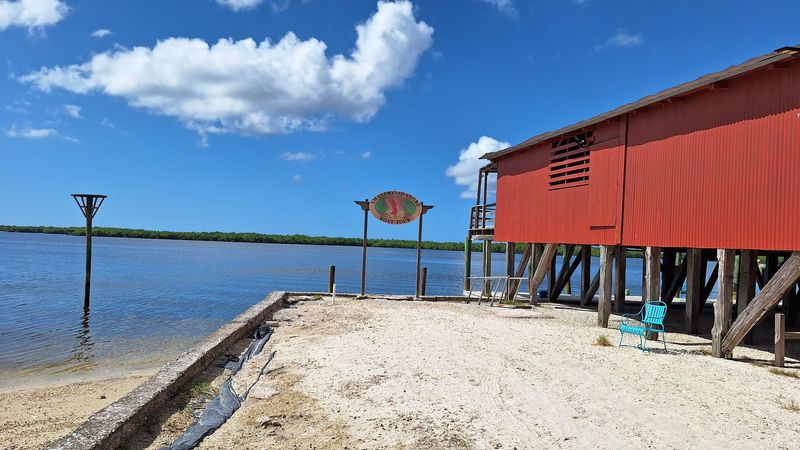
Chokoloskee does not feel like the Florida that shouts for attention. It feels tucked away, a little salty, and deeply tied to the Everglades, which makes Smallwood Store feel like it belongs exactly where it is.
The island setting matters because it explains so much about the store’s original role. When travel was slower and the surrounding waterways shaped daily life, a trading post was more than a convenience, and this one still carries that sense of necessity.
I found myself thinking less about sightseeing and more about place. The store gives you a clear window into how people built lives here with the materials, routes, and knowledge they had, and that makes the visit stick longer than a quick photo stop.
Stories Hide in Ordinary Objects
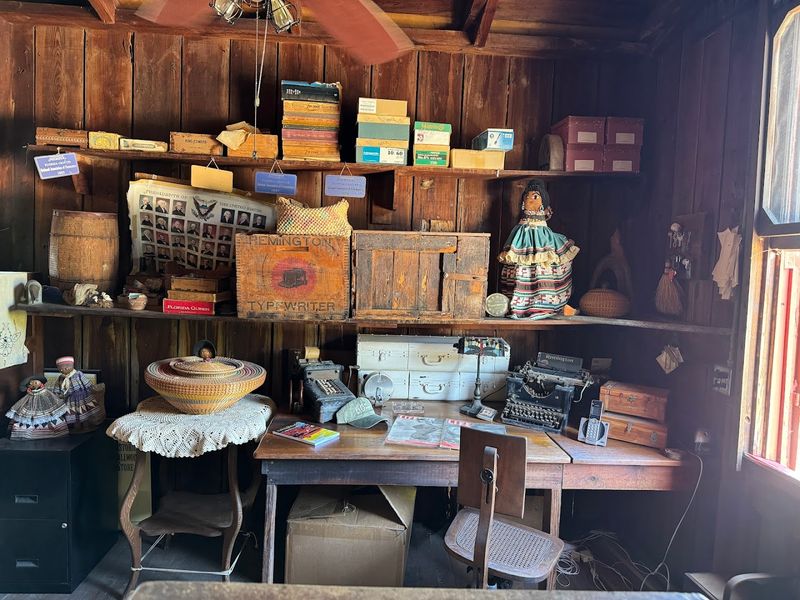
The objects inside are not fancy, and that is why they work so well. Old cans, tools, photographs, clothing, and household pieces carry the rhythm of chores, trade, travel, and island routines without needing theatrical effects.
I enjoy museums that let ordinary things do the heavy lifting. A shelf of practical supplies can say a lot about distance, need, and resourcefulness, especially in a place where the nearest easy option was not always easy at all.
Give yourself permission to be nosy in the best museum way. Read the signs, peer into corners, and notice how the store’s preserved clutter turns into a map of community life, one object at a time, without ever feeling overproduced.
A Boat Tour Connection Worth Noting
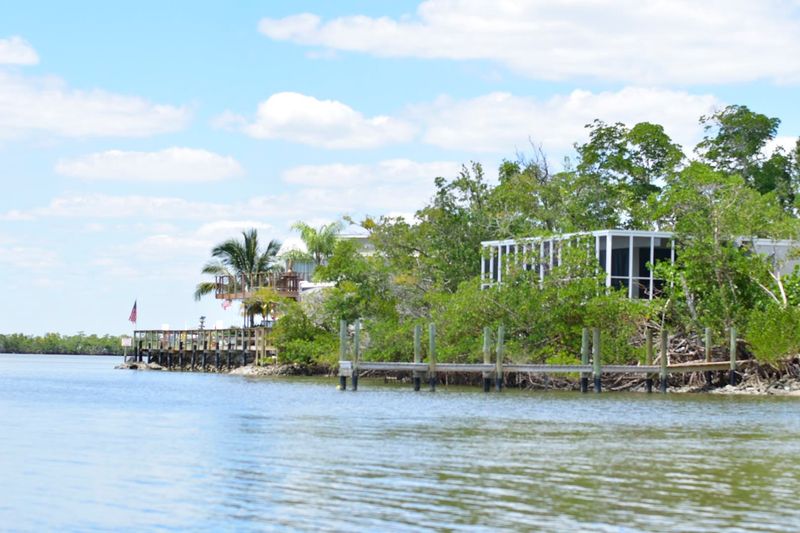
The store is also connected with guided outings that help visitors experience the surrounding waters. I like that option because the building tells the land-based story, while a boat ride can show why the waterways mattered so much.
The Ten Thousand Islands area around Chokoloskee is a maze of mangroves, birds, and shifting channels. Seeing that landscape from the water can make the museum displays feel more grounded, because you understand the routes, distances, and natural surroundings in a fuller way.
Check availability directly before planning around a tour, since weather and schedules can shape the day. Pairing the museum with time on the water turns a short stop into a richer Everglades outing, with less hurry and more aha moments.
When to Visit and What to Check
The posted hours commonly run during the day, and the Google listing showed 10 AM to 5 PM for each day of the week. I would still check the official website or call +1 239-695-2989 before making a long drive, because remote places can be practical rather than predictable.
That little planning step saves frustration and keeps the trip relaxed. Bring cash for the museum admission just in case, and arrive with enough time to browse instead of squeezing it between bigger plans.
Late morning or afternoon both work well if the weather cooperates. I prefer visiting when I can pair the indoor rooms with porch time, because half the pleasure is letting the old store and the wide water trade the spotlight.
Family History Gives It Texture
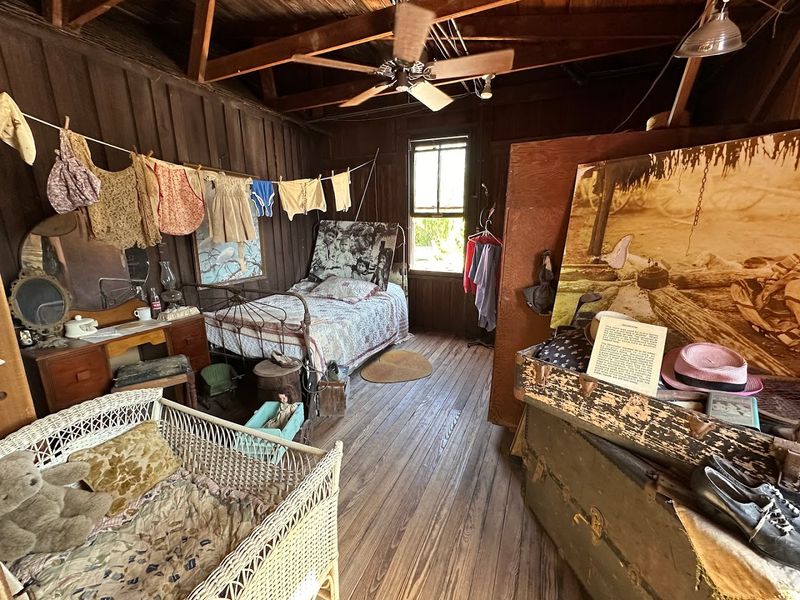
The family connection gives the store a warmth that a generic museum could never fake. Personal heirlooms and preserved rooms make the history feel close, as though the past stepped out for fresh air and might return before closing.
I found the domestic details especially useful for understanding the place. Beds, household items, and family photographs remind you that this was not only a business address, but part of a lived-in world shaped by work, kinship, and island routines.
That personal layer keeps the visit from turning into a simple antique hunt. You leave with a better sense of how public trade and private life overlapped here, which makes the store feel human rather than merely historic.
A Compact Stop With Big Context
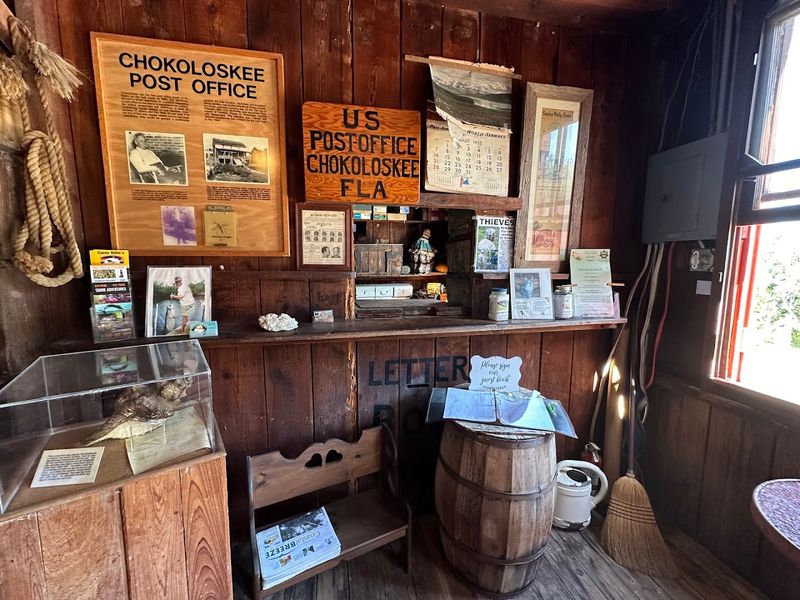
This is not an all-day attraction, and that is part of its charm. Smallwood Store works beautifully as a focused stop, especially when you are exploring the Everglades area and want history that feels specific, tangible, and easy to absorb.
I would not rush in expecting flashing screens or polished theatrics. The appeal comes from real rooms, real objects, and the sense that the building has carried its own context through more than a century of change.
Pair it with nearby nature time, and consider linking your own trip planning to guides about Everglades City, Ten Thousand Islands outings, or other Old Florida historic stops. This little store opens the door, and the surrounding landscape keeps the conversation going.
Respect the Quiet, Get the Reward
The best way to experience the store is with a relaxed pace and a little respect for its quiet personality. It is not trying to entertain you every second, which feels refreshing once you settle into the rhythm of the rooms.
I asked fewer questions than I normally might and simply paid attention. The building has plenty to say through its materials, displays, and setting, and sometimes that kind of low-volume storytelling lands better than a scripted presentation.
Bring curiosity, comfortable shoes, and patience for uneven old-floor charm. You may enter thinking it is a quick museum stop, but the reward is that sneaky feeling of having met a corner of Florida that refuses to become ordinary.
Why This Everglades Stop Lingers
By the time I left, the store had done something I always hope for on a Florida backroad trip. It made the map feel deeper, not just wider, by connecting a quiet island address to trade, water, weather, family, and memory.
Smallwood Store lingers because it is specific. You can smell the old wood, hear the floorboards, look across the mangroves, and understand that this little building mattered long before it became a tourist attraction.
I would send any curious traveler here with simple advice: slow down, pay the admission, check the hours, and let the place work on you. The Everglades has plenty of grand scenery, but this porch-sized piece of history proves the small stories can travel far.
Share this story