Some TV characters are so lovable that we root for them no matter what. Others?
Well, they make us want to throw our remote at the screen. Whether they were cruel, clueless, or just plain irritating, these characters had viewers groaning, sighing, and questioning their life choices for tuning in.
Get ready to relive the frustration as we count down the 14 TV characters who really put our patience to the test.
1. Joffrey Baratheon (Game of Thrones)
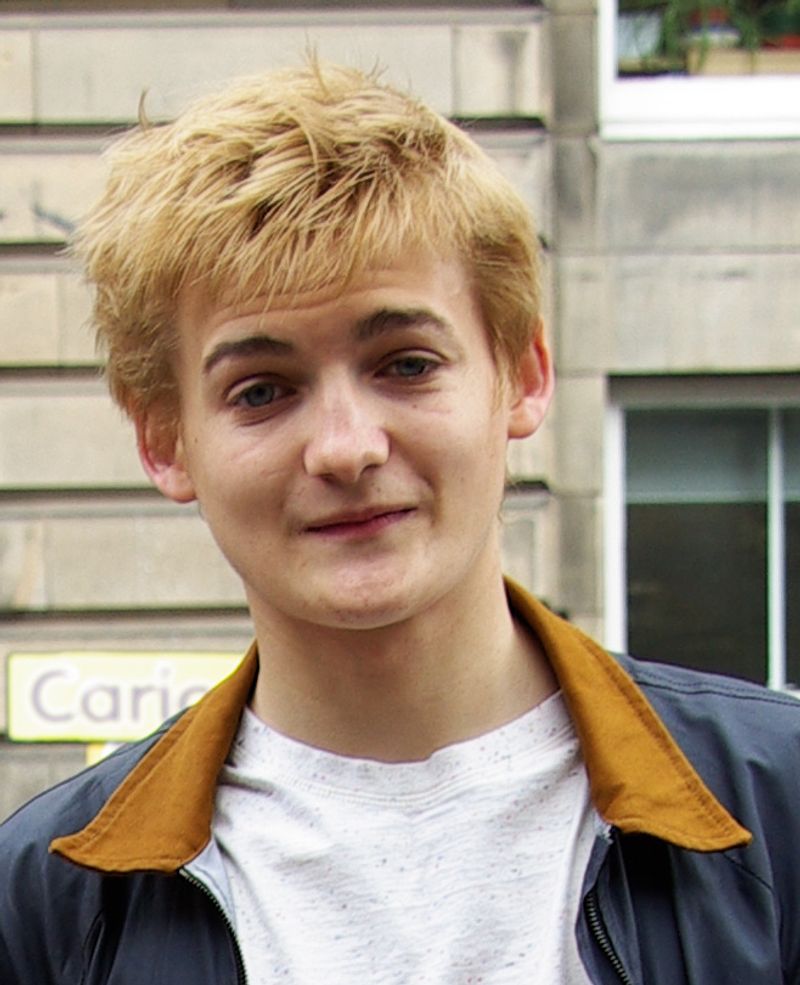
Few TV villains have ever made audiences clench their fists the way Joffrey Baratheon did. From the moment he opened his mouth, viewers knew this kid was going to be a nightmare.
He wore cruelty like a crown, punishing people for absolutely no reason.
What made Joffrey so unbearable was his mix of cowardice and power. He hid behind guards while ordering executions and genuinely enjoyed watching others suffer.
No redeeming quality, no soft moment, just pure awfulness wrapped in golden armor.
Actor Jack Gleeson played him so convincingly that fans reportedly sent him hate mail. That is some serious commitment to making a character unlikable.
Joffrey remains one of the most satisfying TV deaths ever, and almost everyone watching cheered when his time finally came. Patience rewarded, eventually.
2. Ramsay Bolton (Game of Thrones)
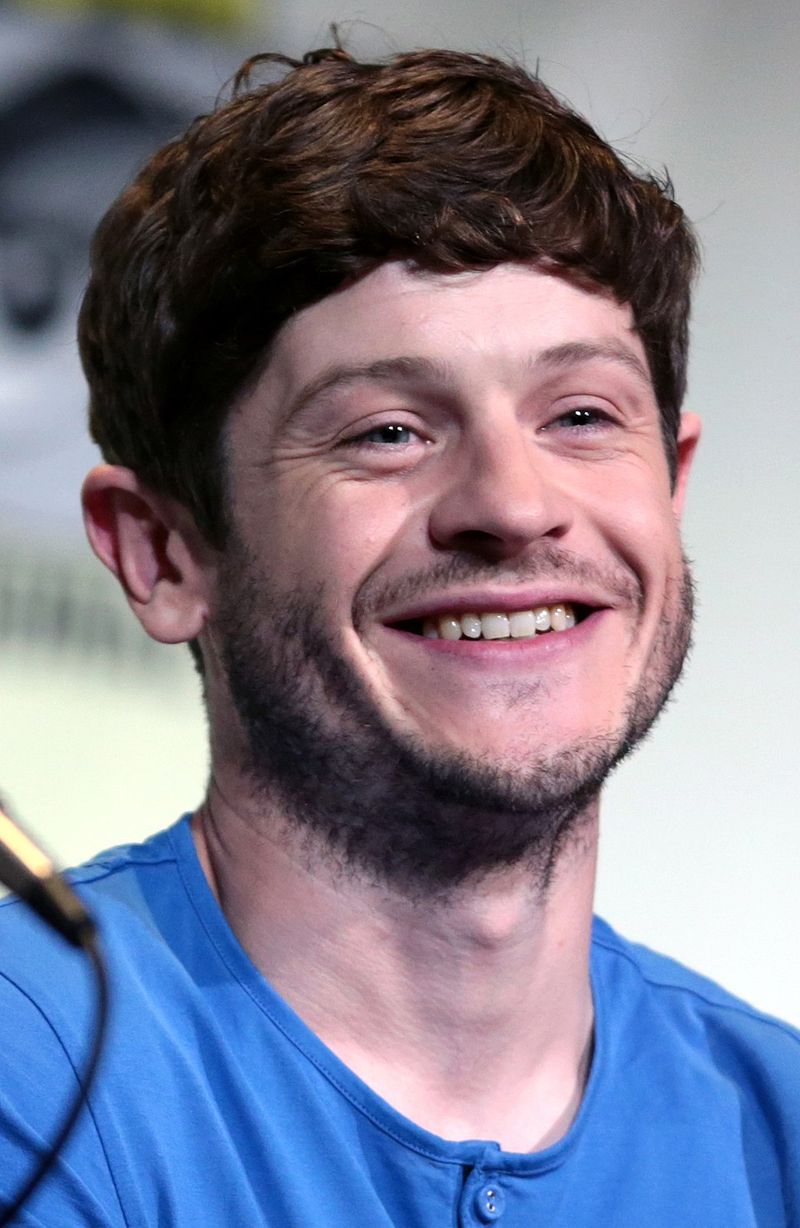
Ramsay Bolton did not just test our patience. He obliterated it, stomped on the remains, and grinned about it.
Where Joffrey was a bratty child with power, Ramsay was something far more calculated and genuinely frightening.
Every scene he appeared in felt like a slow walk through a minefield. You never knew who he was going to hurt next, and the show made sure you felt every horrible moment.
His treatment of Theon Greyjoy alone had viewers needing a moment to collect themselves.
What made him especially maddening was how clever he was. He was not just evil for shock value.
He planned, manipulated, and outsmarted people repeatedly. When he finally met his end, courtesy of his own hounds, the collective sigh of relief from fans could probably have been heard from space.
3. Skyler White (Breaking Bad)
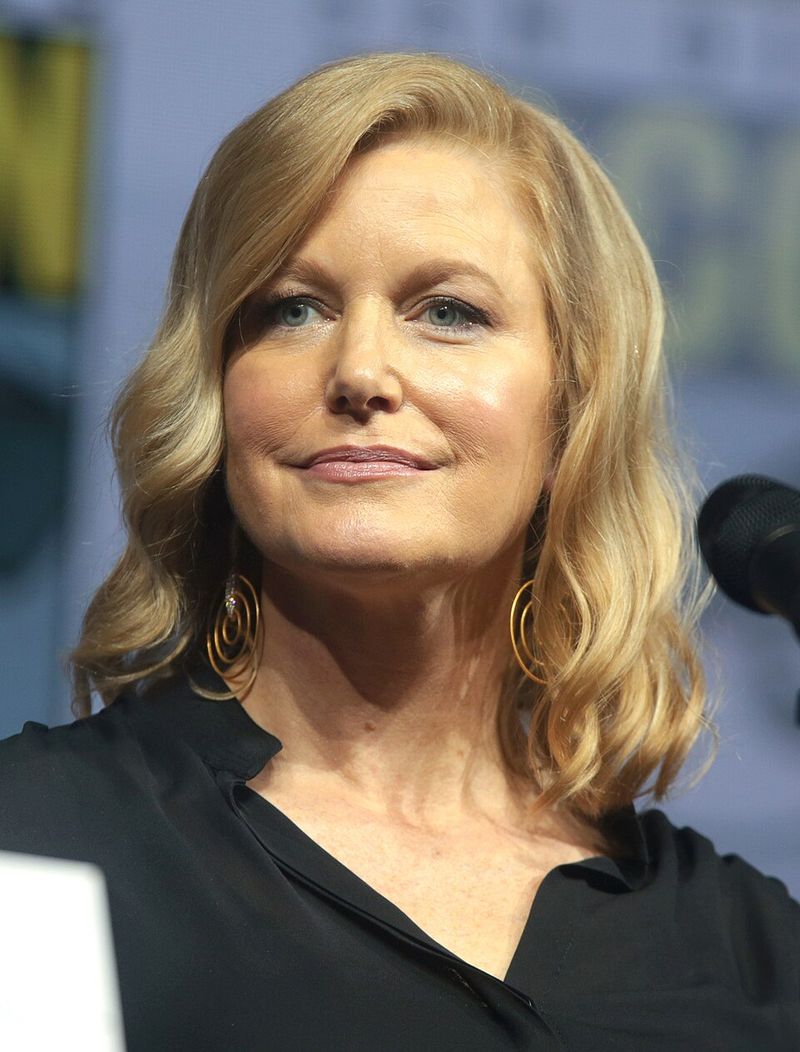
Here is the thing about Skyler White: she was actually right about everything. Her husband was cooking meth, lying constantly, and dragging their family into danger.
Her suspicion and anger were completely justified.
Yet somehow, a large portion of the audience turned on her hard. Fans called her annoying, controlling, and a buzzkill.
The frustration viewers felt toward her said more about how much they were rooting for Walt than about anything Skyler actually did wrong.
Creator Vince Gilligan has pointed this out directly, noting the unfair treatment she received from fans. Anna Gunn, who played her, even wrote an op-ed about the intense hatred directed at her character.
Skyler was not the problem. She was the moral compass the audience refused to follow.
Still, right or wrong, she made many viewers groan every time she appeared on screen.
4. Lori Grimes (The Walking Dead)

Surviving a zombie apocalypse is genuinely hard, and Lori Grimes had it rough. Her husband came back from the dead, she had started a relationship with his best friend, and now she was pregnant during the end of the world.
Rough deal, honestly.
But Lori had a special talent for making every situation worse. She encouraged Rick to handle a problem, then complained when he handled it.
She let Carl wander off constantly despite the zombies-everywhere situation. Fans kept a mental tally of how many times Carl almost died because of inattention.
Her decision-making felt inconsistent in ways that went beyond stress or grief. Viewers wanted to root for her but found themselves throwing up their hands instead.
When her story ended in season three, the reaction from fans was mixed in ways the writers probably did not anticipate. A complicated legacy, to say the least.
5. Andrea Harrison (The Walking Dead)

Andrea started The Walking Dead as a genuinely compelling character with real emotional depth. Then somewhere along the way, the writers seemed to forget what made her interesting and replaced it with a series of baffling choices.
Her relationship with the Governor is the biggest offender. Viewers were practically screaming at the screen as she repeatedly chose romance over survival instinct.
She had multiple chances to end the threat he posed and walked away every single time. It was maddening to watch someone so capable make such consistently poor decisions.
Comic book fans who loved the original Andrea made the TV version even harder to accept. The gap between who she could have been and who she became on screen felt enormous.
Her eventual fate felt more like a mercy for frustrated viewers than a meaningful story payoff. A real missed opportunity wrapped in poor writing.
6. Ted Mosby (How I Met Your Mother)
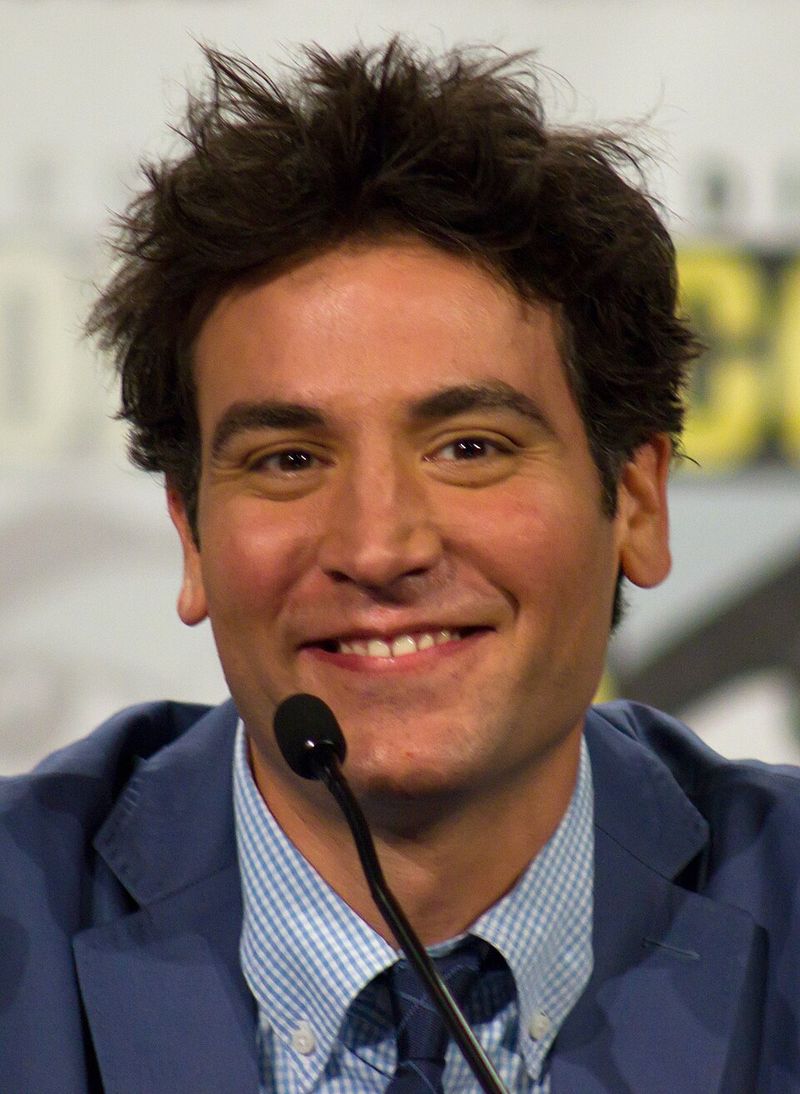
Ted Mosby spent nine full seasons explaining to his kids how he met their mother, and somehow he took the longest possible route to get there. The guy could turn a simple story into a multi-episode saga involving every woman he ever smiled at.
His romanticism crossed into self-absorption so many times it stopped being charming. Ted consistently centered himself as the tragic hero of every relationship, even when he was clearly the problem.
The line between hopeless romantic and exhausting narcissist blurred constantly throughout the show.
What really pushed fans over the edge was the finale, which undid years of character growth in about twenty minutes. The show built toward one ending and then yanked the rug out entirely.
Ted got what he always wanted, just not in the way anyone wanted to watch. Good concept, rough execution, unforgettable frustration.
7. Ross Geller (Friends)
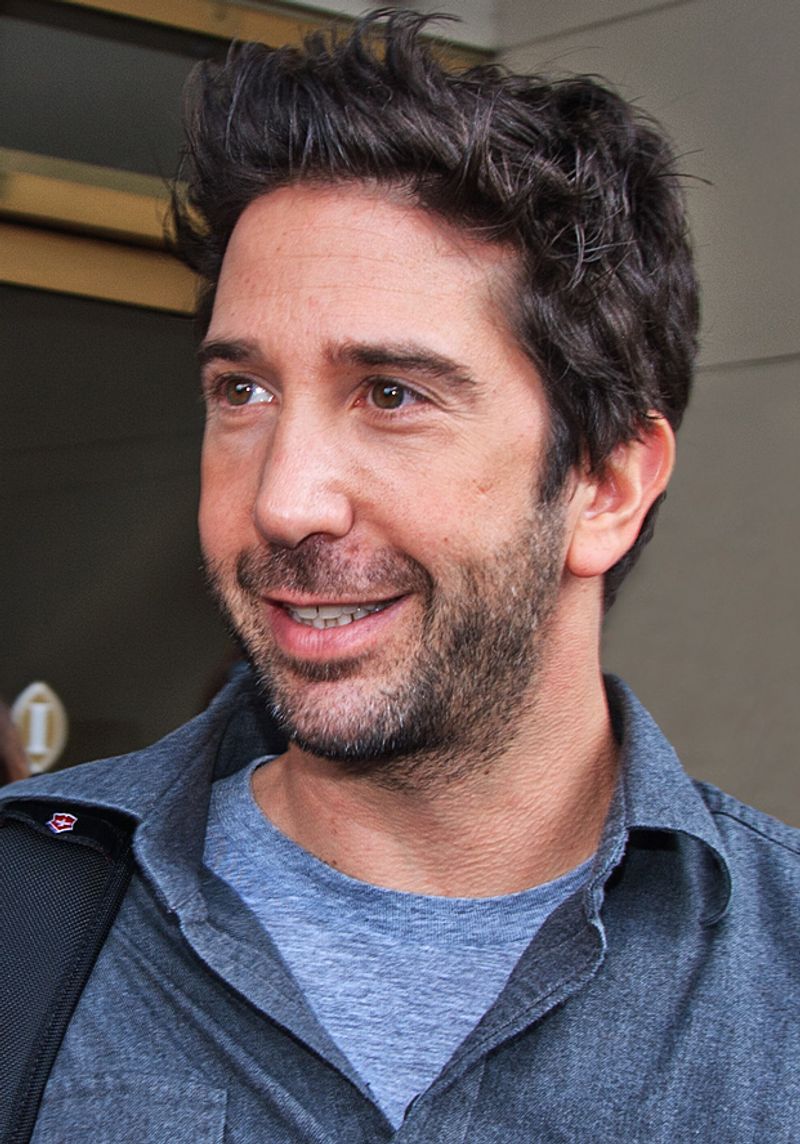
Ross Geller was introduced as the lovable nerdy paleontologist pining for his dream girl. Sweet, right?
Fast forward a few seasons and he had become one of the most exhausting presences on the entire show.
His possessiveness of Rachel bordered on obsessive. He got divorced three times, corrected people constantly about being a doctor, and the infamous “we were on a break” argument became shorthand for petty stubbornness everywhere.
He never truly accepted blame for his own role in failed relationships.
What makes Ross especially interesting to revisit is how the show framed his behavior as romantic rather than problematic. His jealousy and controlling tendencies were regularly played for laughs.
Watching older episodes now hits very differently. David Schwimmer played him brilliantly, but the character himself?
A walking headache with great hair and a dinosaur obsession. Still somehow endearing, though.
Mostly.
8. Janice Soprano (The Sopranos)

Every family has that one relative who walks into a room and immediately makes everything about themselves. For the Soprano family, that person was Janice, Tony’s older sister and a masterclass in manipulative behavior.
Janice had a gift for presenting herself as the victim no matter what the situation actually was. She drifted in and out of the story, attaching herself to whoever could give her the most attention or money.
Her relationship with Richie Aprile alone was a fever dream of dysfunction and drama.
What made her so brilliantly unbearable was how real she felt. Aida Turturro played her with such specific energy that you could practically smell the passive aggression through the screen.
Tony’s visible exhaustion every time she called was deeply relatable. Janice was not the scariest character in the show, just the most draining.
Family really is something else.
9. Andy Bernard (later seasons) (The Office)
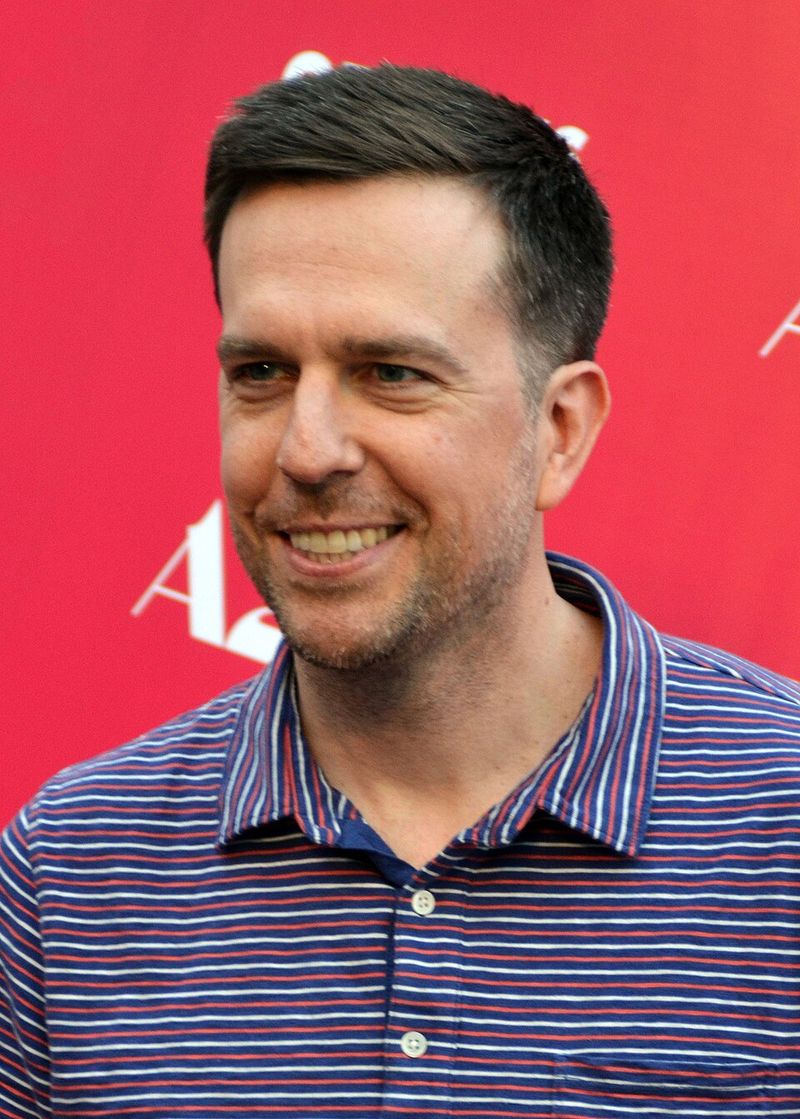
Early Andy Bernard was actually pretty funny. The anger management graduate trying desperately to fit in at Dunder Mifflin had real comedic charm, and his relationship with Angela had some genuinely sweet moments.
Then the later seasons happened.
Once Andy became manager and especially after Ed Helms became more prominent in the cast, the character shifted into something much harder to watch. His neediness became the dominant trait, and not in a fun way.
The boat storyline, where he abandoned Erin for months to chase a music career, made fans genuinely dislike him.
The final season brought him back as someone almost unrecognizable from his earlier self. His obsession with fame and his treatment of Erin felt mean-spirited rather than comedic.
A character who started with promise faded into a cautionary tale about what happens when a show loses its footing in the final stretch.
10. Piper Chapman (Orange Is the New Black)
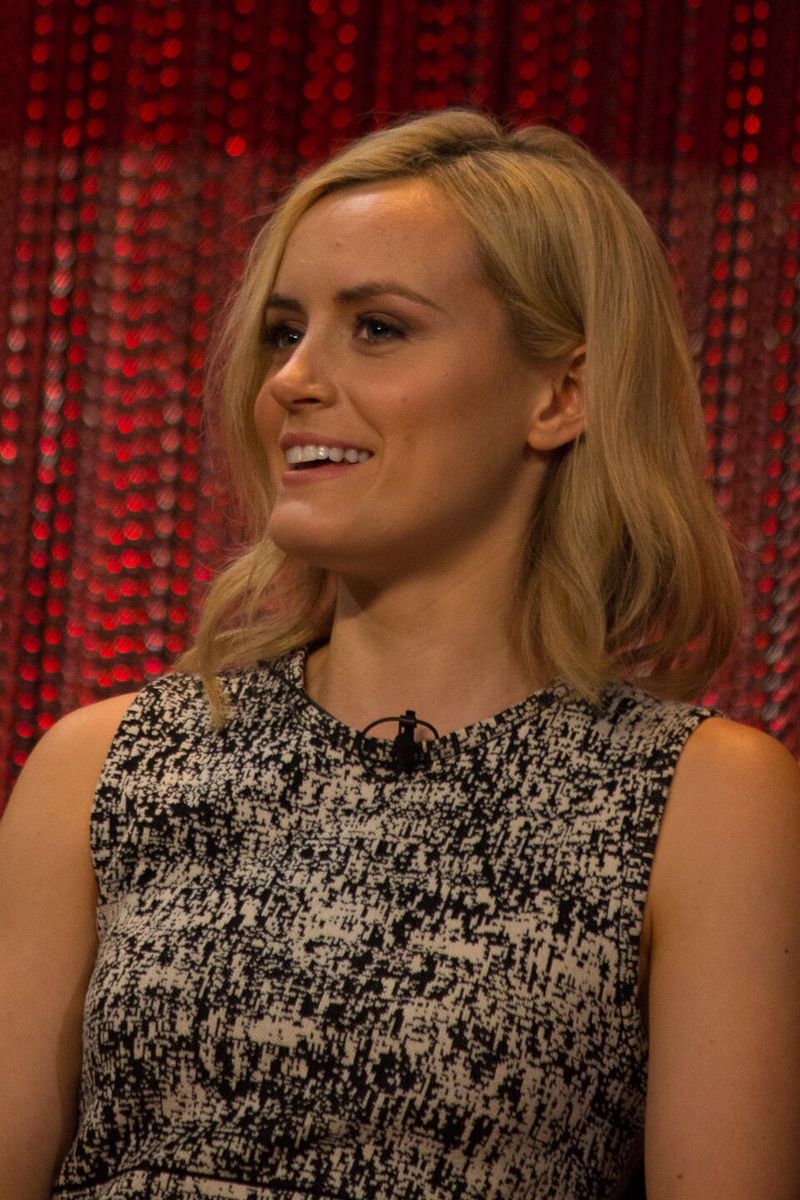
Piper Chapman was supposed to be the audience’s entry point into the world of Litchfield prison. The idea was that viewers would follow her fish-out-of-water journey and gradually understand the bigger stories around her.
Solid plan, except Piper herself became the obstacle.
Her white-privilege blind spots went from being an interesting character flaw to a genuinely grating personality trait. She consistently made situations about herself even when surrounded by women with far more urgent and compelling problems.
The show seemed aware of this at times, having other characters call her out regularly.
The frustrating part was that Orange Is the New Black had an extraordinary ensemble cast full of fascinating, complex women. Taystee, Poussey, Red, and Suzanne all deserved more screen time than they got.
Watching Piper take up space that could have gone to richer stories was the real punishment. Taylor Schilling played her well, though.
Credit where it is due.
11. Dawson Leery (Dawson’s Creek)

Dawson’s Creek was named after this guy, which meant audiences were stuck with him no matter how deeply he tested their goodwill. And test it he did, week after week, with speeches that sounded like a film school thesis and emotions turned up to maximum volume.
Dawson fancied himself a misunderstood artistic genius, but most of the time he came across as a teenager who could not handle not being the center of every situation. His treatment of Joey flip-flopped between obsessive devotion and cold rejection depending on what served him best in the moment.
The real kicker? Pacey Witter, his best friend, was infinitely more likable, funnier, and emotionally mature.
Fans overwhelmingly preferred Joey with Pacey, and the show eventually agreed. Dawson getting his own creek felt generous.
A dock in a smaller pond might have been more appropriate.
12. Paige Jennings (The Americans)
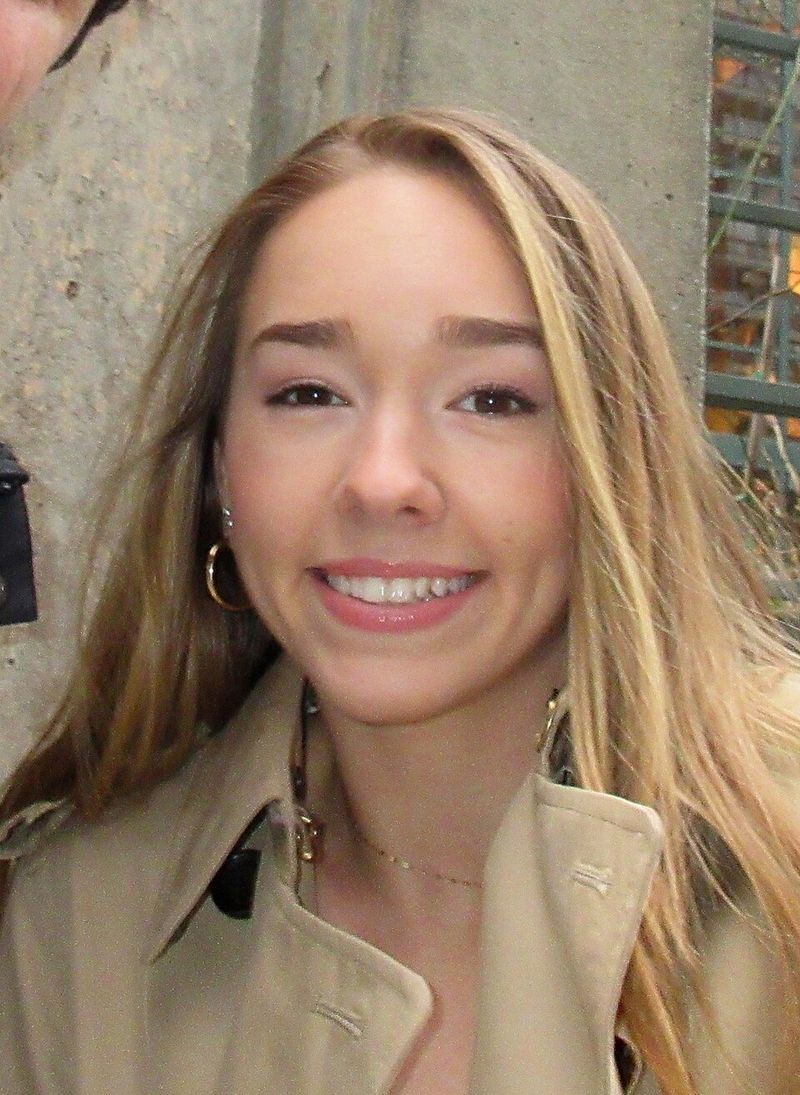
The Americans was a slow-burn masterpiece about Soviet spies living as a normal American family, and Paige Jennings was the wrench thrown into every carefully laid plan. Her discovery of her parents’ secret lives sent the show into genuinely tense territory.
The problem was how she handled it. Paige oscillated between dramatic outbursts and reckless oversharing in ways that put everyone at serious risk.
Telling her pastor about her parents was the kind of decision that made viewers cover their eyes. She had real emotions, yes, but the execution often felt like watching someone detonate a grenade in a library.
To be fair, she was a teenager processing an impossible situation. Some fans had sympathy for her position.
Others just wanted her to keep quiet for five consecutive minutes. Her arc in the final seasons improved considerably, but the early seasons of Paige were a genuine endurance test for patient viewers.
13. Kimmy Gibbler (Full House)
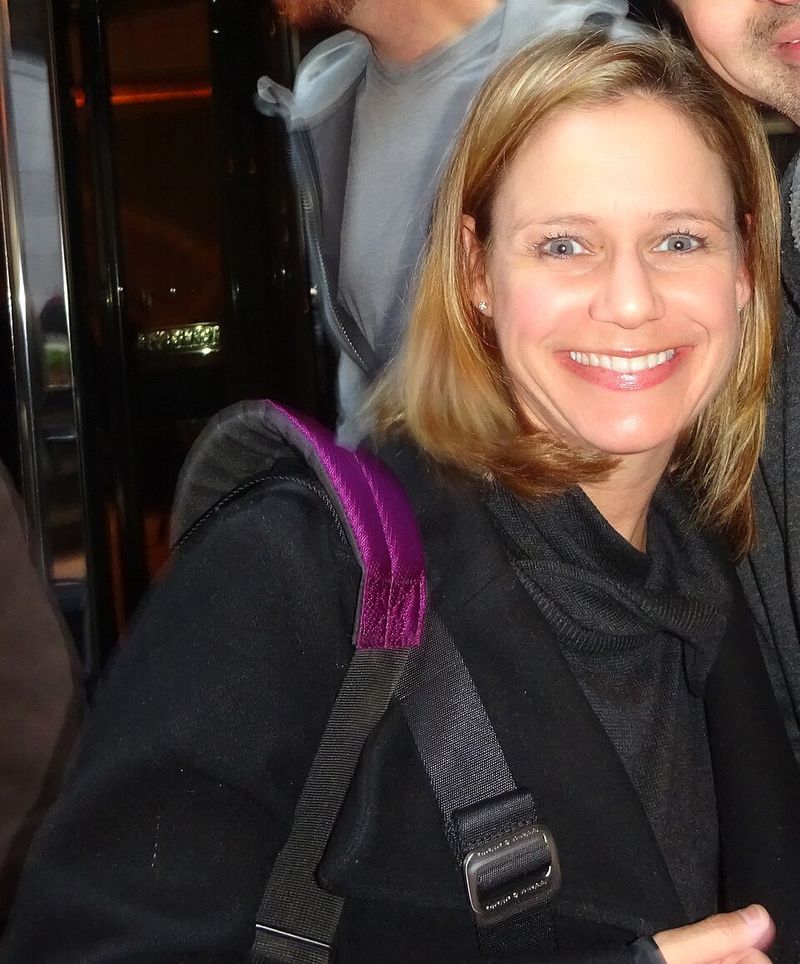
Kimmy Gibbler was technically a supporting character, but she had a gift for inserting herself into scenes with the confidence of someone who owned the network. Her visits to the Tanner house were treated by the family like minor natural disasters, which was played entirely for laughs.
The jokes about her smelly feet and general cluelessness ran through the entire series without much variation. She existed largely as a punchline and a foil for D.J., with very little depth given to her home life or actual personality beyond being loud and oblivious.
Interestingly, Kimmy got a much fuller treatment in the Netflix revival Fuller House, where she became a main character with real storylines and emotional moments. Fans who grew up watching Full House found themselves genuinely liking her as an adult.
Sometimes the most annoying characters just need better writers and a few more decades to grow up.
14. Scrappy-Doo (Scooby-Doo)
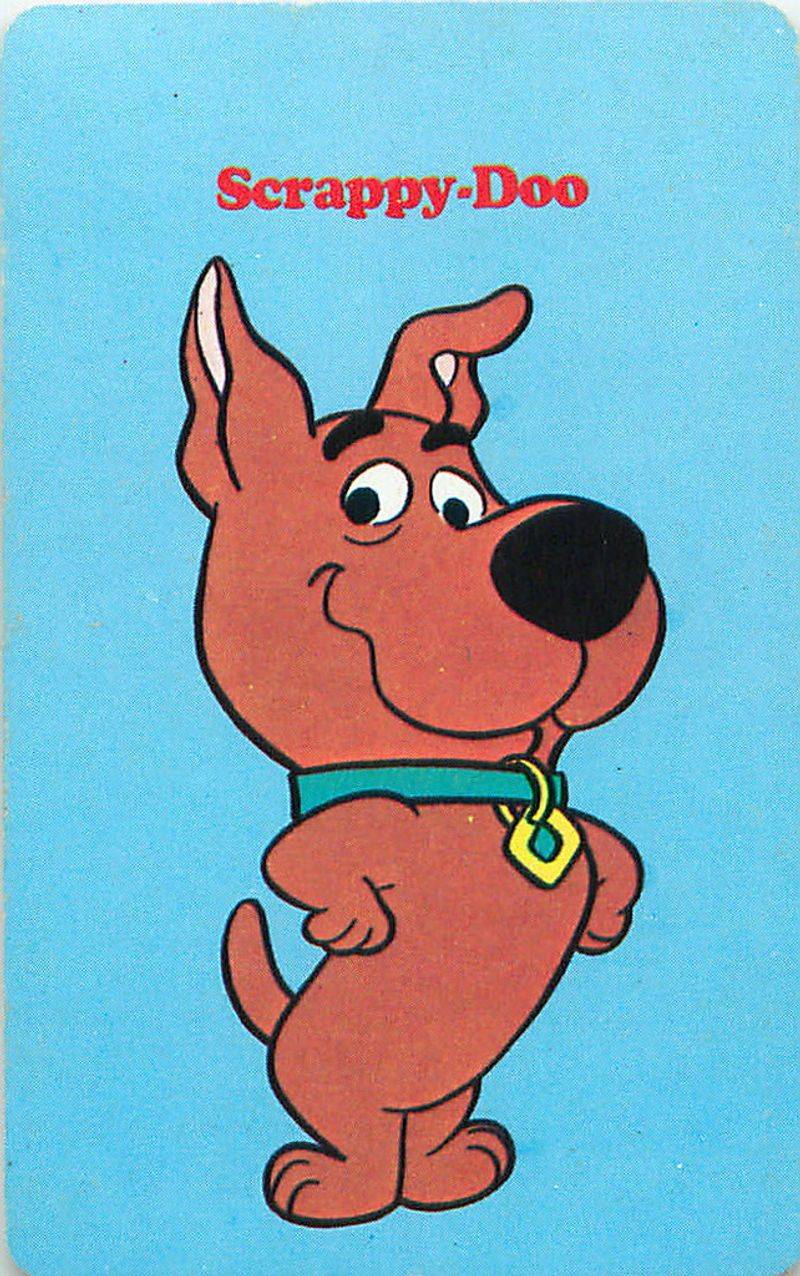
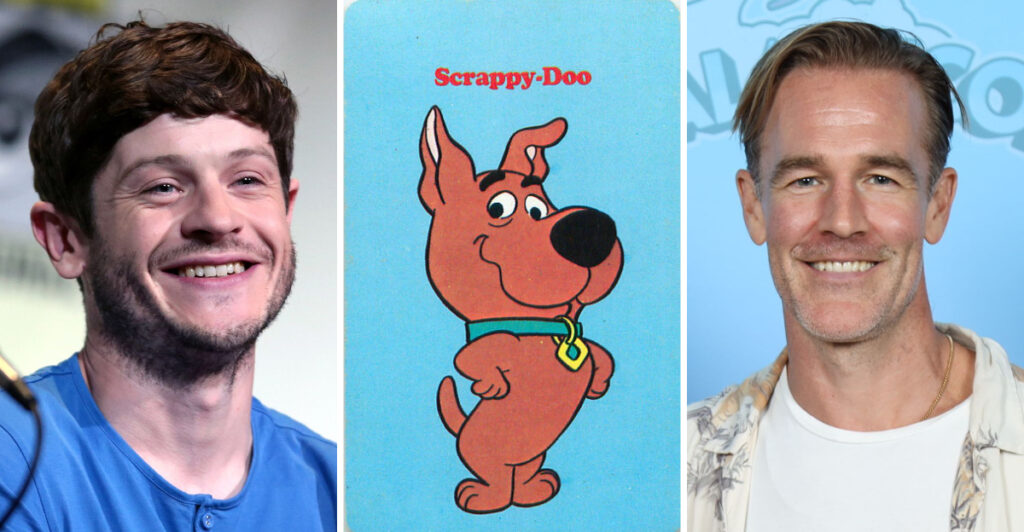
Scrappy-Doo holds a very special place in TV history as possibly the most universally disliked cartoon character ever created. Introduced in 1979 to boost flagging ratings, he arrived like a tiny wrecking ball and proceeded to annoy generations of Saturday morning viewers.
Everything about him was designed to be the opposite of Scooby. Where Scooby was cowardly and lovable, Scrappy was aggressive and relentless.
His catchphrase “Puppy Power!” and his constant demand to fight villains wore thin almost immediately. The other characters seemed exhausted by him, which honestly felt like accurate representation of the audience.
The joke eventually became self-aware. The 2002 Scooby-Doo live-action film literally made Scrappy the villain, and audiences loved it.
His name has become cultural shorthand for an annoying addition that ruins something good. Quite the legacy for a cartoon puppy.
At least he committed to the bit, even if nobody asked him to.
Share this story