Some songs arrive like carefully sealed letters, and only later do we realize the artist was writing with the clock louder than the band. I still remember hearing one of these tracks late at night and feeling that strange pause when music stops being entertainment and starts sounding like a person quietly putting their house in order.
These are not morbid curiosities or celebrity footnotes. They are brave, strange, tender, stubborn pieces of art made by performers who used whatever time they had left to leave us something unforgettable.
David Bowie
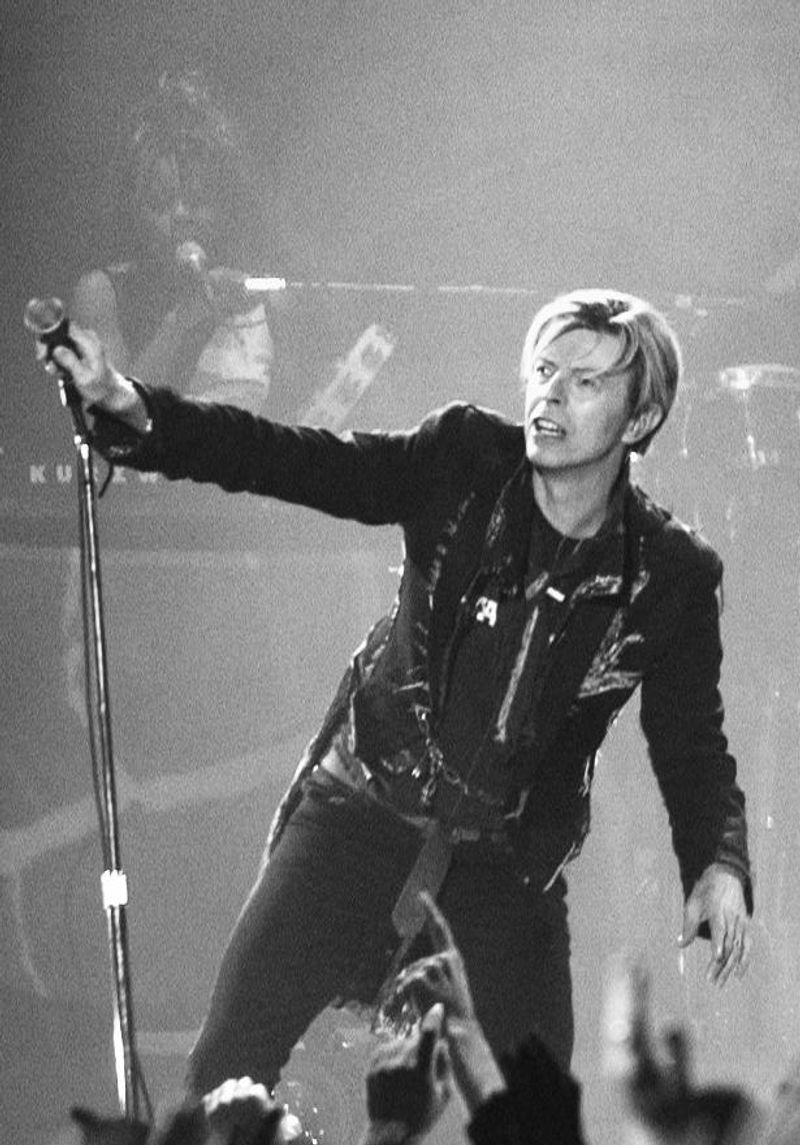
Leave it to David Bowie to make mortality feel like a meticulously staged curtain call. Released on Blackstar, which arrived on January 8, 2016, his 69th birthday, “Lazarus” became impossible to hear casually after Bowie died two days later following a private battle with liver cancer.
The timing turned an already unsettling song into something almost ceremonial.
What makes “Lazarus” so gripping is how controlled it feels. Bowie was not simply fading from view; he was shaping the frame around his own disappearance.
The lyrics and video seemed to face death with theatrical calm, as if he had found one more costume for the final transformation.
That is pure Bowie, really. He spent a career slipping between identities, and here he turned farewell into art without begging for sympathy.
The song remains eerie, elegant, deliberate, and strangely generous, a reminder that even an ending could become one more performance.
J Dilla

No lyrics, no grand speech, no dramatic announcement, yet “Last Donut of the Night” can still stop a room. J Dilla’s Donuts was released on February 7, 2006, his 32nd birthday, and he died just three days later after serious health struggles.
That closeness gives the whole album an almost unbearable sense of timing.
This track stands out because it says so much while refusing to explain itself. The loop feels soulful, warm, and quietly final, like a thought returning because it cannot let go.
Dilla trusted rhythm, fragments, and feeling to carry the weight.
Plenty of artists write farewell lines, but Dilla built a goodbye from texture and repetition. “Last Donut of the Night” does not ask for tears, which somehow makes it hit harder. His production speaks with uncommon grace, proving that silence between words can carry a lifetime.
Glen Campbell
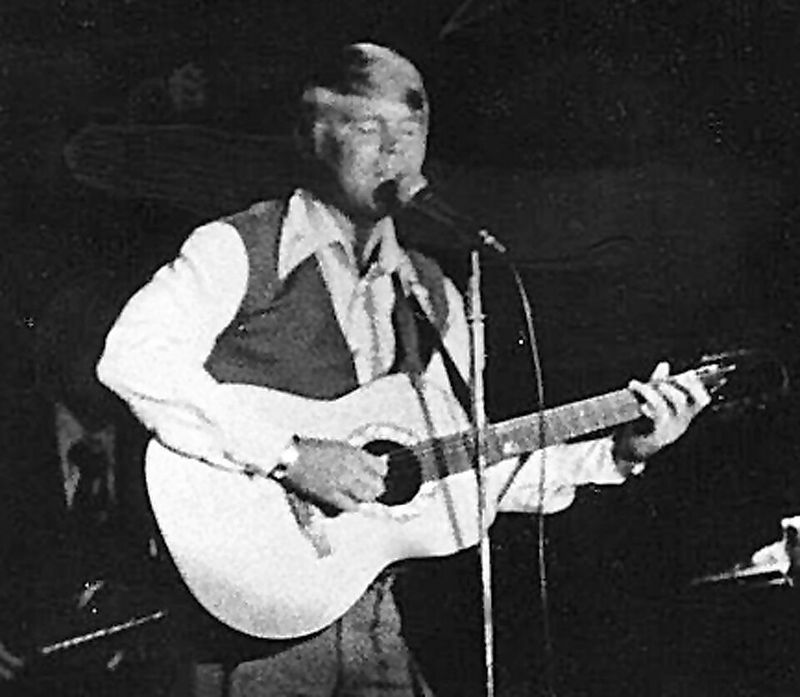
The title sounds almost cold until you understand why it is devastating. Glen Campbell recorded “I’m Not Gonna Miss You” while living with Alzheimer’s disease, and the song was written for the documentary Glen Campbell: I’ll Be Me.
PBS describes it as the last song Campbell ever recorded, which adds a heavy stillness to every line.
The heartbreak comes from the reality of memory loss, not from melodrama. Campbell is not saying love has vanished; he is confronting the possibility that recognition will.
That difference makes the song feel intimate, honest, and painfully clear.
What I admire most is the tenderness in his delivery. There is no self-pity, no desperate reach for grand tragedy, just a man facing the theft of memory with remarkable poise. “I’m Not Gonna Miss You” becomes a goodbye to fame, family, recognition, and the self that remembered them all.
Joey Ramone
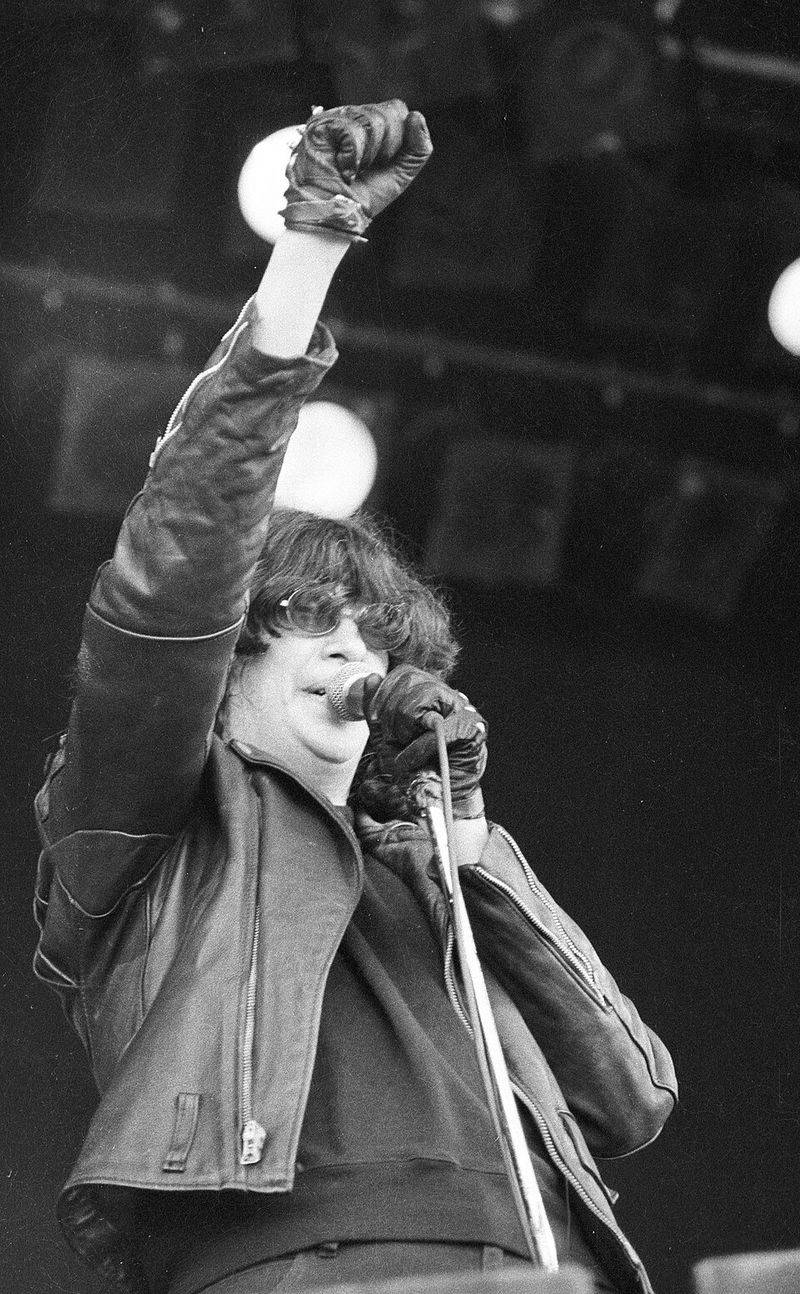
Only Joey Ramone could make reassurance sound both scrappy and sweet. His solo album Don’t Worry About Me was released posthumously in 2002, less than a year after his death from lymphoma.
The title track carries the same rough optimism that made him such a beloved figure in punk.
There is nothing polished into lifelessness here, and that is the point. The song does not sound like surrender or a carefully framed goodbye.
It sounds like Joey trying to wave everyone off with a crooked grin, insisting they keep going.
That emotional reversal is what gives the track its punch. Instead of asking listeners to comfort him, he seems determined to comfort them. “Don’t Worry About Me” becomes a punk-rock farewell that refuses to collapse into sadness, proving that defiance can be tender when it comes from the right voice.
Lemmy Kilmister / Motörhead
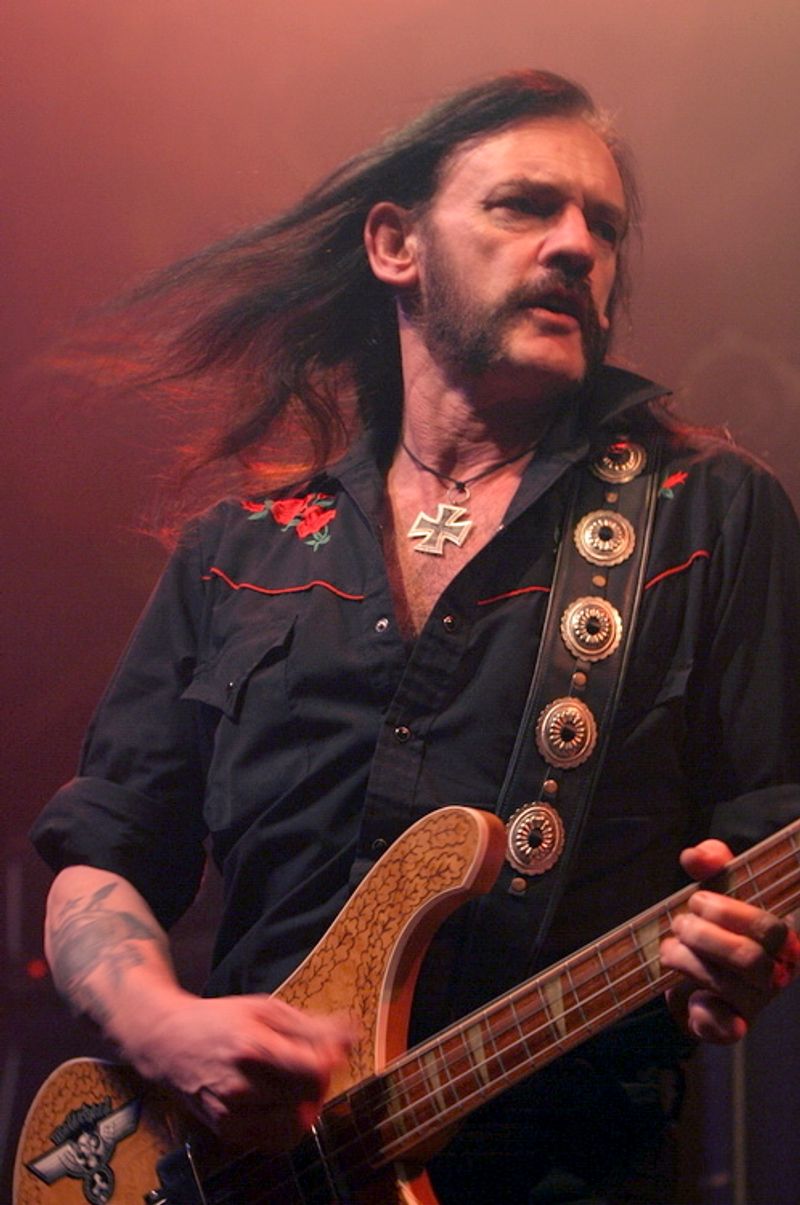
Subtlety was never Lemmy Kilmister’s favorite toy, and “When the Sky Comes Looking for You” does not start passing around tissues. The song appeared on Motörhead’s final album of all-new material, Bad Magic, released in 2015.
Lemmy died later that year, on December 28, making the track feel like a confrontation rather than a farewell card.
It sounds exactly like fans would expect: loud, gritty, fearless, and direct. Mortality is not softened, prettified, or dressed in solemn robes.
The song stares it down with distortion, attitude, and that unmistakable cigarette-burned voice.
What makes it unforgettable is its refusal to behave like a traditional goodbye. Lemmy does not tiptoe toward the subject; he kicks the door open. “When the Sky Comes Looking for You” turns finality into volume, reminding you that some artists leave the building exactly as they entered it, unapologetically loud.
Warren Zevon
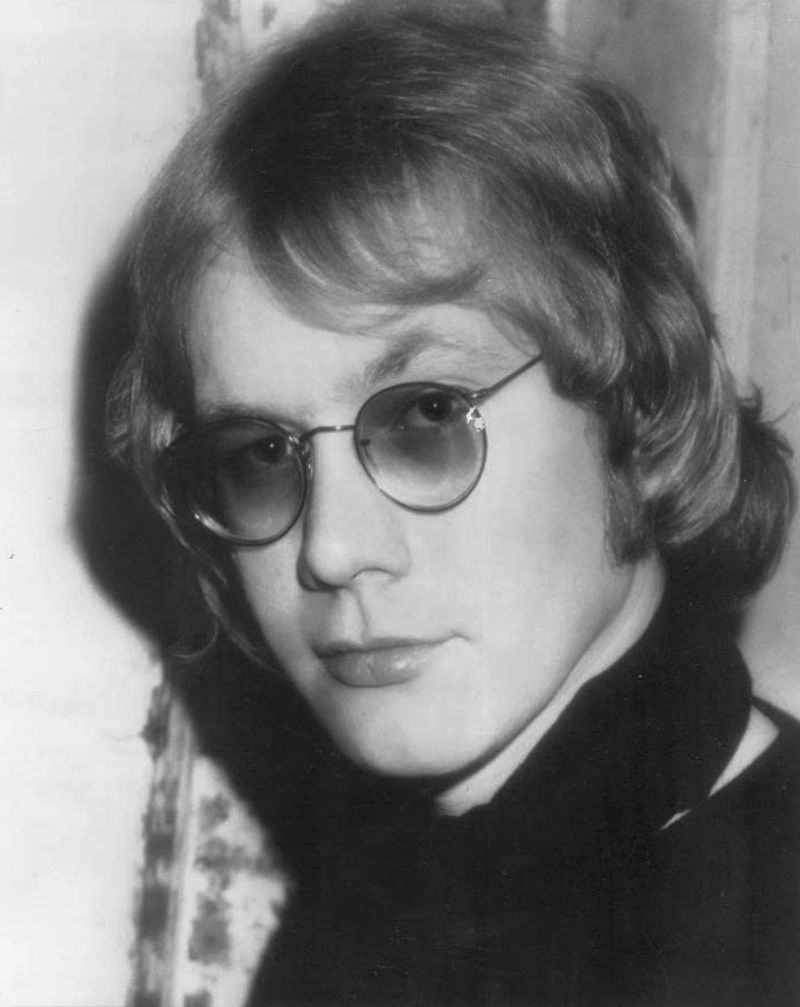
A song this simple should not be able to wreck you so efficiently, but Warren Zevon knew exactly what he was doing. While making The Wind, he was living with a diagnosis of mesothelioma, and “Keep Me in Your Heart” became one of the most devastating pieces of his career.
It does not hide behind cleverness.
That plainness is the whole power. Zevon asks to be remembered without turning the request into a puzzle, joke, or grand philosophical lecture.
The melody carries a gentleness that makes the words feel almost conversational.
For an artist known for wit and dark humor, this directness hits especially hard. He strips everything down to the most human need: do not let me vanish completely. “Keep Me in Your Heart” feels less like performance than trust, and once you hear that request, refusing it feels impossible.
George Harrison
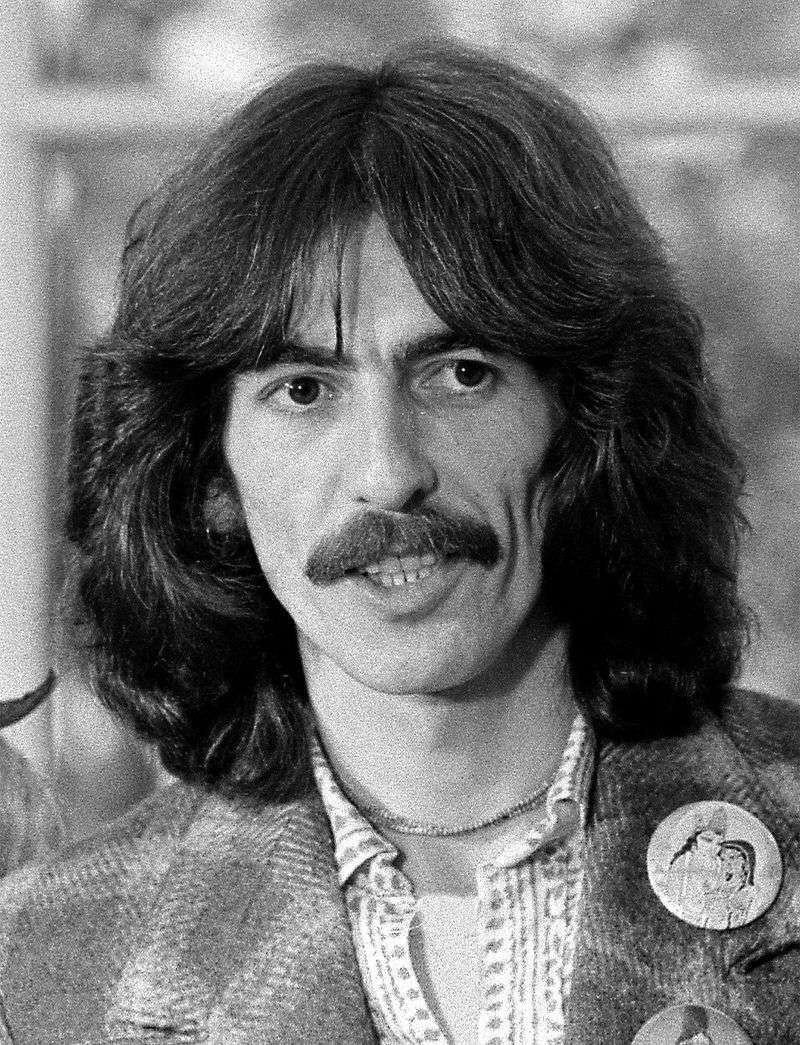
Some farewells enter quietly and stay because they do not demand attention. George Harrison’s final studio album, Brainwashed, was released posthumously in 2002, nearly a year after his death.
The album was completed by his son Dhani Harrison, Jeff Lynne, and Jim Keltner, giving it a family-and-friends intimacy that suits “Stuck Inside a Cloud.”
The track became one of the album’s most reflective moments. It is not dramatic, and it never tries to turn sorrow into spectacle.
Instead, it moves with the peaceful, inward quality that marked much of Harrison’s later work.
That restraint is why it lingers. Harrison had long written about spiritual searching, and this song feels connected to that lifelong thread. “Stuck Inside a Cloud” is thoughtful rather than flashy, calm rather than theatrical, and it offers a portrait of an artist still looking inward as the world prepared to say goodbye.
Leonard Cohen
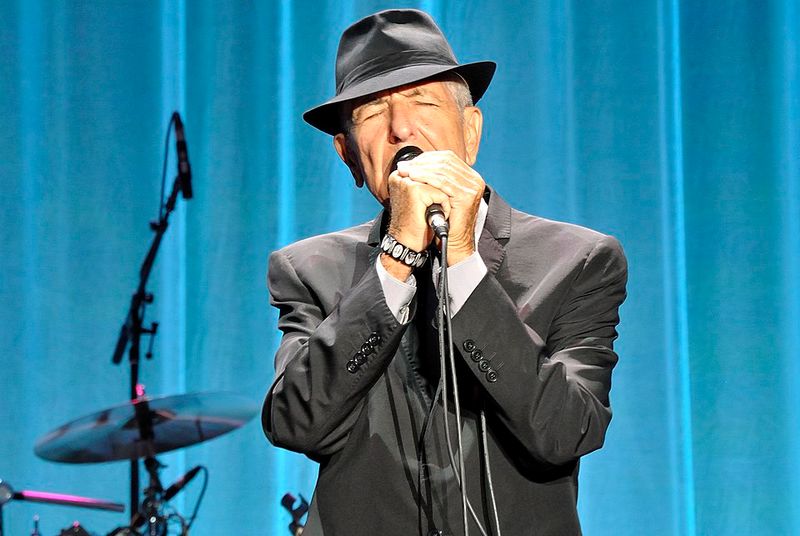
Leonard Cohen did not need to raise his voice to make the room go quiet. You Want It Darker was released on October 21, 2016, and Cohen died 17 days later.
The title track immediately felt like one of his most chilling late-career statements.
Faith, mortality, and resignation move through the song without any need for decoration. Cohen’s voice sounds deep, worn, and completely in command, which is exactly why it lands so forcefully.
He was not pretending to be young; he was making age part of the instrument.
That honesty gives “You Want It Darker” its authority. It feels like a conversation with the eternal, but one delivered with Cohen’s unmistakable discipline and dry gravity.
The song does not flinch from darkness, and it does not glamorize it either. It simply stands there, steady and unforgettable.
Freddie Mercury / Queen
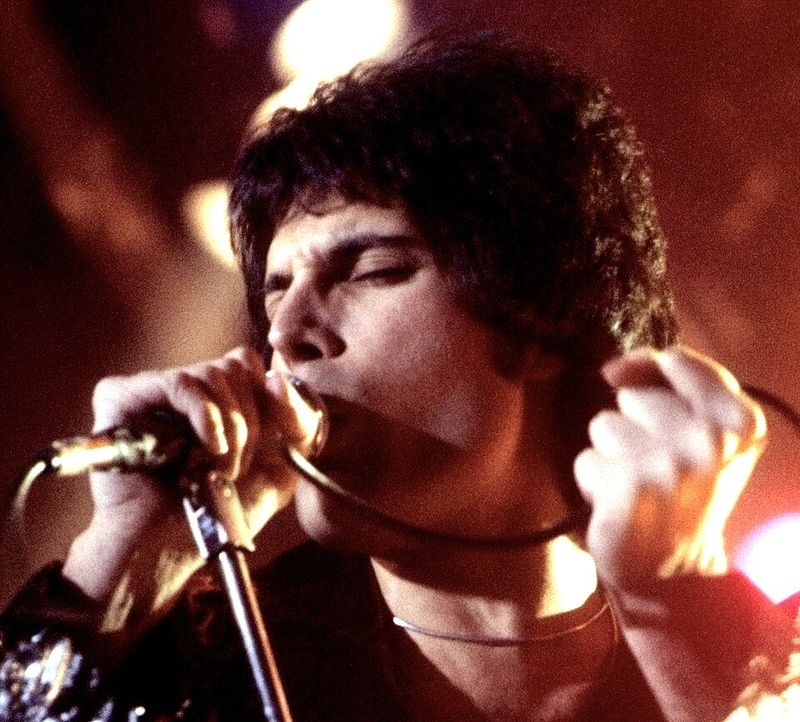
The unfinished part of “Mother Love” is what makes it almost impossible to hear without bracing yourself. Widely known as Freddie Mercury’s final vocal performance, the song captures him recording most of the track before becoming too ill to finish it.
Brian May later sang the final verse, and the track appeared on Queen’s posthumous album Made in Heaven.
That handoff is devastating because it is not a studio gimmick. It marks the point where Mercury’s body could no longer keep up with his will.
Even so, what he did record shows the power and commitment that defined him.
There is no need to overstate the drama. The facts already carry it. “Mother Love” preserves an artist still giving everything he had, even as time closed in.
It is not only a Queen song; it is a document of effort, loyalty, and unfinished grace.
Johnny Cash
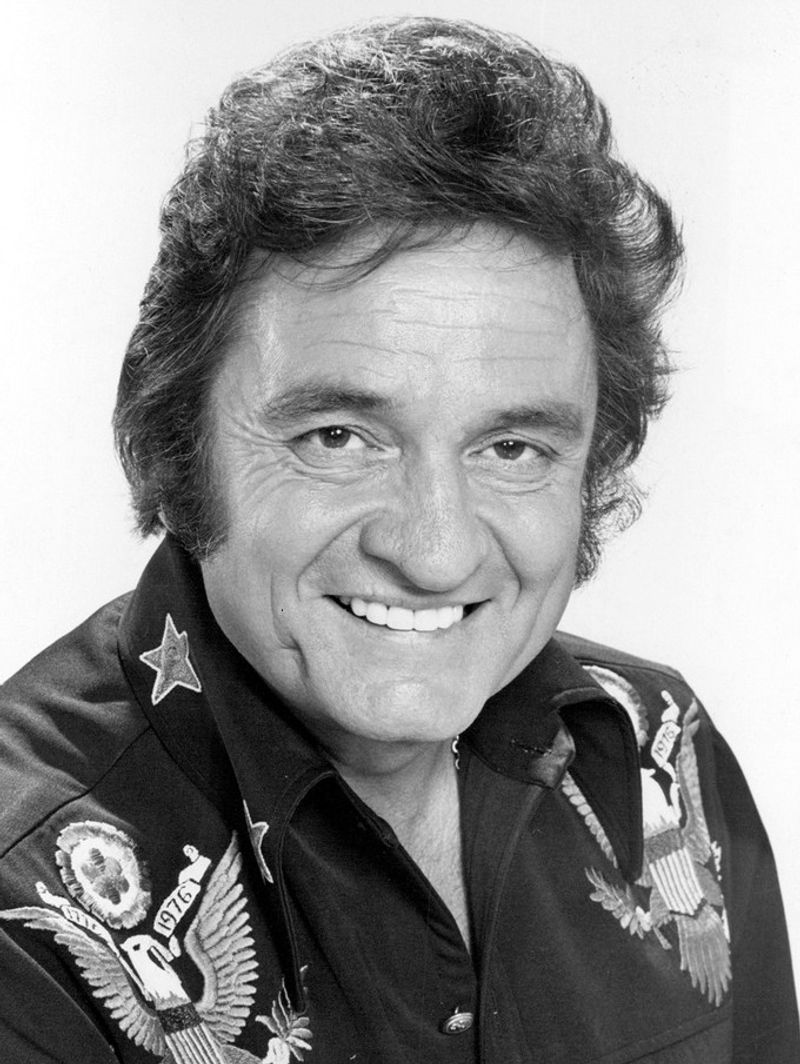
Johnny Cash did not write “Hurt,” but he made it sound like it had been waiting for him. His cover of the Nine Inch Nails song appeared on American IV: The Man Comes Around, the final album released during his lifetime.
Directed by Mark Romanek, the video became one of the most famous late-career moments in music history.
Cash’s aged voice changes the song’s center of gravity. What began elsewhere becomes a meditation on regret, memory, faith, and mortality in his hands.
He does not imitate pain; he lets the years do the work.
That is why the performance still feels so monumental. It is not a stunt, and it is not merely a clever cover choice. “Hurt” becomes a personal reckoning, proof that the right artist can transform someone else’s song into a goodbye that feels utterly, permanently his own.
Share this story