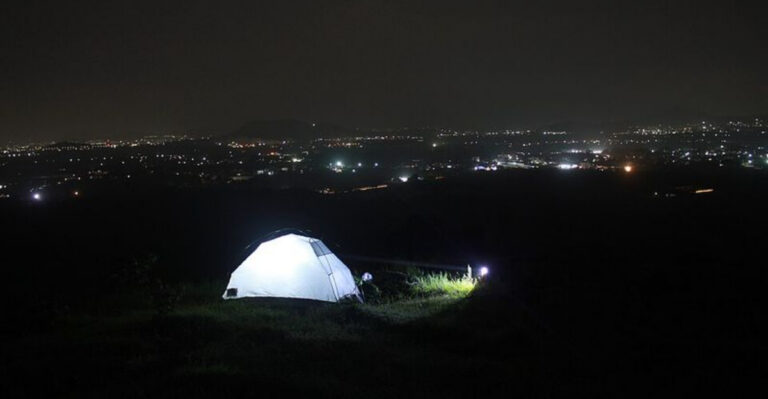
The woods are peaceful until something goes bump, snort, crackle, or wanders too close to your tent at midnight. A smart camper packs more than marshmallows and optimism, especially when U.S. self-defense laws can change by state, park, and campground.
The right legal item can help you deter wildlife, signal for help, or create enough time to get away safely. Before you zip up your pack, here are eight options worth knowing, with a friendly reminder to check local rules before you go.
1. Firearms (handguns, rifles)
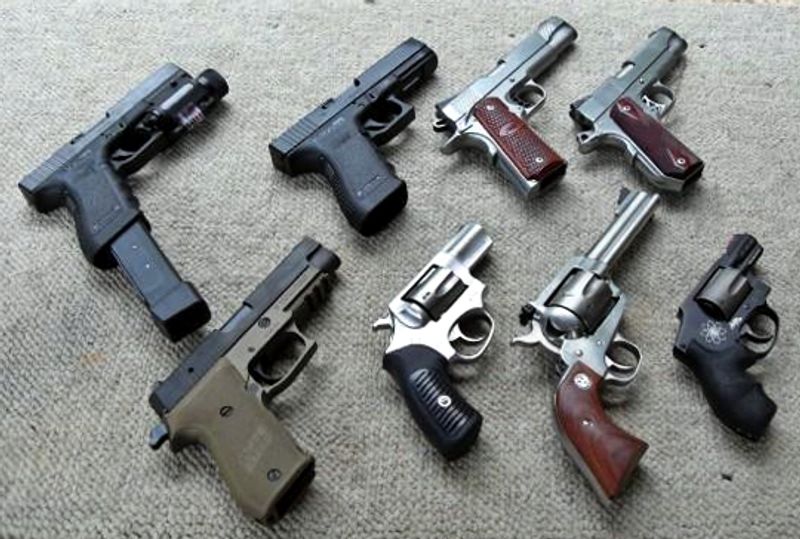
Few camping items demand more homework than a firearm. In many U.S. places, lawful adults may bring handguns or rifles, but the rules can shift fast between federal land, state parks, tribal land, and private campgrounds.
You need to know carry permits, transport laws, storage rules, and where discharge is forbidden.
A firearm can be effective against severe threats, yet it also brings serious responsibility. Safe handling, secure storage, and real training are not optional if you want to avoid turning a tense night into a disaster.
Keep ammunition controlled, use a lockable case when appropriate, and never treat it like a campfire conversation prop.
Before packing one, call the campground or land agency and read current state law. If you are not trained, skip the cowboy routine and choose another tool.
Confidence is useful; confusion with a loaded weapon is not.
2. Bear spray
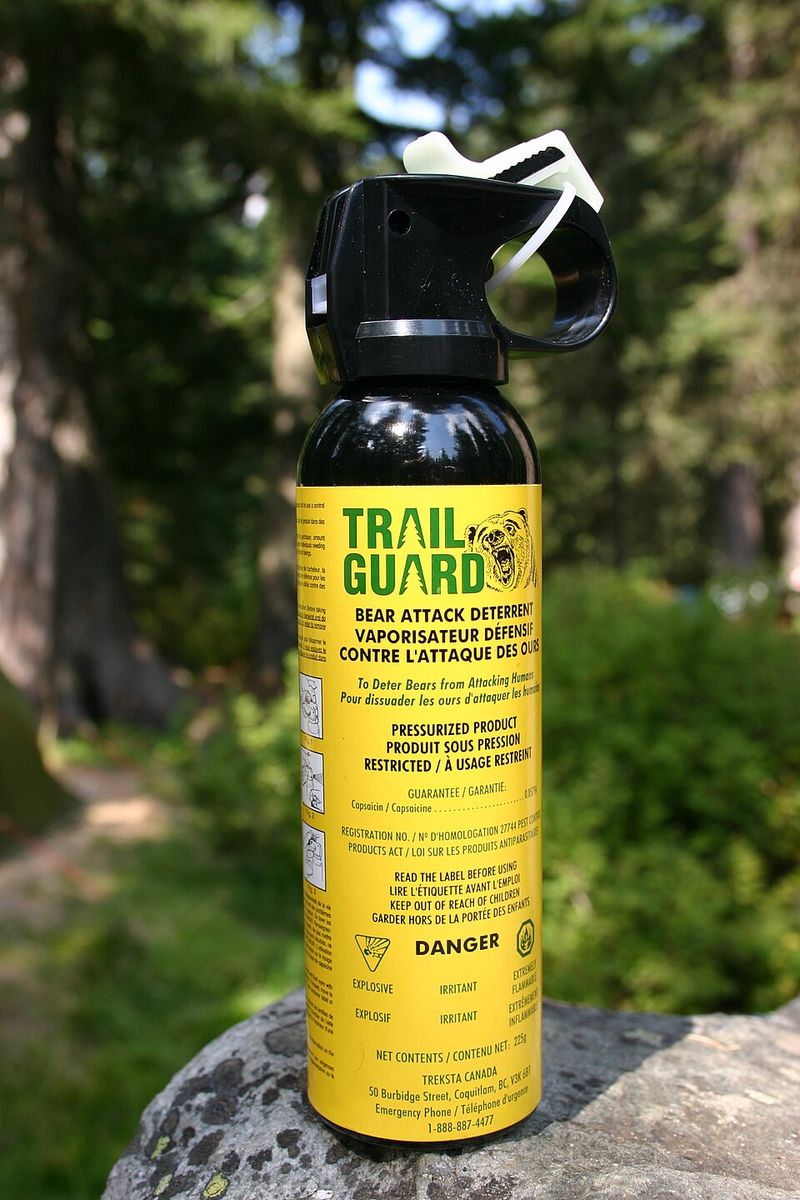
That orange can on a hip belt is not outdoor decoration. Bear spray is one of the most practical defensive tools in bear country because it creates a wide, irritating cloud designed to stop an aggressive bear without requiring perfect aim.
Many national parks and wilderness areas allow it, though rules still vary.
Choose EPA-registered bear spray, not a tiny keychain pepper sprayer pretending to be wilderness gear. Keep it accessible, not buried under socks and trail mix, because a bear will not wait while you reorganize your backpack.
Practice removing the safety tab before the trip, preferably with an inert trainer.
Wind matters, distance matters, and panic is a terrible instructor. Learn when to spray and when to back away calmly.
Used correctly, bear spray gives you a serious safety buffer while keeping the encounter focused on escape, not heroics.
3. Pepper spray
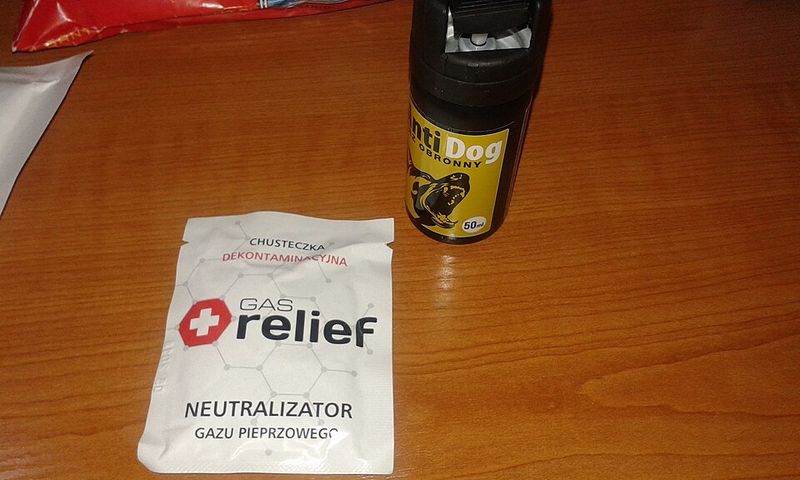
A pocket-size pepper spray can feel wonderfully reassuring when the campground gets too quiet. It is commonly legal in many states for personal defense, but capacity limits, age rules, shipping restrictions, and prohibited locations can still apply.
Check your destination before tossing one into the glove box.
Pepper spray is best for close human threats or smaller aggressive animals, not for grizzly country. Pick a reputable brand with a safety lock, clear expiration date, and spray pattern you understand.
A flip-top stream may behave very differently from a cone fogger when nerves jump.
Keep it where your hand can find it quickly, such as a front pocket or shoulder strap pouch. Do not test it near friends unless you enjoy losing friends.
A short burst, immediate movement, and a loud command can buy you time to leave and call for help.
4. Knives (fixed-blade, folding)
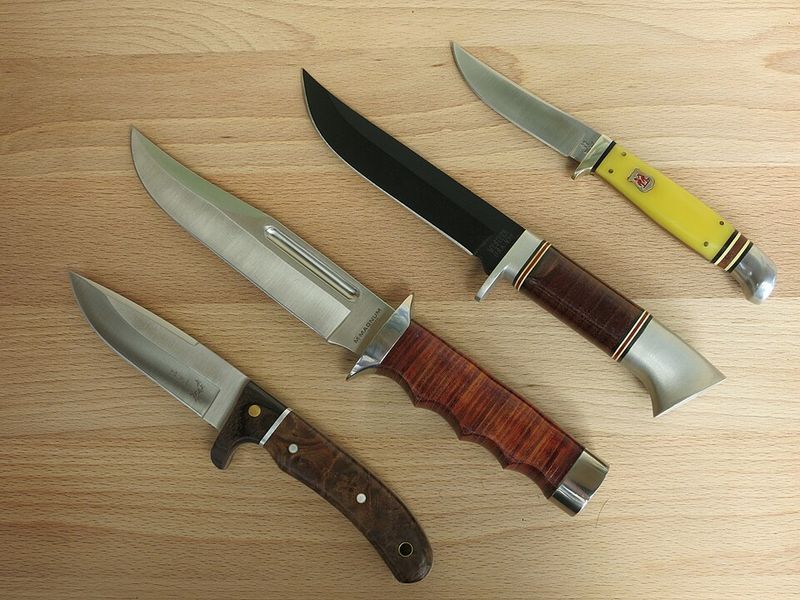
A good camping knife earns its place long before trouble shows up. Fixed-blade and folding knives help with food prep, cordage, kindling, gear repairs, and the thousand tiny jobs that make camp life smoother.
Their usefulness is why many campers carry one, but legality depends on blade length, style, concealment, and location.
A fixed blade is sturdy and easy to clean, while a folding knife is compact and pocket friendly. Some states or cities restrict automatic knives, concealed carry, or blades over certain lengths.
Campgrounds may also have their own rules, especially in developed recreation areas.
If self-defense is your concern, remember that a knife requires close contact and serious skill. It is better viewed as a tool first, last-resort defense second.
Keep it sharp, sheathed, and handled with respect, because the most common wilderness opponent is still your own thumb.
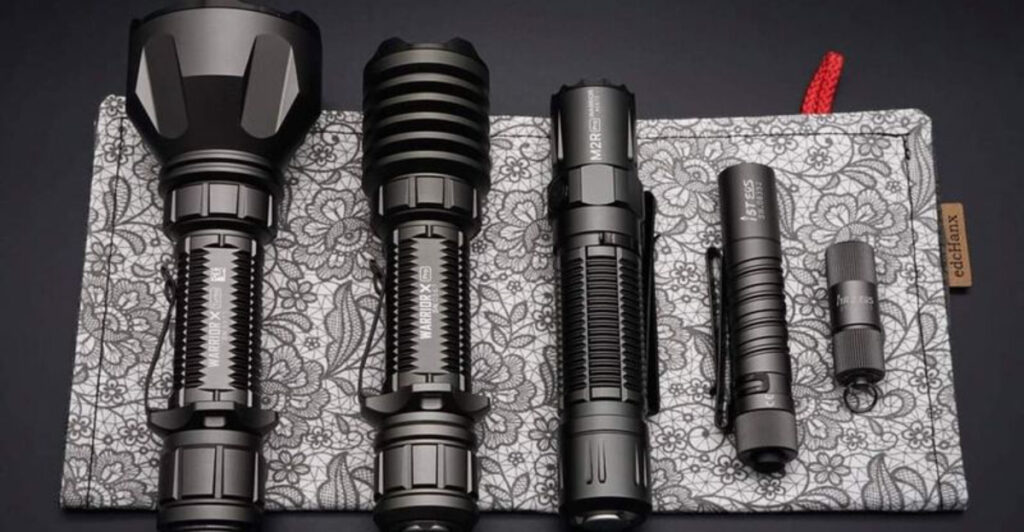
5. Tactical flashlight
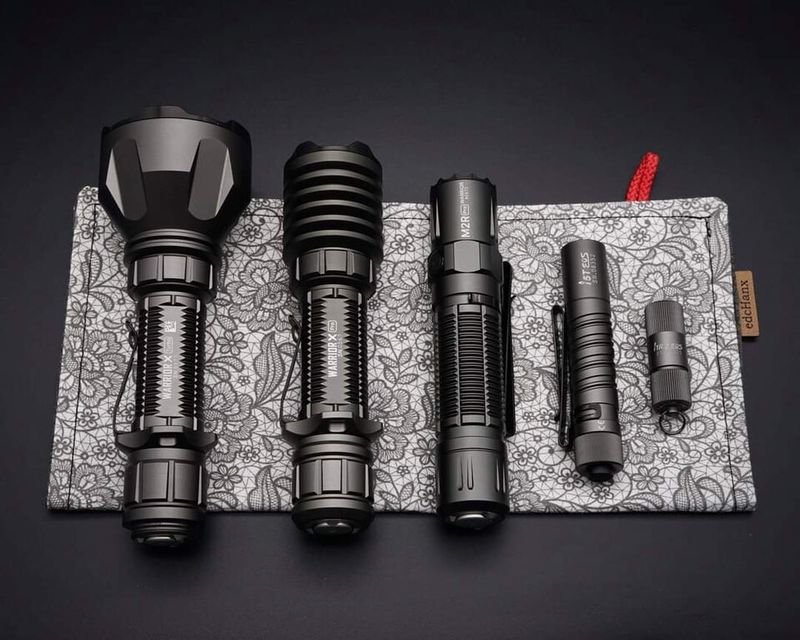
Darkness gets a lot less mysterious when you can blast it with a serious beam. A tactical flashlight is legal almost everywhere, easy to pack, and useful every single night of a camping trip.
It helps you identify noises, navigate trails, find tent stakes, and avoid stepping on things that wiggle.
For self-defense, brightness is the main trick. A high-lumen beam can disorient a person or animal long enough for you to back away, shout, or reach safety.
Some models include strobe settings, textured grips, pocket clips, and rugged bodies that survive rain, drops, and backpack abuse.
Look for rechargeable batteries or pack spares, because dead gear is just pocket clutter. Practice finding the switch without looking, especially from inside your tent.
The best part is simple: no permit drama, no chemical spray cloud, just light when you need answers fast.
6. Personal alarm
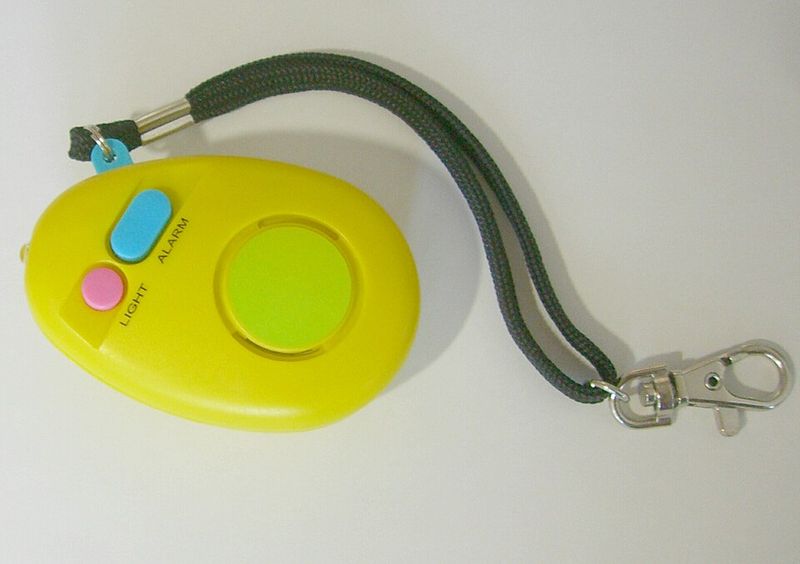
A personal alarm is tiny, loud, and wonderfully obnoxious. Pull the pin and it screams at a volume designed to attract attention, startle a threat, and make nearby campers wonder who angered the robot cricket.
For solo campers, hikers, and families, that noise can be a valuable safety tool.
Unlike weapons, personal alarms usually face fewer legal restrictions and require almost no training. They are especially handy in developed campgrounds, parking areas, trailheads, and restroom walks after dark.
Clip one to a backpack strap, belt loop, or tent zipper so it is not hidden in the abyss of your bag.
Pick a model with a strong decibel rating, reliable pin, and a battery you can test before leaving home. It will not stop every threat by itself, but it can create attention and hesitation.
Sometimes being loudly inconvenient is exactly the plan.
7. Whistle
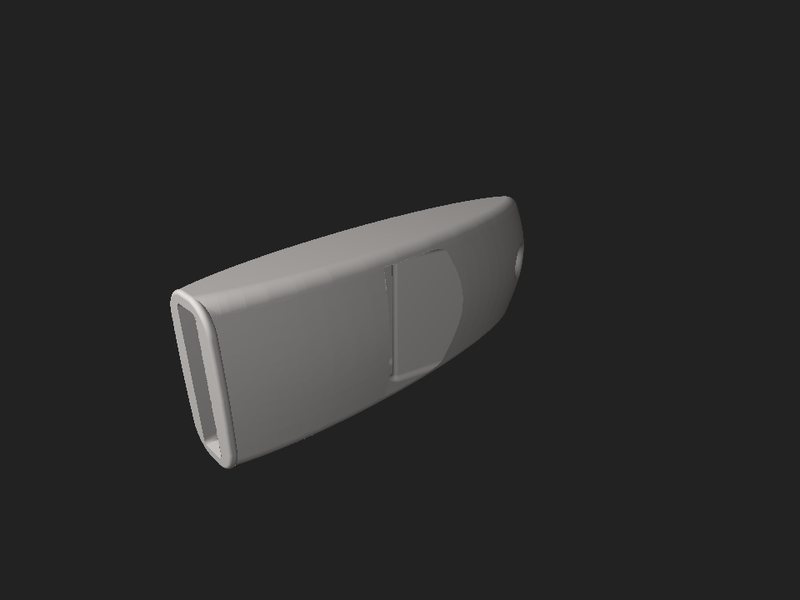
A whistle looks humble until your voice gives up. In an emergency, three sharp blasts are widely recognized as a distress signal, and the sound carries farther than shouting without shredding your throat.
It is cheap, light, legal, and almost impossible to justify leaving behind.
For self-defense, a whistle can draw attention, interrupt a suspicious approach, or signal partners across camp. It also helps if you get separated on a trail, injured near a creek, or turned around while pretending you definitely know the way back.
Choose a pealess design, since pea whistles can jam with dirt or freeze in cold weather.
Keep it attached to your pack strap, life jacket, or jacket zipper rather than packed in a first-aid kit. Teach kids the three-blast rule before the trip.
It is not flashy, but when seconds matter, simple noise can become serious help.
8. Taser / stun gun
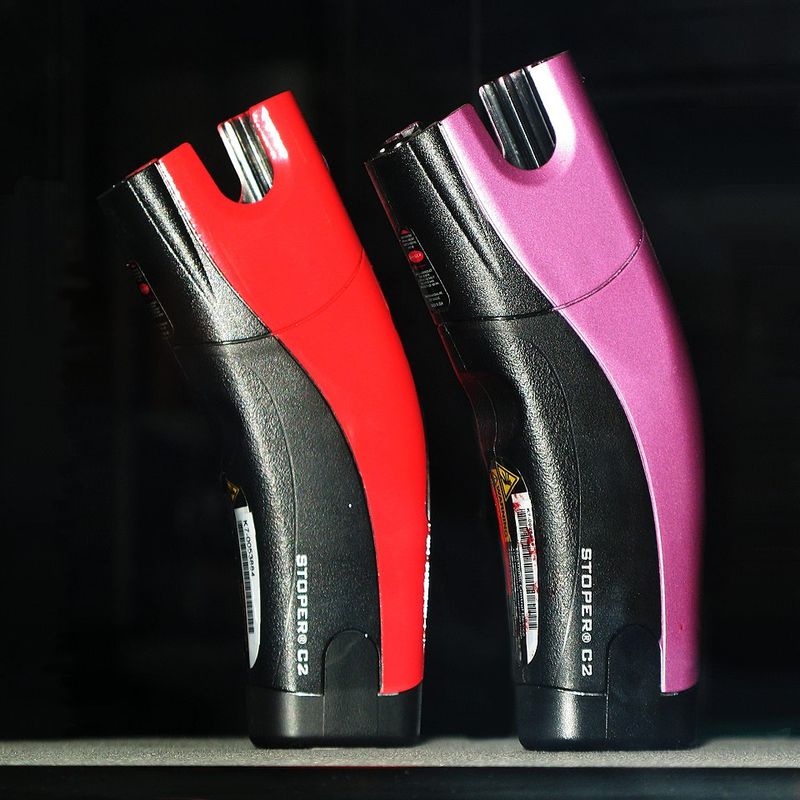
Electric defensive tools come with a big legal asterisk. Tasers and stun guns are allowed in many states, restricted in others, and sometimes banned in specific cities, parks, or public buildings.
Age limits, permits, background checks, and carry rules may apply, so check before you buy or pack one.
A stun gun requires close contact, while a Taser-style device may fire probes from a short distance. Both depend on batteries, functioning cartridges, and enough calm to use them correctly under stress.
They are not magic buttons, and thick clothing or poor contact can reduce effectiveness.
If legal where you camp, store the device safely and keep it away from kids. Read the manual, test battery status, and understand when use of force is justified.
For some campers, it offers peace of mind; for others, simpler tools are smarter and less legally messy.
Share this story