Verona is famous for romance, Roman stones, and that balcony everyone photographs from every possible angle. But step just a little sideways, and the city starts whispering better stories.
These quieter corners give you views, gardens, ruins, wine bars, and bookish wonders without the selfie-stick traffic jam. If you like your travel with charm, curiosity, and a few smug little discoveries, these secret spots are ready for you.
Giardino Giusti
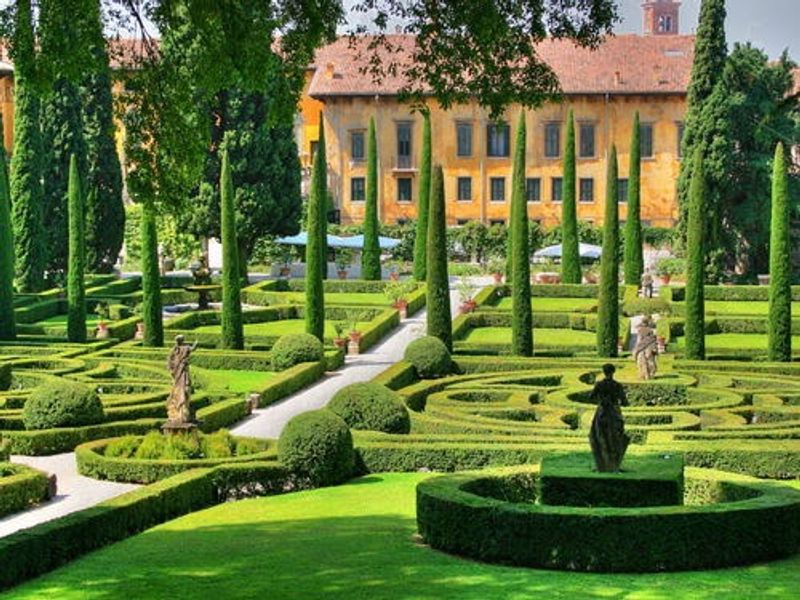
Greenery does its best dramatic entrance at Giardino Giusti. Tucked away on the Veronetta side of the Adige, this 16th-century Renaissance garden feels like Verona pressed the mute button.
You trade scooter buzz for clipped hedges, cypress trees, fountains, statues, and the soft crunch of gravel underfoot.
The climb through the garden is part of the fun, even if your calves send a small complaint. Each turn reveals another elegant corner, from shaded paths to formal lawns that seem designed for slow wandering.
At the top, the terrace rewards you with one of Verona’s loveliest views, minus the shoulder-to-shoulder crowd found at the usual photo stops.
Come early or late in the day, when the light warms the stone and the garden feels almost private. It is perfect if you want a breather between churches, piazzas, and gelato decisions.
Bring your camera, but also give yourself a few minutes to simply stare over the rooftops and feel wonderfully clever for finding it. The mood is romantic, calm, and just polished enough to make you walk a little slower.
Piazzale Castel San Pietro
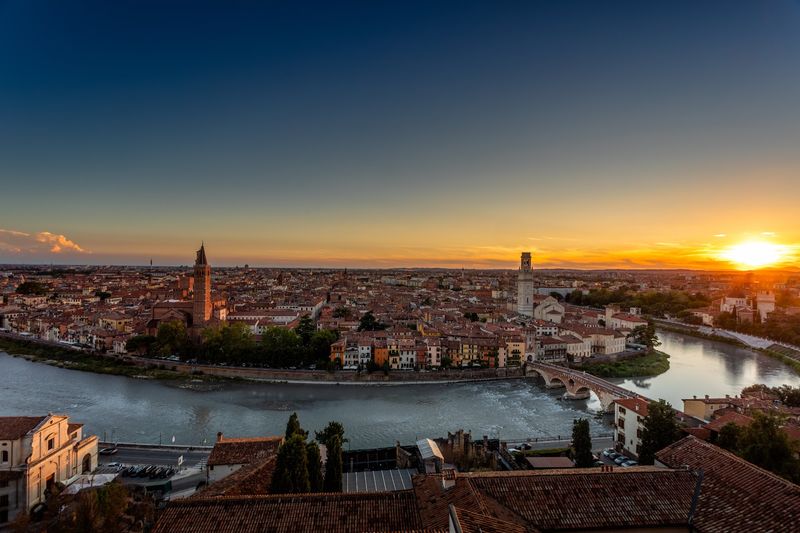
Verona looks ridiculously good from Piazzale Castel San Pietro. Perched above the river, this viewpoint gathers rooftops, bell towers, bridges, and the Adige into one big golden postcard.
Somehow, many visitors still manage to miss it, which is excellent news for you.
You can reach the top by taking the funicular, but the staircase is the better choice if you enjoy earning your view. The climb passes stone walls and leafy corners, with little previews of the city appearing as you rise.
By the time you reach the piazzale, the panorama feels like a proper reward, not just another stop on a checklist.
Sunset is the magic hour here, when Verona turns honey-colored and the river catches the light. Bring a drink, linger on the wall, and watch the city settle into evening.
It is popular with locals, couples, and anyone who knows that the best seats in town are sometimes free. If you want photos of Verona that do not look identical to everyone else’s, this is where your camera gets to feel useful.
Stay a little after sunset too, because the lights flicker on beautifully.
Corte Sgarzerie
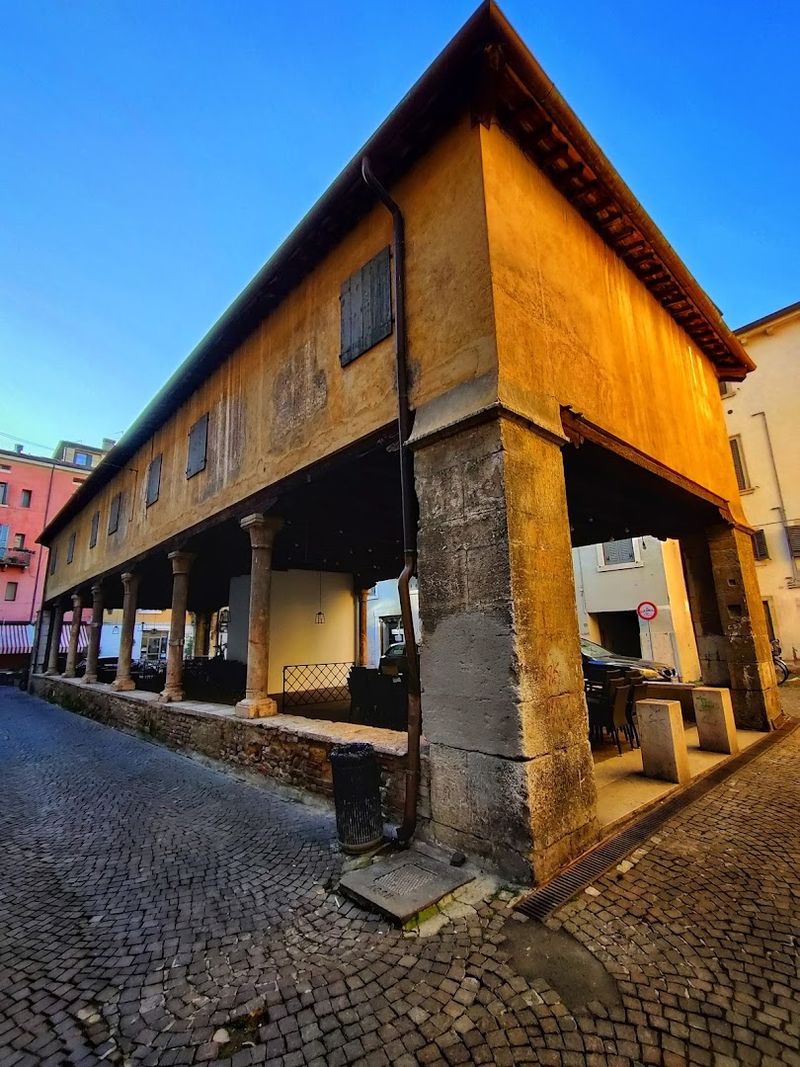
One wrong turn from the crowds can land you in ancient Rome. Corte Sgarzerie sits close to lively Piazza delle Erbe, yet it feels oddly hushed, like the city is keeping a secret behind its back.
Most people pass nearby chasing market stalls and aperitivo, never realizing what waits below.
The courtyard itself is small and atmospheric, framed by old walls and quiet corners that invite a pause. Beneath it are remains linked to Verona’s Roman Capitolium, offering a rare peek at the city under the city.
It is the kind of place that makes you look differently at every stone under your shoes afterward.
Visit when you need a break from the louder rhythm of the historic center. There is no flashy spectacle here, and that is exactly the appeal.
Corte Sgarzerie rewards curious travelers who enjoy places with layers, shadows, and a bit of archaeological mischief. Pair it with Piazza delle Erbe, then slip away before the crowds notice where you went.
You will return to the surface with a better sense of Verona’s age, and maybe a tiny historian’s grin you cannot quite hide.
Sottoriva Street
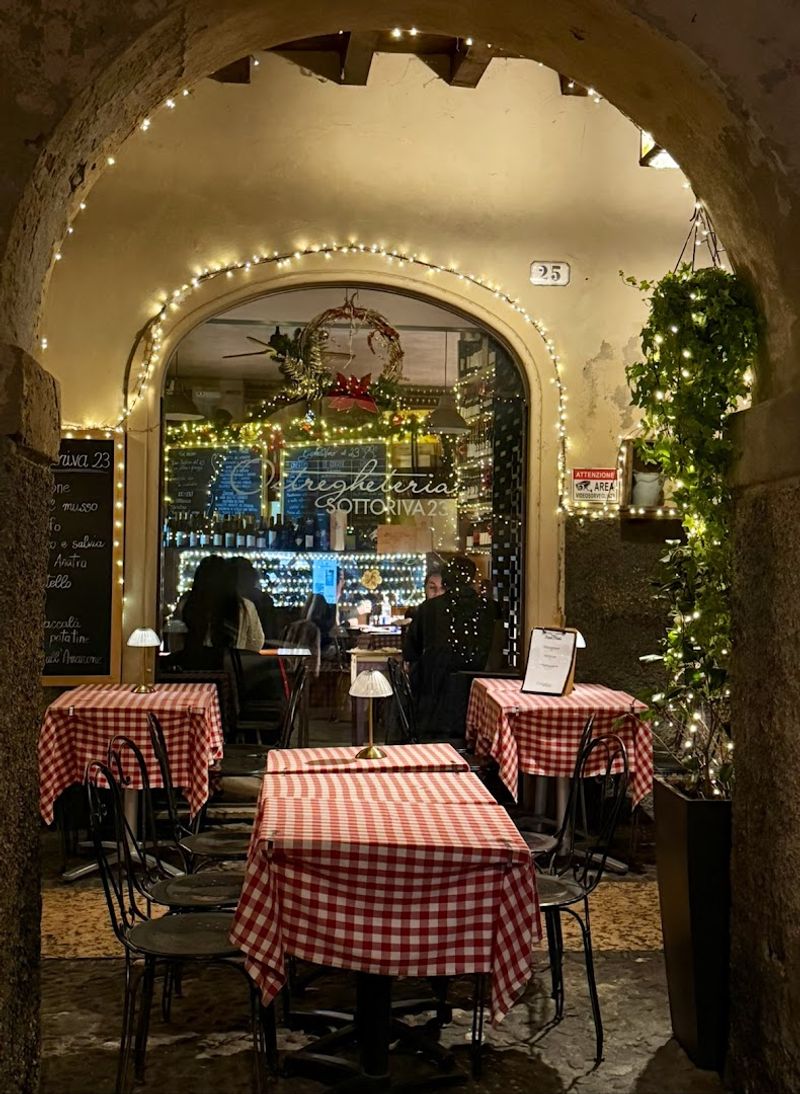
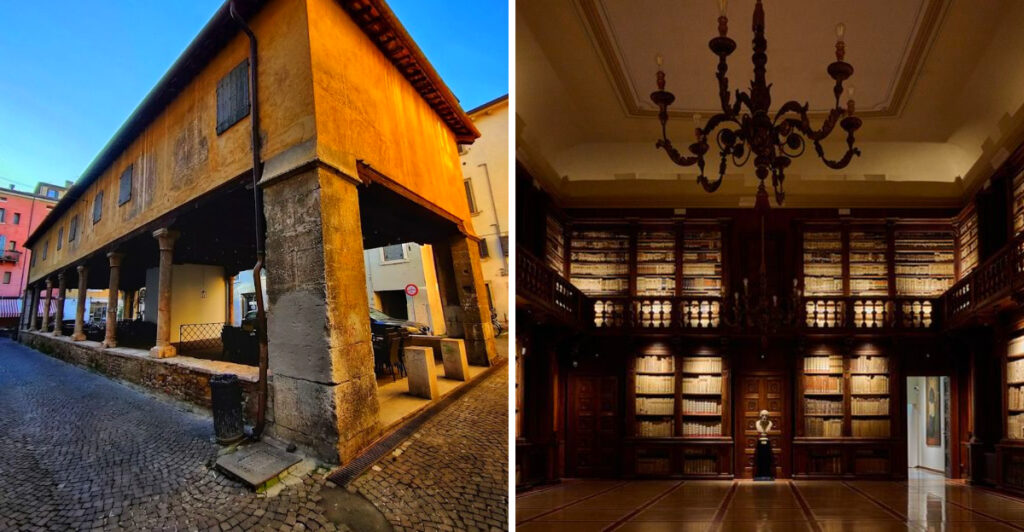
Sottoriva smells like dinner plans and old stone. This atmospheric street runs under medieval arcades near the Adige, offering shade, character, and a welcome break from Verona’s polished shopping routes.
It feels lived-in, not staged, which is exactly why it sticks in your memory.
Walk slowly beneath the arches and you will spot small restaurants, wine bars, and doorways that look as if they have heard centuries of gossip. Locals drift in for meals, students pass through, and visitors who find it tend to lower their voices without being told.
The whole street has a relaxed confidence, as if it knows it does not need big monuments to be interesting.
This is a perfect place for lunch, an early evening glass of wine, or a wander with no noble purpose at all. Choose a table outside if you can, then enjoy watching Verona go about its business.
Sottoriva is not hidden in a dramatic way, but it is often overlooked by travelers rushing between headline sights. That makes it one of the city’s easiest little victories.
Come hungry, come curious, and leave room for one more bite.
Chiesa di San Fermo
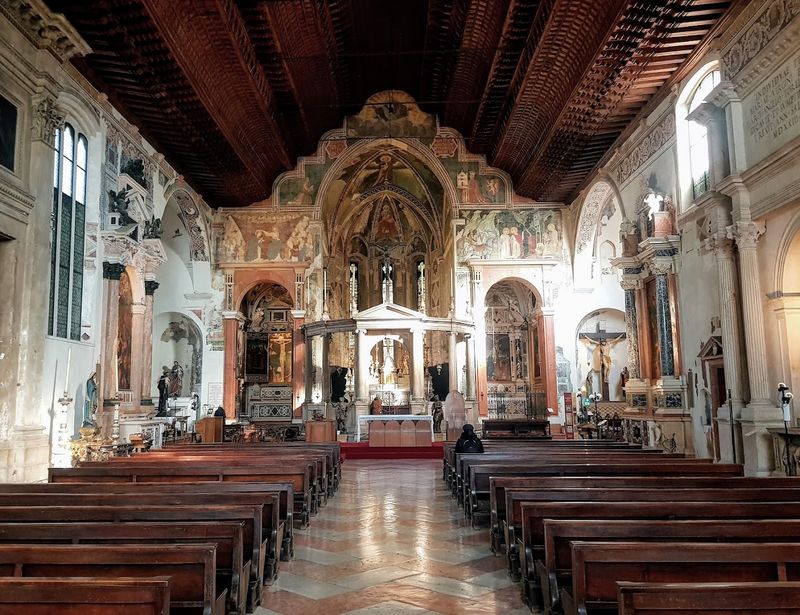
San Fermo is the church that quietly steals the scene. While crowds aim for Verona’s cathedral or the basilica of San Zeno, this remarkable church waits with two levels, rich frescoes, and a ceiling that makes you stop mid-step.
It is elegant without shouting about it.
The lower church feels older, cooler, and more intimate, with a Romanesque spirit that pulls you into Verona’s medieval past. Upstairs, the Gothic space opens with painted walls, chapels, and a striking wooden ceiling shaped with serious flair.
Moving between the two levels feels like switching chapters in the same beautifully illustrated book.
What makes San Fermo special is the calm. You can actually stand still, notice details, and enjoy the art without joining a slow-moving crowd shuffle.
Look for frescoes, tombs, carvings, and small corners that reward patient eyes. It is close enough to the center to fit easily into your day, yet overlooked enough to feel like your own discovery.
If you enjoy churches with personality, history, and breathing room, San Fermo deserves a firm spot on your Verona list. It offers quiet grandeur without the usual visitor fuss.
Veronetta District
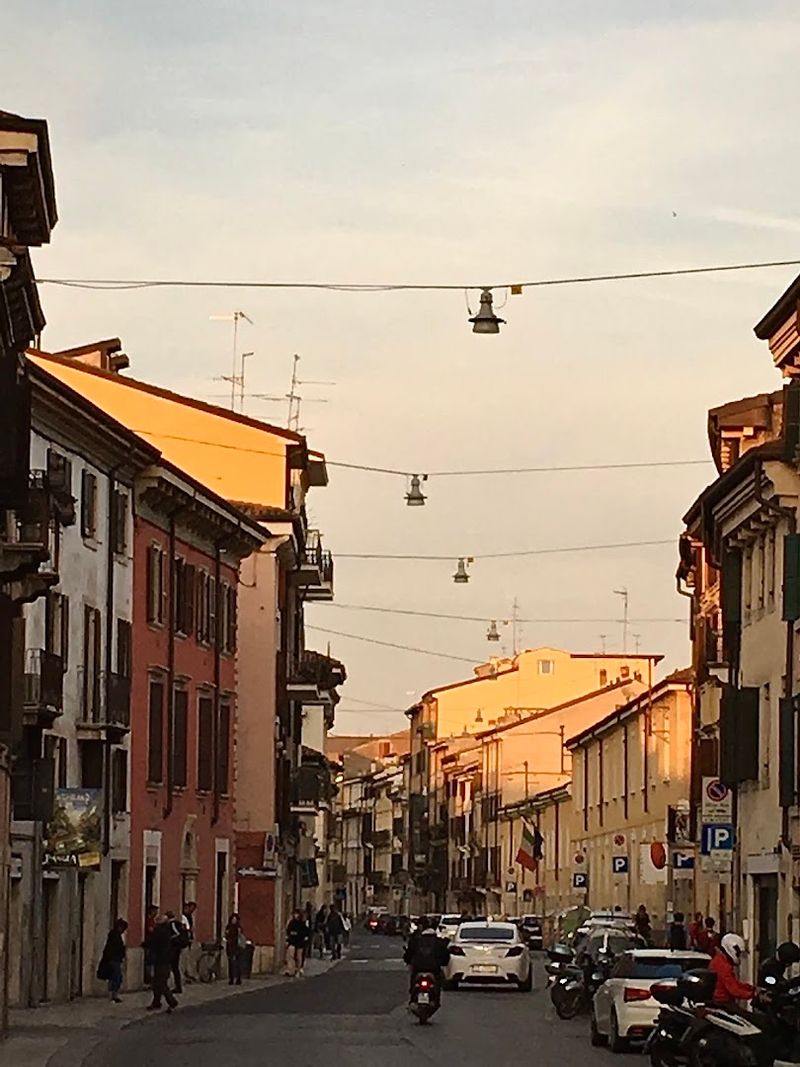
Veronetta has the scruffy charm Verona keeps across the river. Cross the Adige and the mood shifts quickly from postcard perfection to student energy, street art, small cafés, and everyday local rhythm.
It is less polished than the historic center, which is precisely the point.
This neighborhood is where you wander without needing every corner to be famous. You will find informal eateries, bars with character, university life, and walls that show a more creative side of the city.
The streets feel alive in a different way, with less posing and more living.
Come for a coffee, a casual meal, or an aimless walk after visiting Giardino Giusti. Veronetta rewards curiosity rather than checklist travel.
You may not find one huge landmark that dominates the afternoon, but you will find texture, voices, and a sense of how modern Verona breathes. It is also a good antidote if the central crowds start making you twitch.
Give it time, turn down side streets, and let the neighborhood win you over slowly. By the end, you may prefer its honest edges to Verona’s more polished face.
It feels youthful, relaxed, and refreshingly real.
Arco dei Gavi
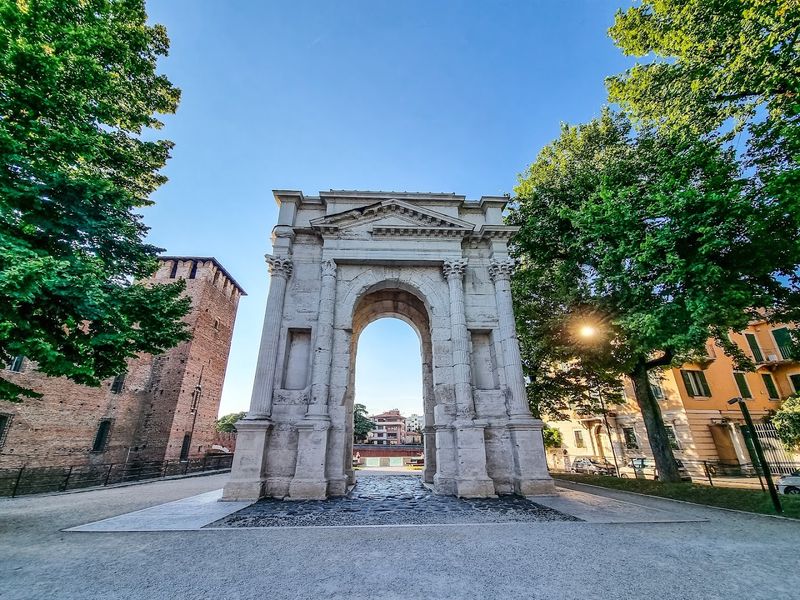
Arco dei Gavi stands there like it refuses to beg for attention. This ancient Roman arch dates to the 1st century AD, yet many visitors hurry past it on the way to Castelvecchio or the river.
Big mistake, tiny detour, excellent payoff.
The arch was built for the important Gavi family and later reconstructed after wartime damage. Its clean classical lines and pale stone show a quieter side of Roman Verona, away from the grand theater of the Arena.
Because it is rarely crowded, you can actually study the details without dodging elbows, tour flags, or someone’s dramatic selfie routine.
Stop here before or after visiting Castelvecchio, since the two sit conveniently close together. It will not take much time, but it adds a sharp little dose of ancient history to your walk.
The best part is how casually it occupies the modern city, as if a Roman monument on your route were perfectly normal. In Verona, apparently, it is.
Give it five thoughtful minutes, and the arch becomes more than a passing photo. It becomes a reminder that the city’s past is not tucked away, but standing right beside traffic.
Porta Vescovo Area
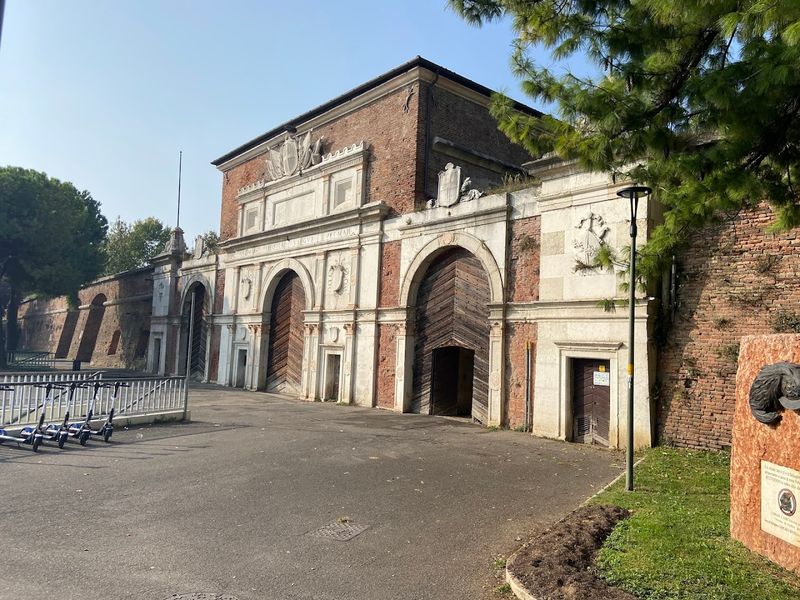
Porta Vescovo feels like Verona after the tour groups clock out. East of the main historic core, this area has fewer glossy postcard corners and more neighborhood life, which can be a relief.
You come here for local restaurants, ordinary streets, and the pleasure of not hearing the same guided speech twice.
The district around the gate has a practical, everyday character that contrasts with the polished center. You might find traditional osterias, bakeries, small shops, and residents moving through their routines with zero interest in becoming part of your vacation photos.
That honesty gives the area its appeal.
It is not the place to chase blockbuster sights, so adjust your expectations and enjoy the change of pace. Come for dinner, a long walk, or a glimpse of Verona beyond the famous circuit.
The food options can feel more local, the prices may be kinder, and the atmosphere is refreshingly unfussy. If you like neighborhoods that reveal themselves slowly, Porta Vescovo is worth your time.
It reminds you that Verona is not only a stage for romance and history. It is also a working city with daily habits, familiar tables, and plenty of quiet flavor.
Biblioteca Capitolare
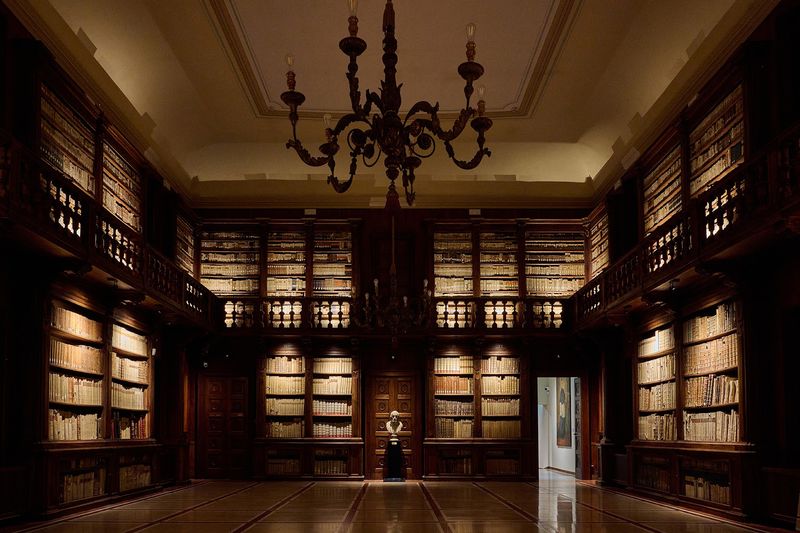
Book lovers, prepare to feel underdressed. Biblioteca Capitolare, tucked within Verona’s cathedral complex, is considered one of the oldest libraries in the world.
While visitors admire the cathedral and move on, this extraordinary place quietly guards centuries of manuscripts, learning, and ink-stained patience.
The library’s history reaches deep into the early Christian and medieval periods, making it far more than a pretty room with old books. Its collections include precious manuscripts, codices, and documents that connect Verona to a vast intellectual past.
Even if you are not a scholar, the atmosphere is enough to make you stand a little straighter.
A visit here adds depth to your Verona trip, especially after days of views, churches, and lively piazzas. Check access details in advance, since visits may depend on schedules, guided tours, or special arrangements.
Once inside, you will understand why this hidden cultural gem matters so much. It is quiet, serious, and strangely thrilling, like being let in on a centuries-old conversation.
Verona may be famous for romance, but Biblioteca Capitolare proves the city also knows how to seduce curious minds. Leave time to linger, because rare books deserve more than a rushed nod.
Share this story