Montenegro’s coastline is short, but it behaves like it has been training for a grand entrance. You get medieval walls, mountain-backed bays, tiny fishing villages, lively beaches, and water so blue it feels almost suspicious.
These seaside towns each bring a different flavor, from polished marinas to sleepy stone lanes where cats seem to own the place. If you are planning a coastal escape with charm, drama, and a few excellent meals, start here.
Kotor
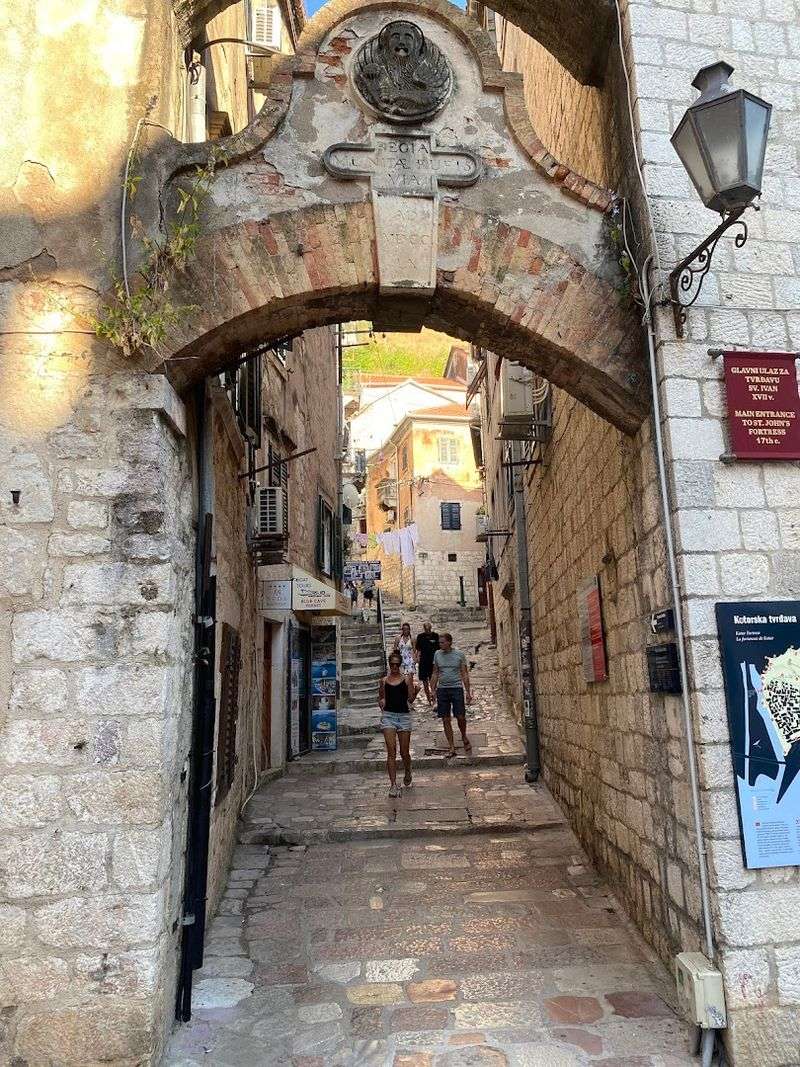
Kotor does not simply sit by the sea, it stages a full theatrical entrance between cliffs, fortress walls, and glimmering bay water. The Old Town pulls you into a maze of stone lanes, tiny squares, sleepy cats, and churches that look as if they have been keeping secrets for centuries.
You can wander without a plan, which is honestly the best plan here.
The climb to San Giovanni Fortress is the town’s classic calf-burning challenge, but the reward is pure bragging material. From above, the Bay of Kotor curls below like a polished blue ribbon, with mountains rising so sharply they seem slightly dramatic.
Go early or near sunset, when the light softens and the cruise ship crowds begin to thin.
Despite its fame, Kotor still has quiet corners if you know when to look. Morning coffee inside the walls feels peaceful, while evenings bring music, seafood, and that soft coastal buzz you hope to find.
For a first visit to Montenegro, Kotor is the showstopper that earns every bit of attention.
Perast
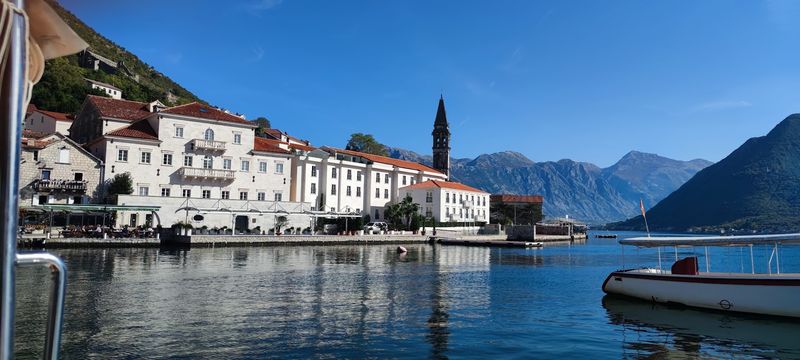
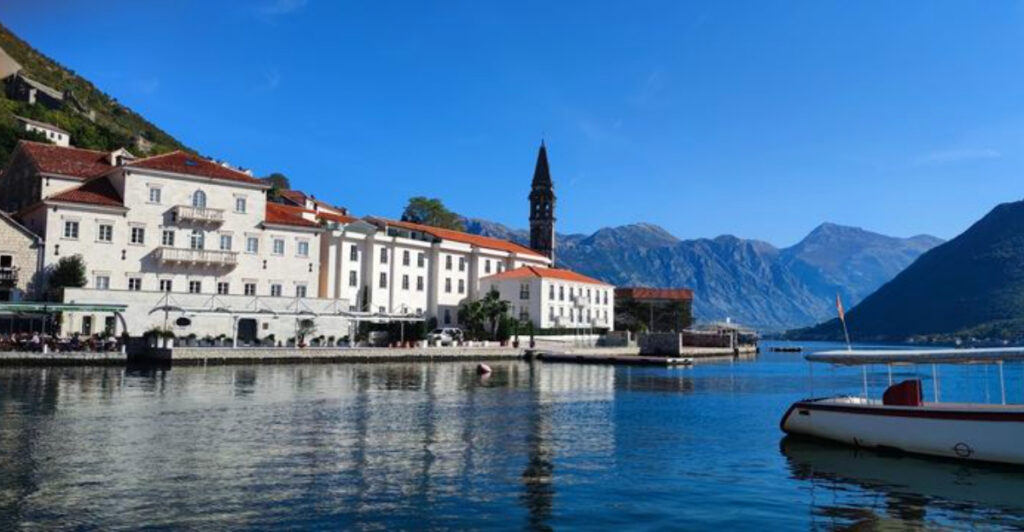
Perast feels like someone whispered the word romance and the whole waterfront decided to behave beautifully. This small town near Kotor is all stone palaces, elegant church towers, calm water, and benches positioned exactly where you would want to pause.
There is no need to rush, because Perast practically refuses to hurry with you.
The star attraction sits just offshore, where Our Lady of the Rocks floats on its tiny island like a postcard with a bell tower. A short boat ride gets you there, and the bay views on the way are worth the ticket before you even arrive.
Back on land, the promenade is perfect for coffee, lunch, or simply pretending you live in a baroque waterfront palace.
Perast is quieter than Kotor, which is precisely its charm. There are no big nightlife theatrics, no frantic traffic, and very few distractions from the sea and mountain views.
If you want Montenegro at its most graceful and unbothered, Perast makes a strong case for staying longer than planned.
Budva
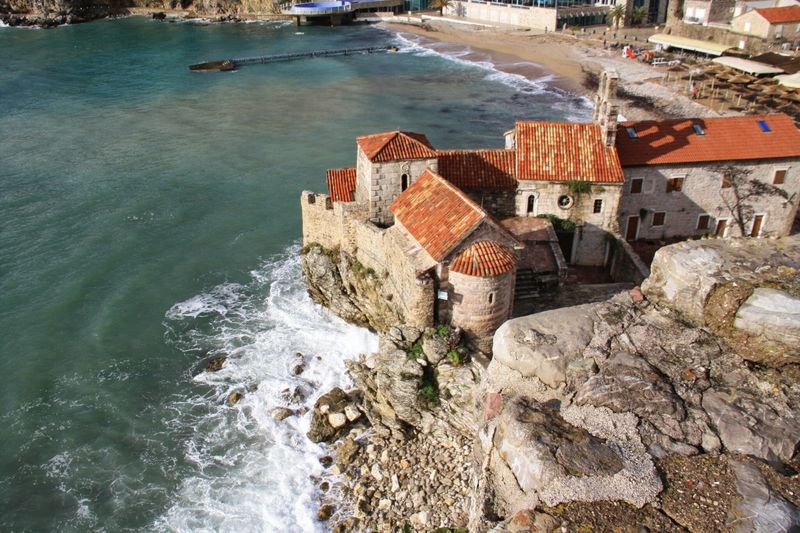
Budva arrives with sunblock, dancing shoes, and a surprisingly old passport. This is Montenegro’s liveliest seaside town, where beach clubs, restaurants, and nightlife gather around a historic core that has seen more than 2,500 years of coastal drama.
You come for the energy, then stay because the stone-walled Old Town keeps stealing the scene.
Inside the walls, narrow lanes lead to churches, boutiques, shaded cafés, and sea views that appear when you least expect them. Step outside, and the mood shifts quickly to beaches, boats, music, and the cheerful chaos of summer holidays.
Budva is not the place to seek total silence, unless you count the peaceful moment before your next espresso arrives.
The town works best when you embrace its split personality. Spend the morning exploring old stones, the afternoon swimming, and the evening joining the promenade parade.
It can be busy, yes, but Budva earns its popularity by offering history, warm water, nightlife, and enough people-watching to keep you entertained between gelato stops.
Sveti Stefan
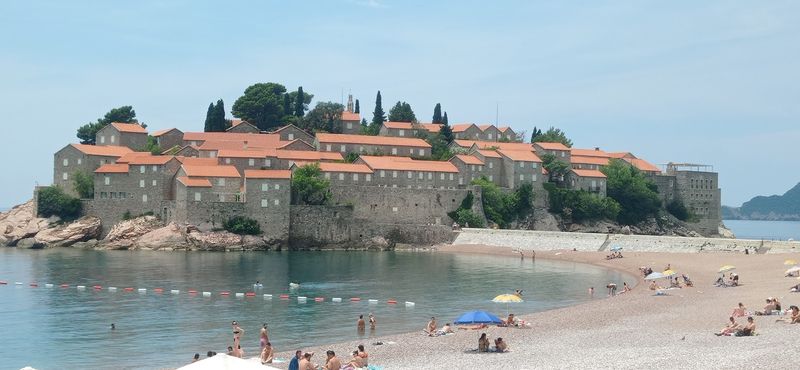
Sveti Stefan is the kind of place that makes cameras feel underqualified. The tiny island, tied to the mainland by a narrow strip of sand, is packed with red roofs, stone walls, and enough visual confidence to become Montenegro’s unofficial postcard.
Even if you have seen photos, the real view still delivers a little gasp.
Access to the island itself is limited, which can feel slightly unfair until you notice the beaches and viewpoints around it. The water is clear, the coastline is polished, and the whole scene looks especially good from the road above.
Bring a camera, but also take a minute to stop fussing with settings and just stare.
Sveti Stefan is less about long sightseeing lists and more about the pleasure of one unforgettable panorama. Nearby beaches let you swim with the island in view, while coastal paths offer quieter angles away from the main photo stops.
It is glamorous, compact, and dramatic without needing to say much at all.
Tivat
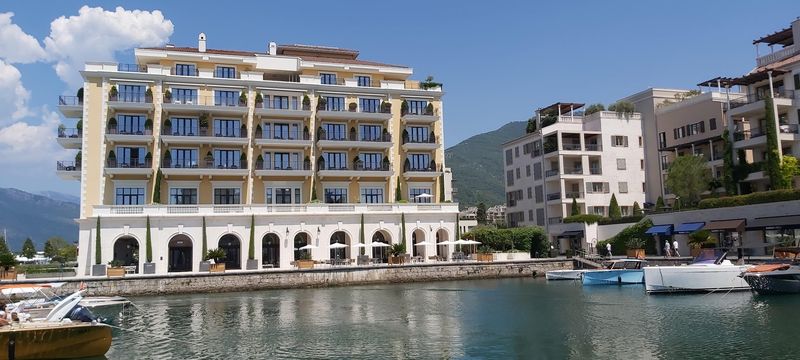
Tivat has mastered the art of looking polished without forgetting the sea breeze. Once a quieter coastal town, it now turns heads with Porto Montenegro, a sleek marina filled with yachts, cafés, boutiques, and the occasional outfit that costs more than your luggage.
Still, the mood is relaxed enough that you can enjoy it in sandals.
The promenade is the main pleasure here, especially when the light hits the water and the mountains frame the bay behind the masts. You can sip coffee, browse shops, watch boats, or simply practice saying “I could live here” with conviction.
Away from the marina, Tivat keeps pockets of local life, small beaches, and easygoing seaside corners.
What makes Tivat appealing is the balance between comfort and coastal charm. It is convenient, stylish, and less hectic than Budva, with quick access to other Bay of Kotor highlights.
If you like modern restaurants, calm walks, clean lines, and a marina view with your sunset, Tivat is a very pleasant place to unpack for a while.
Herceg Novi
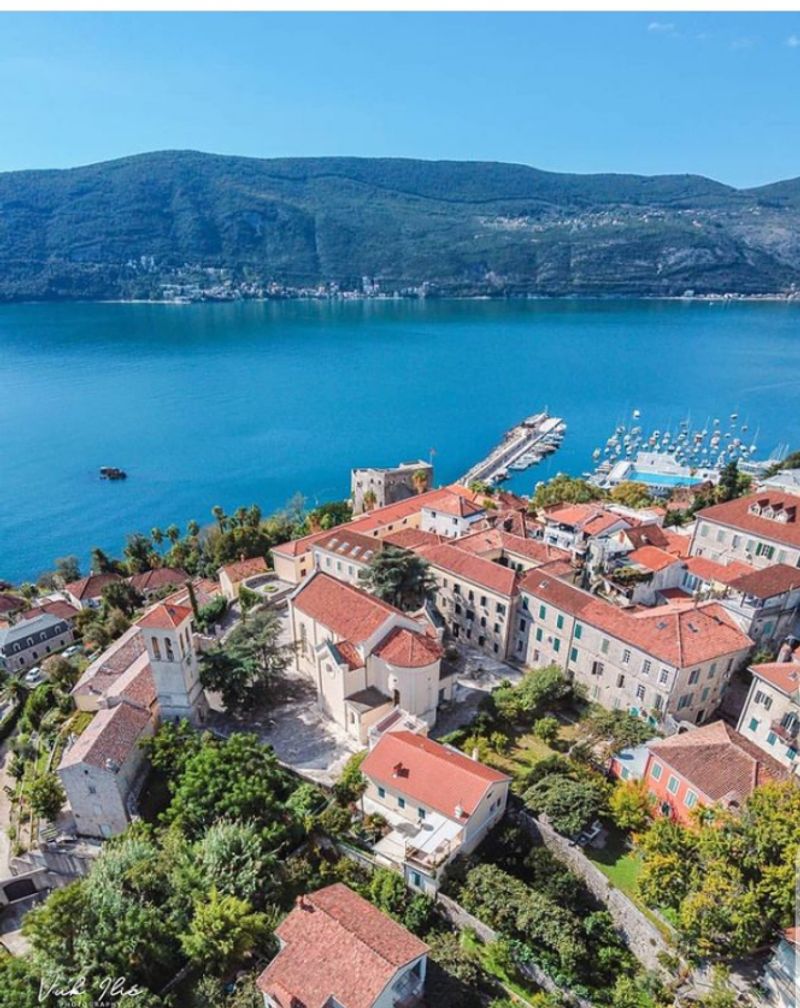
Herceg Novi greets you with stairs, sunshine, and the suspicion that your legs are about to learn something. Set at the entrance to the Bay of Kotor, this town climbs dramatically from the waterfront into a tangle of old streets, leafy corners, and fortress views.
It feels lived-in, layered, and pleasantly less polished than some coastal neighbors.
The town’s fortresses add a strong historic punch, with Kanli Kula and Forte Mare watching over rooftops and water. Between them, you find cafés tucked into squares, flowers spilling over walls, and staircases that seem to multiply when you are hungry.
Luckily, the sea is never far, and the promenade offers a flatter, friendlier reward.
Herceg Novi is often overlooked by travelers racing toward Kotor or Budva, which is good news for you. It has bay scenery, beaches nearby, boat trips, and a slower rhythm that invites wandering.
Use it as a base for the northern coast, or simply enjoy a town that knows how to be scenic without shouting about it.
Petrovac
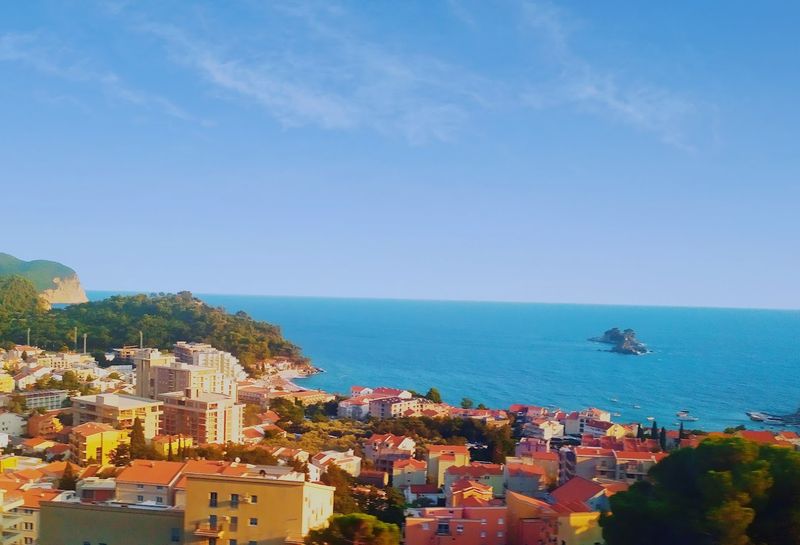
Petrovac is where Montenegro lowers the volume and hands you a beach towel. This compact town on the Budva Riviera has a gentle rhythm, with a sandy crescent beach, palm-lined promenade, and restaurants close enough that lunch never requires a strategic operation.
It is easy, sunny, and refreshingly uncomplicated.
The waterfront is the main stage, and it performs best at a lazy pace. Families swim in the shallows, couples stroll before dinner, and everyone seems to agree that one more ice cream is a reasonable decision.
Just offshore, small islets add a scenic touch, while the surrounding hills keep the town feeling tucked away.
Petrovac works beautifully if you want a seaside break without the full Budva buzz. There is enough to do, but not so much that you feel guilty for doing nothing.
Swim, walk, eat grilled fish, repeat as needed. For travelers chasing calm water, friendly evenings, and a proper holiday mood, Petrovac keeps things simple in the best possible way.
Ulcinj
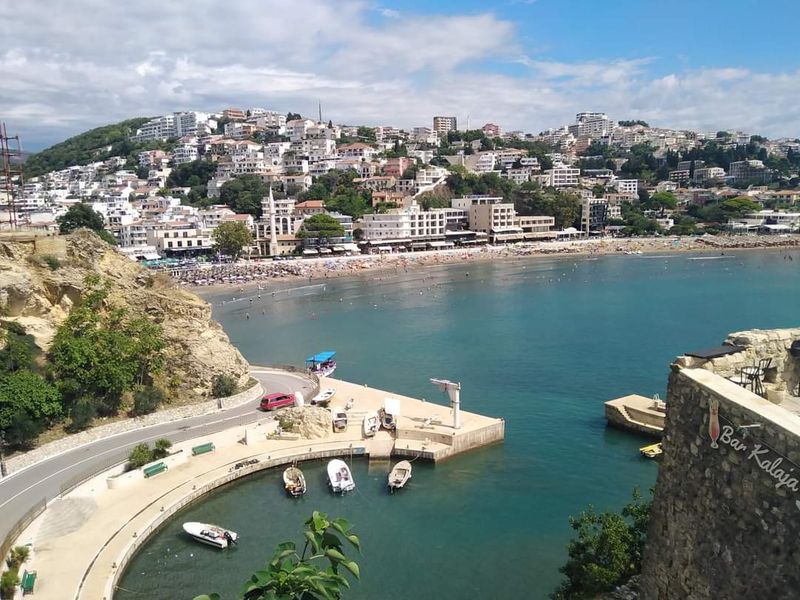
Ulcinj brings a completely different rhythm to Montenegro’s coast, and that is exactly why it is exciting. With Ottoman influences, a diverse cultural mix, and a coastal setting that feels more open and windswept, the town stands apart from the bay villages and resort strips farther north.
It has texture, personality, and excellent reasons to linger.
The Old Town rises above the sea with stone walls, views, and narrow lanes that invite slow wandering. Then comes Velika Plaža, the famous long beach stretching for more than 13 kilometers, where sand, kitesurfing, beach bars, and wide horizons take over.
If the rest of the coast feels compact, Ulcinj gives you breathing room.
This is not the glossiest stop in Montenegro, but that is part of its appeal. Ulcinj feels real, lively, and layered, with flavors, languages, and traditions mixing in everyday life.
Come for the beach, stay for the atmosphere, and leave with the feeling that you have seen a side of Montenegro many travelers miss.
Bar
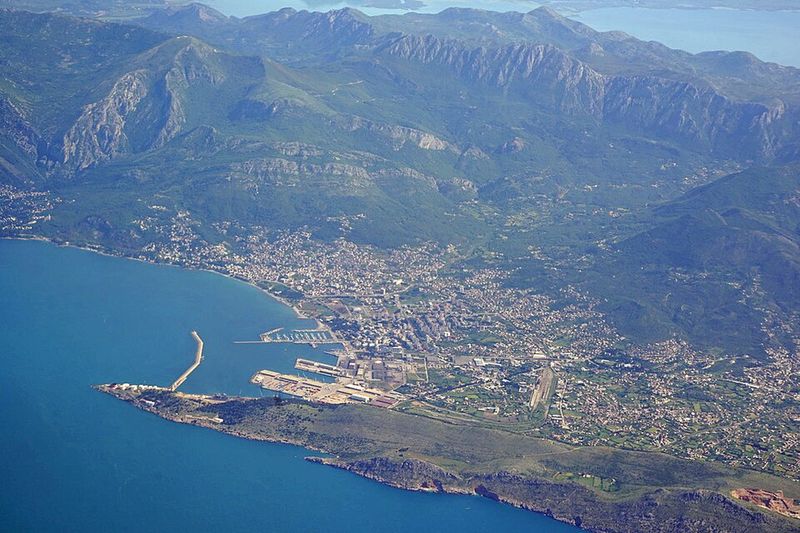
Bar is a two-part story, and both chapters are worth reading. Down by the coast, modern Bar offers beaches, cafés, ferries, and everyday Montenegrin life with the sea always nearby.
A short trip inland brings you to Old Bar, where ruined walls, stone arches, and mountain views shift the mood completely.
Old Bar is the kind of place where history feels pleasantly untidy. You can wander through ancient streets, climb around weathered remains, and imagine the town before earthquakes and time rearranged the scenery.
Nearby olive groves add another layer, especially the famous old olive tree said to be more than 2,000 years old.
The appeal of Bar lies in that contrast between practical coast and atmospheric ruin. It is less postcard-perfect than Kotor or Sveti Stefan, but it has a grounded charm that feels refreshing.
Spend the morning among old stones, then head back for a swim or a waterfront meal. Bar rewards travelers who like their seaside towns with history, local flavor, and fewer crowds.
Pržno
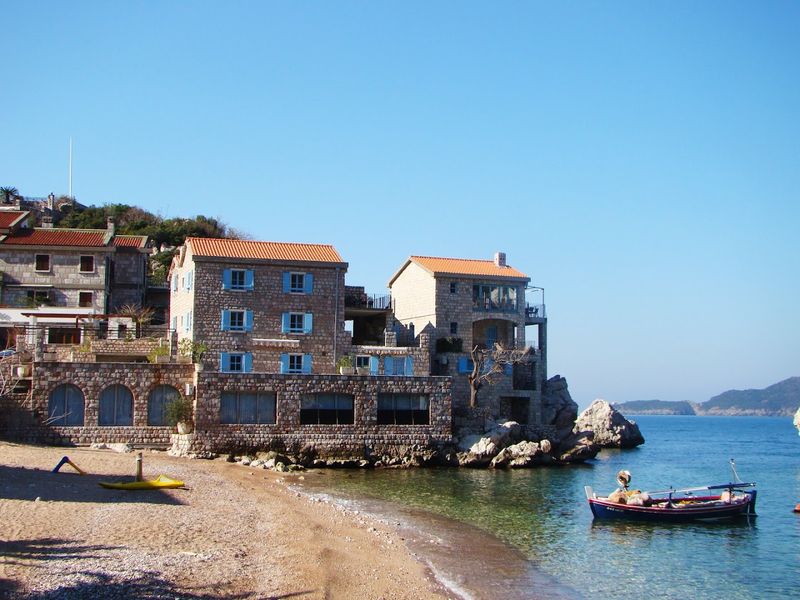
Pržno is tiny, but it knows exactly what it is doing. This former fishing village near Sveti Stefan wraps around a small sandy cove with stone houses, bobbing boats, and restaurants that seem designed for long lunches.
It is the kind of place where the day immediately becomes less ambitious, and nobody complains.
The beach is compact and pretty, with clear water and a sheltered feel that makes swimming easy. Around it, traditional seafood restaurants serve grilled fish, salads, and views that do half the work before the food arrives.
You are close to famous Sveti Stefan, but Pržno feels calmer, softer, and far less interested in posing.
That quiet confidence is the reason to visit. Pržno gives you Montenegro’s coastline without the bigger resort bustle, making it ideal for a slow afternoon or a peaceful base.
Walk the nearby paths, linger over dinner, watch the boats, and let the village do what it does best. It keeps things simple, scenic, and quietly memorable.
Share this story