Southern Italy does not simply welcome you, it grabs your hand and pulls you toward sea cliffs, sunlit piazzas, and plates of food you will remember at inconvenient times. For first-time visitors, this part of the country feels wonderfully dramatic, with ancient cities, beach towns, cave neighborhoods, and hilltop villages all packed into one irresistible region.
You can chase coastal views in the morning, wander Roman ruins by lunch, and end the day wondering how something as simple as a tomato can taste that smug. These 15 places are the kind that make your itinerary look ambitious and your camera roll completely unmanageable.
Amalfi Coast (Positano, Amalfi, Ravello)
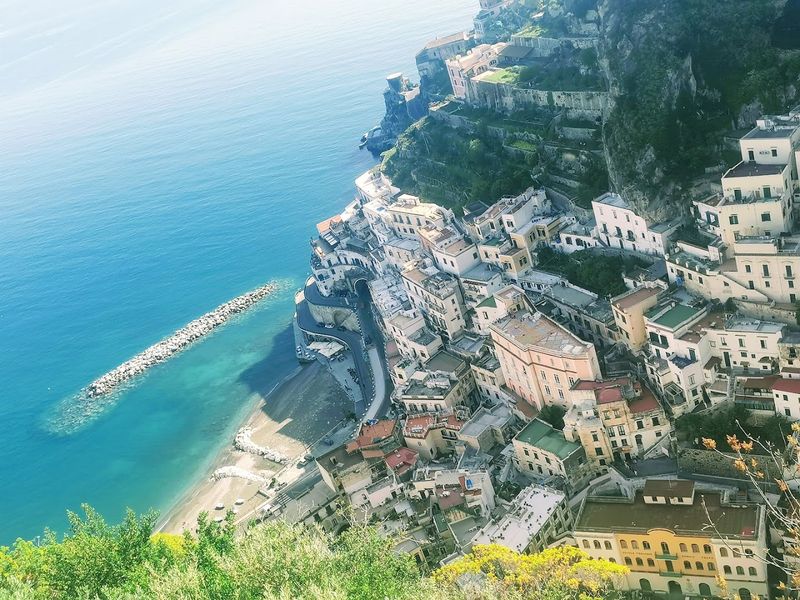
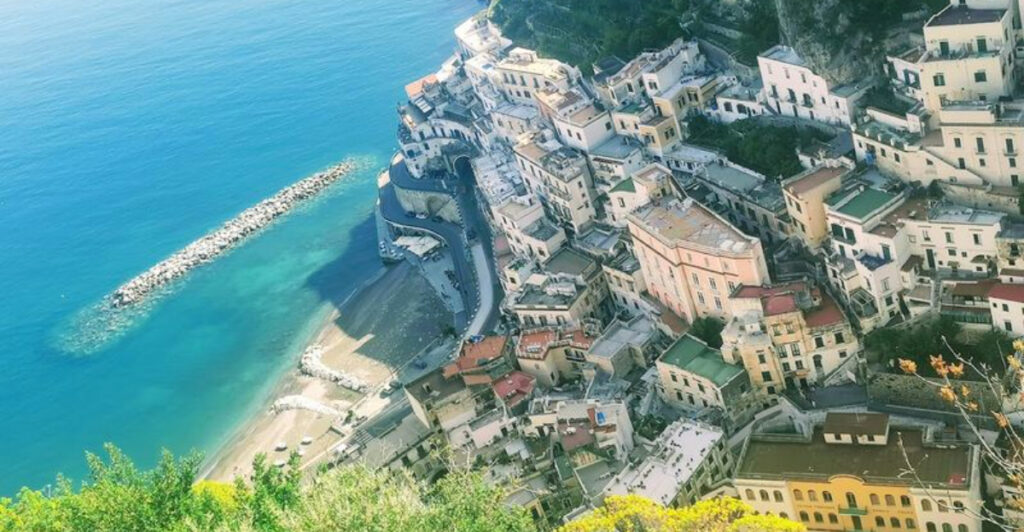
The Amalfi Coast has no interest in being subtle, and honestly, you will forgive it immediately. Positano tumbles down the cliffs in pastel layers, Amalfi brings cathedral drama to the waterfront, and Ravello floats above it all with gardens that seem designed for slow sighs.
For a first visit to southern Italy, this coastline delivers the grand entrance.
You can drive the famous coastal road, though your nerves may file a formal complaint after the third hairpin turn. A boat ride is gentler and gives you the full effect of villages clinging to rock while the Mediterranean flashes below.
Stop for lemon granita, seafood pasta, or anything served with a view you can brag about later.
Ravello deserves extra time if you like beauty without elbow-to-elbow crowds. Villa Cimbrone and Villa Rufolo offer terraces that make even casual snapshots look suspiciously professional.
Come early, stay late, and let the coast show off from every possible angle.
Matera, Basilicata
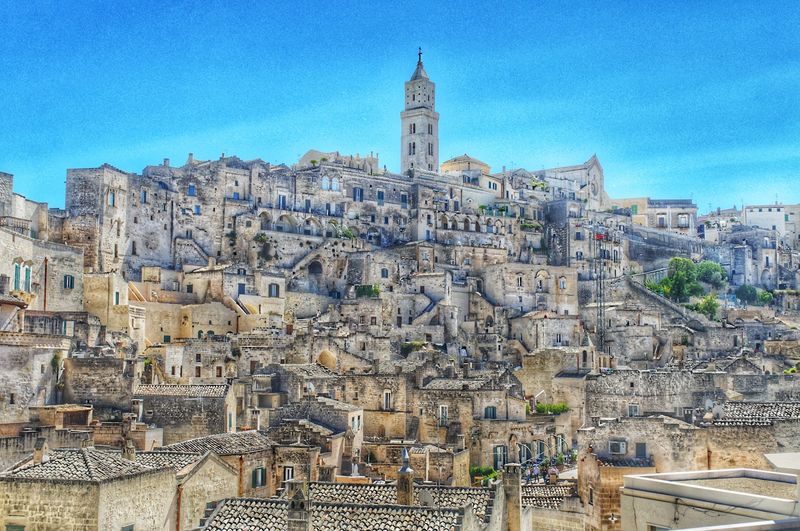
Matera looks ancient enough to make your calendar feel embarrassed. Its famous Sassi districts are carved into pale limestone, with cave homes, churches, stairways, and courtyards layered across a rugged ravine.
Walking here feels less like sightseeing and more like entering a city that has been quietly collecting stories for thousands of years.
First-time visitors often arrive curious and leave completely spellbound. The maze of stone lanes leads to cave churches with faded frescoes, panoramic viewpoints, and boutique hotels tucked inside former dwellings.
Matera manages to feel both prehistoric and stylish, which is not an easy trick.
Do not rush it, because the city changes beautifully as the light moves. Morning reveals texture in the stone, afternoon brings warm color, and evening turns the Sassi into a glowing amphitheater.
Wear comfortable shoes, accept that you will get mildly lost, and enjoy the rare pleasure of a place unlike anywhere else in Europe.
Alberobello, Puglia
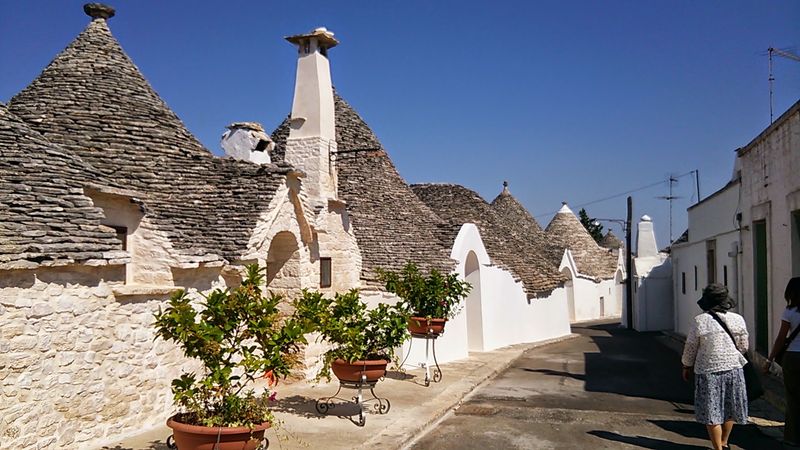
Alberobello looks like a town built by someone with excellent imagination and a fondness for pointy roofs. Its whitewashed trulli, topped with gray cone-shaped stones, fill the lanes with a playful charm that instantly separates it from every other stop in southern Italy.
Yes, it is famous for a reason, and yes, your camera will be busy.
The Rione Monti district has the densest cluster of trulli, with shops, cafes, and small viewpoints tucked among the lanes. For a quieter mood, wander into Aia Piccola, where the streets feel more residential and less polished for visitors.
The magic is strongest early in the morning or near sunset, when the white walls glow and the day-trippers thin out.
Inside some trulli, you can see how cleverly these dry-stone homes were constructed without mortar. That tiny architectural fact makes the village even more impressive.
Alberobello is compact, cheerful, and wonderfully odd in the best possible way.
Naples, Campania
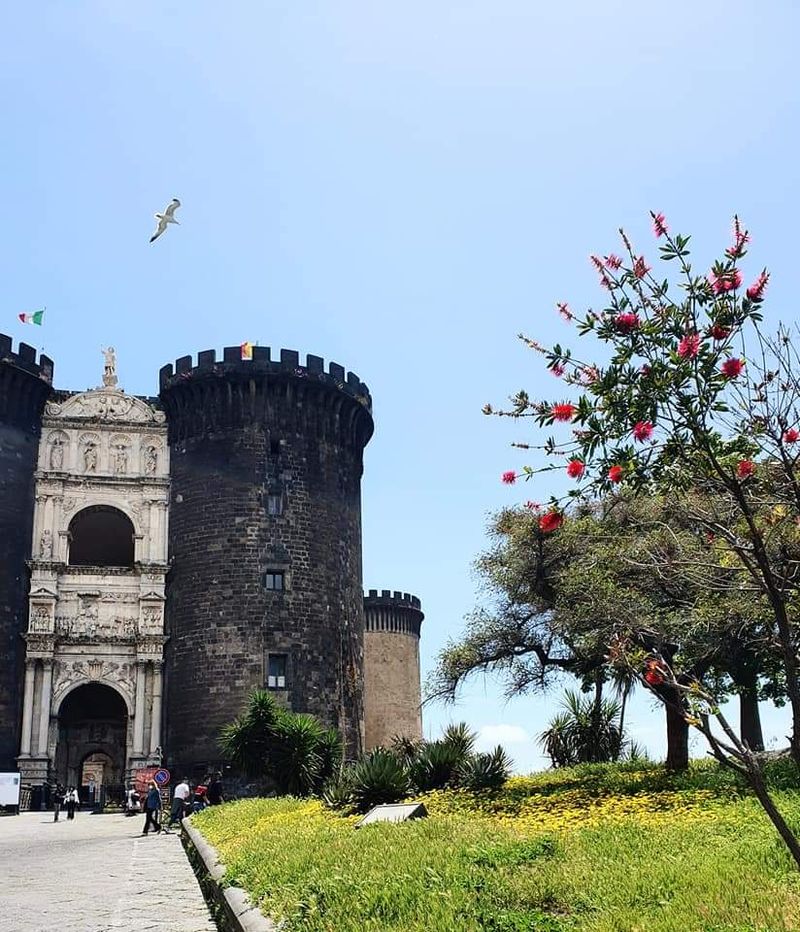
Naples walks into the room loudly, orders espresso, and somehow wins you over before you sit down. It is messy, musical, historic, delicious, and unapologetically alive.
If you want southern Italy with all the volume turned up, this is where you go.
The city is the birthplace of pizza, so pretending not to care about food here would be a serious mistake. Follow the scent of wood-fired dough into a traditional pizzeria, then balance it with a walk through Spaccanapoli, the old street slicing through the historic center.
Churches, shrines, scooters, laundry lines, and pastry shops compete for attention at every corner.
Naples also hides a fascinating underground world of tunnels, catacombs, and ancient ruins. Above ground, the Archaeological Museum holds treasures from Pompeii and Herculaneum, making it a smart stop before visiting the ruins.
It may feel chaotic at first, but give Naples a day and it starts making perfect, delicious sense.
Pompeii, Campania
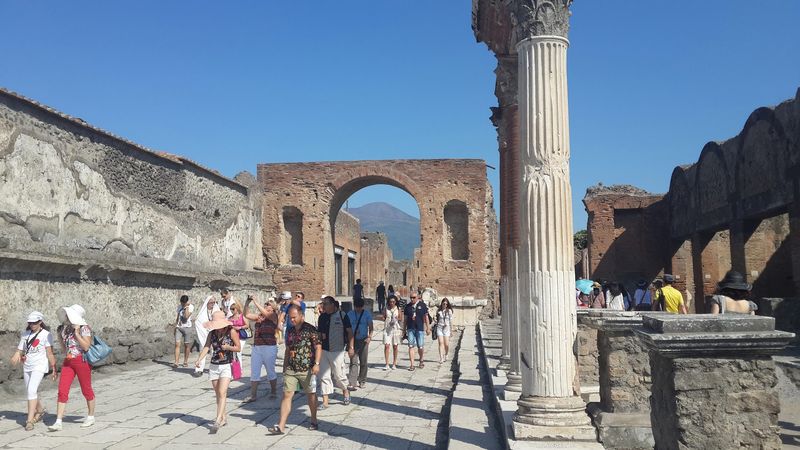
Pompeii has a way of making ancient history feel uncomfortably close. Buried by the eruption of Mount Vesuvius in 79 AD, the city was preserved with streets, houses, shops, baths, and frescoes still visible in astonishing detail.
You are not just looking at ruins, you are walking through a paused Roman day.
The scale surprises many first-time visitors. Pompeii is not a small site with a few columns and a gift shop waiting politely nearby.
It is a full city, with bakeries, courtyards, temples, theaters, and stone streets worn smooth by carts and sandals.
Bring water, sun protection, and shoes that can handle uneven paving without drama. A guide or audio tour helps the details come alive, from painted dining rooms to political graffiti and household shrines.
The experience is fascinating, haunting, and deeply human, especially when Vesuvius sits quietly in the background like it has nothing to explain.
Capri Island, Campania
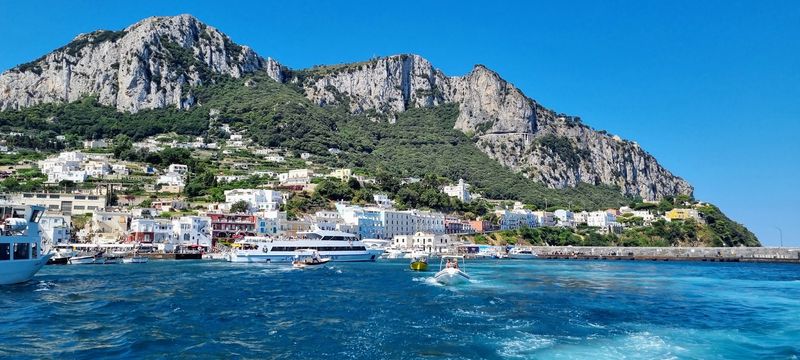
Capri knows exactly how glamorous it is, and it is not pretending otherwise. This island off the Sorrentine Peninsula serves cliffs, designer boutiques, lemon groves, sea caves, and turquoise water with theatrical confidence.
Even if you arrive determined to be practical, Capri will have you considering linen clothing by lunchtime.
The Blue Grotto is the famous headliner, where sunlight slips through an underwater opening and turns the cave water an electric blue. Boat tours around the island also pass the Faraglioni rocks, hidden coves, and cliff faces that seem carved for postcards.
On land, Capri Town offers polished lanes, cafes, and plenty of people-watching.
For sweeping views, head up to Anacapri and take the chairlift to Monte Solaro. It is peaceful, scenic, and slightly thrilling if dangling calmly above the island is your idea of fun.
Capri can be pricey, but its beauty is generous, especially if you wander beyond the busiest squares.
Polignano a Mare, Puglia
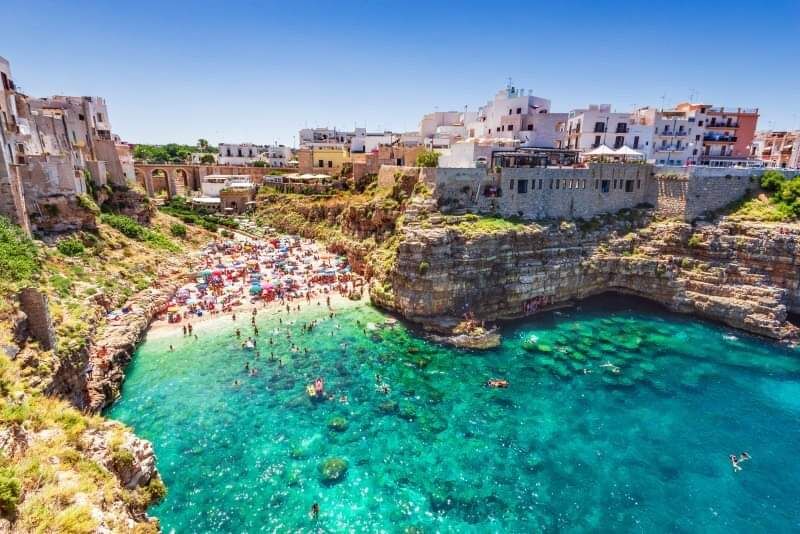
Polignano a Mare feels like it was placed on the cliffs just to make visitors gasp. The old town rises above the Adriatic, with balconies and terraces hanging over clear blue water.
Below, Lama Monachile beach sits neatly between rocky walls, looking almost too photogenic to be real.
The town is small enough to explore slowly, which is exactly how you should approach it. Duck into narrow lanes, read the snippets of poetry painted on walls and staircases, then find a terrace for a coffee or spritz with a sea view.
The sound of waves echoing beneath the cliffs adds just the right amount of drama.
In summer, swimmers fill the cove and cliff divers sometimes turn the waterfront into a casual spectacle. Visit early or late if you want the beach without the full crowd performance.
Polignano is easy, beautiful, and ideal for anyone who wants Puglia’s coastal charm in one unforgettable stop.
Lecce, Puglia
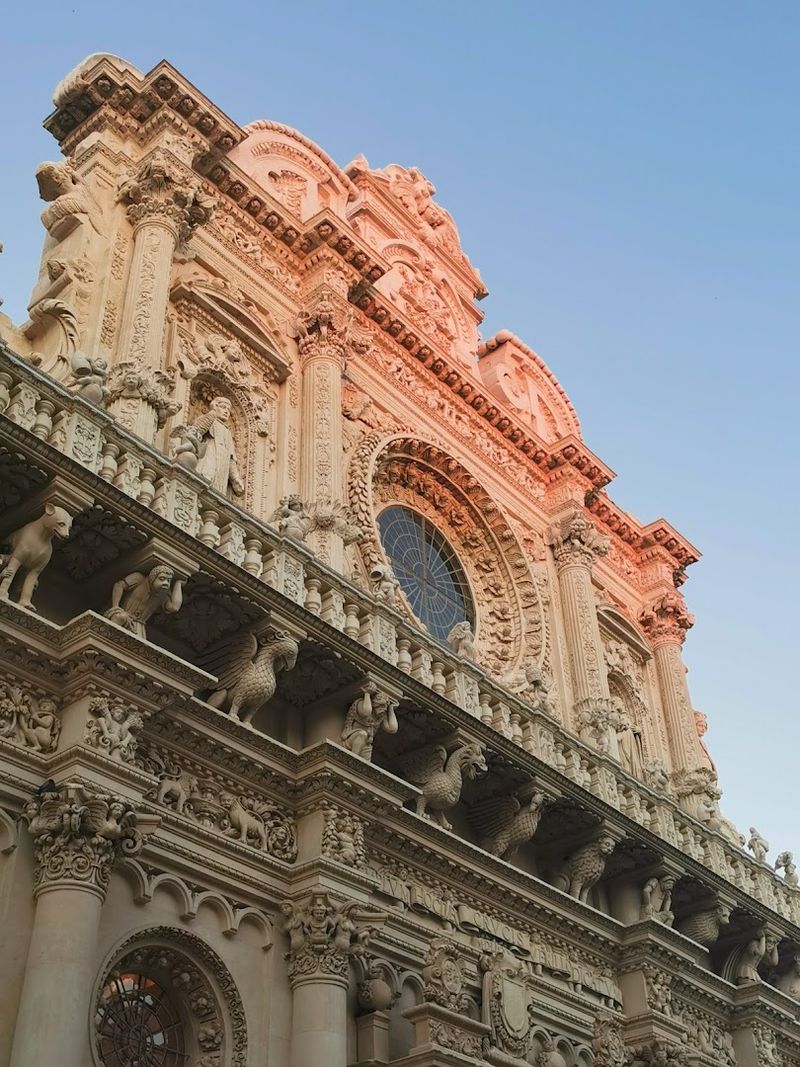
Lecce glows like it has been lightly toasted by the sun. Built from warm local limestone, the city is famous for Baroque facades so detailed they look almost whipped into shape.
It has earned the nickname Florence of the South, but Lecce has its own relaxed, golden personality.
The Basilica di Santa Croce is the star, covered in carvings that reward slow looking. Nearby piazzas hold Roman remains, elegant palaces, outdoor cafes, and that easy southern rhythm that makes a quick stop accidentally last all afternoon.
This is a city for wandering, nibbling, and admiring doors you did not expect to care about.
Food adds another reason to linger. Try pasticciotto, a custard-filled pastry that should come with a warning label for repeat cravings.
As evening arrives, the limestone turns honey-colored and locals fill the streets, giving Lecce a warm, polished, and very lovable energy.
Ravello, Amalfi Coast
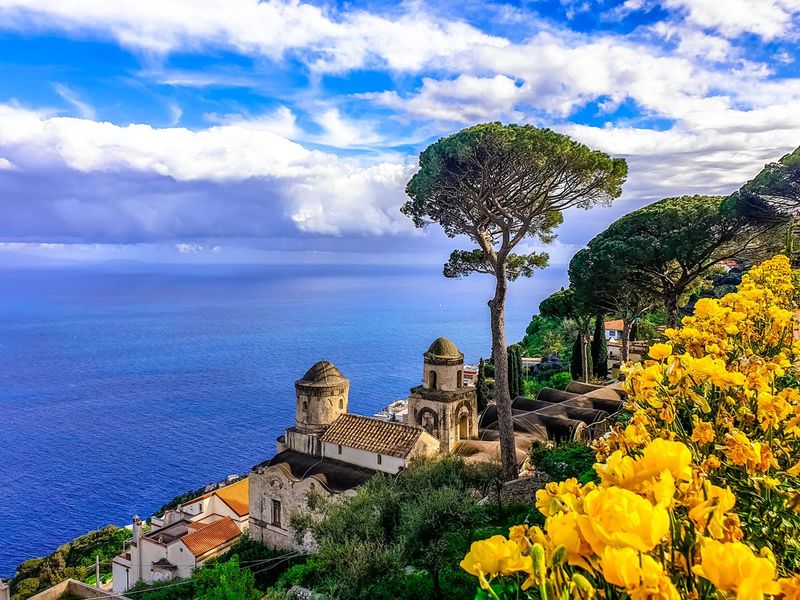
Ravello is where the Amalfi Coast lowers its voice and lets the view do the talking. Perched high above the sea, this elegant town feels calmer than Positano or Amalfi, with leafy lanes, quiet squares, and terraces that seem to hover over the coastline.
It is ideal when you want beauty without constant commotion.
Villa Cimbrone is the showstopper, especially the Terrace of Infinity, where marble busts face an endless sweep of sea and sky. Villa Rufolo offers gardens, cloisters, and views that have inspired artists and musicians for generations.
Even a simple walk between the two feels wonderfully refined.
Ravello is also a fine place to slow down with lunch, a glass of local wine, or a lemon dessert that tastes brighter than your travel planning spreadsheet. Stay until late afternoon if you can, when the day softens and the crowds retreat.
The town proves that the Amalfi Coast can be spectacular and serene at the same time.
Castelmezzano, Basilicata
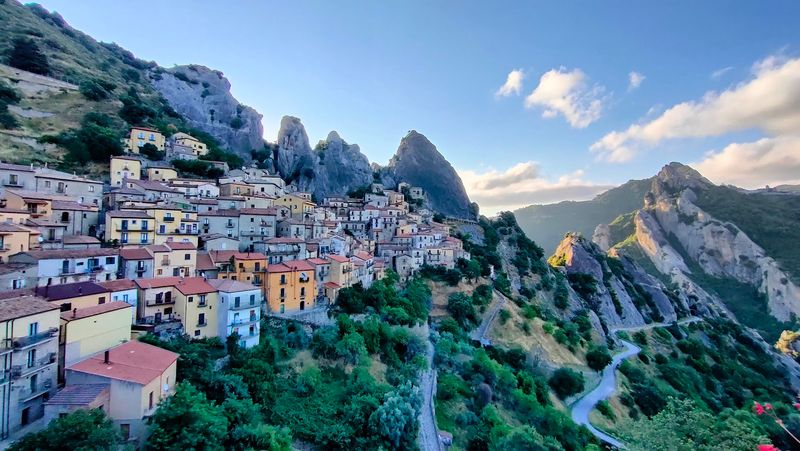
Castelmezzano looks like it made a daring bet with a mountain and won. The village is tucked into the jagged Lucanian Dolomites, with stone houses stacked against dramatic peaks in a setting that feels thrilling before you even move.
It is one of Basilicata’s great surprises.
The streets are steep, narrow, and wonderfully atmospheric, leading to viewpoints where the surrounding rock formations steal the scene. Unlike Italy’s more famous hill towns, Castelmezzano still feels quietly local, with everyday village life unfolding beneath an extraordinary skyline.
You can visit for a few hours, but the mood encourages staying longer.
Adventure seekers come for the Volo dell’Angelo, a zipline connecting Castelmezzano with nearby Pietrapertosa. Flying between mountain villages is not exactly your standard sightseeing plan, which is part of the appeal.
Even if you keep both feet planted firmly on stone, Castelmezzano delivers scenery with real personality.
Tropea, Calabria
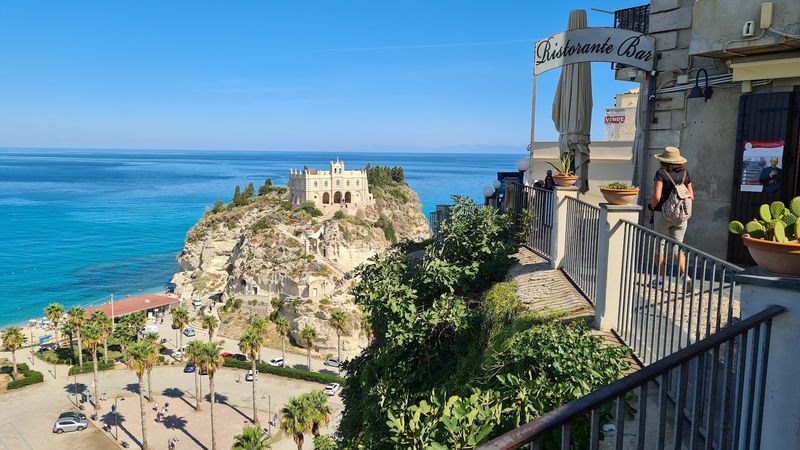
Tropea arrives with turquoise water, white cliffs, and the confidence of a beach town that knows it is underappreciated. Perched above the Tyrrhenian Sea, its historic center looks down on beaches that rank among the loveliest in southern Italy.
If the Amalfi Coast feels too crowded, Tropea offers a dazzling alternative.
The view of Santa Maria dell’Isola, a monastery set on a rocky promontory, is the classic postcard moment. Below it, the sea shifts from pale blue to deep sapphire, and the sand invites serious schedule neglect.
Up in town, lanes lead to balconies, churches, gelato shops, and restaurants serving Calabria’s famous sweet red onions.
Tropea is lively in summer but still feels more relaxed than Italy’s blockbuster coastal destinations. Sunsets here are especially generous, sometimes revealing the outline of Stromboli on the horizon.
Come for the beach, stay for the old town, and leave wondering why Calabria is not on everyone’s first itinerary.
Maratea, Basilicata
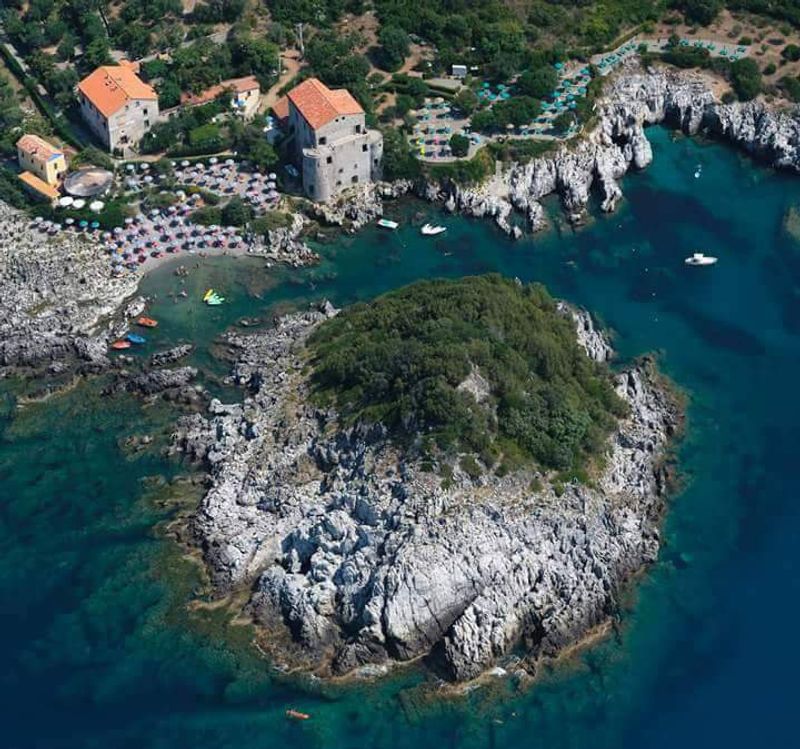
Maratea is the kind of coastal secret that makes you lower your voice when recommending it. Often called the Pearl of the Tyrrhenian, it offers rocky coves, forested hills, clear water, and a slower pace than Italy’s better-known seaside towns.
It feels polished by nature rather than publicity.
The giant Christ the Redeemer statue watches over the coast from Monte San Biagio, and the road up is worth every careful turn. From the top, the views sweep across mountains, villages, and a sparkling stretch of sea that seems to keep going forever.
Down below, the old town has pretty lanes, small squares, and enough churches to keep architecture fans happily occupied.
Maratea’s beaches and coves are spread out, so having a car helps you explore properly. Some spots feel tucked away enough to make you check if you are still allowed to be there.
For first-time visitors who want beauty without a crowd soundtrack, Maratea is a brilliant choice.
Sorrento, Campania
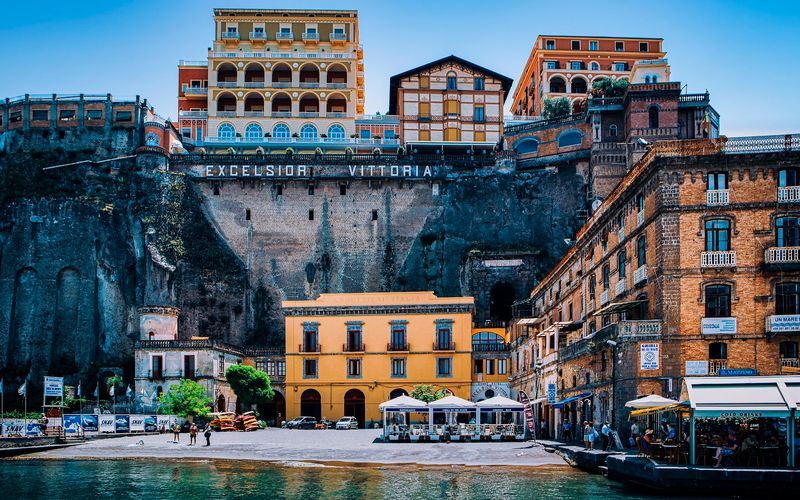
Sorrento is charming, convenient, and just polished enough to make travel feel easy. Sitting on cliffs above the Bay of Naples, it offers sea views, lemon groves, lively lanes, and quick connections to several major sights.
For first-time visitors, it works beautifully as both destination and launch pad.
The historic center is full of shops selling limoncello, leather goods, ceramics, and pastries that appear at exactly the wrong moment for your self-control. Down at the marina, seafood restaurants and boat trips keep the coastal mood going strong.
You can spend a lazy day here without feeling like you have wasted a single minute.
Sorrento also makes day trips simple. Capri, Pompeii, Naples, and the Amalfi Coast are all within reach, which is why many travelers choose it as a base.
It may not be as dramatic as Positano, but it is comfortable, scenic, and extremely good at making your southern Italy plans behave.
Ostuni, Puglia
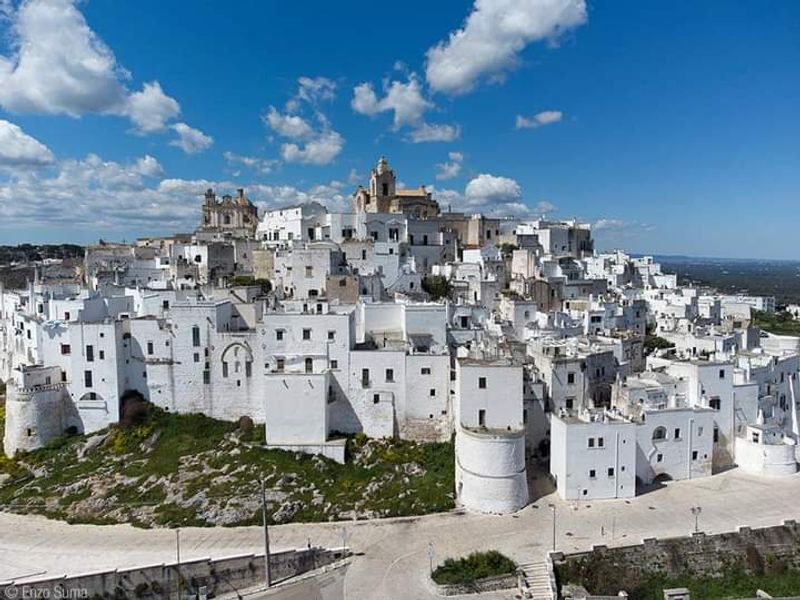
Ostuni shines so brightly you may suspect the whole town has a standing appointment with whitewash. Known as the White City, it rises on a hill above olive groves and looks toward the Adriatic in a dazzling pile of lanes, arches, and stairways.
It is one of Puglia’s most striking inland towns.
The historic center is a maze, but the kind you will enjoy losing yourself in. White walls, blue doors, flower pots, tiny bars, and sudden sea views keep the walk lively.
At the top, the cathedral adds a graceful Gothic touch to all that sunlit simplicity.
Ostuni is especially atmospheric in the evening, when restaurants spill into narrow streets and the stone begins to glow softly. It is also close to beaches, making it easy to pair town wandering with a swim.
Bring sunglasses, curiosity, and patience for staircases, because this hilltop beauty likes to make you earn the best corners.
Cilento Coast, Campania
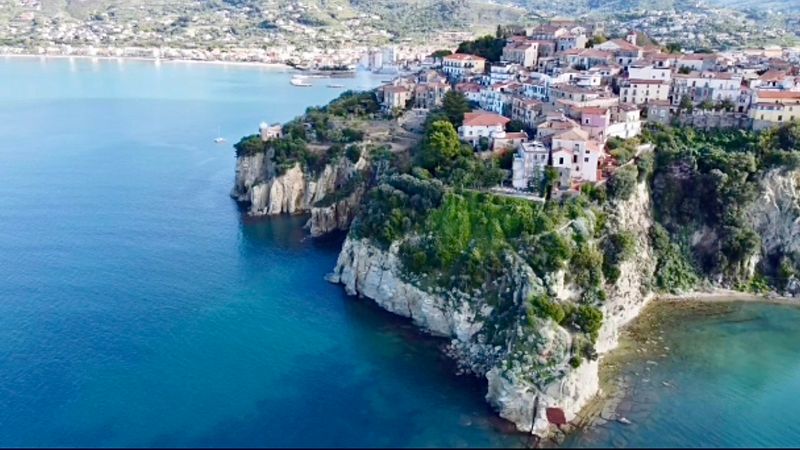
The Cilento Coast is southern Italy’s quiet overachiever, and it seems perfectly happy avoiding the spotlight. South of the Amalfi Coast, this stretch of Campania offers beaches, green hills, fishing villages, ancient ruins, and far fewer crowds.
If you want space to breathe, Cilento is a gift.
Towns like Acciaroli, Palinuro, and Castellabate bring seaside charm without the constant rush. The water is clear, the pace is gentle, and meals tend to involve fresh fish, buffalo mozzarella, and vegetables that taste like they had a very good childhood.
Nearby, the ruins of Paestum add an impressive dose of ancient Greek history.
Nature is a major part of the appeal, thanks to Cilento and Vallo di Diano National Park. You can hike, swim, visit caves, or simply sit by the sea and enjoy not competing for every inch of sand.
For first-time visitors willing to look beyond the obvious names, the Cilento Coast feels wonderfully rewarding.
Share this story