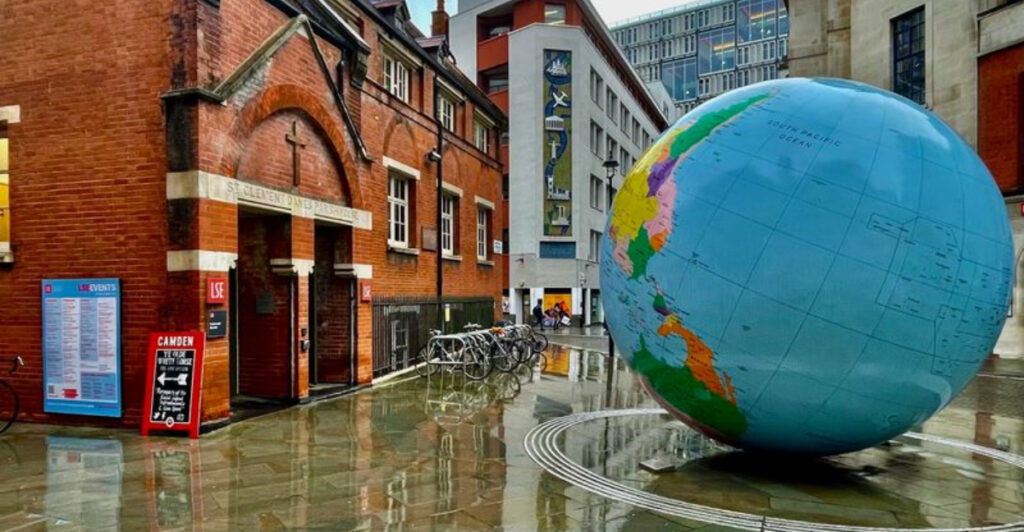
Some schools do more than teach students how to pass tests. They build thinkers, innovators, and leaders who go on to change the world.
From centuries-old institutions in Europe to cutting-edge universities in Asia and America, these schools have shaped some of history’s most powerful minds. Whether you dream of becoming a president, a scientist, or a business leader, knowing about these institutions is a great place to start.
1. Harvard University (USA)
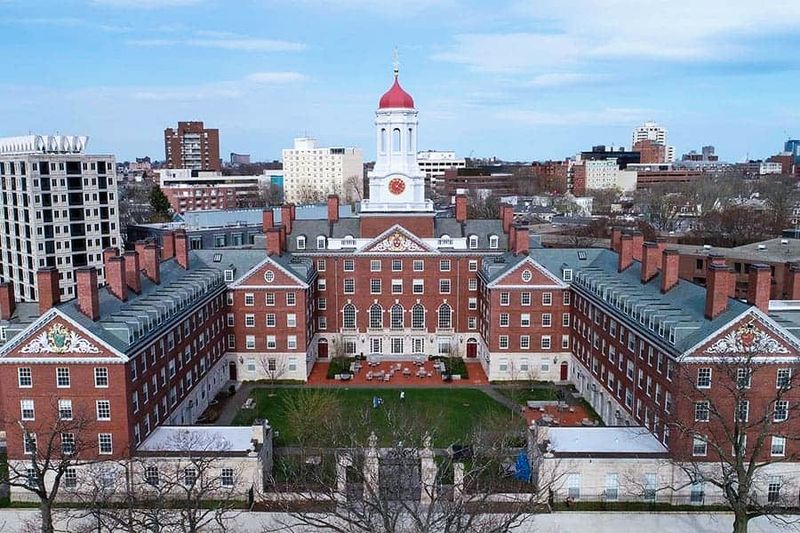
Walk through Harvard Yard on any given morning, and you can almost feel the weight of history beneath your feet. Founded in 1636, Harvard University is the oldest institution of higher learning in the United States, and it has been producing world-changing leaders ever since.
Eight U.S. presidents, including John F. Kennedy and Barack Obama, earned degrees here.
Harvard is also home to one of the largest university endowments in the world, giving students access to incredible resources, scholarships, and research opportunities. Its alumni have won over 160 Nobel Prizes across science, economics, and literature.
The university offers programs in law, medicine, business, and the arts.
Getting accepted is extremely competitive, with acceptance rates hovering around 3 to 4 percent. Still, Harvard offers generous financial aid, making it accessible to talented students from all economic backgrounds.
2. University of Oxford (UK)
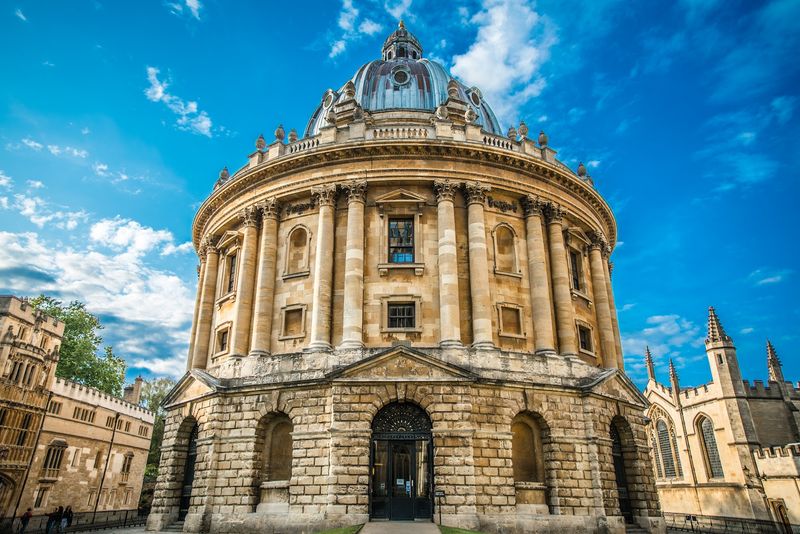
Oxford has been teaching students since the 1100s, making it one of the oldest universities on the planet. More than 30 British prime ministers walked its hallways, along with world leaders, Nobel laureates, and celebrated authors.
There is something timeless about the way Oxford blends centuries-old tradition with modern academic excellence.
The university is made up of 39 individual colleges, each with its own identity, dining hall, and community. Students benefit from the famous tutorial system, where they meet weekly with expert professors for one-on-one academic discussions.
This personal approach to learning encourages deep thinking and strong communication skills.
Oxford consistently ranks among the top three universities globally. Its programs in philosophy, politics, economics, and law are especially respected.
For students passionate about public service or international leadership, few schools offer a more powerful foundation than Oxford.
3. University of Cambridge (UK)
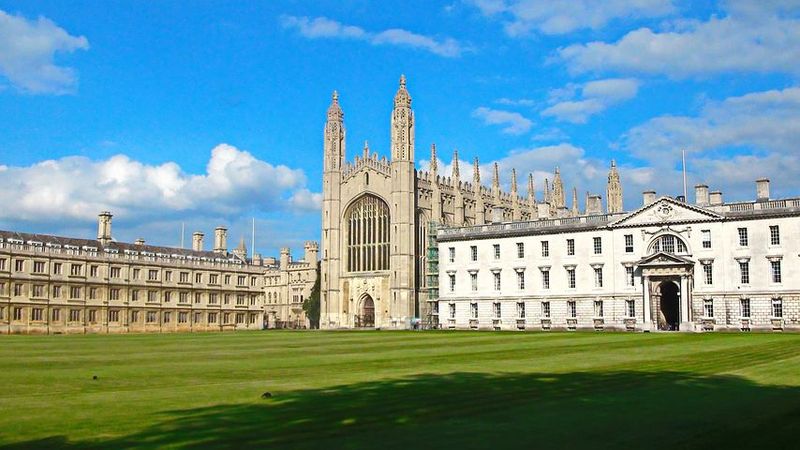
Isaac Newton developed his theory of gravity here. Charles Darwin studied here before sailing the world and reshaping how humans understand life itself.
The University of Cambridge has a remarkable record of producing some of history’s greatest scientific minds, and that tradition continues today.
Founded in 1209, Cambridge is structured similarly to Oxford, with 31 colleges offering students a close-knit academic community within a larger world-class university. The university has been affiliated with over 120 Nobel Prize winners, more than almost any other institution on Earth.
Its strengths lie in mathematics, natural sciences, engineering, and literature.
Cambridge attracts students from over 140 countries each year. The picturesque campus along the River Cam makes it one of the most beautiful places to study in the world.
For ambitious students, Cambridge offers both academic rigor and an unforgettable cultural experience.
4. Stanford University (USA)
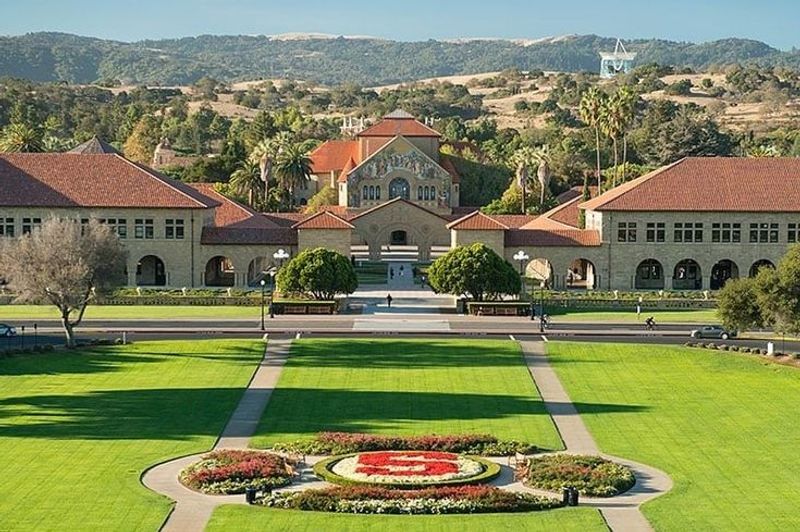
If Silicon Valley has a heartbeat, Stanford University is close to its center. Nestled in Palo Alto, California, Stanford has produced some of the most influential tech entrepreneurs of the modern era, including the founders of Google, Netflix, Instagram, and Hewlett-Packard.
The university does not just teach innovation; it actively encourages students to build companies while still in school.
Stanford’s campus spans over 8,000 acres, making it one of the largest in the country. It offers world-class programs in engineering, computer science, business, and medicine.
The nearby tech industry means students have unmatched access to internships, funding, and mentorship from real industry leaders.
The culture at Stanford is collaborative rather than cutthroat. Students are encouraged to experiment, take risks, and learn from failure.
With an acceptance rate under 4 percent, earning a spot here is a major achievement, but the opportunities that follow are extraordinary.
5. Massachusetts Institute of Technology (USA)
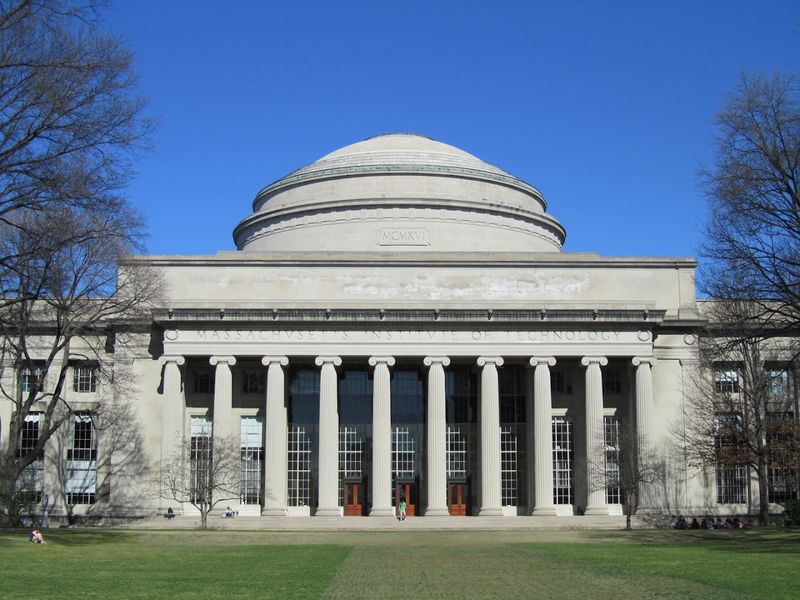
Known worldwide simply as MIT, this institution has a reputation that speaks louder than almost any diploma in the world. Founded in 1861 in Cambridge, Massachusetts, MIT has been at the forefront of scientific discovery and technological innovation for over 160 years.
Its alumni and faculty have collected nearly 100 Nobel Prizes and countless other honors.
MIT graduates have founded over 30,000 companies, creating millions of jobs globally. The school is famous for its hands-on approach to learning, where students solve real-world problems from day one.
Programs in aerospace engineering, computer science, artificial intelligence, and biotechnology are among the most respected anywhere.
The campus culture is intense but deeply rewarding. Students often describe MIT as a place where curiosity is celebrated and impossible problems become homework assignments.
For future engineers, scientists, and inventors, MIT remains the gold standard of technical education worldwide.
6. Yale University (USA)
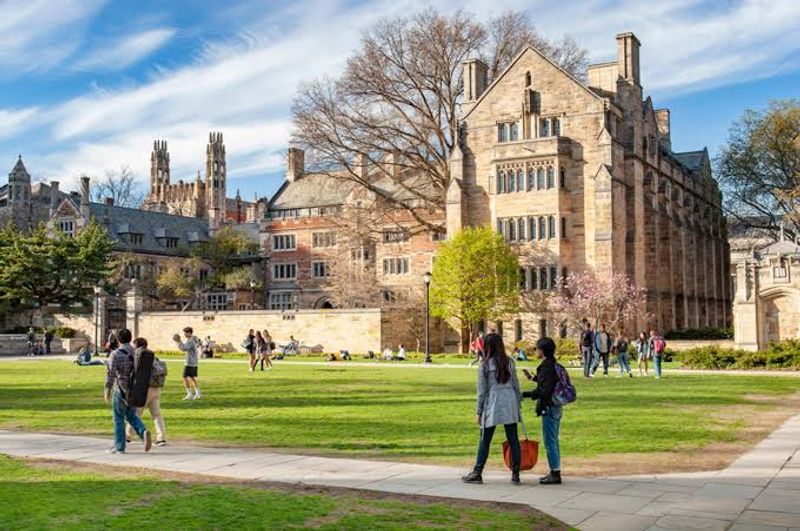
Yale University has shaped American law and politics more than almost any other school in the country. Founded in 1701 in New Haven, Connecticut, Yale counts five U.S. presidents among its alumni, including both George H.W.
Bush and George W. Bush.
Its law school is consistently ranked number one in the United States and attracts future judges, senators, and policymakers from around the world.
Beyond law and politics, Yale is known for its outstanding programs in drama, music, architecture, and international studies. The Yale School of Drama has produced some of Broadway’s biggest names, proving that leadership takes many forms.
The university’s residential college system fosters a strong sense of community among students.
Yale’s campus is a stunning showcase of Gothic architecture, making it one of the most photographed universities in America. With a 4.6 percent acceptance rate, competition is fierce, but the lifelong network students gain is invaluable.
7. Princeton University (USA)
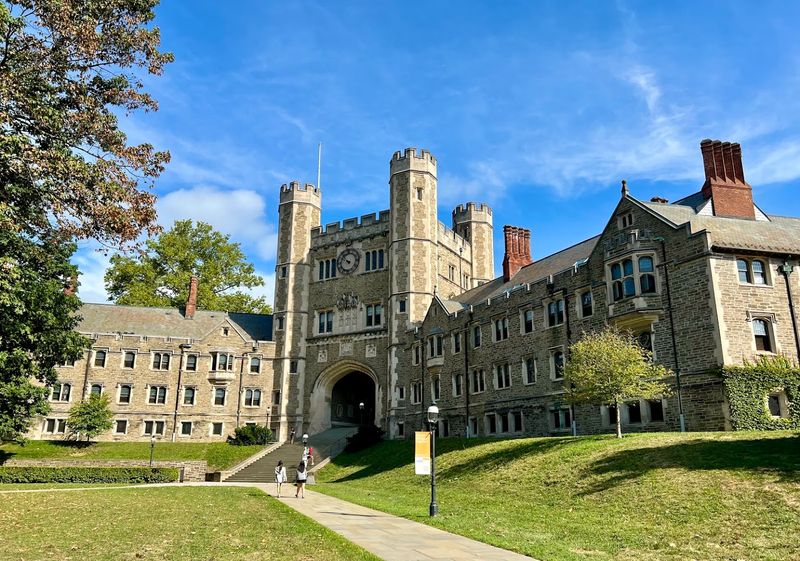
Princeton stands apart from many elite universities because of its unwavering commitment to undergraduate education. While many top schools are heavily focused on graduate research, Princeton puts its undergraduate students front and center.
Small class sizes and close faculty relationships mean students get personal attention that is rare at large research universities.
Founded in 1746, Princeton is the fourth-oldest university in the United States. Its alumni include two U.S. presidents, Woodrow Wilson and James Madison, as well as dozens of Nobel laureates and Pulitzer Prize winners.
The university is especially respected for its programs in public policy, mathematics, economics, and international affairs.
Princeton’s beautiful campus in New Jersey is known for its manicured lawns and stunning architecture. The school also has one of the most generous financial aid programs in the country, ensuring that talented students from any background can attend without financial hardship.
8. Columbia University (USA)
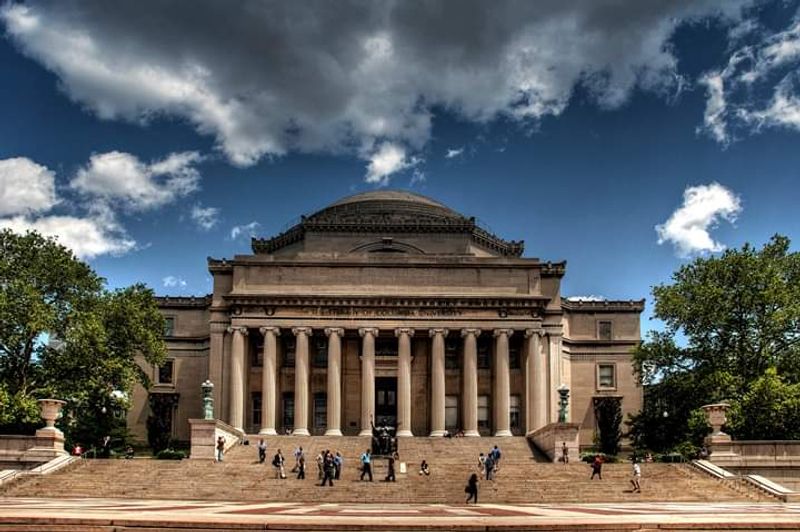
Location is one of Columbia University’s greatest advantages. Sitting in the heart of New York City, Columbia gives students direct access to the world’s leading financial institutions, media companies, law firms, and international organizations, including the United Nations just a few miles away.
For students interested in global affairs, few campuses offer a better real-world classroom.
Founded in 1754, Columbia is one of the oldest universities in the country and a proud member of the Ivy League. It is especially well regarded for its programs in journalism, international relations, law, and business.
The Columbia Journalism School has produced some of America’s most respected reporters and editors.
Alumni include U.S. presidents, Supreme Court justices, and cultural icons like Langston Hughes and Jack Kerouac. The university’s Core Curriculum, a set of foundational courses every student must take, is celebrated for producing well-rounded critical thinkers ready for leadership in any field.
9. University of Chicago (USA)
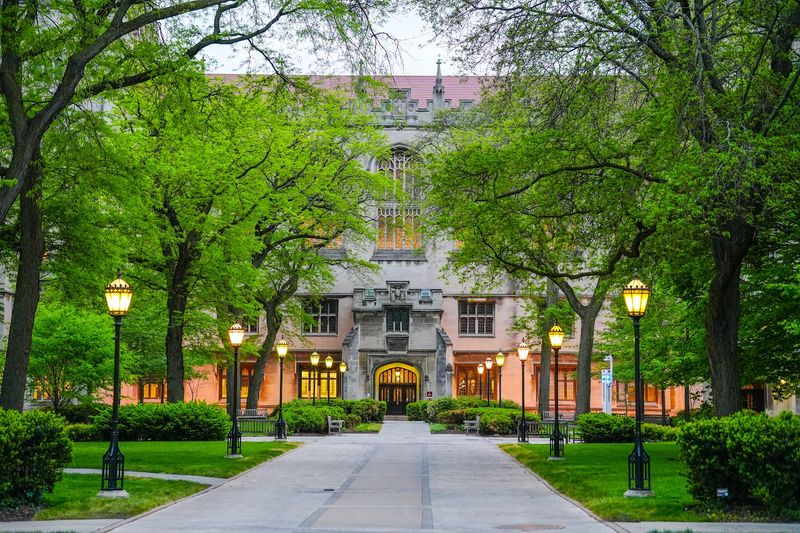
At the University of Chicago, intellectual debate is practically a sport. Known for its rigorous academic culture and love of big ideas, UChicago has shaped economic theory, legal philosophy, and social science in ways that still influence policy decisions worldwide.
The Chicago School of Economics alone has produced over 30 Nobel Prize winners in economics.
Founded in 1890 with support from John D. Rockefeller, the university has always attracted scholars who prefer depth over breadth.
Students are expected to think critically, argue carefully, and engage with complex ideas from multiple perspectives. The famous Core Curriculum requires students to study everything from ancient philosophy to advanced mathematics.
UChicago graduates go on to lead top universities, government agencies, courts, and research institutions around the world. The campus in Hyde Park is a beautiful blend of Gothic architecture and modern research facilities, offering a focused and intellectually stimulating environment.
10. London School of Economics and Political Science (UK)
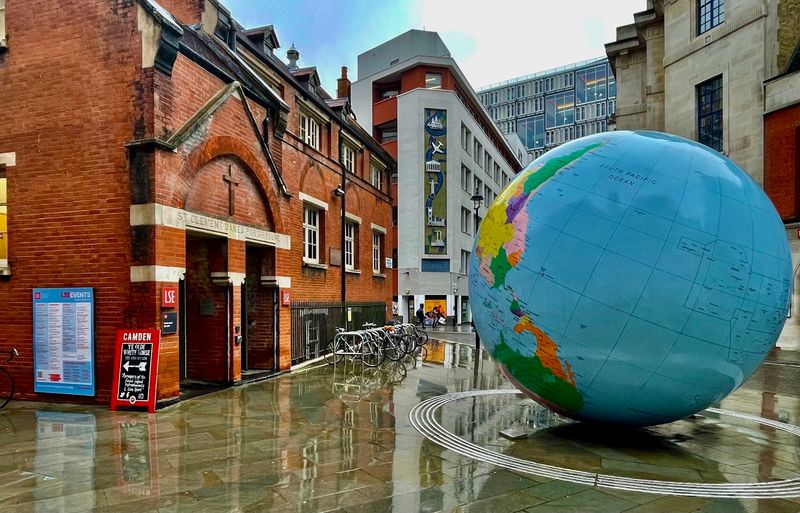
Few universities in the world can match the London School of Economics when it comes to training the minds that shape global policy. Founded in 1895, LSE was built with a clear purpose: to understand and improve society through the study of economics, politics, and international relations.
That mission has never wavered.
LSE alumni include over 18 current or former heads of state, dozens of central bank governors, and numerous Nobel Prize winners. The school sits in the heart of London, one of the world’s most important financial and political capitals, giving students unmatched access to internships and professional networks.
The student body at LSE is incredibly diverse, with over 70 percent of students coming from outside the United Kingdom. This international atmosphere makes it one of the best places in the world to develop a truly global perspective on economics, governance, and diplomacy.
11. Ecole Normale Superieure (France)
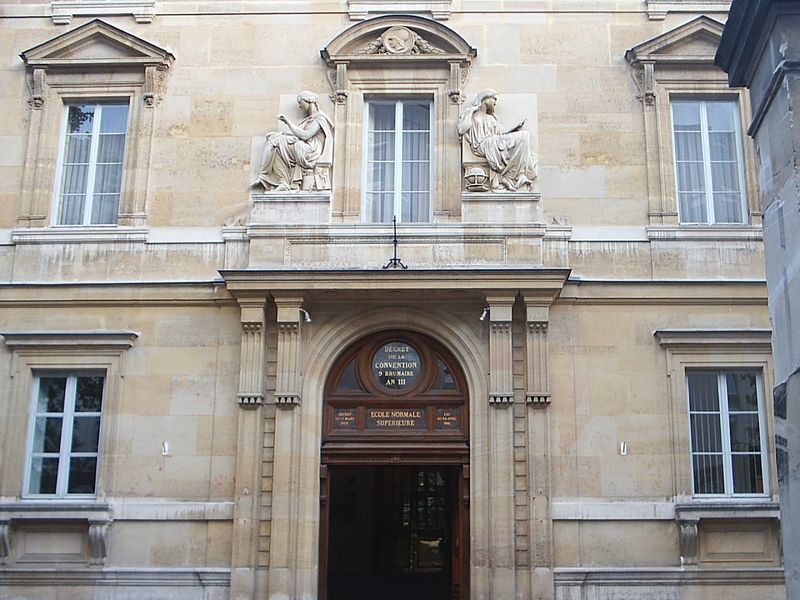
In France, getting accepted to the Ecole Normale Superieure, or ENS, is considered one of the highest academic honors a student can achieve. Acceptance rates are astonishingly low, often below 1 percent, and those who make it through are considered among the most brilliant minds of their generation.
The school was originally founded in 1794 during the French Revolution to train elite teachers.
ENS has produced an extraordinary number of French intellectuals, including philosophers Jean-Paul Sartre and Simone de Beauvoir, as well as 14 Fields Medal winners in mathematics. The school focuses heavily on philosophy, sciences, humanities, and social sciences, nurturing deep thinkers rather than career specialists.
Graduates often go on to lead France’s top universities, research institutions, and government agencies. ENS is proof that a small, selective school can have an outsized influence on a nation’s intellectual and cultural identity across generations.
12. Sciences Po (France)

Sciences Po has been quietly training France’s most powerful politicians, diplomats, and international leaders for over 150 years. Founded in 1872 in the heart of Paris, the school was created specifically to prepare students for careers in public service and government.
Today, it remains one of the most respected institutions in the world for political science and international affairs.
Among its most famous alumni are former French presidents Francois Hollande and Jacques Chirac, as well as European Commission leaders and top United Nations officials. Sciences Po attracts students from over 150 countries, creating a richly diverse learning environment that mirrors the complexities of global politics.
The school offers programs taught entirely in English, making it accessible to international students who want a European education without a language barrier. For anyone dreaming of a career in diplomacy, international law, or global governance, Sciences Po is a launching pad like no other.
13. University of Tokyo (Japan)
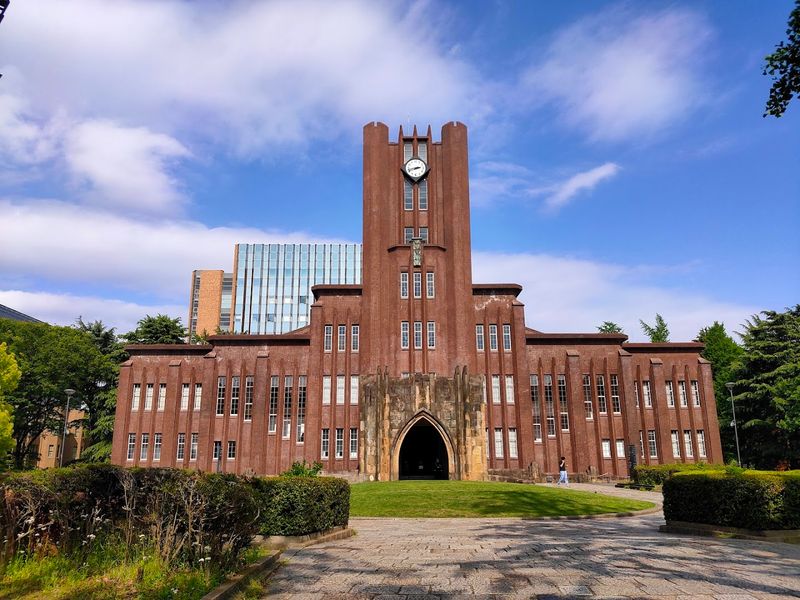
Every spring, cherry blossoms bloom along the pathways of the University of Tokyo’s Hongo campus, creating one of the most iconic university scenes in Asia. But beyond its beauty, the University of Tokyo, known locally as Todai, holds a position of unmatched prestige in Japan.
It has produced more Japanese prime ministers and cabinet members than any other university in the country.
Founded in 1877, Todai is Japan’s oldest national university and consistently ranks among the top universities in Asia and the world. It offers programs across medicine, engineering, law, economics, and the sciences, attracting the most academically gifted students from across Japan and beyond.
Competition to enter Todai is legendary. Japanese high school students spend years preparing for the university’s notoriously difficult entrance exams.
Graduating from here is a signal of intellectual excellence that opens doors throughout Japan’s government, business, and academic sectors.
14. Peking University (China)
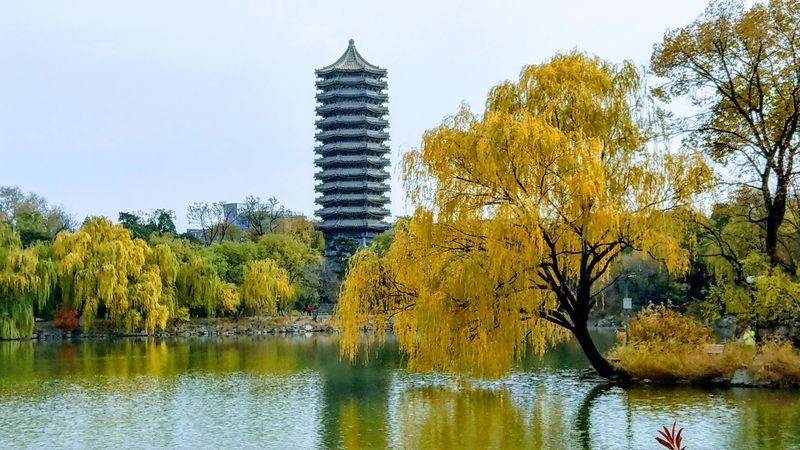
Peking University, known in China as Beida, has long been considered the intellectual soul of the nation. Founded in 1898, it was the first modern national university in China and played a central role in shaping the country’s political and cultural identity throughout the 20th century.
The May Fourth Movement of 1919, a turning point in Chinese history, was largely led by Peking University students and faculty.
Today, Beida consistently ranks as one of the top two universities in China and among the best in the world. It is especially strong in humanities, social sciences, natural sciences, and law.
Many of China’s top government officials, business executives, and academic leaders are proud Beida graduates.
The campus itself is breathtaking, featuring Weiming Lake, classical Chinese gardens, and elegant traditional architecture. For students aiming to influence China’s future in politics, research, or business, Peking University remains the most powerful address in Chinese academia.
15. National University of Singapore (Singapore)
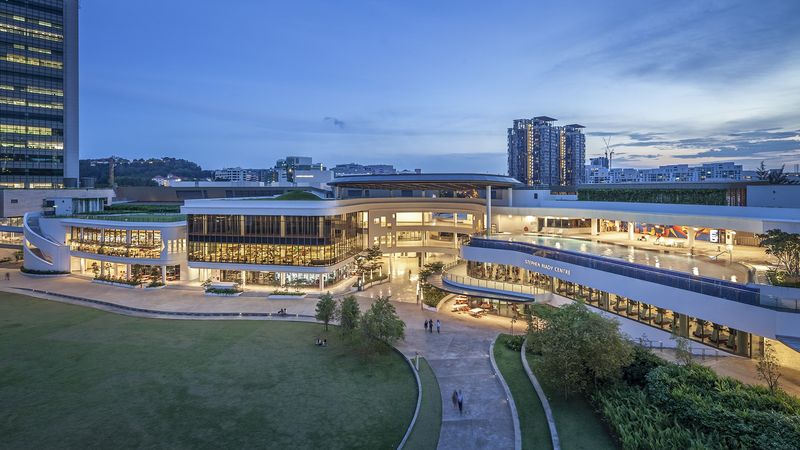
Asia’s academic landscape would look very different without the National University of Singapore. Ranked consistently as the top university in Asia and among the top 10 globally, NUS has transformed Singapore from a small island nation into a powerhouse of research, innovation, and higher education.
The university was founded in 1905 and has grown into one of the most internationally respected institutions in the world.
NUS offers programs in business, computing, law, medicine, engineering, and the arts. Its strong ties to both Asian and Western industries give graduates a unique advantage in the global job market.
The university has deep partnerships with companies like Google, Apple, and major financial institutions across Asia.
Singapore’s strategic location as a global business hub makes NUS graduates especially sought after. Students who study here gain exposure to a multicultural, fast-moving environment that prepares them for leadership roles in government, technology, and international business.
Share this story