Some cities become famous for the exact qualities that later put those qualities under pressure: cheap studios, family businesses, walkable districts, unruly music scenes, and neighborhoods where residents outnumber visitors. Since the 1990s, budget flights, short-term rentals, cruise tourism, tech booms, and global social media have changed how people move through urban places, often faster than city governments can respond.
The result is not simple decline, but something more complicated: places still admired around the world while longtime residents wonder who the city is being redesigned for. This tour looks at twelve cities where history, culture, and daily life were reshaped by popularity, money, policy, and the strange modern habit of turning real neighborhoods into must-see content.
1. San Francisco, USA
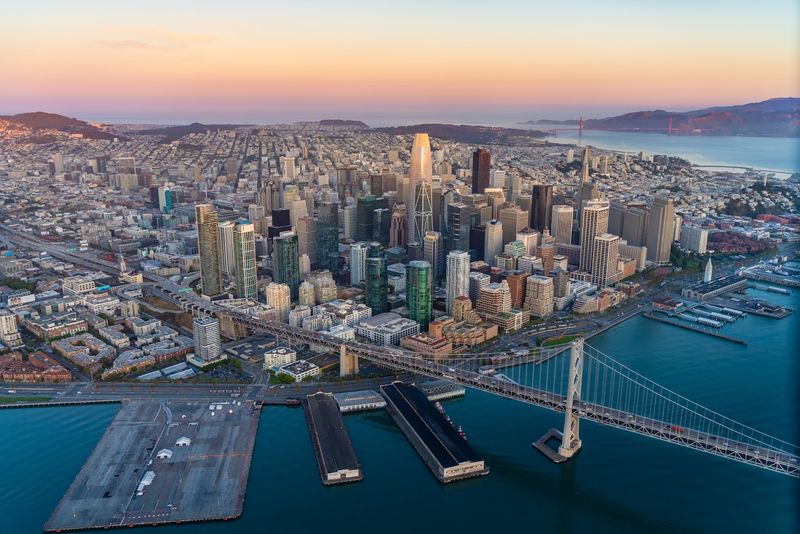
Few places turned rebellion into real estate quite as efficiently. San Francisco built its modern reputation through Beat writers, queer activism, antiwar politics, independent music, and a tolerance for eccentricity that was never as effortless as brochures suggested.
The city’s countercultural identity depended on room to experiment, including affordable flats, small venues, bookstores, diners, and workshops. After the dot-com boom of the late 1990s and the later platform-tech surge, housing prices climbed beyond the reach of many artists, teachers, service workers, and longtime families.
Neighborhoods that once mixed old immigrant businesses with scrappy creative spaces became magnets for venture-backed offices and luxury housing. The change was not only aesthetic, because social networks frayed when people could no longer remain close enough to participate.
San Francisco still has activist institutions, historic districts, and serious cultural depth, so the old spirit has not vanished. Yet the city now illustrates a hard lesson: a culture celebrated for openness can become difficult to enter when the rent requires a lottery win.
2. Barcelona, Spain
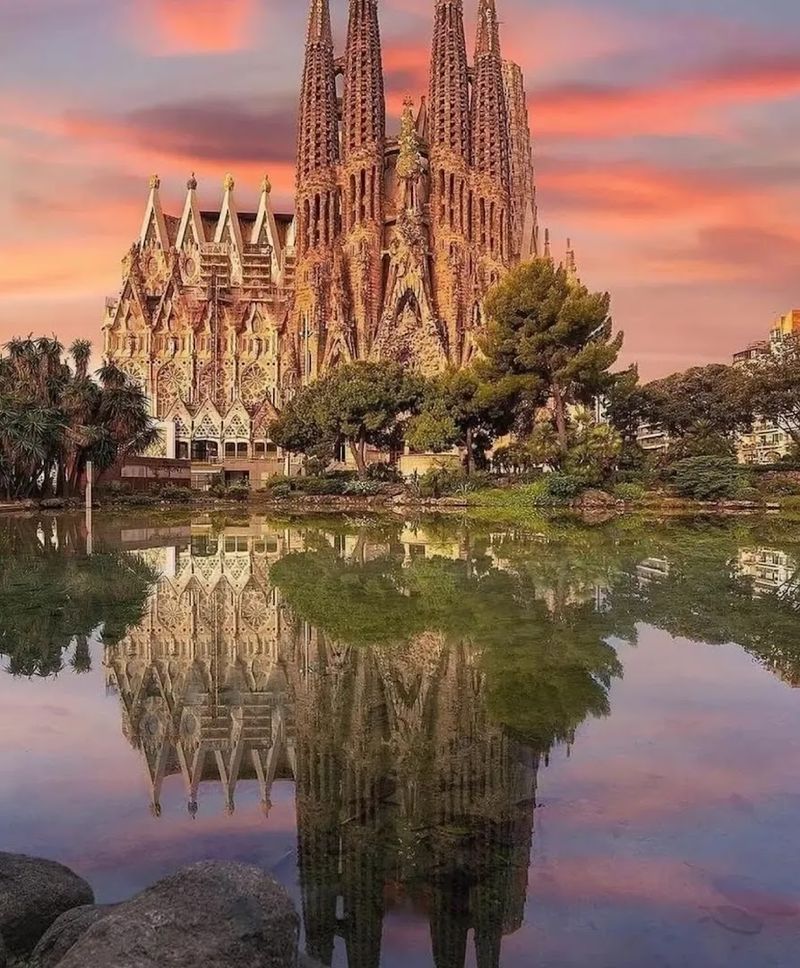
A city cannot live forever on weekend itineraries and tile-pattern tote bags. Barcelona’s international image expanded dramatically after the 1992 Olympics, when urban improvements, beach redevelopment, and global media attention helped reposition it as a design-forward Mediterranean capital.
That success brought investment, but it also increased pressure on neighborhoods where daily life was never designed for constant visitor turnover. The Gothic Quarter, Barceloneta, and parts of the Eixample saw apartments converted into tourist rentals, while local shops adapted to short-stay spending patterns.
Residents responded with protests, regulation campaigns, and demands for limits on cruise traffic and illegal rentals. Their frustration is not anti-culture, since Barcelona’s culture includes Catalan language, markets, neighborhood festivals, schools, and ordinary errands that cannot function as background props.
The city remains architecturally remarkable, from Gaudí’s work to nineteenth-century urban planning, but fame has narrowed how many outsiders experience it. If you visit thoughtfully, the point is not to consume Barcelona faster, but to notice who still makes it a city.
3. Bangkok, Thailand
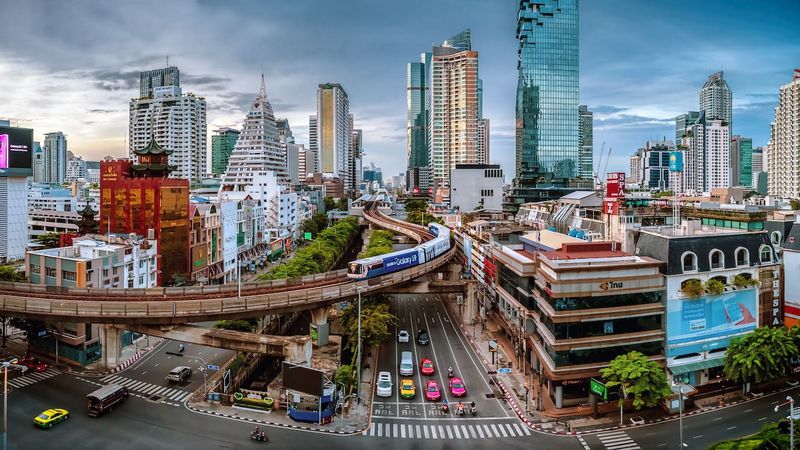
The old Bangkok bargain was organized chaos with excellent logistics if you knew the shortcuts. For decades, its street vendors, canals, markets, shophouses, and sidewalk economies gave the city a flexible social structure that formal planning often failed to capture.
As Bangkok modernized, authorities promoted rail transit, luxury malls, high-rise condos, and cleaned-up commercial districts. Those changes improved comfort for some residents and visitors, but they also pushed informal vendors from prominent streets and reduced the everyday improvisation that made the city distinctive.
Places such as Siam and Sukhumvit became showcases for branded retail, while traditional markets faced redevelopment pressure or stricter enforcement. The shift reflects a broader Asian urban pattern, where global investment rewards order, climate-controlled shopping, and polished skylines.
Bangkok has not lost its complexity, because local food culture, temple networks, river communities, and neighborhood commerce still remain powerful. Still, the version many travelers seek is increasingly managed, licensed, and relocated, which proves that authenticity can be priced out even when the recipe survives.
4. Reykjavik, Iceland
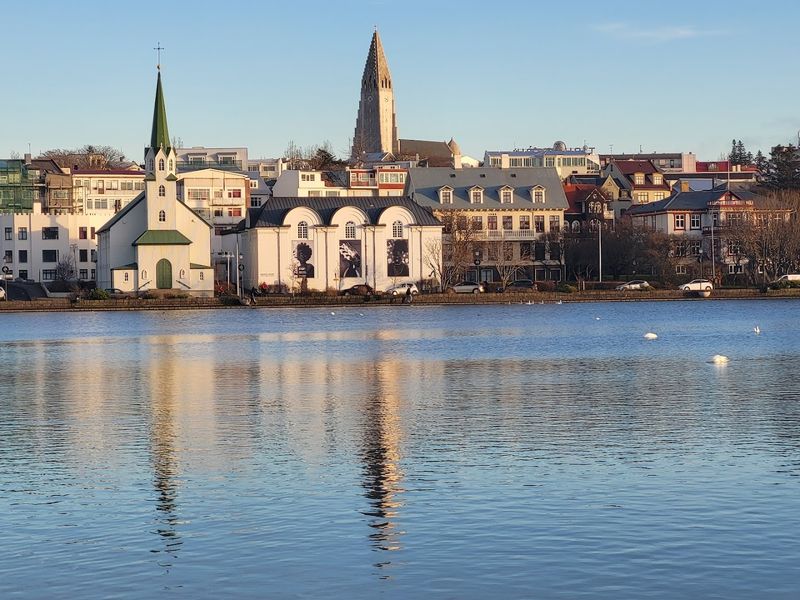
A small capital became a global bucket-list headquarters with surprising speed. Reykjavik long functioned as Iceland’s compact political, cultural, and social center, known for bookstores, municipal pools, local music, and a scale that made the city unusually personal.
After the 2008 financial crisis, tourism became a major economic lifeline, helped by stopover flights and worldwide fascination with Icelandic landscapes. Visitor numbers grew rapidly during the 2010s, and Reykjavik absorbed much of the pressure through hotels, rentals, tour offices, and rising restaurant prices.
The city’s quirkiness did not disappear, but it became more packaged as the first stop before waterfalls, glaciers, and driving routes. Residents faced higher housing costs and a center increasingly oriented toward people staying only a few nights.
Reykjavik still supports creative scenes, literary habits, and civic traditions that matter far beyond its size. The challenge is scale: when a city of modest population serves a global travel market, even practical improvements can make local life feel like a side event.
5. New Orleans, USA
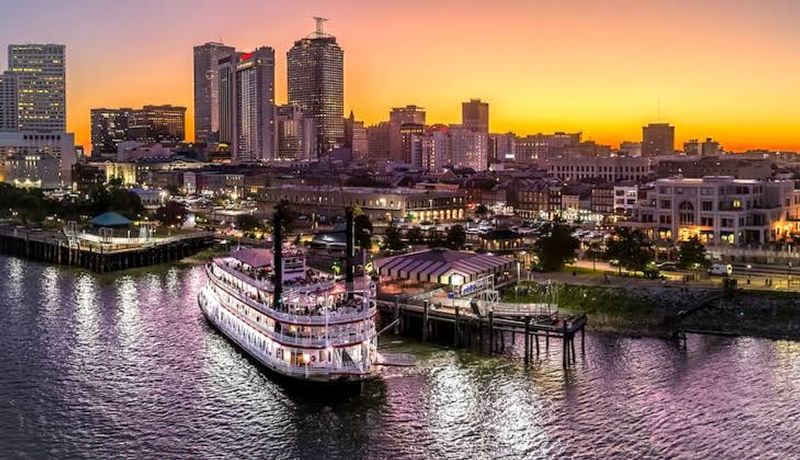
Some cities get flattened into a party brochure, and New Orleans deserves better than that. Its identity comes from Creole, African American, Caribbean, French, Spanish, and American influences layered through music, foodways, architecture, parades, and neighborhood-based traditions.
Tourism has long been central to the local economy, but the balance changed as entertainment districts expanded and short-term rentals entered residential blocks. In historic neighborhoods, houses that once held extended families or local renters became investment properties for rotating visitors.
The city’s musical culture still depends on working musicians, social clubs, churches, schools, and neighborhood institutions, not just famous streets. When rising costs push culture-makers farther out, visitors may still see performances while the support system behind them becomes thinner.
New Orleans remains deeply original, with traditions that survived because residents maintained them through everyday participation. What feels diminished is not creativity, but access: the people who made the city recognizable now compete with an economy that often sells their culture back to outsiders.
6. Venice, Italy
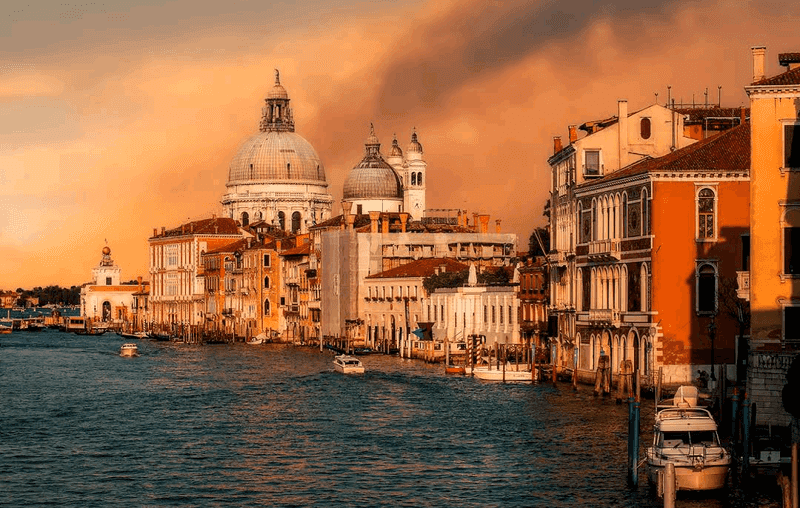
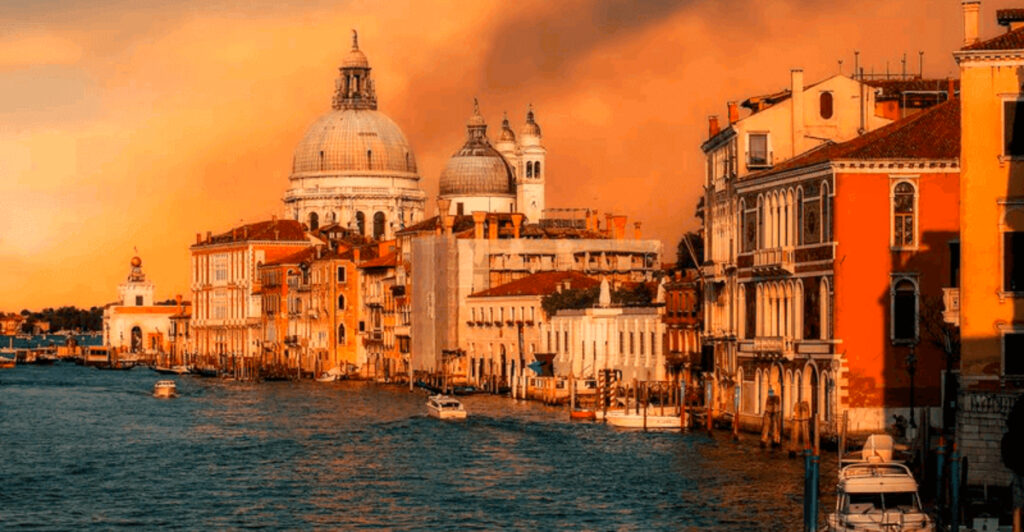
The postcard survived, but the neighborhood ledger tells a much sharper story. Venice spent centuries as a maritime republic, trading power, art, and craftsmanship across the Mediterranean, yet its modern identity has been recast around the visitor economy.
By the late twentieth century, residents were leaving the historic center as housing costs rose and everyday services thinned out. Short-term rentals, souvenir shops, and day-trip itineraries replaced many of the ordinary routines that once kept streets socially anchored.
The city still protects extraordinary architecture, from Byzantine-influenced churches to Renaissance palaces, so the visual inheritance remains undeniable. What changed is the balance between a lived city and a managed destination, especially when cruise traffic and seasonal crowds strain narrow public spaces.
Venice has tried entry fees, cruise restrictions, and preservation rules, but no policy can easily rebuild a stable local population. You can still find residents, schools, workshops, and civic groups fighting for continuity, which may be the city’s most important attraction now.
7. Prague, Czech Republic
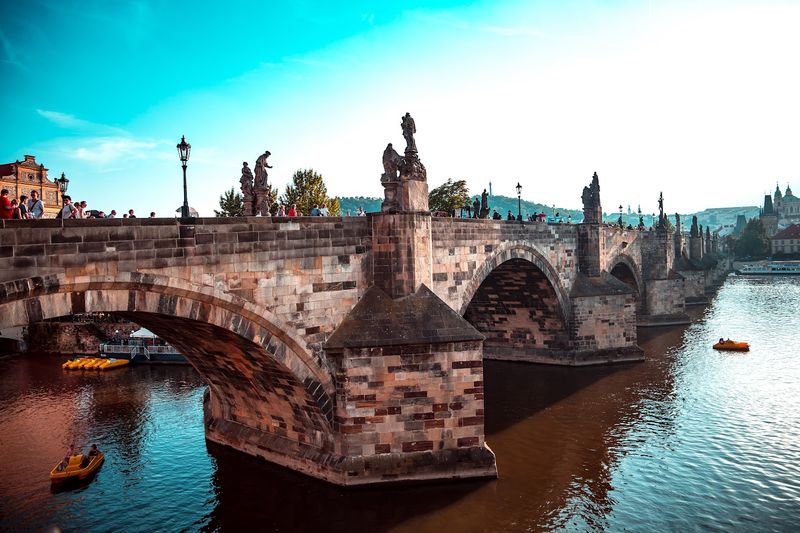
Prague did not need gimmicks, but gimmicks arrived anyway. After the Velvet Revolution of 1989 and the opening of Central Europe to global travel, the city’s preserved medieval and Baroque center became one of the continent’s most accessible historic showcases.
The beauty is real, from Charles Bridge to Old Town Square, yet heavy tourism changed the commercial mix. Shops selling groceries, hardware, books, and everyday services gave way to souvenir counters, exchange booths, novelty museums, and nightlife aimed at short visits.
Prague’s affordability in the 1990s also made it a magnet for students, writers, and budget travelers, creating its own post-communist mythology. Over time, rising prices and commercial saturation pushed local life away from the core, leaving the center impressive but less socially ordinary.
The city remains a major cultural capital with universities, theaters, and neighborhoods where residents shape daily rhythms. Still, its historic center shows how preservation can succeed architecturally while failing socially, because buildings alone cannot keep a city from becoming an exhibit.
8. Dubrovnik, Croatia
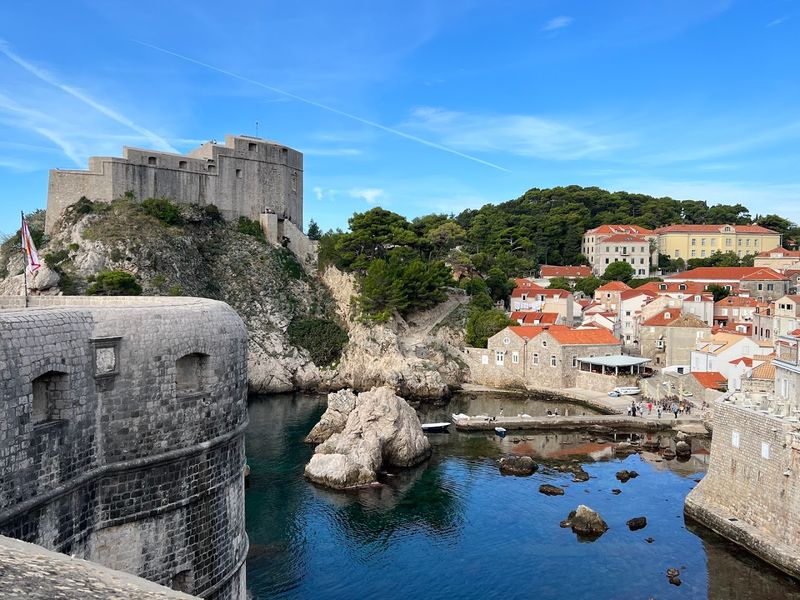
When a walled city becomes a checklist item, the walls start doing awkward double duty. Dubrovnik’s Old Town earned admiration for its medieval street plan, maritime history, Renaissance architecture, and role as the former Republic of Ragusa.
After Croatia’s tourism revival in the 2000s, cruise arrivals and screen tourism dramatically increased pressure on the compact historic core. Popular culture introduced the city to new audiences, but it also encouraged quick, concentrated visits that filled the same gates, squares, and stairways.
Local residents faced rising property values, limited services, and the steady conversion of homes into visitor accommodation. The result was a shrinking year-round population inside a place that had once functioned as a living community, not merely a monument.
Dubrovnik has introduced visitor management measures, including limits on cruise passengers and efforts to spread tourism more evenly. The city’s specialness is still visible in its archives, civic traditions, and architecture, but its future depends on whether ordinary residency can remain inside the famous walls.
9. Austin, USA
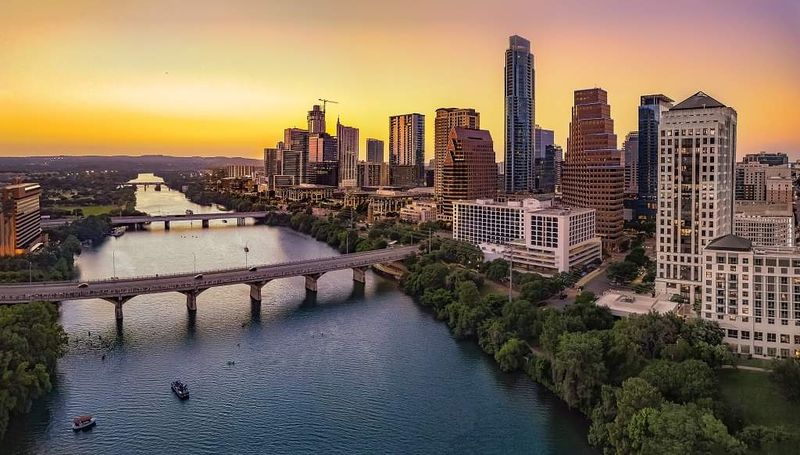
The phrase got printed on bumper stickers, and that may have been the first warning sign. Austin’s reputation for weirdness grew from college-town politics, independent music, public access television, food trucks, small clubs, and a tolerance for oddball enterprise.
South by Southwest helped broadcast that identity, turning local creativity into an international brand by the 1990s and 2000s. Then came rapid population growth, major tech employers, expensive housing, and redevelopment that made it harder for musicians, artists, and service workers to stay central.
Venues closed or relocated, older bungalows became high-value lots, and once-scruffy corridors gained offices, hotels, and polished mixed-use projects. The city did not become culturally empty, but it became less forgiving to the low-budget experiments that created its mythology.
Austin still has strong music institutions, parks, universities, and residents who fight for local character with admirable persistence. Yet the slogan now carries tension: keeping a place weird is difficult when weirdness becomes a marketing asset for people who can outbid the weird.
10. Bali (Denpasar & Surrounding Areas), Indonesia
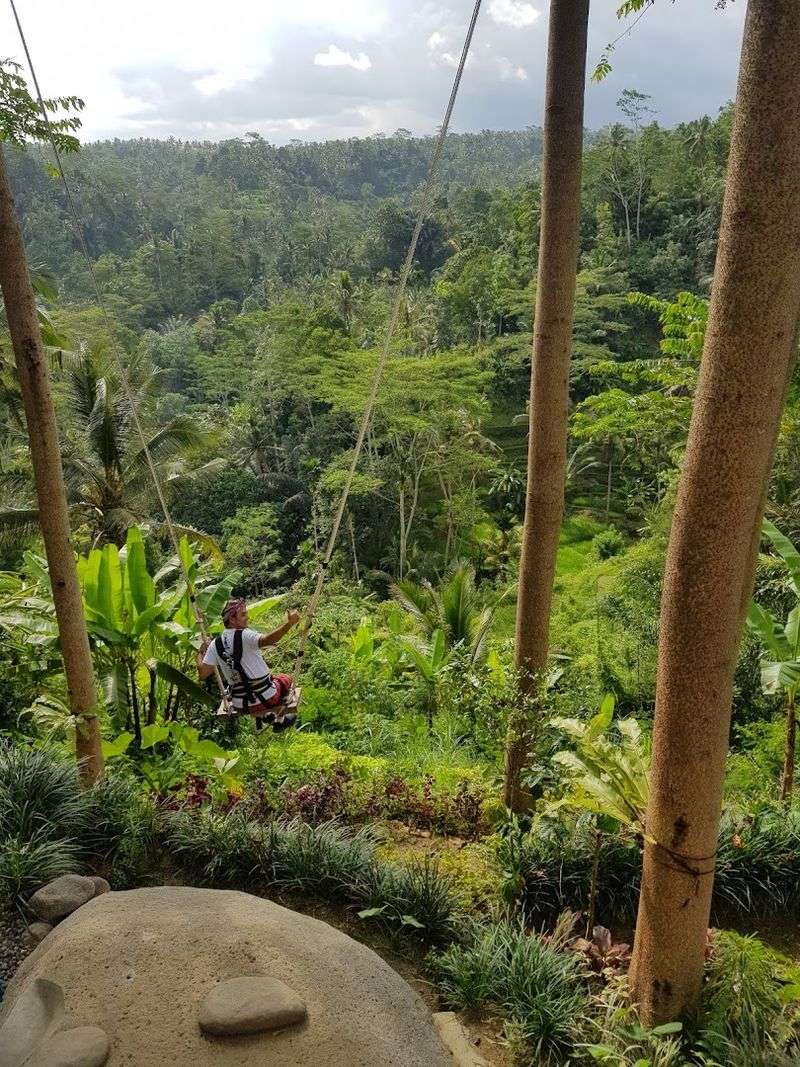
Bali’s problem is not that outsiders noticed it, but that attention became an industry with a scheduling app. Denpasar and surrounding areas connect living Hindu traditions, village organization, beaches, rice landscapes, craft production, and tourism infrastructure in a complicated modern mix.
International travel expanded after the late twentieth century, while digital nomad culture and social media pushed demand into neighborhoods once shaped mainly by local needs. Villas, cafes, beach clubs, and short-stay rentals altered land use, water demand, traffic patterns, and the cost of daily living.
Many visitors arrive seeking spirituality or natural beauty, yet their collective presence can pressure the very systems they admire. Ceremonies, temples, and community obligations continue, but they exist beside an economy that often rewards visual appeal over cultural understanding.
Denpasar remains an administrative and local hub, while nearby resort zones reveal sharper transformation. Bali’s specialness has not disappeared, though in many places it now competes with congestion, speculative development, and a global audience trained to treat destinations as personal branding backdrops.
11. Paris, France
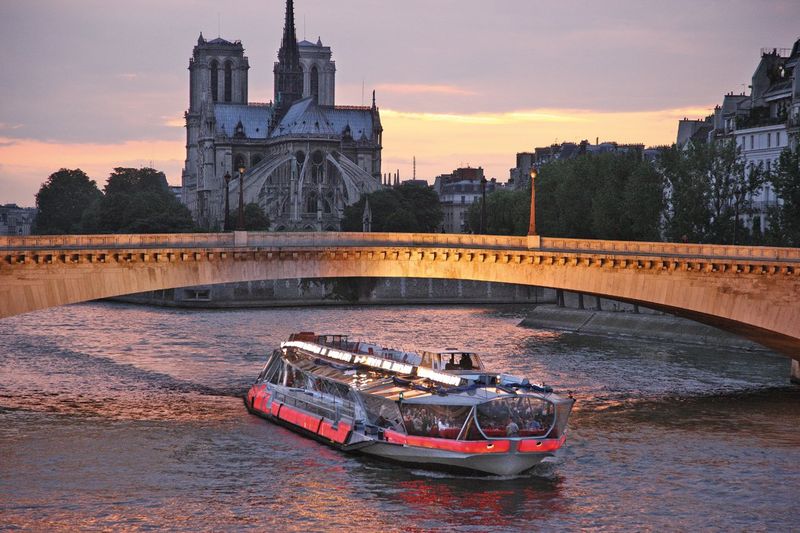
Paris remains Paris, which is exactly why the argument gets complicated. The city has been curated for outsiders for centuries, from grand boulevards and world fairs to fashion, museums, cinema, and the carefully exported idea of Parisian life.
What has changed is the pressure on everyday affordability and neighborhood commerce. Central districts have seen luxury retail, investment properties, short-term rentals, and global brands replace some of the ordinary shops that supported residents who were not starring in anyone’s travel fantasy.
The classic cafe still exists, but rising costs make it harder for students, workers, and families to live near the image they help maintain. Paris has used rent rules, social housing policies, and restrictions on tourist rentals, showing that the city recognizes the stakes.
The capital remains intellectually and culturally powerful, with immigrant neighborhoods, public institutions, and local politics constantly remaking it. Still, parts of central Paris can feel edited for visitors, as if daily life were being asked to keep quiet during the photo opportunity.
12. Mexico City, Mexico
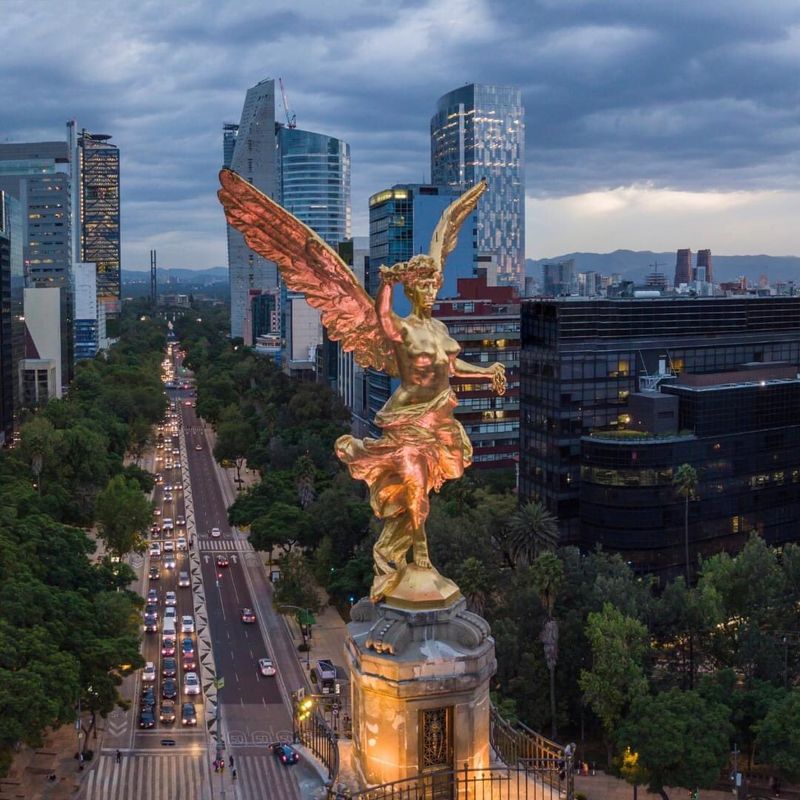
A capital of twenty million stories should not be reduced to a brunch map. Mexico City has deep pre-Hispanic roots, colonial layers, modernist planning, working-class neighborhoods, universities, markets, museums, and one of the world’s most influential food cultures.
In recent years, international attention has concentrated on areas such as Roma, Condesa, Juárez, and parts of Centro. Remote workers, boutique hotels, upscale restaurants, and short-term rentals increased demand, helping push rents beyond what many longtime residents and small businesses could manage.
The city’s appeal comes from its density of cultural production, including publishing, design, cinema, street commerce, and neighborhood festivals. When fashionable districts become priced around foreign incomes, the people sustaining that production may be displaced from the places now marketed as authentic.
Mexico City is far too large and diverse to be erased by any single trend, and local communities continue to shape its future. The concern is narrower but serious: popularity can turn specific neighborhoods into curated zones where everyday life must negotiate with global desire.
Share this story