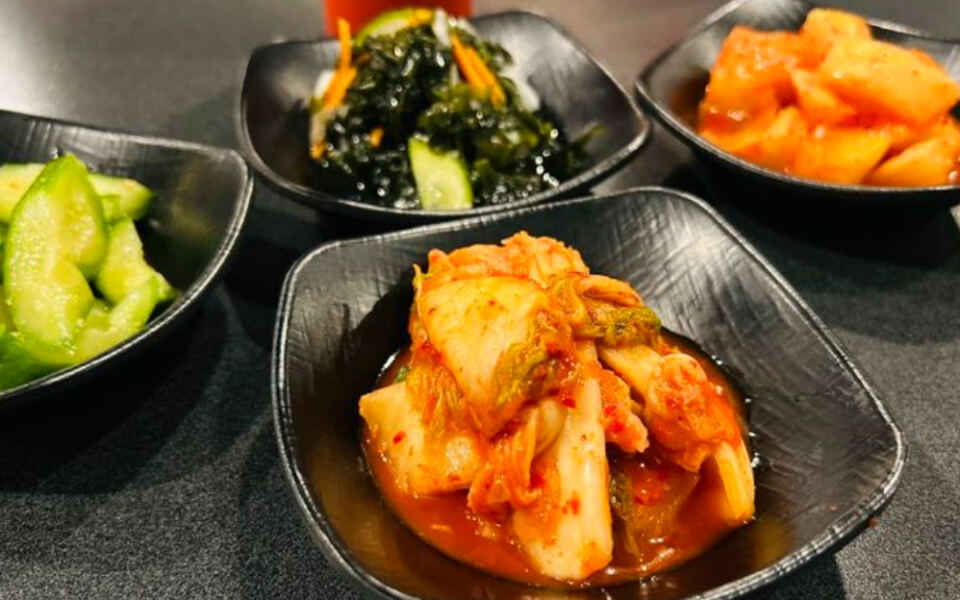
Some restaurants announce themselves with neon sparkle, but this one hooks you more quietly, through sizzling stone bowls, glossy black bean noodles, and side dishes that keep nudging your chopsticks back for one more bite. The surprise is how a modest dining room can carry such a polished sense of ceremony, especially once you learn the meaning behind its name and see how carefully the plates arrive.
Keep reading and you will find the address, the dishes worth prioritizing, the practical timing details, and the small quirks that make a meal here feel rooted, comforting, and just a little theatrical. I came looking for Korean classics and left thinking about crispy tangsu-yuk, smoky gan-jjajang, and the kind of banchan that can start a friendly table debate.
The Address Behind the Aromas
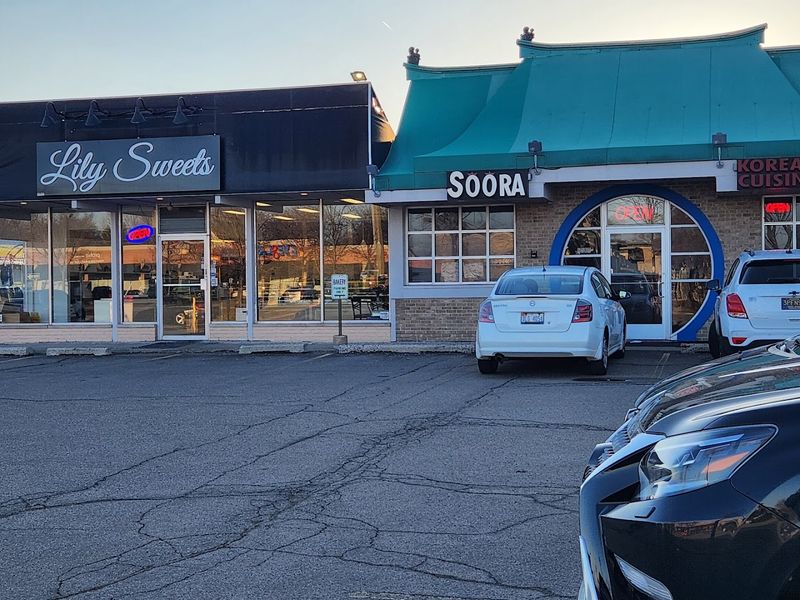
The first detail worth pinning down is wonderfully practical: Soora Korean Restaurant is at 6580 Orchard Lake Rd, West Bloomfield Township, MI 48322, in Michigan, United States. I like that the location feels easy to work into a regular suburban errand route, yet the meal quickly pulls your attention away from traffic and schedules.
It’s the kind of place you might discover between stops, then remember long after.
Orchard Lake Road has that familiar Metro Detroit rhythm of plazas, parking lots, and busy turns, so I paid attention before I arrived. The front parking can feel snug, especially with larger vehicles, but there is additional parking behind the building, which makes the visit less of a steering-wheel puzzle.
Once you know that, the arrival feels much smoother.
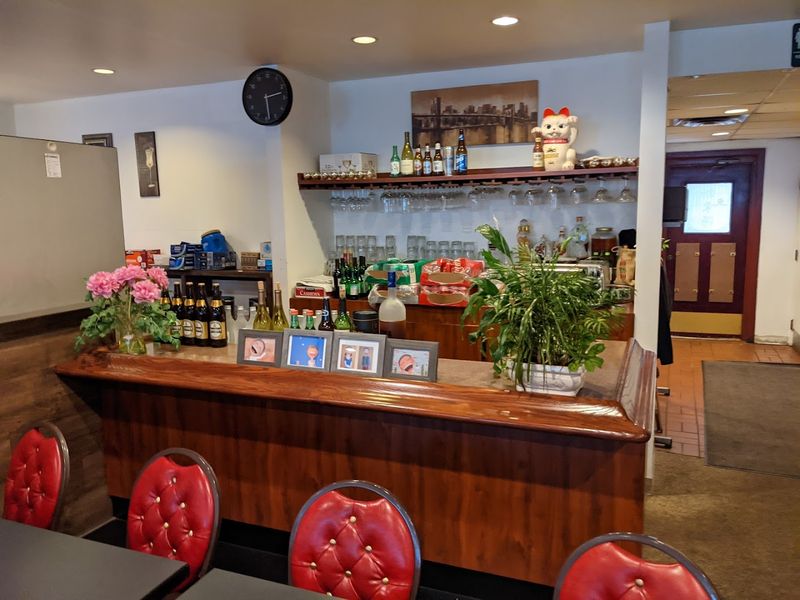
Inside, the restaurant does not rely on flashy design to prove anything. It gives off a comfortable, slightly old-school restaurant mood, the kind where the table matters more than the wallpaper.
There’s a quiet confidence in that simplicity, as if the space is letting the food take the lead.
That setting becomes important once the food starts arriving, because the next surprise is not outside at all. It is in the meaning of the name.
A Royal Name With Home Kitchen Heart
The name Soora carries a little ceremony before the first spoonful even reaches you. It refers to a meal historically prepared for the king during Korea’s Joseon Dynasty, which adds a graceful note to a restaurant that otherwise feels relaxed and approachable.
I did not find the experience stiff or overly formal, and that is part of its charm. The restaurant presents itself as food from a traditional home kitchen, with rich flavors, fresh ingredients, and careful plating meant to catch more than just your appetite.
That idea shows up in small ways: bright kimchi, tidy bowls, crisp edges on fried dishes, and sauces that look glossy without feeling fussy. The phrase “dazzle the five senses” could sound lofty, but here it mostly means your table gets busy fast.
The royal reference gives the meal a story, while the cooking keeps it grounded. Next, the side dishes prove how much can happen before the main course even lands.
Banchan That Starts the Conversation
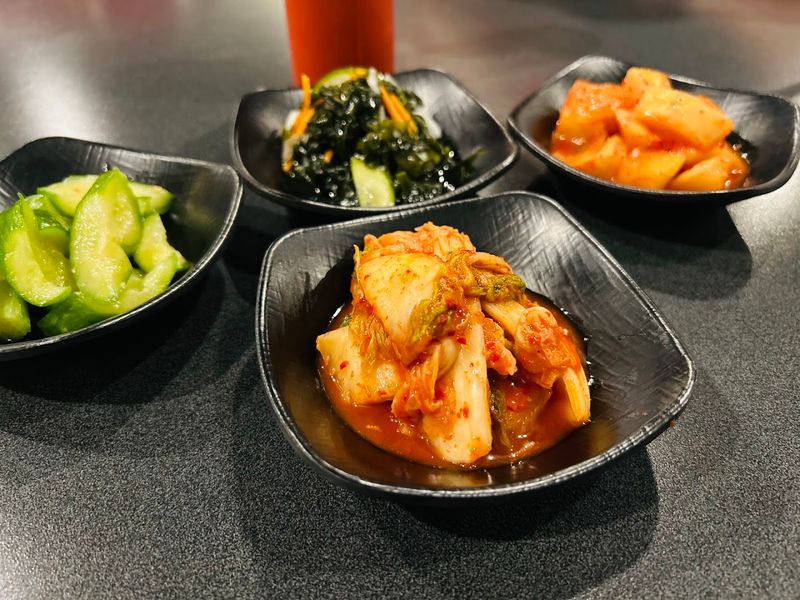
Before the main plates arrive, the banchan does what good banchan should do: it wakes up the table. I always judge a Korean restaurant partly by these small dishes, because they reveal care, balance, and a willingness to let simple things shine.
At Soora, the side dishes can include bright, tangy kimchi and refreshing bites that make the heavier entrees feel more balanced. The portions are not trying to overwhelm you, but they do invite steady grazing, which is my favorite kind of waiting.
There is also a useful rhythm to them. A sharp bite between spoonfuls of stew, a crunchy pause before noodles, and a cool contrast after fried chicken can change how the whole meal feels.
I found the banchan especially helpful for first-time visitors who are still scanning the menu with wide eyes. Consider it the opening act, because the hot stone bowl brings the sizzle next.
The Stone Bowl Knows How to Make an Entrance
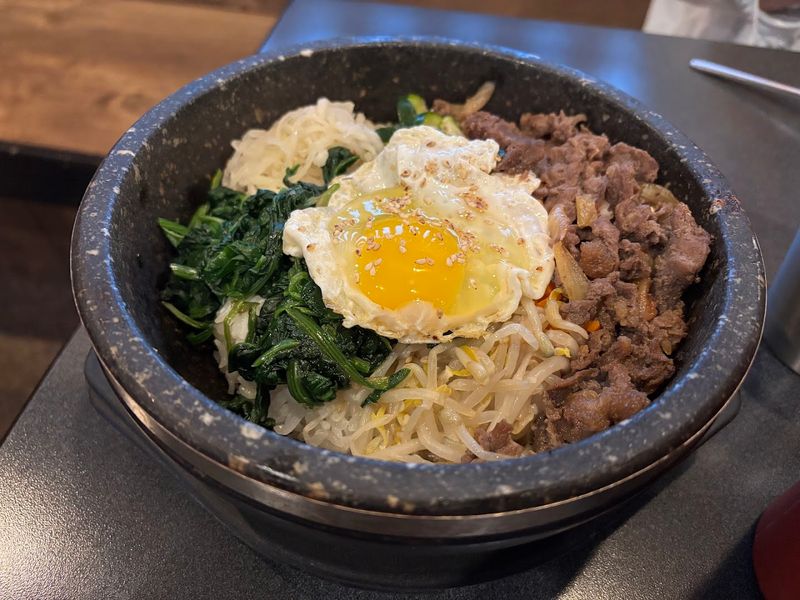
The Beef Hot Stone Bowl, often recognized as bibimbap, is the sort of dish that makes nearby tables glance over without pretending. It arrives hot, colorful, and practical, with rice, vegetables, beef, and sauce all waiting for the essential mix.
I like bibimbap because it rewards patience and timing. Letting the rice meet the hot bowl for a moment can create those crisp bits at the bottom, which are basically tiny edible prizes for not rushing.
At Soora, this dish fits the restaurant’s balance of familiar comfort and polished presentation. The vegetables add color and texture, the beef brings savory depth, and the sauce lets you control the final kick.
It is a smart order for someone who wants a classic introduction without diving straight into the spiciest corner of the menu. Still, comfort here has layers, and the soft tofu stew takes the warmth in a completely different direction.
Soft Tofu Stew With a Cozy Kick
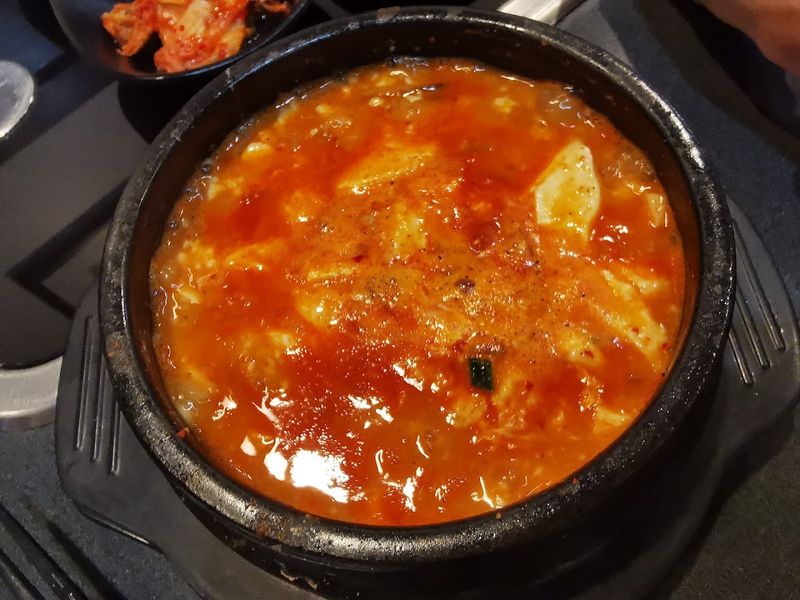
Soon du boo brings a different kind of drama, less sizzle and more simmer. The spicy soft tofu stew comes to the table with steam rising from a red broth that looks bold before the spoon even breaks the surface.
I appreciate this dish because it feels both lively and soothing. The tofu is soft enough to slip apart easily, while the broth carries heat, seasoning, and that satisfying depth you want when Michigan weather starts acting like it owns your calendar.
Soora’s menu includes plenty of spicy options, though not every dish demands a brave face. If you prefer gentler flavors, the menu still gives you paths around the heat, but the stews are part of the restaurant’s personality.
Pairing the stew with banchan keeps each bite interesting, especially when kimchi or a cool side resets your palate. Then the menu turns crisp, sweet, and tangy with a dish that can steal the table.
Tangsu-yuk Brings the Crunch
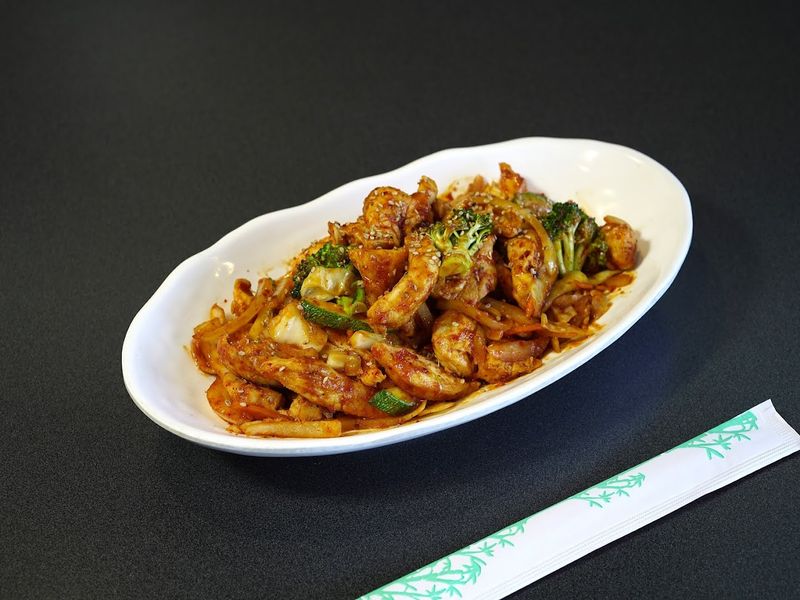
Tangsu-yuk is one of those dishes that can disappear faster than anyone planned. The Korean sweet and sour pork at Soora has earned plenty of attention because it offers that satisfying contrast of crisp coating and glossy sauce.
I like ordering it when a table wants something shareable that does not require a long explanation. The pieces are easy to pass around, the flavor is friendly, and the texture gives the meal a playful crunch.
The sauce style can feel lighter than the thick, sticky versions some diners expect, so I approached it as its own thing. Once I stopped comparing and started eating, the dish made sense as a bright counterpoint to stews, noodles, and rice bowls.
This is a good pick for groups, especially if not everyone at the table is ready for deeper spice. Save room, though, because the black bean noodles bring a smoky richness that deserves their own spotlight.
Black Bean Noodles With Smoky Swagger
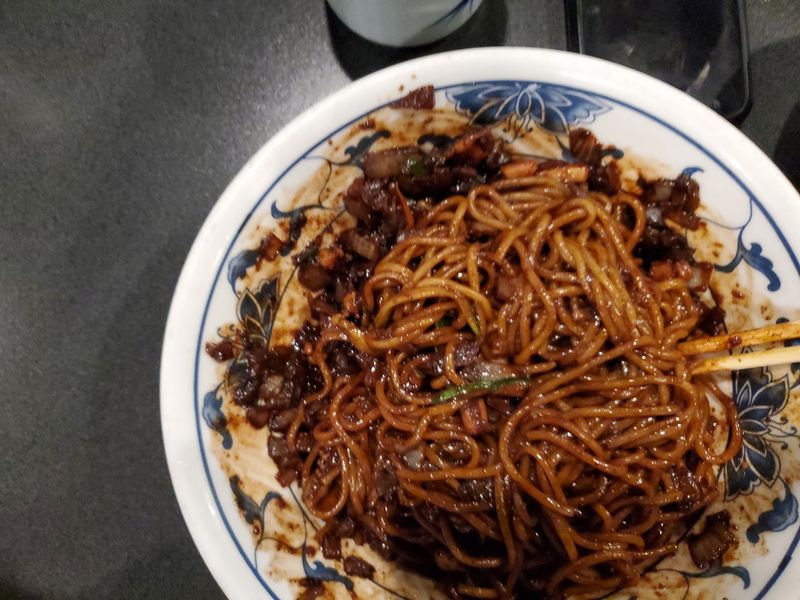
Gan-jjajang may be the dish I kept thinking about after leaving. These black bean noodles with stir-fried sauce have a rich, smoky character, with onions, zucchini, and savory pieces folded into a dark sauce that clings beautifully.
The appeal is not just the flavor, although that is certainly doing the heavy lifting. It is the wok-fried aroma, the chewy noodles, and the way the sauce feels hearty without turning the whole bowl into a brick.
Soora includes Chinese-Korean options alongside traditional Korean dishes, and gan-jjajang is a strong reason to explore that side of the menu. It offers a different comfort than bibimbap or stew, less brothy and more deeply coated.
I would order it for anyone who likes noodles with presence and does not mind a little sauce diplomacy at the table. After that, the fried chicken shifts the mood again with sweet heat and crackly edges.
Sweet-Spicy Chicken That Keeps Things Lively
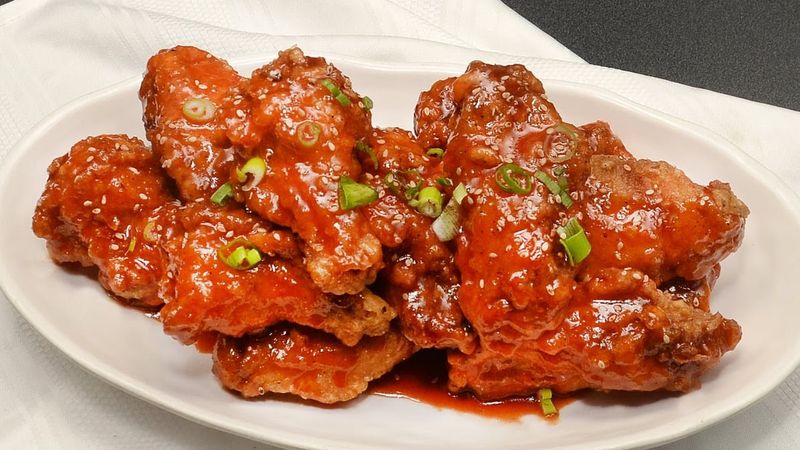
Yangnyeom Chicken brings the table a cheerful jolt of color and crunch. This Korean-style sweet and spicy fried chicken leans into glossy sauce, crisp skin, and the familiar pleasure of picking up a piece and forgetting your napkin strategy.
At Soora, the dish is often served as drumsticks and wings, so it helps to know that before ordering. I did not mind the focus, because those cuts carry sauce well and keep the texture fun.
The flavor lands in that lively middle ground where sweetness, spice, and savoriness all show up without crowding the room. It is a strong companion to noodles or pancakes, especially when the table wants something bold but still easy to share.
This is also where the restaurant’s casual side shines. Nobody needs to perform fine dining gymnastics here, and that is a relief.
Still, the menu has more than crunch and sauce. The next round gets into pancakes, bulgogi, soups, and glass noodles that broaden the whole visit.
A Menu Built for Second Guesses
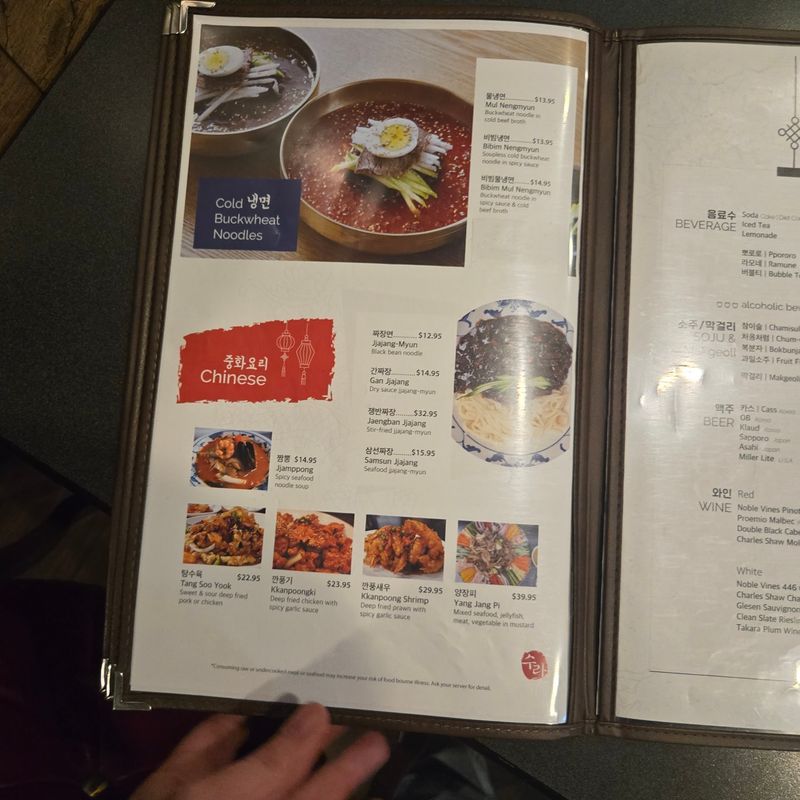
The menu at Soora is big enough to create a classic diner problem: order quickly, then immediately wonder about five other dishes. Korean pancakes, bulgogi, Kal Bi Tang, Jap Chae, fried dumplings, and noodle soups all compete for attention.
I like that range because it suits different moods at the same table. Someone can chase the savory comfort of beef short rib soup while another reaches for stir-fried glass noodles or a pancake with crisp edges.
Bulgogi is a familiar anchor, with marinated beef that works well for anyone easing into Korean flavors. Jap Chae offers a gentler, springy noodle option, while pancakes bring a snack-like quality that still feels substantial.
Vegetarian choices may be more limited than some diners expect, so I would scan the menu ahead or ask questions clearly. The staff experience can vary, but practical questions are worth asking.
With so many plates in play, timing matters too. A quieter hour can make the menu feel less like a race and more like a delicious puzzle.
Smart Timing, Realistic Expectations, Happy Appetite
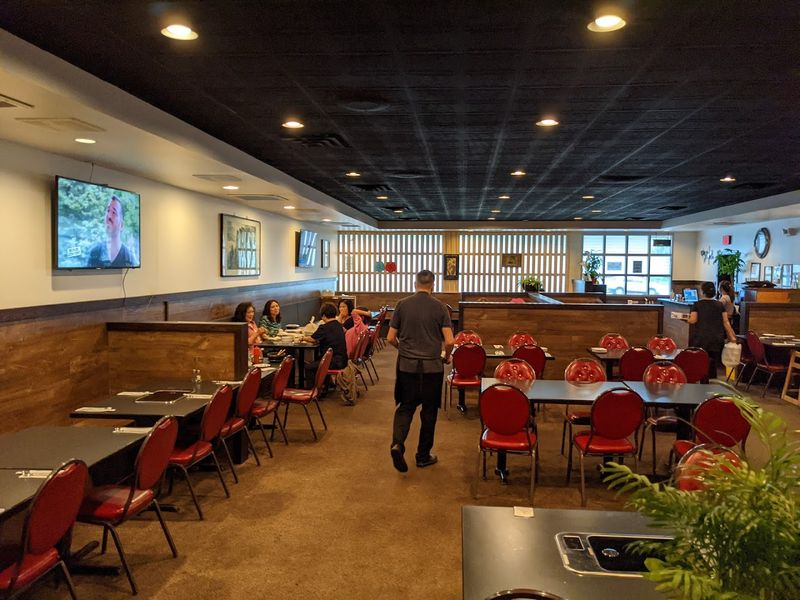
Soora is rated 4.7 stars on Google Maps with hundreds of reviews, which tells you it has built a loyal following in West Bloomfield Township. Still, I would visit with realistic expectations: the room feels comfortable and old-school, not sleek or ultra-modern.
Hours are helpful to know before craving takes over. The restaurant is closed Monday, opens Tuesday through Saturday from 11:30 AM to 9 PM, and opens Sunday from 12 PM to 8:30 PM, with phone contact listed as +1 248-973-8110.
I would choose an earlier or off-peak visit if you want a calmer meal, easier parking, and more time to ask about dishes. The price level is moderate, marked as $$, and portions can be generous enough to make leftovers a very good idea.
For me, the best strategy is simple: start with banchan, share tangsu-yuk, pick one stew or stone bowl, and let gan-jjajang tempt you. That is how this Orchard Lake Road stop becomes more than dinner.
Share this story