Tucked right next to a busy highway in Bergen County, there is a place in Teaneck, New Jersey, where wildlife roams freely, trails wind through multiple ecosystems, and handcrafted sculptures appear without warning around nearly every bend. Most people drive past it without a second glance.
That is their loss. Teaneck Creek Conservancy is a fully free, community-supported nature preserve that combines outdoor exploration with public art in a way that feels both surprising and completely earned.
Deer, egrets, Baltimore Orioles, and even the occasional bald eagle have all been spotted here. The trails are flat, well-marked, and open to all ages.
Whether someone is a dedicated birdwatcher, a parent looking for a Saturday adventure, or just a person who needs a break from the noise of everyday life, this conservancy delivers something genuinely worth the trip. Read on to find out exactly what makes this place so special.
Where Exactly This Hidden Conservancy Sits
Right off one of the busiest corridors in Bergen County, Teaneck Creek Conservancy sits at 20 Puffin Way, Teaneck, NJ 07666, nestled beside the Glenpointe complex and Interstate 80.
The address alone gives little away, which is part of what makes arriving here feel like a small reward. Once through the entrance, the highway noise fades and the landscape shifts quickly into wetlands, woodlands, and open grasslands.
The conservancy is managed as a non-profit organization and is completely free to enter, with no admission fee and no parking charge. Free on-site parking is available, making it easy to visit without planning ahead.
The grounds are open every day of the week from 7 AM to 10 PM, giving early risers and evening walkers plenty of opportunity to enjoy the space. The website at teaneckcreek.org keeps visitors updated on programs, restoration progress, and upcoming community events throughout the year.
The Story Behind the Conservancy’s Restoration
The conservancy did not always look the way it does today. For a stretch of time, the grounds fell into a state of serious neglect, with overgrown paths, worn-out signage, and environmental damage that made the space difficult to enjoy or even navigate safely.
A major restoration effort eventually brought the conservancy back to life, addressing both the ecological health of the land and the physical condition of its trails and structures. Native plantings were introduced, invasive species were cleared, and the trail system was rebuilt with clearer markings and better accessibility.
The cleanup took considerable time, and the conservancy was closed to the public during parts of that process, which frustrated regular visitors who had grown attached to the space. But the end result was a dramatically improved preserve that now supports wetlands, woodlands, and grassland ecosystems side by side.
That layered habitat is what draws such a wide variety of wildlife and keeps the conservancy feeling dynamic across every season of the year.
What the Trail System Actually Looks Like
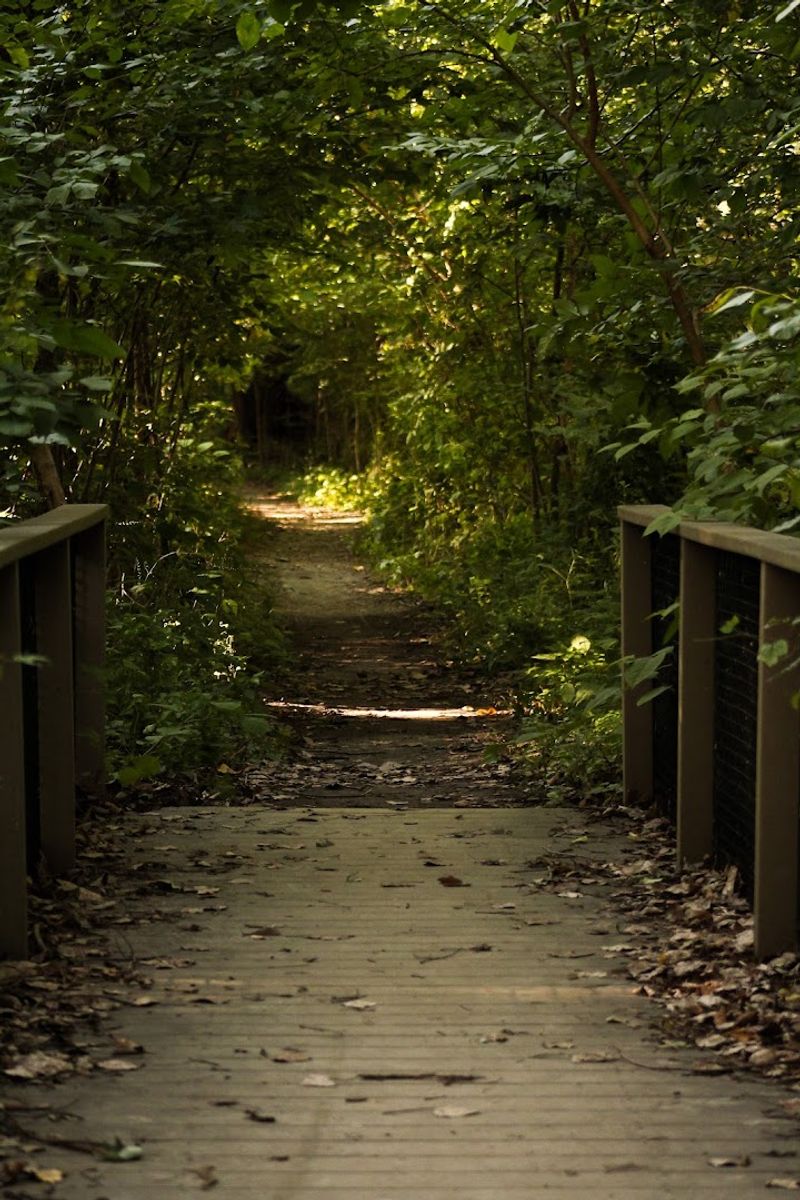
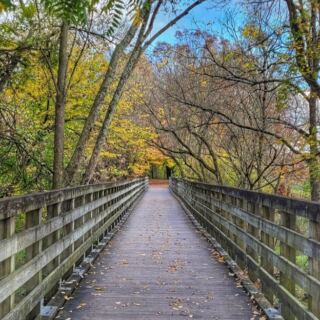
The trail network at Teaneck Creek Conservancy is designed to be approachable rather than challenging, which is one of the main reasons families with young children return here so consistently. The paths are flat, clearly marked, and loop through the property in a way that prevents anyone from getting genuinely lost.
Color-coded trail markers guide walkers along different routes, with the Red Trail and Blue Trail being two of the more popular options. Several sections of the trail system are ADA accessible, which means the conservancy is genuinely open to people with mobility considerations rather than just technically open in name only.
The total distance covered by all the trails combined is modest, making this more of a relaxed nature walk than a strenuous hike. That said, the variety of terrain keeps things visually interesting throughout.
Wooded sections give way to open creek views, and those open areas transition into quieter garden spaces that reward anyone who takes the time to slow down.
The Sculptures That Appear Without Warning
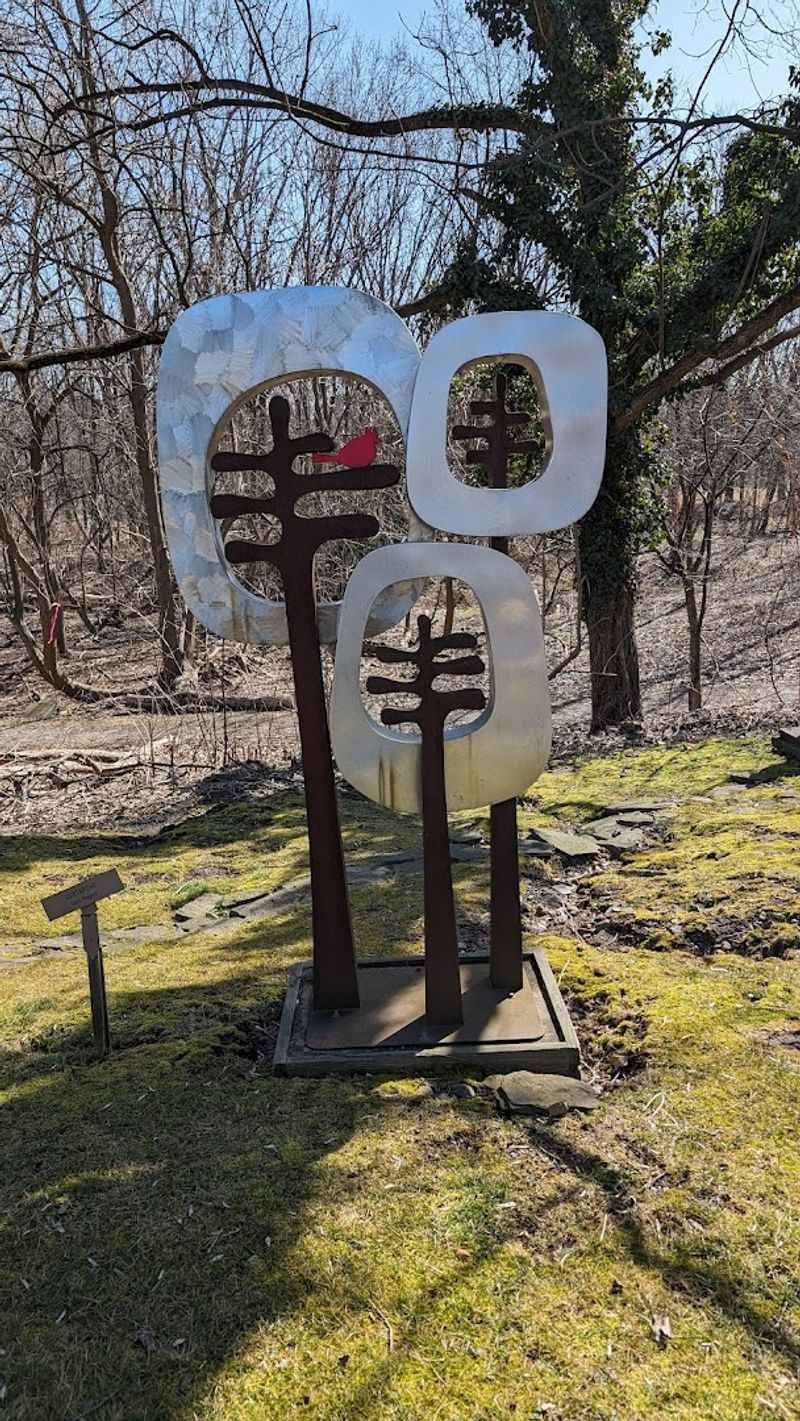
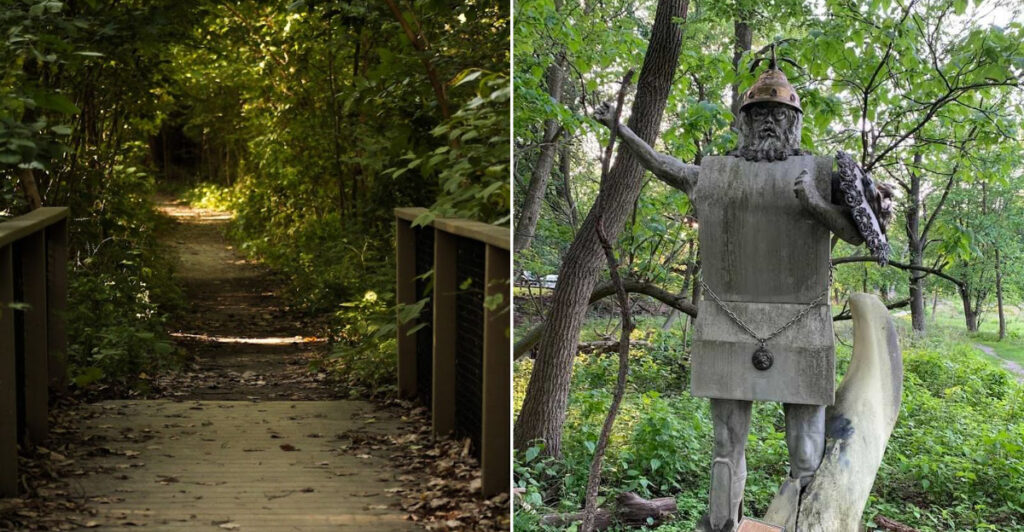
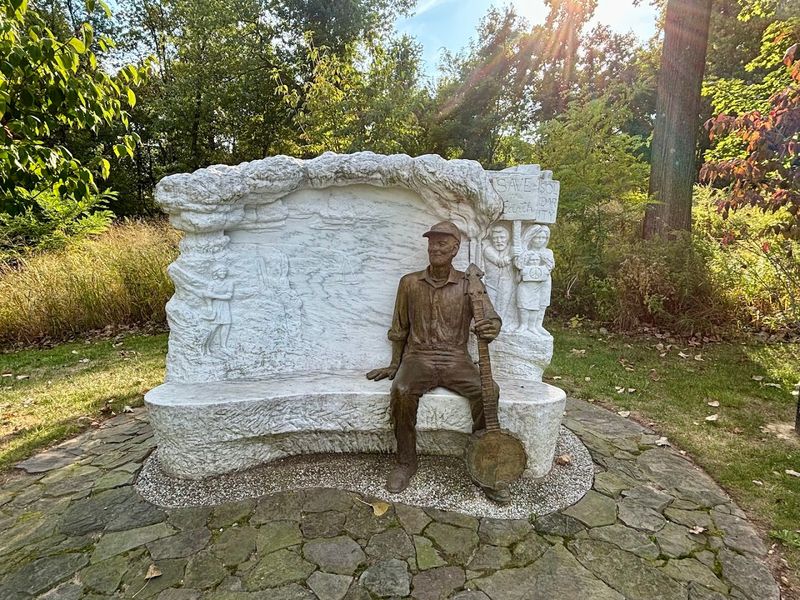
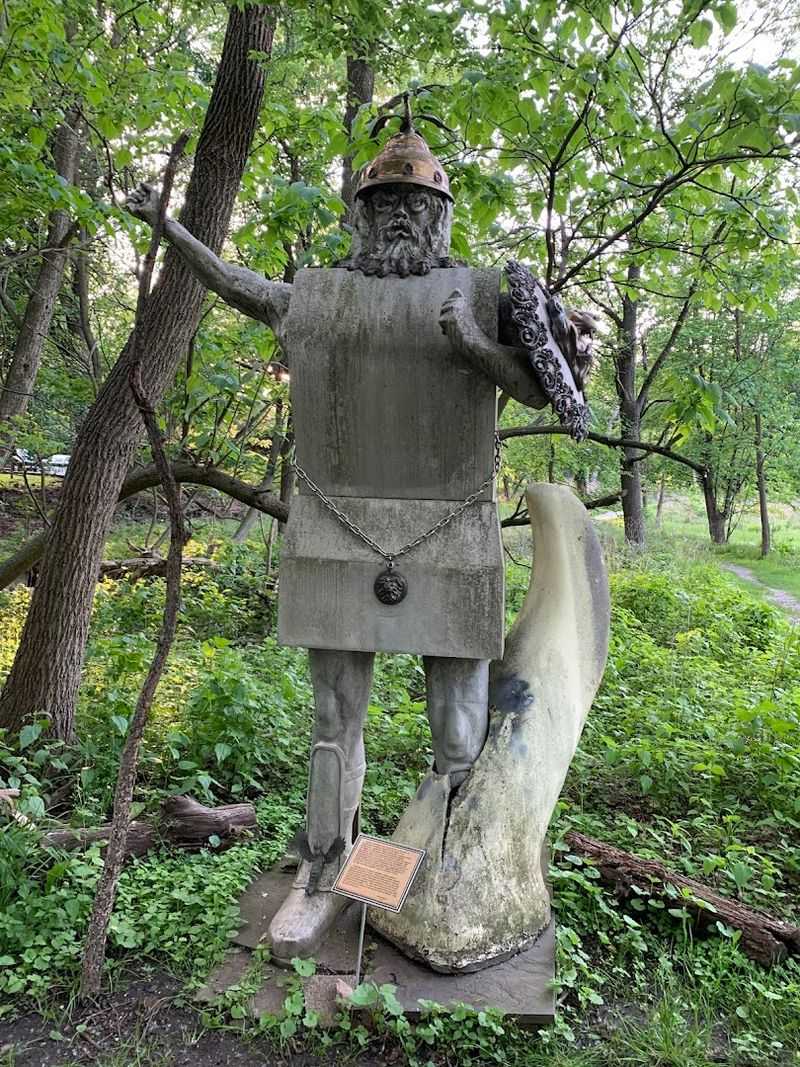
One of the most talked-about features of Teaneck Creek Conservancy is the collection of sculptures scattered throughout the grounds. These are not neatly arranged in a single gallery-style space.
They appear organically along the trails, tucked between trees or positioned beside the creek in ways that feel genuinely unexpected.
Many of the sculptures are made from recycled materials, which connects them thematically to the conservancy’s broader mission of environmental restoration and sustainability. Finding each one becomes a kind of informal treasure hunt, especially for children who quickly develop a competitive interest in spotting the next piece before anyone else does.
The Puffin Sculpture Garden is one of the named art areas within the conservancy and draws particular attention from first-time visitors. The variety of styles and scales across the collection keeps the experience from feeling repetitive.
For anyone with an interest in public art or environmental creativity, this combination of natural trail walking and unexpected sculpture discovery is one of the more distinctive offerings in all of Bergen County.
The Turtle Peace Labyrinth Worth Seeking Out
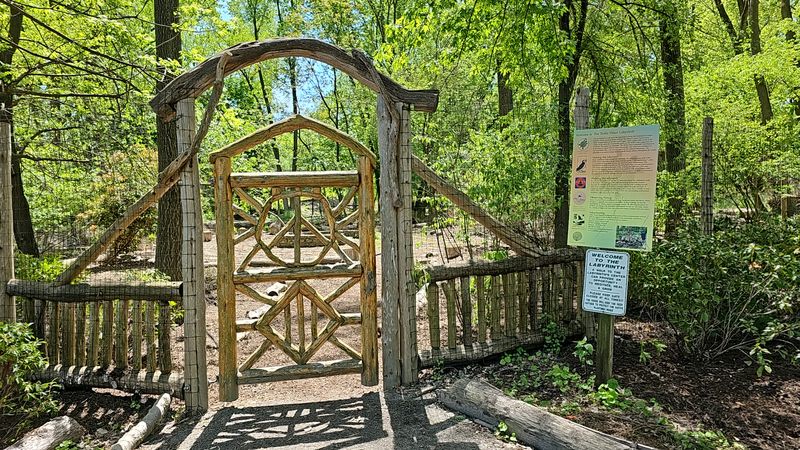
Among all the features that make Teaneck Creek Conservancy stand out, the Turtle Peace Labyrinth earns a specific kind of devotion from the people who discover it. Described consistently as a sweet and calming space, it sits within the conservancy grounds and offers a quiet, structured area for reflection that feels distinct from the rest of the trail experience.
Labyrinths are single-path walking structures that guide a person inward and back out again, and they have a long history of use in meditative and spiritual traditions. The turtle theme connects the design to both the local wildlife and a broader symbolism around patience and groundedness that fits the conservancy’s overall character well.
Sitting in the labyrinth while birds call from the surrounding trees is a genuinely calming way to spend part of a visit, and many regulars make it a consistent stop on every trip. The space also works beautifully as a contained, safe area for young children to explore independently while adults rest nearby on the surrounding grounds.
The Harmony Garden and Its Quiet Appeal
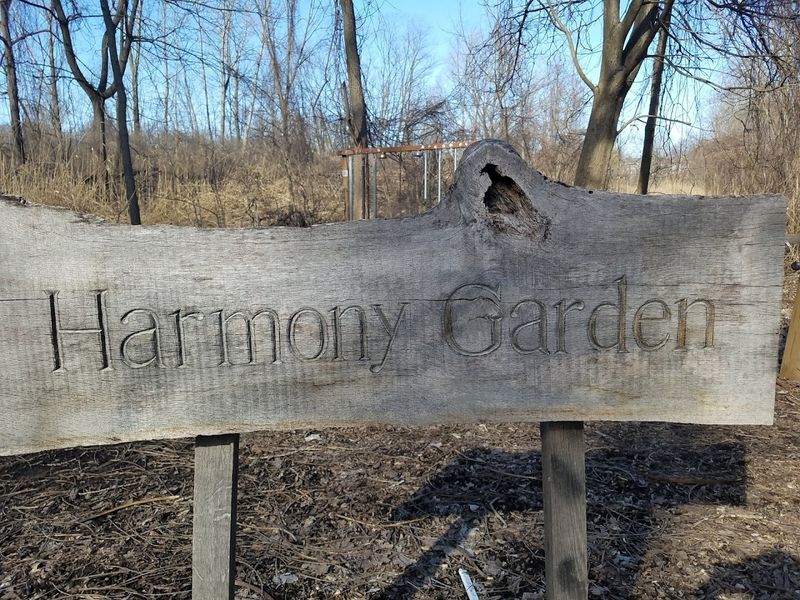
Beyond the labyrinth, the conservancy also contains the Harmony Garden, an enclosed garden space that functions as both a botanical feature and a quiet retreat within the larger preserve. The garden has drawn consistent appreciation from people who make a point of stopping there on every visit.
The enclosed design gives the Harmony Garden a more contained, intimate quality compared to the open trail sections. Native plants fill the space, and the overall layout encourages a slower pace that contrasts nicely with the more exploratory energy of the surrounding trails.
Educational signage throughout the conservancy, including near the garden areas, adds context about the plant species and ecological relationships on display. This makes the space genuinely informative for children and adults alike, rather than just visually appealing.
The combination of the Harmony Garden and the Turtle Peace Labyrinth gives the conservancy a contemplative dimension that goes beyond what most suburban nature parks offer, and that quality is a big part of why the space has developed such a loyal local following over the years.
Wildlife That Actually Shows Up Here
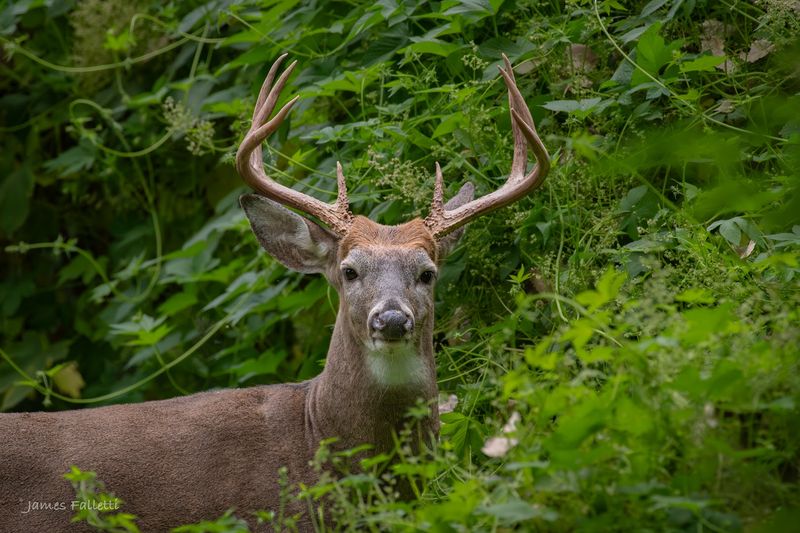
The wildlife at Teaneck Creek Conservancy is not the kind that has to be coaxed out with patience and binoculars, though having both certainly helps. Deer, geese, ducks, and great egrets have all been observed here on regular visits, and the variety of ecosystems on the property creates conditions that attract a genuinely wide range of species.
Birds are the main draw for many regular visitors, and the conservancy has produced some impressive sightings over the years. Baltimore Orioles, bald eagles, muskrats, and a variety of smaller songbirds have all been documented within the grounds.
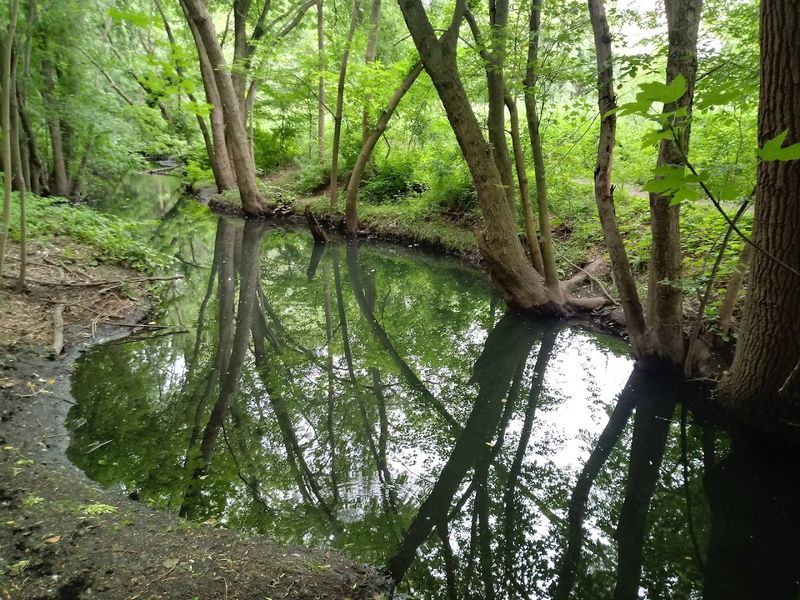
The presence of Dragonfly Creek adds a water element that attracts species not typically found in purely wooded parks.
In warmer months, turtles and snakes are active throughout the property. When temperatures drop, fox, deer, and muskrats become more visible as the vegetation thins out and sight lines through the preserve open up considerably.
Bringing a camera is genuinely worthwhile here, and the flat terrain makes it easy to move quietly and position well for a good shot without a lot of physical effort.
Why Birdwatchers Keep Coming Back
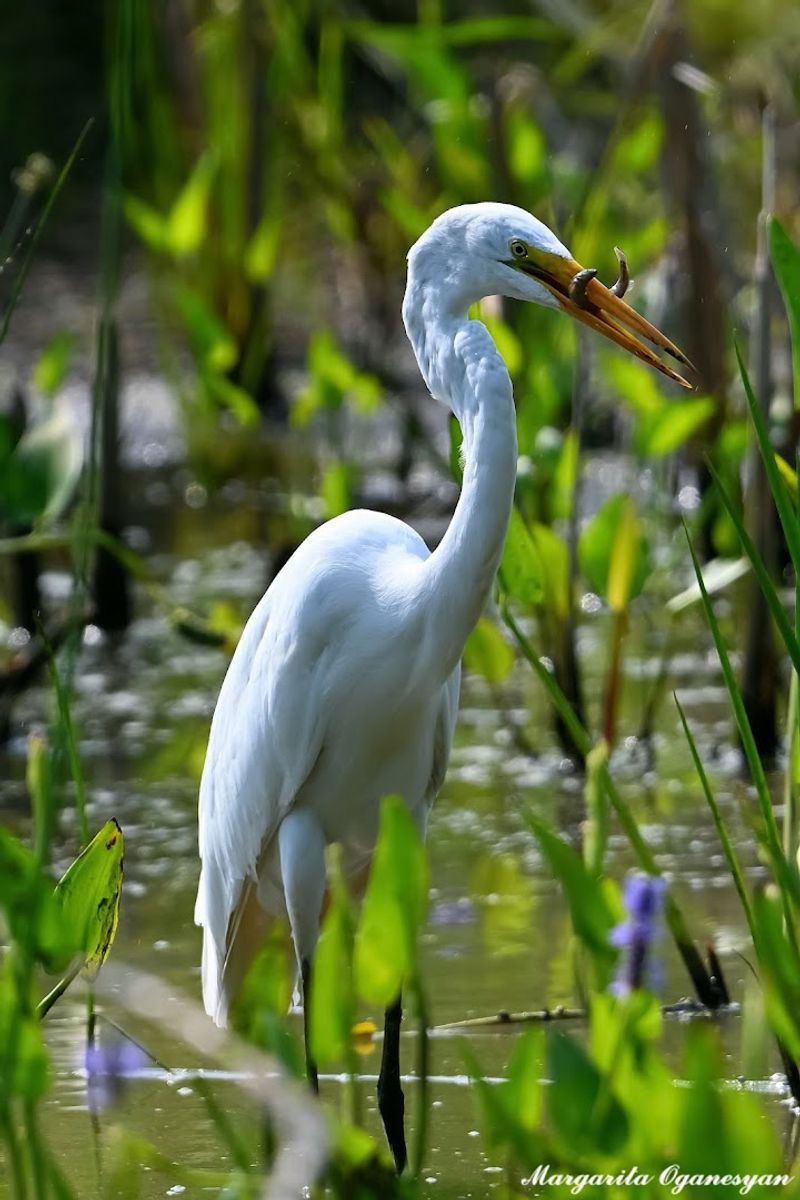
Teaneck Creek Conservancy has built a quiet reputation among the birdwatching community in northern New Jersey, and that reputation is well earned. The combination of wetlands, woodlands, and open grassland within a single compact property creates a layered habitat that supports dozens of bird species across different seasons.
Bald eagles, Baltimore Orioles, great egrets, and Canada geese are among the more dramatic sightings that have been reported here. Year-round, the conservancy hosts ornithologists and bird photographers who arrive early in the morning when activity is highest and light conditions are most favorable for photography.
The flat, quiet trails make it possible to move through the conservancy without disturbing the wildlife, which is a significant advantage over louder, more crowded parks in the region. Patience is the main skill required, and the conservancy rewards it consistently.
For anyone new to birdwatching, this is an approachable starting point because the trails are easy to navigate and the bird activity is reliably present, even on a casual midweek visit with no special preparation.
The Butterfly Garden and Educational Programs
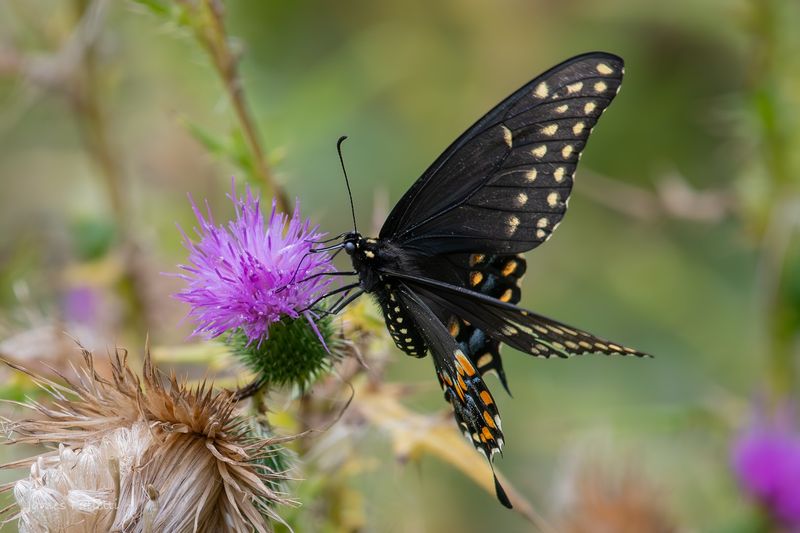
Among the more specialized features within the conservancy grounds is the butterfly garden, a designated planting area designed to attract and support native butterfly species through the use of specific host plants and nectar sources. The garden adds another layer of ecological intentionality to a property that is clearly managed with environmental education in mind.
The conservancy also runs nature programs through its educational center, which sits on the property and serves as a hub for community engagement. These programs cover topics related to local ecology, wildlife identification, and environmental stewardship, and they are designed to be accessible for a range of ages and experience levels.
Educational signage placed throughout the grounds means that even a self-guided visit carries an informative quality. Labels near native plantings and habitat areas explain the ecological role of each feature in plain language that children can follow without adult translation.
This educational commitment is one of the things that separates Teaneck Creek Conservancy from a standard walking path, making it a resource for local schools and community groups as well as individual visitors.
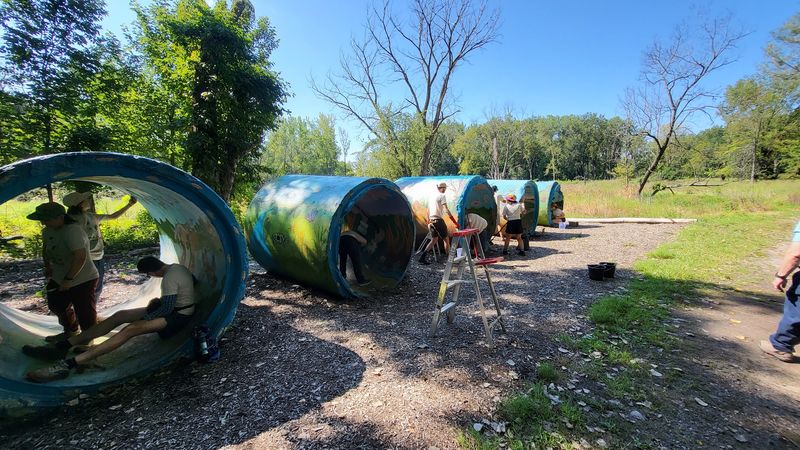
The Five Pipes Mural Worth Planning Around
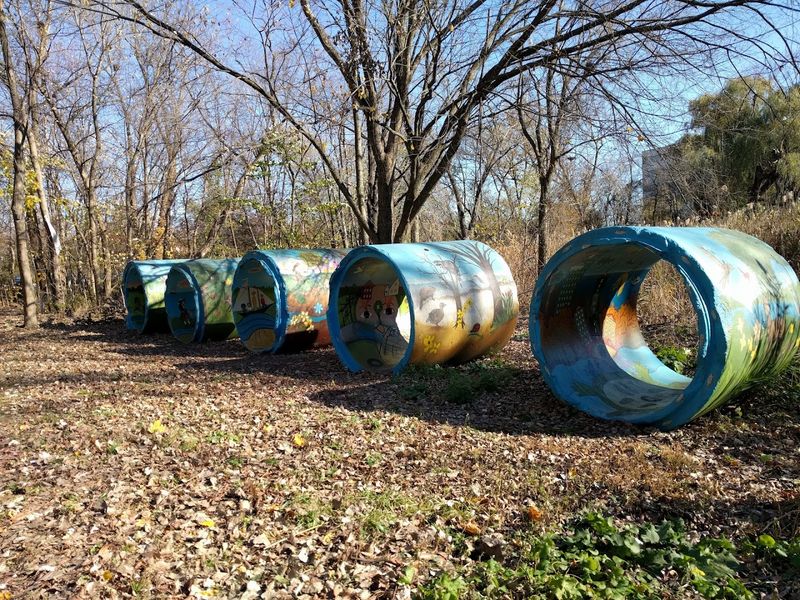
Not every piece of art at Teaneck Creek Conservancy is immediately visible from the main trail loop, and the Five Pipes mural is one example of a feature that rewards visitors who take the time to explore the full property rather than sticking to the most obvious route.
The mural has been mentioned by regular visitors as a highlight they look forward to on return trips, and its placement within the conservancy means that finding it requires a bit of intentional exploration rather than passive observation. That quality fits well with the overall spirit of the place.
Public murals in outdoor natural settings are relatively rare, and the combination of painted art with the surrounding landscape gives the Five Pipes mural a context that a gallery wall simply cannot replicate. The scale and setting together make it a more memorable encounter than the same artwork would be in a conventional venue.
Planning a second visit specifically to find features missed on the first trip is a strategy that many regulars recommend, and the Five Pipes mural is one of the best reasons to follow that advice.
Best Times of Year to Visit
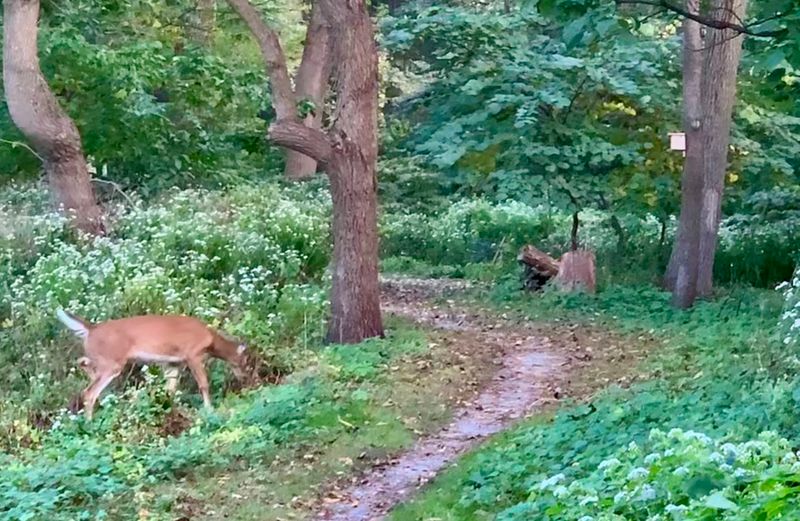
Each season at Teaneck Creek Conservancy offers a noticeably different experience, and knowing which time of year matches specific interests can make a real difference in what a visit delivers. Autumn is widely regarded as the most visually rewarding season, when the tree canopy shifts through gold, orange, and red and the wildlife becomes more visible as the dense summer vegetation thins out.
Spring brings active bird migration, which makes it a strong choice for birdwatchers hoping to catch species passing through the region on their way north. The wetland areas become particularly active during this period, and the combination of returning songbirds and emerging plant life gives the conservancy a high-energy quality that feels different from any other time of year.
Summer is the most insect-heavy season, which works in favor of photographers but requires more preparation in terms of tick and mosquito protection. Winter visits are quieter and more sparse but offer clear sight lines through the bare trees that make deer and fox much easier to spot than they are in summer.
Accessibility and Practical Visitor Information
One of the most consistently appreciated aspects of Teaneck Creek Conservancy is how genuinely accessible it is, both physically and financially. There is no entry fee and no parking charge, which removes two of the most common barriers that keep people from visiting nature spaces regularly.
Several sections of the trail system meet ADA accessibility standards, meaning that visitors using wheelchairs or mobility aids can navigate meaningful portions of the conservancy without encountering the uneven terrain that makes many natural areas difficult to enjoy. The flat overall topography of the property also helps in this regard.
The conservancy is open seven days a week from 7 AM to 10 PM, which accommodates early morning wildlife activity as well as evening visits during the longer days of spring and summer. Dogs are welcome on the trails, though the tick situation described in earlier sections applies equally to pets.
There are no restroom facilities on site, which is worth knowing before arriving, particularly when visiting with young children. Picnic tables are available for anyone who wants to bring a meal and extend their time on the grounds.
Why This Conservancy Stays With You After You Leave
There are plenty of parks in New Jersey, but relatively few of them manage to combine ecological restoration, public art, wildlife habitat, and community programming within a single free and accessible space the way Teaneck Creek Conservancy does. That combination is not accidental; it reflects years of deliberate effort by people who believed the land was worth saving and improving.
The conservancy works precisely because it does not try to be everything at once. The trails are short but varied.
The art installations are unexpected but not overwhelming. The wildlife is present but not manufactured.
Everything about the place feels like it belongs where it is.
For Bergen County residents, it is the kind of place that becomes a regular part of the weekly routine rather than a one-time destination. For visitors coming from farther away, it is the kind of place that prompts a genuine plan to return.
That staying power, the kind that turns a single visit into a long-term habit, is the best measure of what Teaneck Creek Conservancy has quietly built for the people lucky enough to find it.
Share this story