A century-old aquarium on a Detroit island sounds like the kind of place that should require a timed ticket, a long line, and at least one overpriced souvenir fish magnet. Instead, this one lets you stroll in for free, then surprises you with a glowing green ceiling, rare freshwater species, and a building that feels lovingly kept rather than overproduced.
The real trick is that it is small enough to enjoy without museum fatigue, yet layered enough that you keep noticing details hiding in plain sight. Stick with me and you will find out why this historic spot has Neptune over the door, gar in the tanks, and a surprisingly practical visiting rhythm that makes the whole outing feel easy.
The Address That Starts the Story
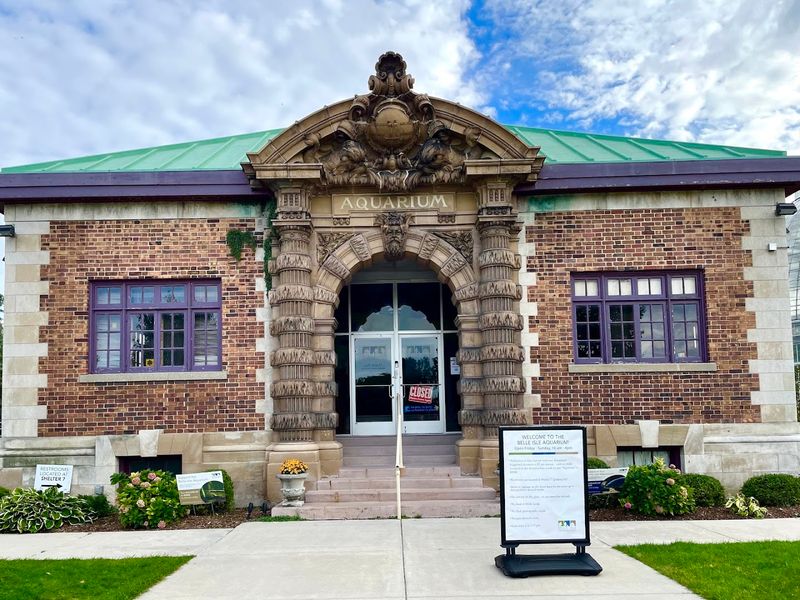
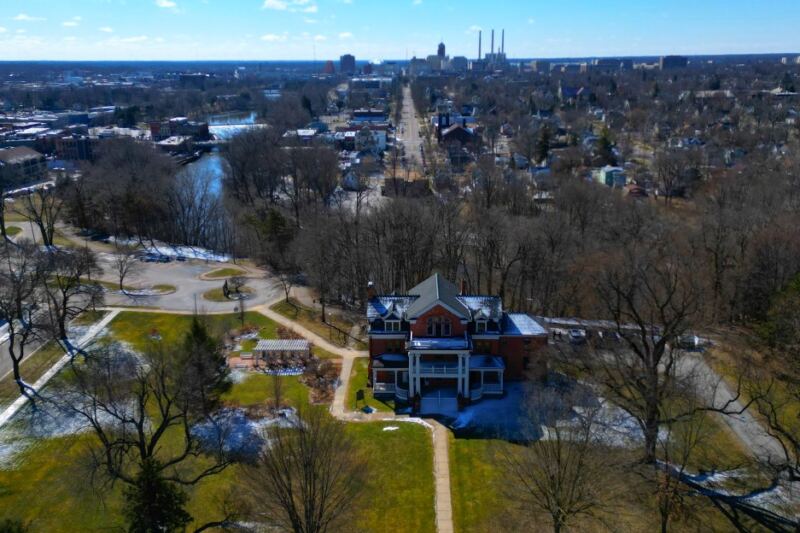
The surprise begins at 3 Inselruhe Ave, Detroit, MI 48207, inside Belle Isle State Park in Detroit, Michigan. Belle Isle Aquarium sits on the island with the calm confidence of a place that has seen generations of curious faces press close to glass.
I like that the first practical detail is simple: aquarium admission is free. Vehicles entering Belle Isle State Park need a Recreation Passport, so the free part applies to the aquarium itself, not necessarily the drive onto the island.
The building opened on August 18, 1904, which gives your visit a little extra sparkle before you even meet the fish. It is considered the oldest public aquarium in the continental United States, and at its opening it ranked among the largest in the world.
That is a lot of history tucked into one address, and the next thing you notice is not a tank at all. Look up, because the ceiling steals its own scene.
A Green-Tiled Ceiling That Changes the Mood
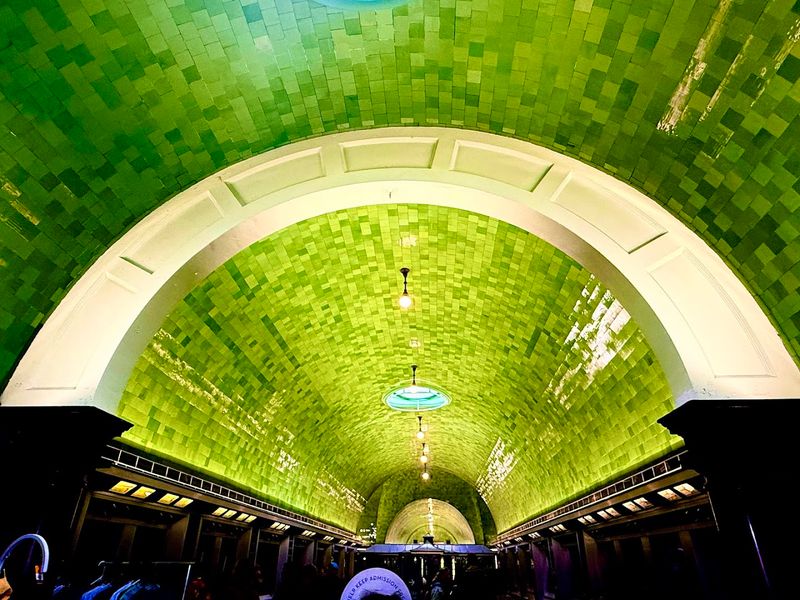
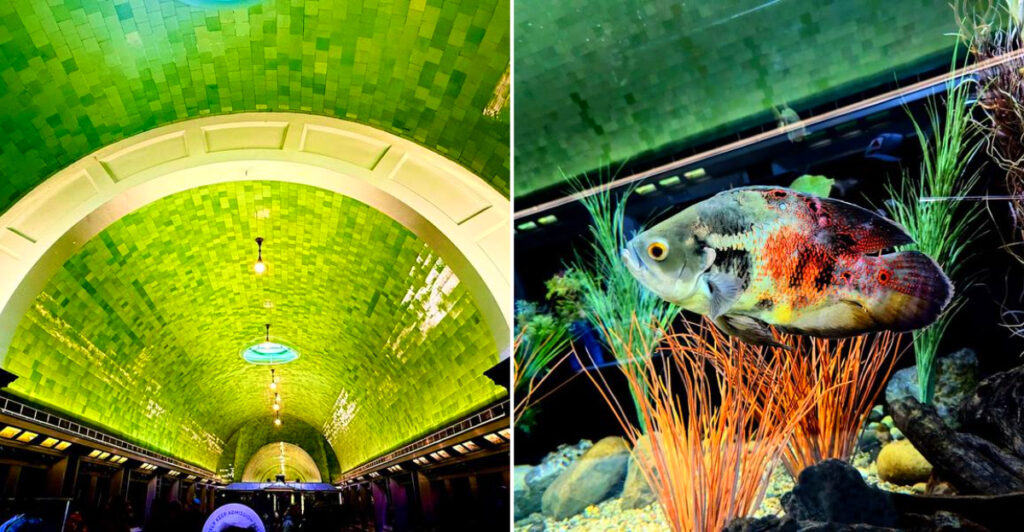
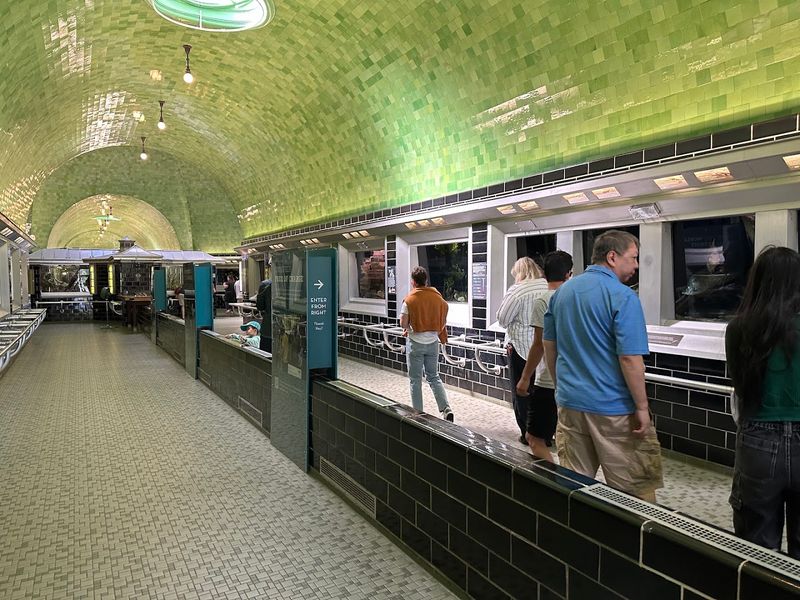
The ceiling turns the whole room into a calm, green glow before you have even chosen a tank. Its arched surface is covered in sea-green glass tiles, a detail meant to suggest an underwater world without shouting for attention.
I found myself looking upward almost as often as I looked into the exhibits. That is unusual for an aquarium, where the fish usually get the strongest spotlight, but this gallery gives the architecture equal billing.
Albert Kahn and George D. Mason designed the Beaux Arts-style building, and their work still shapes the visit in a very physical way.
The single long gallery keeps everything easy to follow, while the ceiling draws your eye forward.
It feels grand without feeling fussy, which is a tricky balance. Once the green tiles have worked their little spell, the tanks start introducing the aquarium’s personality one fin at a time.
The Fish Collection Has Real Detroit Character
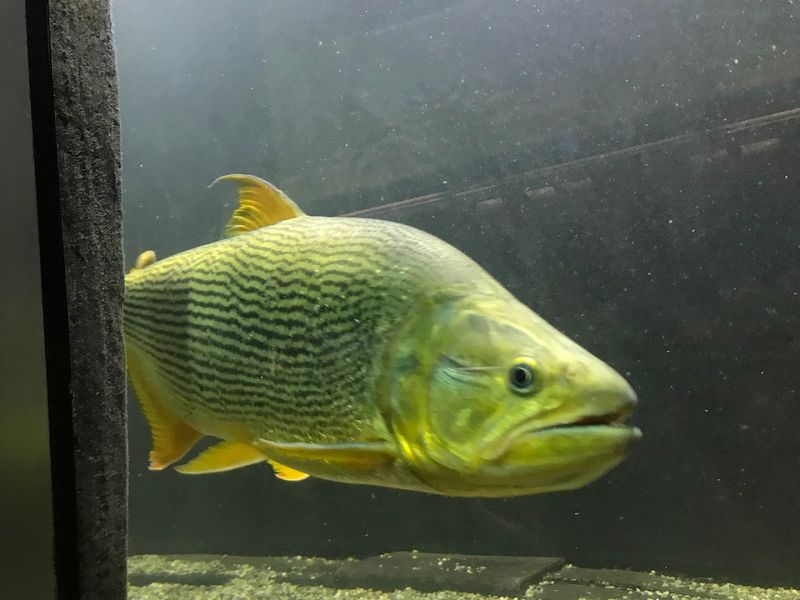
This is not the kind of aquarium that relies only on flashy tropical color to win you over. Belle Isle Aquarium gives plenty of attention to freshwater fish, especially species connected to the Great Lakes and major river systems.
I appreciate that choice because Detroit is a water city in more ways than visitors sometimes realize. Seeing native and regional fish here makes the exhibits feel connected to the landscape outside the building.
There are also marine fish, corals, and global river species, so the experience does not feel narrow. The tanks create a steady rhythm, with familiar local shapes followed by stranger faces that make you pause and read the signs.
Nothing about the collection feels random. It has a clear identity, and that identity gets even more specific when the gar appear with their long snouts and ancient-looking profiles.
The Gar Are the Unofficial Headliners
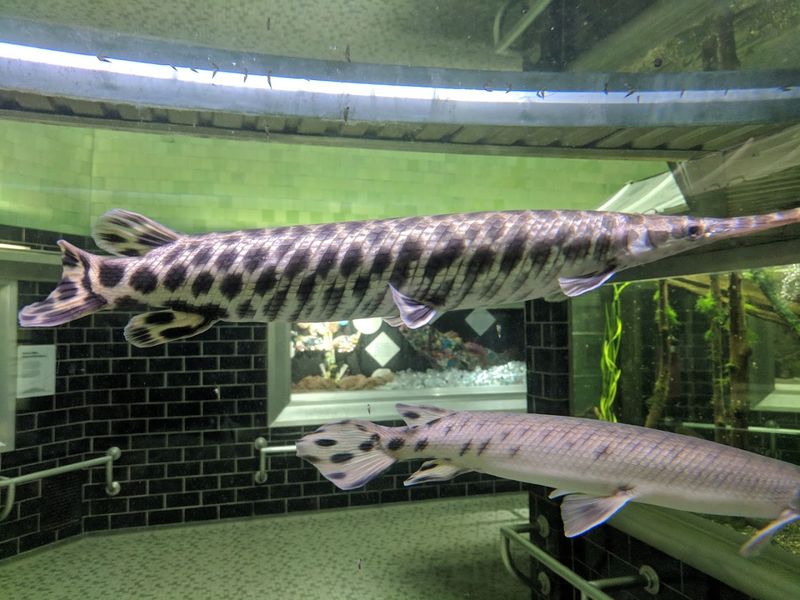
Every aquarium has a creature that quietly becomes the conversation starter, and here the gar have mastered the role. Belle Isle Aquarium is especially noted for its extensive gar collection, including the only known collection of all seven North American gar species.
That fact sounds wonderfully specific, and it makes the tanks feel like more than pretty displays. You are looking at a living catalog of fish many people rarely notice unless someone points them out.
Their long bodies and sharp profiles give them an unmistakable presence. I caught myself slowing down around them, partly because they look so different from the rounder, brighter fish most of us picture first.
The gar also help explain why a smaller aquarium can still feel genuinely distinctive. By the time you move on, you may start wondering what other oddball swimmers are waiting in the next row of glass.
Small Size, Big Breathing Room
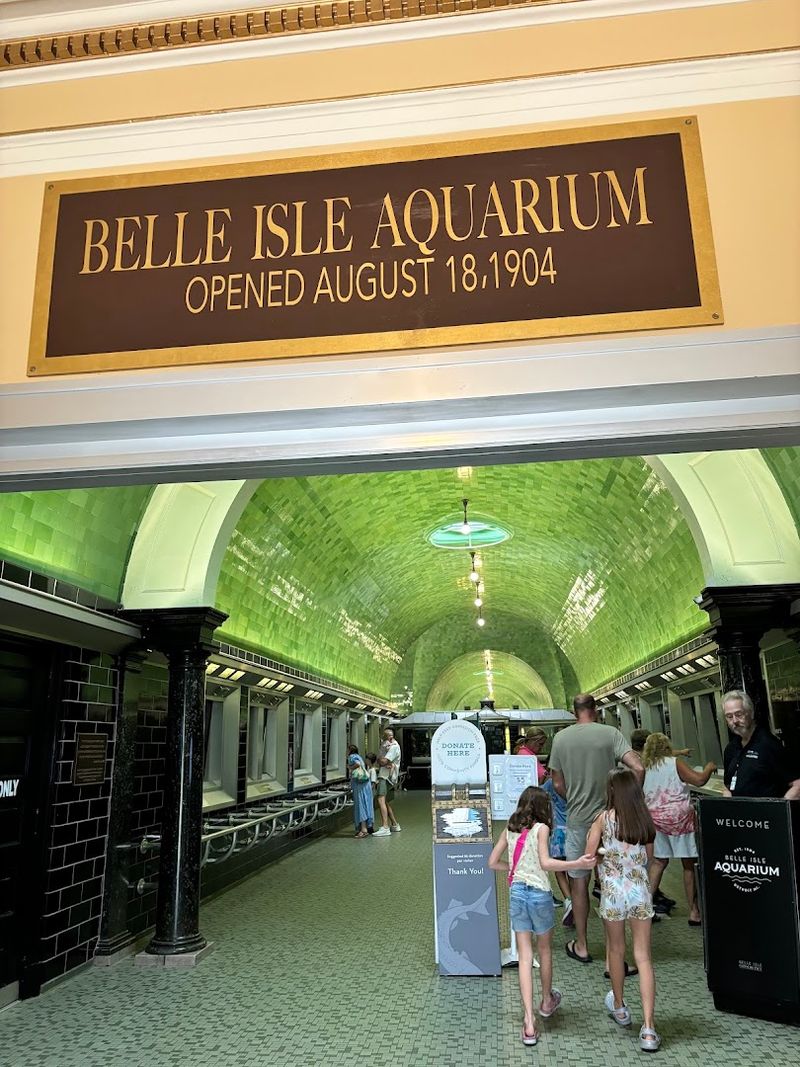
The aquarium is not enormous, and honestly, that is part of its charm. I did not feel trapped in an endless maze of exhibits, trying to remember which corridor led back to daylight.
Instead, the single-gallery layout makes the visit feel manageable and relaxed. You can move at a comfortable pace, circle back to a favorite tank, and still have energy left for the rest of Belle Isle.
The smaller scale also helps families, because attention spans do not have to perform heroic feats. Kids can get close to the glass, adults can linger over architecture, and nobody needs a complicated strategy to enjoy the space.
Busy days can make the room feel lively, so patience helps. Still, the compact layout rewards curiosity, and it sets up the next reason I like this place: the story of how it came back.
A Comeback Worth Applauding Quietly
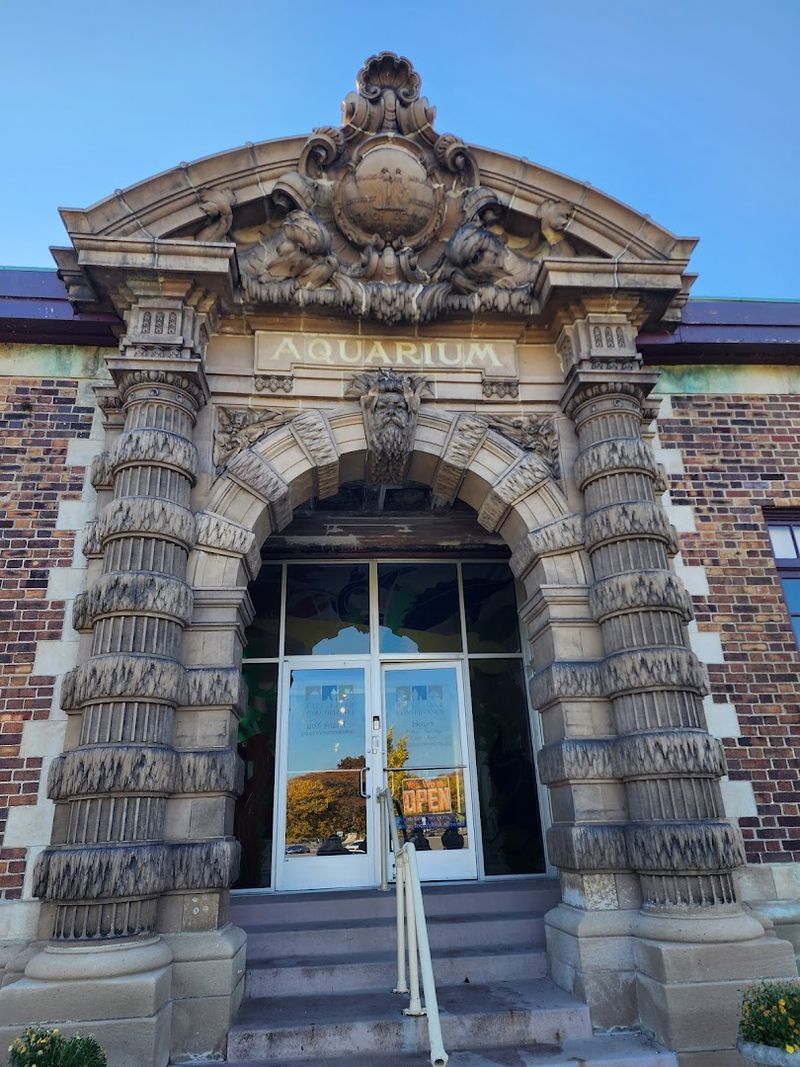
The aquarium closed in 2005 because of budget challenges, which makes its current life feel especially meaningful. It reopened on August 18, 2012, exactly 108 years after its original opening date.
That timing is the kind of detail travel writers love, and visitors can feel the care behind it. Today the Belle Isle Conservancy operates the aquarium, with community support helping keep the doors open.
Free admission does not mean the place runs on magic and fish flakes alone. Donations are encouraged, and after seeing the restored building, clean exhibits, and helpful volunteers, I understand why many visitors happily contribute.
The comeback gives the aquarium a different energy than a brand-new attraction. It feels cared for, not merely maintained, and that care becomes even clearer when you pay attention to the people inside.
Volunteers Give the Place Its Pulse
A historic building can impress you, but people make it feel alive. At Belle Isle Aquarium, volunteers and staff add warmth without turning the visit into a lecture you did not request.
I like a place where questions are welcome and the mood stays easy. The aquarium has that neighborly Detroit quality, where practical help and genuine pride share the same room.
The educational signs and occasional QR code details make it simple to learn at your own speed. You can skim, dive deeper, or let a child lead you toward the next creature with dramatic urgency.
That human presence matters because the aquarium is donation-supported and community-rooted. It gives the visit a third-place feeling, somewhere public, useful, and pleasant, which makes the next practical question easy: when should you go?
Timing Your Visit Without Overthinking It
The posted hours are refreshingly straightforward: Thursday through Sunday, 10 AM to 4 PM, with Monday through Wednesday closed. I would check the official website before heading out, because special events and seasonal changes can always affect plans.
Since admission is free, weekends can bring a steady crowd. Arriving earlier in the day often gives you a little more breathing room around the tanks and better chances to enjoy the architecture without feeling rushed.
The aquarium is indoors, which makes it a handy choice during chilly, hot, or gray Detroit weather. Still, the room can feel warm when it is busy, so comfortable layers are smarter than dressing for a formal fish summit.
A visit can be quick, but I would not treat it like a checklist stop. Give yourself time, because the next layer of the experience hides in the building’s old-world details.
Neptune Keeps Watch at the Door
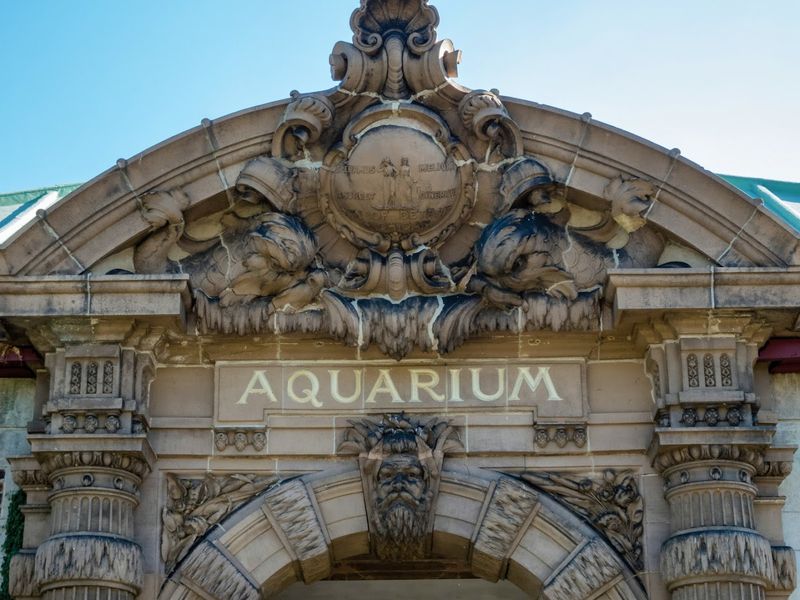
Before the green ceiling and tanks win your attention, the entrance offers its own wink. A carving of Neptune, the Roman god of the sea, sits above the doorway like a carved reminder that fish business is serious business.
I enjoy details like that because they make the building feel deliberate. The aquarium was not tossed together as a plain container for tanks; it was designed as an experience from the first glance.
The Beaux Arts style adds ornament without overwhelming the small scale. Outside, the building looks dignified, while inside, the tiled gallery shifts the mood toward something cooler and more aquatic.
That contrast makes photography especially satisfying, even if you only use your phone. Take the exterior detail first, then head inside, where the tanks bring the old design into conversation with living color.
The Tanks Reward Slow Looking
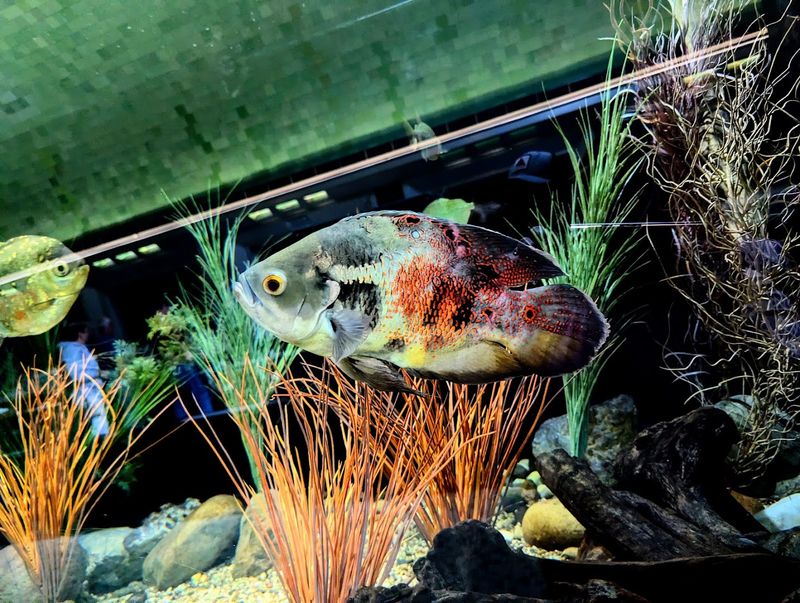
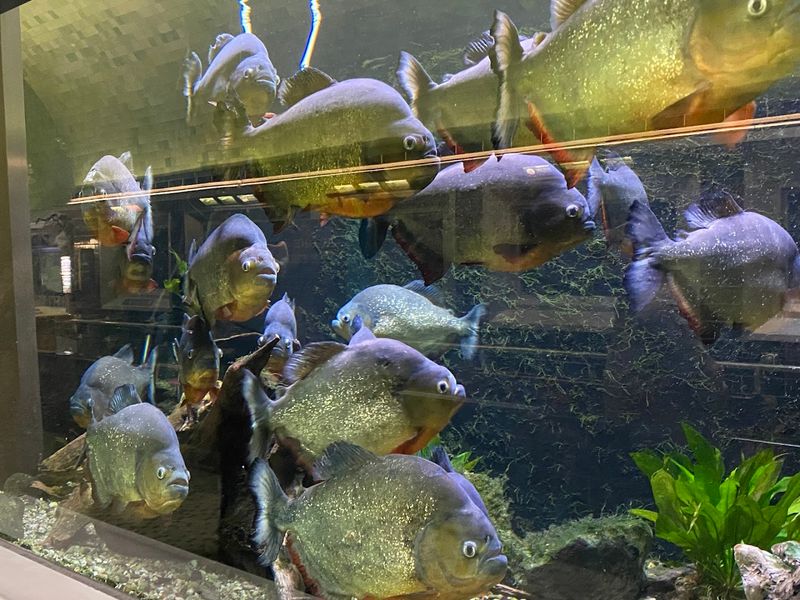
Some tanks announce themselves immediately with bright color, while others ask you to slow down and actually look. That is when the visit becomes more rewarding, because movement, pattern, and behavior start to stand out.
I noticed how easily people drifted from tank to tank, then doubled back when a fish changed position. It is a simple pleasure, but it works, especially in a room where the lighting and tile already encourage calm attention.
Freshwater species, marine fish, corals, and unusual air-breathing fish give the gallery variety without making it feel scattered. The aquarium is particularly known for one of the largest collections of air-breathing fish, which adds another unexpected twist.
Those details make the small footprint feel surprisingly full. By the end, you may realize you have been entertained by gills, lungs, tiles, and patience in equal measure.
Free Admission Still Deserves a Little Planning
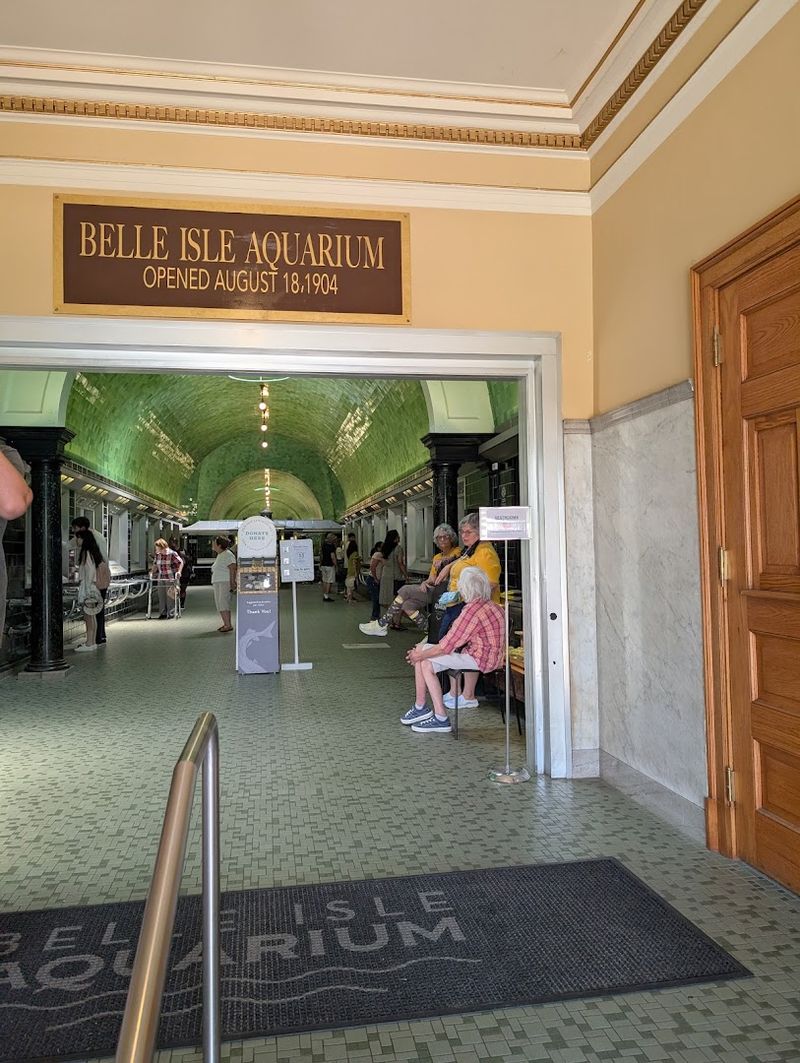
Free admission is a wonderful phrase, but a smooth visit still benefits from a few small decisions. Remember that the aquarium itself is free, while vehicles entering Belle Isle State Park require a Recreation Passport.
I would bring a little donation money if you can, because the building, exhibits, and community programming all depend on support. It feels good to leave a few dollars in a place that gives so much back without a ticket counter.
Accessibility feels practical in the main gallery, with a straightforward route that keeps navigation simple. Families, couples, solo visitors, and curious locals can all enjoy the same space without needing a big itinerary.
Parking and island traffic can vary, especially on pleasant weekends, so give yourself a cushion. That way, the aquarium becomes the calm part of the outing instead of the rushed middle chapter.
Why This Detroit Classic Sticks With Me
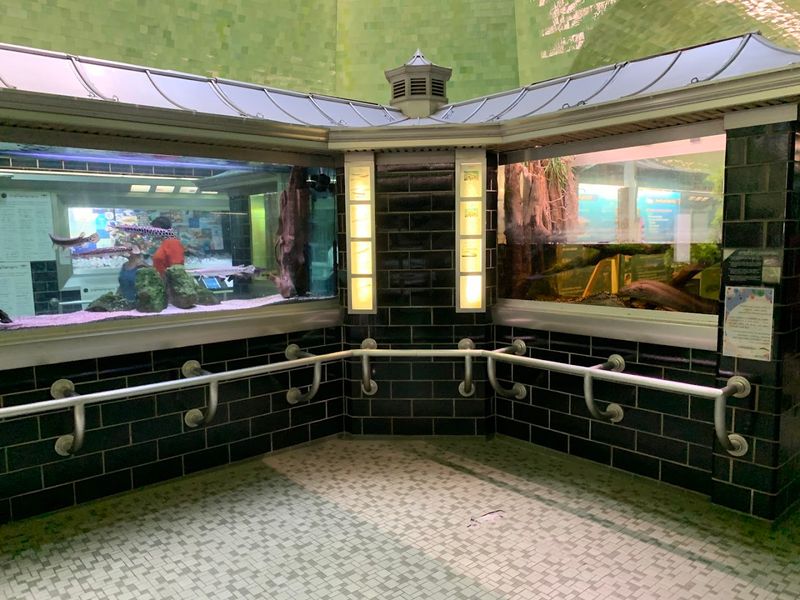
The best part of Belle Isle Aquarium is how many roles it plays at once. It is a historic landmark, a free public attraction, a living fish collection, and a quiet reminder that old civic spaces can still feel useful.
I left thinking less about size and more about character. Plenty of attractions are larger, but not many combine a 1904 building, a glowing tiled ceiling, rare gar, and community care in such a tidy package.
The aquarium works because it does not try to be everything. It gives you one beautiful gallery, a focused collection, a strong Detroit setting, and enough odd little details to keep your attention happily occupied.
That is why I would send someone there without hesitation. Visit for the free admission, stay for the fish, and leave with the pleasant feeling that Detroit has handed you a small, shimmering secret.
Share this story