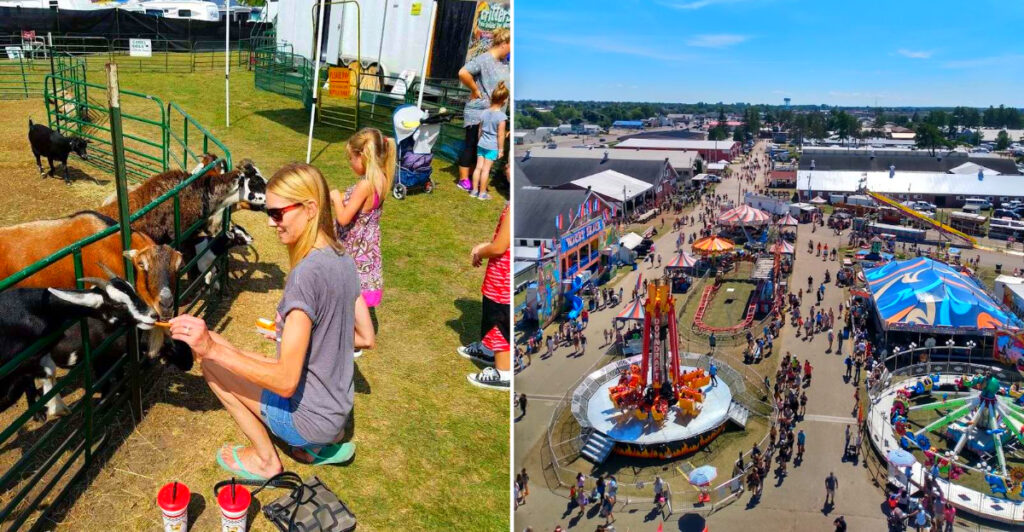
The first surprise is how quickly a fair can turn into a full Upper Peninsula reunion, complete with tractor engines, kettle corn, baby animals, carnival lights, and neighbors who seem to know three counties by first name. I came expecting rides and snacks, but the bigger story was hiding in the barns, the grandstand, and the careful way this place keeps agriculture right in the center of the fun.
Keep reading and you will find the best reasons to visit, the traditions that make it feel rooted, and a few practical tips that help the day run smoother than a fresh strip of midway pavement. By the time the sun starts sliding behind the fairgrounds, it is easy to understand why this August tradition keeps pulling families back to Escanaba year after year.
The Address That Turns Into August’s Busiest Gathering Place
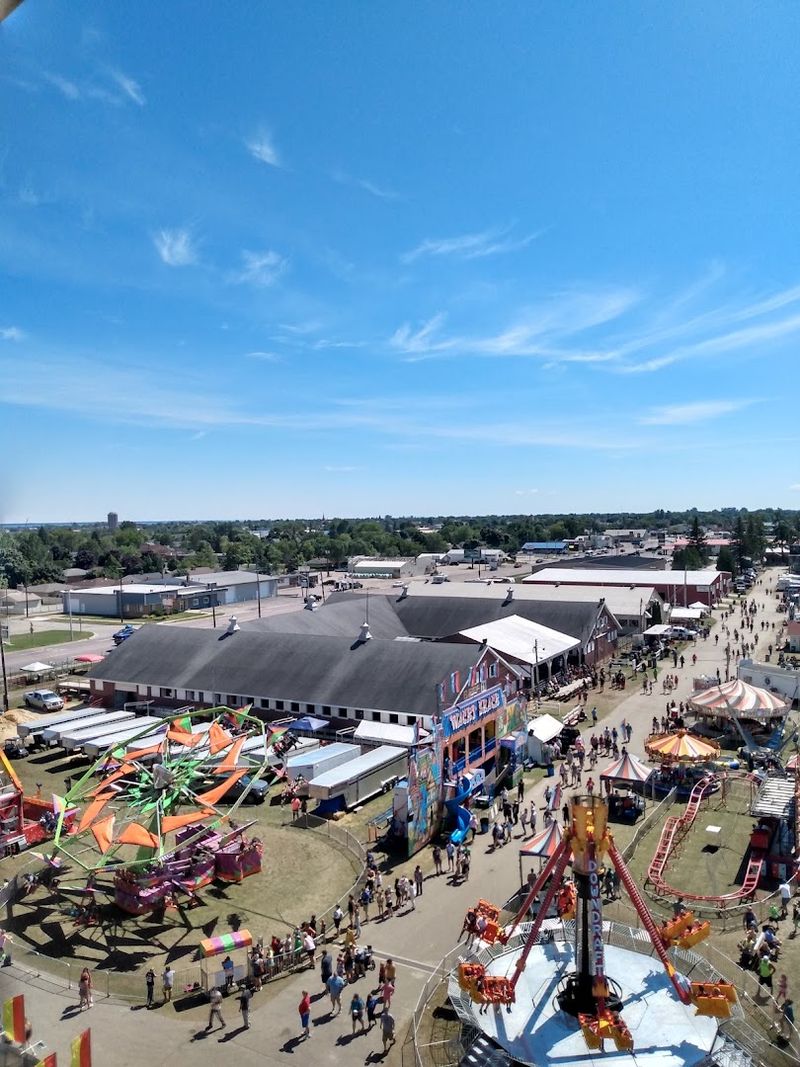
The Upper Peninsula State Fair sits at 2401 12th Ave N, Escanaba, MI 49829, in Michigan’s Upper Peninsula, United States, and that address feels much bigger once August arrives.
I noticed right away that the 144-acre fairgrounds do not behave like a simple event site during fair week. They turn into a compact little world of barns, grandstand lights, food stands, exhibits, rides, and conversations that start with, “How far did you drive?”
The fair is typically held during the third week of August, with the 2024 dates listed as August 12-18 and the 2025 dates scheduled for August 11-17. Those dates matter because lodging, traffic, and family calendars all seem to orbit around them.
Before you map the midway, check current admission, ride options, and daily schedules through the official website or fair office. Once you know the basics, the real fun begins in the barns, where the fair’s heart is not shy about mooing.
A Fair With Roots Deeper Than the Midway
This fair has been part of Upper Peninsula summer life since 1928, which gives it the rare kind of confidence that does not need flashy bragging.
I like that its story is practical, community minded, and still very much alive. It is recognized as Michigan’s oldest state fair and has continued through the decades, with notable pauses during World War II and the 2020 pandemic year.
Since 2010, it has operated without state funding under the Upper Peninsula State Fair Authority. That group includes representatives from all 15 U.P. counties and the Hannahville Indian Community, which explains why the event feels less like one city’s party and more like a regional handshake.
That structure matters when you are standing among youth exhibitors, local vendors, and farm families who treat the week as a milestone. The history is not tucked behind glass here, because the next chapter is usually wearing boots and carrying a feed bucket.
Where Agriculture Gets the Spotlight, Not the Side Tent
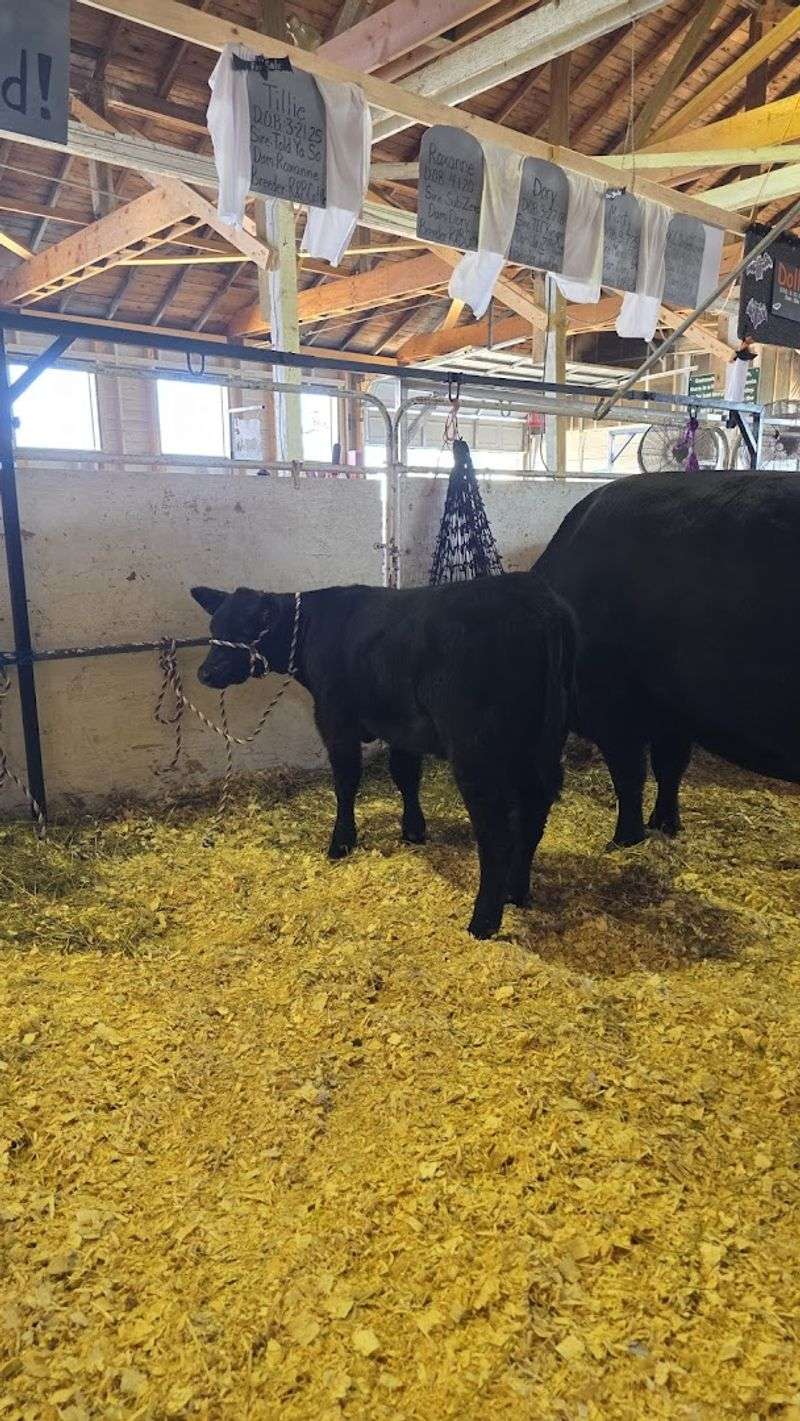
The barns are where I always slow down, because the fair’s agricultural mission is not background decoration. It is one of the main reasons the whole event exists.
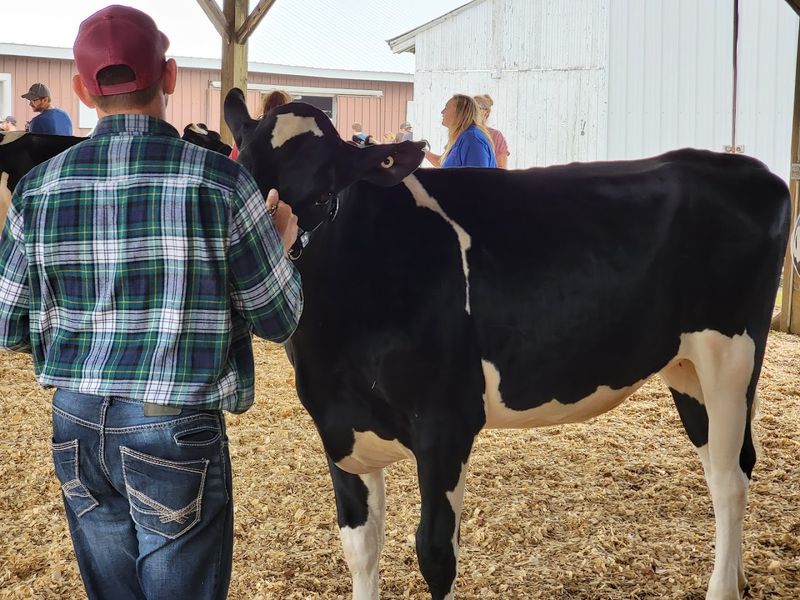
Livestock displays and judging bring together cattle, horses, sheep, pigs, and other animals with the steady rhythm of people who know the work behind clean stalls and brushed coats. You can feel the pride in the way youth exhibitors handle their animals, answer questions, and keep moving even when the August heat gets bossy.
The fair also highlights Upper Peninsula agriculture through displays tied to potato, beef, and dairy industries. Those are not random brochure topics, since they help visitors connect the food on the table with the farms, families, and long days behind it.
I left the barns with dusty shoes and a better sense of what the fair protects. Next, the cutest classroom on the grounds makes that lesson even more memorable.
The Miracle of Life Barn Earns Its Name Quietly
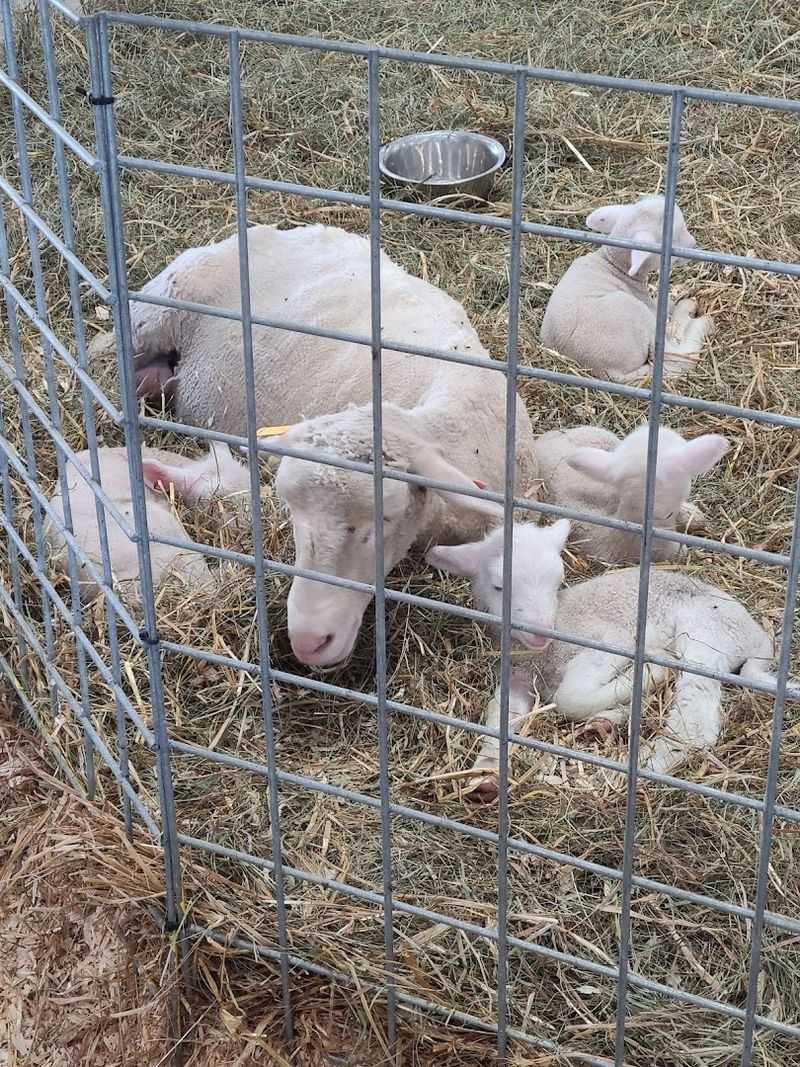
The Miracle of Life exhibit is one of those fair stops that pulls people in without needing a big sales pitch. A simple sign, a few curious kids, and suddenly everyone is speaking in softer voices.
This popular exhibit lets fairgoers learn about live births of calves, lambs, and piglets, along with the hatching of chicks, ducks, and quail. It is educational, yes, but it also feels personal because agriculture becomes immediate instead of abstract.
I appreciate how the exhibit helps connect visitors with their agricultural roots in a way that works for children and adults. Nobody needs a lecture when a tiny chick is doing the teaching with determined little steps.
It is also a good reminder to move patiently and respect staff instructions, since animal comfort comes first. After that tender stop, the fair changes gears fast, because the midway is usually busy trying to turn gravity into a group activity.
Carnival Lights, Ride Tickets, and Midway Strategy
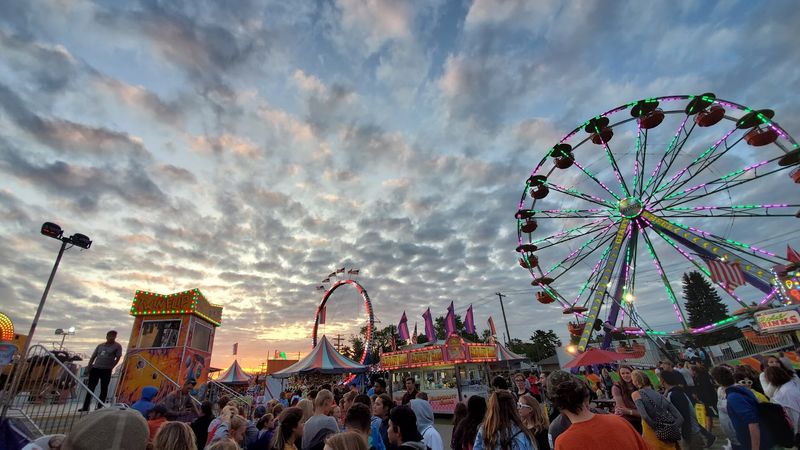
The midway brings the classic fair soundtrack: ride motors, game bells, happy shrieks, and someone negotiating with a giant stuffed prize like it is family business.
Rides and games are a major part of the fair experience, and families usually plan around ticket costs or wristband options when available. I like checking those details before arriving because it prevents the dreaded “how many tickets is that?” math contest beside the ride gate.
Skerbeck Entertainment has provided rides and games at the fair, and the lineup can appeal to little kids, teens, and adults pretending they are only riding to supervise. The Scrambler, spinning rides, and prize games tend to become instant memory makers.
A smart move is to balance ride time with barns, exhibits, and free entertainment so the budget does not gallop away. Save a little energy, because the grandstand can shift the evening into a completely different mood.
Grandstand Nights Bring the Big-Fair Feeling
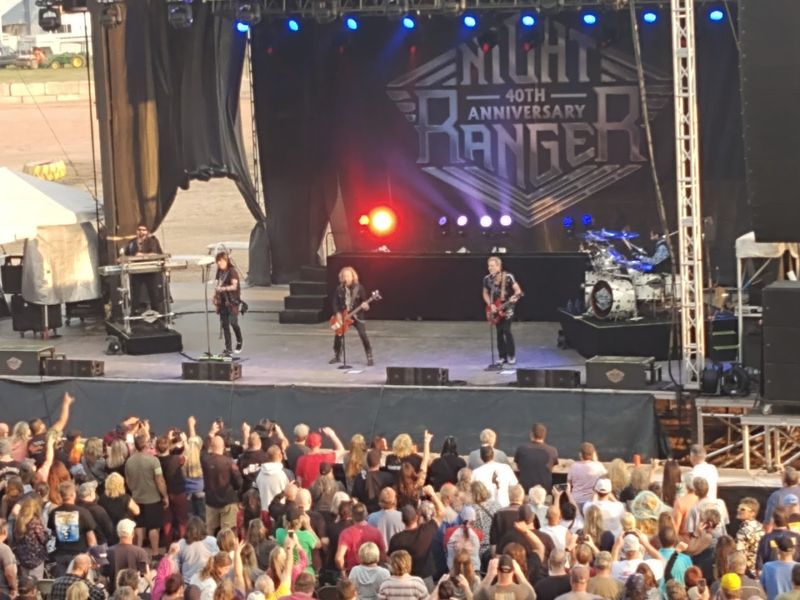
By evening, the grandstand gives the fair a bigger pulse, and I always like how the lights make the grounds feel freshly awake.
Grandstand shows feature national musical acts and other performances, with past lineups bringing well-known entertainers to Escanaba. The best part is how that big-stage energy still sits inside a fair where livestock barns and local exhibits are only a short walk away.
Depending on the year, entertainment can include concerts, motorsports-style events, wrestling, or special competitions. Schedules change, so I never assume anything until I read the official daily lineup.
Free entertainment often adds even more value around the grounds, with acts such as acrobat performances, a strolling piano, robotics displays, bingo, and sand sculpture work appearing in recent fair offerings. The trick is to leave gaps in your plan, because the unplanned act you stumble across may become the story you tell on the ride home.
Steam, Gas, and the Sound of Old Machines
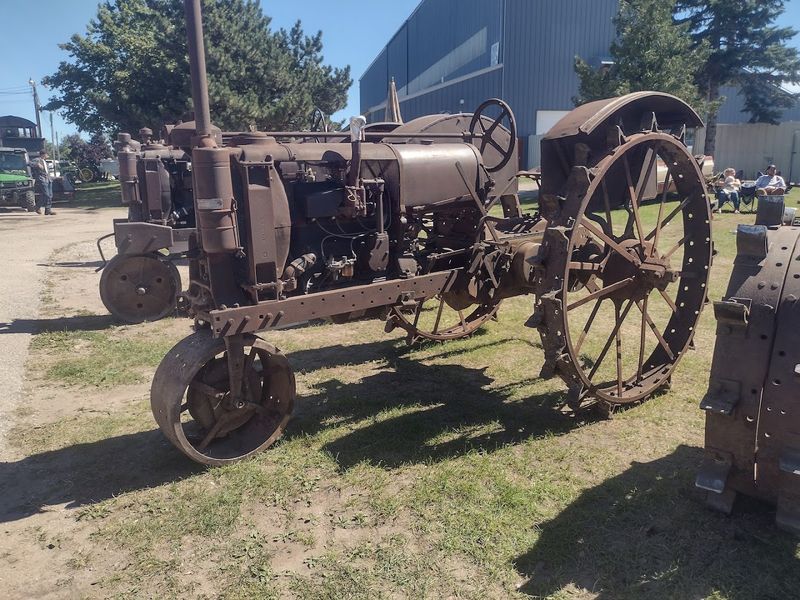
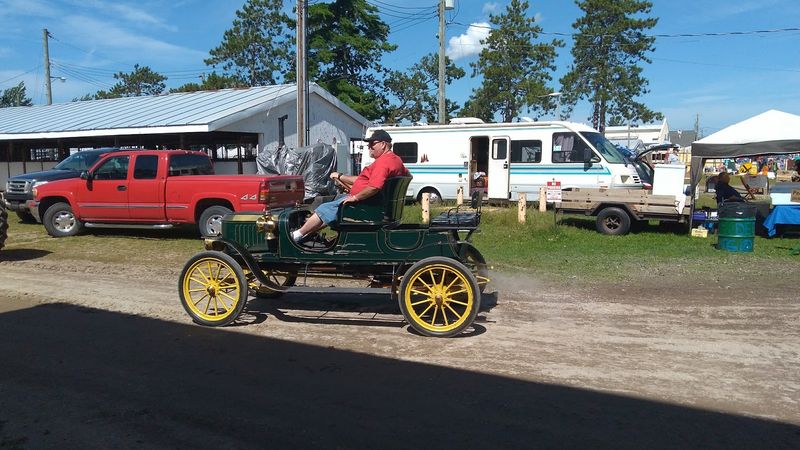
The Antique Steam and Gas Village adds a wonderfully hands-on layer to the fair, especially if old machinery makes you stop mid-sentence.
On the grounds, the U.P. Steam and Gas Engine Association Agricultural Museum helps preserve equipment, tools, and demonstrations tied to rural work.
During fair time, the village can include sawmill operation, weaving, woodworking, and other demonstrations that give the past a useful job to do.
I find this area especially good for slowing the pace after the midway. The rhythm of machines, the smell of sawdust, and the patience of demonstrators make it feel like a living workshop rather than a static display.
The museum is also noted as being open on Thursdays from May to August, which means the fairgrounds have agricultural life beyond one busy week. After the engines and tools, the next surprise is how much nature education fits inside the same property.
The DNR Pocket Park Gives Kids a Clever Detour
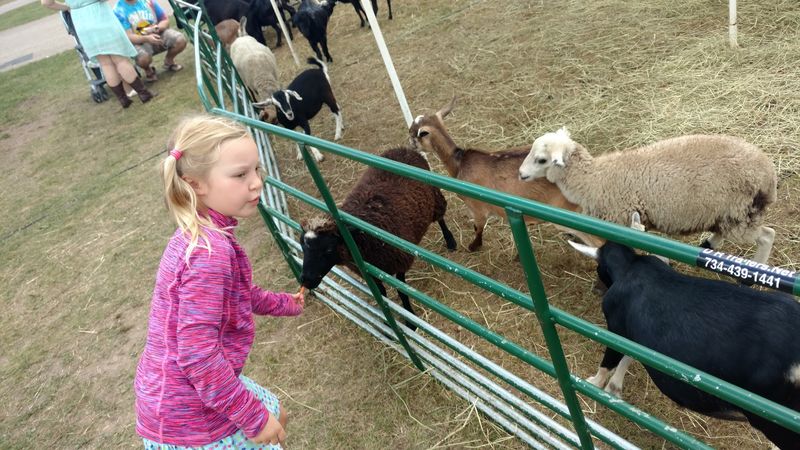
The DNR Pocket Park is the kind of stop I love because it gives kids something active that is not just another ride line.
At the fair, this area has offered a stocked pond where children can try fishing with help and basic supplies. It creates a quieter pocket of excitement, the kind where a child’s concentration can silence nearby carnival noise for a few seconds.
Educational outdoor activities like this fit naturally at a fair that already cares about agriculture, forestry, and land-based traditions. It is not hard to see why families appreciate a no-cost activity once admission is handled, especially during a day when snacks and rides can add up.
I would build this into the afternoon, when everyone needs a reset but nobody wants to leave the grounds. The fair is good at those little breathers, and another one appears in its growing focus on accessibility.
Sensory Day Shows Thoughtful Fair Planning
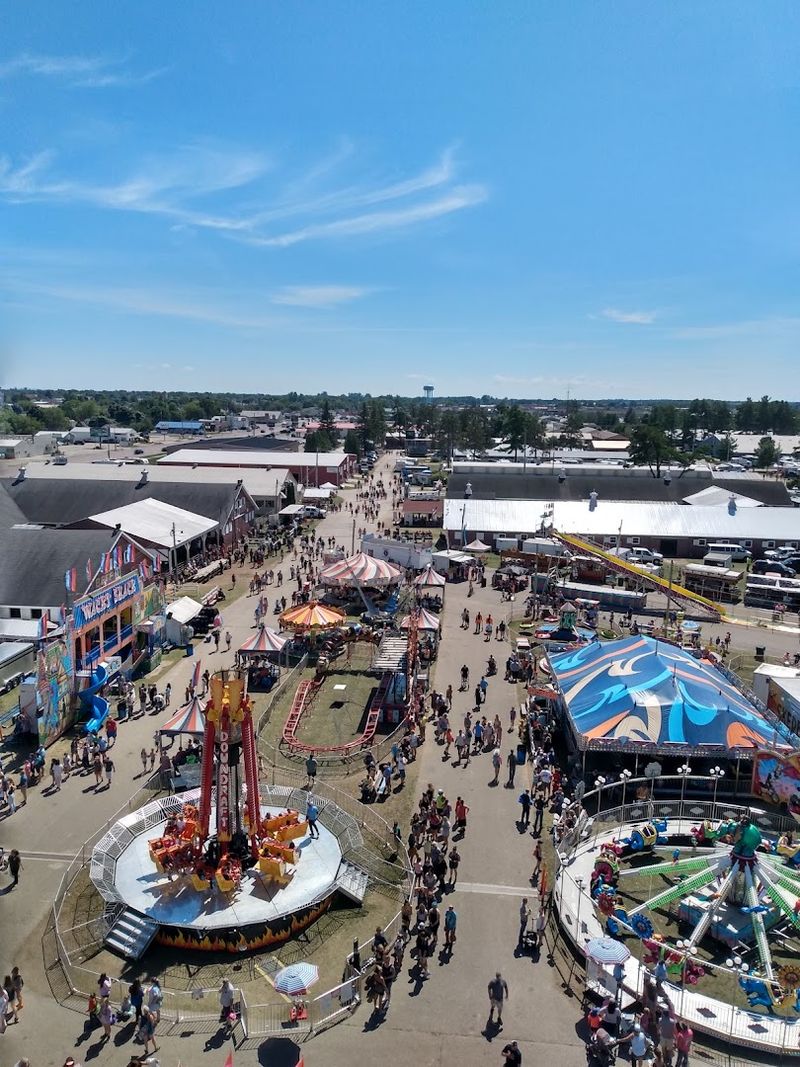
A busy fair can be a lot, even for people who love every bell, light, tractor, and funnel cake scent competing for attention.
That is why the fair’s Sensory Day stands out to me as a thoughtful detail. The event is designed to provide a more accessible experience with limited lights and sounds, making the fair easier for guests who benefit from a calmer environment.
It is a practical reminder that tradition works best when more people can take part. A fair with deep roots should still keep adjusting its gates, schedules, and rhythms so families can find a comfortable way in.
If sensory considerations matter for your group, confirm the specific date, hours, and participating attractions before you go. Small planning choices can turn the day from overwhelming to manageable, which leaves more room for the vendor rows and local creativity waiting just around the bend.
Vendors, Fair Food, and the Art of Pacing Yourself
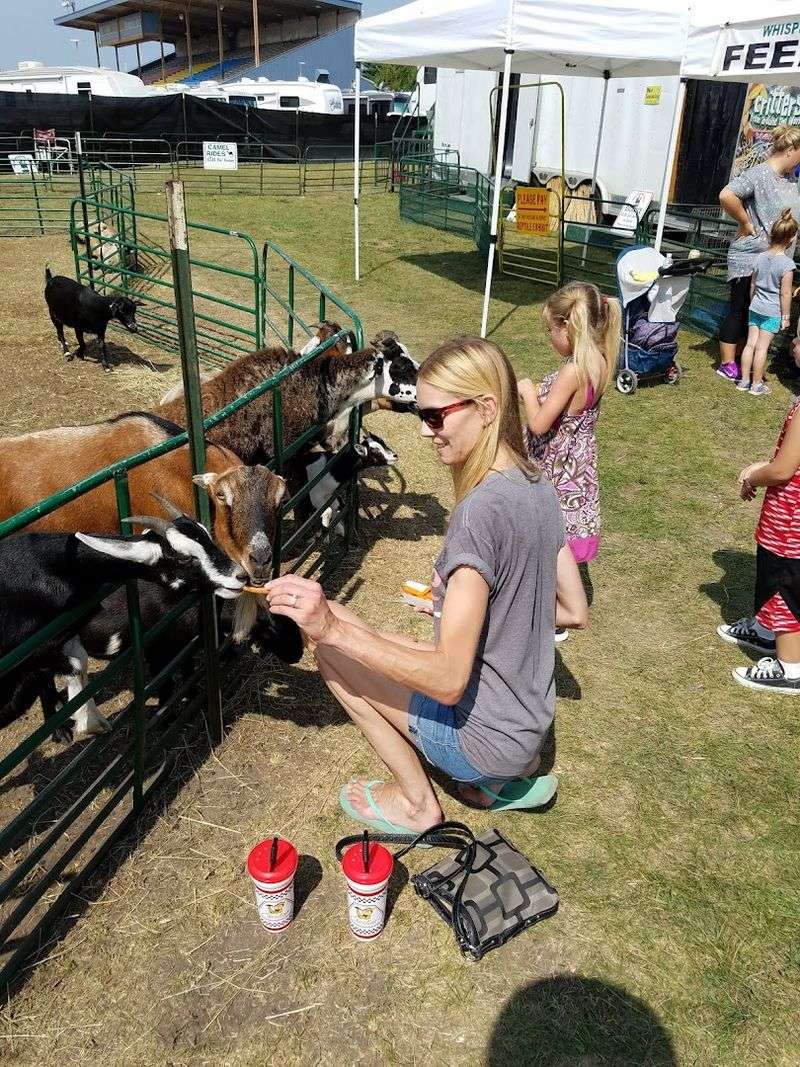
Fair food has a way of making sensible people discuss kettle corn like it is a strategic investment, and I respect that completely.
The fair offers plenty of food choices, along with vendors selling crafts, goods, and practical finds. Prices can vary, so I like walking a full loop before committing, partly for budgeting and partly because the best choice is often hiding three stands later.
You may find classic lemonade, sweet snacks, savory fair meals, and locally flavored options that reflect the region’s tastes. The vendor rows also add a shopping element, with handmade items, fair souvenirs, and friendly conversations that can stretch longer than planned.
My advice is simple: eat before you are starving, bring patience, and keep a little room in both your schedule and your tote bag. Once you have refueled, the wider community feeling becomes even easier to notice.
A Whole Upper Peninsula Reunion in One Place
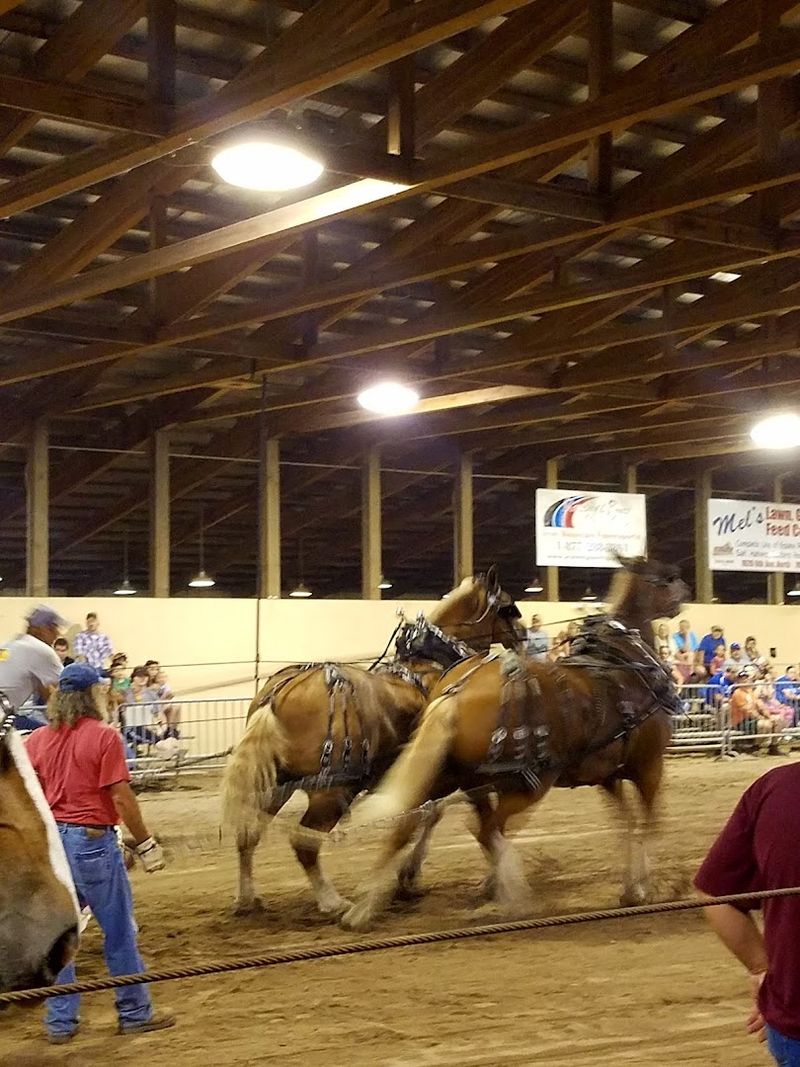
The fair’s small-town charm does not mean small attendance, because this event can draw more than 80,000 visitors and sometimes approaches nearly 100,000.
What makes that crowd pleasant is the way it still feels stitched together by county pride, youth projects, family routines, and annual meetups. I heard the kind of friendly chatter that makes you wonder if everyone brought a cousin, a neighbor, and at least one person who knows the livestock schedule by heart.
The Upper Peninsula State Fair Authority’s regional governance helps explain that broad ownership. With representation tied to all 15 U.P. counties and the Hannahville Indian Community, the fair feels like a shared tradition rather than a borrowed event.
That shared spirit shows up in the barns, grandstand seats, vendor booths, and shaded benches where people pause between plans. Before you leave, though, there are a few practical tips that can keep the day cheerful instead of complicated.
Smart Tips for a Smooth Fair Day and a Sweet Sendoff
A successful fair day starts before the first ticket booth, especially at a popular event with parking, crowds, weather, and hungry people all involved.
I check the official schedule, confirm hours, and pick two or three must-do stops instead of trying to conquer every acre. Comfortable shoes are not optional, and a light layer can help once the August evening cools in Escanaba.
Parking manners matter too, because nobody wants their fair finale delayed by a trapped vehicle. Bring a practical budget for admission, rides, games, and food, then mix paid fun with barns, exhibits, and free entertainment.
The fairgrounds also host other events during the year, including craft shows, racing events, and agricultural shows, but August is when the place truly shows its personality. I left with dusty shoes, a full camera roll, and the feeling that this U.P. tradition knows exactly why people keep coming back.
Share this story