Famous landmarks have a funny habit of becoming more familiar as logos, movie backdrops, screensavers, and schoolbook illustrations than as real places with complicated histories. By the time a traveler arrives with a camera, the story may already be crowded with space myths, postcard shortcuts, Victorian assumptions, Cold War slogans, and pop culture edits that have been repeated for decades.
That is what makes these places worth a second look: the truth usually says more about the people who built, repaired, marketed, argued over, or misunderstood them than the souvenir version ever could. This tour moves through ancient engineering, 19th-century spectacle, imperial ambition, modern tourism, and national memory to sort out what visitors think they know from what the historical record actually shows.
1. The Great Wall of China
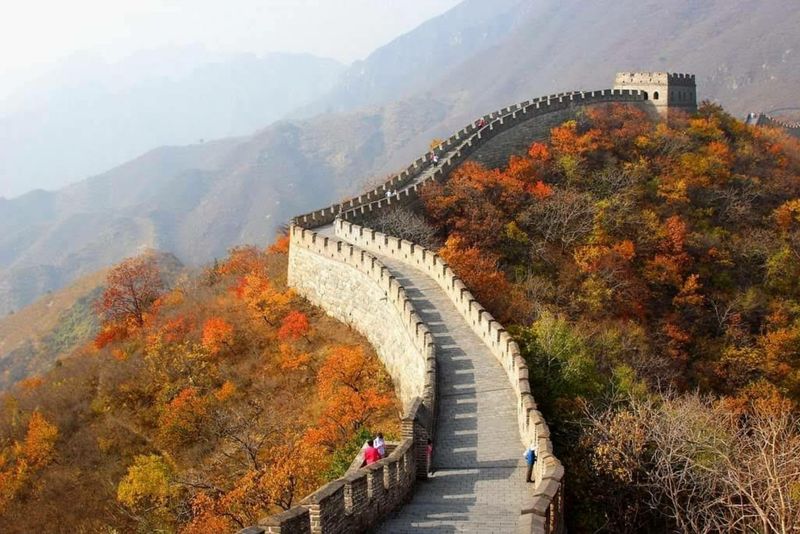
The space myth has probably traveled farther than the wall itself. Tourists often arrive believing the Great Wall is the one human-made structure visible to astronauts with the naked eye, a claim repeated in classrooms, trivia books, and television segments for generations.
In reality, its width is modest compared with highways, rivers, and city grids, and its materials often match the surrounding mountains. Astronauts have repeatedly explained that it is difficult to pick out without optical aid, especially from low Earth orbit, where weather, light, and angle matter.
The misunderstanding also flattens the wall’s real story. It is not one continuous ribbon built at one moment, but a network expanded, rebuilt, and maintained across dynasties, especially under the Ming from the 14th to 17th centuries.
Its fame should rest on logistics, labor organization, frontier policy, and regional variation, not a cosmic sightseeing claim that refuses to retire.
2. The Eiffel Tower (Paris, France)
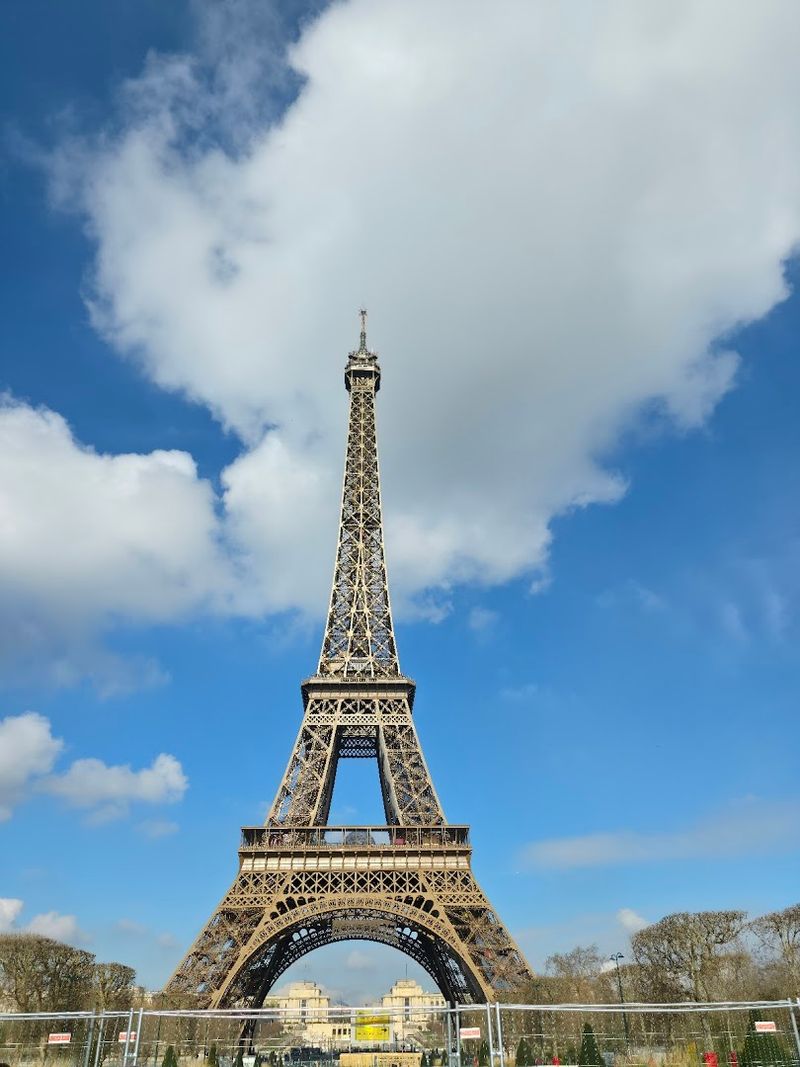
Paris did not roll out a welcome carpet for its iron celebrity. When the Eiffel Tower rose for the 1889 Exposition Universelle, many writers, artists, and architects treated it less as a triumph than as a metallic interruption in a city proud of stone boulevards and classical balance.
A famous protest letter called it useless and monstrous, and plenty of critics assumed it would be temporary. That part was reasonable, since the original permit allowed the tower to stand for only twenty years before removal became possible.
Gustave Eiffel helped save it by promoting its scientific value. The tower became useful for meteorology, experiments, and especially wireless telegraphy, which made dismantling it seem foolish by the early 20th century.
Tourists now treat affection for it as inevitable, but its popularity was earned through function, publicity, and time. The landmark began as a contested exhibition structure, not the universally adored symbol printed on tote bags today.
3. The Colosseum (Rome, Italy)
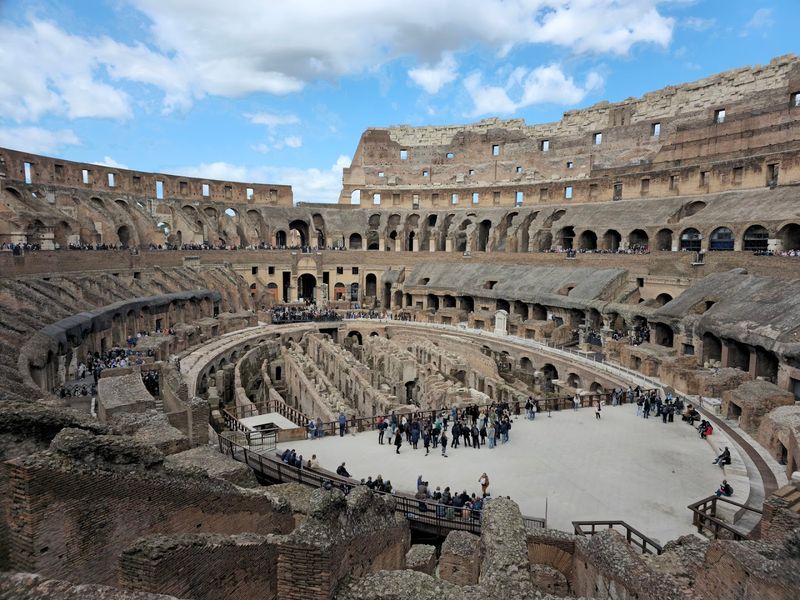
Hollywood has given gladiator combat a terrible attendance policy. Many visitors imagine every contest in the Colosseum ended with one fighter permanently removed from the roster, but the economics of the arena tell a more practical story.
Gladiators required housing, food, medical care, specialized training, and promotion. Owners had financial reasons to protect them, and popular fighters could become valuable public personalities with recognizable names and records.
Matches could be dangerous, and some did end severely, but routine elimination was not the default. Evidence from inscriptions and scholarship suggests many bouts were regulated, judged, and shaped by status, skill, and crowd response.
The Colosseum itself, opened under the Flavian emperors in the first century, hosted varied spectacles, not one simple script. Treating it as a permanent death machine misses how Roman entertainment combined sport, hierarchy, public generosity, engineering, and imperial messaging in carefully managed events meant to display order as much as danger.
4. The Pyramids of Giza (Egypt)
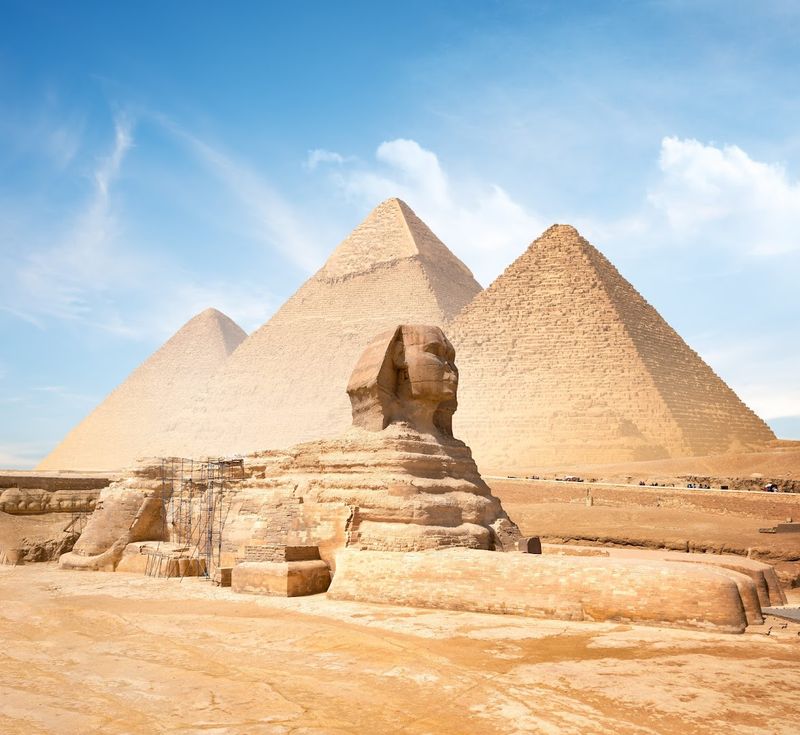
The old slave-labor story belongs more to movie tradition than archaeology. For a long time, popular culture pictured the Pyramids of Giza as monuments dragged into place by anonymous captives, mostly because that version looked dramatic on screen and fit older assumptions about ancient power.
Excavations near the plateau have changed the conversation. Archaeologists uncovered workers’ settlements, bakeries, barracks, cemeteries, and evidence of organized food supply, suggesting skilled laborers worked in teams supported by the state.
These workers were not modern employees with office perks, but the evidence points to labor obligations, craft expertise, administration, and compensation in rations rather than mass enslavement. Their graves near the pyramids indicate status and recognition within the project.
The real achievement is more impressive than the myth. Planning, quarrying, transport, surveying, and feeding a rotating workforce required a sophisticated society capable of coordinating resources on an extraordinary scale around 4,500 years ago.
5. Mount Rushmore (USA)
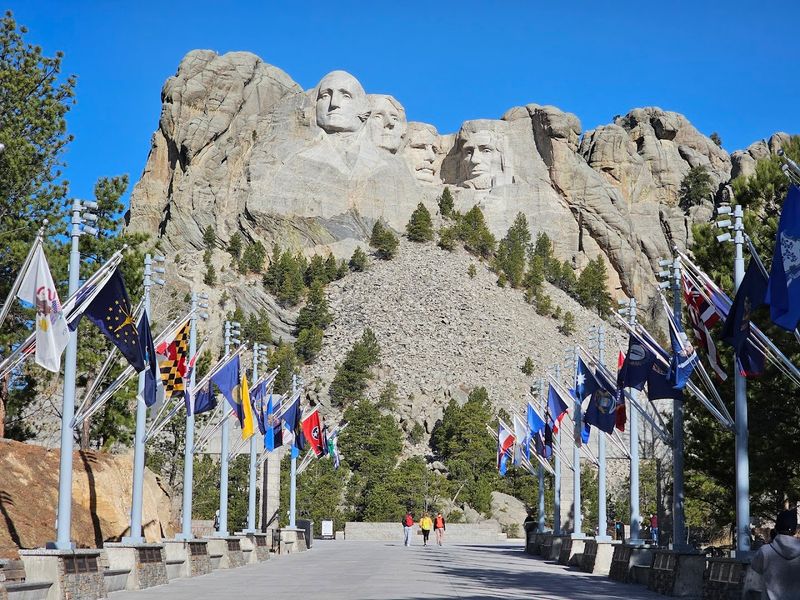
A giant granite postcard can hide a crowded argument. Mount Rushmore is often presented as straightforward patriotic scenery, but the Black Hills carry a much longer and more contested history than the visitor center snapshot suggests.
The land is sacred to Lakota people, and treaty history remains central to understanding the site. The 1868 Fort Laramie Treaty recognized the Black Hills as part of the Great Sioux Reservation, while later federal actions opened the area to settlement and mining.
The sculpture itself began in the 1920s as a tourism idea promoted by South Dakota historian Doane Robinson. Sculptor Gutzon Borglum shifted the concept toward presidents, turning a regional attraction into a national monument.
That shift did not erase the site’s earlier meanings or ongoing disputes. Tourists who see only presidents miss how the landmark combines boosterism, federal power, Native history, 20th-century road-trip culture, and questions about who gets to define public memory.
6. The Leaning Tower of Pisa (Italy)
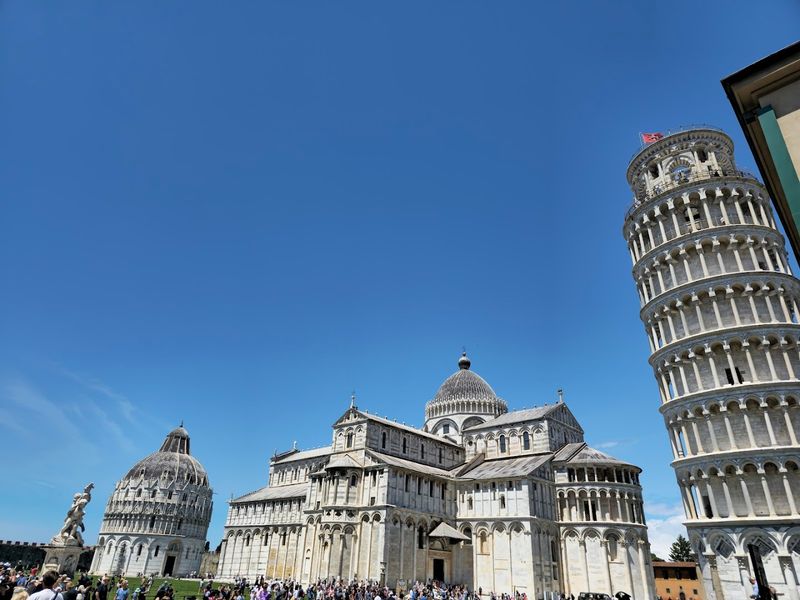
The tilt was not a medieval design flourish with excellent branding instincts. The Leaning Tower of Pisa began in 1173 as a freestanding bell tower for the cathedral, and its famous angle appeared because builders underestimated the soft ground beneath it.
Construction paused for long periods, partly because of regional conflicts, and those pauses accidentally helped the soil settle. Later builders tried to compensate by making upper stories slightly taller on one side, which only made the structure more curious.
Tourists also often treat the tower as a lonely celebrity. It is one part of the Piazza dei Miracoli, a complex that includes the cathedral, baptistery, and cemetery, all tied to Pisa’s medieval wealth and maritime influence.
Modern engineers stabilized the tower between the late 20th and early 21st centuries, reducing the tilt enough to keep it safe. Its appeal is an engineering mistake carefully managed, not an intentional gag preserved for vacation photos.
7. Stonehenge (England)
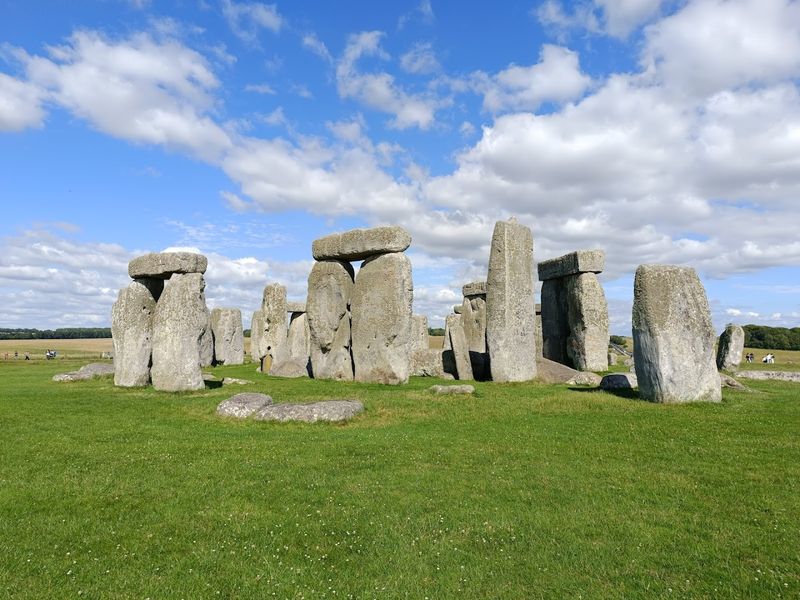
Ancient does not always mean untouched, and Stonehenge proves the point neatly. Visitors often imagine the stones have stood exactly as found for thousands of years, preserved in pure prehistoric arrangement on Salisbury Plain.
The monument is genuinely ancient, with construction phases spanning roughly 3000 to 1500 BCE, but its modern presentation includes restoration. During the 20th century, several stones were straightened, re-erected, or set in concrete as preservation standards and public expectations changed.
Another popular mistake gives the Druids credit for building it. Archaeological dating shows Stonehenge predates the historically documented Druids by many centuries, even though later groups have associated themselves with the site.
None of that makes Stonehenge fake. It makes it a landmark shaped by prehistory, antiquarian curiosity, government guardianship, traffic planning, and heritage management.
The stones still raise serious questions about ceremony, astronomy, labor, and movement across Neolithic Britain, but the version visitors see also reflects 20th-century decisions about how ancient places should be protected.
8. The Statue of Liberty (USA)
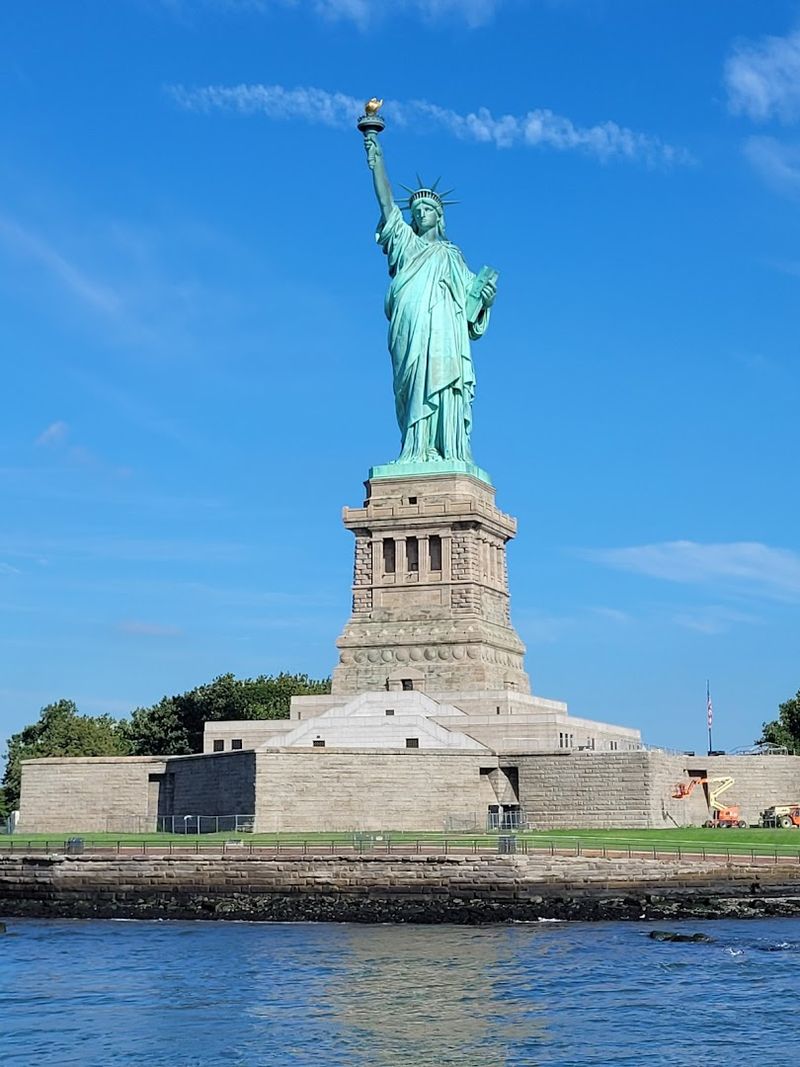
She is not simply America waving at itself. The Statue of Liberty was a French gift, formally titled Liberty Enlightening the World, and its meaning grew from 19th-century ideas about republican friendship, abolition, and international symbolism.
French sculptor Frédéric Auguste Bartholdi designed the statue, while Gustave Eiffel’s engineering firm contributed the internal iron framework. The statue was dedicated in 1886, with fundraising on both sides of the Atlantic shaping its pedestal and public reception.
Its association with immigration became especially powerful later. Emma Lazarus’s poem The New Colossus was written for a fundraiser in 1883, but the plaque was installed in 1903, after the nearby processing station at Ellis Island had transformed the harbor’s meaning for millions.
Tourists often compress all of that into independence alone. The statue is better understood as a layered object: French diplomacy, American fundraising, engineering innovation, emancipation symbolism, immigration memory, and a national identity that kept changing after the dedication ceremony.
9. Machu Picchu (Peru)
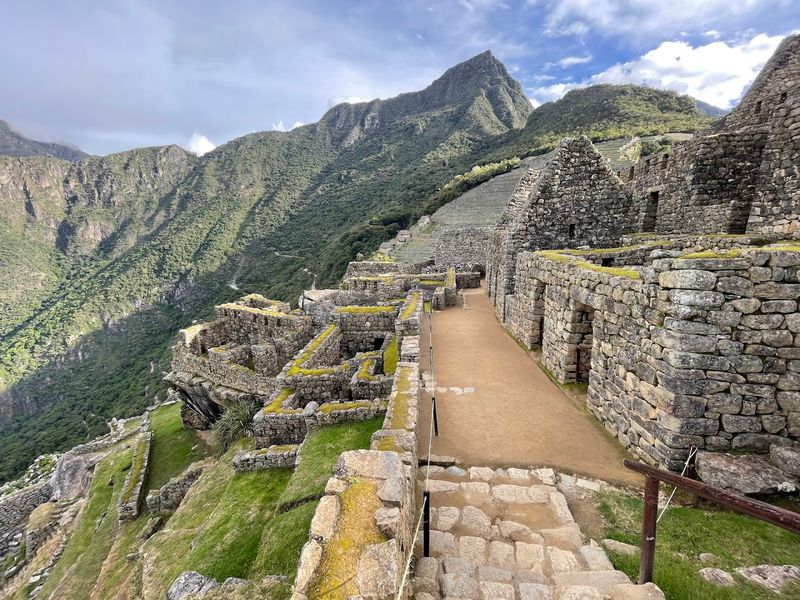
The phrase “lost city” did excellent marketing work, but it oversold the mystery. Machu Picchu was introduced to a wide international audience after Hiram Bingham’s 1911 expedition, yet local people knew of the site before his arrival.
Bingham believed he may have found Vilcabamba, the last Inca stronghold, but later scholarship points elsewhere for that title. Machu Picchu is now generally understood as a 15th-century royal estate associated with the Inca ruler Pachacuti.
Its terraces, temples, residences, and water systems show careful planning suited to a mountain setting. The site was not a huge urban capital, and it was not sitting outside human memory until an explorer dramatically restored it to the world.
The misunderstanding reflects how exploration stories once centered outsiders as discoverers. A better view recognizes Andean knowledge, local guides, Inca engineering, and archaeology’s evolving interpretations.
Machu Picchu’s significance grows when the “lost” label gives way to evidence, context, and respect.
10. The Taj Mahal (India)
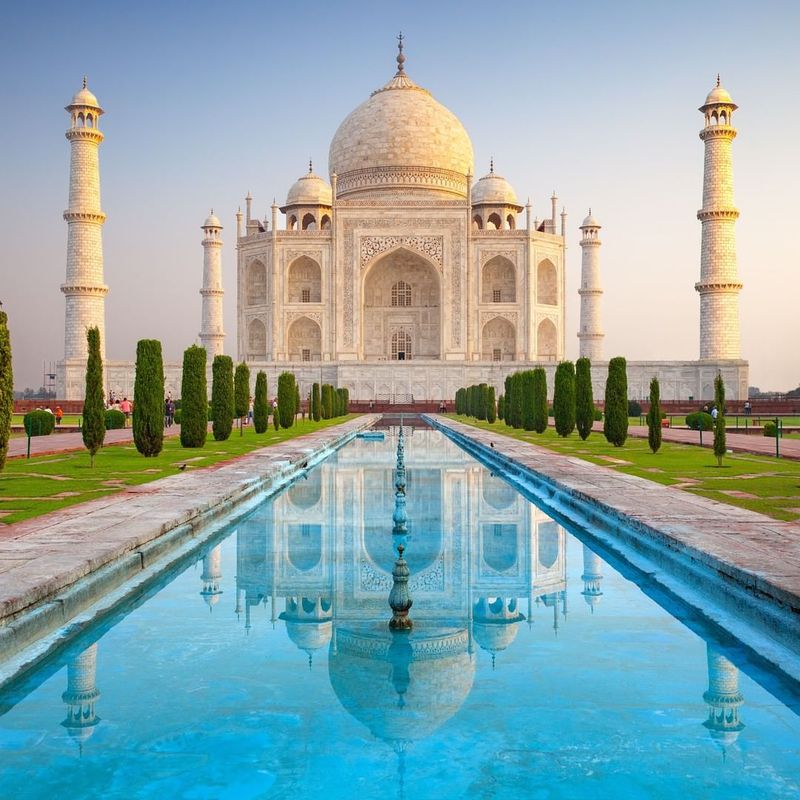
Calling it a palace is one of tourism’s most persistent shortcuts. The Taj Mahal looks royal because it was built by Mughal emperor Shah Jahan, but its purpose was funerary, not residential.
Construction began in 1632 after the passing of Mumtaz Mahal, Shah Jahan’s favored wife, and the complex developed over more than two decades. The central white marble building is a mausoleum, set within a planned garden, mosque, guesthouse, gateways, and riverfront setting.
The palace confusion probably survives because the scale is so grand. Mughal architecture used symmetry, inscriptions, pietra dura inlay, and carefully organized space to express imperial authority and devotion together.
There is also the popular “Black Taj” story, which claims Shah Jahan planned a matching dark marble tomb across the river. Historians treat that legend cautiously, since firm evidence is lacking.
The real monument needs no bonus myth. Its historical power lies in dynastic ambition, craftsmanship, grief, empire, and a very public statement of memory.
11. The Berlin Wall (Germany)
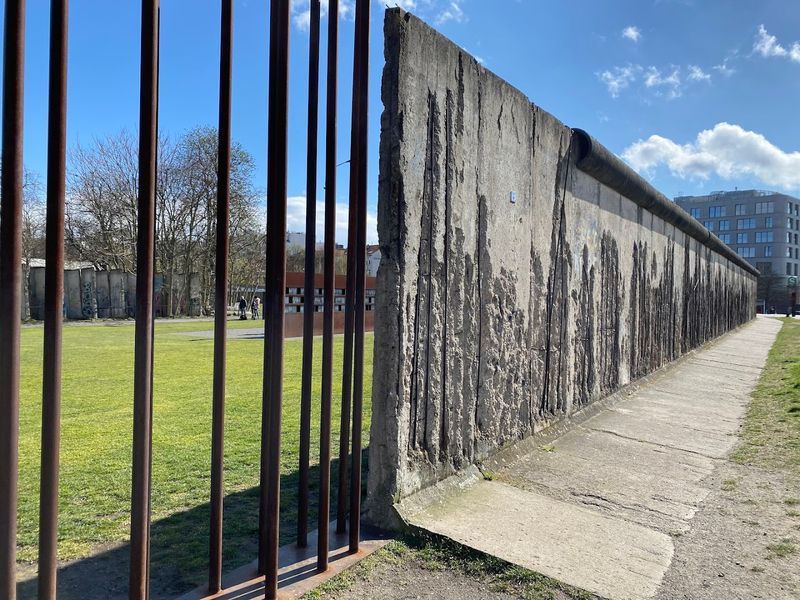
The wall’s direction of control is the part many summaries get backward. Tourists sometimes describe the Berlin Wall as a barrier built to keep outsiders from entering East Berlin, but its primary purpose was to stop East Germans from leaving for the West.
After World War II, Berlin sat divided within Soviet-controlled East Germany. By 1961, large numbers of East Germans had used the city as an exit route, creating pressure that East German authorities answered with barriers, patrol zones, and restricted crossings.
The structure changed over time from quick fencing into a heavily controlled border system. It divided neighborhoods, transit lines, workplaces, and family routines, making the Cold War a daily administrative reality rather than an abstract geopolitical slogan.
Its opening in 1989 became a defining moment because it reversed decades of enforced separation. Understanding why it was built clarifies why its removal mattered so deeply.
The landmark is not just concrete. It is policy made visible.
12. Petra (Jordan)
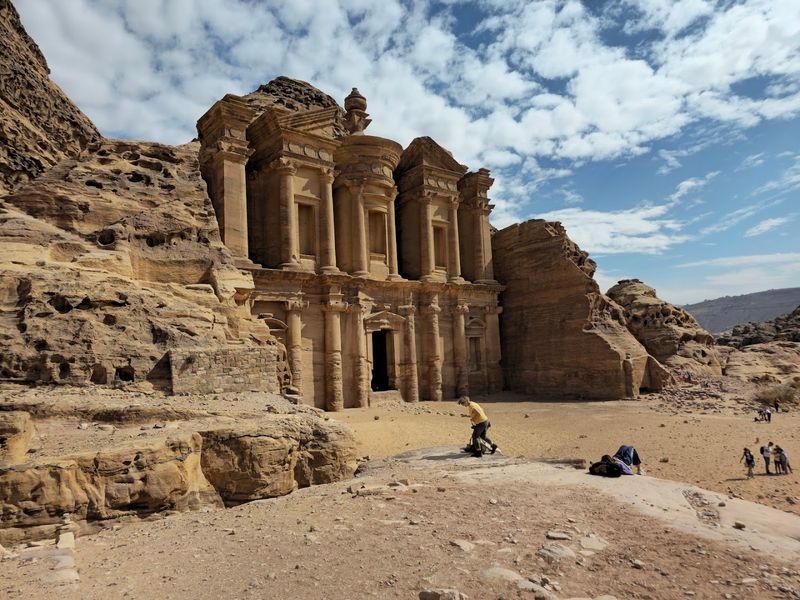
One famous doorway has been doing the work of an entire city. Many visitors know Petra through the Treasury, helped along by travel posters and adventure films, then assume the carved facade is the main event and nearly the whole story.
Petra was far larger and more complex. As a major Nabataean center, it flourished through trade networks linking Arabia, the Mediterranean, and the wider ancient Near East, especially from the late centuries BCE into the early centuries CE.
The site includes tombs, temples, water channels, cisterns, houses, stairs, high places, and later Roman-period additions. Nabataean engineering managed scarce water with remarkable planning, which helped support urban life in a challenging environment.
The Treasury is impressive, but it is not a standalone monument dropped into a canyon for dramatic effect. It is one architectural piece within a broad archaeological landscape.
Tourists who walk farther meet a city shaped by commerce, diplomacy, religion, engineering, and centuries of adaptation.
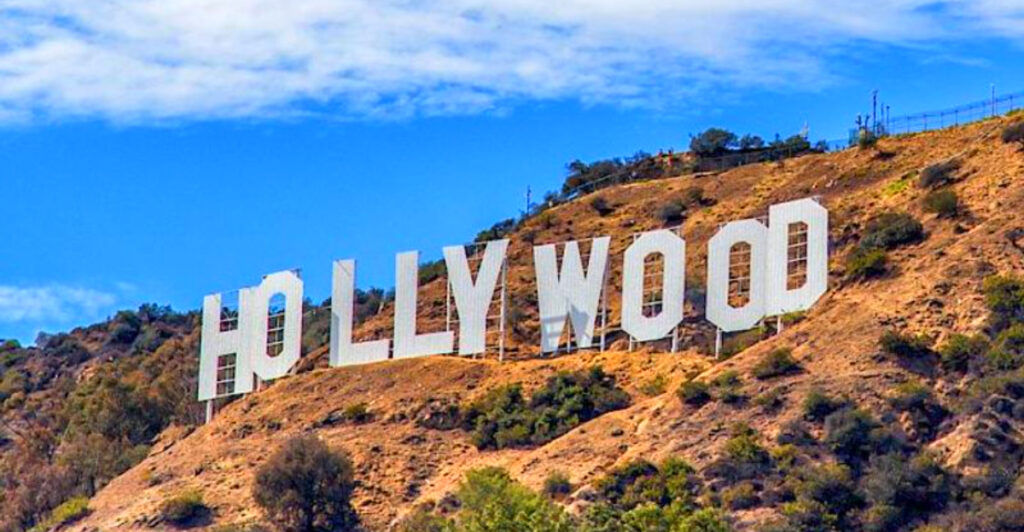
13. The Hollywood Sign (USA)
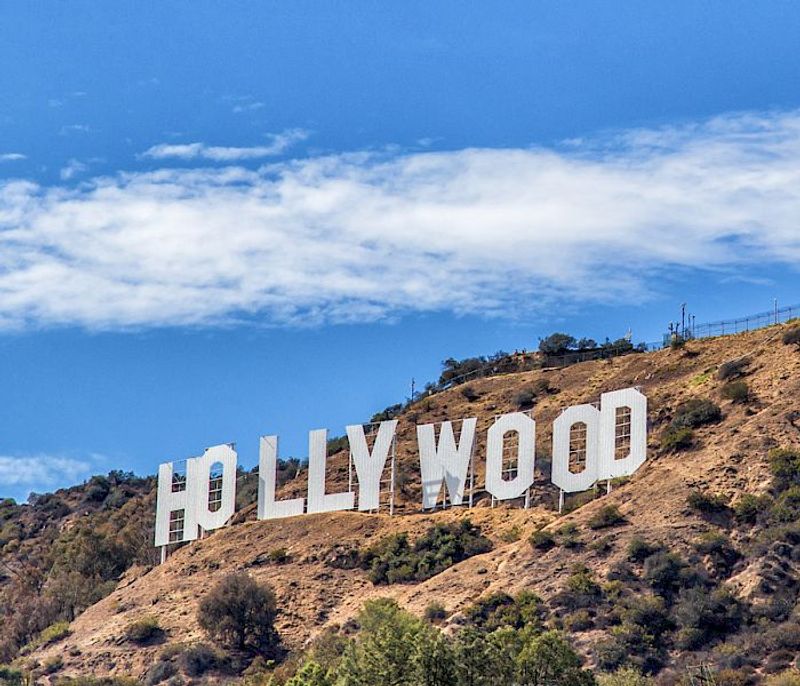
The world’s most famous show-business letters began as a housing pitch. Tourists often treat the Hollywood Sign as if it were created to honor the film industry, but the original 1923 sign read “Hollywoodland” and advertised a real estate development in the hills.
Each letter was enormous, temporary, and meant to sell a lifestyle to prospective buyers during Los Angeles’s rapid expansion. The movie industry was already growing nearby, but the sign’s first job was property promotion, not cinematic symbolism.
Over time, the “land” portion was removed, and the remaining word became attached to studio culture, celebrity journalism, and global entertainment branding. By the late 20th century, the sign needed major restoration, and public campaigns helped preserve it.
That transformation is pure Los Angeles history: advertising becomes landmark, landmark becomes identity, identity becomes merchandise. The sign did not start as Hollywood’s crown.
It became one because the city learned how to turn a sales display into cultural shorthand.
14. The Acropolis (Athens, Greece)
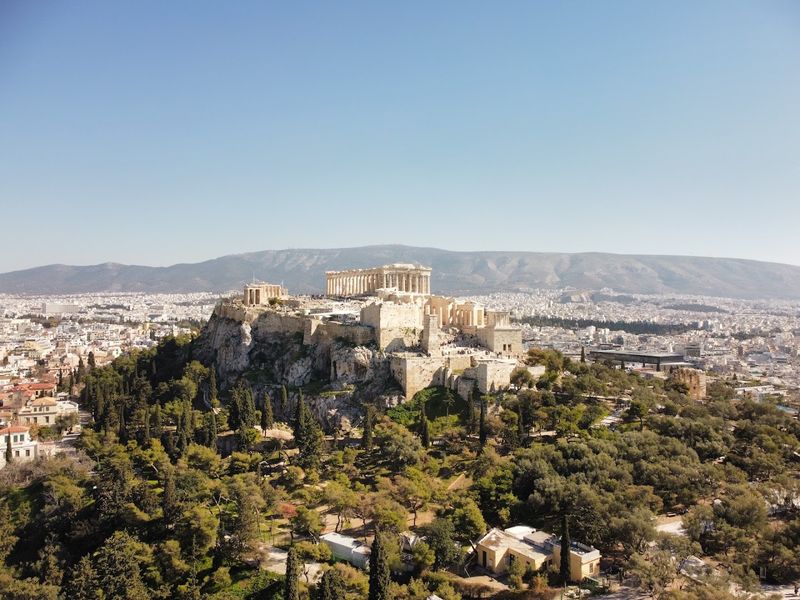
Many visitors point to the hill and accidentally rename the Parthenon. The Acropolis is not a single building, but a fortified high site containing multiple ancient structures, with the Parthenon only the most famous member of the group.
The word acropolis refers to a high city or upper city, and Athens’ version became a major religious and civic center. The 5th century BCE building program under Pericles reshaped the site after earlier damage, producing monuments tied to Athenian power, worship, and public identity.
Alongside the Parthenon are the Propylaea, the Erechtheion, the Temple of Athena Nike, and other remains. Each had different functions, designs, and political meanings within the sacred precinct.
The confusion is understandable because the Parthenon dominates photographs and schoolbook summaries. Still, reducing the Acropolis to one temple erases how Athenians organized architecture into a public statement.
The hill is a complex, a memory project, and an archaeological record in stone.
Share this story