Power usually gets packaged as destiny, strategy, and iron ambition, but history keeps receipts showing how often the top job arrived through accidents of timing. Across monarchies, republics, empires, and religious institutions, the person who took command was sometimes the spare sibling, the quiet deputy, the overlooked reformer, or the compromise candidate nobody expected to dominate the next chapter.
From the 18th-century court system to the televised Cold War and the constitutional fixes of the 1970s, these moments reveal how fragile succession plans can be when personalities, scandals, resignations, and sudden vacancies collide. Keep reading and you will see how a few unlikely promotions reshaped wars, laws, empires, and popular memory, often because the official backup plan suddenly became the main event.
1. Harry S. Truman
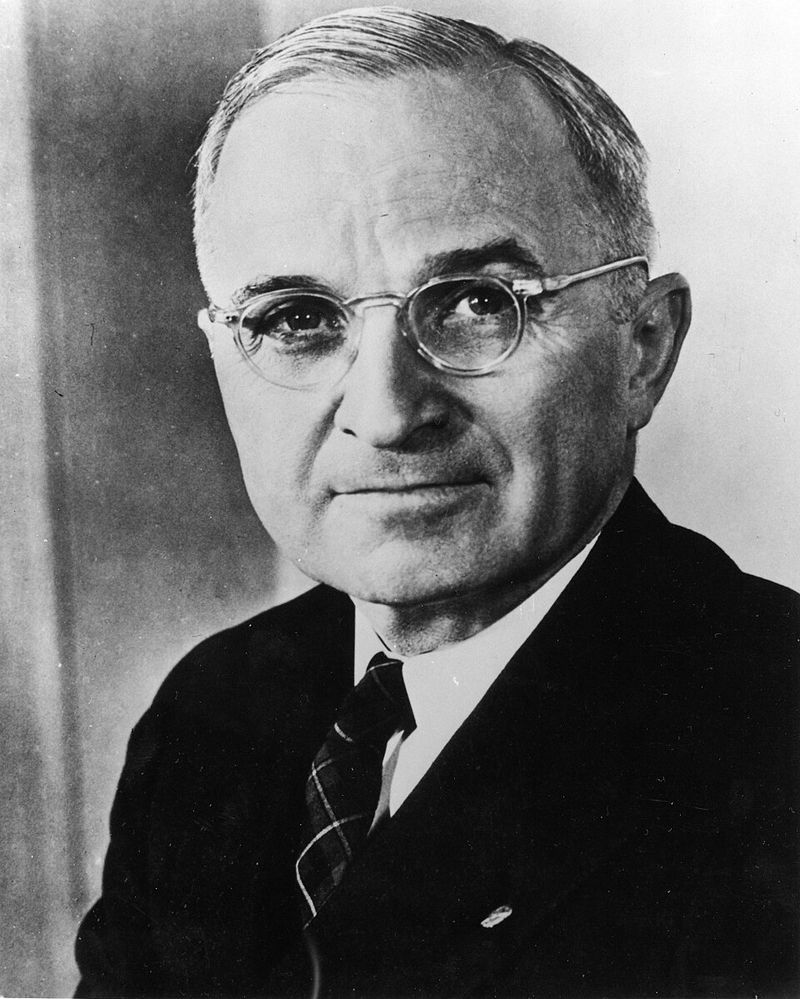
The man handed the final months of World War II had barely warmed his vice-presidential chair. Harry S.
Truman had served only 82 days when Franklin D. Roosevelt’s sudden passing in April 1945 made him president.
Truman entered office with a startling information gap. He knew little about the Manhattan Project, the secret scientific effort that had consumed vast funds and enormous administrative attention.
Secretary of War Henry Stimson briefed him that same day about an immense project with unbelievable destructive power. A fuller explanation came later in April, leaving Truman to absorb one of history’s heaviest decisions almost overnight.
Before becoming vice president, Truman had noticed mysterious wartime spending as a senator, but officials kept him away from classified details. His accidental elevation placed him at the center of victory in Europe, the Pacific endgame, and the opening architecture of the postwar world.
2. King George VI
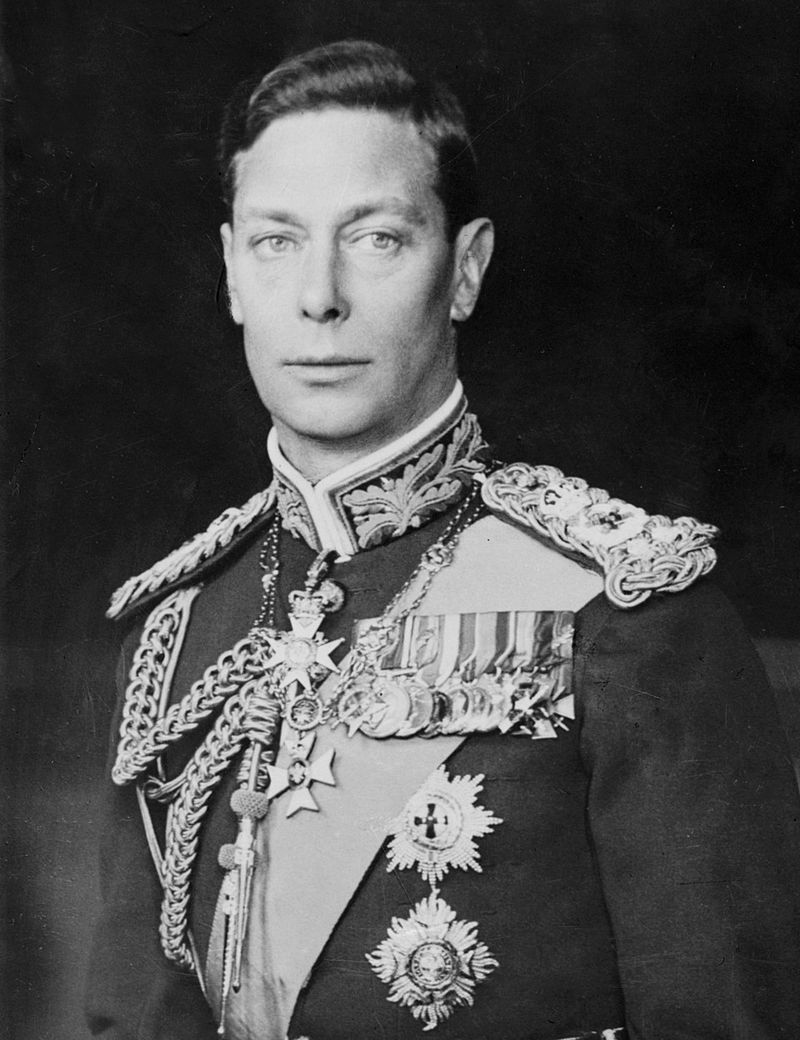
A shy second son became a wartime symbol because his glamorous brother chose romance over the crown. King George VI was still Albert, Duke of York, until Edward VIII abdicated on December 11, 1936.
The crisis centered on Edward’s plan to marry Wallis Simpson, an American socialite with two living former husbands. British constitutional expectations left little room for improvisation, so the throne moved sideways to a man who had not prepared for it.
George VI brought a reserved temperament and a well-known speech impediment to a role built around public performance. That made his rise feel less like triumph than duty arriving with paperwork.
During World War II, he and Queen Elizabeth stayed in London through bombing raids and visited damaged neighborhoods, factories, and troops. Those public choices helped turn an accidental king into a steady emblem of national endurance, despite his own reluctance.
3. Gerald Ford
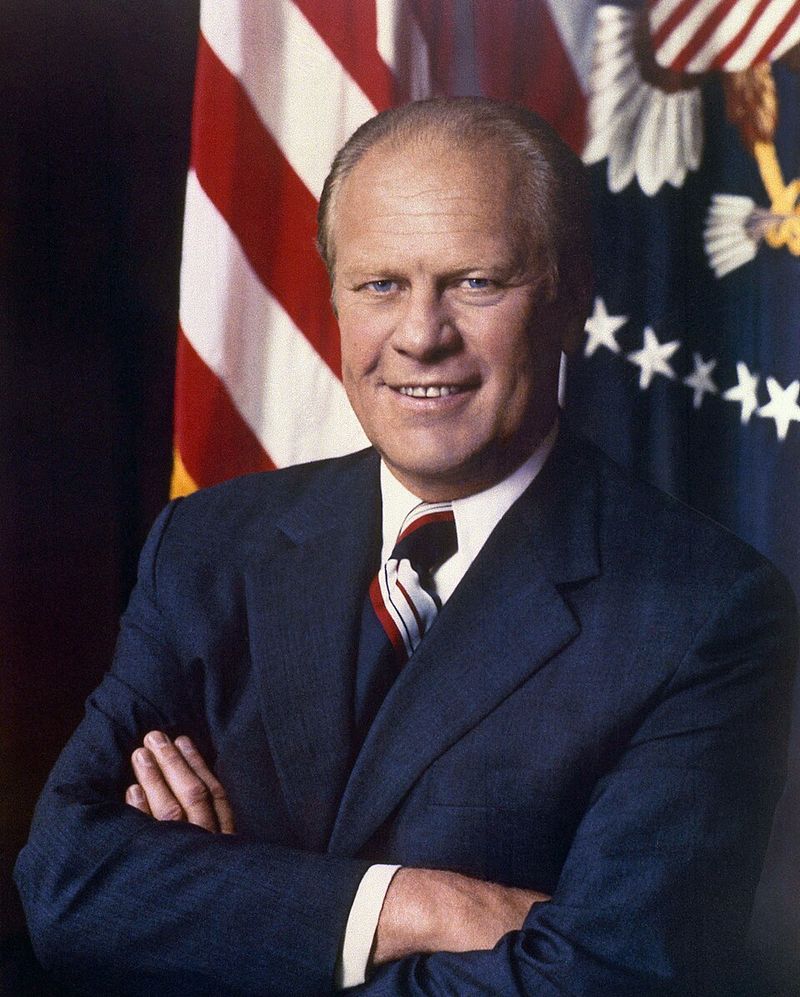
No American president reached the Oval Office by a more constitutional hopscotch route. Gerald Ford was not elected president or vice president, yet he ended up holding both offices in less than a year.
The chain began when Vice President Spiro Agnew resigned in October 1973 after a legal case tied to tax evasion. President Richard Nixon nominated Ford, the House Minority Leader, under the 25th Amendment.
Congress confirmed him, and Ford became vice president in December 1973. Then Watergate closed around Nixon, who resigned on August 9, 1974, moving Ford into the presidency automatically.
His rise gave the country a living demonstration of the succession system created after the Kennedy era. Ford’s plainspoken style helped calm Washington, though his pardon of Nixon quickly divided opinion and guaranteed that his accidental presidency would remain central to debates about accountability.
4. Andrew Johnson
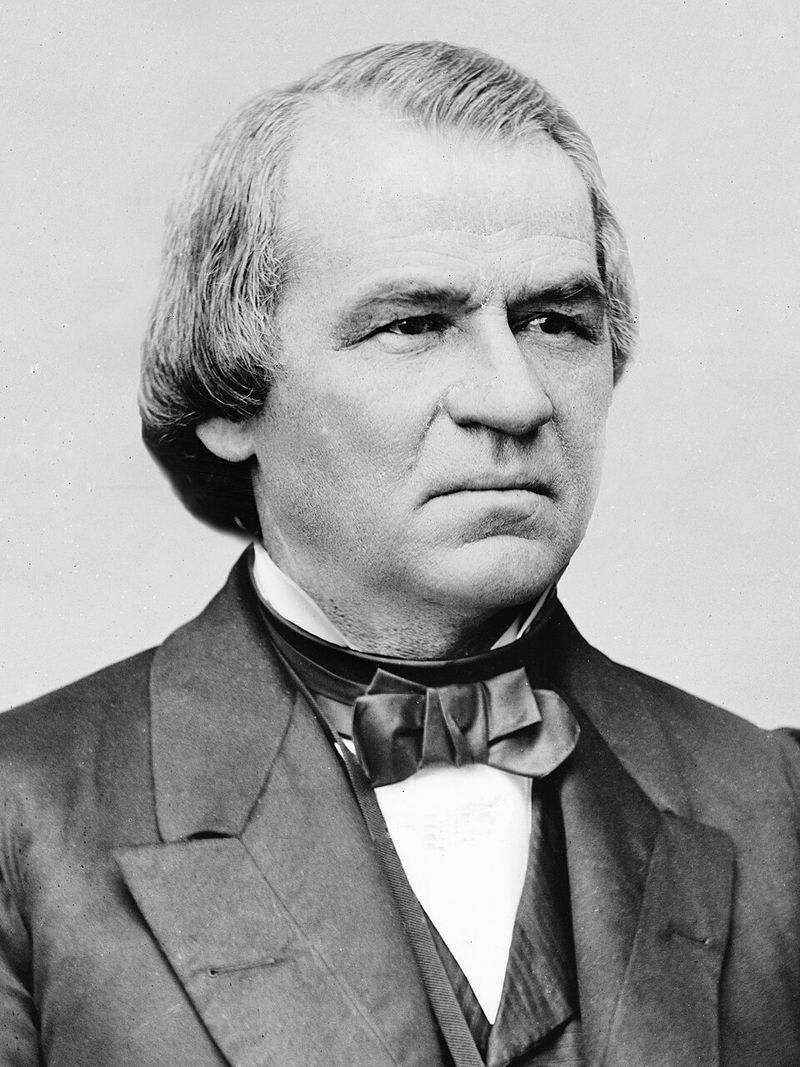
A tailor from Tennessee became president just as the country faced its most complicated reset. Andrew Johnson had been vice president only six weeks when Abraham Lincoln’s assassination in April 1865 elevated him.
Johnson’s background was unusual for the office. Born into poverty in Raleigh, North Carolina, he never attended school, apprenticed as a tailor at 14, and later built a business in Greeneville, Tennessee.
His wife, Eliza McCardle, helped improve his reading and writing. His political value in 1864 came from being a War Democrat on a unity ticket with Lincoln.
Once president, Johnson favored quick readmission for Southern states and broad pardons, setting him against a Republican-dominated Congress. Reconstruction became a constitutional wrestling match, and his impeachment in 1868 ended with acquittal by one vote, showing how a fluke succession could turn an already delicate national project into a showdown.
5. Queen Victoria
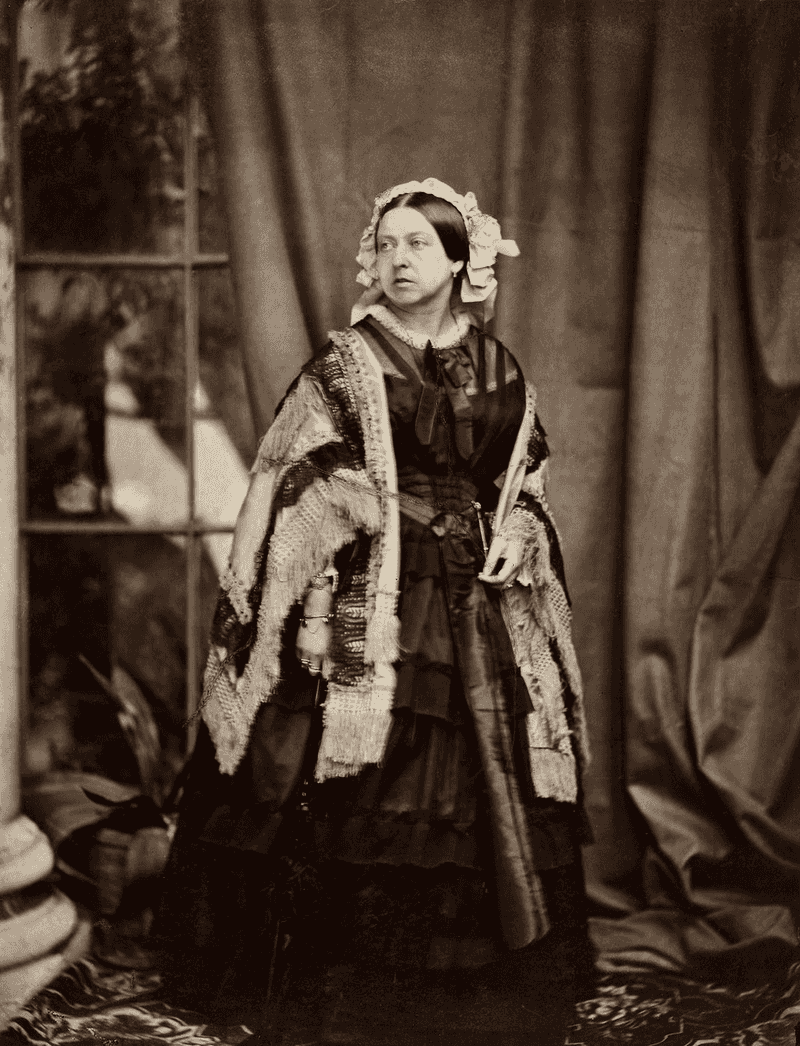
The teenager who gave her name to an age reached the throne through a family tree full of missing heirs. Queen Victoria became monarch on June 20, 1837, at 18.
Her father, Edward, Duke of Kent, had passed away shortly after her birth in 1820. Several older uncles, sons of George III, failed to leave surviving legitimate children, pushing Victoria steadily closer to the crown.
The succession scramble had intensified after Princess Charlotte’s passing in 1817. That event forced the royal family to confront the awkward mathematics of inheritance.
Victoria grew up under the restrictive Kensington System, designed by her mother and Sir John Conroy to keep her dependent. Once queen, she resisted that control and developed into a forceful constitutional monarch.
Her long reign overlapped with industrial expansion, empire, railways, photography, and mass politics, proving that an unwilling heir could become one of the most recognizable rulers in cultural memory.
6. Lyndon B. Johnson
A routine political trip to Texas turned into one of the strangest transfers of power in American history. Lyndon B.
Johnson had been vice president for 1,036 days when John F. Kennedy’s assassination in Dallas pushed him from the margins to the center.
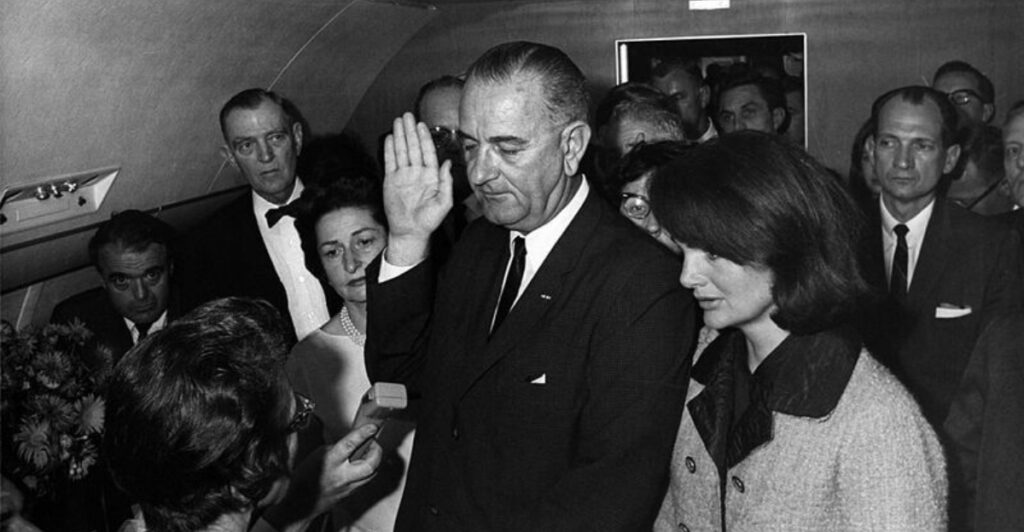
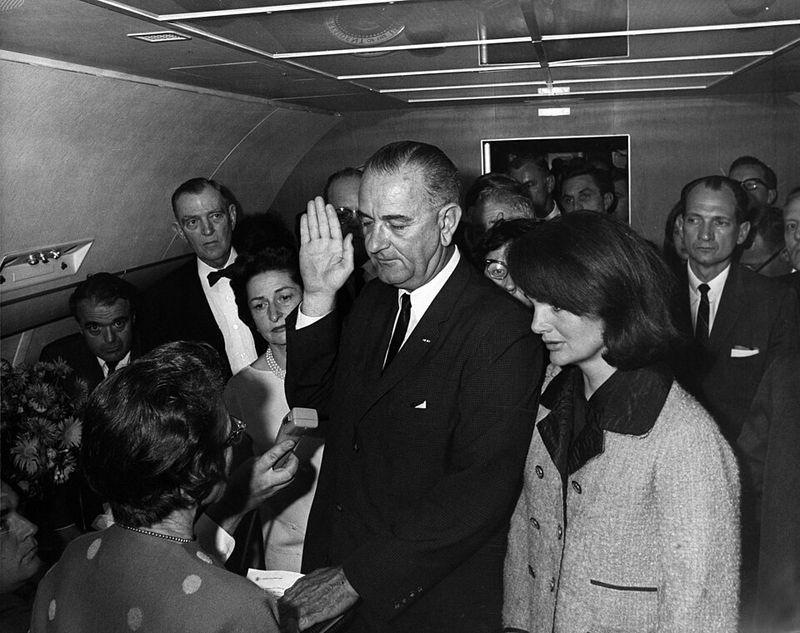
About two hours later, Johnson took the presidential oath aboard Air Force One at Dallas Love Field. Judge Sarah T.
Hughes administered it, making her the first woman to swear in a president, and the airplane setting has never been repeated.
The oath was taken on a missal found in Kennedy’s cabin, because officials mistook it for a Bible in the rush. That detail captures the whole moment: constitutional order improvised under impossible pressure.
Johnson used the office with surprising speed, pressing forward civil rights legislation and expanding domestic programs under the Great Society. His presidency also became tied to Vietnam, proving that accidental arrival never means a small historical footprint.
7. Catherine the Great
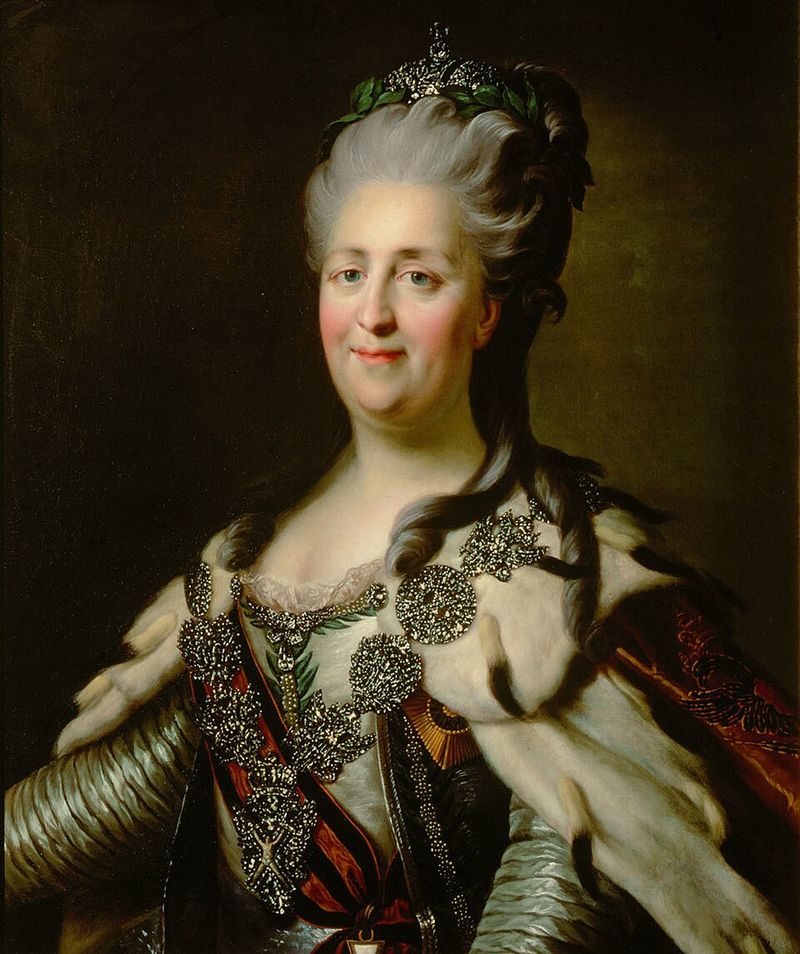
A minor German princess walked into a Russian marriage contract and eventually walked out with an empire. Catherine the Great was born Sophie of Anhalt-Zerbst in 1729, far from the center of Russian power.
At 14, she was chosen as the bride of the future Peter III, and they married in 1745. The match was unhappy, but Catherine learned court politics, language, religion, and alliances with remarkable discipline.
Peter III became emperor in January 1762 and alienated powerful groups within months. His pro-Prussian policies and erratic decisions weakened support among guards, nobles, and clergy.
In July 1762, Catherine, backed by Grigory Orlov and imperial guard units, staged a palace coup and had herself proclaimed empress. Peter abdicated and was soon removed from the scene.
Catherine then ruled for decades, expanding Russian influence, sponsoring reform projects, and turning an arranged marriage into one of Europe’s most famous power reversals.
8. Empress Wu Zetian
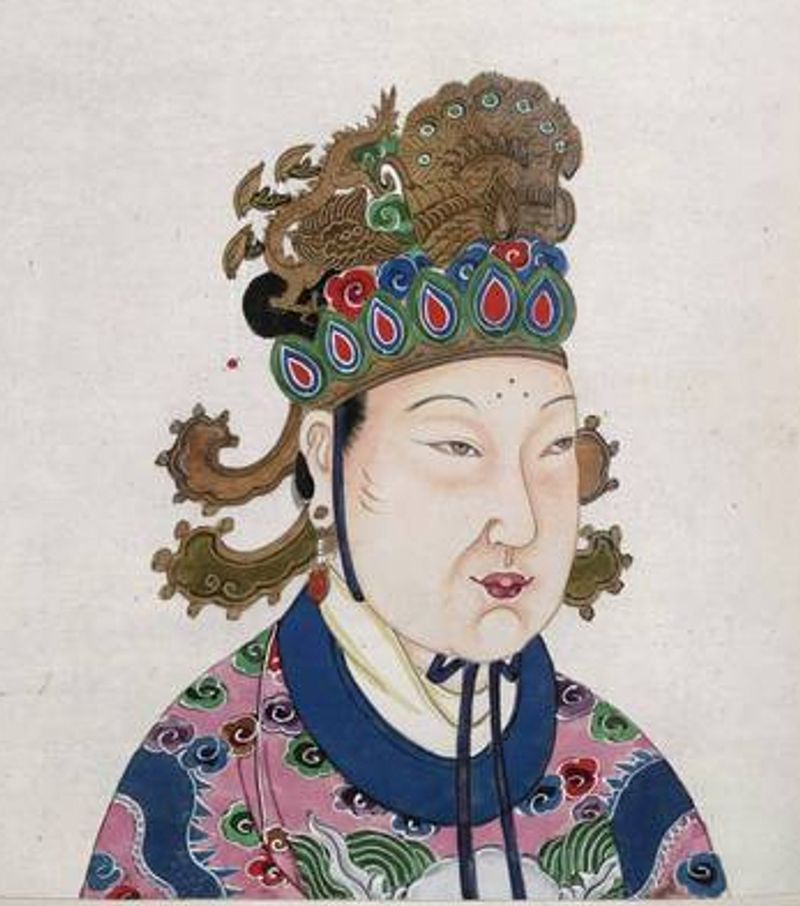
A court appointment meant to keep a young woman near power became the first step toward ruling China outright. Empress Wu Zetian entered Emperor Taizong’s court as a low-ranking concubine around age 13 or 14.
She received an education unusual for women of her era and worked as a secretary, learning state affairs closely. After Taizong’s passing, custom sent childless concubines to a Buddhist convent.
Emperor Gaozong brought Wu back to court, and she steadily outmaneuvered rivals. By 655, she was empress, and after Gaozong suffered a debilitating stroke in 660, she increasingly handled imperial administration.
After Gaozong’s passing in 683, Wu operated as empress dowager and regent, placing and removing sons as emperors. In 690, she took the extraordinary step of declaring herself emperor and founding a Zhou dynasty.
Her rule until 705 reshaped debates about gender, legitimacy, bureaucracy, and merit in Chinese political memory.
9. Justinian I
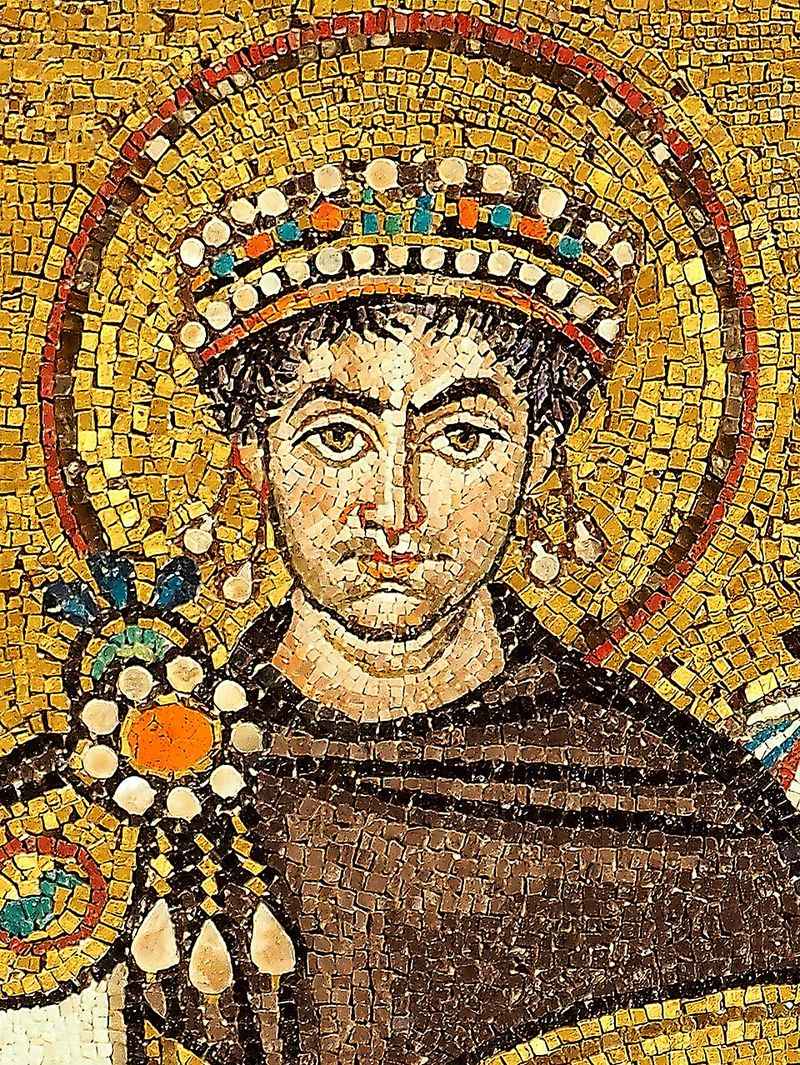
A peasant-born nephew found the shortest route to imperial history through family adoption and a childless uncle. Justinian I began life as Petrus Sabbatius around 482 or 483 in Tauresium, in the Balkan provinces of the Eastern Roman Empire.
His uncle Justin rose from humble origins through the army and became commander of the imperial guard. When Emperor Anastasius left no heir in 518, Justin used his position to secure the throne.
Childless Justin adopted his nephew, brought him to Constantinople, and gave him an elite education. The younger man took the name Justinianus and became a close adviser, effectively shaping policy before he formally ruled.
In 525, Justinian received the title caesar, and in April 527 he was crowned co-emperor. By August, he was sole emperor.
His reign produced the Corpus Juris Civilis, major building projects, and ambitious campaigns, all launched from an inheritance nobody would have predicted from his birthplace.
10. Mikhail Gorbachev
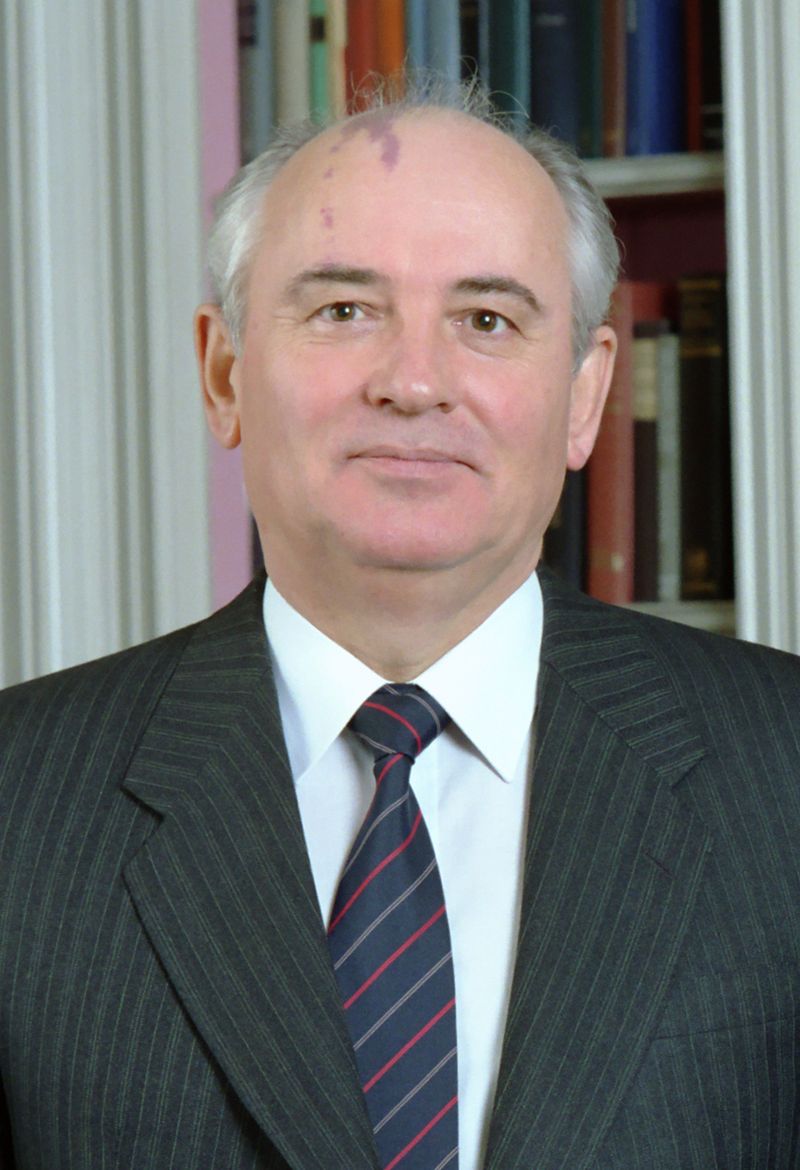
The Soviet Union’s youngest top leader in decades arrived because the old guard ran out of time. Mikhail Gorbachev became General Secretary on March 11, 1985, at 54.
Before him came a rapid sequence of elderly leaders. Leonid Brezhnev ended an 18-year tenure in 1982, Yuri Andropov served about 15 months, and Konstantin Chernenko lasted less than 13 months.
That rotation exposed the limits of Soviet gerontocracy, where seniority often outweighed renewal. Gorbachev’s age, energy, and reformist reputation made him stand out in a system struggling with stagnation.
His accidental opening produced consequences far beyond a personnel change. Perestroika and glasnost aimed to revive socialism through restructuring and openness, but they also loosened controls across Eastern Europe and the Soviet republics.
By the early 1990s, his fluke ascent had become one of the defining pivots of late 20th-century history.
11. Pope Francis
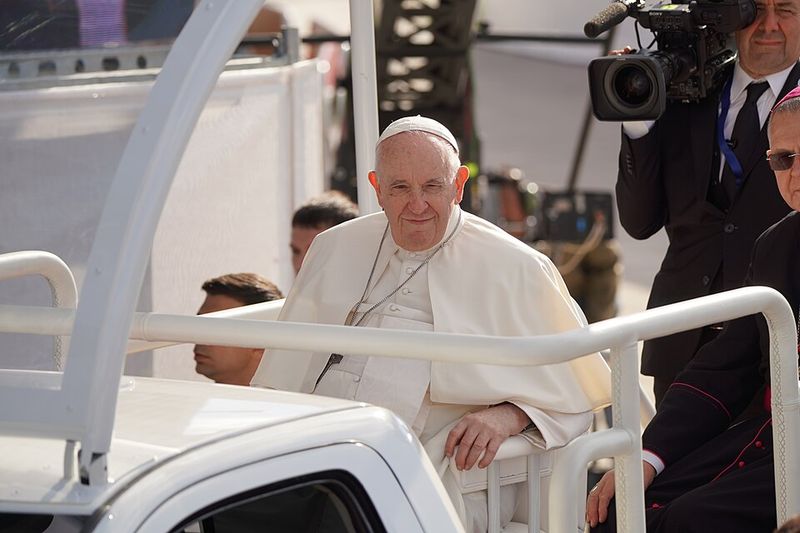
A resignation almost nobody expected opened the door for a pope almost nobody predicted. Pope Francis was elected on March 13, 2013, after Benedict XVI stepped down.
Benedict announced his resignation on February 11, citing age and diminishing strength. It was the first papal resignation since Gregory XII in 1415, and the first voluntary one without outside pressure since Celestine V in 1294.
The conclave had no obvious front-runner. Cardinal Jorge Mario Bergoglio of Argentina emerged on the fifth ballot and chose the name Francis.
His election broke several patterns at once. He became the first Jesuit pope, the first from the Americas, and the first pope born outside Europe since the 8th century.
Known in Buenos Aires for modest habits, public transportation, and a small apartment, he brought a different public style to the Vatican, making an institutional surprise feel instantly recognizable worldwide.
12. Calvin Coolidge
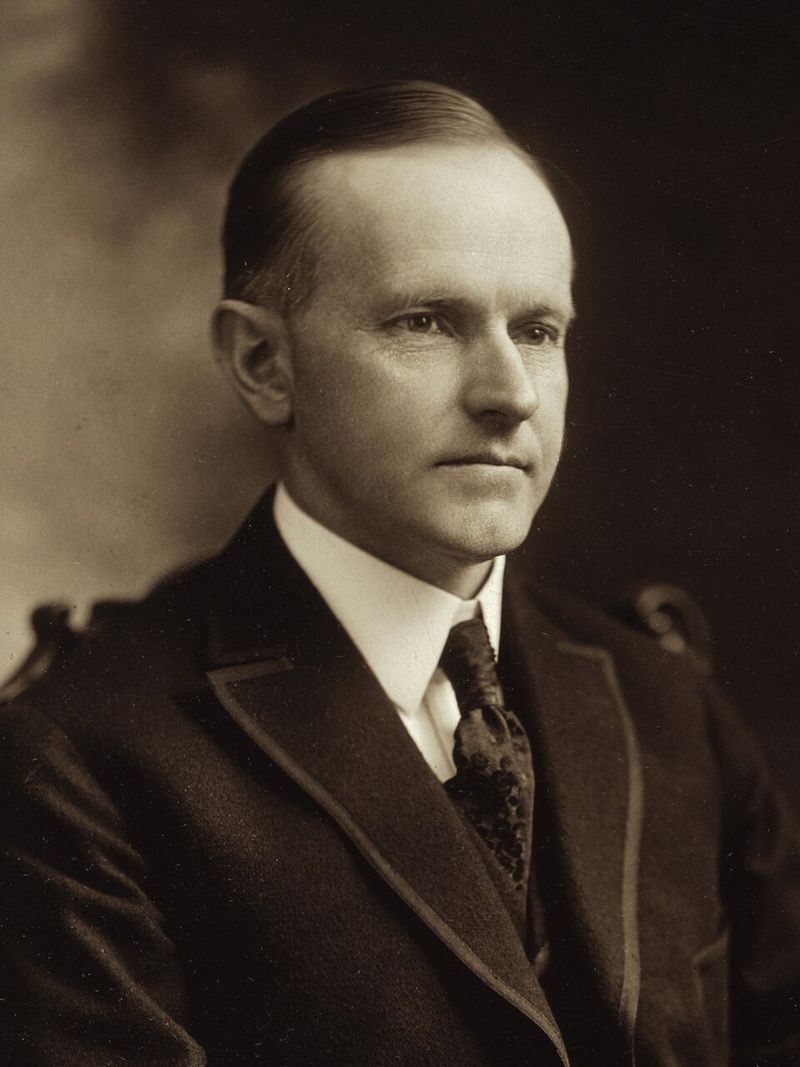
The presidency once changed hands in a Vermont parlor with no electricity and no telephone. Calvin Coolidge was visiting his family homestead in Plymouth Notch when Warren G.
Harding’s passing reached him in August 1923.
Harding had been on a cross-country speaking tour, while scandals around his administration were beginning to surface. The Teapot Dome affair, involving federal oil reserves and bribery, later became the era’s most notorious example.
Coolidge was sworn in at 2:47 a.m. on August 3 by his father, John Calvin Coolidge Sr., a notary public and justice of the peace. The homespun mechanics of the ceremony became part of his legend.
Known as Silent Cal, Coolidge had kept a low profile as vice president. His reputation for restraint and personal integrity helped him separate himself from Harding’s troubled circle.
A sleepy rural oath suddenly turned him into the national face of 1920s conservatism.
13. Theodore Roosevelt
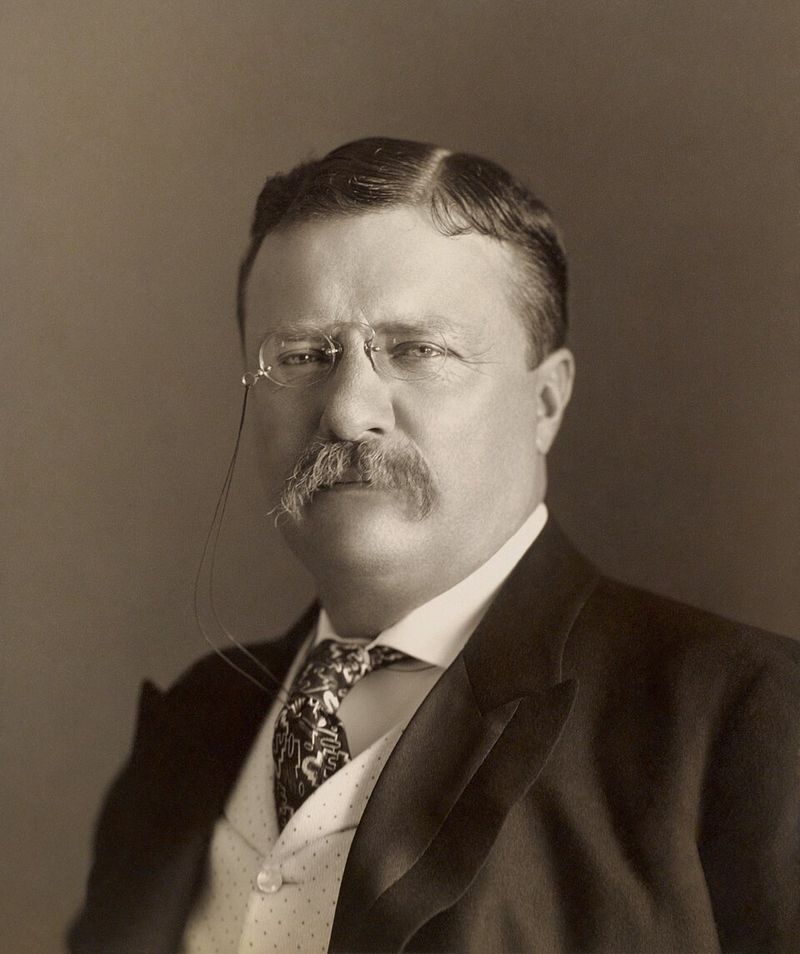
The job meant to sideline an overactive reformer accidentally handed him the loudest platform in America. Theodore Roosevelt became president in September 1901 after William McKinley’s assassination.
Roosevelt had served only six months as vice president, an office then treated as politically quiet storage. New York Republican bosses had helped push him there because his reform agenda as governor made them uncomfortable.
At 42, he became the youngest person ever to assume the presidency. Instead of fading into ceremonial routine, he brought urgency to conservation, corporate regulation, and executive leadership.
Roosevelt’s foreign policy became associated with his phrase, Speak softly and carry a big stick. He expanded expectations of what presidents could do in public life, turning a supposedly harmless appointment into a Progressive Era engine.
The attempt to park him safely in the vice presidency remains one of American politics’ funniest miscalculations.
Share this story