 Unearth The Voyage
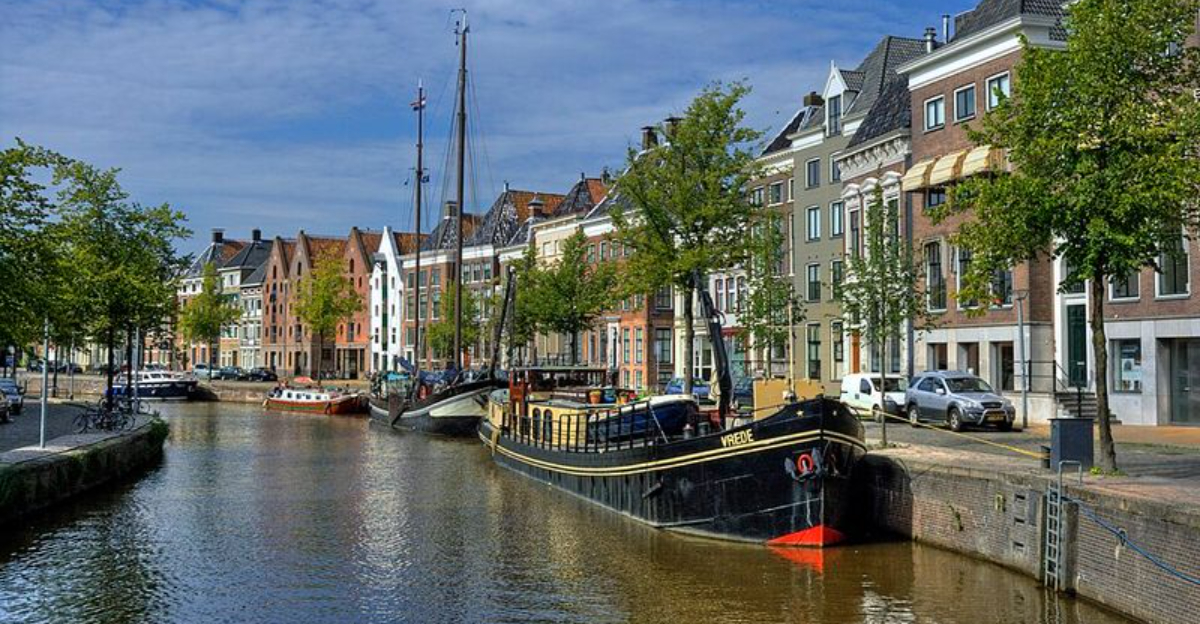
Amsterdam is brilliant, no question about it. But the Netherlands has a whole lineup of cities, villages, and landscapes that deserve their own spotlight.
From medieval caves and windmill fields to futuristic skylines and island beaches, there is a lot more to explore beyond the canal rings of the capital. Pack light, grab a train pass, and get ready to fall for a whole different side of the Netherlands.
Utrecht – Amsterdam’s Cozier Canal Cousin
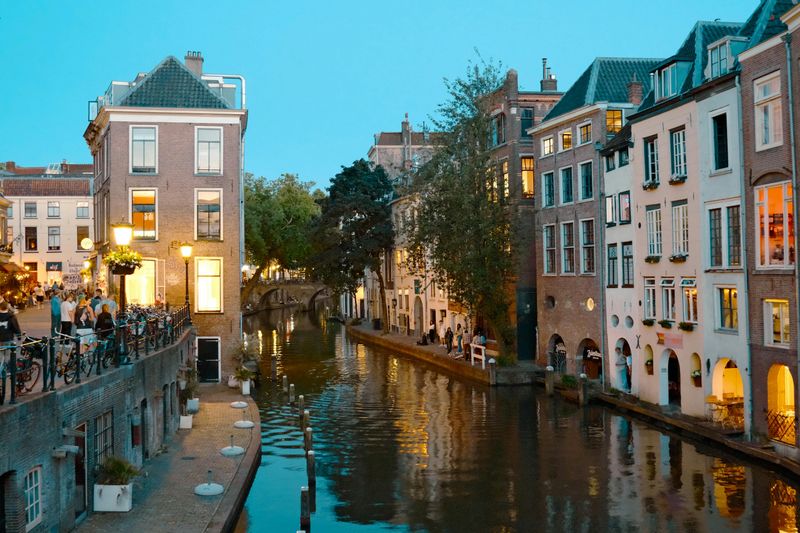
Utrecht quietly outcharms Amsterdam on a regular basis, and I say that having visited both more times than I can count. The canals here sit at two levels, with the lower level hosting wharf cellars that have been converted into some of the best cafes in the country.
Grab a coffee at water level and watch cyclists wobble across the old bridges above you.
The Dom Tower is the tallest church tower in the Netherlands and a serious workout if you climb it. Book a guided tour in advance because spots fill up quickly, especially on weekends.
From the top, the entire city spreads out like a medieval map.
Utrecht’s center is compact and walkable, full of bookshops, markets, and side streets that reward wandering. There are fewer tourist coaches here and far more locals actually living their lives.
That alone makes Utrecht feel more like a real Dutch city than a postcard.
Delft – For Canals, Vermeer, and Delft Blue
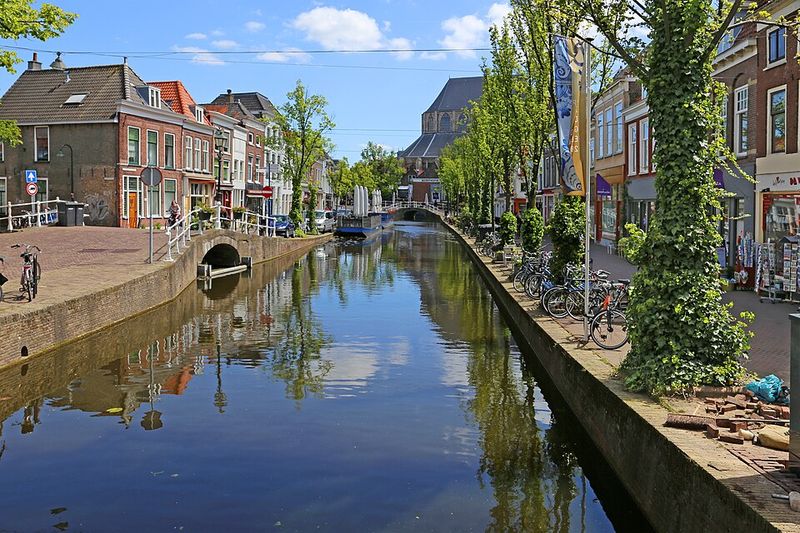
Delft is the kind of place that makes you slow down without even trying. Narrow canals reflect old brick facades, church towers poke above rooftops, and the whole city feels like it was designed by someone who really cared about aesthetics.
Johannes Vermeer was born here, and the Vermeer Centrum Delft is open daily except Christmas Day if you want to explore his world properly.
Royal Delft, the last remaining 17th-century Delft pottery factory, is still operating and open to visitors. Watching skilled painters hand-decorate those iconic blue and white pieces is genuinely mesmerizing.
You can also buy originals there, though your wallet may need a moment to recover.
The market square on a weekday morning is one of the most pleasant spots in the Netherlands. Fewer crowds, local vendors, and a pace of life that feels genuinely unhurried.
Delft earns its reputation every single time.
Rotterdam – The Netherlands’ Bold Modern City
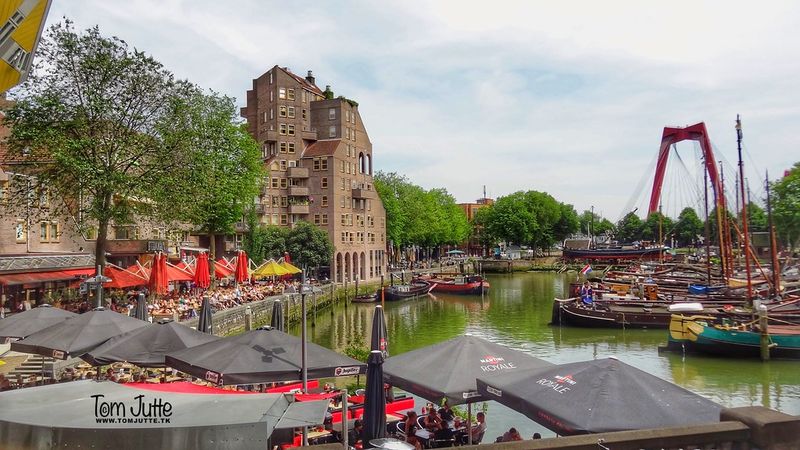
Rotterdam got bombed flat in World War II and responded by building one of the most architecturally adventurous cities in Europe. No other Dutch city hits you with this much visual energy the moment you step off the train.
The Cube Houses alone are worth the trip, and they look even stranger in person than in photos.
Markthal is a food lover’s dream wrapped inside a giant horseshoe of apartments. The ceiling mural is the largest artwork in the Netherlands, which sounds like a strange flex until you actually stand under it.
Pick up Dutch cheese, stroopwafels, or an entire charcuterie spread while staring at the ceiling like a happy tourist.
Depot Boijmans Van Beuningen is the world’s first publicly accessible art storage facility. You can walk through rooms packed with thousands of artworks that would otherwise never see daylight.
Rotterdam rewards the curious traveler who wants something genuinely unexpected.
Leiden – A Historic City With Museums and Hidden Courtyards
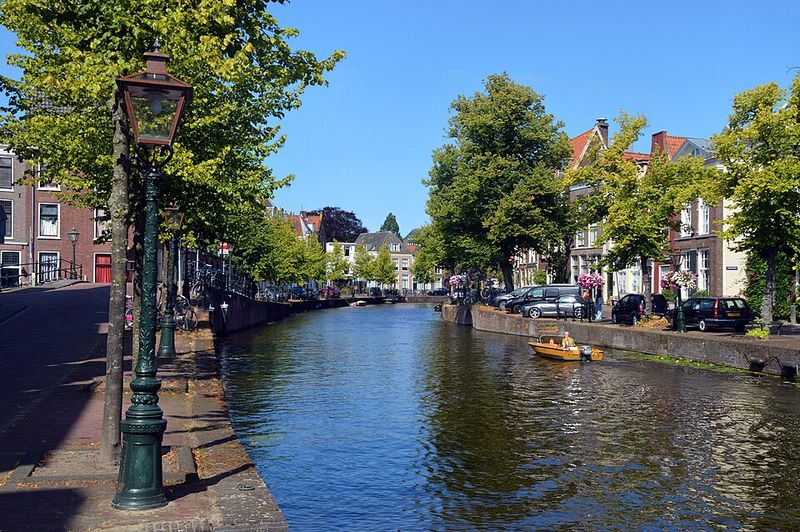
Leiden is the kind of city that gives you something new every time you turn a corner. Founded in the 12th century, it houses the oldest university in the Netherlands, 13 museums, and hundreds of officially listed monuments.
That is a remarkable concentration of history for a city most international tourists skip entirely.
The Hortus botanicus Leiden dates back to 1590, making it one of the oldest botanical gardens in the world. It started as a medicinal herb garden for university students and has since grown into something far more impressive.
Visiting on a quiet Tuesday morning felt like having a secret garden entirely to myself.
The hidden courtyards, called hofjes, are scattered throughout the city and easy to miss if you are rushing. Slow down, peek through archways, and follow the cobblestones wherever they lead.
Leiden rewards patience in a way that few Dutch cities can match.
The Hague – Art, Politics, and the Beach in One Trip
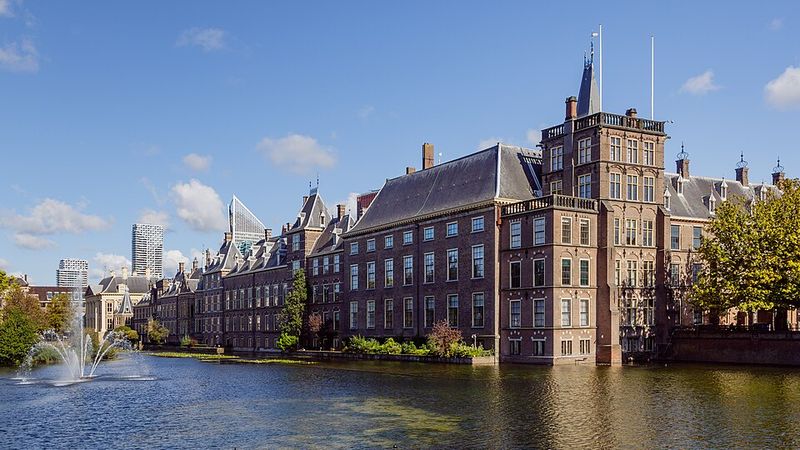
The Hague is the only city I know where you can stand in front of a Vermeer masterpiece in the morning and be on a beach by lunch. The Mauritshuis holds some of the greatest Dutch and Flemish paintings ever created, including Vermeer’s Girl with a Pearl Earring.
The gallery is intimate, well-lit, and mercifully free of the frantic energy you find at larger museums.
The city doubles as the seat of Dutch government and home to international courts, giving it a slightly different atmosphere from other Dutch cities. Grand buildings, wide avenues, and embassies on every corner create a sense of quiet importance.
It feels polished without being stiff.
Scheveningen beach is just 15 minutes from the city center by tram, and it is a proper seaside resort with a pier, seafood stalls, and North Sea wind that will reorganize your hair completely. Pack a scarf and enjoy the contrast.
Maastricht – A Southern City With Caves and Cafe Culture
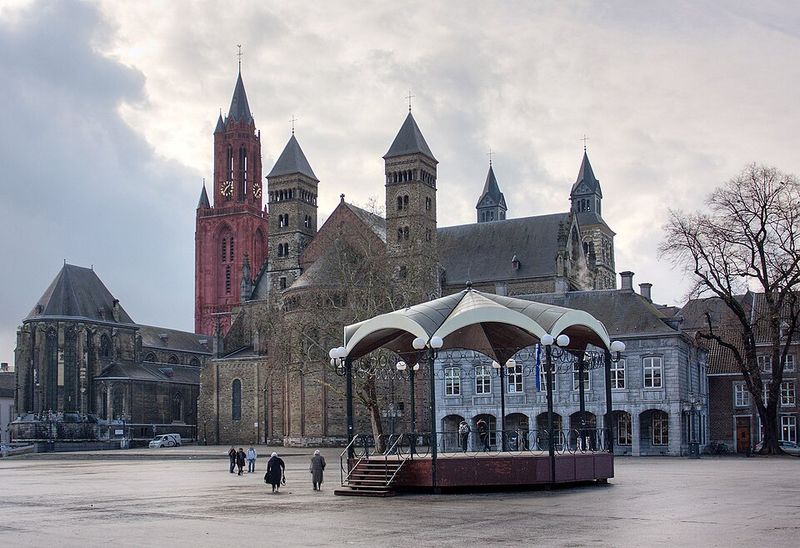
Maastricht does not feel like the rest of the Netherlands, and that is entirely the point. The city sits in the southern tip of the country, bordered by Belgium and Germany, and has absorbed cultural influences from all three directions.
Cobbled streets, lively squares, and a distinctly southern European pace of life set it apart immediately.
Underground Maastricht is just as interesting as the city above it. The Zonneberg Caves and Fort Sint Pieter both offer bookable guided tours that take you deep into a network of tunnels carved from soft marl stone over centuries.
The caves were used as shelter during World War II, which adds a genuinely sobering layer to the visit.
Vrijthof square fills with terrace cafes from spring through autumn, and sitting there with a local Limburgse vlaai pastry is one of the more underrated pleasures in Dutch travel. Maastricht earns its nickname as the Netherlands’ most European city without even trying.
Groningen – A Young, Creative City in the North
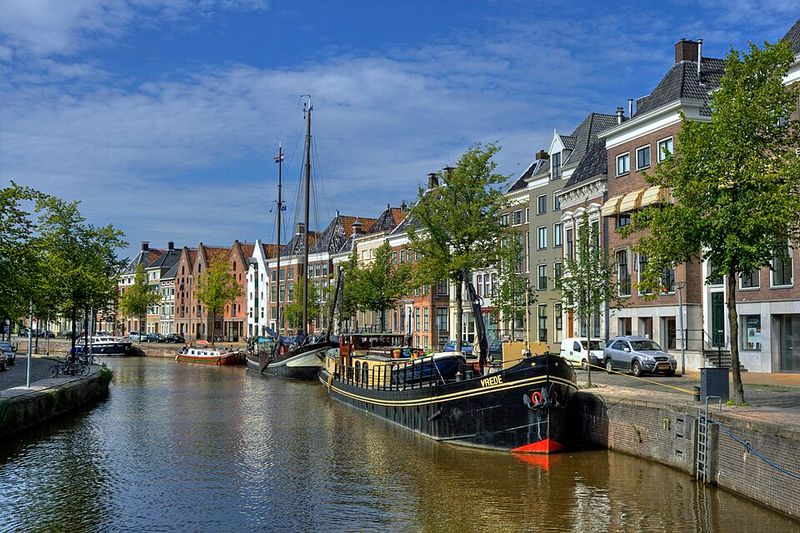
About one in four people in Groningen is a student, and that statistic changes everything about how the city feels. The streets buzz with independent cafes, art studios, vintage shops, and a general sense that something interesting is always happening nearby.
It is the kind of city that makes you feel younger just by walking through it.
Forum Groningen is the cultural centerpiece of the city, hosting exhibitions, cinema screenings, a rooftop terrace with panoramic views, and a tourist information point all under one roof. The building itself is architecturally striking, a tilted glass cube that stands out in the historic market square.
It is a genuinely clever mix of old and new.
Groningen is far enough north that most international tourists never make it there, which means you get a more authentic slice of Dutch life. Locals are friendly, prices are lower than in Amsterdam, and the cycling infrastructure is outstanding even by Dutch standards.
Giethoorn – The Fairytale Water Village
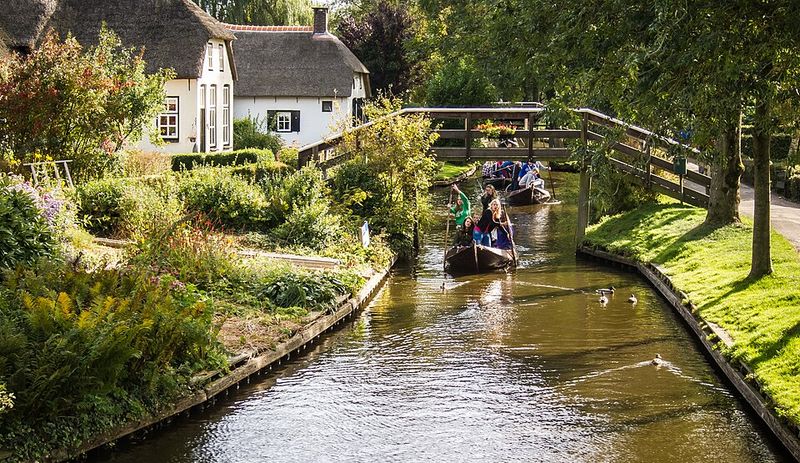
Giethoorn has no roads through its historic center. Getting around means taking a boat, walking a narrow path, or cycling along the canal banks.
That single fact makes it one of the most unusual places in the Netherlands, and genuinely one of the most peaceful.
Thatched roof farmhouses line the waterways, wooden bridges arc over narrow canals, and electric boats drift past gardens in full bloom. The official Giethoorn site describes it as the Netherlands’ famous water village, and for once the marketing actually undersells the reality.
It looks almost too picturesque to be real.
Visiting early in the morning or on a weekday is strongly recommended, because Giethoorn gets busy in peak summer. Arrive before 10am and you will have the canals largely to yourself.
Rent a whisper boat, drift slowly through the village, and resist the urge to document every single moment. Some places deserve to be experienced rather than filmed.
Texel – Beaches, Dunes, and Island Nature
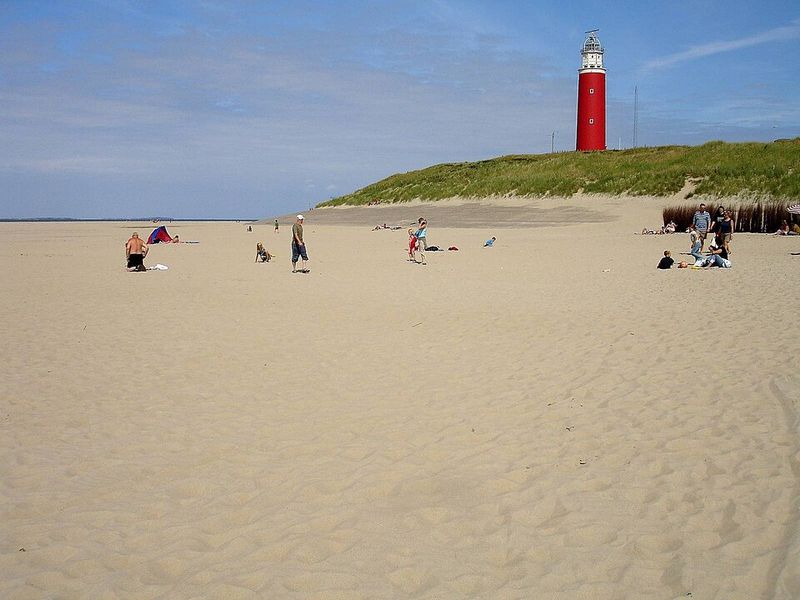
Texel is the largest of the Dutch Wadden Islands and the easiest to reach from the mainland. A short ferry ride from Den Helder drops you into a landscape that feels nothing like the rest of the Netherlands.
Wide beaches, rolling dunes, salt marshes, and dense forests cover an island that takes about 30 minutes to cross by bike.
The National Park Dunes of Texel protects a remarkable variety of habitats in a relatively small area. Birdwatchers come here in serious numbers, particularly during migration season when the island fills with species rarely seen elsewhere in the country.
Even if birds are not your thing, the sheer openness of the landscape is refreshing after city travel.
Texel also produces its own cheese, lamb, gin, and beer, so the local food scene punches well above its size. Stop at one of the farm shops along the cycling routes and stock up properly.
An island this self-sufficient deserves a long weekend at minimum.
Kinderdijk – The Classic Dutch Windmill Landscape
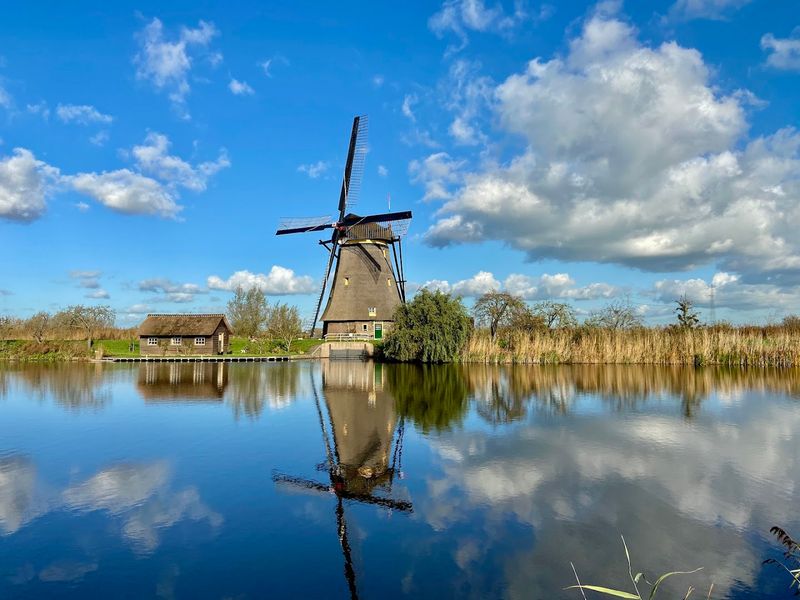
Nineteen windmills standing in a row along a canal is one of those sights that stops you mid-stride. Kinderdijk is a UNESCO World Heritage Site and the most complete surviving windmill network in the Netherlands.
Built in the 18th century to manage water levels in the polders below sea level, the mills are still in working order today.
Holland.com describes Kinderdijk as a place to understand how the Dutch have managed water for over 1,000 years. That is not an exaggeration.
The entire landscape is an engineering achievement that kept this part of the country from flooding for centuries. Walking the paths between the mills makes that history feel genuinely tangible.
Sunrise and sunset visits are spectacular, especially when the water is still and the mills reflect perfectly in the canal. Check the official Kinderdijk site for current 2026 opening hours before visiting.
Getting there by water taxi from Rotterdam adds an extra layer of fun to the whole trip.
Haarlem – Art, Old Streets, and an Easy Escape
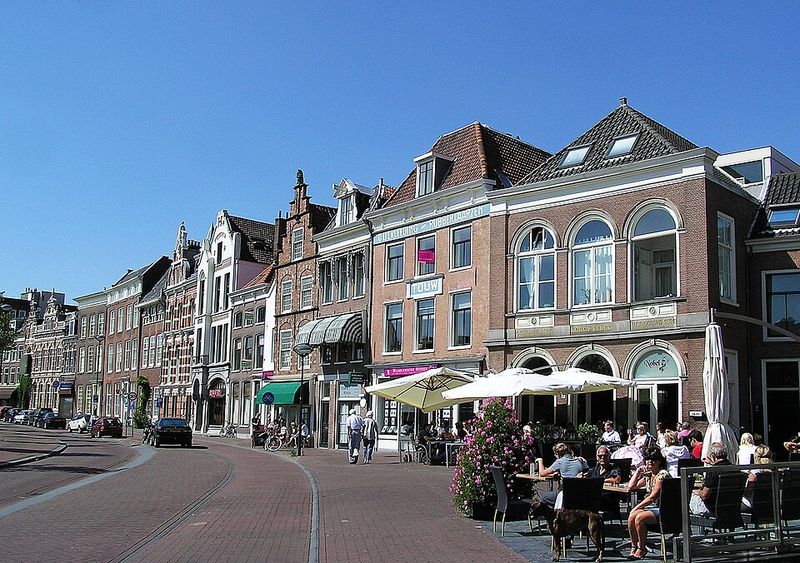
Haarlem sits just 15 minutes from Amsterdam by train, but the atmosphere is a world apart. The streets are quieter, the squares are more relaxed, and the locals seem genuinely unbothered by the concept of tourist rush hours.
It is the kind of city that makes you wonder why you ever bothered queuing for a canal boat in Amsterdam.
The Frans Hals Museum is open Tuesday through Sunday and covers pre-modern, modern, and contemporary Dutch art across two locations in the city. Frans Hals himself is buried in the Grote Kerk on the market square, which adds a certain gravitas to the whole visit.
The museum is excellent and rarely crowded.
Grote Markt, Haarlem’s central square, is lined with cafes and dominated by the enormous Sint-Bavokerk church. Saturday morning market is a local institution worth setting an alarm for.
Haarlem is proof that the best day trips are sometimes hiding in plain sight, just a few stops down the rail line.
Valkenburg – Castle Ruins and Underground Caves
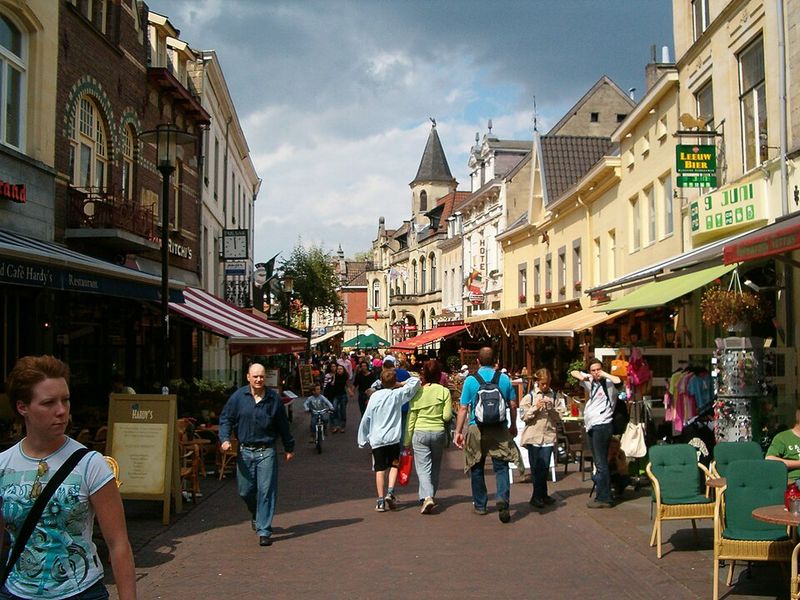
Valkenburg is the Netherlands’ only hilltop castle town, which already makes it unusual in a country better known for flatness. The castle ruins date back to the 11th century and sit dramatically above the Geul valley, offering views that feel genuinely earned after the climb.
Standing at the top with the wind in your face, you almost forget you are in the Netherlands at all.
The Velvet Cave beneath the town is open for guided tours and was carved from the same soft marl stone found throughout the Limburg region. Artists used the cave walls as canvases over the centuries, leaving behind a strange and beautiful underground gallery.
It is one of those experiences that does not photograph well but stays with you long after you leave.
Valkenburg works particularly well as a base for exploring the broader South Limburg region, which has rolling hills, cycling routes, and abbeys that produce their own beer. It is a proper Dutch adventure for anyone willing to travel a little further south.



