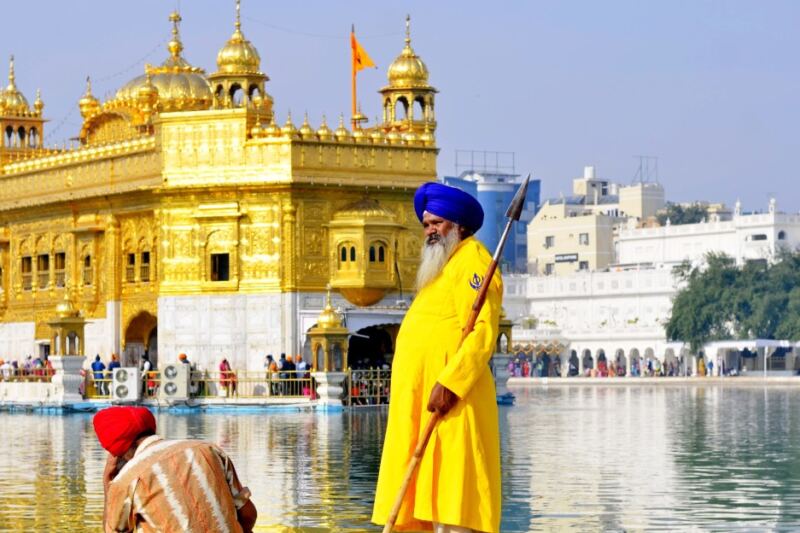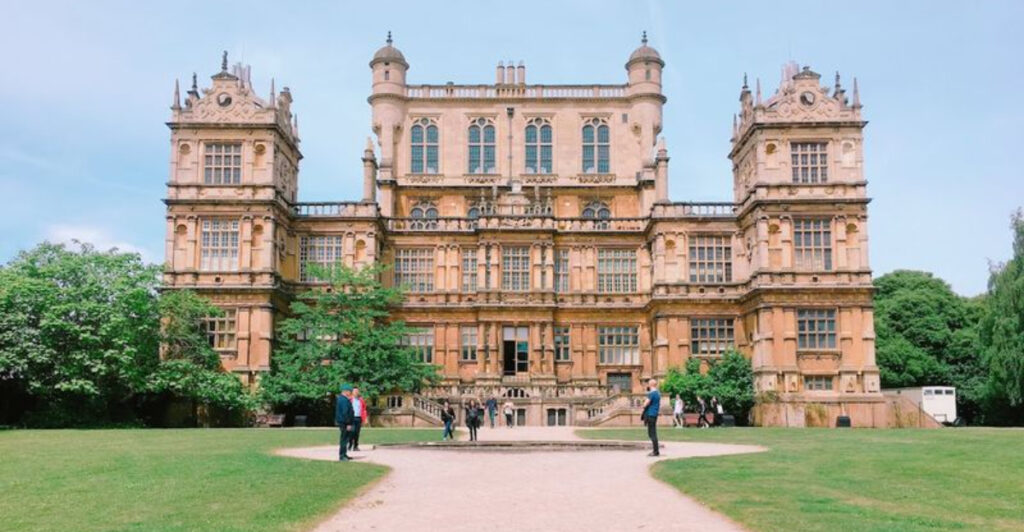
Some countries have shaped the way billions of people think, eat, create, and govern themselves. From ancient empires to modern superpowers, certain nations have left marks on history that still influence daily life today.
Their ideas, inventions, art forms, and traditions have crossed borders and oceans, becoming part of a shared human story. Here is a look at 15 nations whose cultural contributions have truly changed the world.
1. Greece
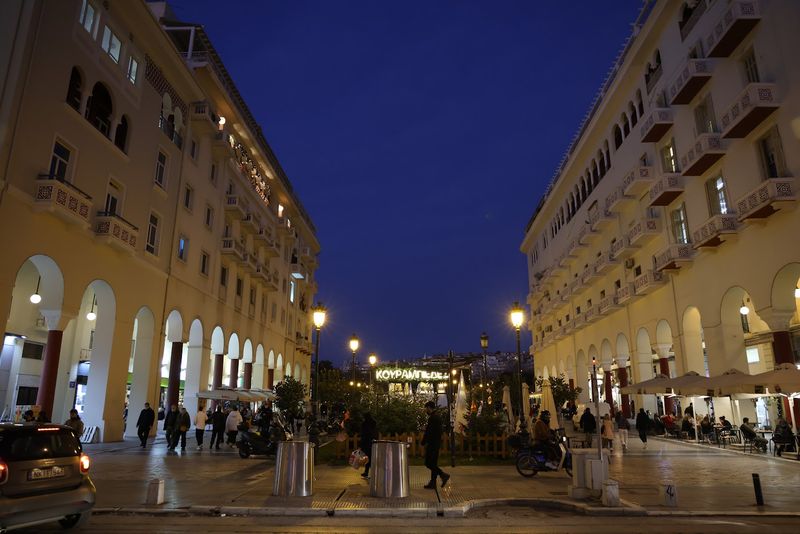
Walk through Athens today and you are walking through the birthplace of ideas that still run the world. Ancient Greece gave humanity democracy, the idea that people should have a say in how they are governed.
That single concept changed the course of history and became the foundation of governments on every continent.
Greek philosophers like Socrates, Plato, and Aristotle asked big questions about life, truth, and justice. Their thinking shaped Western education, science, and law for thousands of years.
Even modern medicine traces its roots back to the Greek physician Hippocrates.
Greek mythology, theater, and the Olympic Games remain part of global culture to this day. The Olympics, first held in Olympia around 776 BCE, now bring the entire world together every four years.
Greece may be a small country, but its cultural footprint is enormous.
2. Italy
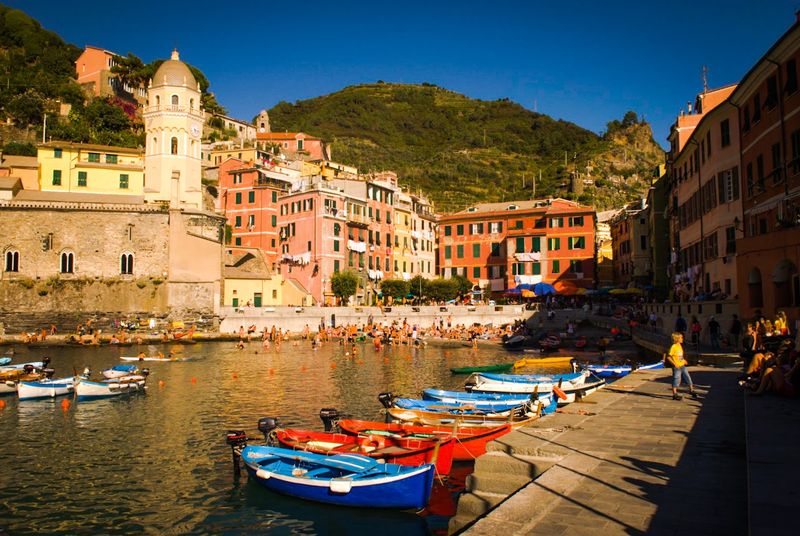
Few nations have shaped human civilization quite like Italy. The Roman Empire, headquartered in Rome for centuries, spread laws, roads, language, and governance across Europe, North Africa, and the Middle East.
Much of Western legal tradition still reflects Roman law, and Latin, the language of Rome, is the ancestor of French, Spanish, Portuguese, and Italian itself.
Then came the Renaissance, a cultural explosion that began in Florence around the 14th century. Artists like Leonardo da Vinci and Michelangelo created works that still define what great art looks like.
Architecture, sculpture, and painting were all transformed during this remarkable period.
Italy also gifted the world some of its most beloved cuisine. Pizza, pasta, and espresso are enjoyed on every continent.
Italian fashion houses like Gucci and Versace continue to set global style trends. The country remains a living museum of human achievement.
3. China

China is one of the oldest continuous civilizations on Earth, with a recorded history spanning more than 4,000 years. The list of inventions that originated in China reads like a greatest hits of human progress.
Paper, printing, gunpowder, and the compass all came from China, and each one reshaped how the world communicated, fought wars, and navigated the seas.
Chinese philosophy, particularly Confucianism, has deeply influenced the values of East Asian societies for over two millennia. Ideas about respect, education, family, and social harmony found in Confucian thought still guide behavior across China, Japan, Korea, and Vietnam.
Chinese cuisine is enjoyed globally, with regional styles ranging from spicy Sichuan to delicate Cantonese dim sum. Chinese New Year celebrations, martial arts, and traditional medicine have also spread worldwide.
With over 1.4 billion people and a growing global presence, China’s cultural reach is only expanding.
4. India
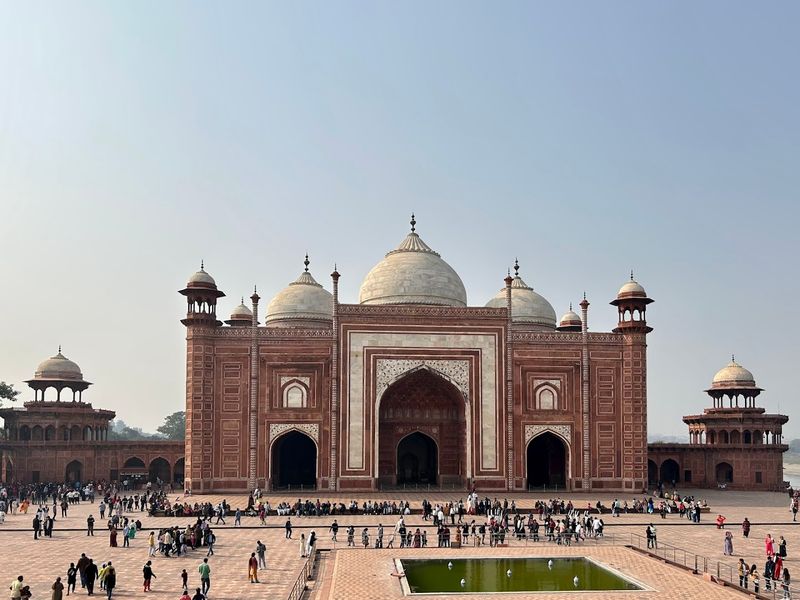
India is a civilization that has been quietly shaping the world for thousands of years. Two of the world’s major religions, Hinduism and Buddhism, were born on the Indian subcontinent.
Buddhism eventually spread across Asia and beyond, influencing the spiritual lives of hundreds of millions of people. Yoga and meditation, both rooted in Indian tradition, are now practiced globally for health and wellness.
Indian mathematicians made contributions that are genuinely mind-blowing. The concept of zero and the decimal number system both originated in India.
Without those, modern mathematics, science, and technology as we know them simply would not exist.
Indian cuisine, with its bold spices and rich flavors, has become one of the most popular food traditions worldwide. Bollywood produces more films annually than Hollywood, reaching massive audiences across Asia, Africa, and the diaspora.
India’s cultural output is as diverse as its population of over 1.4 billion people.
5. France
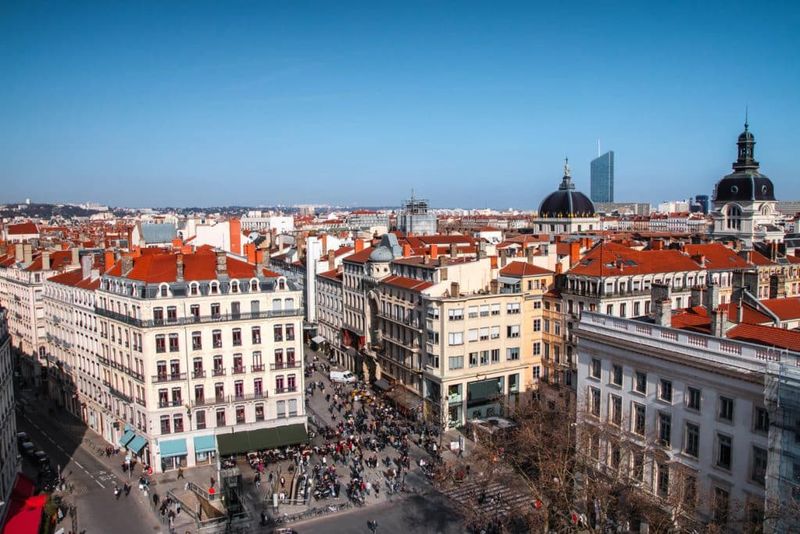
For centuries, Paris was considered the cultural capital of the Western world, and France has worked hard to earn that reputation. French art movements like Impressionism, led by painters such as Monet and Renoir, changed how artists see and represent light, color, and everyday life.
Museums like the Louvre house some of the most iconic artworks ever created.
French cuisine is taken so seriously that UNESCO recognized it as an intangible cultural heritage of humanity. From croissants to coq au vin, French cooking techniques have influenced chefs and restaurants around the globe.
French fashion houses like Chanel, Louis Vuitton, and Dior have defined luxury style for over a century.
French philosophers like Voltaire, Rousseau, and Descartes helped spark the Enlightenment, a movement that promoted reason, science, and individual rights. The French Revolution further pushed ideas of liberty and equality that inspired revolutions worldwide.
France’s intellectual legacy remains deeply woven into modern thought.
6. United Kingdom
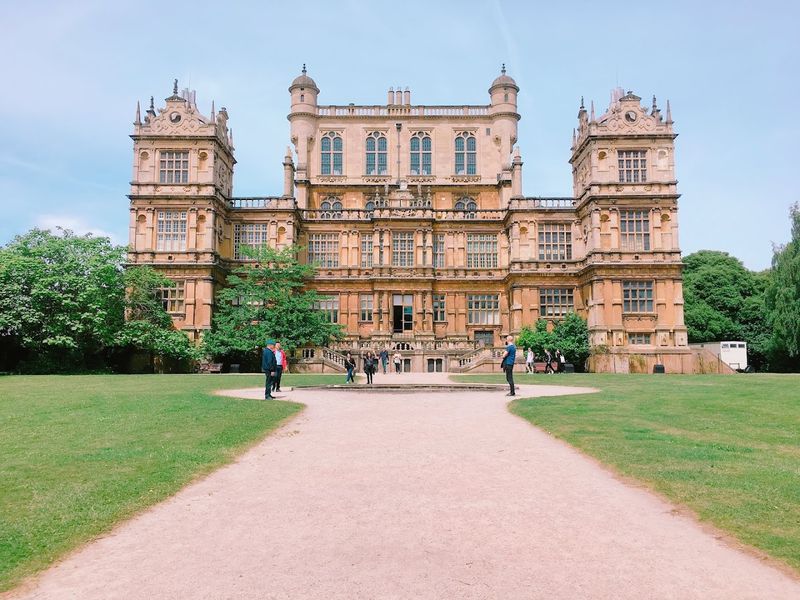
At its peak, the British Empire covered roughly a quarter of the Earth’s surface, making it the largest empire in history. That reach left a lasting mark on language, law, and governance across dozens of countries.
English, originally spoken on a small island, is now the world’s most widely used international language, spoken by over 1.5 billion people.
British literature gave the world Shakespeare, Charles Dickens, Jane Austen, and J.R.R. Tolkien.
These writers shaped storytelling traditions and continue to be read in schools and homes worldwide. The BBC remains one of the most trusted and widely followed media organizations on the planet.
The United Kingdom also sparked a musical revolution in the 1960s. The Beatles, the Rolling Stones, and David Bowie helped define rock and pop music for generations.
British contributions to science, from Isaac Newton to Charles Darwin, have fundamentally changed how humans understand the natural world.
7. United States

No country dominates modern global culture quite like the United States. Hollywood produces films and television shows watched by billions of people in virtually every country on Earth.
American pop music, from jazz and blues to hip-hop and country, has influenced nearly every music tradition around the world.
Silicon Valley gave the world the internet era as we know it. Companies like Apple, Google, Amazon, and Meta have reshaped how people communicate, shop, learn, and entertain themselves.
American fast food chains, from McDonald’s to Starbucks, are found on nearly every continent, representing a kind of cultural export that is hard to miss.
The United States also shaped modern political culture through its democratic ideals, Bill of Rights, and the concept of individual freedom. American universities attract students from every corner of the globe.
Whether through movies, music, tech, or politics, American culture has become the world’s most recognizable cultural brand.
8. Egypt

Around 5,000 years ago, a civilization rose along the Nile River that would leave the world speechless for millennia. Ancient Egypt built the pyramids, structures so massive and precisely engineered that engineers still study them today.
The Great Pyramid of Giza was the tallest man-made structure on Earth for over 3,800 years.
Egypt developed one of the earliest writing systems, hieroglyphics, which allowed complex knowledge to be recorded and passed down through generations. Egyptian contributions to mathematics, astronomy, and medicine were far ahead of their time.
The calendar system many cultures used for centuries traces back to ancient Egyptian observations of the stars.
Egyptian cultural symbolism, from the Eye of Horus to the ankh, continues to appear in modern art, jewelry, and design. The discovery of Tutankhamun’s tomb in 1922 sparked a global obsession with Egyptology.
Ancient Egypt remains one of the most studied and admired civilizations in all of human history.
9. Spain
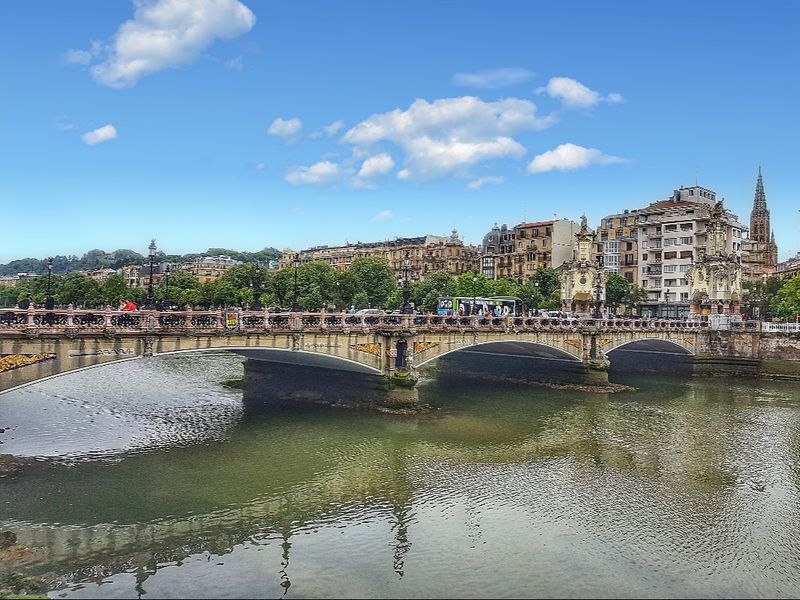
Spain’s Age of Exploration beginning in the late 15th century fundamentally altered the shape of the world. Spanish explorers and colonizers spread their language, religion, and customs across the Americas, the Caribbean, and parts of Asia and Africa.
Today, Spanish is the second most spoken native language in the world, with over 480 million native speakers.
Spanish art has produced legendary figures whose work continues to inspire. Diego Velazquez, Francisco Goya, and Pablo Picasso each transformed the visual arts in their own era.
Picasso’s Cubism, developed in the early 20th century, was one of the most radical artistic revolutions in modern history.
Flamenco music and dance, bullfighting, and the tradition of tapas are just a few cultural exports that have earned international admiration. Spanish literature, including Miguel de Cervantes’ Don Quixote, widely considered the first modern novel, laid the groundwork for storytelling traditions still followed today.
Spain’s cultural legacy spans continents.
10. Japan

Japan has a remarkable talent for taking outside influences, refining them, and sending them back into the world in a completely new form. After centuries of isolation, Japan rapidly modernized in the late 19th century and became a global powerhouse in technology, design, and manufacturing.
Japanese electronics brands like Sony and Toyota became symbols of quality worldwide.
Japanese pop culture has become a global phenomenon unlike anything expected from a country of its size. Anime and manga have tens of millions of devoted fans across the Americas, Europe, and Asia.
Video game franchises born in Japan, like Mario, Pokemon, and Final Fantasy, are recognized by children and adults on every continent.
Japanese cuisine, including sushi, ramen, and tempura, has earned a devoted international following. The concept of minimalism in design, deeply rooted in Japanese aesthetics, has influenced architecture and product design globally.
Japan proves that cultural influence is not just about size or empire.
11. Germany
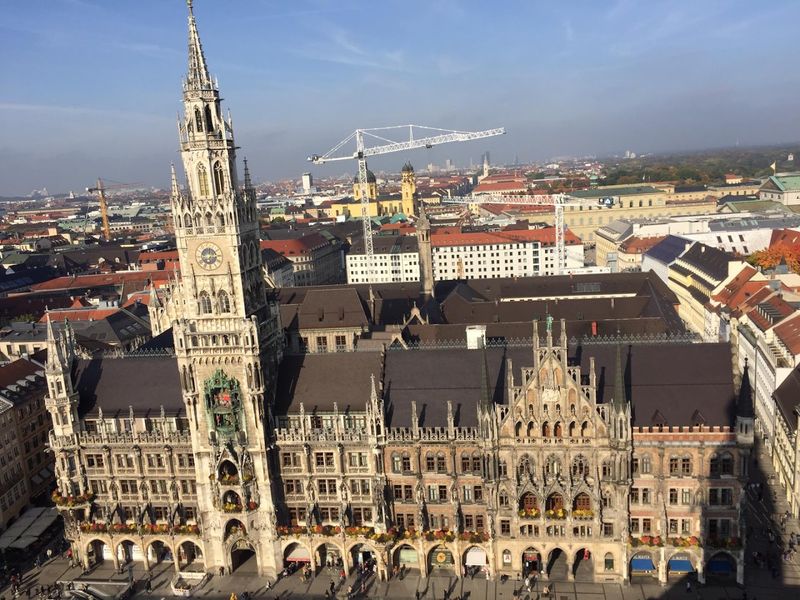
Germany’s cultural contributions have an almost overwhelming range. In classical music alone, Germany produced Bach, Beethoven, and Brahms, three composers whose work forms the backbone of the Western classical tradition.
Beethoven’s symphonies, written even as he lost his hearing, are considered among the greatest achievements in all of human artistic history.
German philosophy gave the world Immanuel Kant, Friedrich Nietzsche, and Karl Marx. Marx’s ideas about economics and class struggle, regardless of one’s political views, shaped the 20th century more than almost any other single thinker.
German scientists and engineers have driven breakthroughs in chemistry, physics, and mechanical engineering for over two centuries.
The Gutenberg printing press, invented by Johannes Gutenberg in the 15th century, made books accessible to ordinary people for the first time and ignited the spread of literacy and the Protestant Reformation. German engineering precision lives on in brands like BMW, Mercedes-Benz, and Bosch.
The country’s intellectual tradition remains a global benchmark.
12. Persia (Iran)
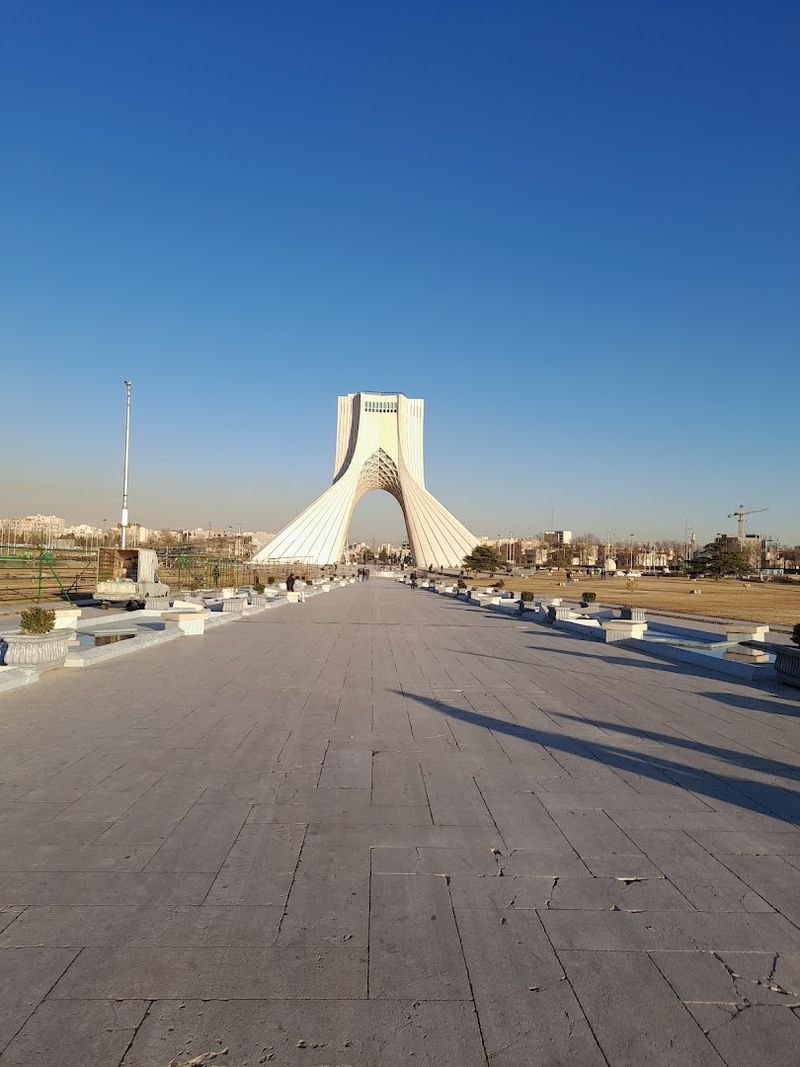
Long before the modern nation of Iran existed, the Persian Empire was one of the most sophisticated and culturally rich civilizations on Earth. At its height under Cyrus the Great and Darius I, the Achaemenid Empire stretched from Greece to India, connecting cultures, trade routes, and ideas across a vast region.
Persia was known for tolerating and absorbing the cultures it encountered rather than simply erasing them.
Persian poetry holds a special place in world literature. Poets like Rumi, Hafez, and Omar Khayyam wrote verses of such beauty and depth that they are still read and quoted globally today.
Rumi, in particular, is one of the best-selling poets in the United States despite writing in the 13th century.
Persian architecture, with its intricate tilework, grand domes, and geometric patterns, influenced Islamic architecture across the Middle East and Central Asia. Persian gardens, cuisine, and carpet-weaving traditions have also left lasting marks on neighboring cultures.
The Persian legacy is ancient, layered, and enduring.
13. Mexico
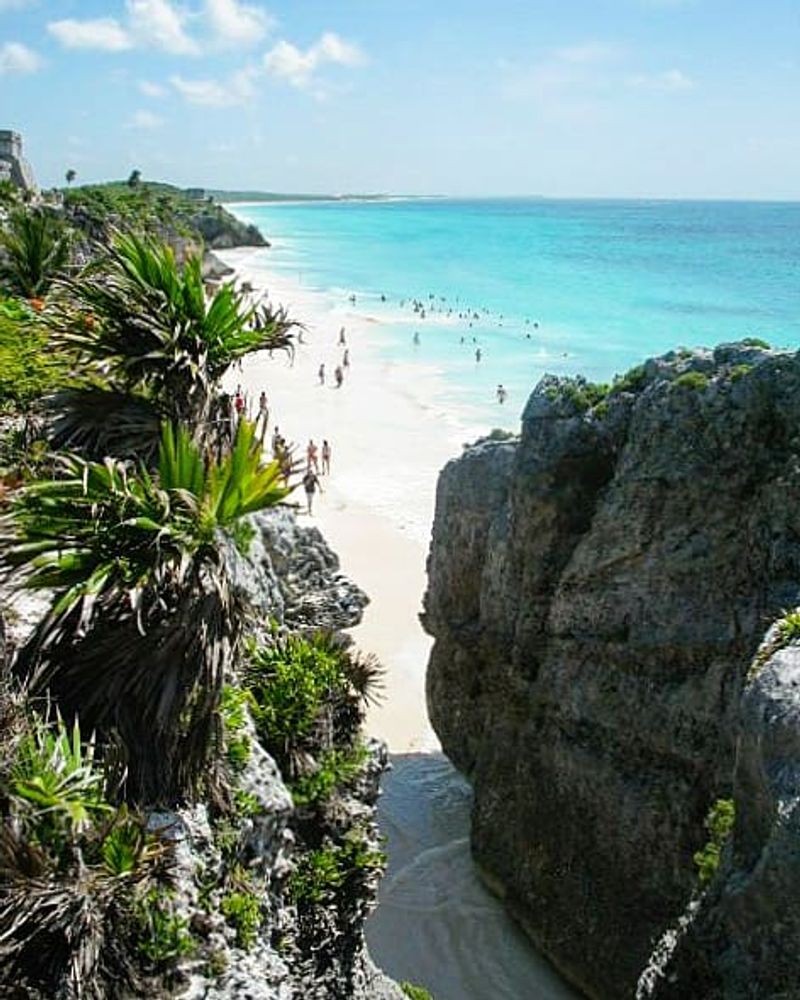
Mexico is a country where ancient indigenous civilizations and Spanish colonial history collided and fused into something entirely unique. The Aztec and Maya empires were among the most advanced societies in the pre-Columbian Americas, with sophisticated calendars, agriculture, and monumental architecture.
Their legacy is visible in Mexican art, food, and identity to this day.
Mexican cuisine was recognized by UNESCO as an intangible cultural heritage of humanity in 2010. Dishes like tacos, tamales, mole, and guacamole have become globally beloved comfort foods.
Chocolate, tomatoes, and corn, all originally cultivated in Mexico, are now staples in kitchens around the world.
Mexican art produced giants like Diego Rivera and Frida Kahlo, whose bold, politically charged works have inspired generations of artists. The Day of the Dead celebration, blending indigenous traditions with Catholic influences, has captured global imagination and is now recognized worldwide.
Mexico’s cultural vibrancy is impossible to ignore.
14. Brazil
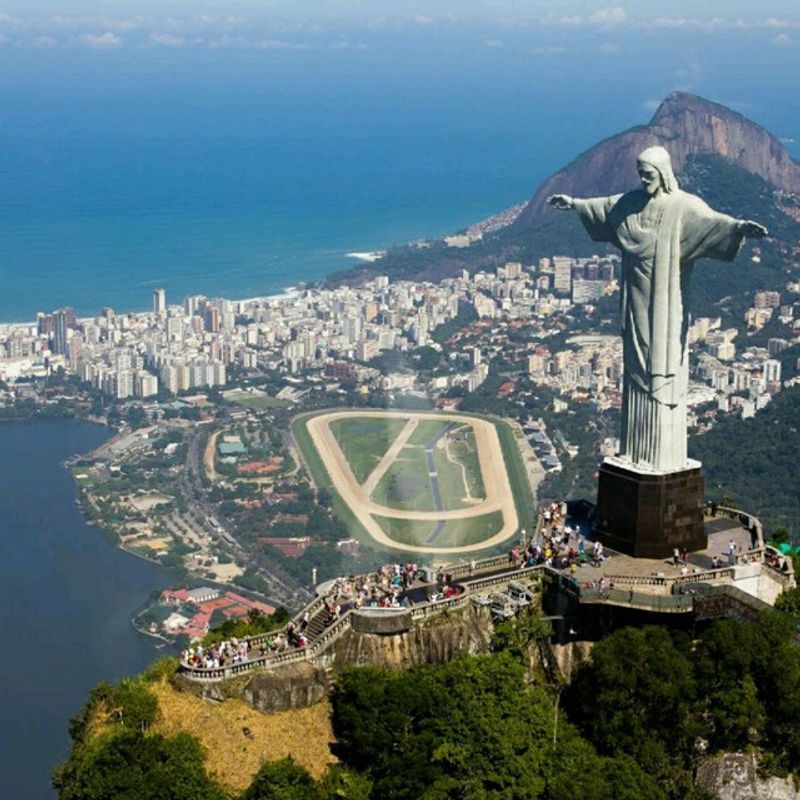
Brazil pulses with a cultural energy that is hard to match anywhere on Earth. The country is the largest in South America and home to one of the most diverse populations in the world, with roots in indigenous, African, Portuguese, and immigrant communities from across the globe.
That mix has produced a cultural richness that expresses itself in music, dance, food, and art.
Samba and bossa nova are two Brazilian musical forms that have captured international audiences for decades. Bossa nova, in particular, blended samba rhythms with jazz influences in the 1950s and became a worldwide sensation.
Rio de Janeiro’s Carnival is considered the largest street festival on Earth, drawing millions of visitors each year.
Brazilian football, known as the beautiful game, has produced legends like Pele and Ronaldo who transcended sport and became global icons. The Amazon rainforest, largely within Brazil, holds immense cultural and environmental significance recognized worldwide.
Brazil’s influence is vibrant, rhythmic, and deeply human.
15. Turkey
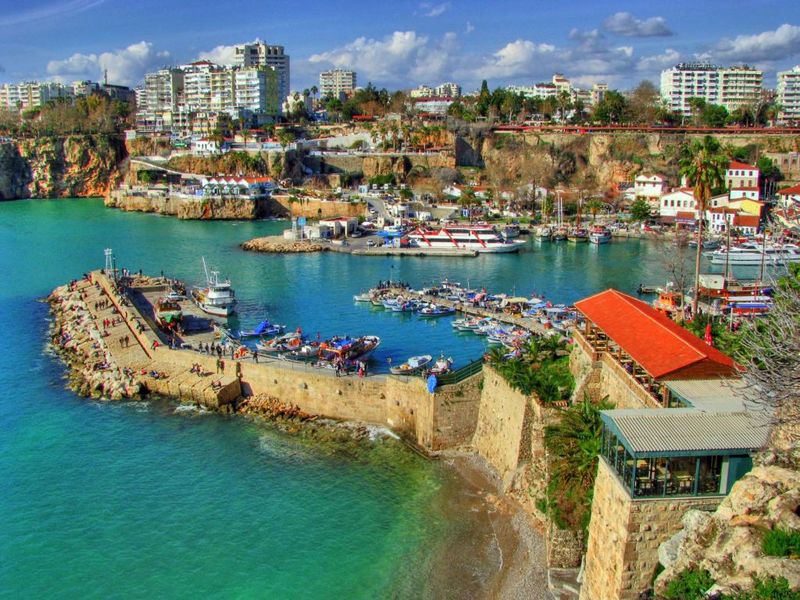
Turkey sits at the crossroads of Europe and Asia, and that geographic position has made it one of history’s great cultural mixing bowls. For over a thousand years, the Byzantine Empire ruled from Constantinople, now Istanbul, preserving Greek and Roman knowledge through the Middle Ages.
When the Ottoman Empire rose to power, it built on that foundation and created a civilization renowned for its architecture, art, and administration.
The Hagia Sophia, originally built in 537 CE, remains one of the most architecturally significant buildings ever constructed. Ottoman architecture, with its soaring domes and elegant minarets, influenced mosque design across the Middle East, North Africa, and South Asia.
Turkish cuisine, including kebabs, baklava, and Turkish coffee, has spread across the world and is beloved in dozens of countries.
Turkey’s position on the ancient Silk Road made it a hub for the exchange of goods, ideas, and cultures between East and West. That role as a bridge between civilizations is a defining part of Turkish identity and cultural heritage.
Share this story