Mexico is full of surprises, and its Pueblos Magicos program has helped shine a spotlight on some of the country’s most charming and culturally rich small towns. From misty mountain villages to sun-drenched coastal retreats, these places offer something truly special for every kind of traveler.
Whether you love history, nature, art, or adventure, Mexico’s magical towns deliver experiences that are hard to forget. Here are 13 destinations that keep travelers coming back for more.
1. San Miguel de Allende (Guanajuato)
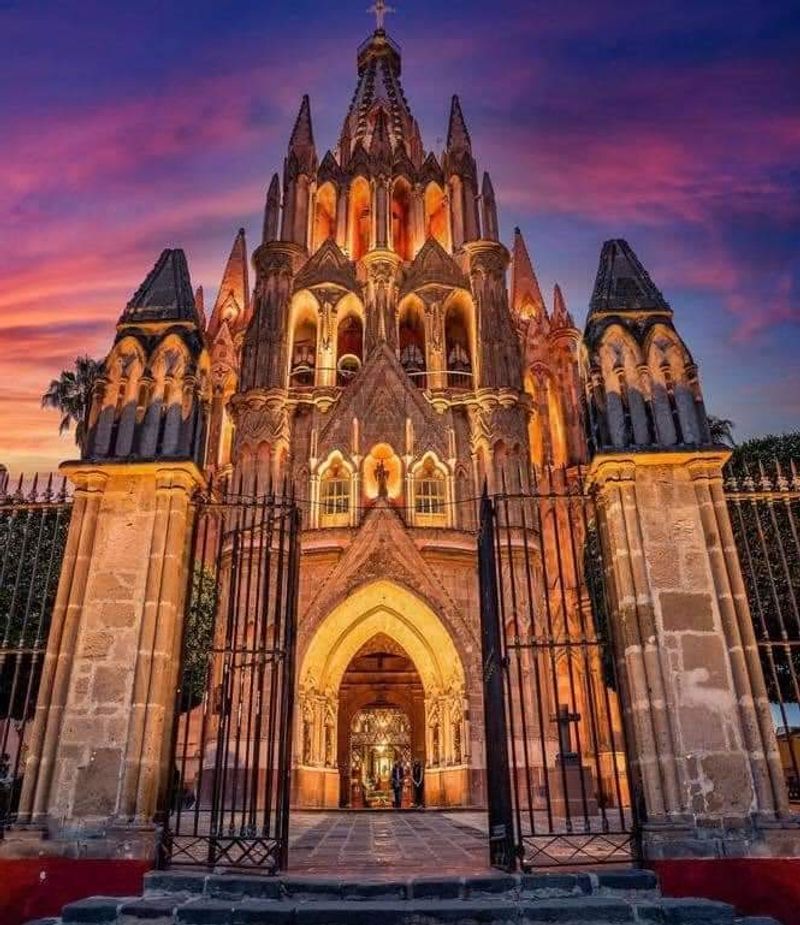
Few places in Mexico stop travelers in their tracks quite like San Miguel de Allende. Its rose-colored cathedral, the Parroquia de San Miguel Arcangel, rises dramatically above cobblestone streets lined with colorful colonial buildings.
The whole historic center earned UNESCO World Heritage status in 2008, recognizing its outstanding architectural beauty.
Beyond the stunning visuals, this town buzzes with creative energy. Art galleries, cooking classes, and live music fill the calendar year-round, drawing artists, retirees, and curious visitors from around the world.
The local food scene is equally impressive, blending traditional Mexican flavors with international influences.
Spring brings the famous Semana Santa celebrations, transforming the streets into elaborate outdoor altars and processions. Wandering through the jardin principal on a weekend evening, surrounded by locals and tourists alike, feels like stepping into a living postcard.
San Miguel de Allende is genuinely hard to leave.
2. Tulum (Quintana Roo)
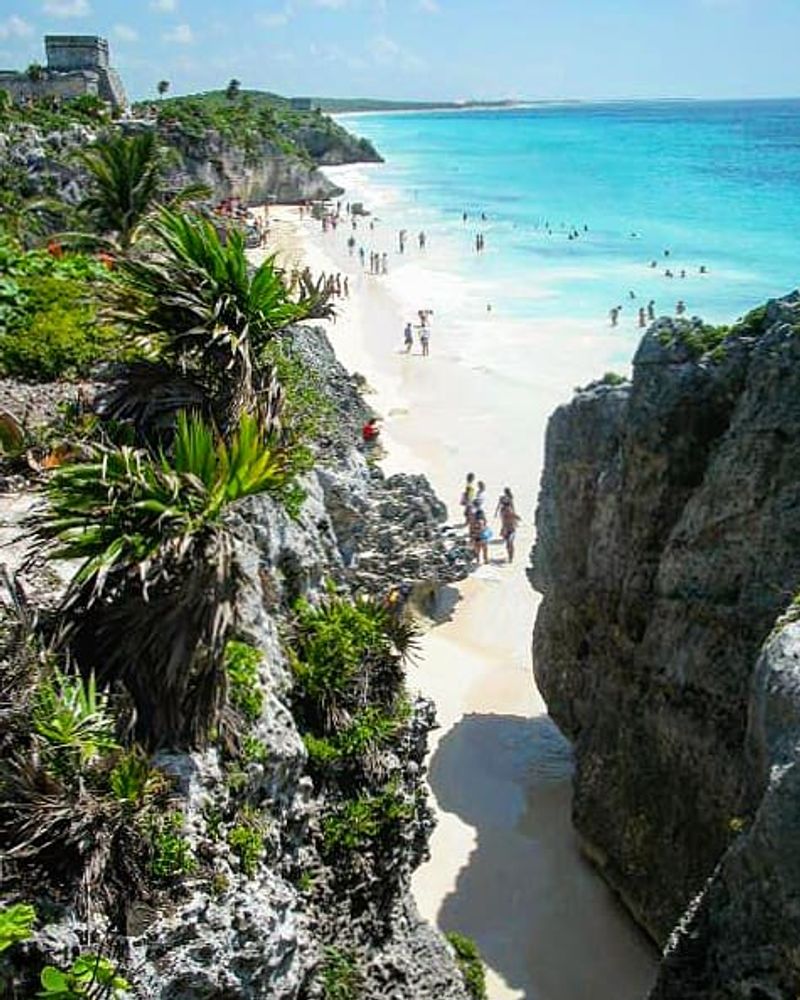
Perched dramatically on a cliff above the Caribbean Sea, Tulum’s ancient Mayan ruins offer one of the most photogenic archaeological sites in all of Mexico. The contrast of crumbling stone temples against brilliant turquoise water is something you have to see in person to fully appreciate.
Below the ruins, powdery white sand beaches stretch along the coastline, dotted with eco-chic boutique hotels and beachside restaurants. Tulum has developed a laid-back bohemian personality that attracts wellness seekers, surfers, and digital nomads looking for a slower pace of life.
The cenotes nearby add another layer of magic, offering crystal-clear swimming holes hidden beneath the jungle floor.
Visiting early in the morning means you get the ruins mostly to yourself before the crowds arrive. Tulum blends ancient history with modern cool in a way that feels effortless, making it one of Mexico’s most talked-about destinations right now.
3. Valle de Bravo (Estado de Mexico)
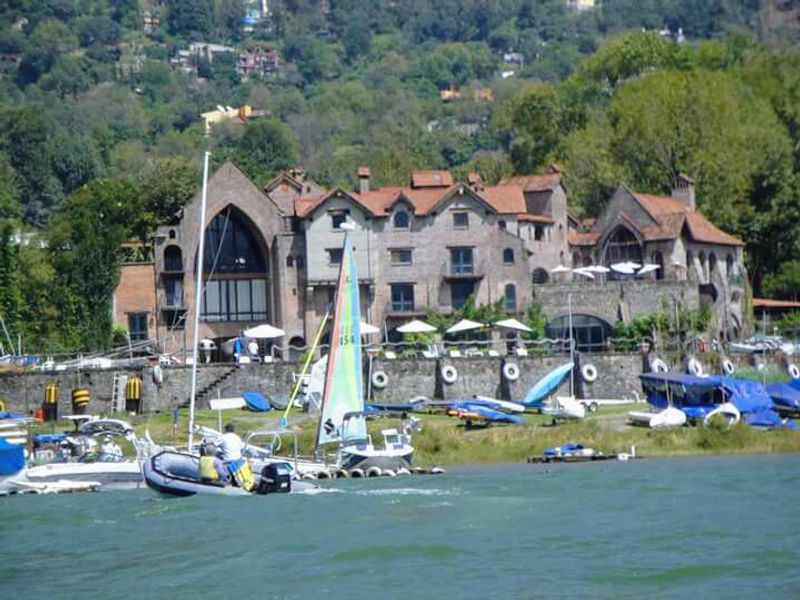
Just two hours west of Mexico City, Valle de Bravo is the kind of place city dwellers dream about escaping to on weekends. The town wraps around a sparkling artificial lake called Lake Avandaro, and its white-washed buildings with red-tiled roofs give it a distinctly European feel that surprises first-time visitors.
Paragliding is one of the biggest draws here. The surrounding mountains create perfect thermal currents, making Valle de Bravo one of Latin America’s top paragliding destinations.
Even if flying isn’t your thing, the views from the hilltops are worth the trip on their own.
The main plaza comes alive on weekends with street food vendors, artisan markets, and families enjoying the relaxed atmosphere. Water sports on the lake, including kayaking and sailing, round out the outdoor options.
Valle de Bravo proves you do not need to travel far from a major city to find genuine charm.
4. Todos Santos (Baja California Sur)
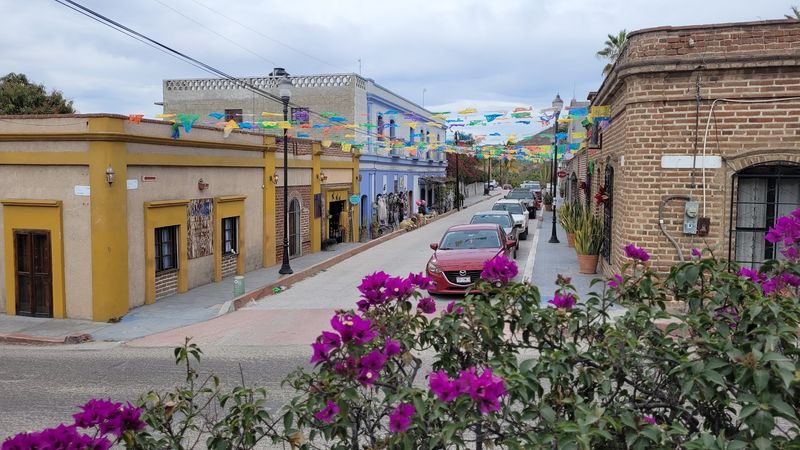
Todos Santos sits in a sweet spot between the Pacific Ocean and the Sierra de la Laguna mountains, giving it a landscape unlike anywhere else in Mexico. Desert cacti tower over colonial-era buildings, while the sound of crashing surf drifts in from nearby beaches just minutes away.
The town has become a magnet for artists, and it shows. Galleries showcasing local and international work line the main streets, and the creative community gives Todos Santos a lively, open-minded spirit.
Surf culture adds another dimension, with consistent waves attracting riders of all skill levels to the nearby breaks.
One popular local legend claims that the Hotel California song by the Eagles was inspired by a hotel here, though music historians debate this. True or not, the story adds a fun layer to exploring the town.
Todos Santos rewards slow travelers who enjoy wandering without a strict itinerary.
5. Bacalar (Quintana Roo)
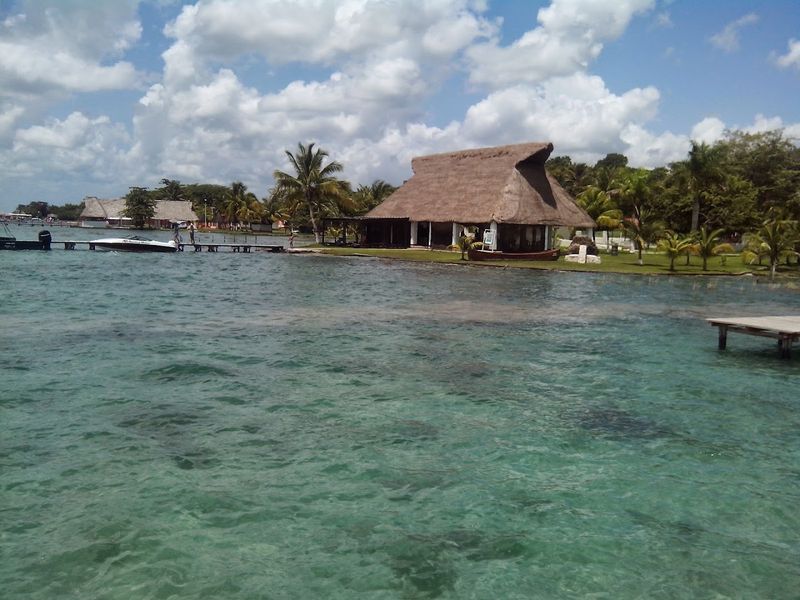
Called the Lagoon of Seven Colors, Bacalar’s waters shift from pale turquoise to deep sapphire depending on the depth and angle of sunlight. The result is a natural display that genuinely looks too beautiful to be real.
Visitors who see it for the first time often reach for their cameras before they even step off the boat.
Unlike the crowded resort areas of Cancun or Playa del Carmen, Bacalar maintains a quieter, more relaxed energy. Small guesthouses and eco-lodges line the lagoon’s edge, and the pace of life here encourages genuine rest.
Swimming, kayaking, and sailing on the lagoon are the main activities, and that simplicity is exactly the point.
The nearby Fuerte de San Felipe, a historic fort built to protect against pirate attacks, adds a surprising history lesson to the visit. Bacalar is proof that some of Mexico’s most breathtaking spots are still refreshingly off the beaten path.
6. Real de Catorce (San Luis Potosi)
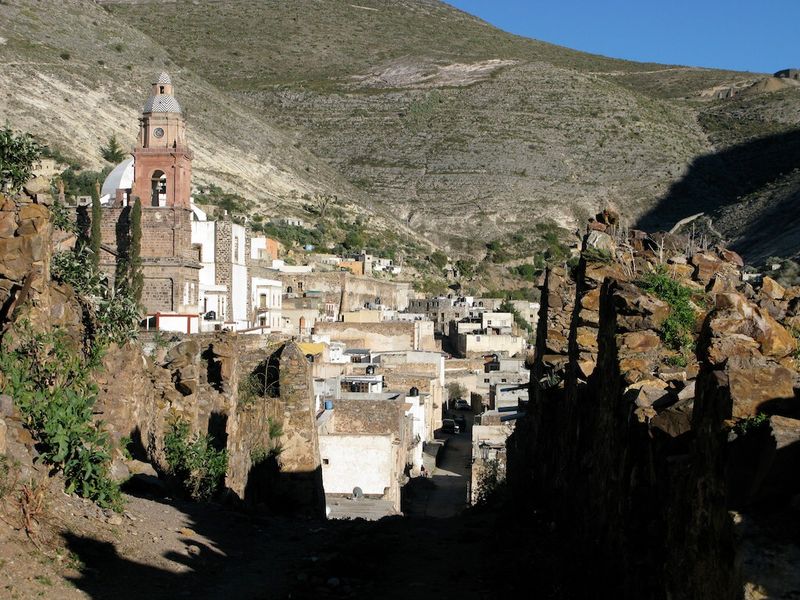
Getting to Real de Catorce is half the adventure. Visitors must pass through a nearly two-kilometer tunnel carved through the mountain just to reach this remote former silver mining town.
That dramatic entrance sets the tone for everything that follows.
Real de Catorce sits at over 2,700 meters above sea level, and the thin mountain air gives it an otherworldly atmosphere that travelers find genuinely haunting in the best way. The town was largely abandoned after silver prices collapsed in the early 20th century, leaving behind a beautifully eerie landscape of stone ruins and empty streets.
The surrounding Wirikuta desert is considered sacred by the Huichol indigenous people, who make annual pilgrimages here to gather peyote for spiritual ceremonies. This cultural and spiritual significance adds real depth to any visit.
Real de Catorce is not a typical tourist destination, and that is exactly what makes it unforgettable.
7. Izamal (Yucatan)
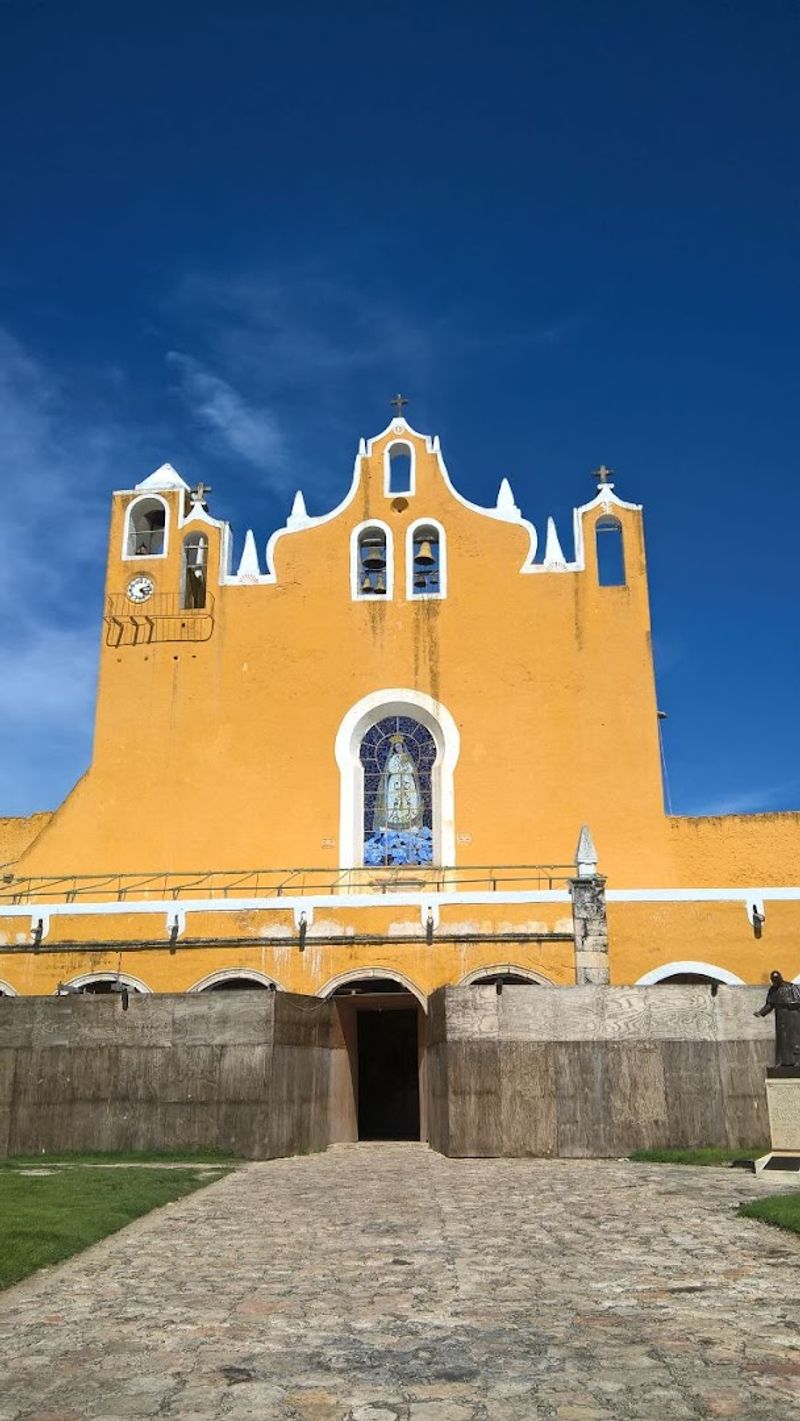
Nicknamed the Yellow City, Izamal earns that title honestly. Nearly every building in the historic center is painted a warm golden yellow, creating a visual harmony that feels both intentional and magical.
Walking its streets feels like stepping inside a sunlit painting.
Izamal is one of Mexico’s oldest continuously inhabited cities, with roots stretching back to ancient Mayan civilization. Several Mayan pyramids still stand within the town itself, including the impressive Kinich Kakmo pyramid, which visitors can climb for panoramic views over the yellow rooftops below.
The enormous Convent of San Antonio de Padua, built in the 16th century directly on top of a Mayan temple, stands as a striking symbol of the collision between indigenous and colonial history. Pope John Paul II visited Izamal in 1993, adding another layer to its spiritual significance.
Horse-drawn carriages still clip-clop through the streets, giving the town a timeless, unhurried character.
8. Taxco (Guerrero)
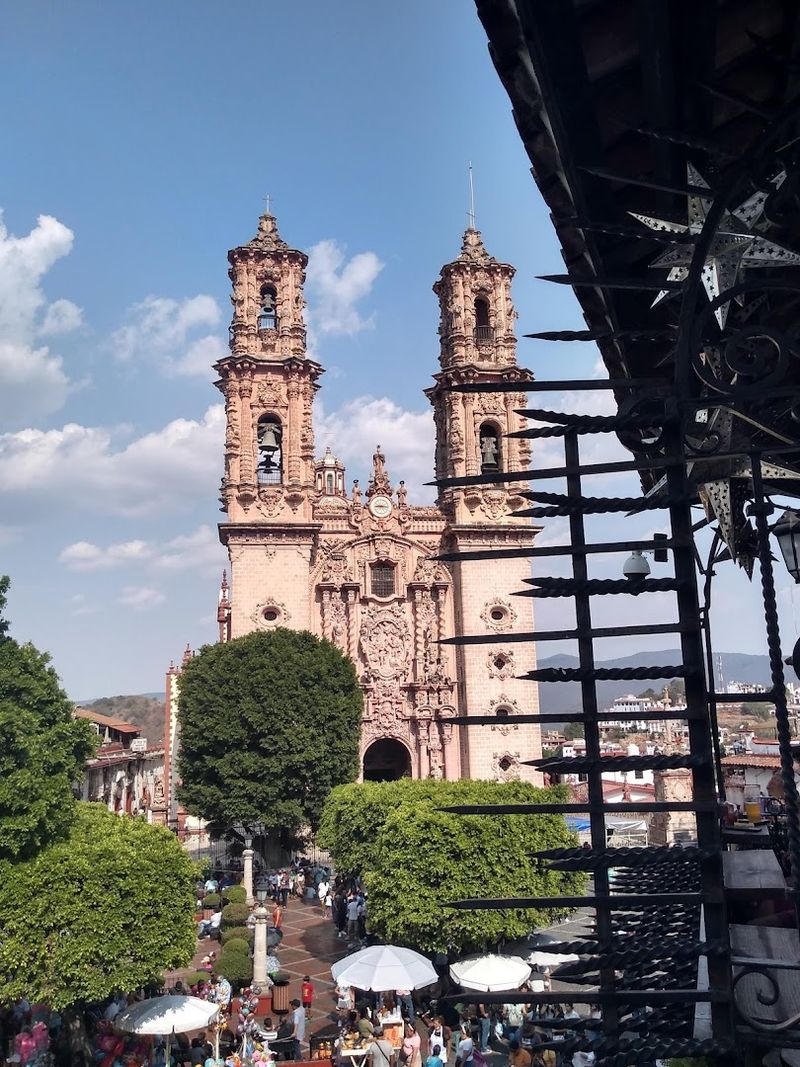
Taxco clings to steep hillsides in the state of Guerrero with a kind of stubborn charm that has attracted visitors for centuries. Its white-washed buildings with terracotta roofs tumble down narrow cobblestone streets in a layout that makes navigation a genuine adventure.
Getting a little lost here is actually encouraged.
Silver put Taxco on the map, and it still defines the town today. Hundreds of silver shops and workshops fill the streets, selling everything from delicate rings to elaborate decorative pieces.
The craft tradition dates back to the 18th century when a Spanish merchant named Jose de la Borda struck it rich and funded much of the town’s gorgeous architecture.
The Santa Prisca Cathedral, built in the mid-1700s, is a masterpiece of Baroque architecture and towers over the main plaza with impressive authority. Every November, the town hosts a national silver fair that draws artisans from across Mexico.
Taxco is compact, walkable, and genuinely one of a kind.
9. Patzcuaro (Michoacan)
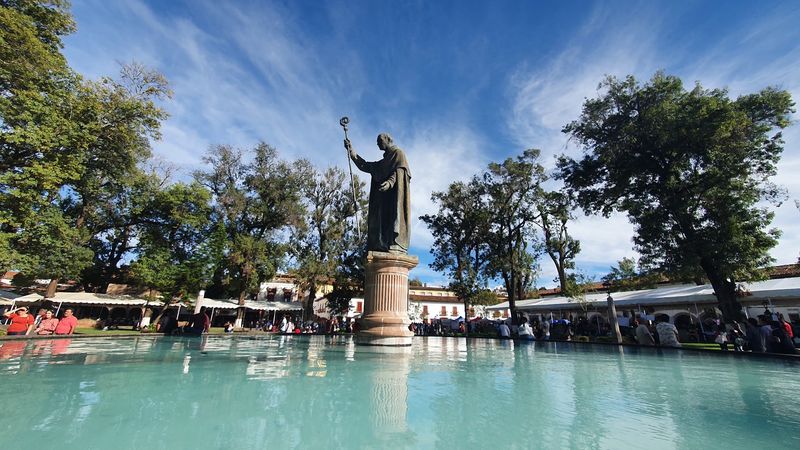
Patzcuaro carries the weight of centuries with remarkable grace. Nestled beside the misty Lake Patzcuaro in Michoacan, this town is deeply tied to the Purepecha indigenous culture that has shaped the region for generations.
That living connection to the past gives Patzcuaro a soulfulness that few Mexican towns can match.
The Day of the Dead celebration here is widely considered one of the most authentic and moving in all of Mexico. Each November, families gather on the island of Janitzio in the middle of the lake to honor their ancestors with candlelit vigils, marigold offerings, and quiet reflection.
Travelers who witness this ceremony often describe it as life-changing.
Year-round, the town’s colonial plazas, artisan markets, and traditional copper workshops reward curious visitors. Nearby Tzintzuntzan, the ancient Purepecha capital, adds an archaeological dimension to any trip.
Patzcuaro is the kind of place that stays with you long after you leave.
10. Tequila (Jalisco)
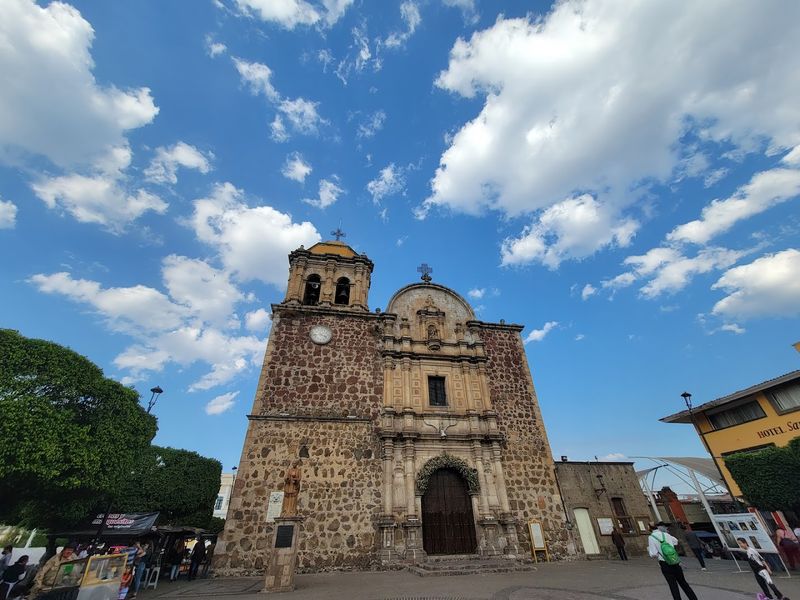
You already know the drink. Now imagine walking through endless fields of blue agave plants under the Jalisco sun, with the sweet, earthy scent of roasting agave drifting from nearby distilleries.
That is the everyday reality in the town of Tequila, and it is as good as it sounds.
The agave landscape surrounding the town earned UNESCO World Heritage recognition in 2006, acknowledging its cultural and historical importance to Mexican identity. Several of the world’s most famous tequila brands, including Jose Cuervo, operate distilleries here that offer fascinating tours explaining the full production process from field to bottle.
Beyond the distillery visits, the town itself is worth exploring. Colorful buildings, a lively main plaza, and a small but informative National Tequila Museum fill out the experience nicely.
The tequila express train from Guadalajara makes the trip easy and festive. Tequila is a town that takes its legacy seriously while keeping things fun.
11. Sayulita (Nayarit)
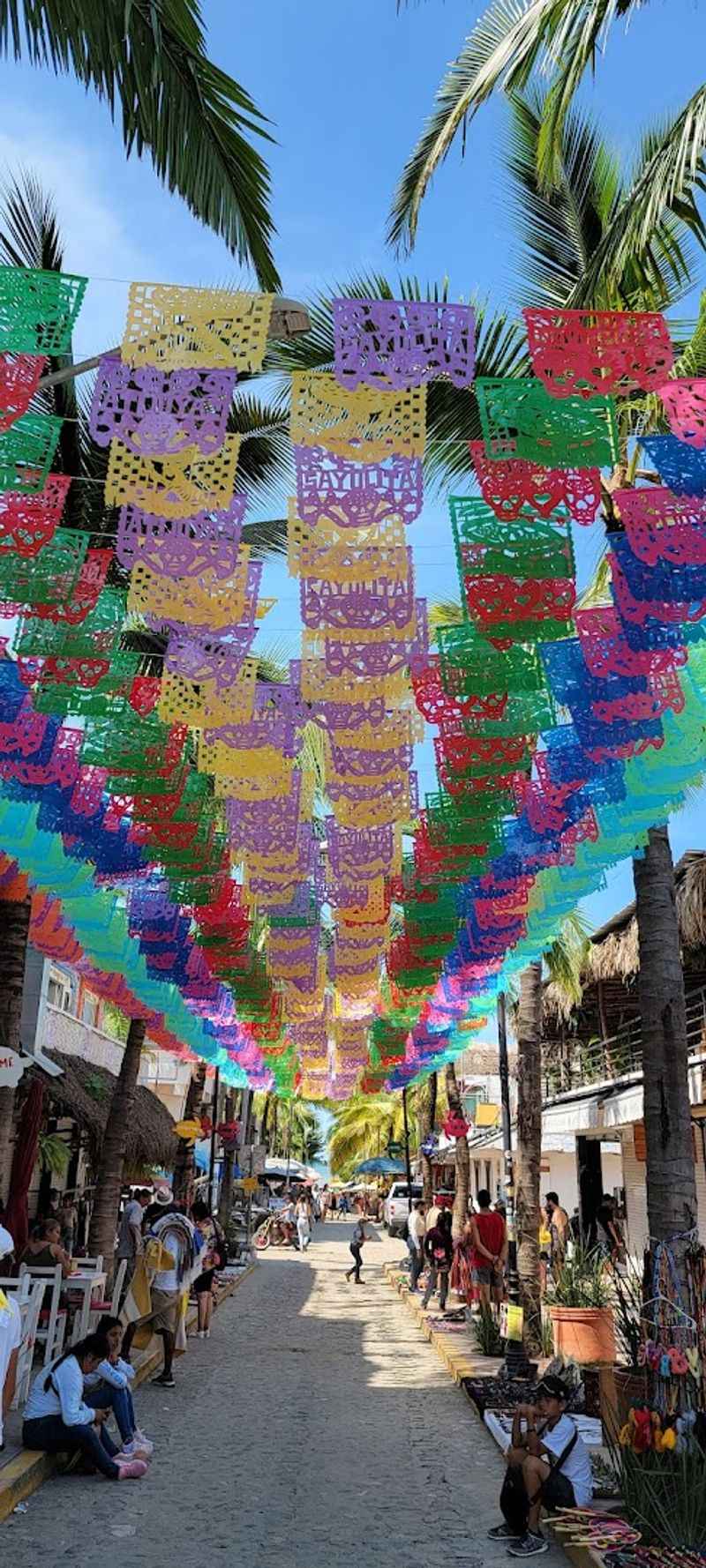
Walk into Sayulita and you immediately feel the energy. Brightly painted buildings draped in colorful flags and paper decorations line streets that lead directly to a lively surf beach on the Pacific coast.
There is a festive buzz here that is hard to shake, even if you only plan to stay a day or two.
Surfing is central to Sayulita’s identity. The consistent beach break is ideal for beginners, and surf schools operate right on the sand, making it easy for first-timers to catch their first wave.
More experienced surfers appreciate the town as a friendly base for exploring other nearby breaks along the Riviera Nayarit coastline.
After sunset, the town shifts into a different gear. Restaurants, bars, and taco stands fill up with a mix of locals, expats, and travelers swapping stories.
Street art decorates many of the buildings, adding a creative edge to Sayulita’s beach-town personality. It is casual, colorful, and completely contagious.
12. Bernal (Queretaro)
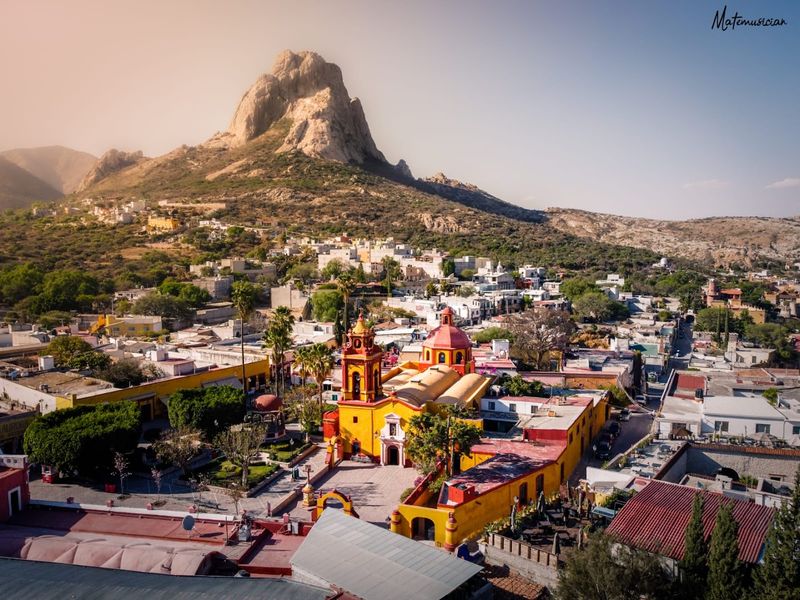
Bernal has a secret weapon: the Pena de Bernal, a massive rock monolith that rises 350 meters above the surrounding plains and ranks among the largest in the world. It dominates every view of this small Queretaro town, creating a backdrop so dramatic that it looks almost computer-generated in photographs.
Hikers and climbers come from across Mexico and beyond to tackle the trail up the monolith. The lower section is accessible to most visitors, while the upper reaches require proper climbing gear and experience.
Even without reaching the summit, the views from partway up are outstanding and well worth the effort.
Below the rock, Bernal’s compact town center charms visitors with its handicraft shops, traditional mezcal offerings, and relaxed atmosphere. The town is also famous for its handmade wool sweaters and local textiles, which make excellent souvenirs.
Every spring equinox, thousands of visitors flock to Bernal to absorb what locals call the monolith’s powerful energy.
13. Huasca de Ocampo (Hidalgo)
Huasca de Ocampo holds a special place in Mexican travel history as the very first town to receive the Pueblo Magico designation back in 2001. That honor reflects just how much character this small Hidalgo town packs into a compact space.
The surrounding landscape alone is enough to justify the trip.
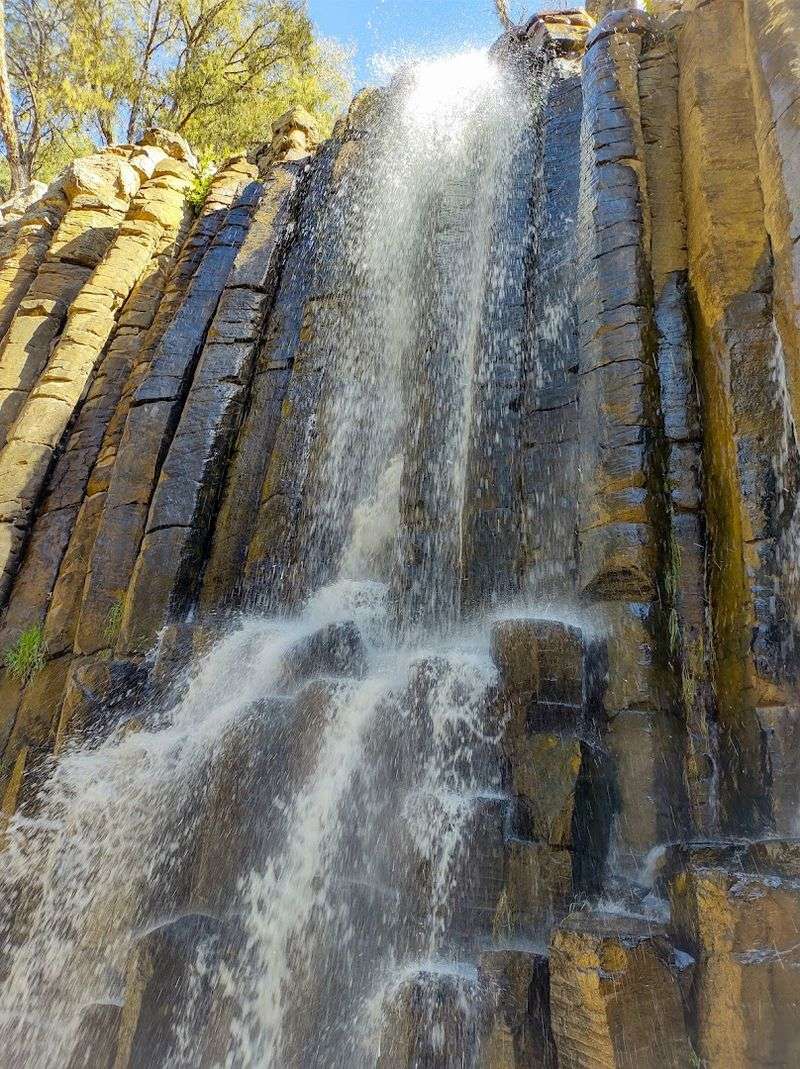
The star attraction is the Prismas Basalticos, a series of dramatic hexagonal basalt columns formed by ancient volcanic activity. A waterfall cascades over these geometric rock formations, creating a scene that looks more like a geology textbook illustration than real life.
The columns can reach up to 40 meters tall, and seeing them up close is genuinely awe-inspiring.
The town itself offers hacienda hotels converted from former silver mining estates, giving visitors a chance to sleep in beautifully preserved colonial history. Hiking trails through pine and oak forests connect several natural and historical sites in the area.
Huasca de Ocampo is an easy day trip from Mexico City but deserves at least one overnight stay.
Share this story