There is a spot in Monmouth County, New Jersey, that quietly does three jobs at once. It keeps the taps running for hundreds of thousands of residents, gives hawks and herons a place to call home, and hands local families a ready-made outdoor escape just minutes from their front doors.
What makes it genuinely worth writing about is how well all three roles coexist. The water stays clean, the wildlife stays wild, and the people who show up on a Tuesday morning for a jog or a quiet hour of fishing leave feeling like they found something most people overlook.
That balance is rare, and this article breaks down exactly what makes this reservoir tick from every angle.
Where Exactly This Place Sits
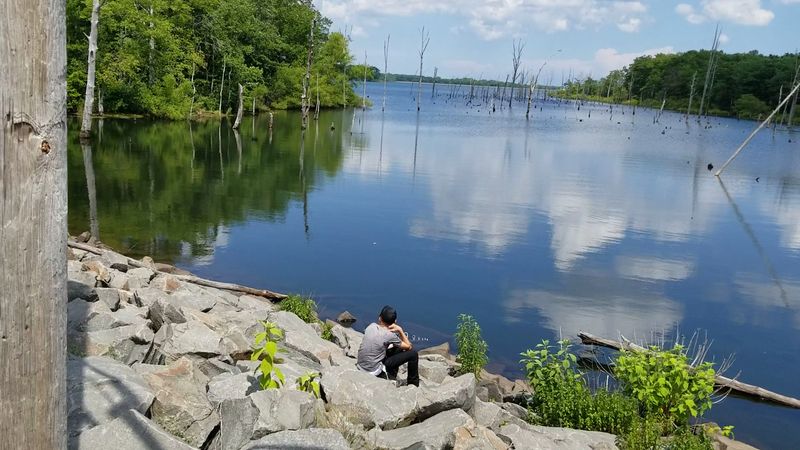
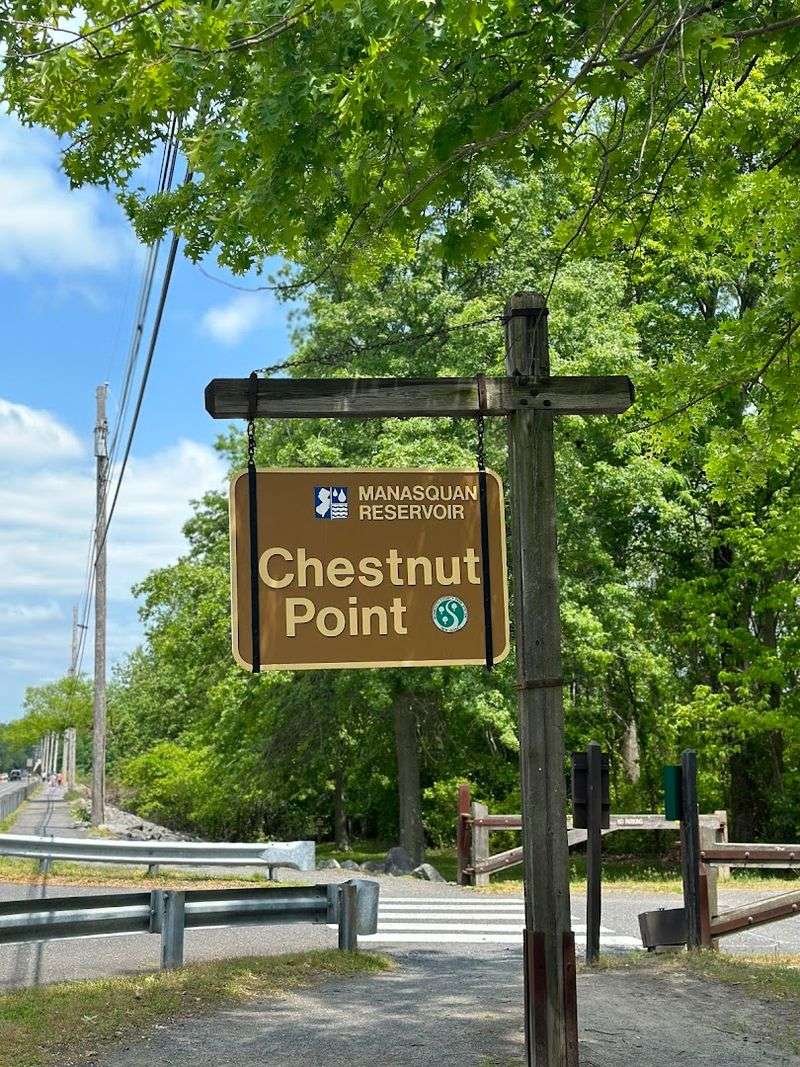
Chestnut Point at the Manasquan Reservoir sits at 337 Georgia Tavern Rd, Howell Township, NJ 07731, tucked into a stretch of Monmouth County that still holds onto a lot of its open, green character.
The park is managed by Monmouth County Park System, which also oversees a Visitor Center and Environmental Education Center nearby on the same reservoir property. The site is open every day of the week, from 7 AM to 8 PM, giving early risers and after-work walkers the same fair shot at the trail.
Parking at Chestnut Point is well-organized and generally easy to find a spot, even on busier weekend mornings. The address sits in Howell Township, which is one of the larger townships in New Jersey by land area, so the surrounding landscape has a genuinely open, unhurried quality that carries right into the park itself.
The Reservoir’s Real Job: Drinking Water
Most people who lace up their sneakers and head to the Manasquan Reservoir are thinking about the trail, not the pipes. But this body of water has a critical infrastructure role that runs quietly under every visit.
The reservoir is a primary drinking water source for much of Monmouth and Ocean counties in New Jersey, serving hundreds of thousands of people. It was built in the 1980s and became operational in 1990, created specifically to meet the growing water demand in this fast-developing region of the state.
Water is pumped from the Manasquan River into the reservoir, stored, treated, and then distributed through the regional system. That process requires the surrounding land to stay clean and well-managed, which is part of why the park grounds are kept in notably good condition.
The water supply mission and the recreational mission actually reinforce each other here in a practical, straightforward way.
Five Miles of Trail That Actually Deliver
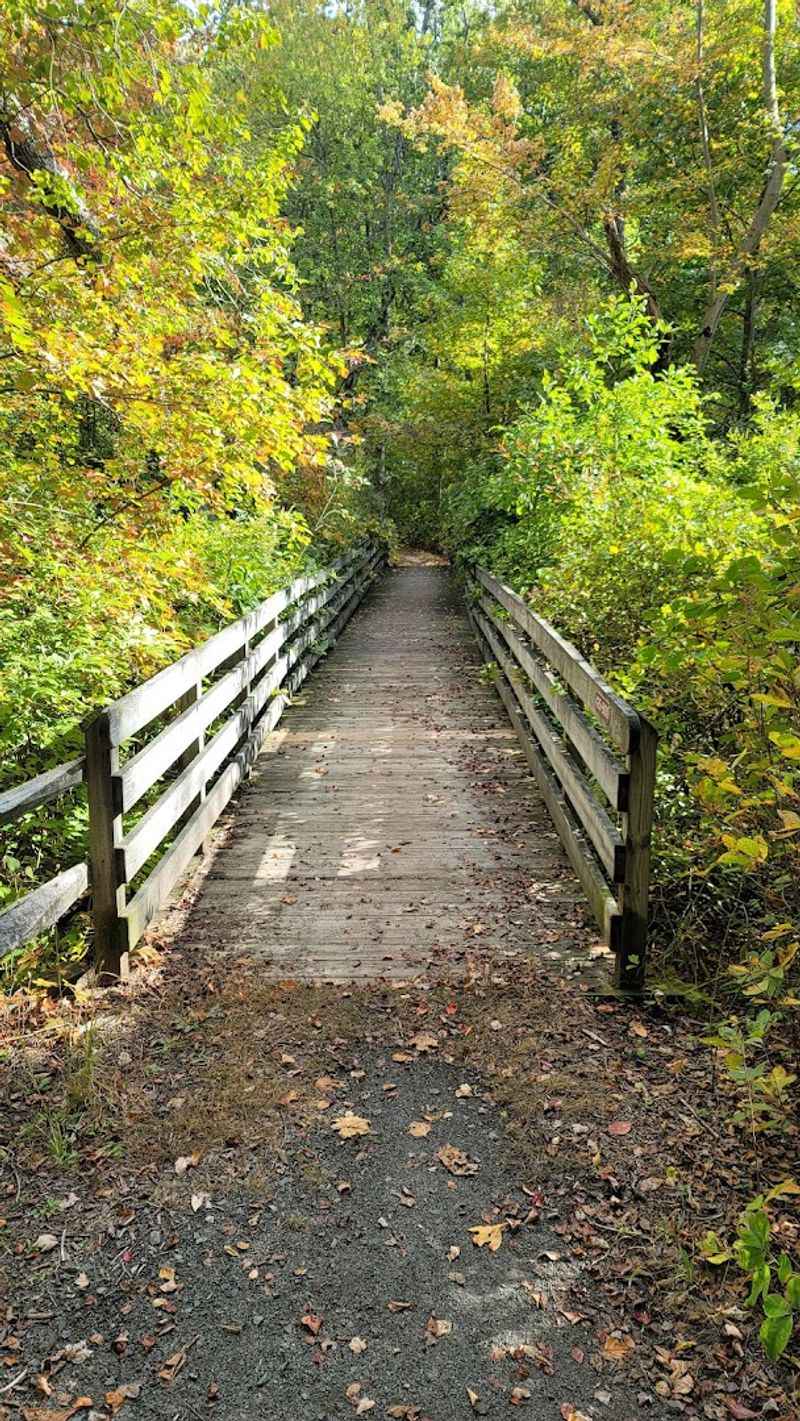
The main loop trail at the Manasquan Reservoir runs just under five miles around the full perimeter of the water. That distance hits a sweet spot: long enough to feel like a real workout, short enough that most people can finish it in a single outing without a major time commitment.
The trail surface is wide and well-maintained, which makes it accessible for walkers, joggers, cyclists, and even people who bring strollers or wheelchairs. There are no extreme elevation changes, so the terrain stays manageable for a wide range of fitness levels.
Regular users have noted that the trail is clean and consistently kept in good shape throughout the year.
On any given morning, the loop attracts a mix of dedicated runners logging daily miles and casual walkers out for their first visit. Some people walk it five times a week.
Others show up once and immediately plan a return trip.
Wildlife That Shows Up Without Warning
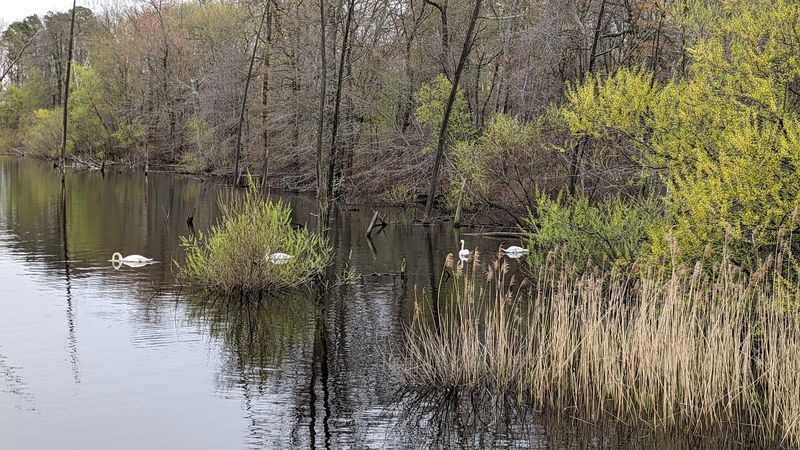
Hawks circle overhead. Egrets stand perfectly still at the water’s edge.
Turtles surface near the shore and hold their position long enough for a phone camera to catch them. The Manasquan Reservoir has earned its reputation as a wildlife haven, and that reputation is backed up by what people actually encounter on a regular walk around the loop.
Rabbits appear in the grassy areas near the trailhead. Shorebirds work the shallows in the early morning hours.
The variety of bird species observed here makes the reservoir a worthwhile destination for anyone who follows local birding activity in New Jersey.
The reservoir’s protected status as a water supply area means the surrounding land is not developed, which creates a buffer zone that wildlife naturally gravitates toward. That protection is not accidental.
It is a direct result of the management policies that keep the water clean and the habitat intact, and both goals end up benefiting the same ecosystem.
Fishing at the Reservoir: What to Know
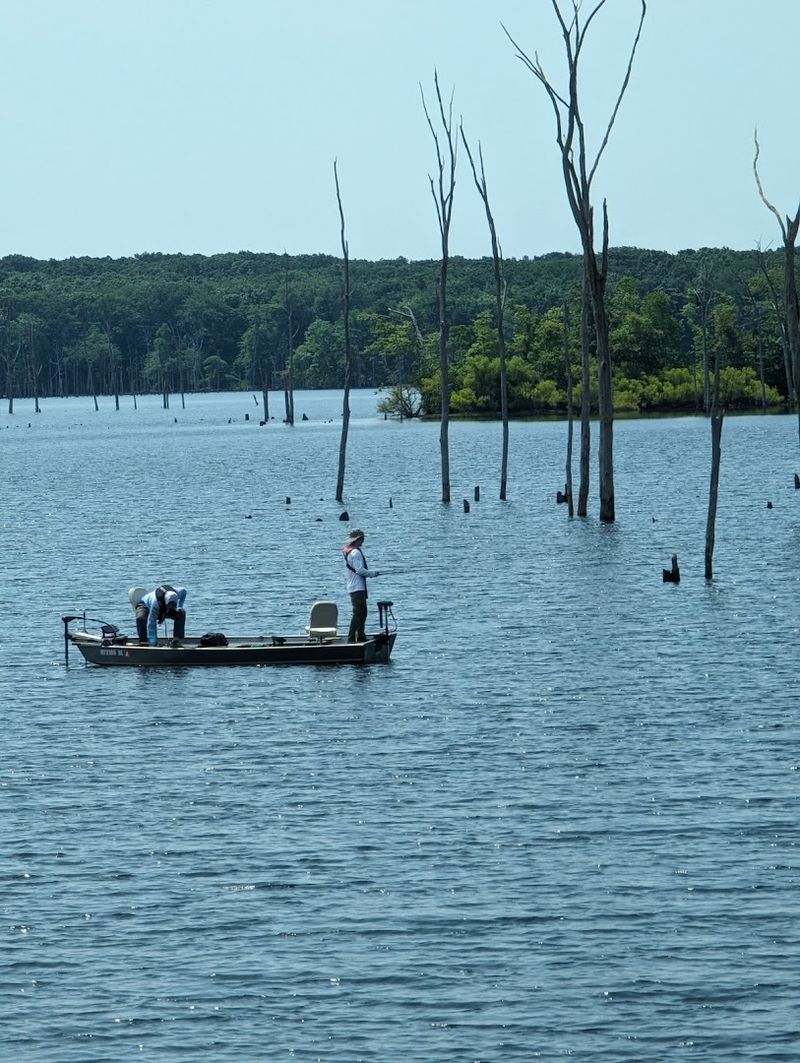
Fishing at the Manasquan Reservoir draws a dedicated crowd, particularly on weekends when families set up along the shoreline with rods and tackle boxes. Largemouth bass are among the species that anglers target here, and the reservoir has produced some notable catches over the years.
A valid New Jersey fishing license is required to fish at the reservoir, so anyone planning to cast a line needs to have the proper documentation in order before arriving. The rules are enforced, and the requirement helps maintain the fishery in good condition for everyone who uses it.
The shoreline access at Chestnut Point gives anglers a solid position to work from without needing a boat. The calm water and open setting make it a relaxed way to spend a few hours.
Families who fish here often mention that the experience feels unhurried and low-pressure, which is exactly what most people are looking for on a weekend morning in New Jersey.
Biking the Loop: A Different Kind of Ride
The same trail that works for walkers and joggers also opens up a solid biking experience. The wide, paved surface and mostly flat terrain make the five-mile loop a reliable route for cyclists who want a scenic ride without dealing with traffic or technical terrain.
The path is shared with other users, so cyclists navigate around walkers and occasionally horses, which gives the trail a community feel that is different from a dedicated bike path. The mix of users actually keeps the pace varied and the experience more interesting than a solo road ride.
Early morning is a popular window for cyclists who want a cleaner run of the loop before the trail gets busy. By mid-morning on weekends, foot traffic picks up noticeably.
The trail has enough width to accommodate the flow in both directions without things feeling tight. For anyone who bikes regularly in Monmouth County, this loop is considered one of the better options in the area.
Dogs, Horses, and the Surprisingly Inclusive Trail Policy

The Manasquan Reservoir trail has a broader welcome policy than many parks in the region. Dogs are allowed on the loop as long as they are kept on a leash, which makes this a go-to destination for pet owners who want to combine exercise with an outing their dog will actually enjoy.
What surprises a lot of first-time visitors is the presence of horses. Equestrian use is permitted on the trail, and it is not unusual to encounter riders moving along the loop on weekend mornings.
The wide trail surface handles the mix of users without much conflict, and the overall atmosphere stays relaxed.
The terrain is described consistently as manageable, with no sections that feel punishing for older dogs or less experienced riders. The park does not have a dedicated dog park area, so the trail itself is the main attraction for pet owners.
Leash compliance is expected and generally observed by the regular crowd that uses this loop.
The Environmental Education Center Next Door
Just a short distance from Chestnut Point, the Manasquan Reservoir Environmental Education Center gives the park a second layer of purpose beyond recreation. The center is operated by the Monmouth County Park System and focuses on the natural ecosystems that surround and support the reservoir.
Programs at the center cover topics like local wildlife, water conservation, and the ecology of the reservoir watershed. School groups visit regularly, and the center also runs public programs that are open to families and individuals throughout the year.
It functions as a practical resource for anyone who wants context for what they are seeing on the trail.
The Visitor Center nearby offers trail maps and general information for people who are new to the area. Having both facilities on the same property means a single visit can include a walk, a wildlife sighting, and a conversation with staff who actually know the land.
That combination is harder to find than it sounds in a park setting.
What Fall Looks Like at the Water’s Edge
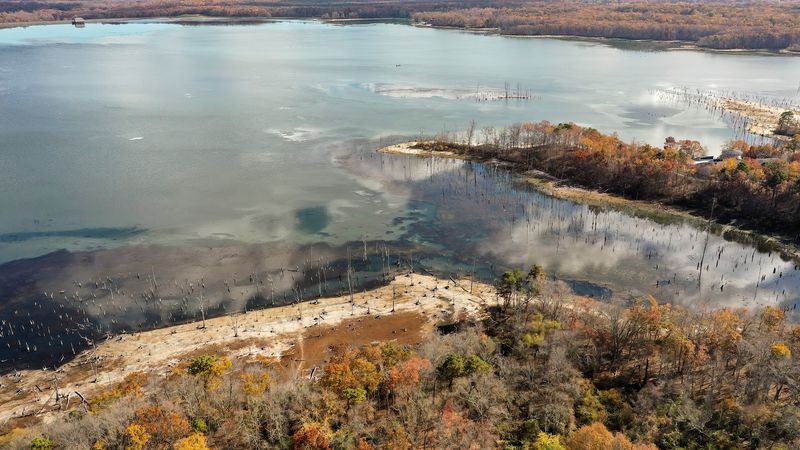
Autumn brings a noticeable shift to the Manasquan Reservoir. The trees along the trail change color across a wide range of oranges, reds, and yellows, and the open water provides a backdrop that makes the whole scene worth photographing.
The trail does not get crowded in the same way it does during warmer months, which gives fall walkers a more spacious experience.
Late October visits have come with a bonus that regular users appreciate: the tick activity drops off significantly in cooler weather, making the trail more comfortable for people who are cautious about that particular concern during spring and summer months.
The trail’s mostly open layout means fall sunlight reaches the path for most of the walk, which keeps things bright even on shorter autumn days. The combination of color, open water, and reduced foot traffic makes fall one of the most appealing windows to visit.
Winter visits also draw a small, committed group of regulars who find the quiet worth the cold.
The Graveyard of Trees: A Unique Natural Feature
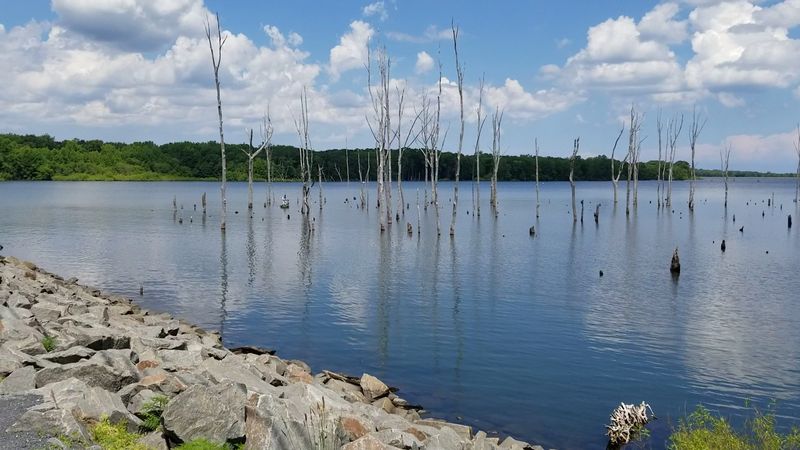
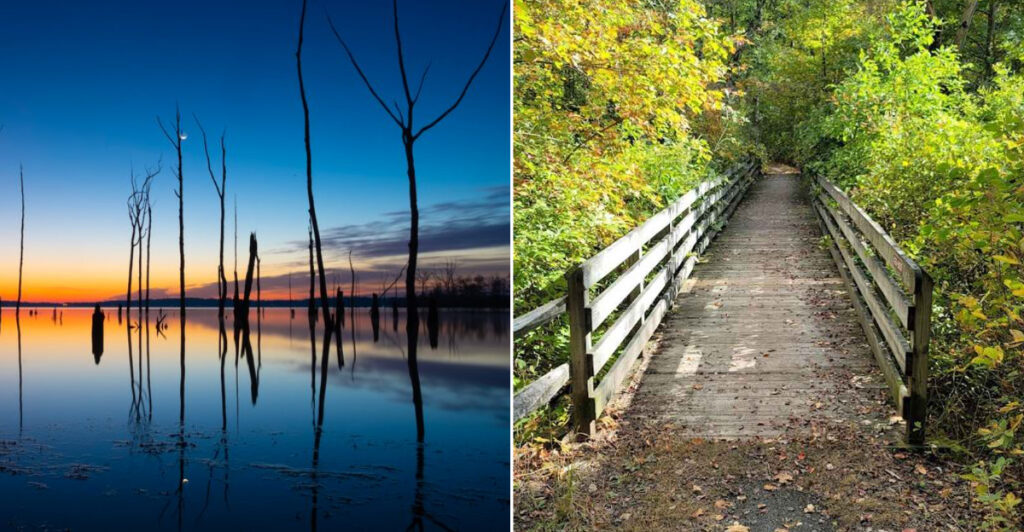
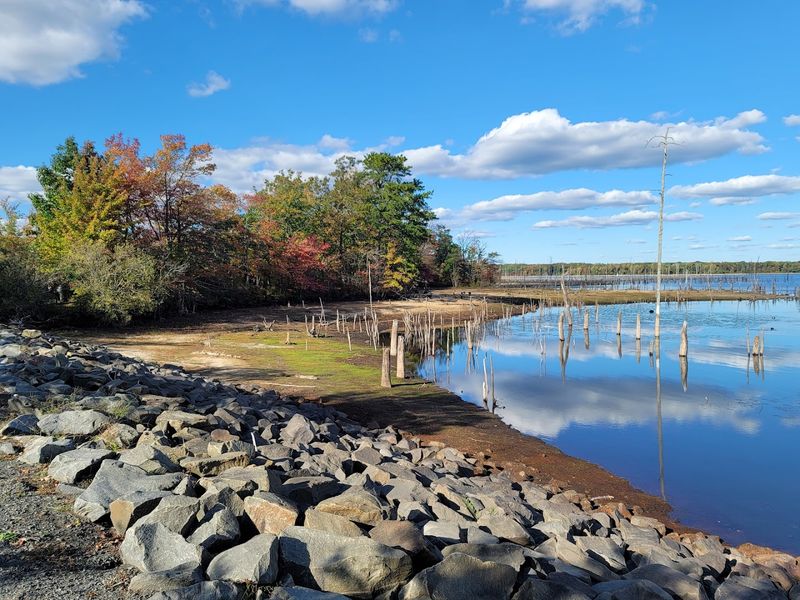
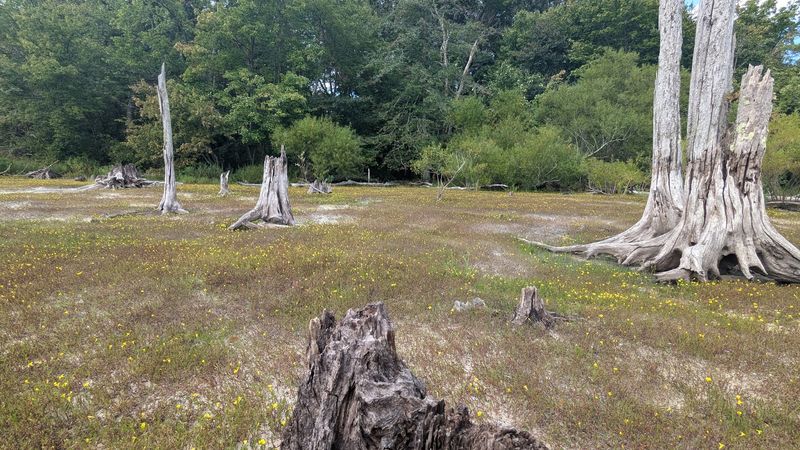
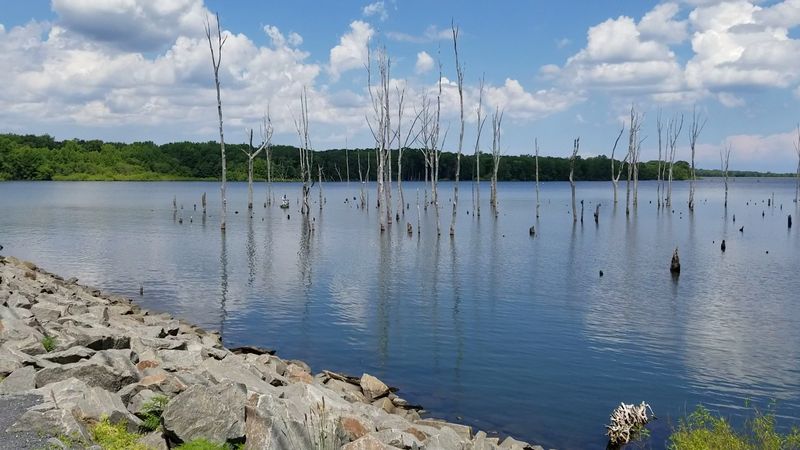
Not every park has something genuinely unusual to offer, but the Manasquan Reservoir has what locals have called a graveyard of trees. When water levels drop significantly during drought conditions, the submerged trunks and root systems of trees that were flooded when the reservoir was filled in the 1980s become exposed.
The sight of those long-submerged roots and tree forms rising above the waterline draws people specifically to see it. During a notable drought period, the low water levels revealed these structures in a way that felt, as one observer put it, like a once-in-a-lifetime sight.
The exposed landscape looked dramatically different from the reservoir’s normal appearance.
This kind of feature is a direct result of the reservoir’s history as a constructed body of water built over existing land. The trees that were there before the water arrived never fully disappeared.
They simply waited under the surface until conditions brought them back into view, and that story gives the reservoir an unexpected layer of character.
Sunrise Photography and Why People Come Early

The reservoir opens at 7 AM, which lines up conveniently with sunrise during several months of the year. Photographers and early walkers who arrive right at opening time get the water largely to themselves, along with whatever light the sky is producing on that particular morning.
The open water gives sunrise colors a wide surface to reflect across, and the lack of development around the reservoir means there are no buildings or power lines interrupting the view. Photographers have set up tripods at the water’s edge on cold mornings and described the experience as worth every bit of the early wake-up call.
Cold weather actually works in favor of early visitors who want the reservoir to themselves. The trail stays quiet in winter and on chilly mornings in other seasons, which creates a different kind of visit than the busy weekend experience.
For anyone who has thought about getting into outdoor photography, this reservoir offers a consistent and accessible subject without requiring a long drive.
Picnic Areas and Taking a Break Mid-Loop
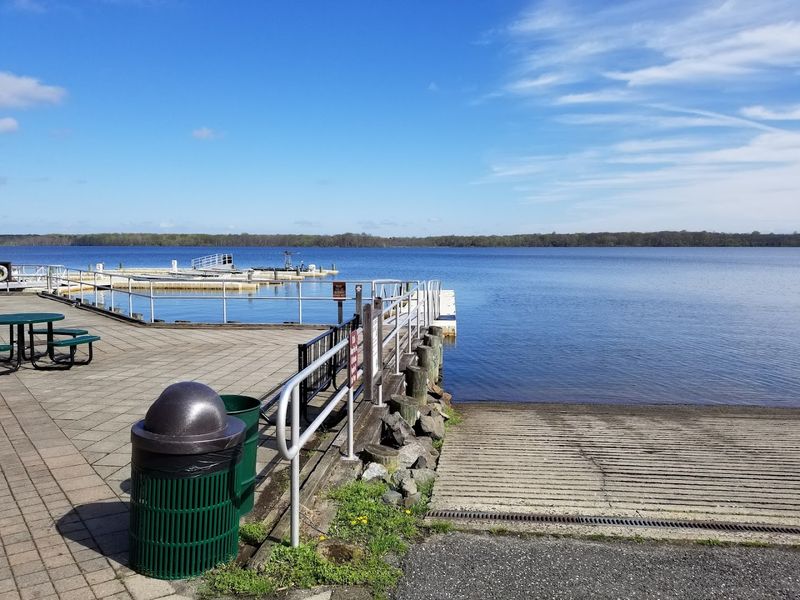
The trail loop at the Manasquan Reservoir is not a race to the finish line. There are picnic areas along the route where people stop, spread out, and turn a walk into a longer outing.
Families in particular use these spots to extend their visit beyond the trail itself.
The picnic areas are clean and well-maintained, consistent with the overall condition of the park. They provide a natural stopping point for groups who want to take a break, let kids run around, or simply sit near the water for a while before heading back to the trailhead.
The combination of a five-mile loop and designated rest areas makes the reservoir work well for mixed groups where not everyone is moving at the same pace. One person can keep jogging while others settle in at a table.
That flexibility is part of what makes this park function as a genuine community space rather than just a trail with a parking lot attached to it.
How the Reservoir Fits Into Monmouth County’s Park System
The Manasquan Reservoir is one of the flagship properties in the Monmouth County Park System, a network that manages dozens of parks, trails, and natural areas across the county. The park system’s approach to land management emphasizes conservation alongside recreation, and the reservoir is a strong example of that balance in practice.
The combination of drinking water protection, wildlife habitat, environmental education, and public recreation on a single property represents a model that many county park systems aim for but do not always achieve. At Manasquan, the pieces fit together in a way that feels coherent rather than forced.
Regular users of the Monmouth County park network often describe the reservoir as one of the standout properties in the system. The trail quality, the facility maintenance, and the overall management reflect a level of investment that shows up in the day-to-day experience of visiting.
For residents of Monmouth and Ocean counties, this park is a genuinely valuable public asset that sits right in their backyard.
Planning Your Visit: Practical Details Worth Knowing
A few practical details make a visit to Chestnut Point at the Manasquan Reservoir go more smoothly. The park is open seven days a week from 7 AM to 8 PM, which covers everything from early morning runs to late afternoon walks in summer.
Arriving close to opening time on weekdays almost guarantees a quieter experience.
Parking is free and well-organized at Chestnut Point. The lot handles weekend crowds reasonably well, though popular weekend mornings in good weather can fill up faster than expected.
Arriving before 9 AM on a Saturday or Sunday gives a comfortable buffer.
The Monmouth County Parks website at monmouthcountyparks.com is the best place to check current trail conditions, boating schedules, and education center programs before visiting. Bringing water and wearing appropriate footwear for the surface type covers the basics.
The trail is wide and paved for most of the loop, so it does not require hiking boots, but supportive walking shoes make the five miles noticeably more comfortable.
Share this story