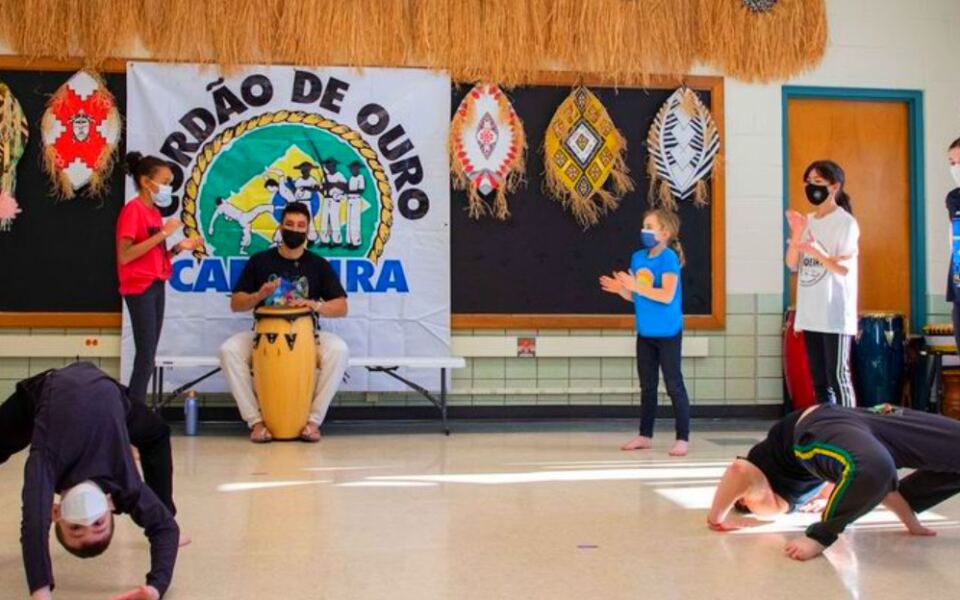
The first surprise is how much sound can fit inside one community space: clapping hands, steady drums, Portuguese lyrics, and the quick shuffle of feet that somehow makes exercise feel like celebration. I came curious about Capoeira, but I left thinking about how rare it is to find a place where kids, parents, beginners, and serious students can all share the same floor without anyone feeling out of place.
Keep reading and you will find the address, the class rhythm, the music, the family programs, and the small details that make this Ypsilanti spot feel so welcoming. There is movement here, yes, but the real story is how Brazilian tradition gets translated into confidence, community, and a very lively reason to put your phone down for a while.
The Address With a Beat
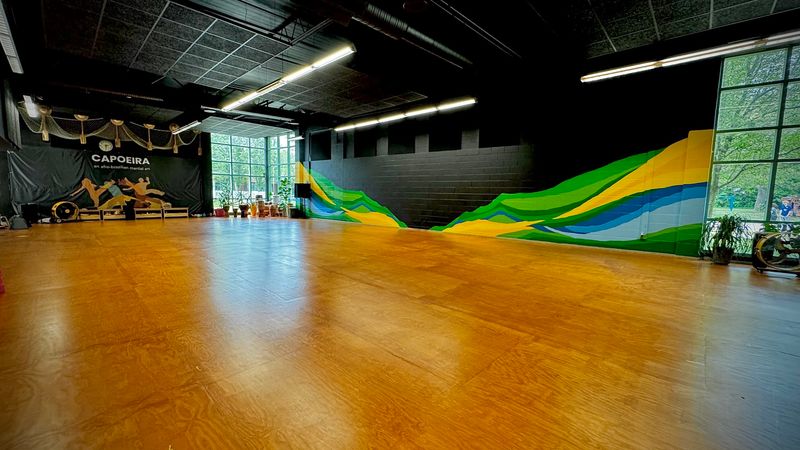
The practical part comes first, because nobody wants to hunt for culture like it is hiding under a couch cushion. The Brazilian Michigan Cultural Center is at 111 S Wallace Blvd, Ypsilanti, MI 48197, in southeastern Michigan, United States.
I found the setting easygoing rather than flashy, which fits the place perfectly. It operates as a Capoeira school and nonprofit cultural center, so the focus stays on learning, movement, music, and community instead of glossy performance.
The hours matter if you are planning a visit: classes typically run Monday through Thursday from 4 to 8 PM, Friday from 6 to 8 PM, and Saturday from 9:30 AM to 1 PM, with Sunday closed. I would check the website or call ahead before going, because program schedules can shift.
That small planning step is worth it, especially once you hear what happens after the first clap starts.
A New Nonprofit With Big Community Energy
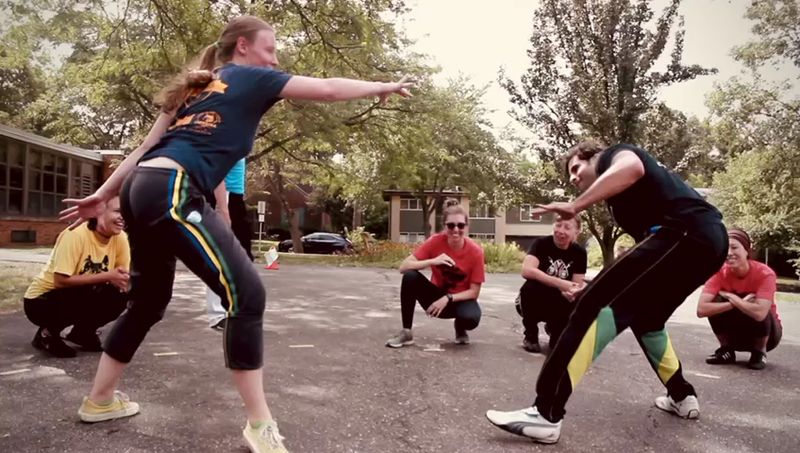
Some places feel established because of marble signs and old plaques; this one feels established because people immediately know where to stand, clap, and encourage each other. Founded in 2025, the Brazilian Michigan Cultural Center carries a fresh nonprofit identity with a mission that already feels rooted.
Its 501(c)(3) purpose centers on cultural education, youth support, and stronger families, especially through programs serving underserved communities. I like that the mission is not tucked away in fine print; it shows up in the way classes welcome beginners and families.
Capoeira is the main doorway, but the center treats it as more than a workout. It becomes a way to build confidence, coordination, discipline, curiosity, and belonging without making the room feel stiff.
That balance gives the place its spark, and the next layer comes from the art form carrying the whole rhythm forward.
Capoeira Is the Main Conversation
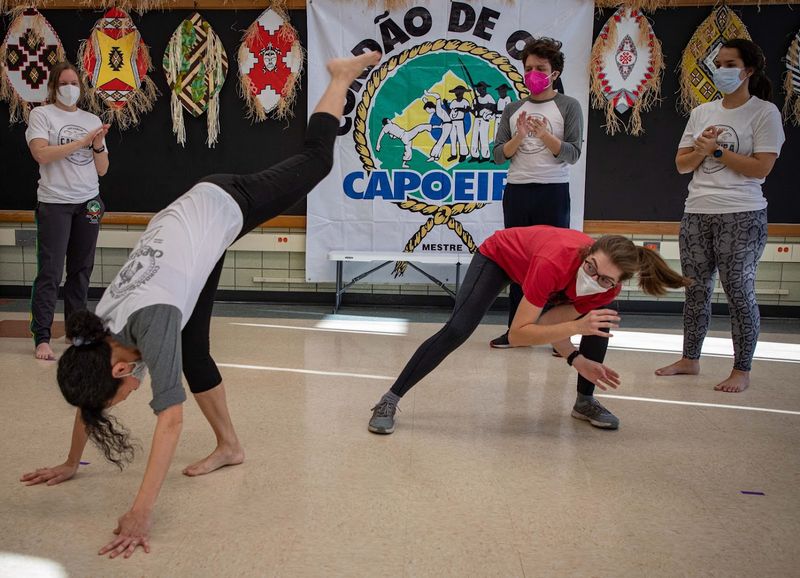
Capoeira has a way of refusing to sit neatly in one category, which is probably why it grabs attention so quickly. At this center, it blends martial arts, movement, music, history, and philosophy into one lively practice.
I noticed that the class structure rewards attention as much as athletic ability. You learn how to move, but also when to listen, when to respond, and how to stay aware of the person across from you.
The physical benefits are obvious after a few minutes: strength, flexibility, balance, coordination, and cardio all get invited to the party. Yet the tone stays encouraging, not intimidating, so even a cautious beginner can find a comfortable starting point.
That is the trick here: Capoeira feels challenging without turning the room into a contest. Soon, the music starts explaining why the movement carries so much character.
The Music Teaches Too
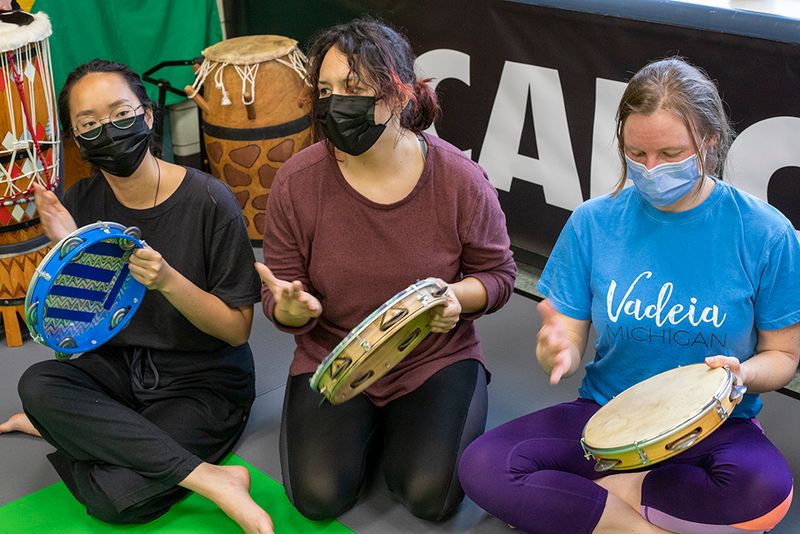
The first thing my ears noticed was that the music was not background decoration. It was part of the lesson, guiding tempo, focus, and the shared mood of the roda.
Students learn basic rhythmic patterns used in Capoeira and Samba, along with songs in Portuguese. Instruments such as the Pandeiro, Atabaque, and Berimbau help turn the room into a hands-on cultural classroom.
I appreciate that nobody has to arrive as a musician. The claps begin simply, the phrases repeat, and little by little the sound starts making sense in your body.
The Berimbau especially draws attention, with its distinctive shape and voice. The center even incorporates arts and crafts tied to Brazilian tradition, including creating a Berimbau, which makes the cultural learning feel tangible.
By the time the rhythm settles in, you understand that movement is only half the conversation, and families get their own welcoming chapter next.
Kids Get Room to Shine
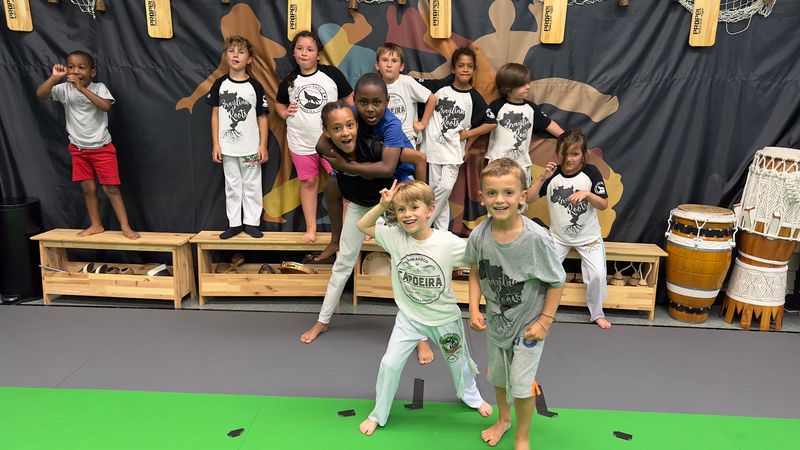
Kids seem to understand this place faster than adults do, probably because they are less likely to overthink a cartwheel. The center offers classes and programs for children, teens, toddlers, and families, with options designed to keep young learners active and curious.
I liked the mix of structure and creativity. A child can learn techniques, hear about Brazilian culture, practice rhythm, and still have enough play woven in to keep the day from feeling like homework in stretchy pants.
Summer camp energy appears to be a major part of the center’s identity. Families value the communication, varied activities, and the way kids come home tired in the best possible sense, carrying stories instead of just a schedule.
The welcoming approach also matters for children with different needs. The point is not perfection; it is participation, confidence, and discovering what the body can do next.
Beginners Are Not Left Guessing
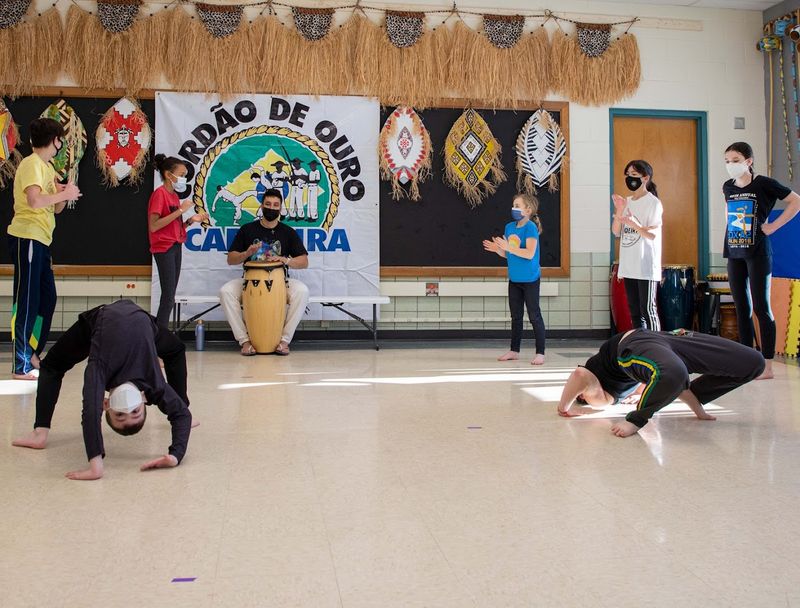
My favorite kind of class is one where nobody acts shocked that beginners exist. This center has that rare quality, making first timers feel like they belong before they have mastered anything.
You do not need prior martial arts experience, dance training, or a dramatic fitness comeback story to begin. The programs are built to welcome complete beginners, and that includes adults who may be returning to movement after a long pause.
The teaching style encourages effort without making the room feel pressured. A patient instructor can correct your form, challenge your balance, and still keep the mood light enough that a wobble becomes part of learning.
Free beginner opportunities are often mentioned by the center, so I would look at the current schedule before visiting. Once you get past the first nervous minute, the bigger surprise is how quickly the community helps carry you along.
Mestre Lobinho Sets the Tone
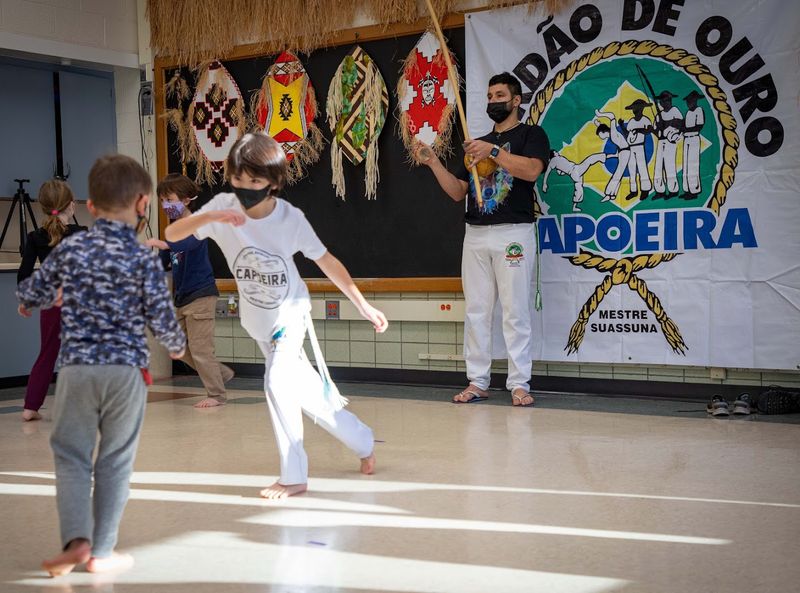
A strong teacher can change the entire temperature of a room, and Mestre Lobinho seems to be the steady flame here. Fabio Cosmo da Cunha, known as Mestre Lobinho, is a key ambassador for Capoeira and Afro-Brazilian cultural traditions in the Ann Arbor and Ypsilanti area.
His background gives the center real depth. He began learning Capoeira in 1998 in São Paulo, Brazil, became a Mestre in 2019, and has more than twenty years of teaching experience.
That experience shows in the way the space balances discipline with warmth. The instruction can be technical, but the feeling remains human, with attention to growth, patience, and cultural respect.
He has taught in the Ann Arbor and Ypsilanti area for over a decade, which helps explain the loyal community around the center. The leadership matters, but the next surprise is how wide the welcome stretches.
Inclusive Means More Than a Sign
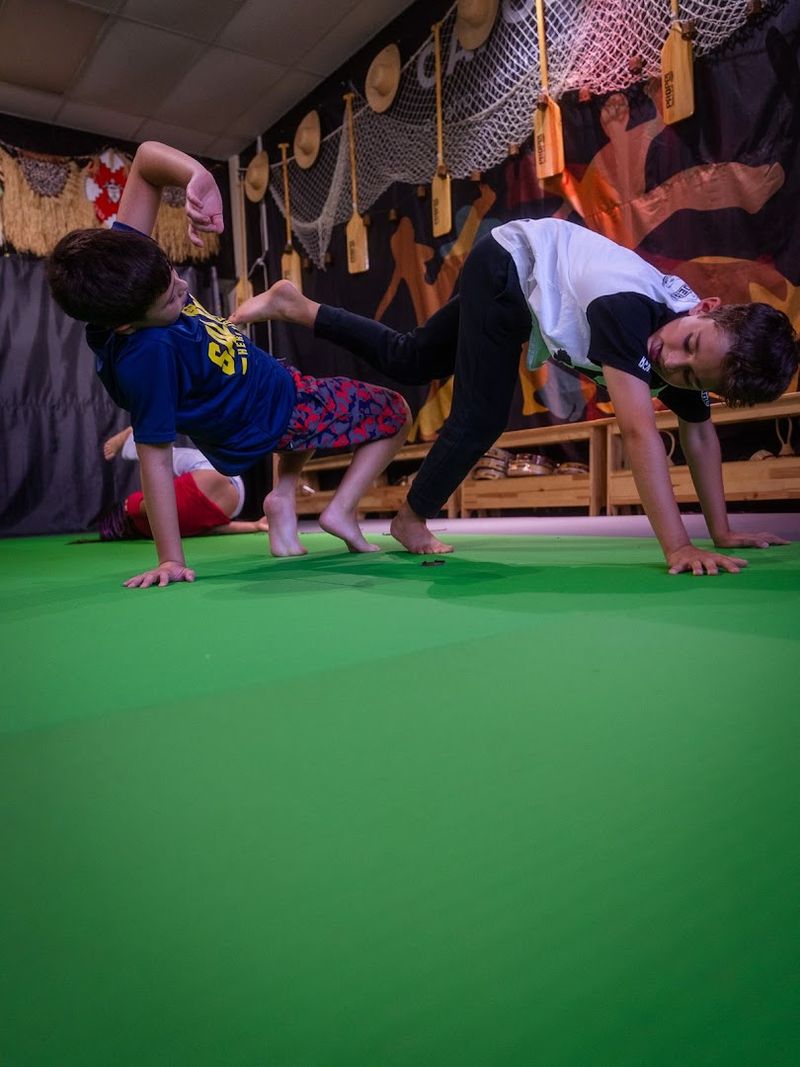
Inclusive spaces are easy to advertise and harder to build, which is why I paid attention to the small signals here. The center welcomes toddlers as young as two, teens, adults, families, and individuals with disabilities.
That range changes the feeling of the room. You might see a cautious newcomer, an energetic child, a focused teen, and a parent all connecting with the same tradition at different levels.
The teaching approach seems designed around access rather than assumptions. Instead of expecting everyone to arrive with the same strength or confidence, the programs let students meet the practice where they are.
This matters because Capoeira can look intimidating before you try it. At the Brazilian Michigan Cultural Center, the message is gentler: start, listen, move, and keep learning.
That open door is not just a nice detail. It shapes the center’s larger community work, which reaches beyond regular weekly classes.
Community Work Beyond the Studio
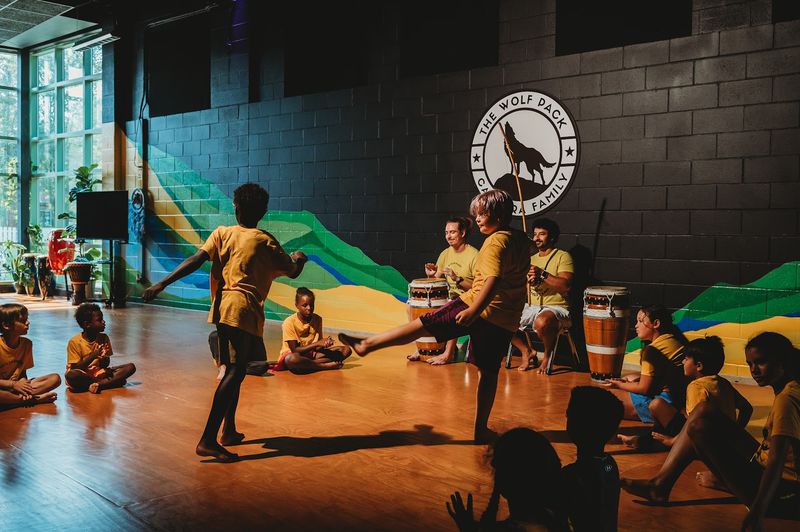
The center’s mission does not stay neatly inside four walls, and that is where its nonprofit purpose becomes especially meaningful. BMCC supports youth and works to improve the lives of children and families in underserved communities through Capoeira.
Its programming includes safe learning environments and free, year-round opportunities created around community needs. That kind of consistency matters because culture becomes most powerful when it is available, not just admired from a distance.
I also like that the work stretches through local classes, festivals, performances, teaching residencies, and international cultural exchanges. The organization has projects in both the United States and Brazil, giving the Ypsilanti center a connection that feels active rather than symbolic.
Community impact can sound abstract until you see a child gain confidence or an adult try something new. Here, the practical and cultural pieces move together, and the next section shows how visitors can time their experience.
When to Visit Without Guesswork
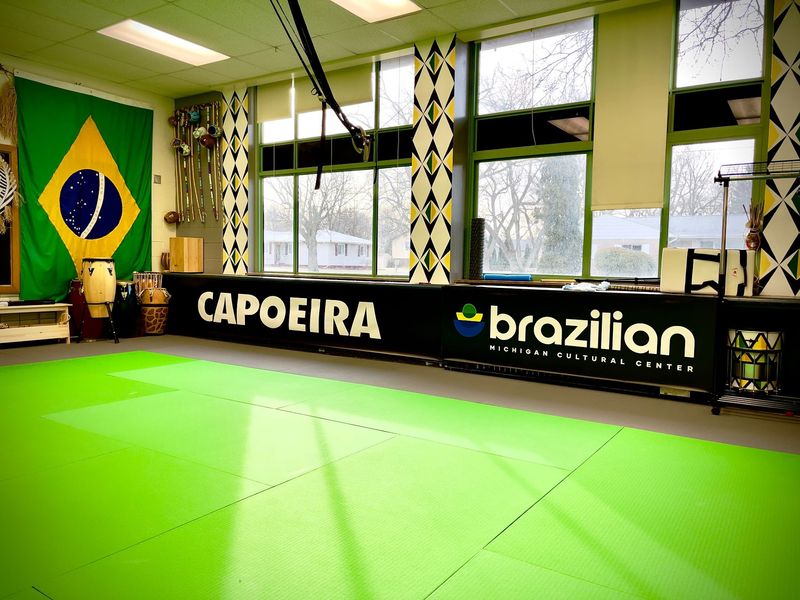
A little timing can save you from staring through a closed door with your most optimistic shoes on. The center is closed on Sundays and usually opens for weekday evening classes, with Saturday morning and early afternoon hours.
Monday through Thursday hours are listed as 4 to 8 PM, Friday as 6 to 8 PM, and Saturday as 9:30 AM to 1 PM. I would confirm before heading over, especially for trial classes, youth programs, camps, or special events.
Evening visits tend to make sense for adults and families fitting classes around school or work. Saturdays feel useful for families who want movement without racing through dinner plans.
The website, annarborcapoeira.com, is the practical place to start, and the phone number is +1 734-985-1352. Once the schedule is handled, the real question becomes what to expect inside the class circle.
The Roda Pulls Everyone In
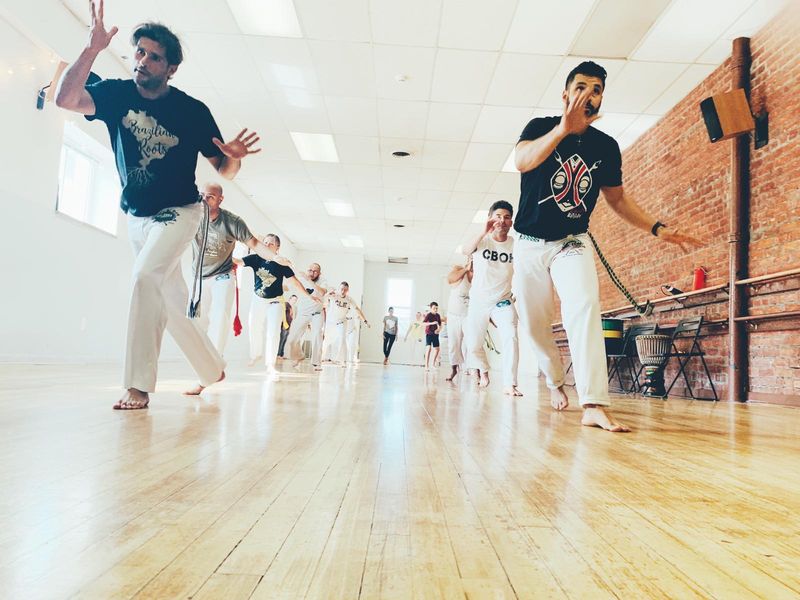
The roda is where the room starts feeling connected, because everyone has a role even before they move into the center. People clap, sing, watch, respond, and support the flow of the game.
I found that part especially refreshing. Instead of standing around waiting for a turn, students become part of the rhythm, learning that attention and respect are as important as kicks or spins.
Capoeira’s history and philosophy show up through this shared structure. The practice is physical, but it also asks students to listen, adapt, and recognize the cultural roots behind the movements.
That makes the roda feel different from a standard fitness class. You are not just counting reps; you are entering a tradition with music, language, memory, and community expectations.
It is playful, serious, and slightly humbling, which is a pretty good recipe for staying interested. The final reason to visit is quieter, but it may be the one that lingers.
Why This Place Stays With You
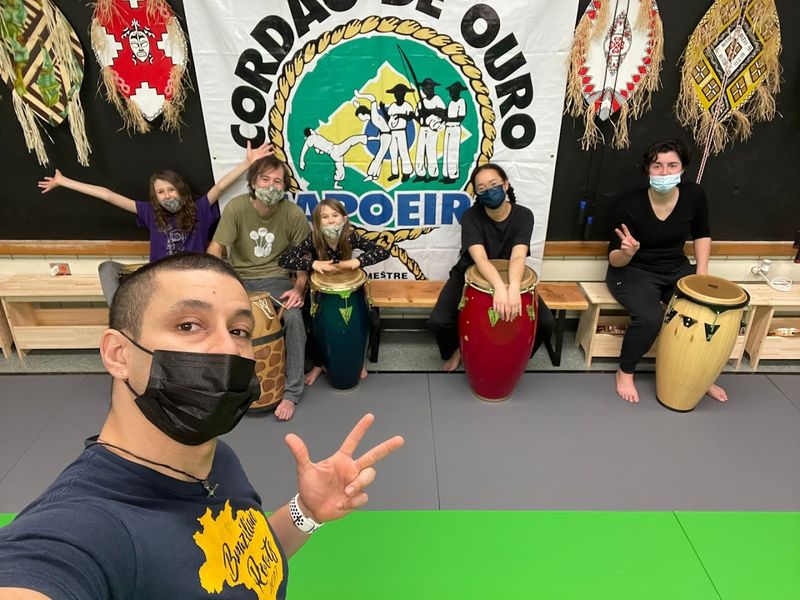
The lasting charm of this place is not only in the flips, songs, or drumbeats, though those certainly help. What stayed with me was the way the Brazilian Michigan Cultural Center turns cultural learning into something active and shared.
You can visit for exercise and leave with a Portuguese chorus stuck in your head. You can bring a child for movement and watch them absorb history, rhythm, teamwork, and confidence without a lecture in sight.
The center feels especially valuable because it serves many kinds of learners at once. Beginners, families, experienced students, and curious neighbors all have a reason to step onto the floor.
Ypsilanti gives this Brazilian tradition a welcoming Midwestern home, and BMCC gives visitors a clear way to connect with it respectfully. I left thinking that culture travels best when people are invited to practice it, not simply observe it.
That is the rhythm worth remembering.
Share this story