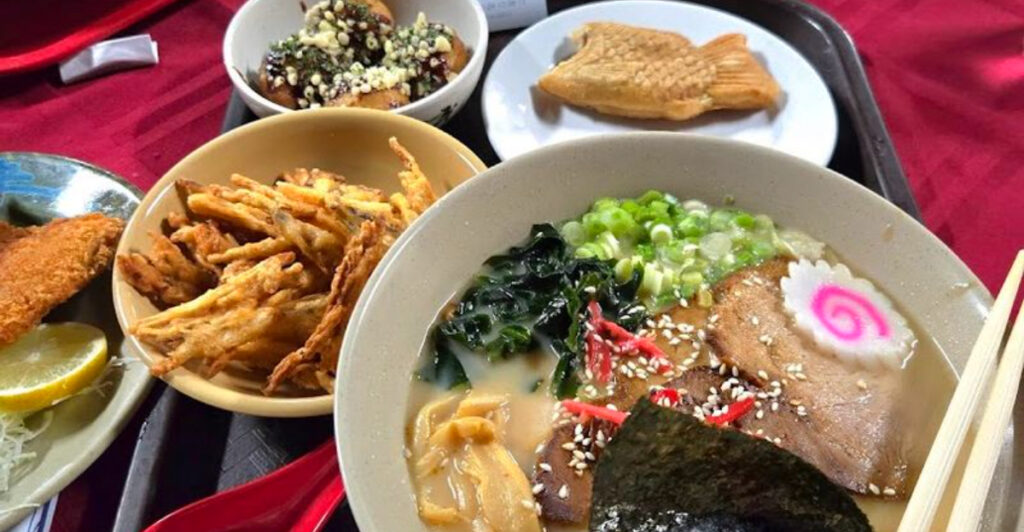
In Novi, one low-key restaurant has built a statewide following for its take on traditional Japanese food. It draws diners from well beyond the city, many of them coming specifically for its ramen and hard-to-find menu items.
What sets it apart is how closely it sticks to an authentic experience. The ordering system is different from most U.S. restaurants, and the menu features dishes that rarely appear outside Japan, all prepared with consistent attention to detail.
It is the kind of place people go out of their way to visit, then recommend immediately after, which explains its growing number of reviews and loyal repeat crowd.
The Address and First Impressions of a Hidden Treasure

From the outside, you might drive right past it. Nagomi Japanese Restaurant sits at 25750 Novi Rd, Novi, MI 48375, tucked into a building that looks more like a storage unit than a dining destination.
The exterior gives almost nothing away. There is no dramatic signage, no glowing neon, no line of chefs visible through a glass window.
What you do notice, if you look carefully, is a small cluster of cars that seems to multiply around lunchtime, which is your first clue that something worth stopping for is happening inside.
The contrast between the plain shell of a building and the rich, layered food served inside is genuinely striking. Many visitors describe a moment of doubt before walking through the door, followed immediately by the kind of relief that only comes when a meal exceeds every expectation.
That first impression of humble simplicity turns out to be exactly what the restaurant is all about.
The Ordering System That Makes You Feel Like You Are in Tokyo
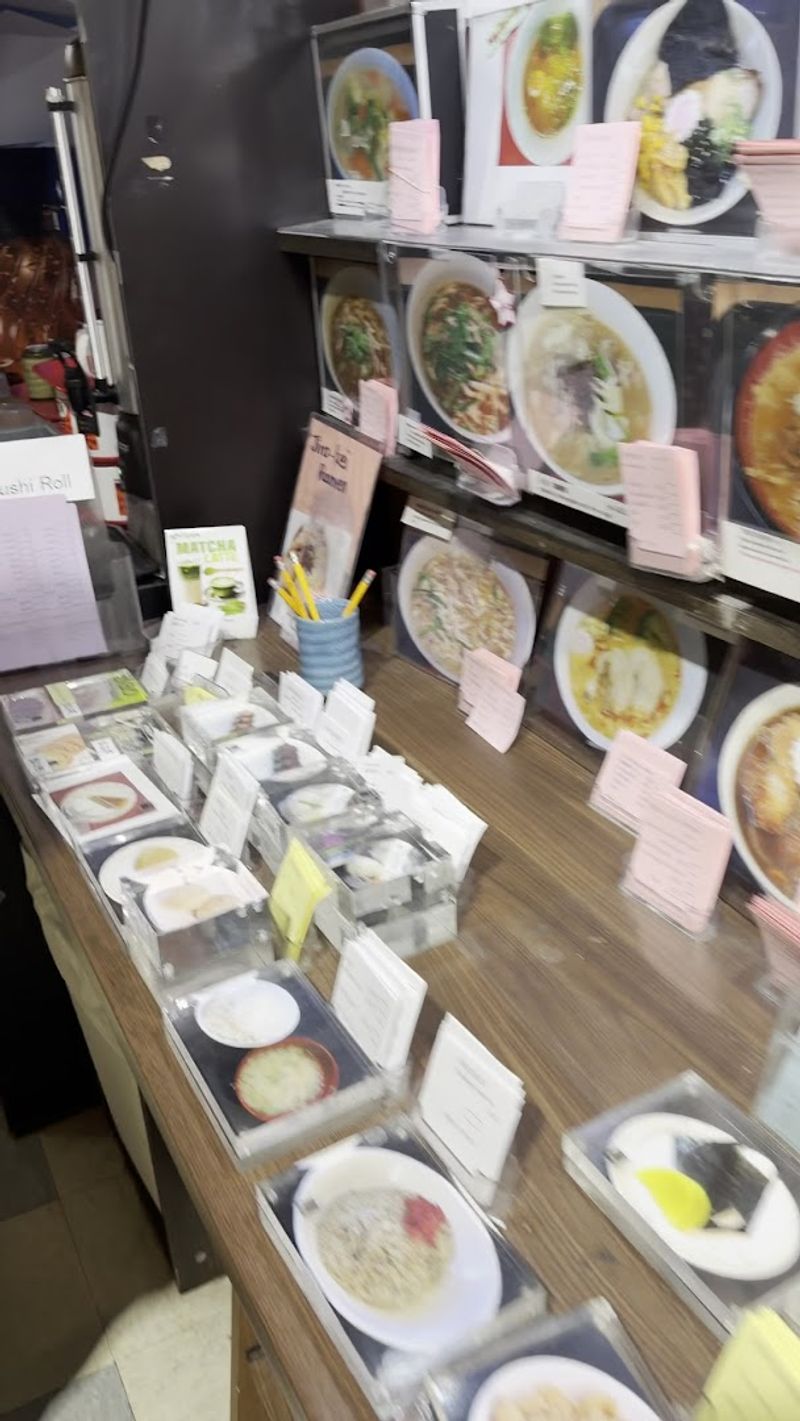
Most American restaurants hand you a menu and send a server over. Nagomi does things differently, and honestly, the process is half the fun once you figure it out.
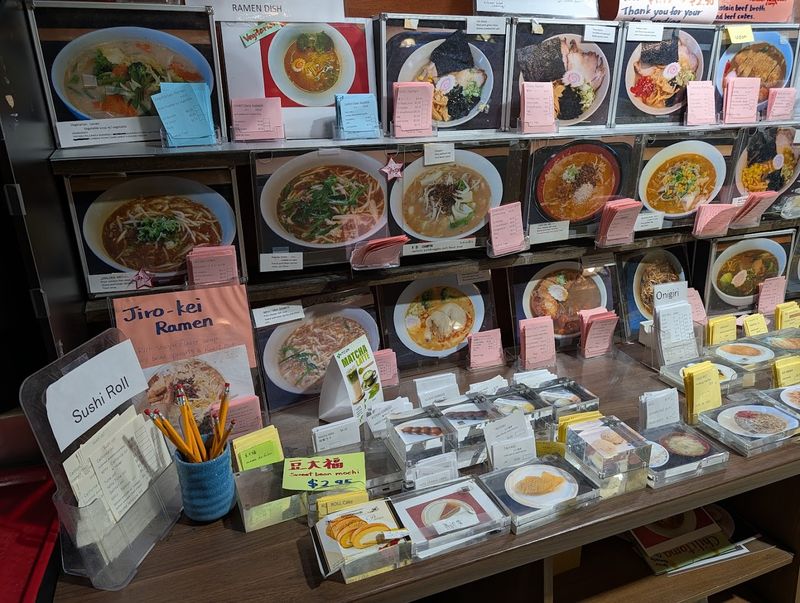
When you walk in, you turn right and find a wall lined with pictures of every dish on the menu. Each picture has a small paper order slip in front of it.
You grab the slip for what you want, mark your preferences with one of the pencils provided, and bring everything up to the cashier. Pay, get a number, and wait for that number to be called before picking up your tray at the service window.
It sounds simple, but the first visit can feel a little like a puzzle, especially if several dishes catch your eye at once. The menu is extensive, and the pictures are clear and accurate, which helps a lot.
Water is self-serve, takeout containers are there for the taking, and bussing your own table is part of the deal here.
Ramen Bowls That Earned a Reputation All on Their Own
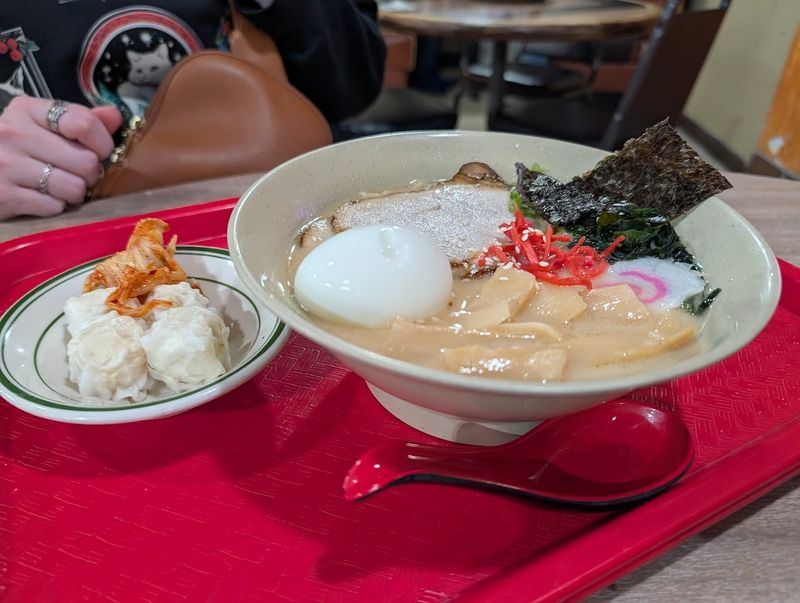
Ramen is the heart of Nagomi’s menu, and it is the dish that most people mention first when they talk about why they keep coming back. The Tonkatsu Ramen and the Kakuni Ramen, made with braised pork belly, are the two bowls that come up most often in conversation.
The broth is heavy and strong, built with layers of flavor that take time to develop and even longer to forget. A tip worth passing on: order extra noodles, because the soup is rich enough that the noodles alone will not keep up with it.
The pork in both bowls is remarkably tender, the kind of texture that only comes from long, careful cooking. Toppings are generous, and the whole bowl arrives piping hot.
For anyone who has eaten ramen in Japan and spent years searching for something close to that experience back home, this is the bowl that ends the search.
The Potato Croquette That People Drive Across the State For
Among all the dishes on Nagomi’s menu, the potato croquette has developed something close to a cult following. Crispy and deeply golden on the outside, soft and creamy on the inside, it is the kind of snack that stops conversation the moment it lands on the table.
Served with a savory dipping sauce, the croquette manages to be both simple and completely satisfying. For visitors who have spent time in Japan, it immediately brings back the croquette shops found in train stations and small neighborhood spots.
That sense of memory and comfort is not accidental. The technique is precise, and the result is consistent every single time.
First-time visitors who are not sure what to order alongside their main dish would do well to start here. The croquette is affordable, arrives quickly, and sets the tone for everything that follows.
It is one of those small plates that quietly becomes the reason you make a return trip.
Katsu Curry and Chicken Nanban Worth Every Bite
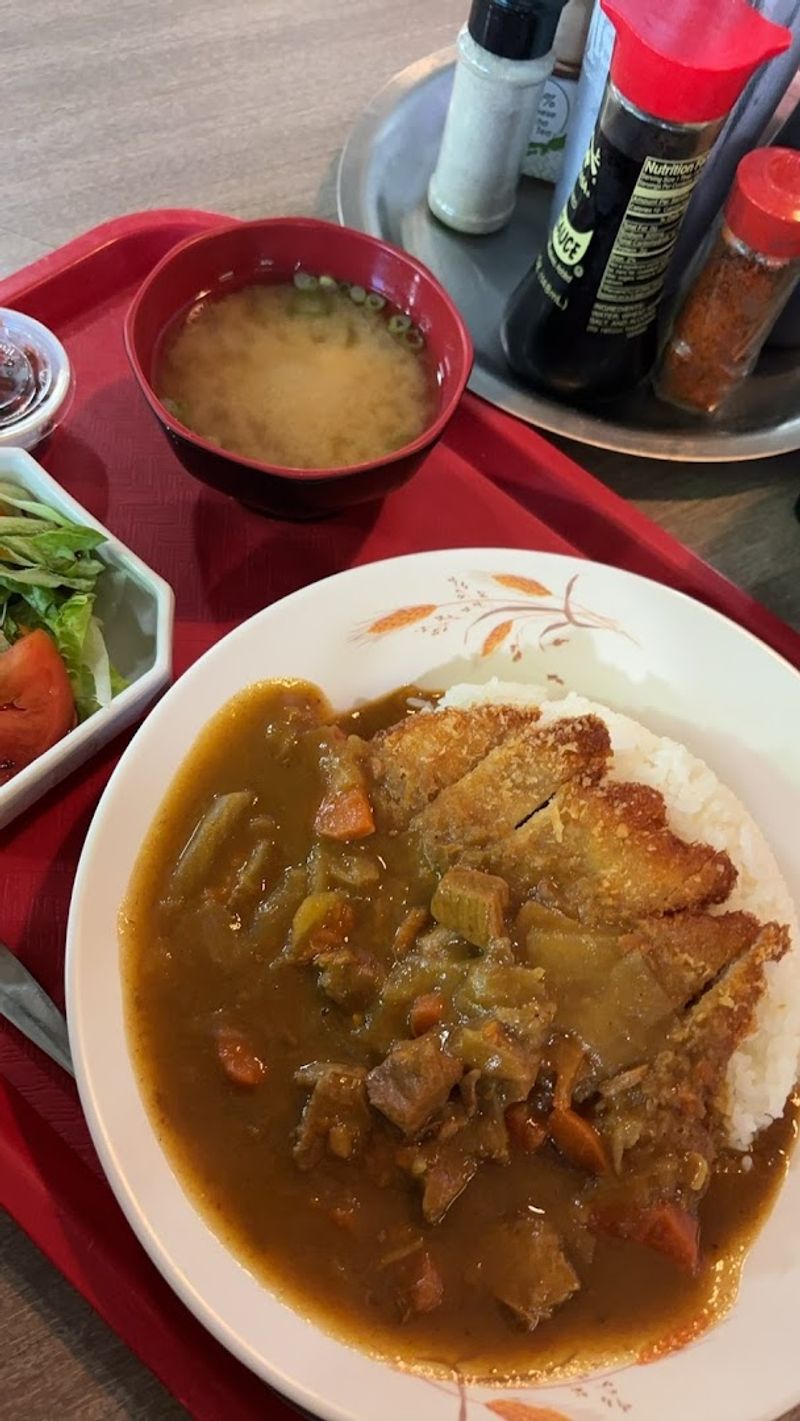
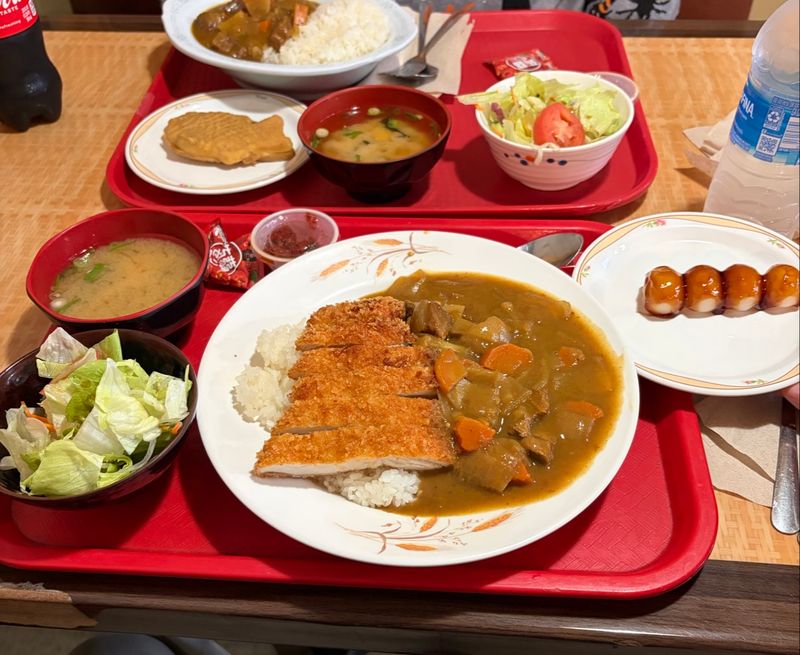
Beyond ramen, the menu at Nagomi stretches into territory that many Japanese restaurants in the United States simply do not cover. Katsu Curry is one of the standout dishes, featuring a breaded cutlet served over rice with a thick, fragrant curry sauce that manages to be warming without being overwhelming.
Chicken Nanban is another dish that earns serious praise. A beloved specialty from the Kyushu region of Japan, it pairs fried chicken with a tangy sauce and creamy tartar that creates a flavor combination unlike anything in standard Japanese-American menus.
Finding it prepared with this level of care outside of Japan is genuinely rare.
Both dishes come in generous portions, and the sides that accompany the set meals, such as pickled vegetables and miso soup, are thoughtfully chosen and well-prepared. The overall experience of ordering either dish feels complete rather than assembled, which is a small but meaningful distinction that sets Nagomi apart from many of its competitors.
Takoyaki, Gyoza, and the Appetizers That Steal the Show
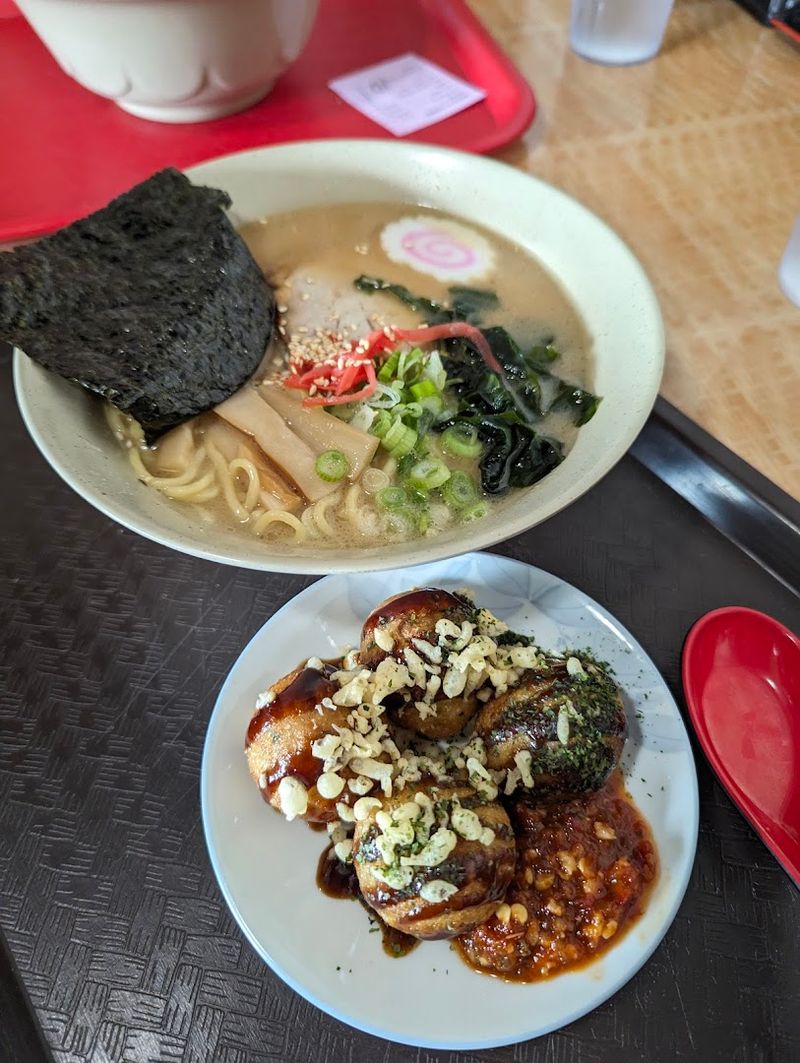
Appetizers at many restaurants are an afterthought. At Nagomi, they are a reason to visit on their own.
The Takoyaki arrives piping hot, covered in toppings that add texture and depth to each soft, slightly crispy ball. The shrimp version in particular draws enthusiastic reactions, with fresh flavor and a generous pile of garnishes that make each bite feel layered.
Gyoza is another crowd favorite, the kind that disappears from the table before anyone has had a chance to think about saving room for their main course. The dipping sauce alongside them adds a gentle kick that keeps things interesting without overwhelming the delicate filling.
Fried mackerel, karaage, and fried oysters round out a list of starters that reflects genuine Japanese cooking rather than a simplified version of it. Each item is fried in clean oil, which means no lingering taste from previous batches.
That attention to detail in something as basic as frying is a quiet signal of how seriously this kitchen takes its craft.
The Atmosphere That Transports You Without a Passport
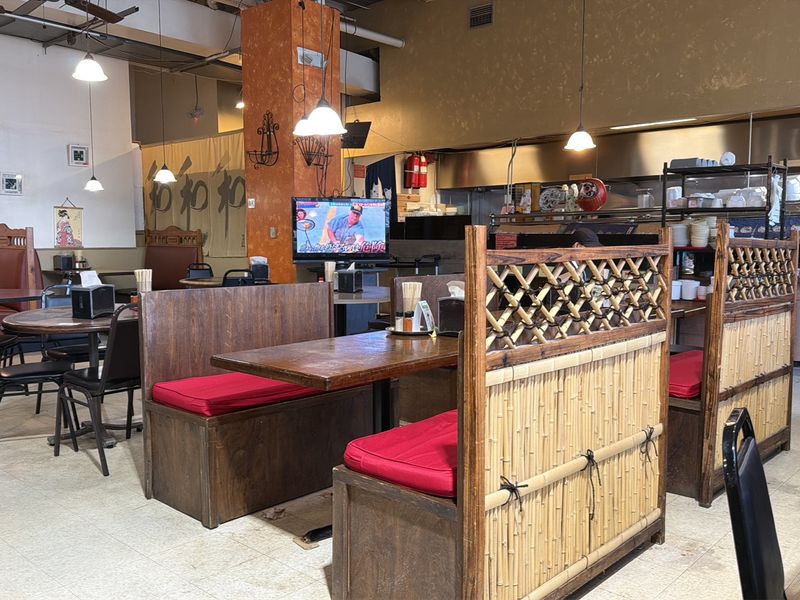
The inside of Nagomi is best described as a lofty, cafeteria-like space that prioritizes function over fashion. The tables and booths are simple, the lighting is practical, and there is no attempt to create a themed or curated environment.
What it does have, though, is character.
A television plays Japanese game shows throughout the day. Blue cans of GABAN white pepper sit on the tables.
Cans of Boss coffee wait in the fridge. The handmade ordering system, the Japanese-speaking staff, and the general hum of a busy kitchen all combine to create something that feels entirely genuine rather than performed.
Visitors who have spent time in Japan consistently describe the experience as transporting. The details are small but deliberate, and they add up to an atmosphere that feels like a neighborhood spot in Osaka or Tokyo rather than a suburban Michigan strip mall.
The food alone would justify the trip, but the atmosphere makes it feel like something worth remembering long after the meal is finished.
Donburi, Sushi, and a Menu That Keeps Surprising
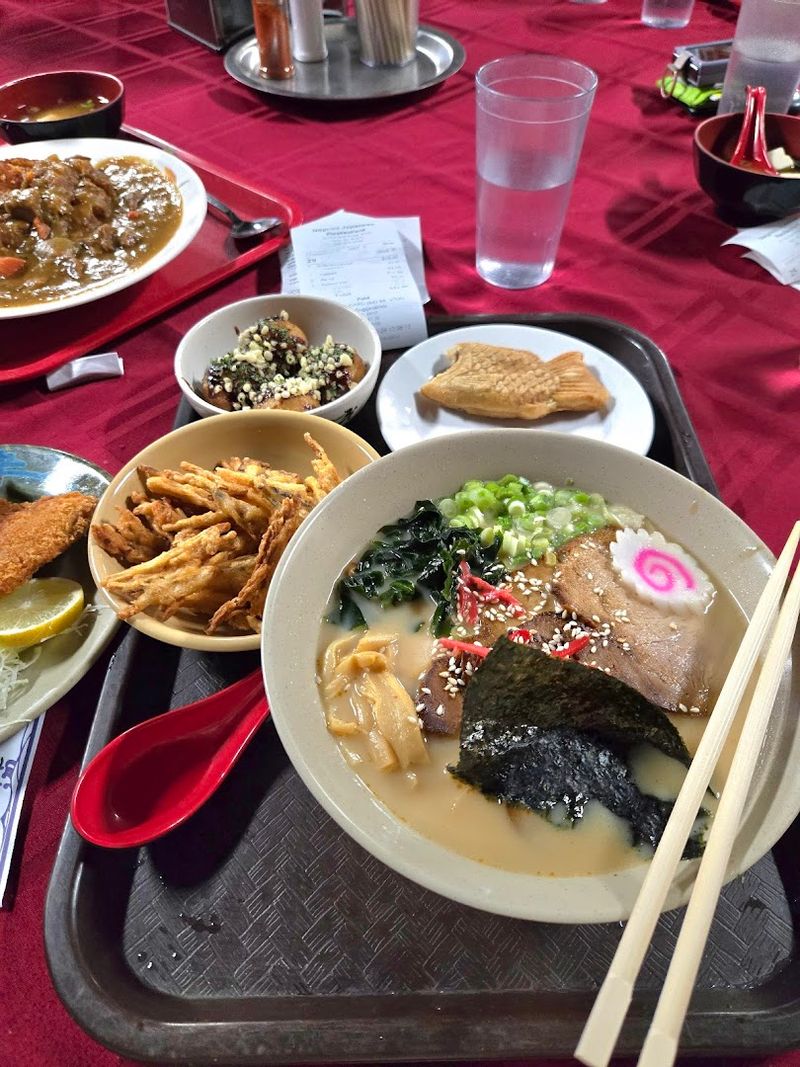
One of the things that makes Nagomi genuinely interesting is how much ground the menu covers. Ramen gets most of the attention, but the donburi section alone offers enough variety to keep a regular customer exploring for months.
Chicken Karaage bowls, eel bowls, and various rice-based sets appear alongside a sushi and nigiri selection that, while not the main draw, rounds out the menu nicely. Udon dishes, yakisoba, and curry udon all appear on the order wall, each one depicted clearly in photograph form so there are no surprises.
The eel bowl is a particular standout, partly because it is a dish that is genuinely difficult to find well-prepared in the United States. Nagomi serves it with the kind of quiet confidence that suggests it belongs on the menu rather than existing as a novelty.
For anyone working their way through Japanese cuisine, this menu functions less like a list of options and more like an education in what the cuisine can actually be.
Desserts That End the Meal on a Distinctly Japanese Note
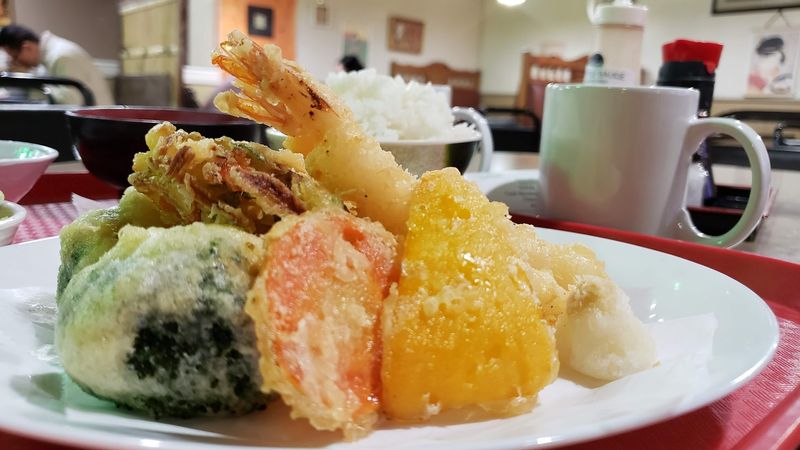
Finishing a meal at Nagomi means making a decision between desserts that are not commonly found on Japanese restaurant menus in the United States. The yuzu cheesecake is one of the most talked-about options, arriving with a bright citrus flavor that cuts through the richness of whatever came before it.
Mitarashi dango, the traditional skewered rice dumplings coated in a sweet soy glaze, make an appearance as well. Peanut mochi offers a softer, chewier option for anyone who prefers their sweetness subtle.
The taiyaki, fish-shaped pastries filled with red bean paste, are available too, though they arrive at room temperature rather than freshly fried, which is worth knowing in advance.
None of these are oversized or overly sweet, which feels appropriate for a restaurant that values balance and restraint in everything it does. The dessert selection is small but considered, and each item connects directly to a tradition that most American diners rarely get to experience firsthand.
Prices, Portions, and the Rare Feeling of Actual Value
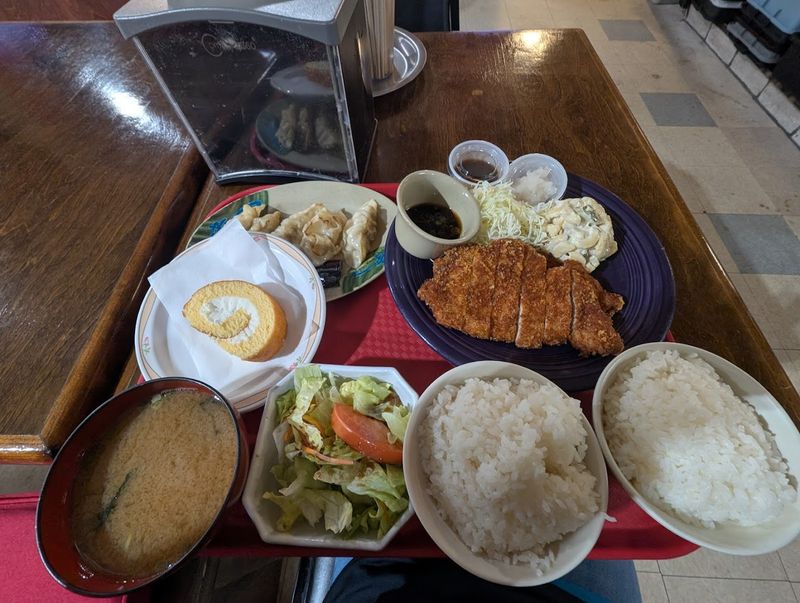
Value is one of those things that is easy to talk about and hard to deliver. Nagomi delivers it consistently.
The restaurant is rated with a single dollar sign on Google Maps, which puts it firmly in the affordable category, but the portions are the kind that regularly produce leftovers.
Multiple visitors describe finishing their meal and still having enough food in the container to make a solid lunch the next day. For a bowl of ramen or a full katsu set with sides, that kind of generosity at that price point is not something you take for granted.
The food is made fresh to order, which means it arrives hot and has the texture and flavor of something prepared with attention rather than reheated from a batch. During lunch hours, the line can stretch out the door, which is always a useful signal about how a neighborhood actually feels about a restaurant.
That kind of loyalty is earned one bowl at a time.
What to Know Before Your First Visit
A few practical details make the first visit to Nagomi go much more smoothly. The restaurant is open Tuesday through Friday from 11 AM to 2 PM, and Saturday and Sunday from 11 AM to 8 PM.
Monday follows the same limited lunch schedule as the weekdays, so planning around those hours is essential.
Arriving early is a smart move, especially on weekends. The lunch rush fills the space quickly, and while there is a large amount of seating with both tables and booths that can accommodate groups, the ordering area can get narrow and crowded when multiple people are working through the menu at the same time.
Bringing cash is a good habit, and reading the menu pictures carefully before reaching the cashier saves time for everyone. The restaurant is reachable at 248-305-8568 and has a website at nagomijapanese.site for anyone wanting to preview the menu.
For a place this consistent and this carefully run, a little preparation goes a long way toward making the experience everything it should be.
Share this story