Spain is packed with towns so beautiful they look like someone painted them by hand. From rainbow-colored fishing villages to white hilltop pueblos glowing in the afternoon sun, the country is full of places that stop you in your tracks.
Whether you love history, art, or just a really great photo, these spots deliver all three. Get ready to add some serious color to your travel bucket list.
Villajoyosa, Alicante
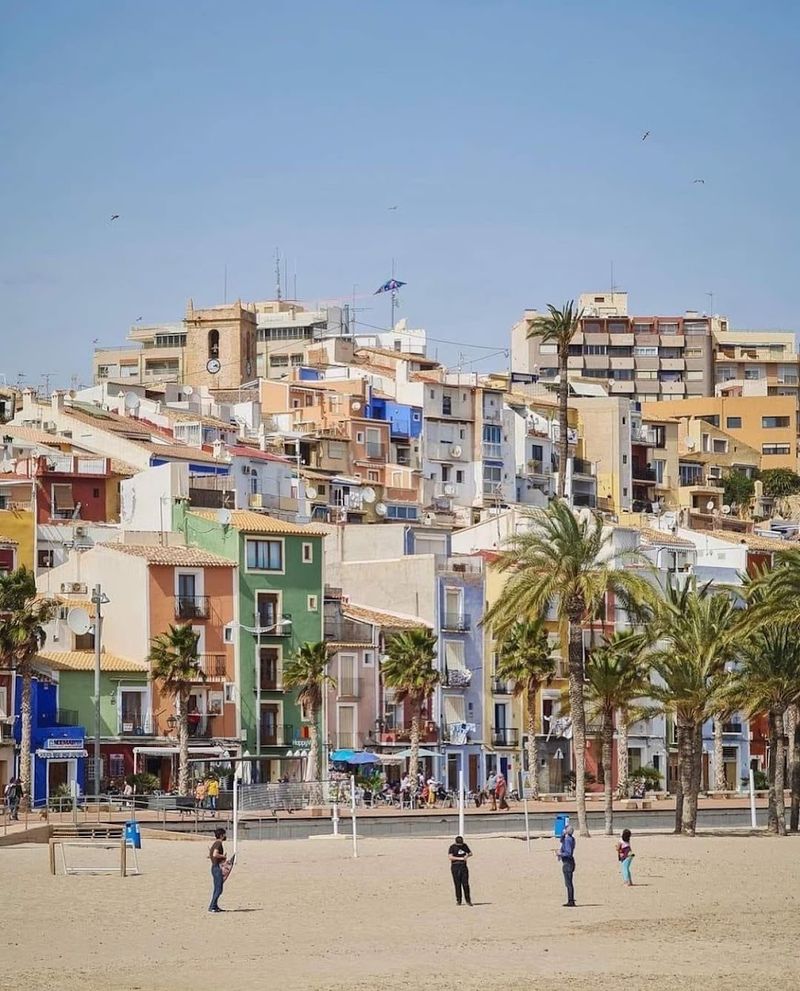
Fishermen needed a clever trick to find their homes from the sea, so they painted them in the boldest colors they could find. That practical idea turned Villajoyosa into one of the most visually stunning towns on Spain’s Mediterranean coast.
Today, the rows of red, yellow, blue, and green facades look less like a neighborhood and more like a giant candy box.
Walking along the promenade at golden hour is genuinely magical. The colors catch the fading light and reflect softly off the water, creating a scene that photographers absolutely lose their minds over.
It is the kind of place where you keep stopping mid-step just to stare.
Beyond the famous facades, the town has great beaches, a chocolate museum worth visiting, and a relaxed local vibe that big tourist spots often lose. The market days bring extra life to the streets.
Villajoyosa manages to be spectacular without trying too hard, which honestly makes it even better. Pack your camera, wear comfortable shoes, and plan to stay longer than you originally intended.
Cudillero, Asturias
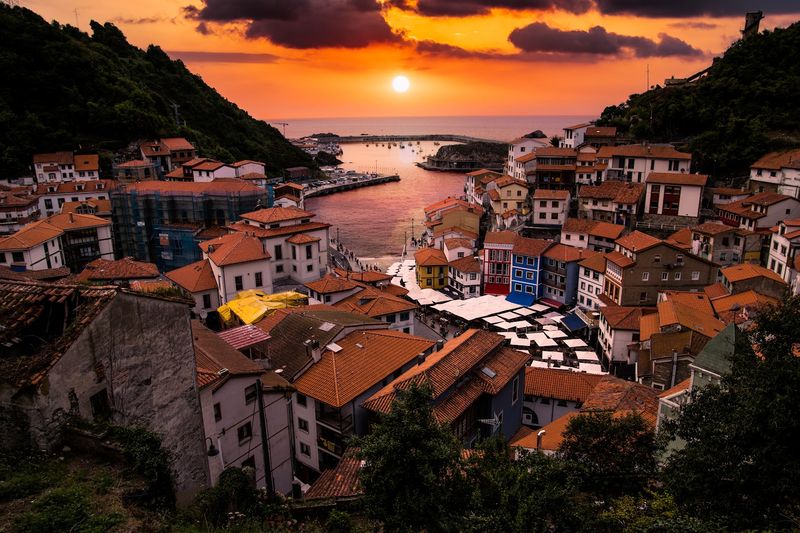
Cudillero looks like someone stacked a set of pastel building blocks down a steep hillside and forgot to stop. The town tumbles dramatically toward the harbor in layers of soft pinks, yellows, and blues, forming what many people describe as a natural amphitheater.
It is one of those places that genuinely earns the word breathtaking.
This is still a working fishing village, which gives it an authenticity that polished tourist towns often lack. Early mornings bring the smell of fresh catch and the sound of boats heading out to sea.
By afternoon, the terraced cafes fill up with locals and visitors sharing plates of grilled fish with cold cider, a classic Asturian combo.
The narrow streets are steep and a little winding, so wear proper shoes if you plan to explore properly. Every turn reveals a new angle, a new splash of color, a new postcard-worthy view.
Cudillero stays under the radar compared to Spain’s southern hotspots, but anyone who visits quickly understands why locals are fiercely proud of it. The charm here is completely genuine and deeply earned.
Albarracin, Aragon
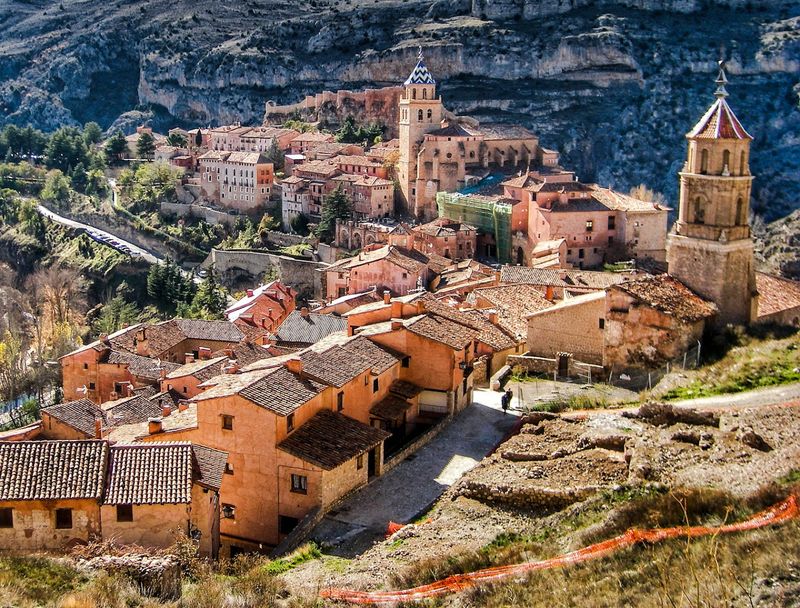
Some towns look old. Albarracin actually feels old, in the best possible way.
The buildings are built from the same reddish-pink stone as the cliffs behind them, making it almost impossible to tell where the town ends and the mountain begins. Walking through it feels like stepping into a medieval fantasy novel.
The architecture here has barely changed in centuries. Wooden balconies jut out over cobblestone lanes, ancient towers rise above the rooftops, and the old city walls still wrap protectively around the whole place.
History fans will want to spend a full day just reading the plaques and poking around the corners.
Albarracin sits in Aragon, a region that does not always get the attention it deserves from international visitors. That works in your favor because the crowds here are manageable even in summer.
The warm, earthy color palette gives the entire town a soft, glowing quality, especially in the late afternoon when the sun hits the stone just right. It is moody, atmospheric, and quietly spectacular.
This is the kind of hidden gem that people feel genuinely smug about discovering before everyone else does.
Júzcar, Andalusia
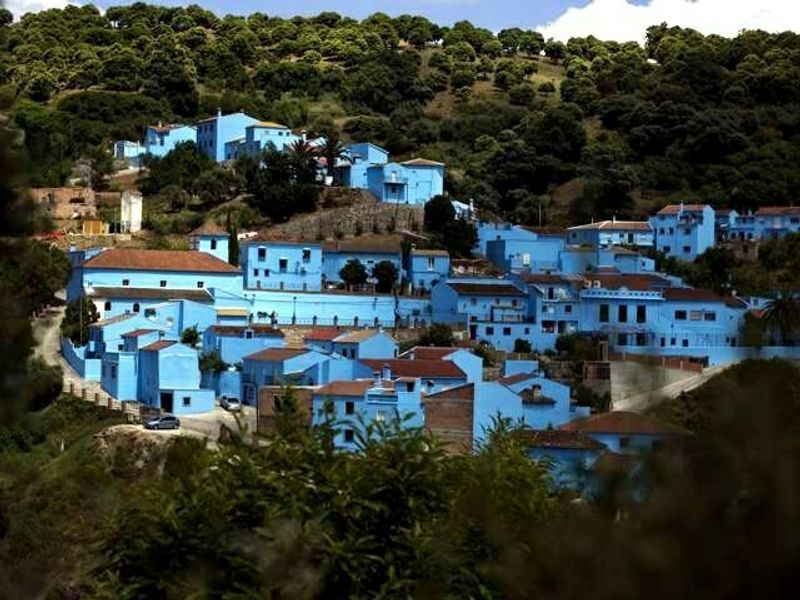
Back in 2011, a film studio needed a village painted blue for a movie promotion and Júzcar raised its hand. The whole town got a fresh coat of bright blue paint, and when the cameras left, the residents voted to keep it.
Smart move, honestly, because the tourism numbers went through the roof almost immediately.
Standing in the middle of Júzcar feels wonderfully surreal. Every wall, every door frame, every church corner is that same vivid shade of blue.
The surrounding green mountains make the color pop even harder, creating a contrast that looks almost digitally enhanced in photos but is completely real in person.
The village is small and easy to explore in a couple of hours, which makes it a great day trip from Ronda or Marbella. There are a few charming cafes where you can grab coffee and enjoy the bizarre, cheerful vibe of the place.
Kids absolutely love it here, and honestly, most adults do too. Júzcar proves that sometimes the boldest ideas turn out to be the best ones.
It is playful, unique, and completely unforgettable once you have seen it with your own eyes.
Ronda, Andalusia
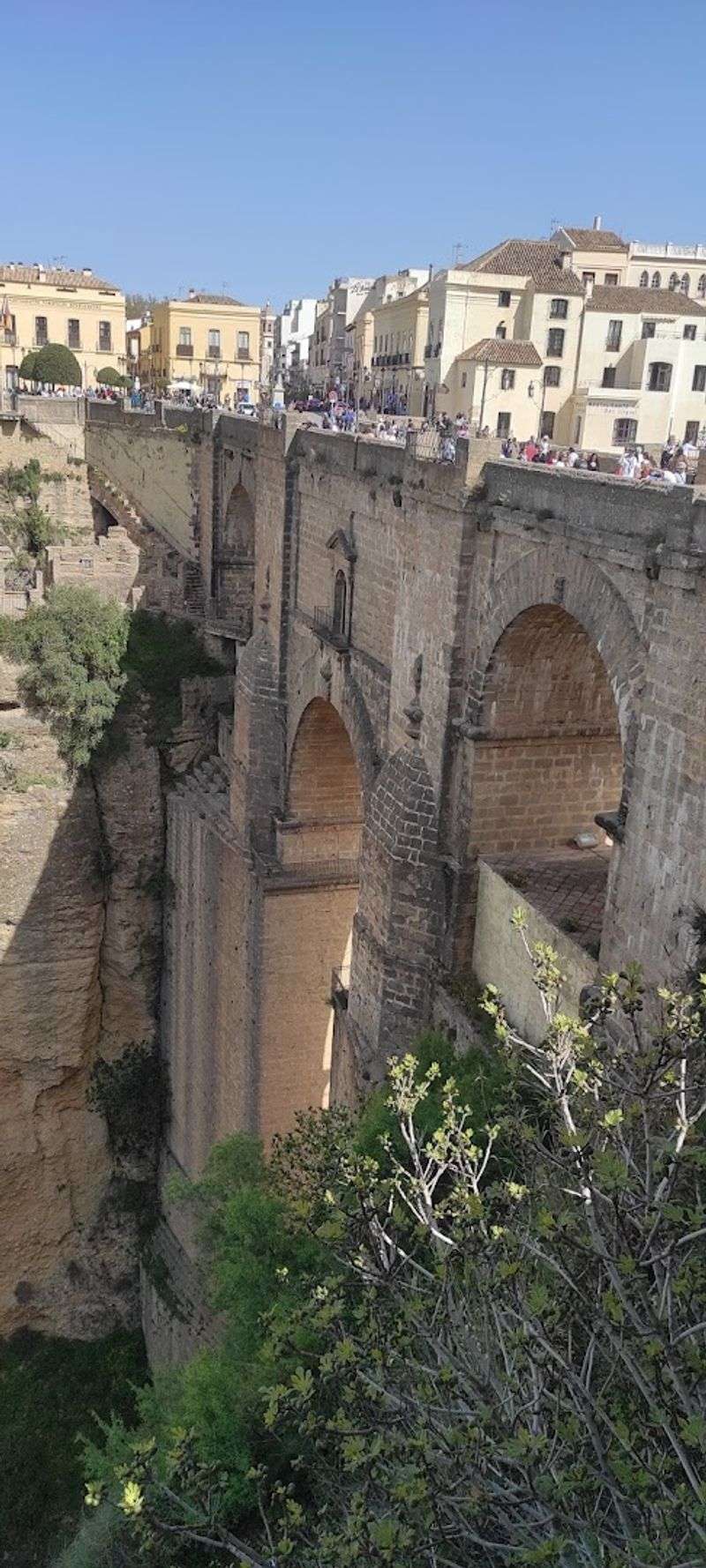
Ronda does not ease you in gently. The very first view of the town, balanced on the edge of a sheer 100-meter gorge, hits you like a plot twist you never saw coming.
The Puente Nuevo bridge arches over the ravine connecting two halves of the city, and it remains one of the most dramatic architectural sights in all of Europe.
The white buildings cluster along the cliff edges like they are daring each other to lean a little further. Against a clear blue Andalusian sky, the contrast is almost too beautiful to process.
Painters, photographers, and writers have been coming here for centuries trying to capture it, and most admit they fall short.
Beyond the views, Ronda has excellent tapas bars, a historic bullring that is one of the oldest in Spain, and a charming old town full of narrow streets worth getting lost in. Ernest Hemingway was a fan, which says something about the town’s ability to inspire.
Ronda rewards slow travel, so resist the urge to rush through it on a day trip. Spend a night, watch the gorge change color at dusk, and you will understand exactly why this town has been stealing hearts for generations.
Mojácar, Almería
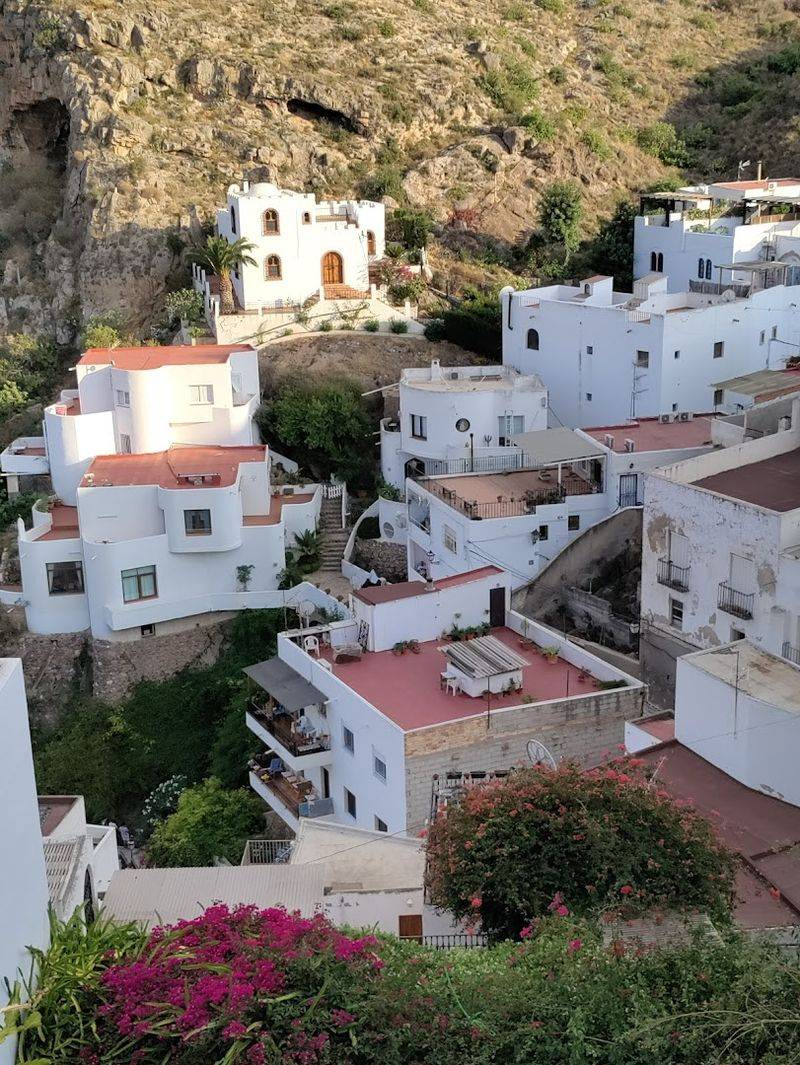
Perched high on a rocky hilltop with the Mediterranean shimmering in the distance, Mojácar has been turning heads for a very long time. Legend says Walt Disney had family roots here, which may or may not be true, but it adds a fun layer of mystery to an already fascinating place.
The town wears its Moorish heritage proudly in every curve of its streets.
The classic whitewashed walls are dressed up with bright blue doors, iron lanterns, and flower pots bursting with color. Every little detail feels intentional, like someone curated the whole town for maximum visual impact.
Even the shadows look good here, falling dramatically across white walls in the midday heat.
Mojácar actually has two distinct personalities. The hilltop pueblo is historic, quiet, and full of artisan shops and galleries.
Down below, Mojácar Playa is a livelier beach strip with restaurants and bars. Both are worth your time, but the old village is where the real magic lives.
Sunset from the hilltop, when the sky turns orange and the sea catches the last light, is the kind of moment that makes you want to cancel your flight home and just stay forever.
Cadaqués, Catalonia
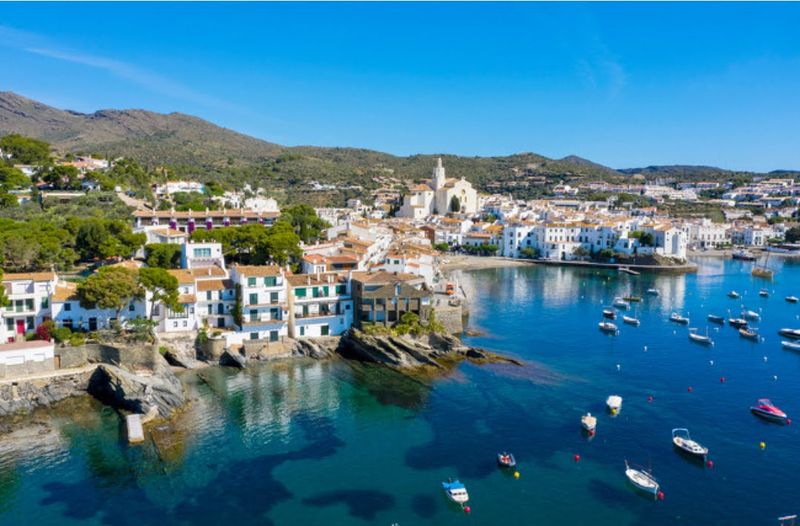
Salvador Dalí chose Cadaqués as his home base, and once you see the place, his decision makes complete sense. The light here does something extraordinary, bouncing off white walls and still water in a way that makes everything look slightly luminous and dream-like.
Artists have been chasing that light for over a century.
The village is compact and car-free in its oldest sections, which gives it a peaceful, unhurried energy rare for a coastal Mediterranean destination. Narrow lanes wind between white buildings decorated with blue shutters and window boxes.
The harbor is small and picturesque, filled with wooden fishing boats bobbing gently on clear green water.
Cadaqués sits at the end of a winding mountain road in the Cap de Creus peninsula, which keeps the crowds slightly thinner than other Catalan coastal spots. That relative seclusion adds to its appeal.
The local seafood is outstanding, and the restaurants along the waterfront serve it simply and confidently. Visiting the Dalí House Museum in nearby Port Lligat is a must for anyone even mildly curious about the surrealist genius who called this coast home.
Cadaqués is calm, beautiful, and quietly addictive.
Frigiliana, Andalusia
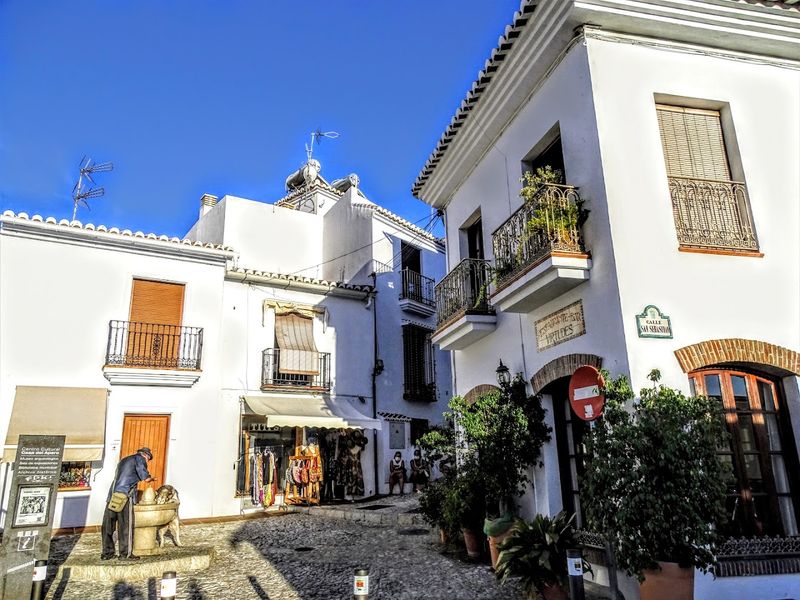
Frigiliana has won Spain’s most beautiful village award multiple times, and a single afternoon there tells you exactly why the judges keep agreeing. The upper Barribarto quarter is a maze of white lanes decorated with ceramic tiles, flower-filled pots, and trailing bougainvillea in shades of purple, pink, and red.
Every corner looks composed by someone with a very good eye.
The town sits in the hills above the Costa del Sol, close enough to Nerja to combine into a great day trip but deserving of its own dedicated visit. The Moorish influence is strong here, visible in the winding street layout and the intricate tilework that lines many of the walls.
Local artisans sell handmade crafts from small shops tucked into the whitewashed buildings.
Frigiliana also produces a traditional sugar cane syrup called miel de cana, a rare product in Europe, and the old sugar mill at the edge of town is worth a quick look. The food scene is small but solid, with a handful of restaurants serving regional Andalusian dishes using local ingredients.
Go on a weekday morning to beat the tour groups and experience the village at its most serene, quiet, and genuinely gorgeous best.
Girona, Catalonia
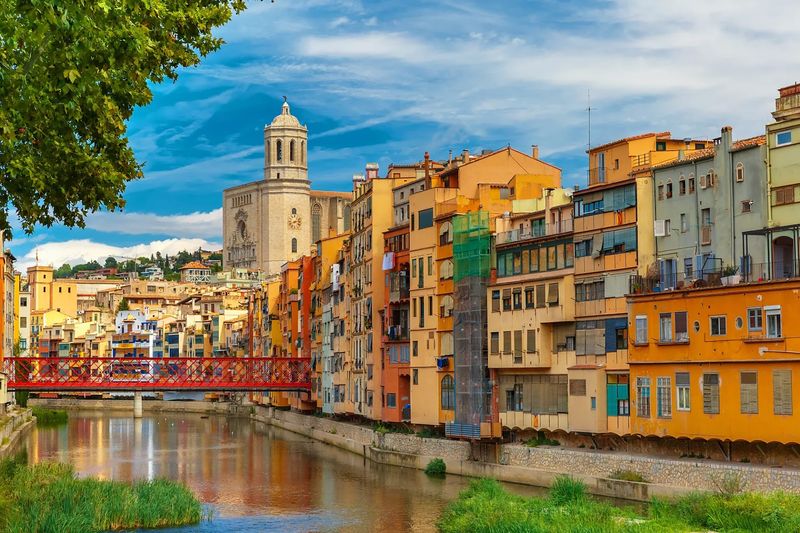
The houses along Girona’s Onyar River are painted in every shade of yellow, orange, red, and pink imaginable, and they tumble right down to the water’s edge like they are leaning in for a closer look. The reflection in the river on a calm morning is one of those images that makes people genuinely question whether they are looking at a real place or a painting.
Girona is a proper city with a medieval old town that is remarkably well preserved. The ancient Jewish quarter, known as El Call, is one of the best-maintained in Europe and tells a fascinating and complex history.
The cathedral, reached by a grand staircase, looks out over rooftops in a way that rewards the climb completely.
Game of Thrones fans will recognize several locations here, which has boosted the city’s international profile in recent years. But Girona was extraordinary long before any film crew arrived.
The food scene is also exceptional, with several Michelin-starred restaurants and a fantastic local market. Barcelona tends to overshadow it, but Girona more than holds its own.
Spending a night here, when the day-trippers leave and the old city glows quietly under the streetlights, is an experience worth planning around.
Setenil de las Bodegas, Andalusia
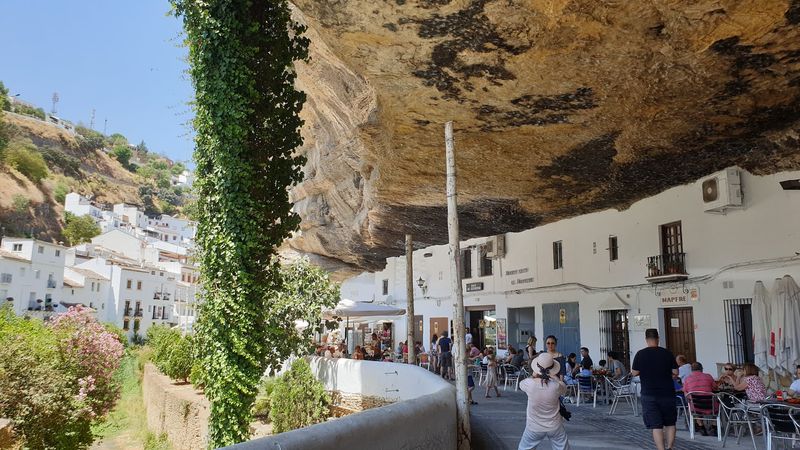
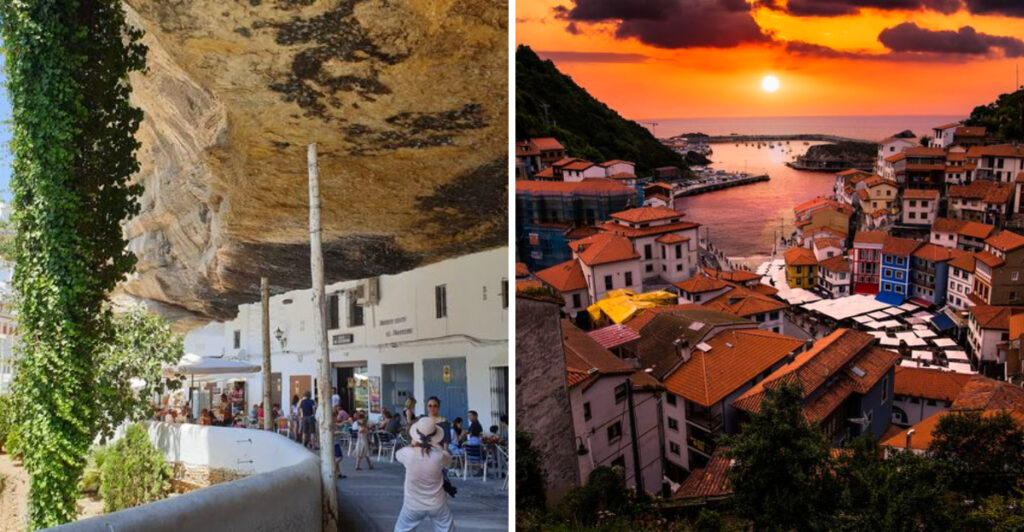
Setenil de las Bodegas breaks every rule about how a town is supposed to work. Instead of building around the rocks, the residents here built into them, under them, and practically through them.
The overhanging cliffs form natural roofs for entire streets of white houses, creating a look that is genuinely unlike anything else in Spain or possibly anywhere else.
The main canyon streets, Calle Cuevas del Sol and Calle Cuevas de la Sombra, are the most dramatic examples. Sitting at a cafe table with a solid rock ceiling above your head and white walls around you is a slightly surreal but completely wonderful experience.
The shade keeps things cool in summer, which the locals have clearly appreciated for centuries.
The town itself is small and unpretentious, producing excellent olive oil and local sausages that you can buy directly from producers. It sits in Cadiz province, making it easy to combine with a visit to Ronda, just 20 kilometers away.
Setenil does not shout for attention or dress itself up for tourists. It simply exists in its extraordinary, gravity-defying way, quietly confident that anyone who bothers to visit will be completely blown away.
They always are.
Tazones, Asturias
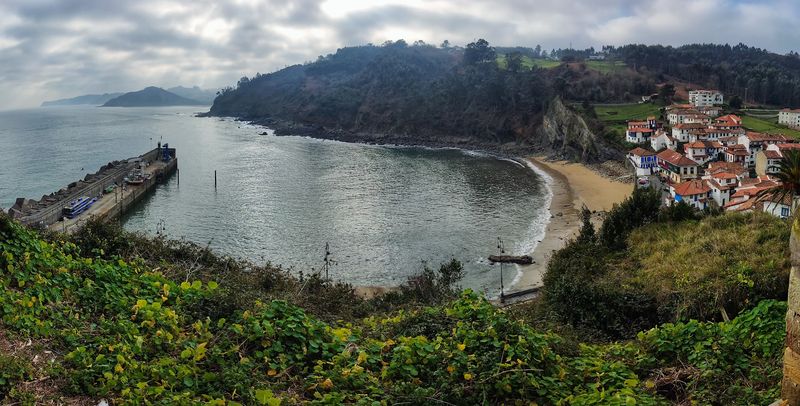
Tazones is the kind of place that travel writers describe as a secret and then immediately regret telling anyone about. This tiny fishing village on the Asturian coast has barely changed in decades, which is precisely what makes it so special.
Colorful houses line the single main street that leads straight down to a small, sheltered harbor.
The village has a surprisingly big claim to fame. Holy Roman Emperor Charles V reportedly landed here in 1517 when arriving in Spain for the first time, making Tazones his first taste of his new kingdom.
A small monument marks the spot. History in this compact package is honestly impressive.
The seafood here is exceptional and served without any tourist-menu fuss. Order the spider crab or the grilled turbot and you will understand why Asturians are quietly smug about their coastline.
The surrounding green hills and dramatic cliffs add a lush, northern beauty that feels completely different from the sun-bleached south. Tazones works perfectly as a half-day trip from Oviedo or Gijon, but if you can stay overnight, the harbor at dusk, when the fishing boats come in and the village lights up, is absolutely worth it.
Santillana del Mar, Cantabria
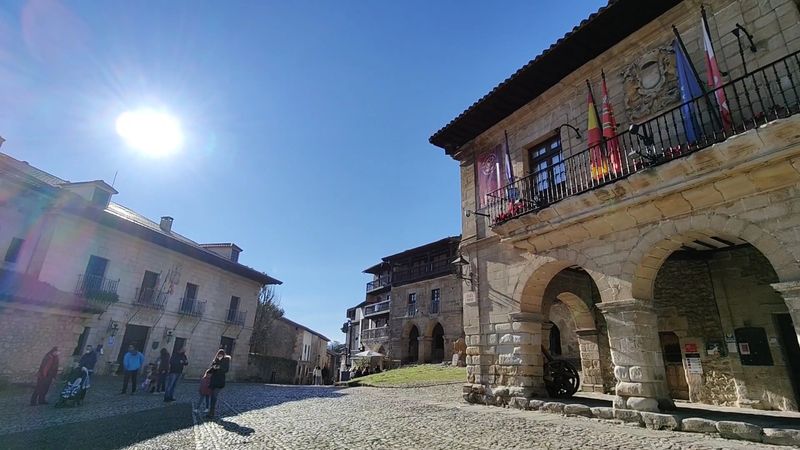
Jean-Paul Sartre once called Santillana del Mar the most beautiful village in Spain, which is a bold claim from a philosopher not exactly known for his cheerfulness. Walking its cobblestone streets, though, you start to think he might have been onto something.
The golden stone buildings glow warmly in the afternoon light, and the whole place has a timeless, unhurried quality.
Unlike many Spanish villages that rely on whitewash and bright colors for their visual appeal, Santillana works in a different palette. The textures here do the heavy lifting: rough stone walls, carved wooden balconies, iron lanterns, and mossy cobblestones create a richness that feels almost tactile.
The Romanesque collegiate church at the center of town is genuinely stunning.
The nearby Altamira Caves, home to some of the world’s most famous prehistoric paintings, add serious cultural weight to any visit. A replica museum nearby lets you see the remarkable cave art without risking damage to the originals.
Santillana del Mar is also surprisingly well set up for visitors, with good restaurants and charming small hotels housed in historic stone buildings. It is the kind of place where slowing down feels completely natural and absolutely necessary.
Go at your own pace and enjoy every step.
Ares del Maestrat, Valencia Region
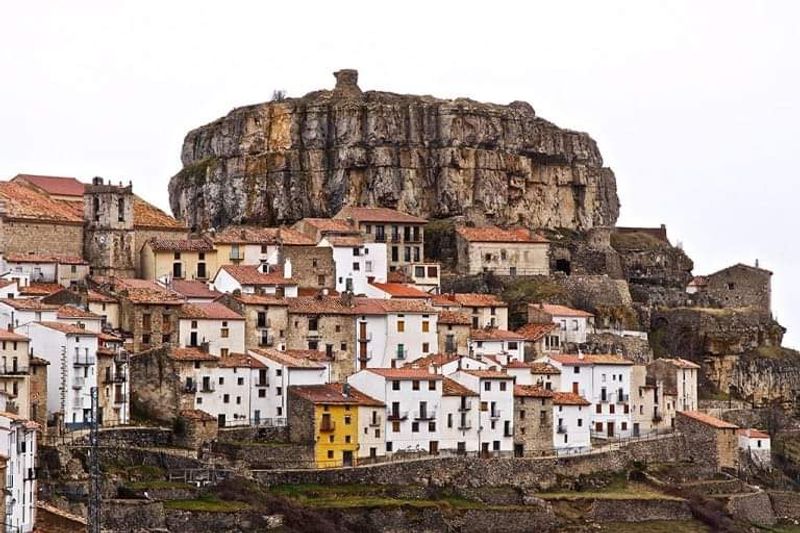
Ares del Maestrat clings to a rocky hilltop in the interior of the Valencia region like it absolutely refuses to come down. The stone houses are packed so tightly together that the village almost looks like a single geological formation from a distance.
Getting closer reveals a maze of medieval streets, arched passageways, and views that stretch for miles in every direction.
This is not a place that gets overwhelmed with tourists, which gives it a refreshingly authentic atmosphere. The locals here live alongside centuries of history without making a big deal about it, which somehow makes the whole experience feel more real.
The ruins of an old castle crown the hilltop and are well worth the short climb.
The surrounding landscape, part of the Els Ports natural park, is dramatic and beautiful. Hiking trails lead through rocky terrain and forested valleys, making Ares a great base for outdoor exploration as well as cultural sightseeing.
The village itself is small enough to explore fully in a morning, but the viewpoints alone justify the drive out here. Ares del Maestrat is the kind of discovery that feels genuinely personal, like you found it yourself rather than read about it in a travel guide.
That feeling is rare and worth chasing.
Zahara de la Sierra, Andalusia
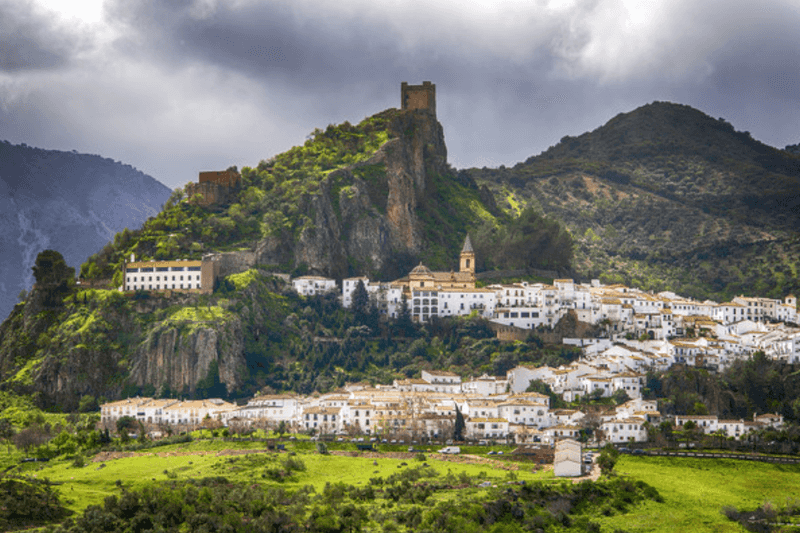
Zahara de la Sierra pulls off a visual trick that few places in the world can manage. Brilliant white buildings climb up a steep hillside toward a medieval tower, while a strikingly turquoise reservoir spreads out below, and green mountains frame the whole scene.
The combination of those three colors, white, turquoise, and green, is almost absurdly beautiful.
The town is part of the Sierra de Grazalema Natural Park, one of the wettest corners of Andalusia and home to rare wildlife including griffon vultures that soar overhead with impressive wingspan. The contrast between the lush surroundings and the sun-bleached village creates a visual drama that photographers find almost impossible to resist.
The Moorish castle at the top offers panoramic views across the reservoir and surrounding mountains that make the steep climb completely worthwhile. The town itself has a relaxed, friendly atmosphere with a handful of good tapas bars and a small selection of rural hotels.
Zahara works well as a base for exploring the Sierra de Grazalema by foot or bike. The famous road connecting it to Grazalema village is considered one of the most scenic drives in Andalusia, which in a region full of spectacular roads is really saying something impressive.
Comillas, Cantabria
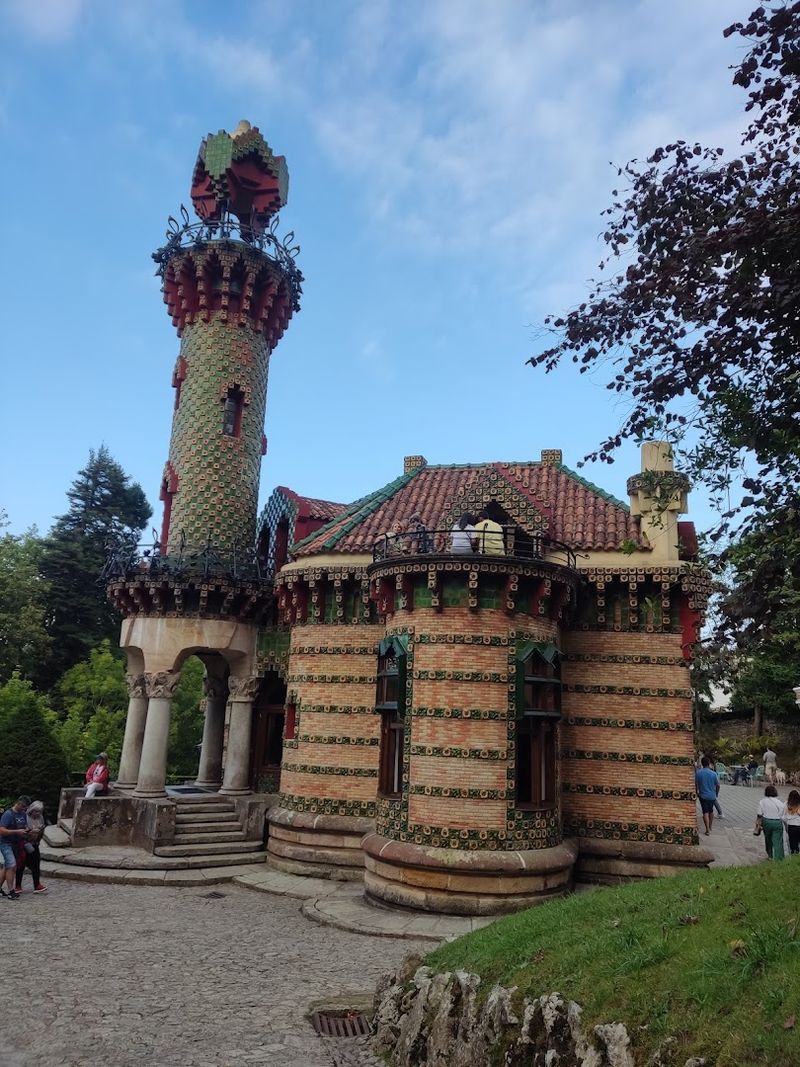
Comillas is the kind of town that surprises you before you even finish parking the car. Tucked into the green coast of Cantabria, it punches well above its weight architecturally, thanks in large part to a wave of Catalan Modernista buildings commissioned by wealthy patrons in the late 19th century.
One of those buildings is El Capricho, an early work by a young Antoni Gaudí, and it is wonderfully, joyfully bizarre.
El Capricho is covered in sunflower-patterned ceramic tiles and topped with a minaret-style tower, looking like nothing else in northern Spain. The contrast between this exotic creation and the surrounding green Cantabrian landscape is genuinely delightful.
It was one of Gaudí’s first major commissions and hints strongly at the wild creativity that would later produce the Sagrada Familia.
Beyond Gaudí, the town has a handsome main square, a neo-Gothic palace, a charming beach, and enough excellent seafood restaurants to keep you busy for several meals. The surrounding countryside is lush and dramatic, typical of the Cantabrian coast.
Comillas sits close to Santillana del Mar, making the two a natural pairing for a weekend trip. Together they cover medieval history, architectural creativity, great food, and coastal beauty in a compact, thoroughly rewarding package.
Share this story