Who says world-class culture has to cost a fortune? Across the United States, some of the most incredible museums you will ever visit charge absolutely nothing at the door.
From dinosaur bones to priceless paintings, these institutions prove that amazing experiences are for everyone. Whether you are planning a family road trip or a solo adventure, these free museums deserve a top spot on your list.
Smithsonian National Museum of Natural History – Washington, D.C.
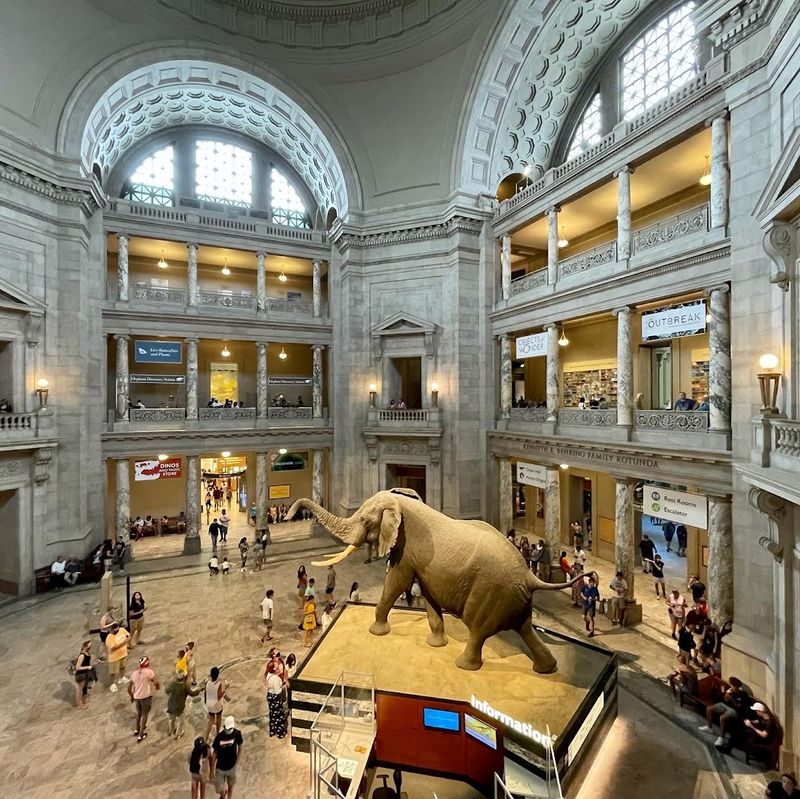
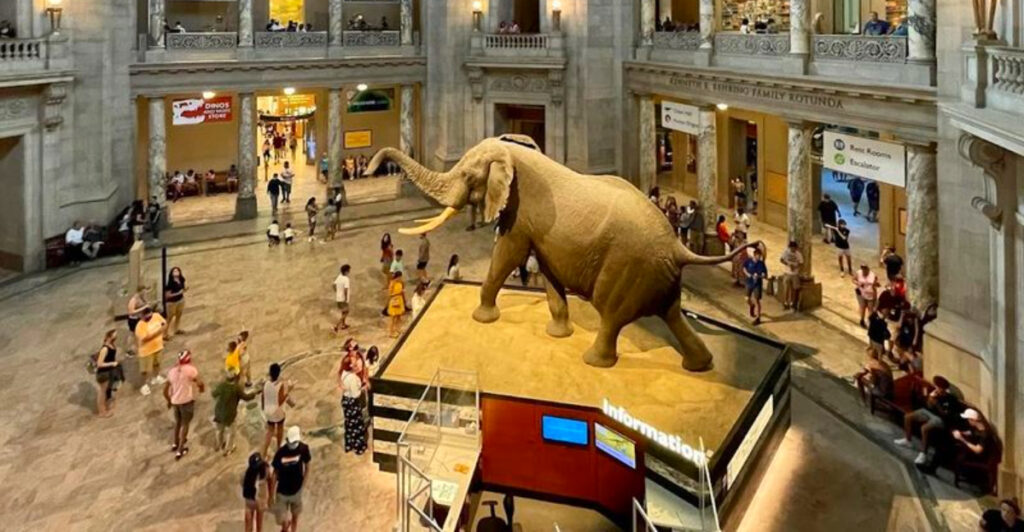
Millions of people walk through its doors every year, and it never gets old. The Smithsonian National Museum of Natural History in Washington, D.C. is one of the most visited museums on the entire planet, and admission costs exactly zero dollars.
That alone is pretty remarkable.
Inside, you will find over 145 million specimens and artifacts spread across multiple floors. You can go from staring up at a towering T. rex skeleton to admiring the legendary Hope Diamond in a single afternoon.
The variety here is genuinely hard to beat.
The museum also features an exhibit on human origins that traces our species back millions of years. It is thought-provoking, visually stunning, and surprisingly easy to understand.
Families, students, and curious adults all leave with something new rattling around in their heads.
Practical tip: arrive early on weekends because crowds build quickly. The museum is steps from the National Mall, making it easy to combine with other free Smithsonian stops nearby.
Pack a lunch, wear comfortable shoes, and budget at least three hours to do it justice.
Smithsonian National Air and Space Museum – Washington, D.C.
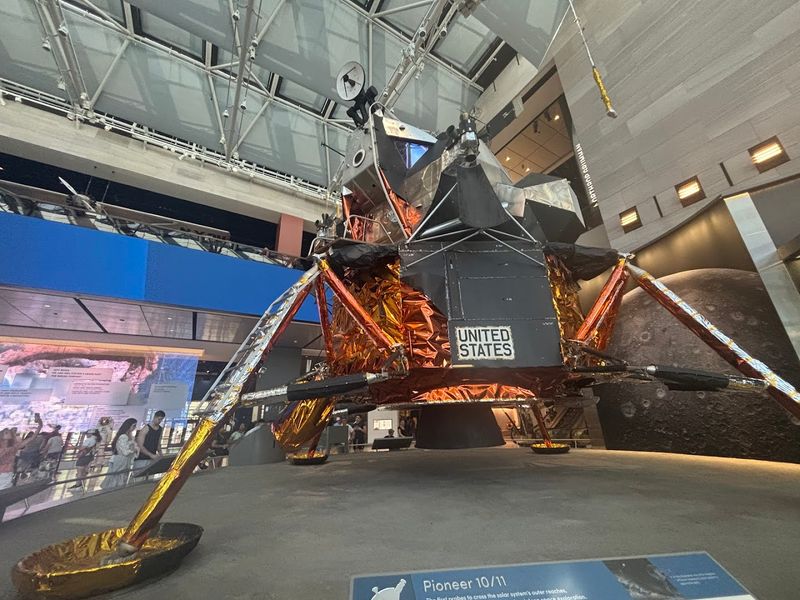
Hanging from the ceiling above you is the actual Apollo 11 command module. Right next to it, the Wright Brothers’ original 1903 Flyer.
The Smithsonian National Air and Space Museum does not mess around when it comes to jaw-dropping artifacts.
Aviation and space exploration come alive here through hundreds of real objects that changed history. You can touch a moon rock, walk through a replica of Skylab, and see rockets up close that once broke the sound barrier.
Every corner of this place holds something worth stopping for.
The museum also runs a planetarium and large-format films for a small additional fee, but the main galleries are completely free. Interactive stations keep younger visitors engaged while adults get lost in the details of each historic mission.
It is genuinely one of the best free days out in the entire country.
A second, larger location called the Steven F. Udvar-Hazy Center sits near Dulles Airport and houses the Space Shuttle Discovery.
Both locations are part of the Smithsonian network. If you love anything with wings or rocket engines, this museum will absolutely deliver.
The Getty Center – Los Angeles, California
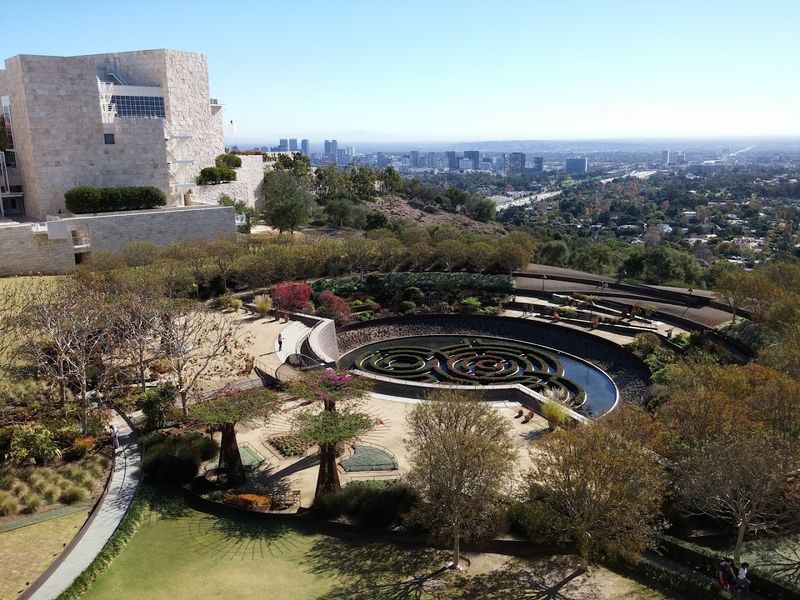
Perched on a hilltop above Los Angeles, the Getty Center looks like something out of a movie set. The architecture alone, all gleaming white travertine and clean geometric lines, is worth the trip before you even step inside a single gallery.
Admission to the Getty Center is completely free, though parking carries a fee if you drive up. The collection inside is extraordinary, featuring European paintings, illuminated manuscripts, decorative arts, and one of the finest photography collections in the world.
Van Gogh, Rembrandt, and Monet all have a presence here.
The gardens outside deserve just as much attention as the art indoors. A central garden designed by artist Robert Irwin changes with the seasons and gives visitors a genuinely peaceful escape from the city buzz below.
Many people spend as much time outside as they do in the galleries.
On clear days, the views of Los Angeles stretching toward the Pacific Ocean are absolutely breathtaking. The Getty is the kind of place where you plan to stay two hours and end up staying five.
Bring a camera, comfortable walking shoes, and an appetite because the on-site cafe has surprisingly good food.
Cleveland Museum of Art – Cleveland, Ohio
Cleveland does not always get the credit it deserves, but its art museum is genuinely world-class and free to enter. The Cleveland Museum of Art consistently ranks among the top art institutions in the United States, and its permanent collection alone is reason enough to book a trip.
Over 61,000 works span thousands of years and every corner of the globe. You will find ancient Egyptian artifacts sitting a few rooms away from Picasso paintings and medieval armor.
The sheer range of styles and time periods is impressive without feeling overwhelming.
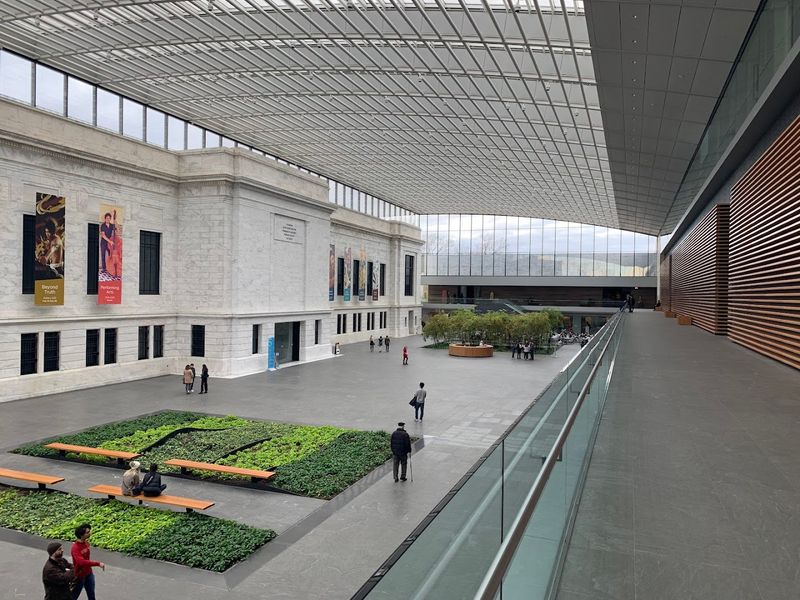
The museum underwent a major renovation that added a stunning glass-roofed atrium, now one of the most photographed spaces in all of Ohio. It connects the historic building with newer wings and creates a bright, welcoming hub where visitors naturally gather.
The design alone signals that this place takes the visitor experience seriously.
Special exhibitions do carry a fee, but the permanent collection is always free. Audio guides and interactive displays throughout the museum make it easy to go deeper on any piece that catches your eye.
Cleveland locals know this secret well, and now you do too.
National Gallery of Art – Washington, D.C.
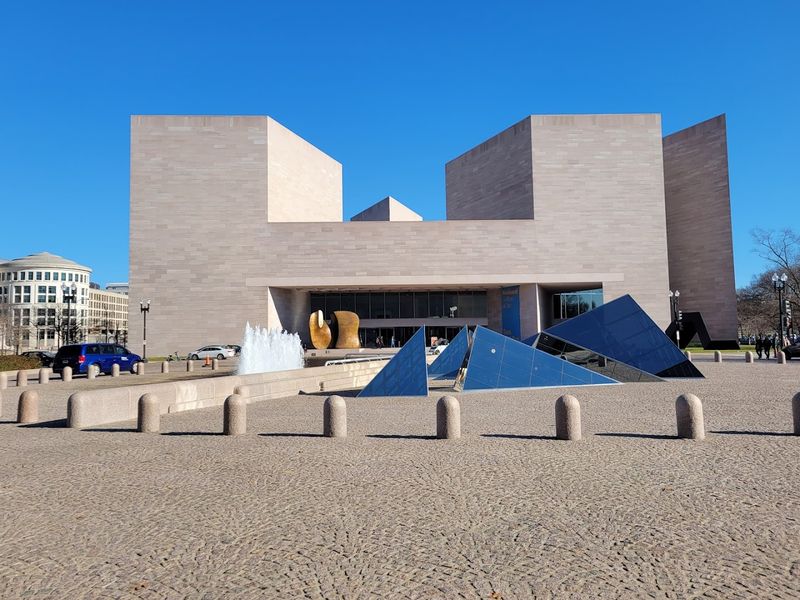
Standing inside the National Gallery of Art feels like being invited into one of the greatest private art collections ever assembled, except it belongs to everyone. Located right on the National Mall, this museum houses masterpieces that most countries would fight over, and you can see them all for free.
Leonardo da Vinci, Vermeer, El Greco, and Winslow Homer are just a few of the artists represented across the two connected buildings. The West Building leans toward classical European work while the East Building, designed by architect I.M.
Pei, focuses on modern and contemporary art. Together they cover centuries of human creativity.
The outdoor Sculpture Garden is a favorite gathering spot, especially in summer when a small jazz series runs on Friday evenings. In winter, the garden fountain transforms into a skating rink.
The museum clearly understands that art is not just something you hang on a wall.
Families will appreciate the drop-in art workshops available on weekends. The cafeteria downstairs is reasonably priced and genuinely tasty.
Plan to spend at least half a day here, and do not rush through the Dutch Masters gallery because those paintings reward slow, careful looking.
Baltimore Museum of Art – Baltimore, Maryland
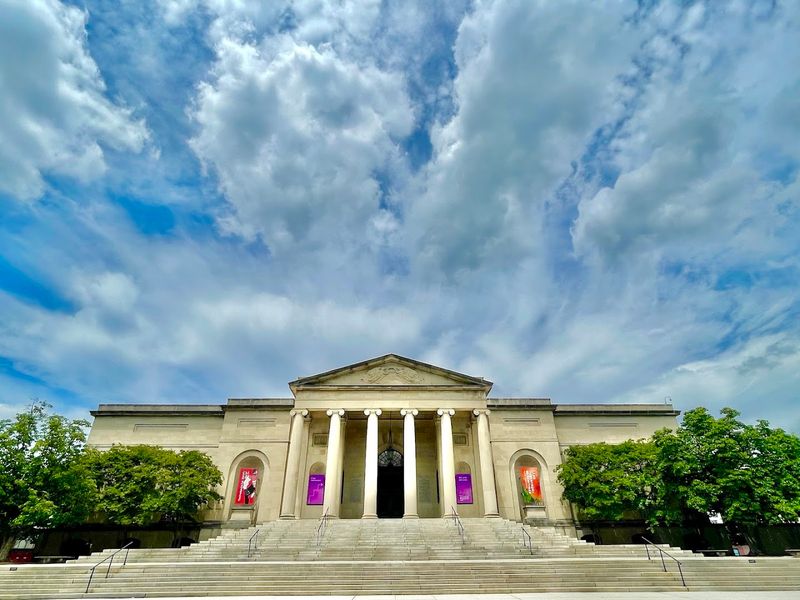
Somewhere in Baltimore, an entire room is dedicated to the work of Henri Matisse, and you can walk right in without paying a cent. The Baltimore Museum of Art holds the largest collection of Matisse works in the world, which is a fact that surprises most first-time visitors.
Beyond Matisse, the museum covers an impressive spread of African art, contemporary works, decorative arts, and American paintings. The permanent collection contains over 95,000 objects, making it one of the most substantial free art museums in the eastern United States.
There is genuinely something here for every kind of art lover.
The museum made national news in 2018 when it committed to exclusively purchasing works by women artists for a full year. That kind of bold institutional thinking shows up throughout its programming and curatorial choices.
Visiting here feels like supporting a museum with real values and a clear point of view.
The sculpture garden outside is a lovely spot to decompress between galleries. Free parking is available on weekends, which is a rare bonus in any major city.
Baltimore is often overlooked as a cultural destination, but this museum alone makes a strong argument for changing that perception.
The Broad – Los Angeles, California
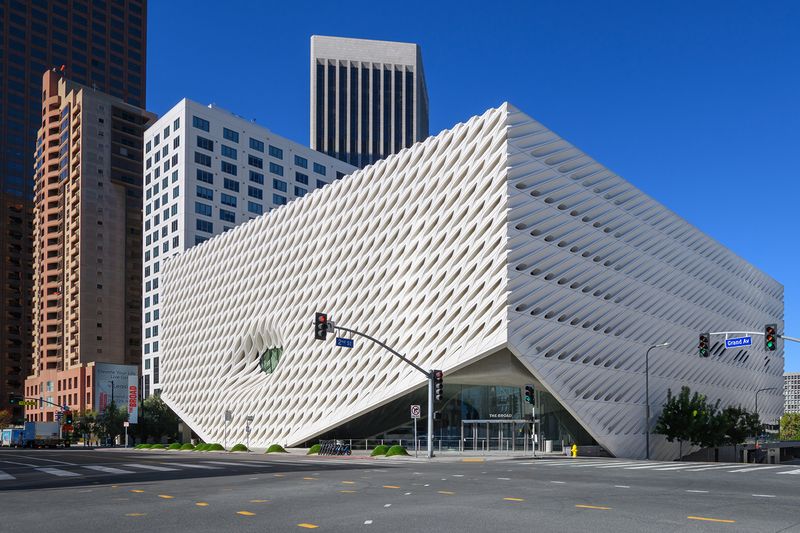
There is a room at The Broad where you feel like you are floating inside an endless universe of colorful dots. That is Yayoi Kusama’s Infinity Mirrored Room, and it is just one reason why this contemporary art museum in downtown Los Angeles has become one of the most talked-about free museums in America.
Opened in 2015, The Broad was built specifically to house the personal collection of philanthropists Eli and Edythe Broad. The building itself is a striking honeycomb-like structure that filters natural light beautifully into the galleries below.
Walking up to it for the first time, you immediately know something interesting is happening inside.
The collection features work by Jeff Koons, Cindy Sherman, Jean-Michel Basquiat, and Andy Warhol, among many others. These are not obscure names, these are artists whose work defines contemporary culture.
Seeing it all in one place, for free, feels almost too good to be true.
General admission is free, but the Infinity Room requires a separate timed reservation that books up fast. Make that reservation weeks in advance if you can.
The Broad also sits steps away from the Walt Disney Concert Hall, making it an easy addition to a full downtown Los Angeles cultural day.
Smithsonian National Museum of American History – Washington, D.C.
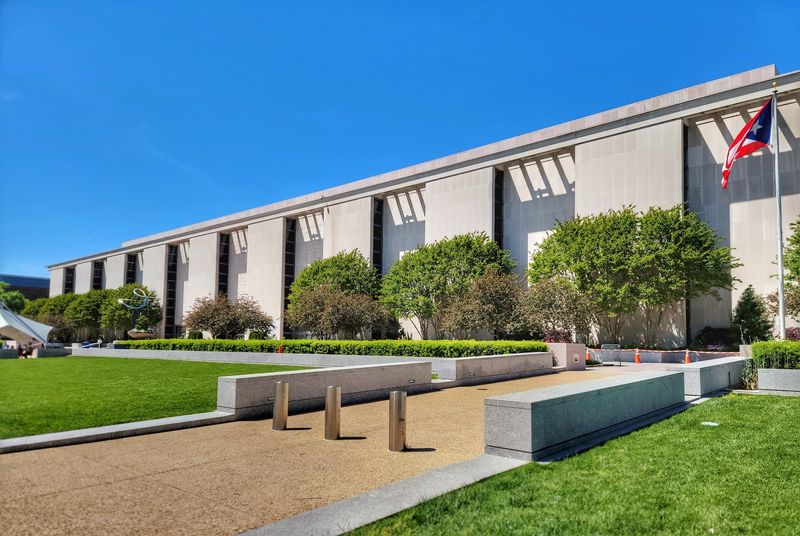
The original Star-Spangled Banner, the very flag that inspired the national anthem, is displayed here in a darkened hall that practically demands silence. Standing in front of it is one of those rare museum moments that gives you actual chills.
The Smithsonian National Museum of American History earns its reputation one artifact at a time.
From Julia Child’s actual kitchen to a collection of inaugural gowns worn by First Ladies, the museum captures American life in ways that textbooks simply cannot. It covers military history, popular culture, science, and democracy all under one very large roof.
The breadth of topics covered is genuinely staggering.
Interactive exhibits make this museum especially strong for younger visitors. Kids can try on historic clothing reproductions, handle replica tools, and explore hands-on displays about American innovation.
Adults tend to wander off on their own and resurface an hour later having discovered something completely unexpected.
Like all Smithsonian museums, admission is entirely free every single day of the year. The museum sits right on the National Mall between the Washington Monument and the Capitol Building.
Combining it with a visit to the neighboring Natural History Museum makes for a very full and very rewarding day in Washington.
Virginia Museum of Fine Arts – Richmond, Virginia
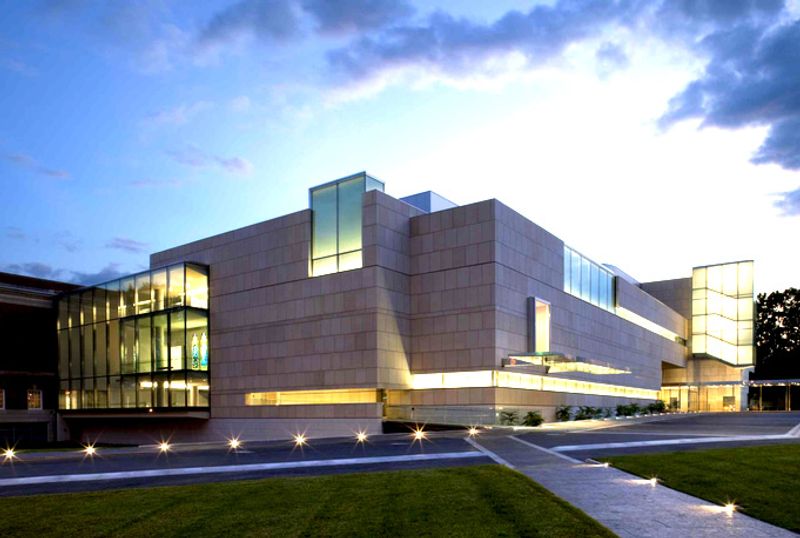
Richmond, Virginia is not the first city most people think of when planning a museum trip, but maybe it should be. The Virginia Museum of Fine Arts offers free general admission every single day of the year, and its collection spans literally every continent and thousands of years of human creativity.
Ancient Roman sculptures sit a short walk from Himalayan art, Art Deco jewelry, and contemporary African American paintings. The range is genuinely global in a way that many much larger museums struggle to achieve.
It consistently surprises visitors who expected something regional and found something truly international.
The museum underwent a major expansion in 2010 that added sleek modern galleries and a rooftop sculpture garden with views over the city. The building itself has become a point of pride for Richmond, and the outdoor terrace is a popular spot for locals to gather on warm evenings.
Architecture lovers will appreciate the contrast between the original classical structure and the newer glass addition.
Special exhibitions do carry a separate ticket price, but the permanent collection is always accessible without cost. The on-site restaurant, Best Cafe, is highly regarded and a great place to recharge mid-visit.
VMFA also runs a robust education program that serves schools across the state.
Menil Collection – Houston, Texas
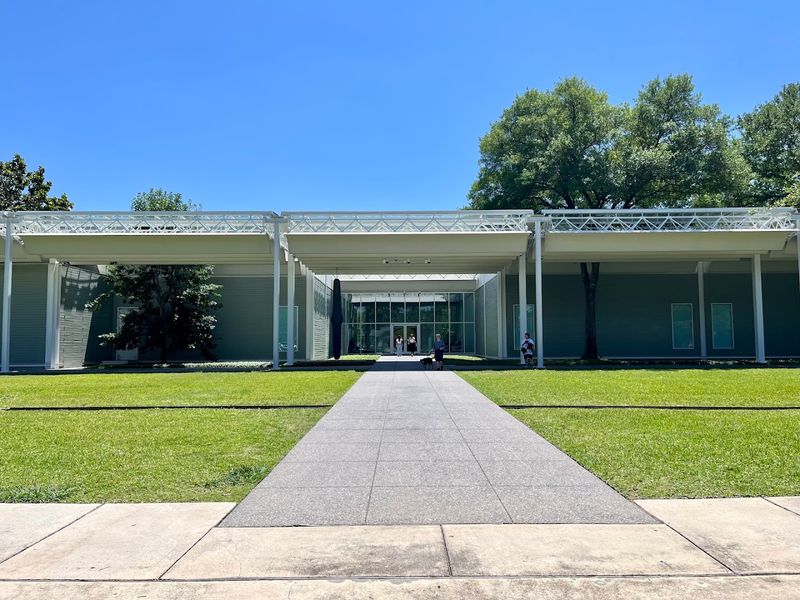
Tucked into a quiet Houston neighborhood surrounded by oak trees, the Menil Collection does not look like one of the most important private art collections ever assembled. That understated quality is entirely intentional, and it is a big part of what makes this place so special.
Founded by philanthropists John and Dominique de Menil, the museum opened in 1987 and has been free every single day since. The collection of roughly 17,000 works includes ancient artifacts, Byzantine art, African and Pacific Islander works, and a remarkable concentration of Surrealist and modern art.
Rene Magritte, Max Ernst, and Pablo Picasso all make appearances.
The Renzo Piano-designed building is a masterpiece of quiet architecture. Natural light filters through specially designed baffles in the roof, giving every gallery a warm, consistent glow that makes the art look genuinely alive.
Spending time here feels meditative rather than overwhelming.
Several smaller structures surround the main building, including the Rothko Chapel and the Cy Twombly Gallery, all free to visit. The entire campus sits within a residential neighborhood, and locals jog past it on their morning runs like it is perfectly normal to live next door to a world-class art institution.
In Houston, apparently, it is.
National Museum of African American History and Culture – Washington, D.C.
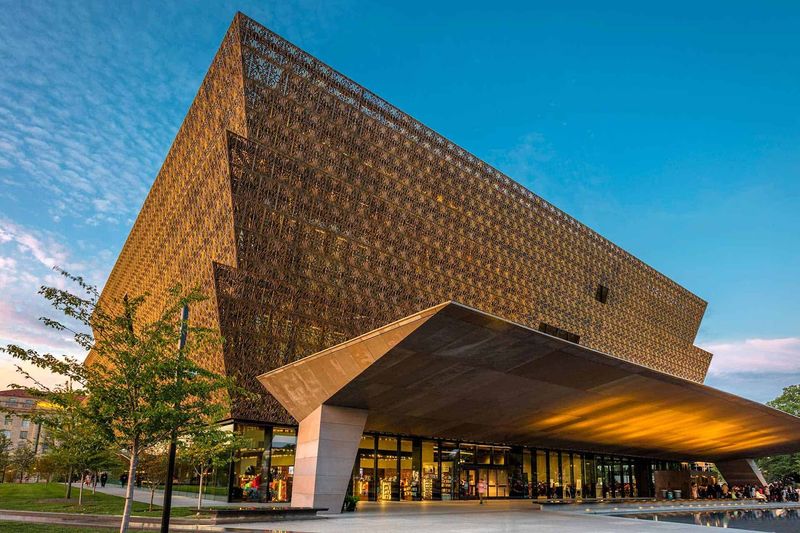
No building on the National Mall commands attention quite like this one. The National Museum of African American History and Culture rises in tiers of bronze-colored latticed panels, and its visual power perfectly matches what waits inside.
This is a museum that was decades in the making and it shows in every single exhibit.
Opened in 2016, it quickly became one of the most visited museums in Washington. The collection spans over 40,000 objects, from artifacts of the transatlantic slave trade to Harriet Tubman’s shawl to memorabilia from the Civil Rights Movement.
Each floor moves chronologically upward, taking visitors from the darkest chapters of American history toward stories of resilience, creativity, and joy.
The upper floors dedicated to culture are as energizing as the lower history floors are sobering. Music, sports, food, and community all get thoughtful, immersive treatment.
Seeing the full picture of African American contributions to this country presented with such care is genuinely moving.
Because it is part of the Smithsonian, admission is free. However, timed-entry passes are required and often book up weeks in advance.
Reserve your passes online as early as possible. Same-day passes sometimes become available at 6:30 a.m. on the museum’s website, so set an alarm if you are visiting soon.
USS Constitution Museum – Boston, Massachusetts
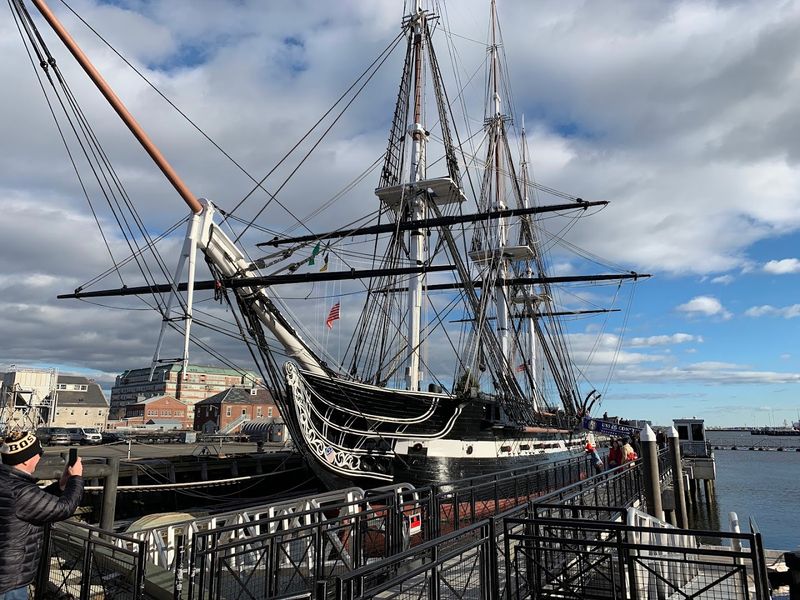
Old Ironsides earned her nickname by surviving cannon fire during the War of 1812, and the museum built in her honor is just as tough to forget. The USS Constitution Museum in Boston sits right next to the actual ship in the Charlestown Navy Yard, making it one of the most uniquely located free museums in the country.
The museum brings maritime history to life through hands-on exhibits that appeal to visitors of all ages. Kids can haul on ropes, scrub decks, and get a real sense of what daily life felt like for sailors in the early 1800s.
It is one of those rare museums where you learn something new without feeling like you are in school.
Admission is free, though donations are warmly encouraged to help maintain the collection. The museum does an excellent job explaining the USS Constitution’s role in American naval history without dumbing things down or losing younger visitors along the way.
The balance between education and entertainment is handled really well.
After touring the museum, walk across the dock and board the actual USS Constitution herself. The ship offers free tours led by active-duty Navy sailors, which adds a living, breathing layer to everything you just learned inside.
Together, the museum and the ship make for one of Boston’s best free half-days.
Hirshhorn Museum and Sculpture Garden – Washington, D.C.
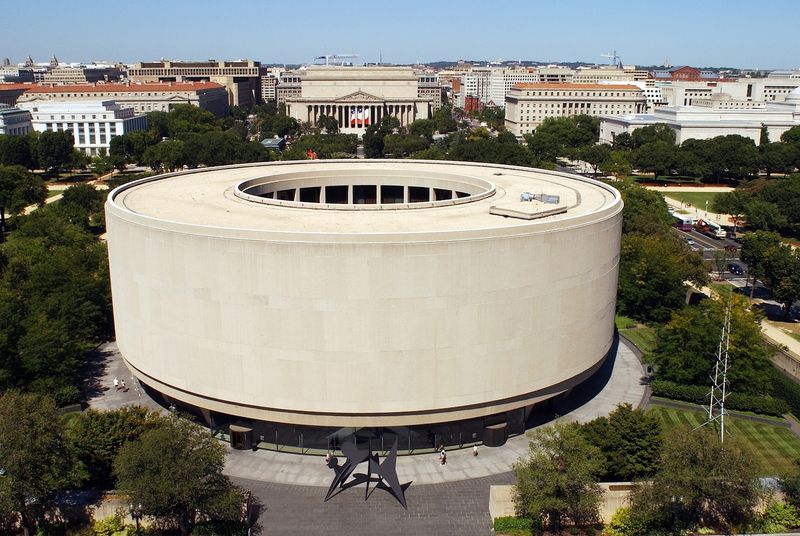
From the outside, the Hirshhorn Museum looks like a giant concrete donut dropped onto the National Mall, and that is meant as a compliment. Its bold, circular design was intentional, a statement that modern art deserves a home that refuses to play it safe.
Inside, that philosophy continues at full volume.
Part of the Smithsonian Institution, the Hirshhorn focuses exclusively on modern and contemporary art. The collection includes over 12,000 works by artists including Louise Bourgeois, Francis Bacon, and Ai Weiwei.
It is a very different experience from the classical galleries found elsewhere on the Mall, and that contrast is exactly what makes it worthwhile.
The outdoor Sculpture Garden is one of the most pleasant free spaces in Washington. Large-scale works by Alexander Calder and Auguste Rodin are scattered among walkways and benches, giving visitors a chance to experience sculpture in natural light and open air.
It is a favorite lunch spot for nearby office workers who clearly have excellent taste.
Immersive media installations have become a signature of recent Hirshhorn programming, drawing long lines even on weekdays. These temporary shows are always free.
If you have only been to traditional art museums before, the Hirshhorn will genuinely recalibrate your sense of what a museum can be.
Birmingham Museum of Art – Birmingham, Alabama
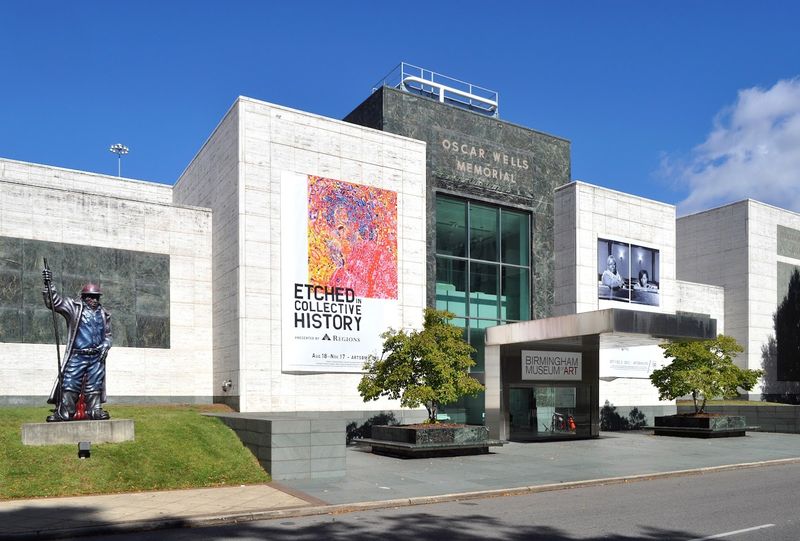
Alabama does not always top the list when people think about world-class art destinations, but the Birmingham Museum of Art has been quietly building one of the South’s finest collections for decades. Best of all, walking through its doors costs absolutely nothing.
The collection covers an impressive range, including Asian decorative arts, European paintings, African sculpture, and a strong selection of American works. The Asian art collection in particular is considered one of the best of its kind in the southeastern United States.
It is the kind of collection you would expect to pay a premium to see at a coastal institution.
The museum also features a lovely outdoor sculpture garden called the Clarence B. Hanson Jr. Sculpture Garden, which is a peaceful green space in the middle of the city.
Local families use it as a regular weekend hangout, which speaks to how well the museum has woven itself into the community fabric of Birmingham.
Special exhibitions rotate throughout the year and occasionally carry a small fee, but the permanent galleries are always free. The museum shop carries an excellent selection of art books and locally made goods.
Birmingham itself is a city with a rich and complex history, and the museum reflects that depth with intelligence and care.
National Portrait Gallery – Washington, D.C.
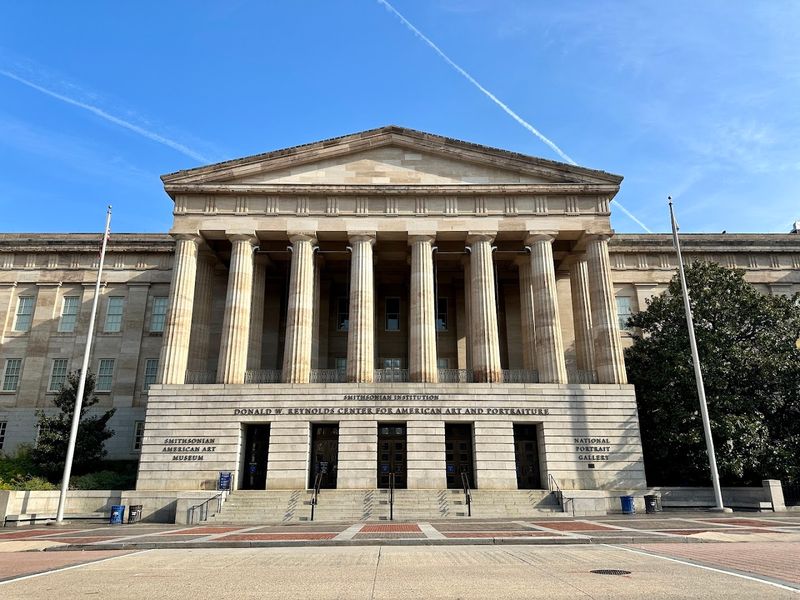
Every American president stares back at you from a canvas somewhere in this building, and somehow that never gets less interesting. The National Portrait Gallery in Washington, D.C. turns the art of portraiture into a full-scale exploration of American identity, ambition, and history.
It is one of the most quietly compelling museums in the entire Smithsonian network.
Shared with the American Art Museum inside the gorgeous Old Patent Office Building, the Portrait Gallery features paintings, photographs, sculptures, and mixed-media works of people who shaped the United States. The presidential portrait hall is the obvious draw, but the galleries dedicated to scientists, activists, athletes, and entertainers are just as rewarding to explore.
The building itself is worth a long look. Constructed in the 1830s, it served as a Civil War hospital where poet Walt Whitman volunteered as a nurse.
Abraham Lincoln held his second inaugural ball here. History practically seeps through the marble floors, adding texture to every portrait you encounter.
The central courtyard, now enclosed in a spectacular glass canopy designed by Foster and Partners, is one of the most beautiful indoor public spaces in Washington. Admission is free every day of the year.
Plan to spend two hours here minimum, and do not skip the third floor where the modern and contemporary portraits offer some genuinely surprising perspectives.
Share this story