There is a stretch of water in South Jersey that has hosted Olympic-caliber rowing competitions, and most people drive right past it without a second thought. Tucked along the banks of the Cooper River near Haddonfield, New Jersey, this park is one of Camden County’s most underrated outdoor destinations.
The trails run for miles, the wildlife keeps things interesting, and the history behind the water itself is genuinely surprising. Whether you are a casual walker, a serious cyclist, or someone who just wants a quiet place to sit near the water, this park delivers more than its low profile suggests.
Where Exactly This Park Sits
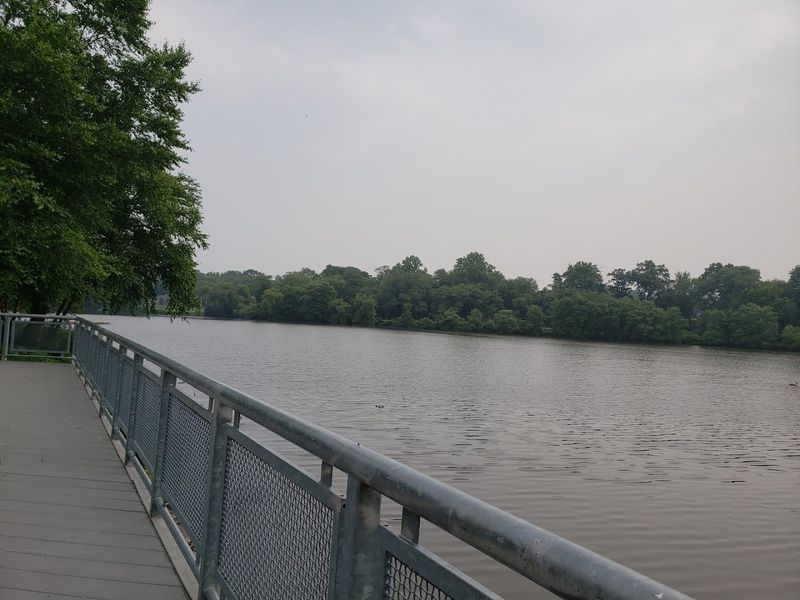
Cooper River Park is located along Cooper River in Haddonfield, NJ 08033, managed by Camden County and stretching across multiple municipalities including Pennsauken, Cherry Hill, and Collingswood.
The park runs for several miles along the Cooper River, making it one of the longer linear parks in the region. Its address places it within Haddonfield’s orbit, but the park itself is a shared resource for a wide swath of South Jersey communities.
Open daily from 6 AM to 10 PM, the park offers generous hours for early risers and evening walkers alike. Parking areas are spread across multiple access points, making it easy to start a walk or bike ride from several different spots along the route.
The Camden County Parks system maintains the property, and more information is available at the official website: camdencounty.com/service/parks/cooper-river-park. The park’s accessibility and central location make it a practical choice for anyone in the greater South Jersey area.
The Olympic Connection That Most People Miss
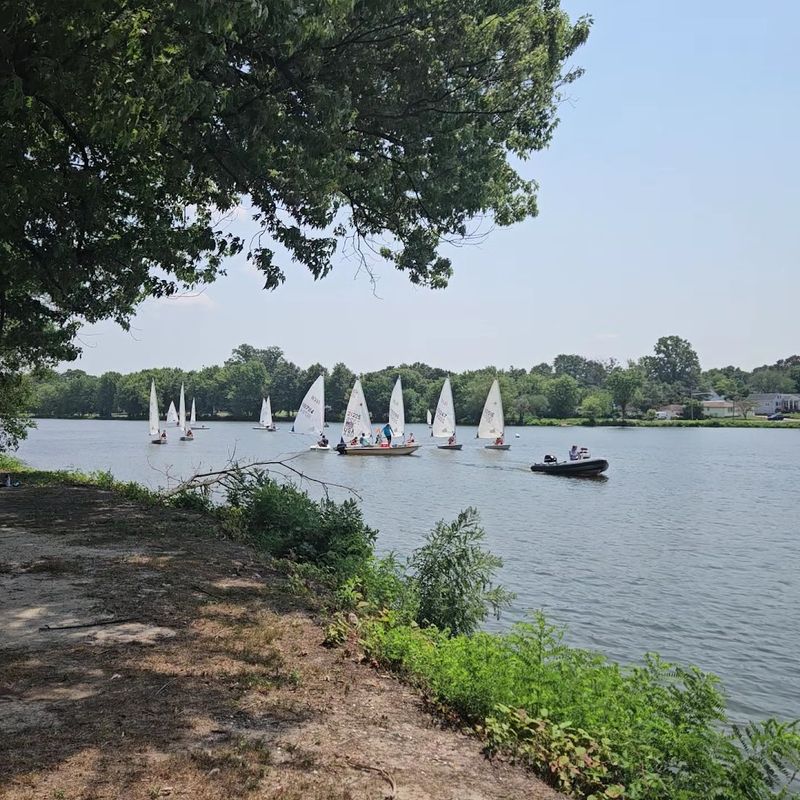
The Cooper River has a legitimate claim to athletic history that goes well beyond weekend joggers and dog walkers. The river’s long, straight channel made it an ideal venue for competitive rowing, and it has hosted major regattas for decades.
During the lead-up to the 1996 Atlanta Olympics, the Cooper River served as a training and qualifying site for U.S. rowing teams. That connection to Olympic-level competition is not something most park visitors think about when they are walking the trail on a Tuesday afternoon.
The river’s natural geometry, relatively flat water, and length made it one of the better rowing venues on the East Coast for serious competitive use. Collegiate and club rowing teams have used the water regularly over the years.
That layer of athletic history adds a different kind of weight to the park. The same water where geese paddle around in the morning has been the site of some genuinely high-stakes athletic competition.
A Park That Spans Three Towns
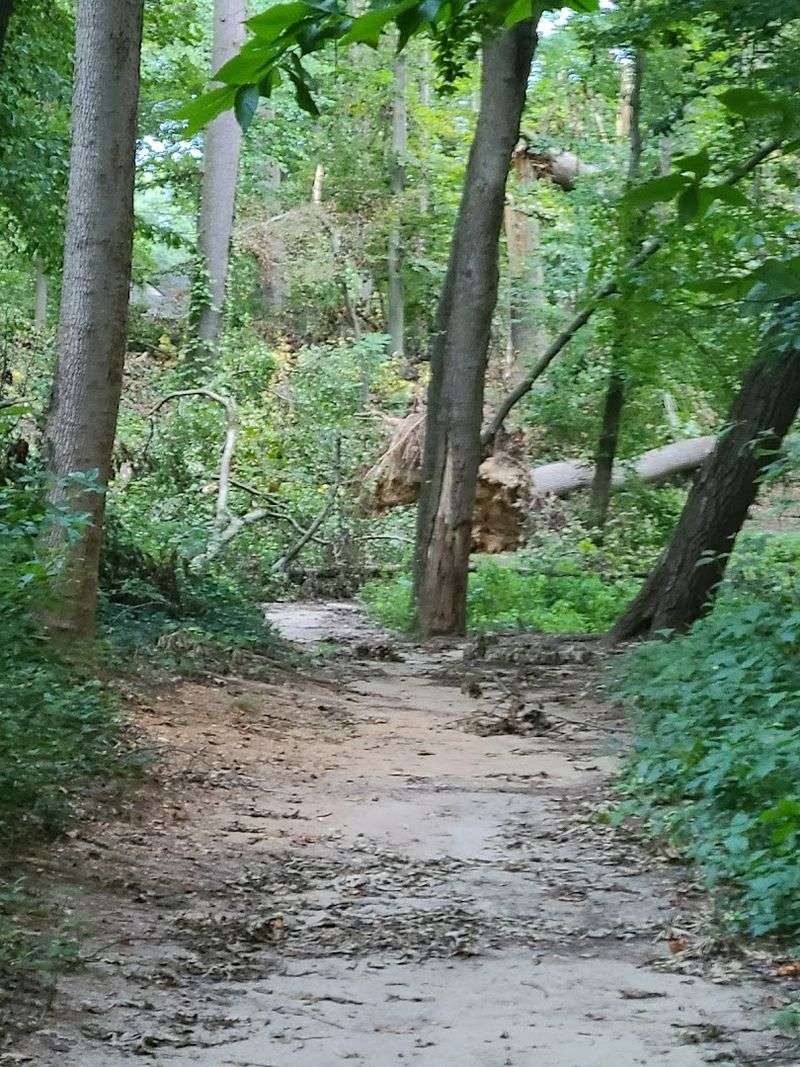
One of the more practical surprises about this park is its sheer length. The trail system stretches across no fewer than three separate municipalities, meaning a single uninterrupted walk can take you through distinctly different neighborhoods and landscapes.
Starting from one end and walking to the other gives you a real sense of how much green space Camden County has managed to preserve in a densely populated part of New Jersey. The transitions between towns are subtle, marked more by changes in the surrounding architecture than by any dramatic shift in the trail itself.
That continuity is part of what makes the park so well-suited for longer workouts. Cyclists and runners who want distance without repeating the same loop have a genuine option here, and the path conditions are generally consistent throughout.
The park does not feel like three separate parks stitched together. It reads as one cohesive green corridor, which is a genuine achievement for a county park system operating across multiple jurisdictions.
Two Kinds of Trail for Two Kinds of Walker
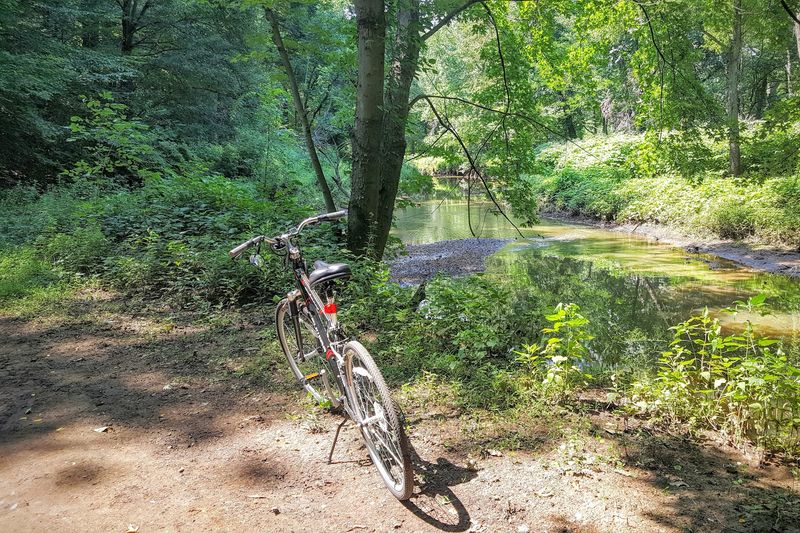
Not every park gives you a real choice about how you want to move through it, but Cooper River Park actually does. There are two distinct trail options running along the river: a paved path and a wooded dirt route that runs closer to the tree line.
The paved path was recently resurfaced and offers a smooth, consistent surface for cyclists, inline skaters, and anyone who prefers a predictable footing. The dirt path through the trees is a different experience entirely, with more shade and a closer connection to the natural surroundings.
After rain, the wooded trail can get muddy in sections, so timing matters if clean shoes are a priority. The paved route stays usable in nearly any weather condition, which makes it the more reliable option for year-round use.
Having both options available at the same park means the trail system works for a wide range of users without any single group dominating the space. That flexibility is genuinely useful.
Wildlife That Shows Up Without Warning
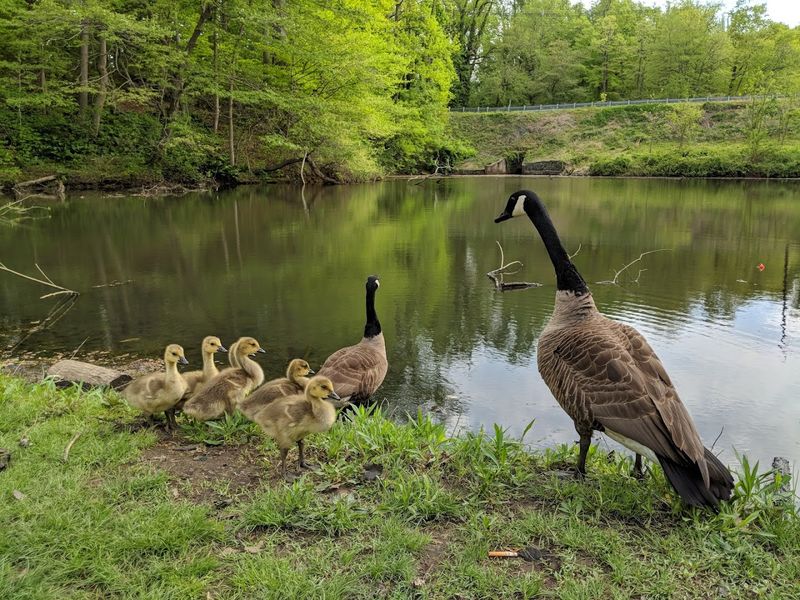
The wildlife at Cooper River Park is not the kind that gets advertised on a sign at the entrance, but it is absolutely part of the experience. Deer are regularly spotted along the wooded sections of the trail, particularly during early morning and evening hours.
The park is also home to a notable population of waterfowl. Geese, ducks, herons, and various other birds use the river and its banks regularly, and the mix of species changes with the seasons.
Turtles and frogs are common along the water’s edge, and raccoons and opossums have been reported in the park as well.
Informational kiosks along the trail help identify some of the wildlife and plant life in the area, which adds an educational layer to what might otherwise be a straightforward walk. Those kiosks are especially useful for families with younger kids.
The variety of species present in a suburban park this close to developed neighborhoods is genuinely impressive and worth paying attention to on any visit.
Quiet Enough for Lunch Breaks
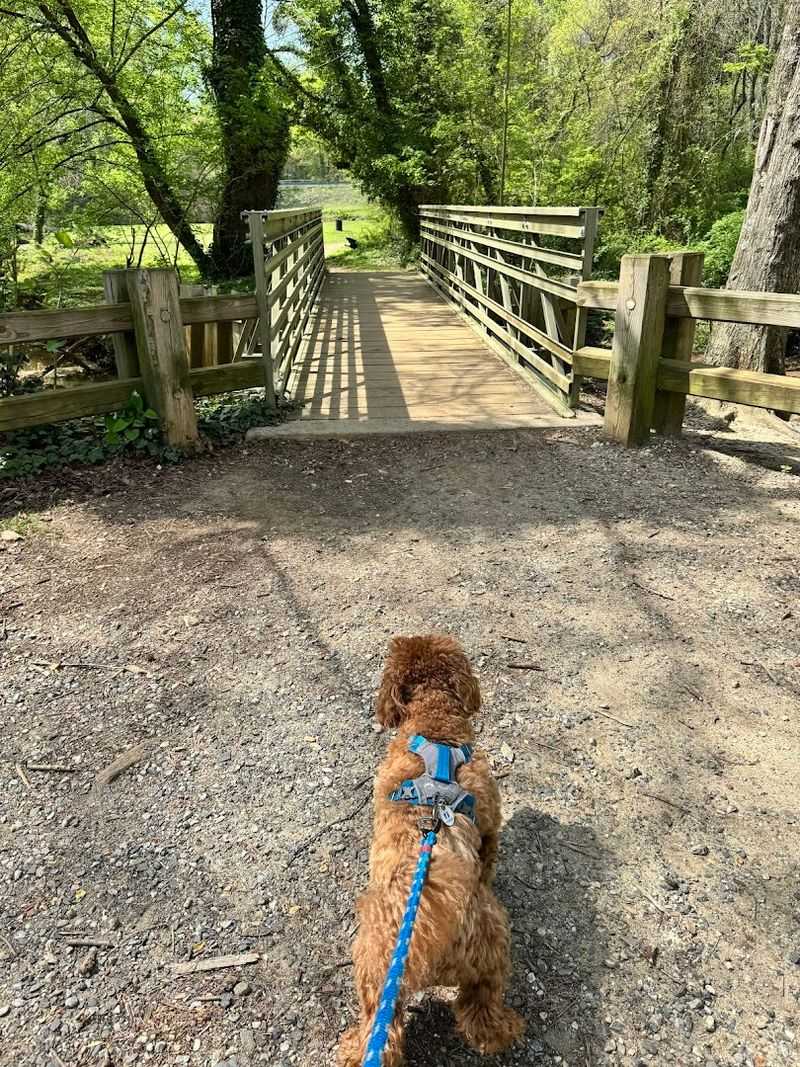
The park has a reputation for staying relatively quiet even during weekday hours, which makes it a practical option for people who want to get outside without dealing with crowds. The trail is wide enough that even when other users are present, it does not feel congested.
Dog walkers are a consistent presence throughout the day, and the park is well-suited for that use. The paved path is easy to navigate with a leash, and the wooded sections give dogs more to investigate.
The general atmosphere along the trail is calm and low-key.
The park’s proximity to nearby offices and neighborhoods means it functions as a genuine lunch-break destination for locals. A thirty-minute walk along the river and back is entirely achievable within a midday window.
That kind of everyday usability is what separates a good park from a great one. Cooper River Park does not require a special occasion or a full afternoon to justify the trip, which is part of what keeps people coming back regularly.
Parking That Actually Works
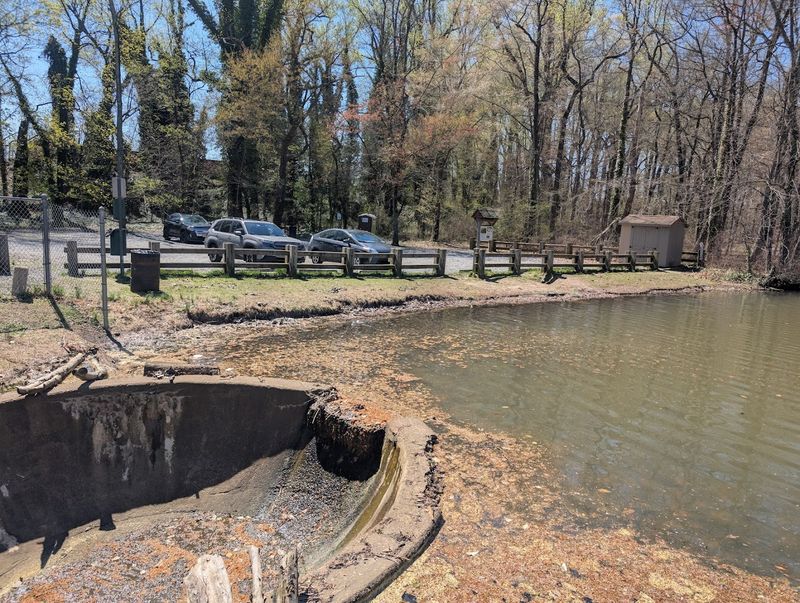
Parking at Cooper River Park is one of those practical details that matters more than people expect. Multiple access points along the park’s length each have their own parking areas, which distributes vehicles and prevents any single lot from becoming overwhelmed.
The lots are described as ample by regular users, which is a meaningful distinction in a part of New Jersey where parking at popular outdoor spaces can become a real obstacle. Arriving on a weekend morning and actually finding a spot without circling is not something every park in the region can promise.
The layout of the parking areas also makes it easy to customize the length of a visit. Parking near the middle of the park gives access to both directions of trail, while parking at either end suits people who prefer to walk a specific section.
For a park that stretches across multiple towns, having well-distributed parking throughout the route is a logistical detail that the county appears to have handled well.
Year-Round Use Without the Seasonal Shutdown
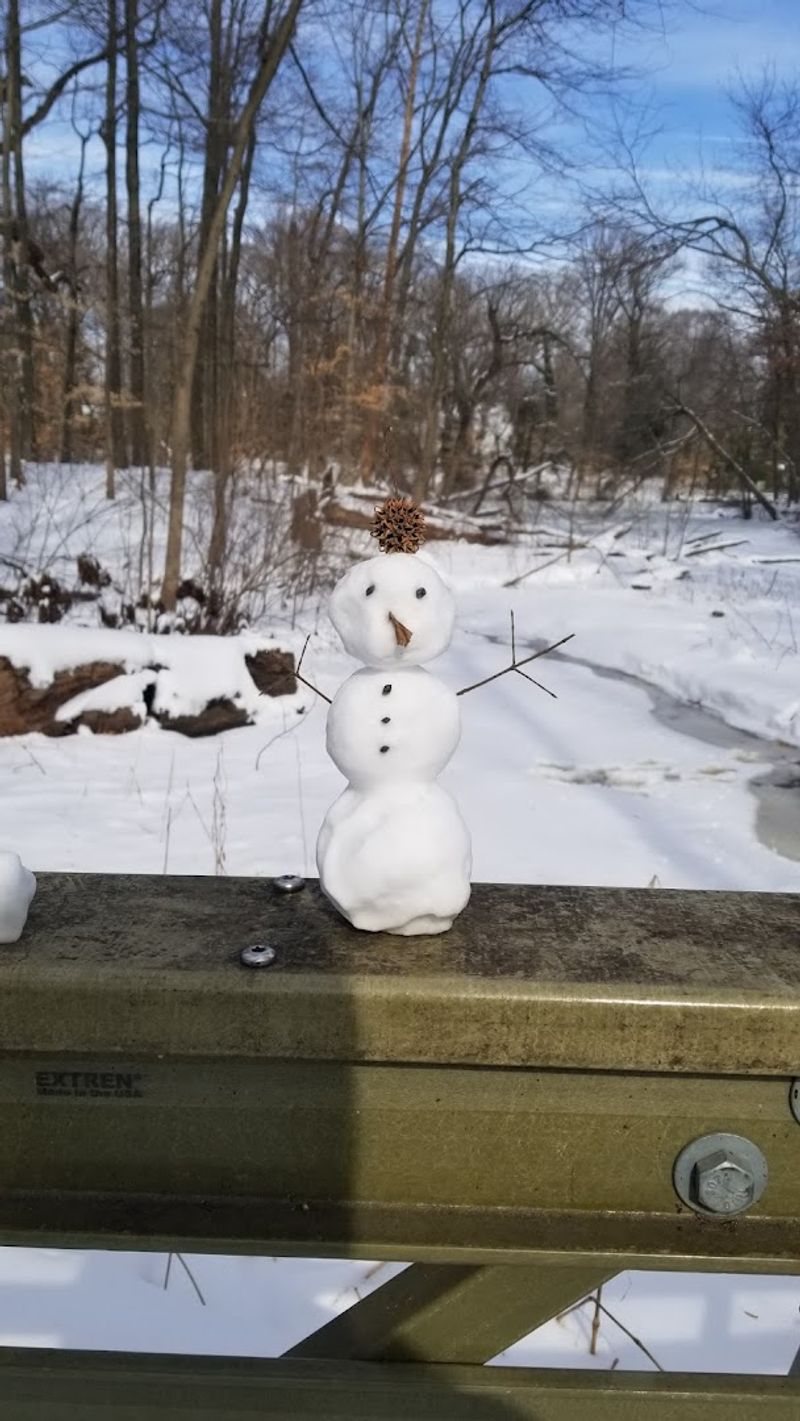
Some parks are genuinely seasonal, either because the trails become impassable in winter or because the facilities close down. Cooper River Park operates daily from 6 AM to 10 PM every day of the week, year-round, with no seasonal closure built into the schedule.
The paved path remains usable through most weather conditions, including cold months when the wooded dirt trail might be frozen or muddy. That consistency makes the park a reliable destination for people who want to maintain an outdoor routine through the full calendar year.
Winter visits offer a different character than summer walks. The tree canopy thins out, the waterfowl population shifts, and the trail is noticeably quieter.
For people who prefer their outdoor time without a crowd, the colder months can actually be the better time to visit.
A park that stays open and functional through a New Jersey winter is more valuable than it might seem at first. The reliability of the schedule is part of what builds regular habits around a place like this.
The River Views That Make the Walk Worth It
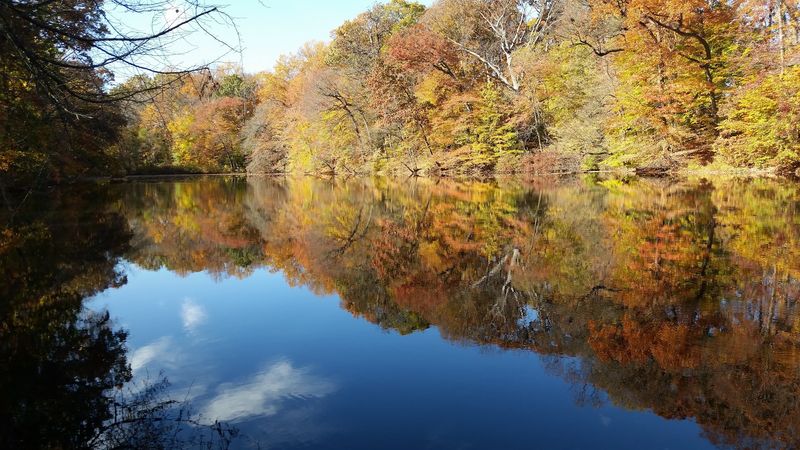
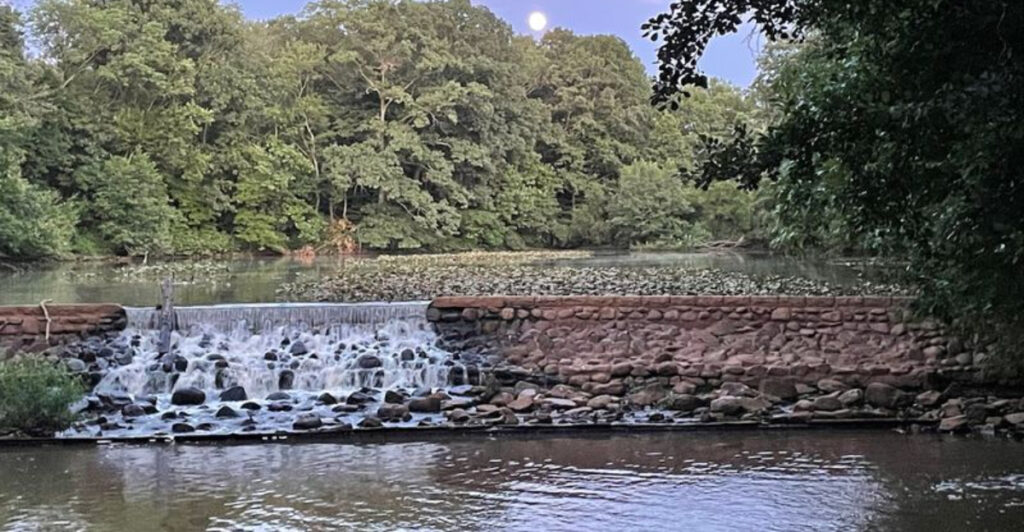
The Cooper River is the central feature of the park, and the trail is designed to keep it in view for much of the route. The water is visible from multiple points along both the paved and dirt paths, and there are spots where the trail runs close enough to the bank that the river dominates the view entirely.
The river’s width and relatively calm surface make it well-suited for the kind of reflective views that give a walk a different quality than a loop through a typical neighborhood. Watching waterfowl move across the water while walking is a straightforward pleasure that does not require any special equipment or planning.
The views shift depending on the season and the time of day. Early morning light on the water looks different from late afternoon, and the color of the surrounding trees changes dramatically from spring through fall.
Those river views are the main visual reward of a walk through the park, and they hold up across repeated visits without becoming repetitive or predictable.
A Park That Belongs to the Community
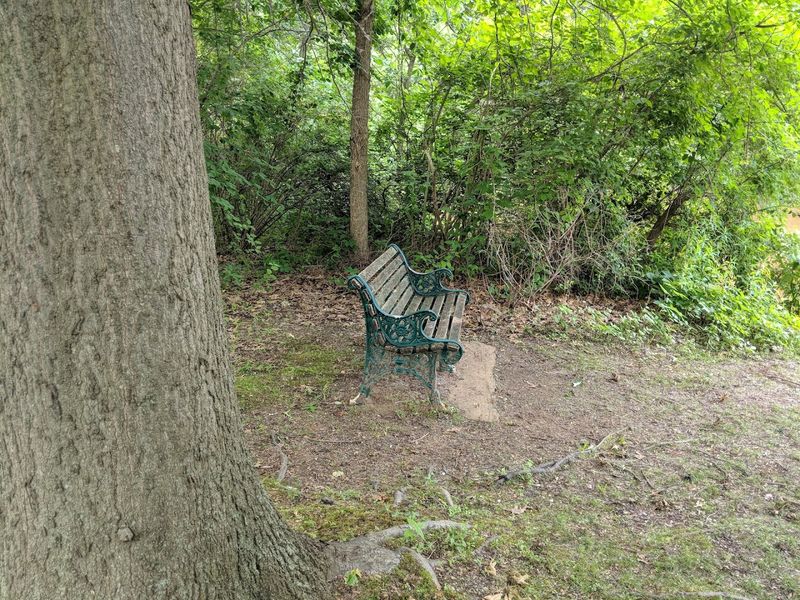
Cooper River Park has the kind of local loyalty that develops over time rather than through marketing. The people who use it regularly tend to think of it as their park in a way that feels genuine, and that sense of ownership shows up in how the space is treated.
There is an informal culture of keeping the park clean, with regular users picking up litter and encouraging others to do the same. That community ethic is visible in the overall condition of the trail, which is generally well-maintained throughout the route.
The park draws a wide cross-section of the surrounding communities, from serious athletes using the rubberized track to families walking with strollers to older adults who come for the quiet and the fresh air. That mix of users creates an atmosphere that feels inclusive without being programmed.
A park that serves this many different kinds of people across this many different towns, and still manages to feel cohesive, is doing something right that is worth recognizing.
Why This Park Deserves More Attention
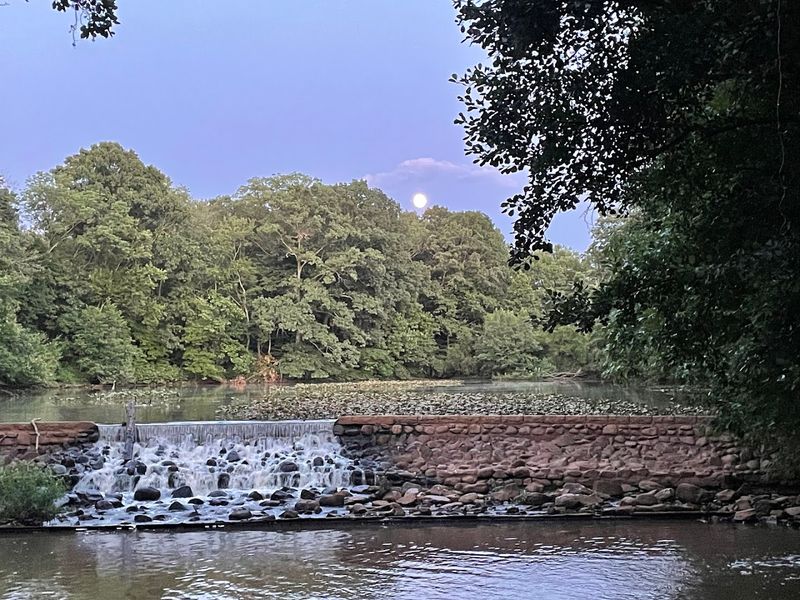
Cooper River Park does not have the name recognition of some of New Jersey’s more famous outdoor destinations, but the quality of the space is genuinely high. The combination of trail variety, wildlife, river views, athletic facilities, and year-round accessibility puts it in a category that most people would not expect from a free county park.
The Olympic history tied to the river adds a layer of significance that is easy to overlook on a casual visit. This is a body of water with a real athletic legacy, sitting in the middle of a suburban county park that most people treat as a simple walking trail.
For anyone in South Jersey looking for a reliable outdoor option that does not require a long drive or a parking fee, this park covers a lot of ground in the best possible way. The trail system is long enough to be interesting, the facilities are well-maintained, and the setting along the river is consistently worth the trip.
Sometimes the best parks are the ones hiding in the most obvious places.
Share this story