New Jersey might be famous for its highways and diners, but the Garden State hides some seriously jaw-dropping natural scenery. From wild barrier islands to misty mountain peaks, there is more wilderness here than most people ever expect.
Whether you are a hardcore hiker or someone who just wants a peaceful walk with decent views, New Jersey delivers. Pack your binoculars and your best trail shoes because these 12 spots are absolutely worth the trip.
Island Beach State Park, Seaside Park, New Jersey
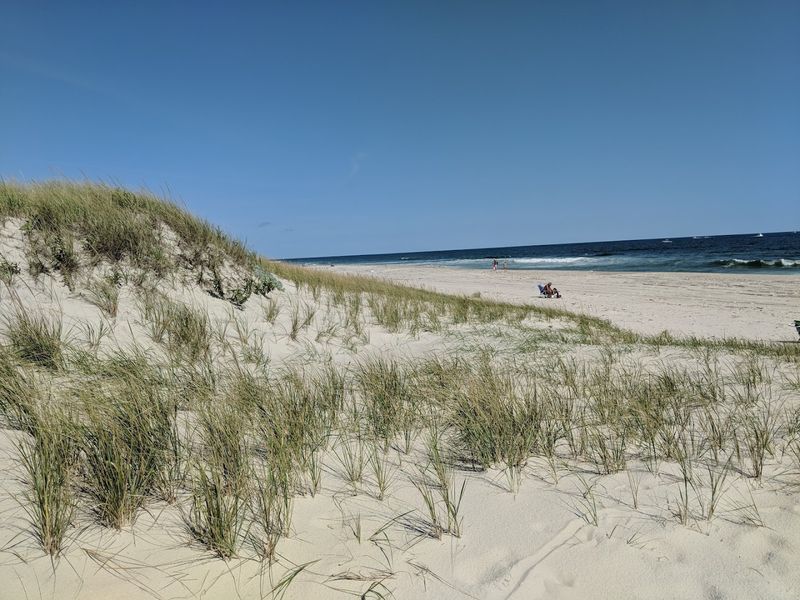
Forget the crowded boardwalks and fried food stands. Island Beach State Park is the raw, untamed version of the Jersey Shore that most visitors never find.
This narrow barrier island stretches for nearly 10 miles, protecting dunes, tidal marshes, and freshwater wetlands from development.
Wildlife here is no joke. Osprey cruise overhead, peregrine falcons hunt along the dunes, and during migration season, shorebirds pack the shoreline.
I spotted a great blue heron just standing there like it owned the place, and honestly, it kind of did.
The best part is the variety. You can walk from open ocean beaches to quiet bay habitats in a single outing.
Beach walking, wildlife photography, and just soaking in a stretch of coastline that looks nothing like the rest of New Jersey are all on the menu. Come early on weekends because parking fills up fast.
Cape May Point State Park, Cape May Point, New Jersey
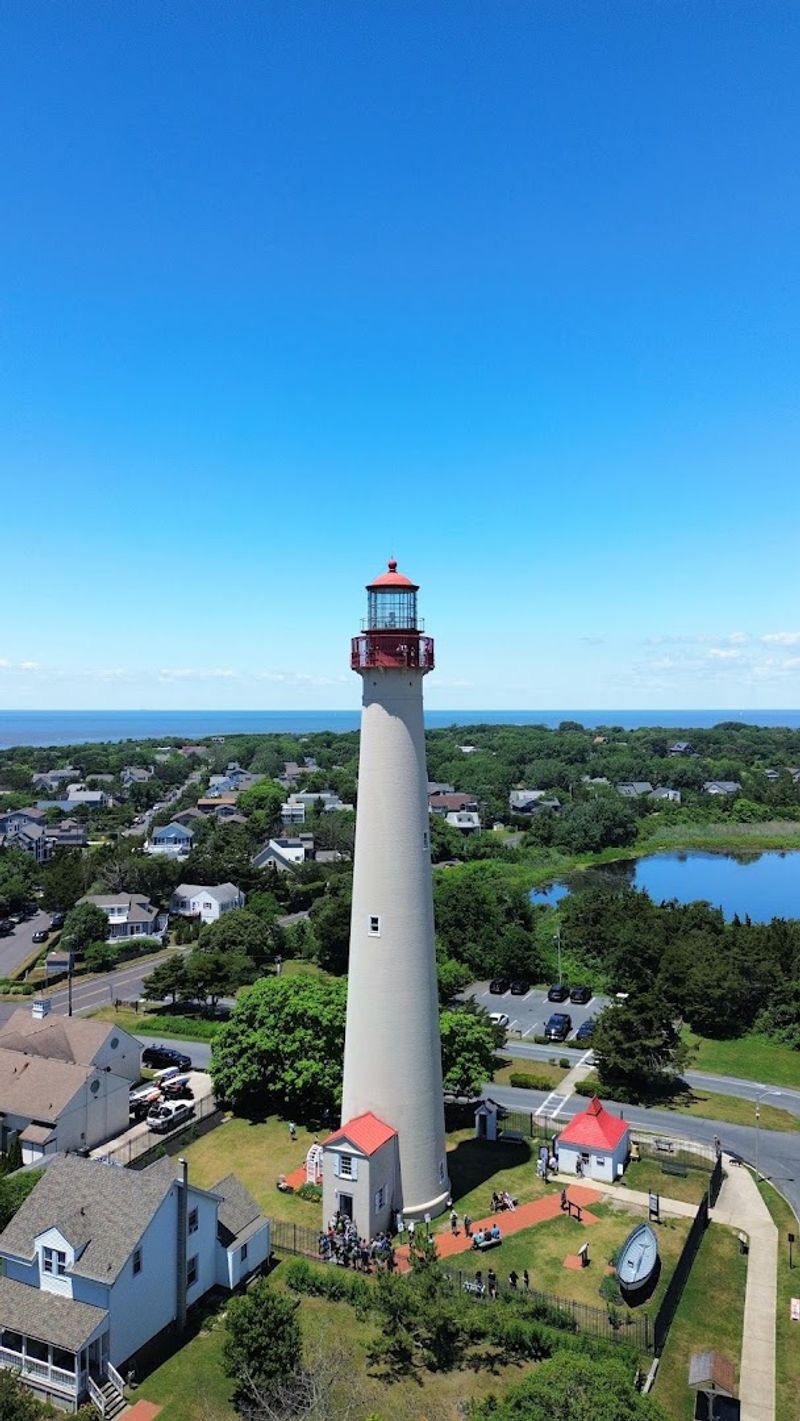
Cape May Point sits at the very southern tip of New Jersey, where the Atlantic Ocean and Delaware Bay basically bump into each other and say hello. That geographic quirk makes it one of the most remarkable migration funnels on the East Coast.
Every fall, millions of birds funnel through here because there is nowhere else to go before crossing the water. Warblers, hawks, shorebirds, and monarch butterflies stack up in numbers that make birders absolutely lose their minds with excitement.
The park includes freshwater ponds, forest, dunes, and beach all within easy walking distance.
You do not need to be a hardcore birder to enjoy Cape May Point. The trails are flat, the scenery is gorgeous, and the lighthouse makes for a great photo backdrop.
Casual visitors and serious naturalists both leave happy. Fall is peak season, but spring migration runs a close second.
High Point State Park, Sussex, New Jersey
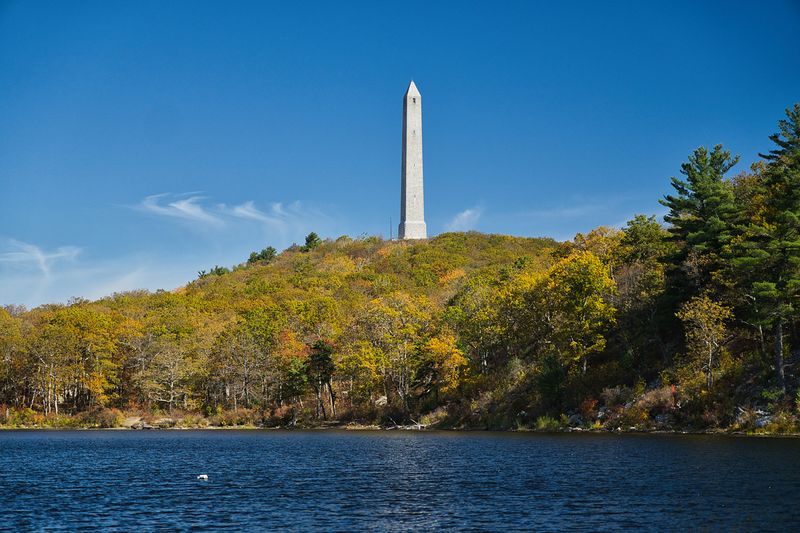
Standing at 1,803 feet above sea level, High Point State Park delivers the kind of view that makes you forget New Jersey has a reputation problem. On a clear day from the monument at the summit, you can see into New York and Pennsylvania simultaneously.
That is three states from one rock.
The park covers over 15,000 acres and offers more than 50 miles of trails winding through forests, past lakes, and along ridgelines. Hikers of all skill levels find something worth their time here, from easy lakeside strolls to longer ridge walks with serious payoff views.
I did the summit trail on a crisp October morning and the fall foliage spread across the valley like a patchwork quilt of reds and golds. No matter the season, High Point offers a side of New Jersey that surprises first-timers every single time.
Bring a jacket because it gets breezy up top.
Delaware Water Gap National Recreation Area, New Jersey
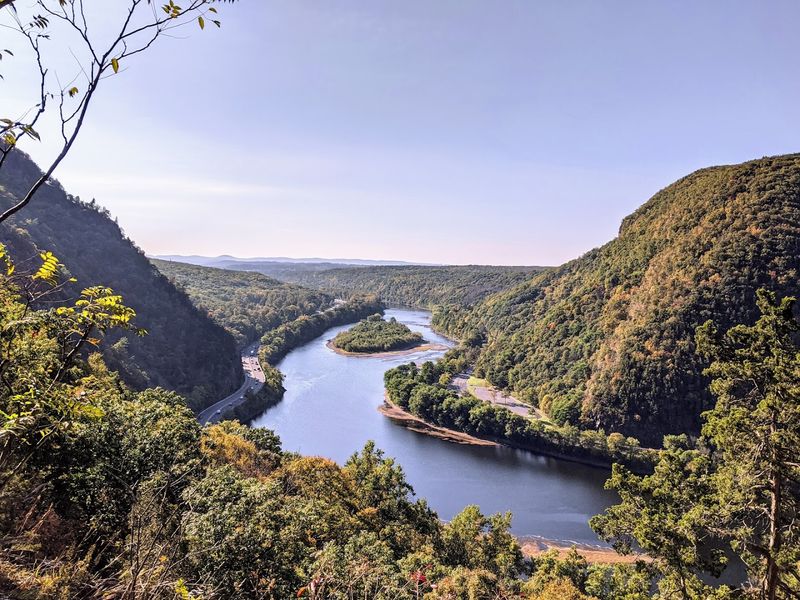
Mount Tammany does not mess around. The trail up to the ridge on the New Jersey side of the Delaware Water Gap is steep, rocky, and absolutely worth every labored breath once you hit the top and see the river cutting through the mountains below.
The recreation area covers over 70,000 acres and offers more than 150 miles of trails ranging from flat boardwalk paths to strenuous ridge hikes. Waterfalls, forested valleys, river swimming spots, and wildlife sightings are all part of the package.
This place genuinely punches above its weight for a day trip from anywhere in the northeast.
The scenery along the New Jersey side of the Delaware River is some of the most dramatic in the entire state. Nature lovers come for the hikes but stay for the views.
Weekend parking at popular trailheads fills up early, so arriving before 8 a.m. on busy summer or fall days is a smart move.
Great Swamp National Wildlife Refuge, Morris County, New Jersey
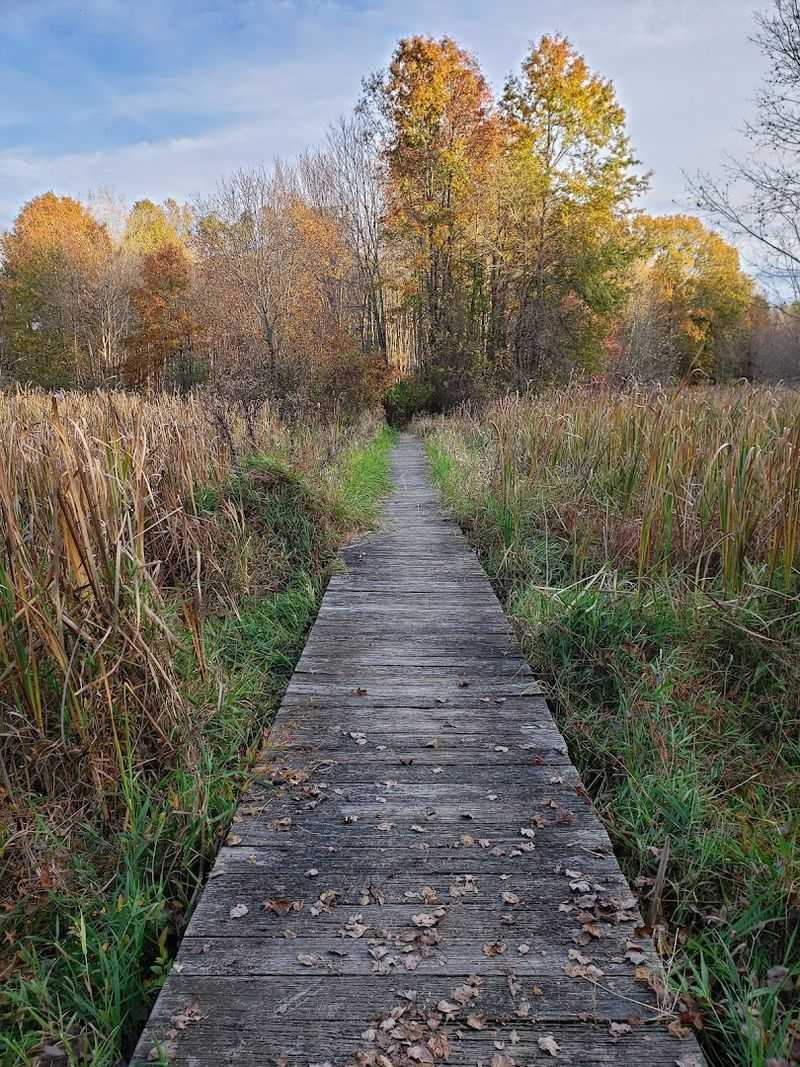
Only 26 miles west of Times Square, Great Swamp National Wildlife Refuge is basically nature trolling New York City with a 7,600-acre wetland oasis. The fact that this place exists so close to one of the busiest cities on earth is genuinely wild.
The refuge protects critical habitat for migratory waterfowl, songbirds, and dozens of other species. Observation blinds and boardwalks make wildlife watching accessible without requiring you to trudge through mud in your good shoes.
Birdwatchers especially love the spring and fall migration windows when the swamp comes alive with activity.
Slow down here. Great Swamp rewards patience.
Sit quietly near the observation areas and you will likely spot herons, wood ducks, turtles, and maybe a muskrat going about its business like it has a very important schedule to keep. Photography is excellent year-round, and the trails are easy enough for most fitness levels.
Cheesequake State Park, Matawan, New Jersey
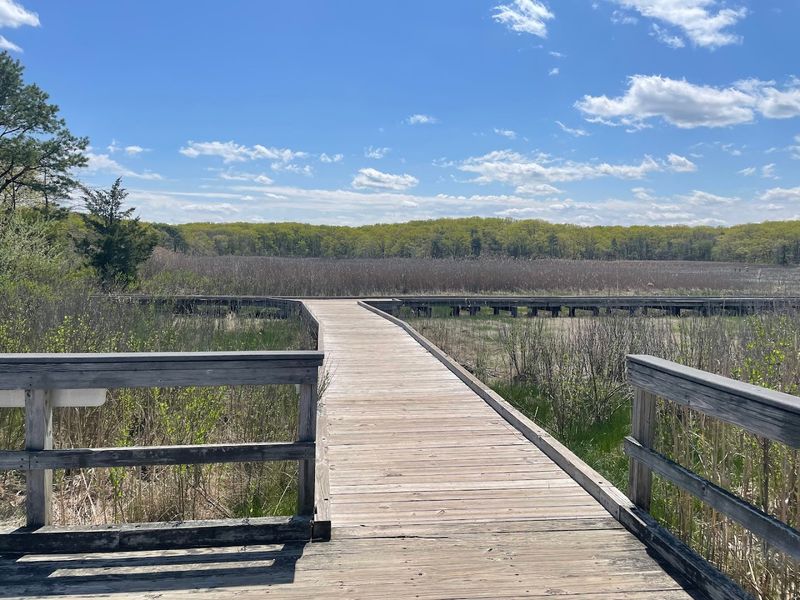
The name alone deserves a double take, but Cheesequake State Park is more than just a conversation starter at parties. This park sits in a rare transition zone where northern and southern ecosystems overlap, creating a natural variety that most parks simply cannot match.
Within a single visit, you can walk through saltwater marshes, freshwater wetlands, an Atlantic white cedar swamp, Pine Barrens habitat, and northeastern hardwood forest. Five official trails wind through these different ecosystems, making each loop feel like a completely different experience from the last.
For hikers who get bored walking through the same scenery for miles, Cheesequake is genuinely refreshing. The cedar swamp trail section is particularly striking, with dark tannic water reflecting the tall trees overhead.
It is compact enough for a half-day trip but diverse enough to keep naturalists busy. Bring bug spray in summer because the wetland sections mean business.
Wharton State Forest, Hammonton, New Jersey
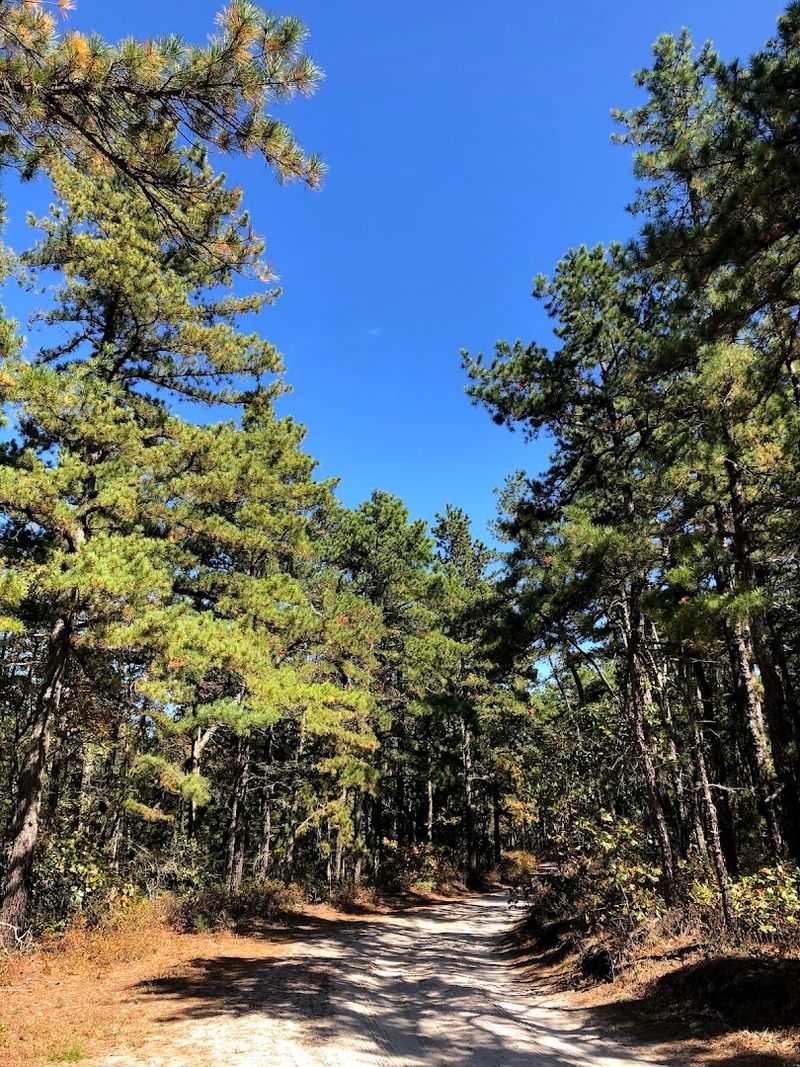
Covering more than 124,000 acres, Wharton State Forest is the largest single tract of land in the New Jersey State Park System. That is not a small detail.
It means you can genuinely get away from it all here in a way that smaller parks simply cannot offer.
The Pinelands ecosystem that dominates Wharton is unlike anything else in New Jersey. Tea-colored rivers stained by cedar roots wind through pitch pine and oak forest.
Kayaking or canoeing the Batsto or Mullica Rivers is one of the most peaceful outdoor experiences the state offers. Nineteen official trails totaling over 110 miles keep hikers occupied for multiple visits.
Wharton also has a fascinating history. Batsto Village, a preserved iron and glass-making community from the 1700s, sits right inside the forest.
History and nature rarely combine this well. Camping is available, and spending a night under the pine canopy with zero light pollution is an experience worth planning around.
Edwin B. Forsythe National Wildlife Refuge, Galloway, New Jersey
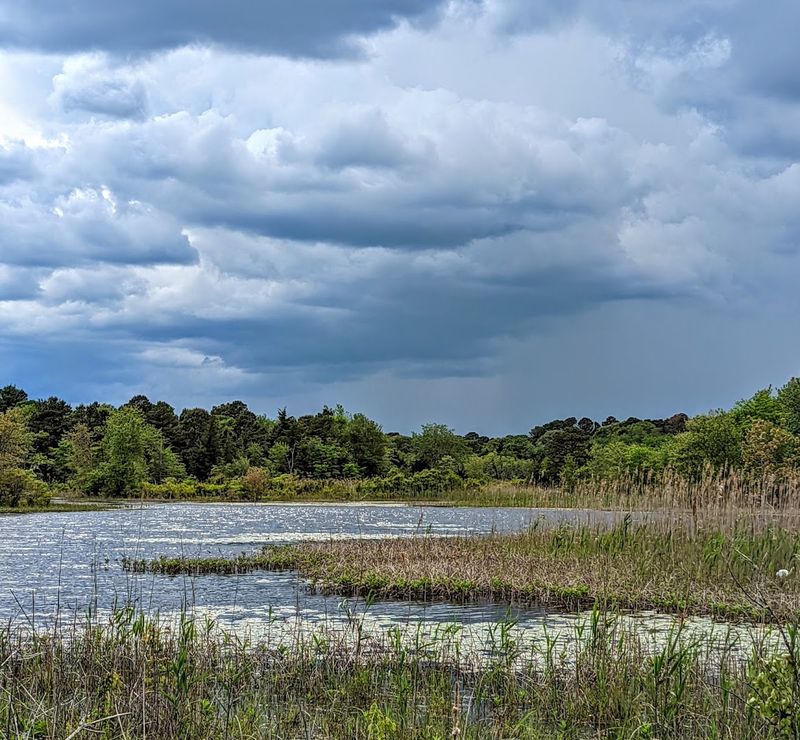
Snow geese by the thousands. That is not an exaggeration.
Edwin B. Forsythe National Wildlife Refuge hosts some of the most spectacular bird concentrations on the entire Atlantic Flyway, and the 8-mile Wildlife Drive puts you right in the middle of it without leaving your car.
The refuge protects over 48,000 acres of southern New Jersey coastal habitat, including salt marshes, shallow bays, and upland areas. Seasonal migration events bring massive numbers of shorebirds, waterfowl, raptors, and wading birds through the area.
Serious wildlife photographers make pilgrimages here specifically for the light and the bird density.
Accessible trail options and the paved Wildlife Drive make Forsythe welcoming to visitors who might struggle with rugged terrain. You do not need hiking boots or field experience to have an incredible wildlife encounter here.
A decent pair of binoculars and a little patience will reward you with views most people only see in nature documentaries.
Hacklebarney State Park, Long Valley, New Jersey
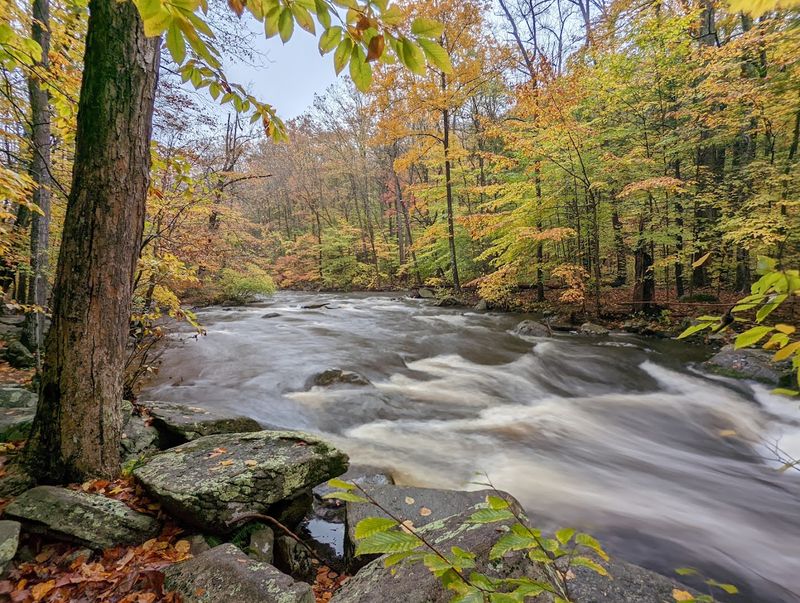
Hacklebarney might sound like a cartoon character, but this state park delivers some of the most dramatic stream scenery in New Jersey. The Black River carves through a rocky gorge lined with hemlocks and boulders, creating a landscape that feels more like Vermont than central New Jersey.
Trout Brook and Rinehart Brook feed into the Black River as it winds through the shaded ravine, and the sound of moving water follows you along most of the trail. The terrain is rugged in the best possible way, with boulders to scramble over and wooden bridges crossing the stream at several points.
This park is a solid pick for anyone who finds flat, featureless trails a bit uninspiring. The rocky, forested gorge keeps things interesting from start to finish.
Fall is particularly beautiful when the hardwood canopy turns color above the rushing water. The park is small but mighty, and rarely as crowded as larger state parks nearby.
Sourland Mountain Preserve, Hillsborough, New Jersey
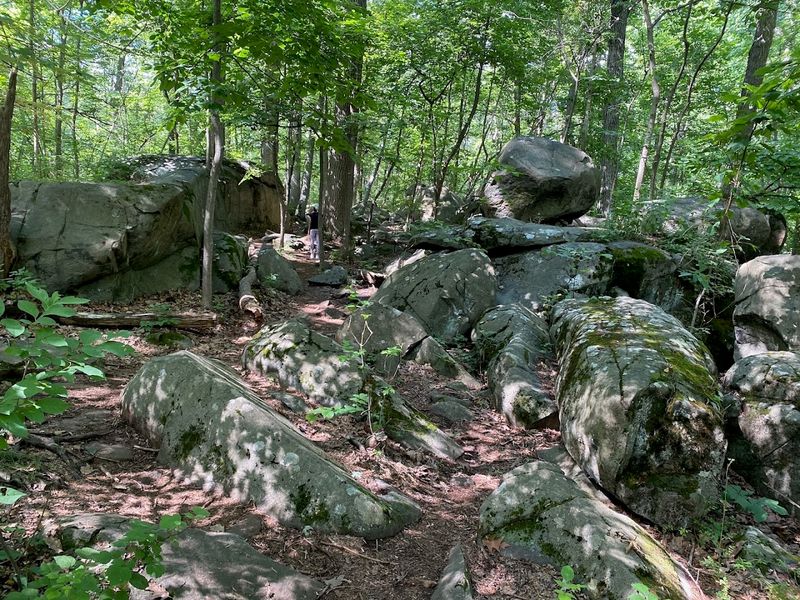
The Sourlands have one of the best place names in New Jersey, and the preserve backs it up with genuinely rugged terrain. Stretching across parts of Somerset, Hunterdon, and Mercer counties, the Sourland Region is the largest contiguous forest block in central New Jersey.
The trails here wind through dense oak and maple forest scattered with massive diabase boulders left behind by ancient geological activity. It feels wilder than you expect for a spot less than an hour from Princeton.
Hikers, mountain bikers, birdwatchers, and equestrians all share this space without it feeling too crowded most days.
Spring is especially rewarding here when forest wildflowers carpet the ground before the canopy fills in overhead. The preserve is also important for forest-interior bird species that need large, unbroken woodland habitat to thrive.
If you want central New Jersey hiking that actually feels like an adventure rather than a stroll, Sourland Mountain is your answer.
Duke Farms, Hillsborough, New Jersey
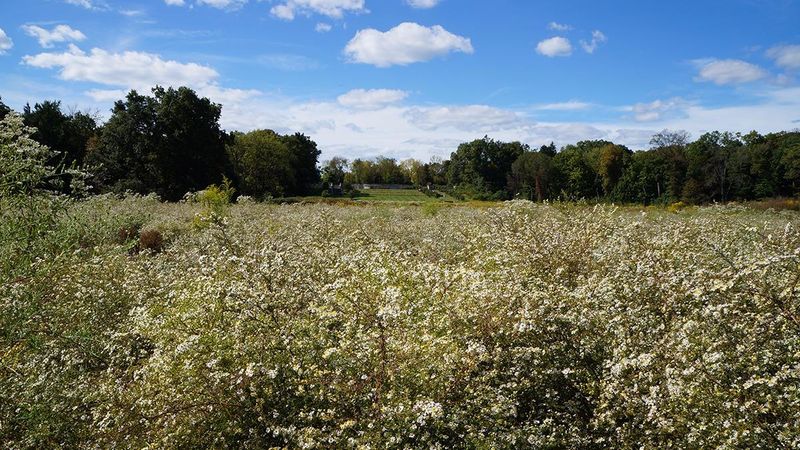
Duke Farms is what happens when someone takes 2,700 acres seriously. Originally the estate of tobacco heiress Doris Duke, this Hillsborough property has been transformed into a conservation powerhouse and living laboratory for ecological restoration.
Trails wind through restored meadows, wetlands, and woodland habitats where you can watch conservation science happen in real time. Birding, field journaling, and outdoor educational programs run regularly, making this a great option for families, students, and anyone who wants more context for what they are looking at on a nature walk.
One important heads-up: trails are currently open Tuesday through Saturday, with Sunday and Monday closures for wildlife and ecosystem recovery. Plan accordingly.
The meadow restoration areas are genuinely stunning in late summer when native wildflowers peak. Duke Farms strikes a rare balance between curated experience and authentic nature, making it feel less like a park and more like a place that actually cares about what it is doing.
Sandy Hook, Gateway National Recreation Area, Highlands, New Jersey
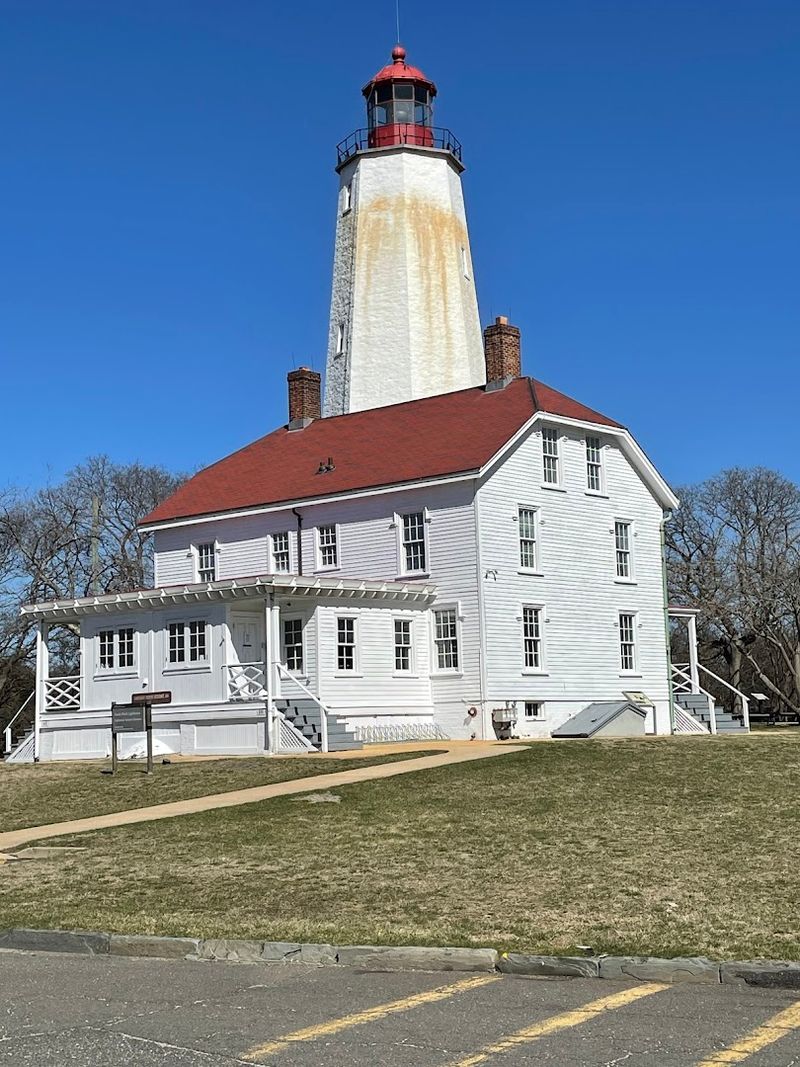
Sandy Hook is the kind of place that quietly overdelivers. Part of the Gateway National Recreation Area, this 1,665-acre peninsula juts into Lower New York Bay and packs beaches, dunes, salt marshes, maritime forest, and sweeping coastal views into one very accessible package.
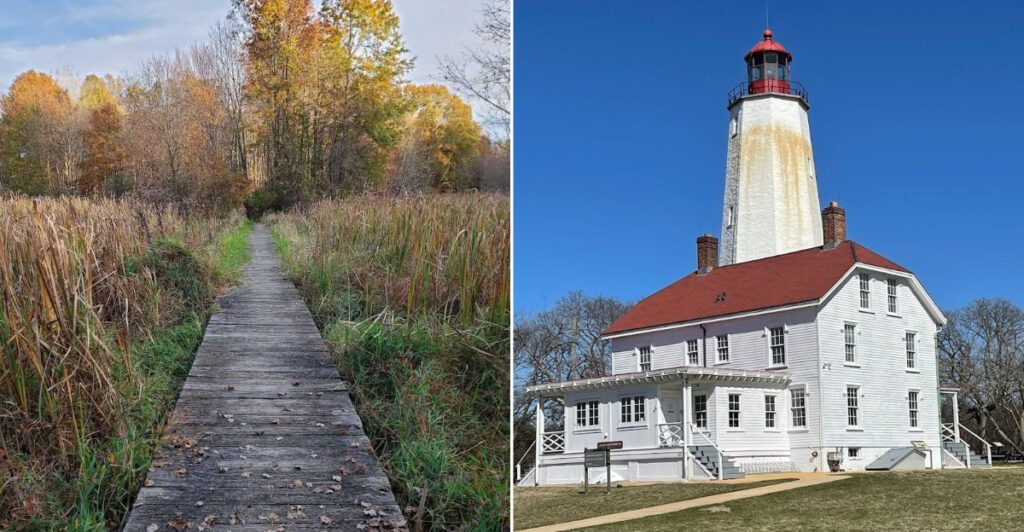
The historic Fort Hancock buildings and the oldest operating lighthouse in the United States add a layer of history that most nature spots cannot compete with. Birding is excellent here too, especially during migration season when the tip of the hook concentrates songbirds and raptors in impressive numbers.
Gateway is open every day and spans 27,000 acres from Sandy Hook all the way to Breezy Point in New York City. Getting there from most of northern New Jersey is straightforward, and the mix of recreational options means everyone in your group finds something worthwhile.
Beachcombers, birders, history buffs, and paddlers all leave Sandy Hook with something to talk about.
Share this story