
Music history is full of unexpected twists, and some of the biggest rock anthems almost had completely different voices behind them. A song can start as a rough demo, a rejected pitch, or even an unfinished idea—only to find its perfect match later.
In many cases, the original version fades into obscurity, while a reinterpretation turns into a global hit. These stories reveal how timing, personality, and artistic chemistry can completely reshape a track’s destiny.
Sometimes the magic isn’t in the writing – it’s in who ends up singing it.
1. “I Don’t Want to Miss a Thing” – Aerosmith
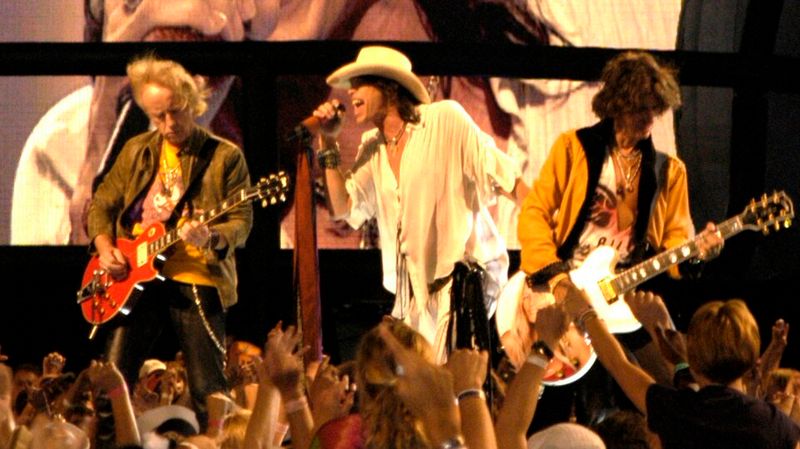
This sweeping power ballad became one of Aerosmith’s most iconic songs, but it was never meant for a rock band.
Songwriter Diane Warren originally envisioned the track for Celine Dion, crafting it with a dramatic pop style in mind. The structure, lyrics, and melody all leaned toward a polished, emotional delivery typical of late ’90s ballads.
However, when Aerosmith recorded it for the Armageddon soundtrack, the song took on an entirely new identity.
Steven Tyler’s raspy voice added grit and authenticity, creating a contrast that made the song stand out.
Instead of feeling overly polished, it suddenly had an edge that appealed to a broader audience.
The film’s success also played a huge role, tying the song to a story of love and sacrifice that resonated with viewers worldwide.
It became Aerosmith’s first No. 1 hit, proving that sometimes stepping outside your usual style can lead to your biggest success.
It’s a fascinating example of how a song can cross genres and still feel completely natural in its new form.
2. “Because the Night” – Patti Smith
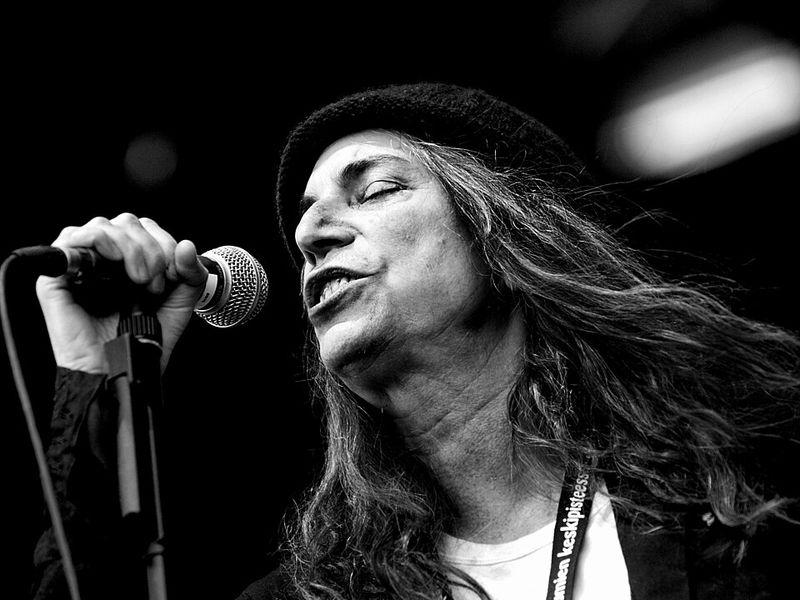
“Because the Night” is a rare case where a song’s journey feels like a creative relay race.
Bruce Springsteen began writing it during sessions for Darkness on the Edge of Town, but he couldn’t quite finish it.
Despite having a strong melody and structure, something about the song didn’t fully connect for him at the time.
Producer Jimmy Iovine recognized its potential and passed it along to Patti Smith.
Smith took the foundation and transformed it by rewriting the lyrics, infusing them with her own poetic voice and perspective.
Her version added urgency, passion, and a sense of intimacy that made the song feel alive.
When released, it became one of her biggest hits and helped define her place in rock history.
What makes this story so compelling is the blend of two distinct artistic identities.
Springsteen provided the framework, but Smith gave the song its soul, turning it into something neither artist might have created alone.
3. “Alone” – Heart
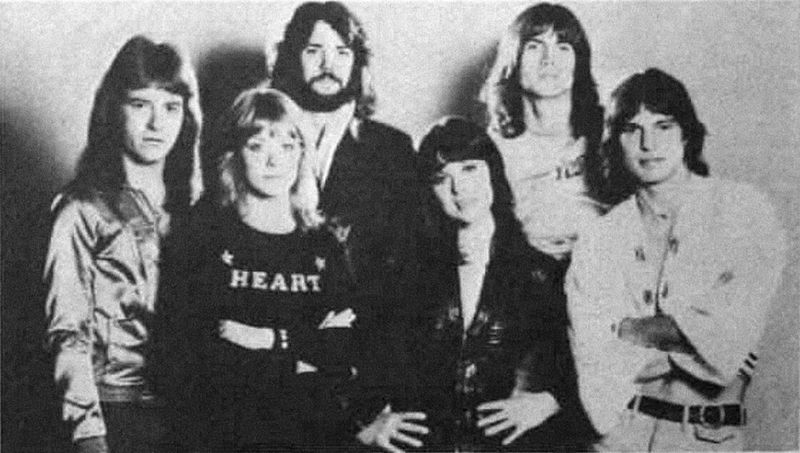
“Alone” is one of those songs that proves a great voice can change everything.
Written by Billy Steinberg and Tom Kelly, the track was originally recorded in a much quieter form that didn’t gain much attention.
It had all the elements of a hit – strong melody, emotional lyrics – but it lacked the vocal power needed to elevate it.
When Heart recorded the song in 1987, the transformation was immediate.
Ann Wilson’s voice brought a sense of drama and intensity that turned the track into a full-blown rock ballad.
Her ability to move between vulnerability and strength gave the song a dynamic quality that made it unforgettable.
The production also leaned into that emotion, building gradually and creating a sense of release in the chorus.
The song quickly climbed the charts and became one of Heart’s most recognizable hits.
It’s a clear reminder that sometimes a song isn’t missing anything – except the right person to bring it to life.
4. “Nothing Compares 2 U” – Sinéad O’Connor

Few songs feel as emotionally raw as “Nothing Compares 2 U,” but its origins are surprisingly low-key.
Prince wrote the track in 1985 for his side project, The Family, and while it was appreciated by fans, it didn’t make a major impact at the time.
The original version carried Prince’s signature style – polished, soulful, but somewhat distant in tone.
Everything changed when Sinéad O’Connor recorded her version in 1990. She stripped the production down, removing distractions and letting silence and space do the work.
Her voice carried a fragile intensity that made every lyric feel deeply personal, almost like a confession.
The music video amplified that emotion, focusing almost entirely on her face, turning a simple performance into something unforgettable.
What makes this transformation so powerful is how drastically the meaning shifted.
In O’Connor’s hands, the song became less about heartbreak in general and more about a specific, deeply felt loss.
It’s a perfect reminder that sometimes the right artist doesn’t just perform a song – they unlock its true emotional core.
5. “Manic Monday” – The Bangles
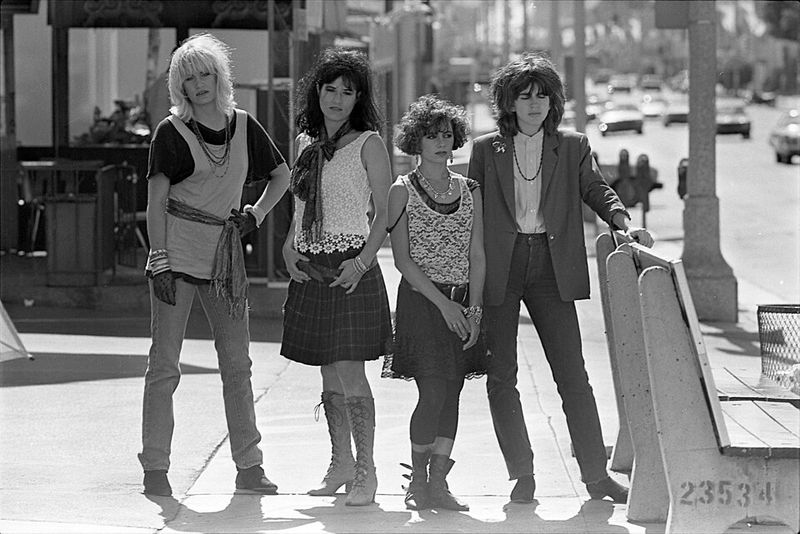
Prince had a remarkable talent for writing songs for other artists, and “Manic Monday” is one of his most enduring contributions.
He wrote it under the pseudonym “Christopher” and specifically intended it for The Bangles.
Inspired partly by his own experiences, the song captures the universal feeling of dreading the start of a new week.
When The Bangles recorded it, they added a bright, guitar-driven sound that made the track feel light and relatable.
Their harmonies and playful delivery gave the song a charm that resonated with listeners.
It quickly became a major hit and helped solidify the band’s place in the 1980s music scene.
Interestingly, Prince could have easily kept the song for himself, but his decision to pass it along proved to be spot on.
The track fit The Bangles’ style perfectly, showing how a songwriter’s instinct about the right performer can make all the difference.
6. “Blinded by the Light” – Manfred Mann’s Earth Band
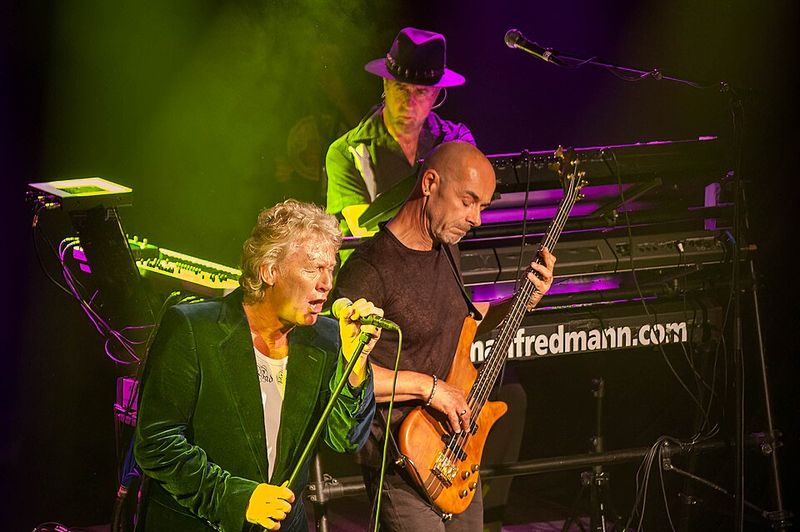
Bruce Springsteen’s original version of “Blinded by the Light” showcased his lyrical creativity but didn’t achieve major commercial success.
The song’s dense, poetic lyrics and folk-rock style made it stand out artistically, but it wasn’t immediately accessible to mainstream audiences.
Manfred Mann’s Earth Band saw an opportunity to reinterpret it for a wider audience.
They reworked the arrangement, adding a more polished and progressive rock sound that made the song feel more radio-friendly.
Their version also featured subtle lyrical tweaks that made certain lines more memorable.
The result was a chart-topping hit that introduced the song to millions of new listeners.
It’s one of the rare cases where a cover version not only surpasses the original in popularity but also reshapes how the song is remembered.
Today, many listeners associate the track more with Manfred Mann than with Springsteen himself.
7. “Respect” – Aretha Franklin
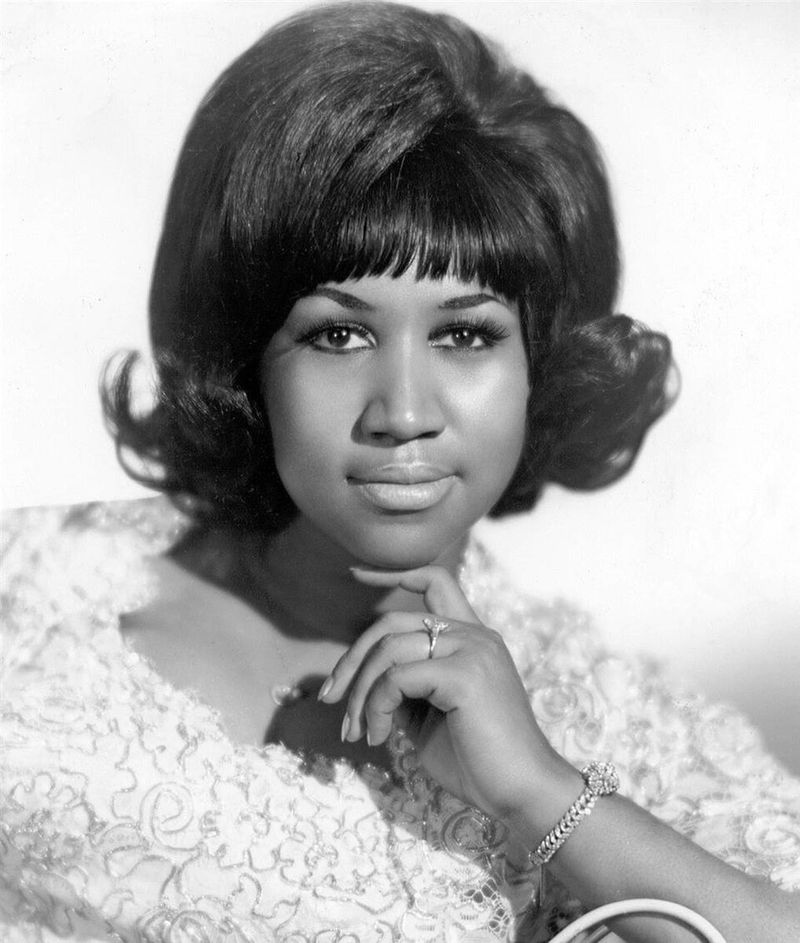
“Respect” began as a straightforward soul track written and recorded by Otis Redding in 1965.
In its original form, the song focused on a man asking for appreciation in a relationship.
When Aretha Franklin recorded it in 1967, she transformed it into something entirely different.
She reworked the arrangement, added the now-iconic spelling of “R-E-S-P-E-C-T,” and infused the song with a powerful sense of independence.
Her version carried a new message – one that resonated far beyond the music itself.
It became an anthem for both the civil rights movement and the growing push for gender equality.
Franklin’s performance didn’t just reinterpret the song – it redefined it.
Her version remains one of the most influential recordings in music history, showing how a shift in perspective can change everything.
8. “Hurt” – Johnny Cash
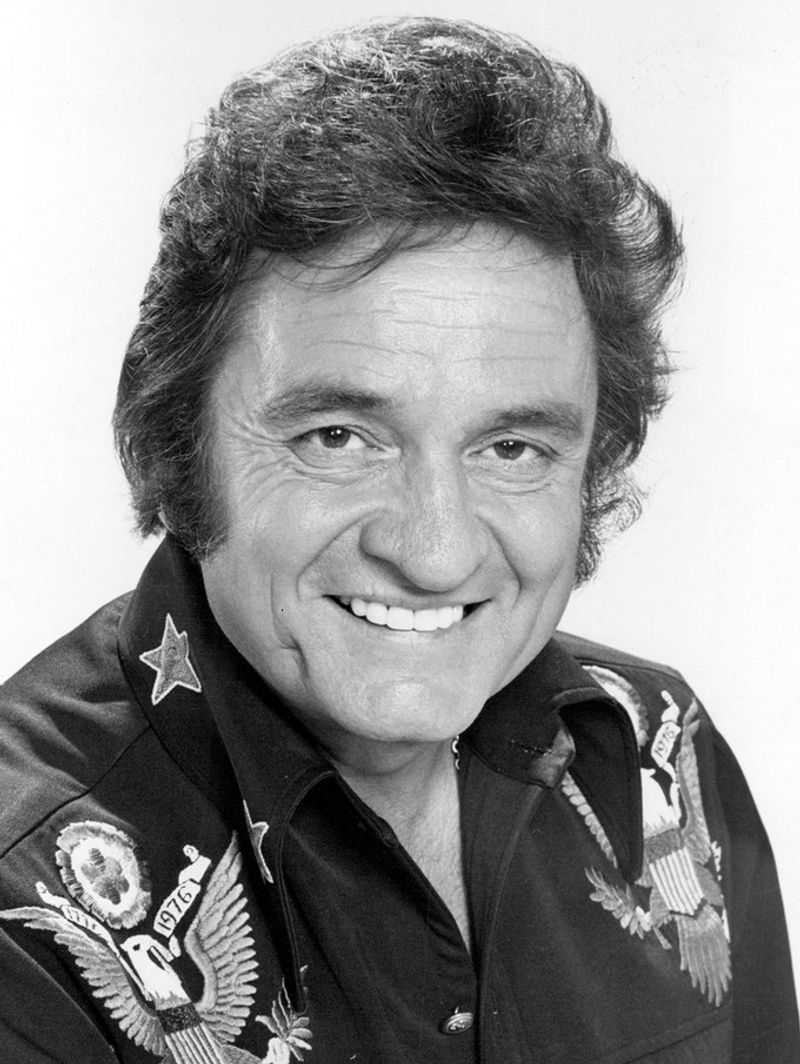
When Nine Inch Nails released “Hurt” in 1994, it was already a deeply personal and introspective track.
Trent Reznor wrote it as a reflection on pain, addiction, and self-destruction, pairing raw lyrics with an industrial sound.
Years later, Johnny Cash recorded his version, and the song took on an entirely new meaning.
His stripped-down arrangement and aging voice transformed it into a meditation on life, regret, and mortality.
The accompanying music video added another layer, blending past and present in a way that felt almost like a farewell.
Even Reznor himself admitted that the song no longer felt like his after hearing Cash’s interpretation.
It’s one of the most powerful examples of how a song can evolve over time, taking on new emotional weight with each performance.
In Cash’s hands, “Hurt” became something timeless and deeply human.
9. “The Best” – Tina Turner

Before Tina Turner made “The Best” iconic, it was recorded by Bonnie Tyler in 1988.
While Tyler’s version had energy, it didn’t achieve the same level of impact.
The song needed a stronger presence to fully connect with audiences.
Turner delivered exactly that with her 1989 version.
Her voice brought confidence, power, and a sense of authority that elevated the track.
Combined with a polished production and a memorable hook, the song became an international hit.
It quickly became one of Turner’s signature songs and a staple of her live performances.
Today, it’s almost impossible to imagine the track without her voice.
It’s a clear example of how the right performer can transform a good song into a legendary one.
10. “Tainted Love” – Soft Cell
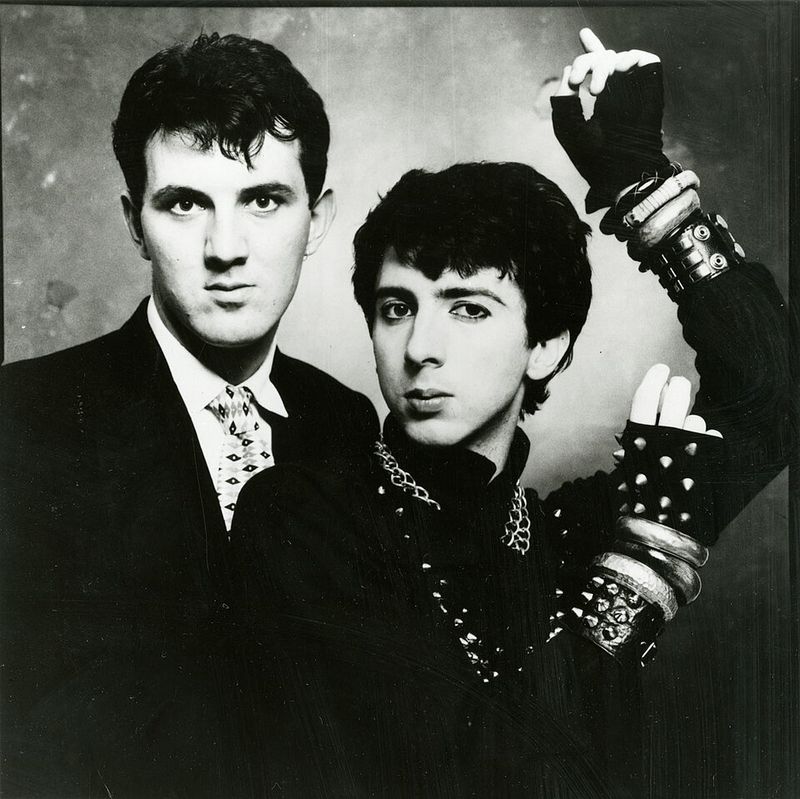
“Tainted Love” began as a 1960s soul track recorded by Gloria Jones, but it didn’t gain widespread attention at the time.
Years later, Soft Cell reimagined the song in a completely different style.
Their 1981 version stripped away the original instrumentation and replaced it with a minimalist, synth-driven sound.
This new approach gave the song a darker, more introspective feel that resonated with audiences in a different way.
The contrast between the upbeat tempo and the emotional lyrics created a unique tension that made the track stand out.
It became a massive hit and one of the defining songs of the synth-pop era.
The transformation highlights how production choices alone can completely reshape a song’s identity.
It’s a reminder that sometimes reinvention is the key to longevity.
11. “Twist and Shout” – The Beatles
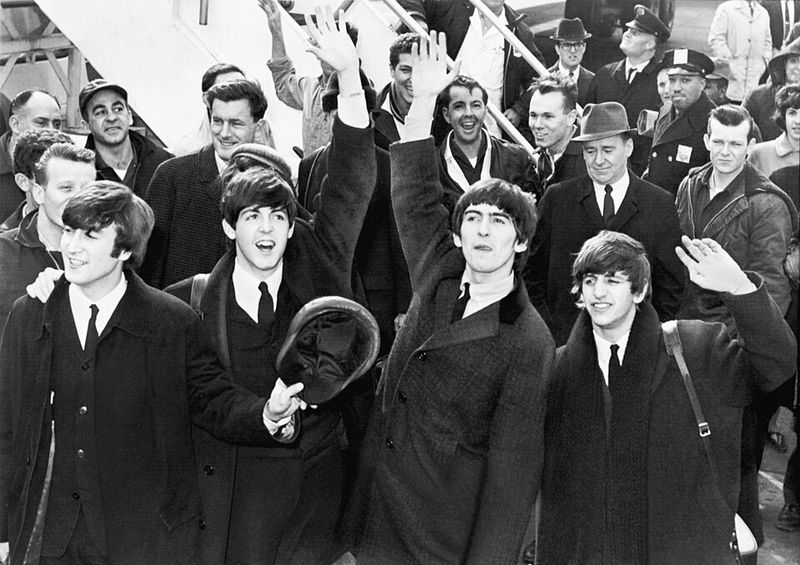
“Twist and Shout” is often associated with The Beatles’ explosive early sound, but they weren’t the first to record it.
The song was originally written by Phil Medley and Bert Berns and first recorded by The Top Notes in 1961.
It later gained more attention through The Isley Brothers, whose version added energy and soul, making it more memorable.
When The Beatles recorded their take in 1963, they pushed the song to another level entirely.
John Lennon’s raw, almost shredded vocal performance gave it an urgency that felt spontaneous and electric.
Legend has it that his voice was nearly gone by the time they recorded it, which only added to the gritty intensity.
The track became one of their defining early hits and a staple of their live shows.
It’s a great example of how a song can evolve through multiple artists before finding its most iconic form.
12. “Without You” – Harry Nilsson
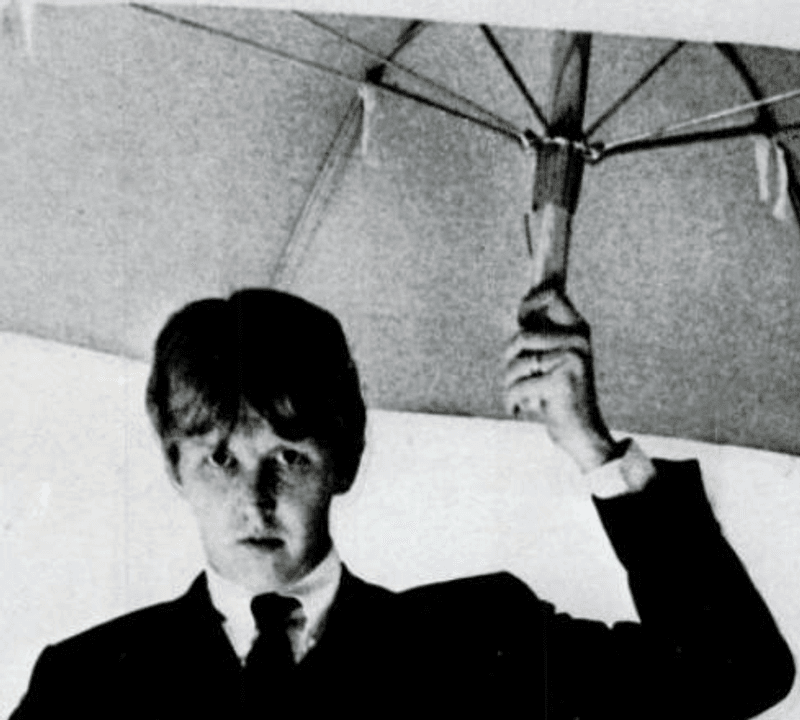
“Without You” is one of the most emotional ballads ever recorded, but its origins are often overlooked.
The song was originally written and recorded by the band Badfinger in 1970.
Their version had a softer, more understated feel, and while it was appreciated, it didn’t achieve massive commercial success.
Harry Nilsson heard the track and saw its potential for something bigger.
When he recorded his version in 1971, he leaned fully into the emotional weight of the lyrics.
His powerful vocal delivery, combined with a dramatic arrangement, transformed the song into a heartbreaking anthem.
It became a global hit and is now widely considered the definitive version.
The story highlights how a shift in vocal intensity and production can completely change how a song is experienced.
Share this story