Turkey is one of those countries where the famous spots get all the attention, but the real magic often hides just around the corner. Most travelers stick to Istanbul and Cappadocia, and honestly, who can blame them?
But Turkey has ancient ruins, river towns, volcanic lakes, and hilltop monasteries that barely make the tourist radar. These 12 destinations prove that the best Turkish adventures are still waiting to be found.
Safranbolu, Karabük
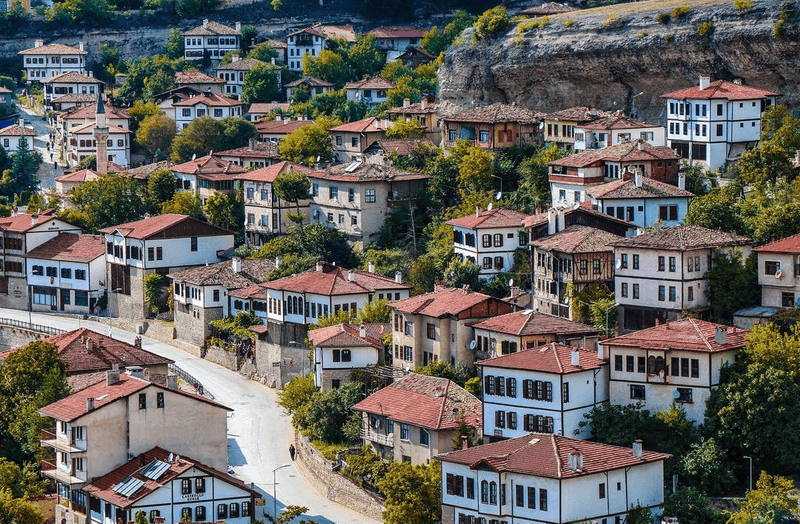
Safranbolu earned its UNESCO World Heritage status the old-fashioned way: by refusing to tear anything down. The town’s timber-framed Ottoman houses, creaking wooden shutters, and winding stone lanes look like a film set, except everything is real and people actually live here.
Once a key stop on ancient caravan trade routes, Safranbolu still carries that merchant-town energy. Local shops sell saffron-flavored Turkish delight, and the smell of fresh lokum drifts through the bazaar streets all day long.
Staying overnight in a restored Ottoman konak is the smartest move. Daytime crowds thin out in the evenings, and the old town takes on a completely different, much quieter character.
Skip the rushed day-trip version and give Safranbolu at least two nights. The town rewards slow travelers far more than hurried ones, and there is genuinely more to explore than a single afternoon allows.
Amasya
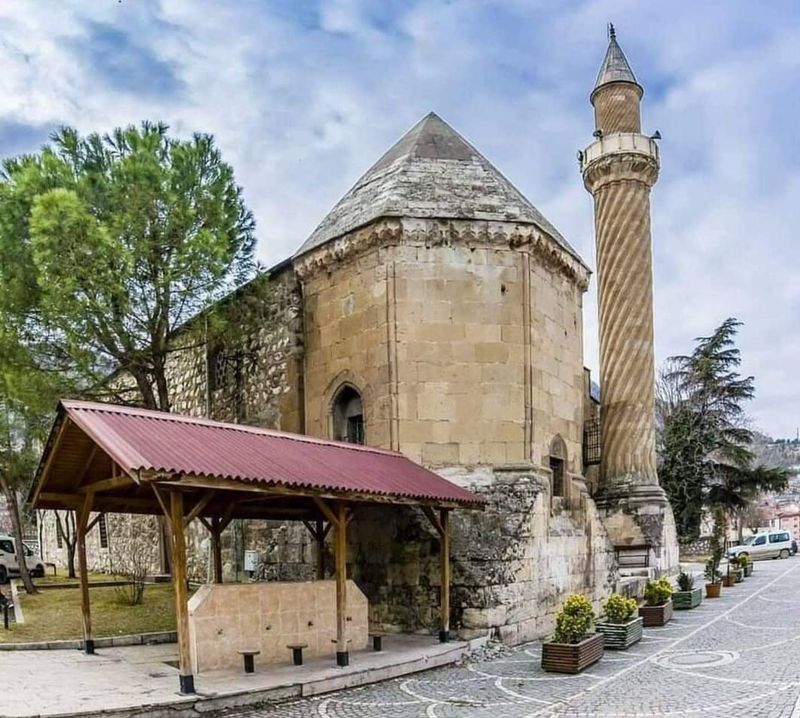
Amasya might be the most photogenic city in Turkey that most people have never heard of. Ottoman mansions line the banks of the Yesilirmak River, their wooden facades reflected perfectly in the water below, while ancient rock tombs stare down from the cliffs above like silent watchmen.
Those tombs belong to the Pontic Kings, rulers of a powerful ancient kingdom that called this valley home over 2,000 years ago. The city’s history stretches back 8,500 years, and Mount Harsena with its rock tombs sits on UNESCO’s Tentative List.
Not bad for a town most itineraries skip entirely.
Amasya also has a strong Ottoman past as a training ground for princes before they became sultans. Walking the riverside promenade at dusk, with the illuminated tombs glowing orange above the rooftops, is genuinely one of Turkey’s most underrated evening experiences.
Pack a good camera and extra battery.
Mardin
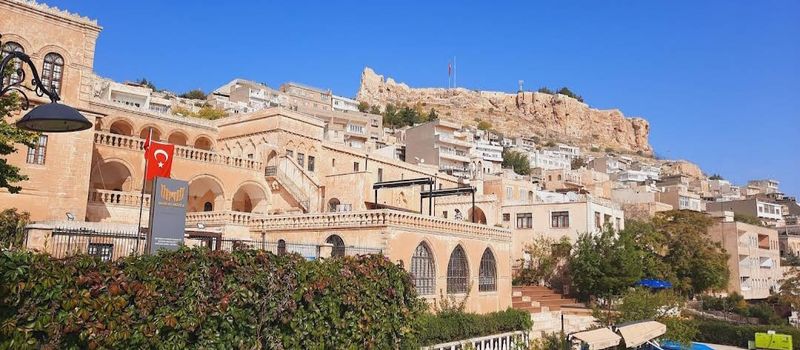
Mardin sits on a hilltop like it owns the whole Mesopotamian plain below, and honestly, it kind of does. The view stretching south toward Syria is jaw-dropping, but the real story is inside the city itself, where centuries of cultures, languages, and religions have layered on top of each other.
Syriac Christians, Kurds, Arabs, and Turks have all called Mardin home, and that mix shows up everywhere. Ancient monasteries, ornate madrasas, stone churches, and mosques share the same narrow streets without any awkwardness.
GoTurkiye calls it a blend of religions and cultures, which is an understatement.
The stonework here is extraordinary. Local craftsmen still carve the distinctive honey-colored limestone into intricate patterns, and the architecture looks almost North African in places.
Mardin is not a quick stop. Spend at least two full days wandering its alleys, eating Kurdish-influenced food, and getting completely, happily lost in its layered history.
Ani Ruins, Kars
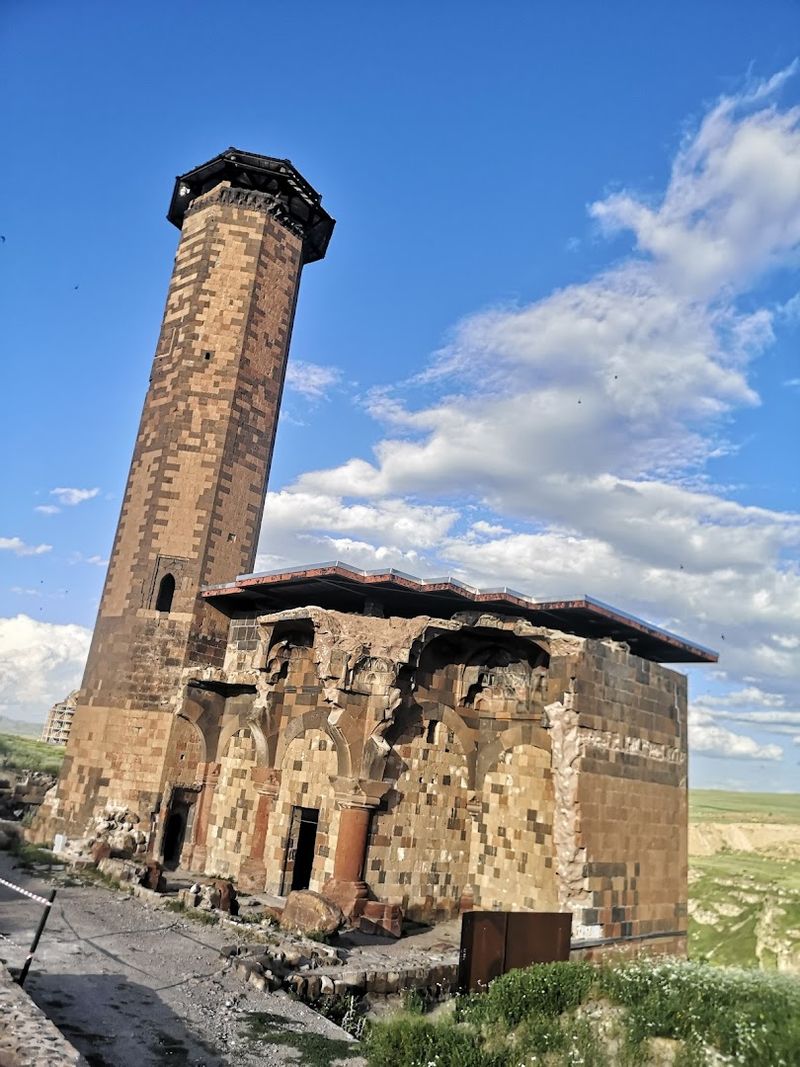
Few historic sites in Turkey hit quite as hard as Ani. Standing on the windswept plateau near Kars, surrounded by crumbling cathedral walls and the deep gorge of the Arpaçay River, it is hard not to feel the weight of everything this city once was.
Ani was a major Silk Road city at its peak, home to over 100,000 people and a capital of the Armenian Bagratid Kingdom. Today it is a UNESCO World Heritage Site and the largest archaeological site in Eastern Anatolia.
The emptiness makes it all the more powerful.
Getting to Kars takes some effort, but that is part of the appeal. The journey filters out the casual tourists and leaves you with a site that feels genuinely remote and undisturbed.
Early morning visits are best, when the light is low and the ruins are quiet. Ani is one of those places that stays with you long after you leave.
Mount Nemrut, Adıyaman
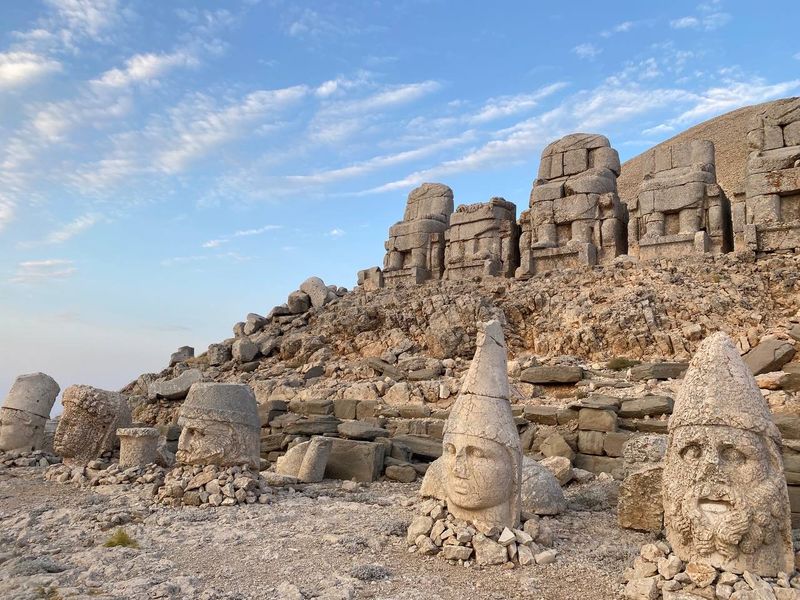
Mount Nemrut has one of the strangest summits in the world. At 2,150 meters above sea level, a first-century BCE king named Antiochus I decided to build his own tomb and surround it with colossal stone statues of gods and himself, just to make sure everyone got the message about his importance.
The heads have long since toppled from their bodies, and they now sit scattered across the mountaintop in a gloriously chaotic arrangement. Since 1987, the site has held UNESCO World Heritage status, which feels entirely appropriate for something this bizarre and brilliant.
Most visitors come for sunrise or sunset, and the light at those hours turns the limestone heads into something almost otherworldly. I went for sunrise once and nearly froze at the top, but the view made every shivering minute worth it.
Bring layers, even in summer. The mountain does not care about the season when it comes to wind chill.
Lake Salda, Burdur
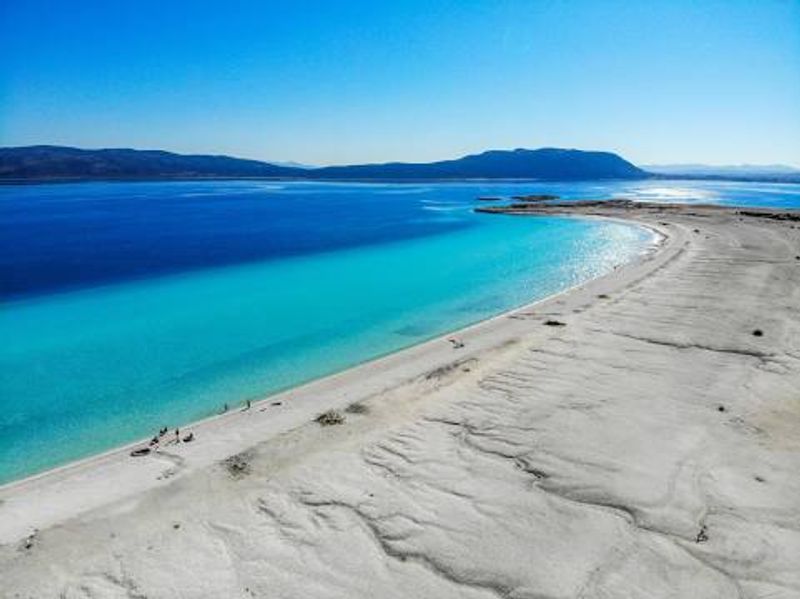
Lake Salda gets compared to the Maldives so often that the comparison has become a cliche, but standing on those chalky white shores next to the vivid blue water, it is easy to see why people reach for tropical references. This is not the Maldives, though.
It is better in some ways because it is genuinely Anatolian and refreshingly uncrowded.
GoTurkiye identifies it as a slightly salty tectonic lake near Yesiilova with a calculated depth of 185 meters, making it Turkey’s deepest freshwater lake. The white shoreline comes from hydromagnesite minerals, not sand, which gives it an almost lunar quality up close.
Swimming is allowed in designated areas, and the water is clean and surprisingly cool even in summer. Getting there requires a car or a local bus from Burdur, but the effort is minimal compared to the reward.
Pair a Salda visit with nearby Sagalassos ruins for a very satisfying full-day trip.
Sagalassos Ancient City, Burdur
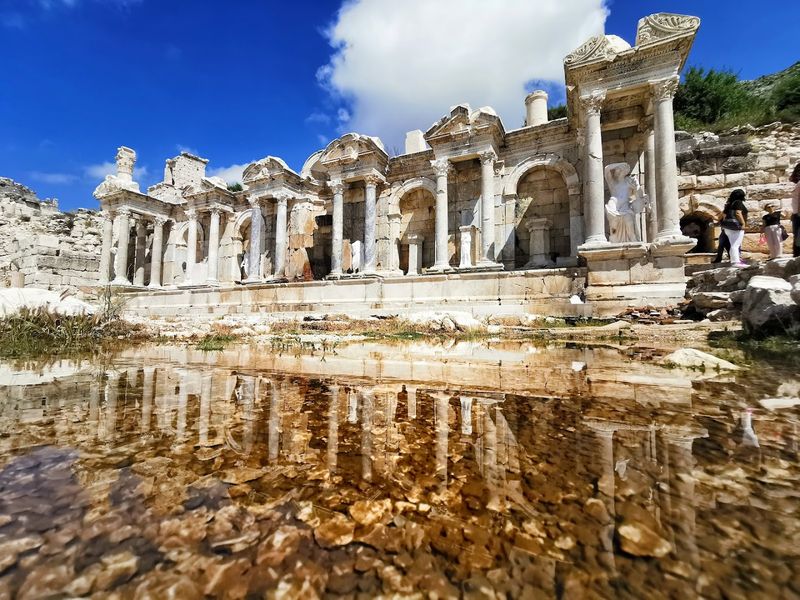
Sagalassos sits at around 1,700 meters in the Taurus Mountains, which means the air is sharp, the views are enormous, and the ruins feel genuinely wild rather than manicured. This is not Ephesus with its tour buses and souvenir kiosks.
It is an ancient Pisidian city that rewards the effort of getting there.
The site has been on UNESCO’s Tentative List and was one of the most important cities of Pisidia during the Roman Imperial period. Ongoing excavations since the 1990s have uncovered remarkably preserved structures, including a restored monumental fountain that still looks ready to flow.
The hike up through the ruins takes a couple of hours at minimum if you want to see everything properly. Wear solid shoes because the terrain is uneven and the altitude is real.
I spent a full morning here and still felt like I had only scratched the surface. Combine it with Lake Salda for a genuinely excellent day in Burdur province.
Aizanoi Ancient City, Kütahya
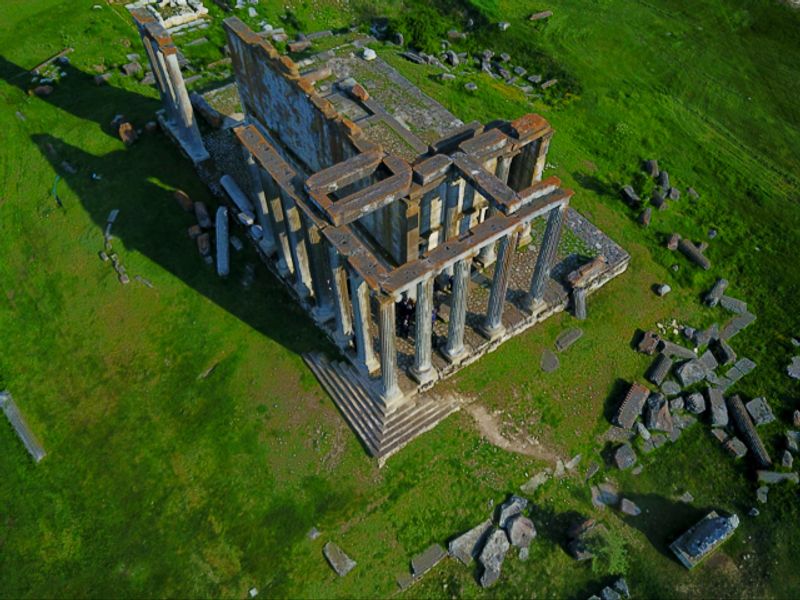
Aizanoi is the kind of ancient site that makes you wonder why everyone is not talking about it. Located in Cavdarhisar, about 47 kilometers from Kutahya, it holds one of the best-preserved Temples of Zeus in all of Anatolia, and on most days you can walk around it with almost no one else in sight.
Excavations have been running here regularly since 1970, and the site keeps revealing more. A macellum, a round building believed to be among the world’s earliest stock exchanges, a stadium, a theater, and Roman baths all wait within a relatively compact area.
GoTurkiye rightly flags this as one of Turkey’s important ancient cities.
The temple reflects in the nearby stream when water levels are right, creating a scene that photographers absolutely adore. Getting here without a car is tricky, so renting one from Kutahya is the practical move.
Give yourself at least three hours to do the site proper justice and bring water.
Ihlara Valley, Aksaray
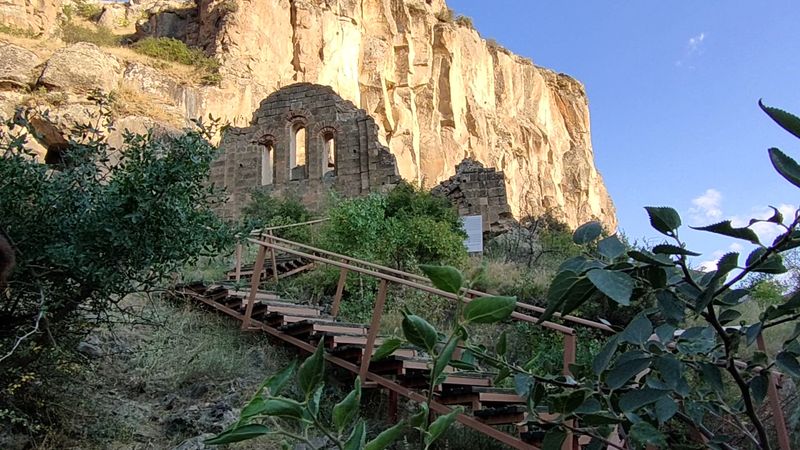
Cappadocia gets all the hot-air balloon glory, but Ihlara Valley, just a short drive away in Aksaray, offers something the main tourist circuit rarely delivers: actual green. The Melendiz Stream runs through a deep canyon carved into volcanic rock, keeping the valley floor lush and cool even in July.
The valley is dotted with rock-cut Byzantine churches containing frescoes that are centuries old and surprisingly vivid in places. The main walking route runs about 14 kilometers end to end, though most visitors tackle a shorter section between Ihlara village and Belisirma.
The trail is flat, shaded, and genuinely enjoyable.
Belisirma has a handful of riverside restaurants built on platforms over the stream, and eating trout by the water after a long walk is one of life’s simple pleasures. Ihlara works well as a day trip from Goreme or as part of a wider Aksaray exploration.
Either way, it earns its place on any Turkey itinerary.
Termessos, Antalya
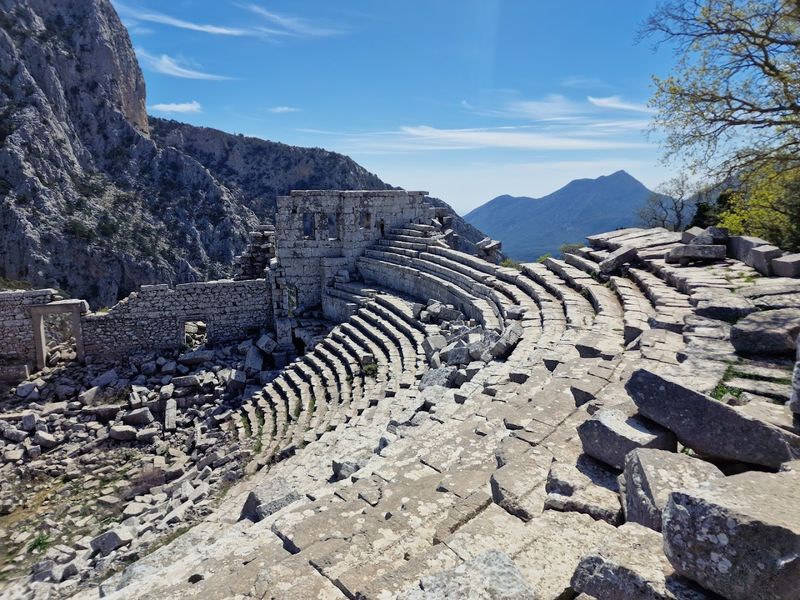
Termessos pulled off something remarkable in ancient history: Alexander the Great showed up, looked at the steep pine-covered hillside, and decided it was not worth the trouble. The city remained unconquered, which says everything you need to know about its location and attitude.
GoTurkiye calls Termessos one of Turkey’s best-preserved ancient cities, and the wildness of the site is a huge part of its appeal. There are no restorations here, no reconstructed columns, just raw stone ruins reclaimed by pine forest at around 1,000 meters altitude.
The theater, with its open back wall framing a mountain view, is one of the most dramatic ancient structures in the country.
The site sits inside a national park just 34 kilometers from Antalya, making it easy to reach even on a beach holiday. The uphill walk takes about 20 minutes from the car park.
It is steep enough to make you work but short enough not to punish you. Totally worth it.
Assos (Behram), Çanakkale
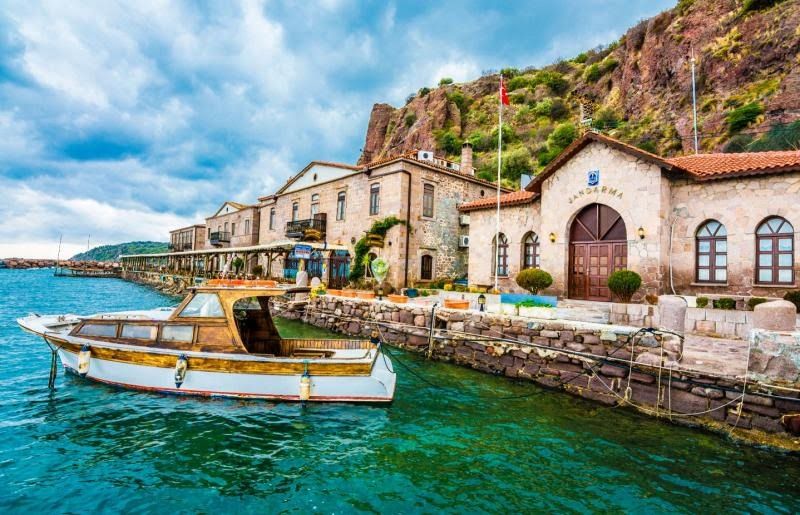
Assos manages to pack Bronze Age history, Aristotle, and Aegean views into one very small hilltop village, which is an impressive achievement for a place with a population you could count in an afternoon. GoTurkiye confirms the settlement dates back to the Bronze Age and that Aristotle himself chose Assos to set up his school of philosophy.
The Temple of Athena sits at the top of the hill with an unobstructed view across the water toward the Greek island of Lesbos, close enough to seem reachable by a strong swimmer. The ancient harbor village below the hill has stone houses, small pensions, and seafood restaurants that feel genuinely unhurried.
Assos works well as a detour while exploring the Canakkale region, especially combined with Troy and Gallipoli. The village gets busier in summer but never reaches overwhelming levels.
Spring and autumn visits offer the best combination of comfortable weather, open restaurants, and minimal crowds. Go early in the morning for the best light on the temple.
Halfeti, Şanlıurfa
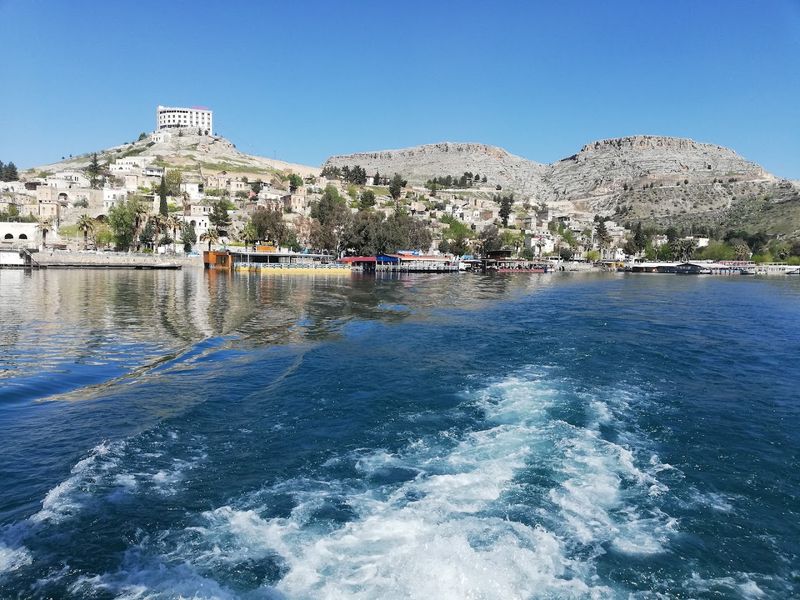
Halfeti is the kind of town that has a genuinely strange story to tell. When the Birecik Dam was completed in the 1990s, part of the original village sank beneath the Euphrates River.
The minaret of an old mosque still pokes above the water’s surface, which has become one of Turkey’s most quietly haunting sights.
The town has a 3,000-year history and sits on the Euphrates with a calm that feels almost deliberate. Boat rides along the river are the main activity, drifting past submerged ruins and old stone houses while the water stays remarkably still.
GoTurkiye lists Halfeti as a sustainable destination, which fits its unhurried character perfectly.
Halfeti is also known for its black roses, a rare variety that grows specifically in this microclimate and turns deep crimson in summer. The town is small, but it lingers in the memory.
Combine it with nearby Sanliurfa for a full southeastern Turkey experience that goes well beyond the usual tourist trail.
Share this story