Some people dress to impress, but a rare few dress to change history. From little black dresses to cone bras, the fashion choices of certain icons have echoed through decades and still show up on runways, red carpets, and Instagram feeds today.
I remember flipping through an old style magazine as a kid and thinking, why does everyone keep talking about people from 50 years ago? Turns out, great style never really clocks out.
Audrey Hepburn
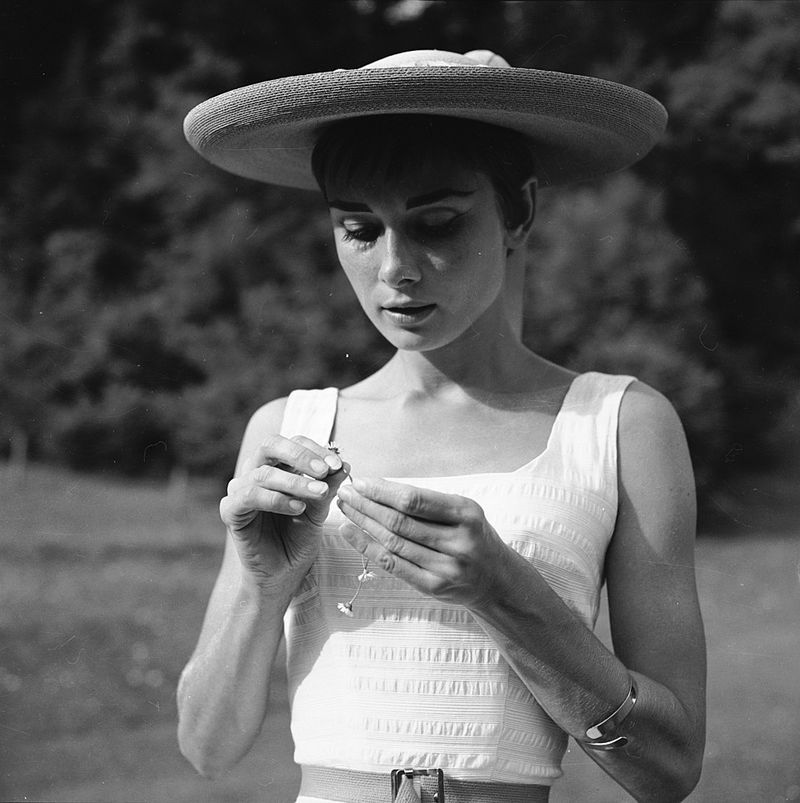
Black dresses have never been the same since Audrey Hepburn made one permanently iconic. Her Givenchy gown from Breakfast at Tiffany’s is so legendary that a 1960 replica appeared at Vogue World 2025, over six decades after the film’s release.
Hepburn’s entire wardrobe philosophy was built on restraint. Ballet flats instead of heels.
Cropped trousers instead of full skirts. Boatneck tops instead of plunging necklines.
She made simplicity feel like the boldest fashion statement in the room.
What made her style last is that it never tried too hard. Clean silhouettes, pearls, and a quiet confidence carried every look.
Designers still reference her when they want to say “effortless.” If your closet has a little black dress in it right now, you can partly thank Audrey for making that a non-negotiable wardrobe essential.
Coco Chanel
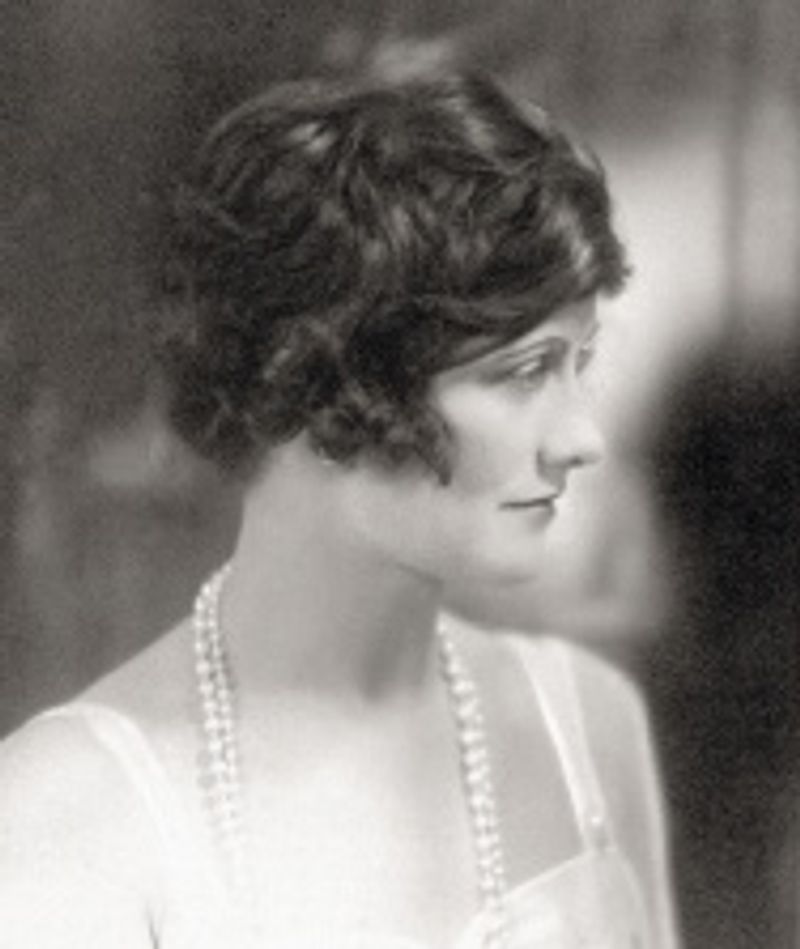
Before Coco Chanel arrived, women’s fashion was basically a polite form of torture. Corsets, layers, and restrictive silhouettes were the norm, and Chanel looked at all of it and said, absolutely not.
She introduced jersey fabrics, menswear-inspired cuts, and a philosophy built on comfort without sacrificing elegance. Her 1926 little black dress turned a somber color into a wardrobe staple, something the Metropolitan Museum of Art still highlights as a turning point in fashion history.
Chanel’s genius was making simplicity feel luxurious. Pearls stacked casually.
Boxy jackets with clean lines. A perfume so famous it only needed a number.
I once counted how many modern collections reference her tweed suits each season, and honestly, I lost count. Her fingerprints are on virtually every “classic” piece marketed to women today, which is a pretty remarkable legacy for someone who just wanted to be comfortable.
Jackie Kennedy Onassis
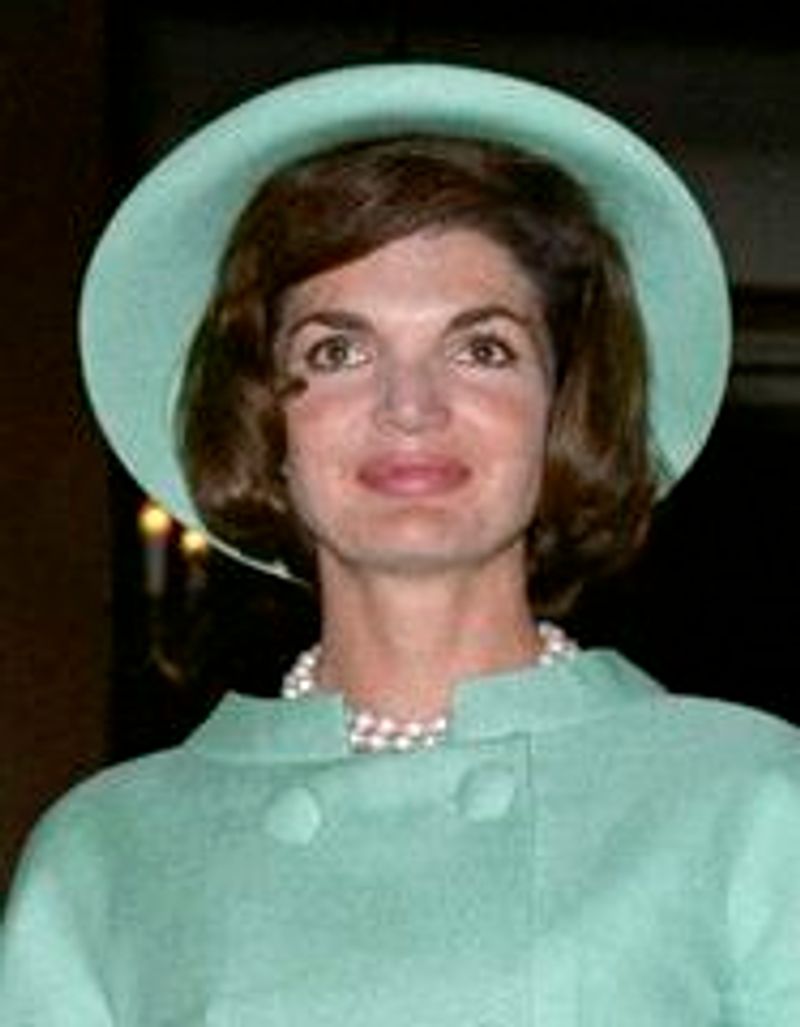
Nobody wore a pillbox hat with more authority than Jackie Kennedy Onassis. Her polished minimalism turned every public appearance into a masterclass in understated power dressing.
Her wardrobe was a careful collection of tailored suits, sleeveless dresses, oversized sunglasses, gloves, and clean coats that defined 1960s American elegance. Nothing was fussy.
Everything was intentional. She understood that looking put-together was itself a form of communication.
What is wild is how relevant her aesthetic still feels. The “quiet luxury” trend that took over fashion conversations recently?
Jackie was doing that in 1962. Her oversized sunglasses alone launched a style that never fully went away.
Designers working in classic American sportswear still cite her wardrobe as a reference point. She proved that restraint, when done right, speaks louder than anything covered in logos or embellishments ever could.
Grace Kelly
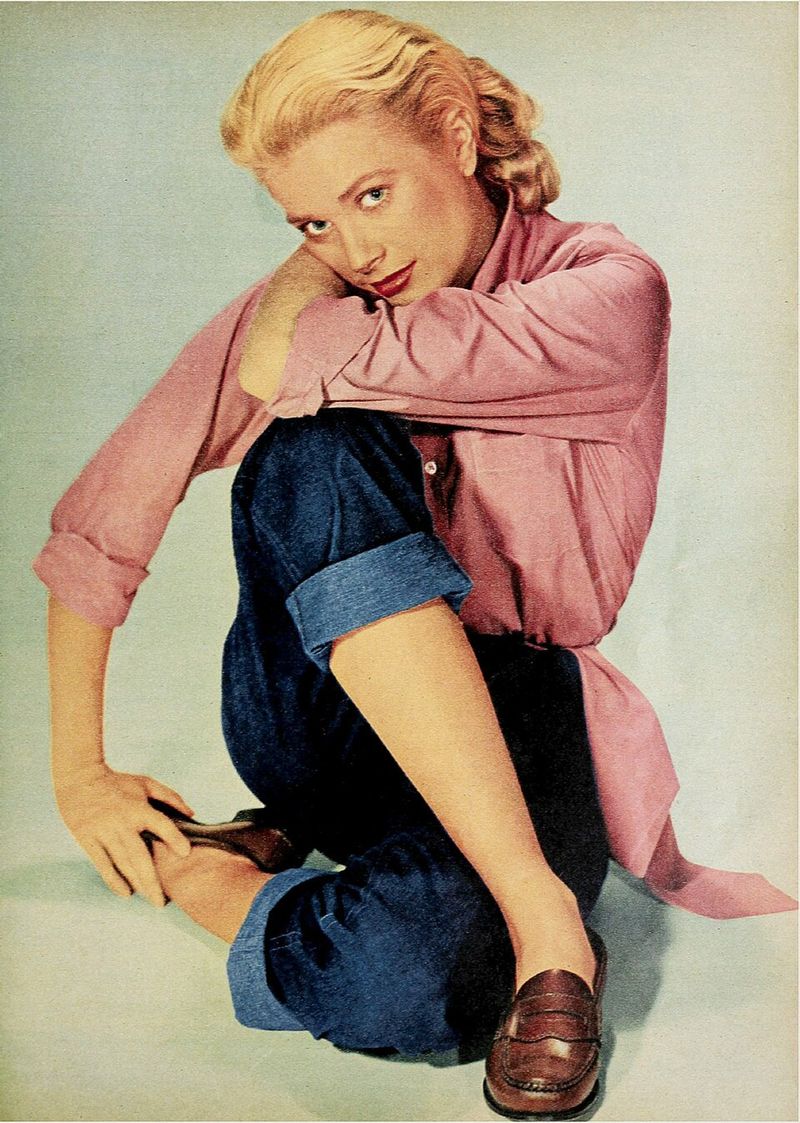
Grace Kelly was giving royal vibes long before she actually became a princess. Her style had a natural refinement that felt both aspirational and approachable, which is a genuinely difficult balance to pull off.
Full skirts, soft tailoring, ladylike gloves, and pearl accessories defined her look. She favored elegance over excess, and it worked every single time.
Her 1956 wedding dress, designed by Helen Rose, remains one of the most replicated bridal gowns in history, influencing royal and celebrity weddings for decades after.
What is particularly impressive is that Grace Kelly made “polished” look effortless rather than stiff. Modern bridal designers still study her wedding dress construction.
Her influence shows up every time a celebrity opts for a structured, heritage-inspired gown over something trendy. She essentially wrote the blueprint for timeless bridal style, and the fashion world has been following it ever since.
Marilyn Monroe
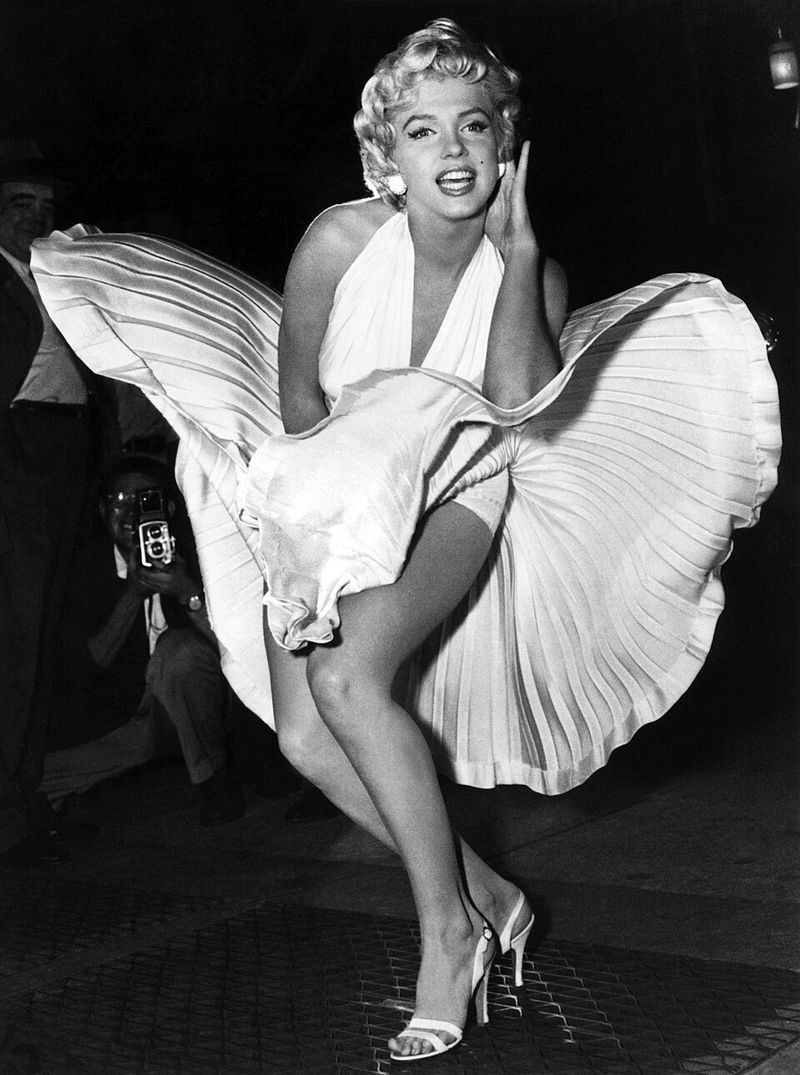
Marilyn Monroe did not just wear clothes. She turned every outfit into a headline.
Her white halter dress from The Seven Year Itch, designed by William Travilla, is one of the most recognized film costumes ever made.
Her visual language was instantly readable: platinum curls, red lips, curve-skimming silhouettes, and sparkling evening gowns that made glamour feel like a full-time commitment. She understood that fashion was performance, and she performed it brilliantly.
Monroe’s influence on modern fashion is broader than most people realize. The “bombshell” aesthetic she popularized still drives entire collections every season.
Halter necklines, body-conscious cuts, and old Hollywood-inspired red carpet looks all trace a clear line back to her. Even her famous “Happy Birthday, Mr. President” dress, sewn directly onto her body, remains a benchmark for dramatic celebrity dressing that designers still try to top.
Princess Diana
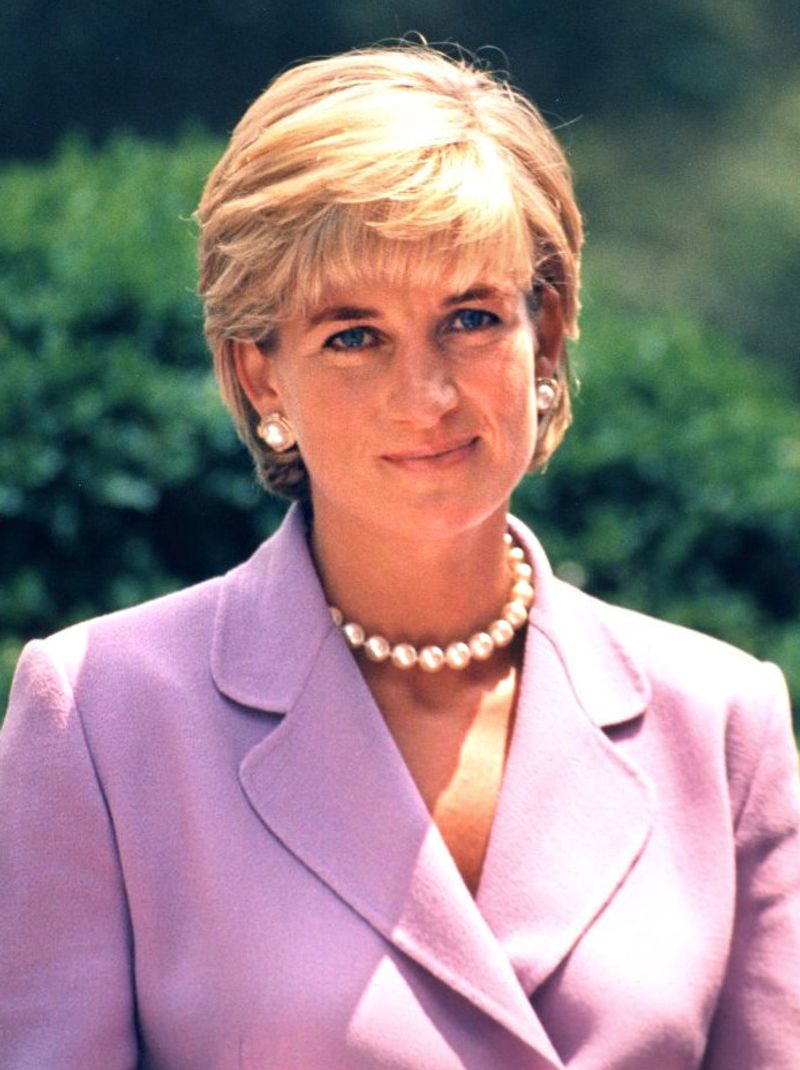
The “revenge dress” heard around the world. On June 29, 1994, Princess Diana wore a sleek black Christina Stambolian gown on the same night a certain documentary aired, and fashion historians have been talking about it ever since.
Diana’s wardrobe was a full evolution. She started with romantic ruffles and puff sleeves, then moved into sharp blazers, statement knitwear, cycling shorts, and power suits that felt modern and personal.
She wore her clothes like she meant every single one of them.
Her style still drives major fashion conversations today. The “revenge dressing” concept she popularized has become a recognized cultural term.
Designers regularly reference her bold evening looks and casual-cool off-duty outfits. Pearl chokers, oversized blazers, and slouchy sweatshirts all saw major revivals directly tied to Diana nostalgia.
She turned a royal wardrobe into something that felt genuinely, powerfully human.
David Bowie
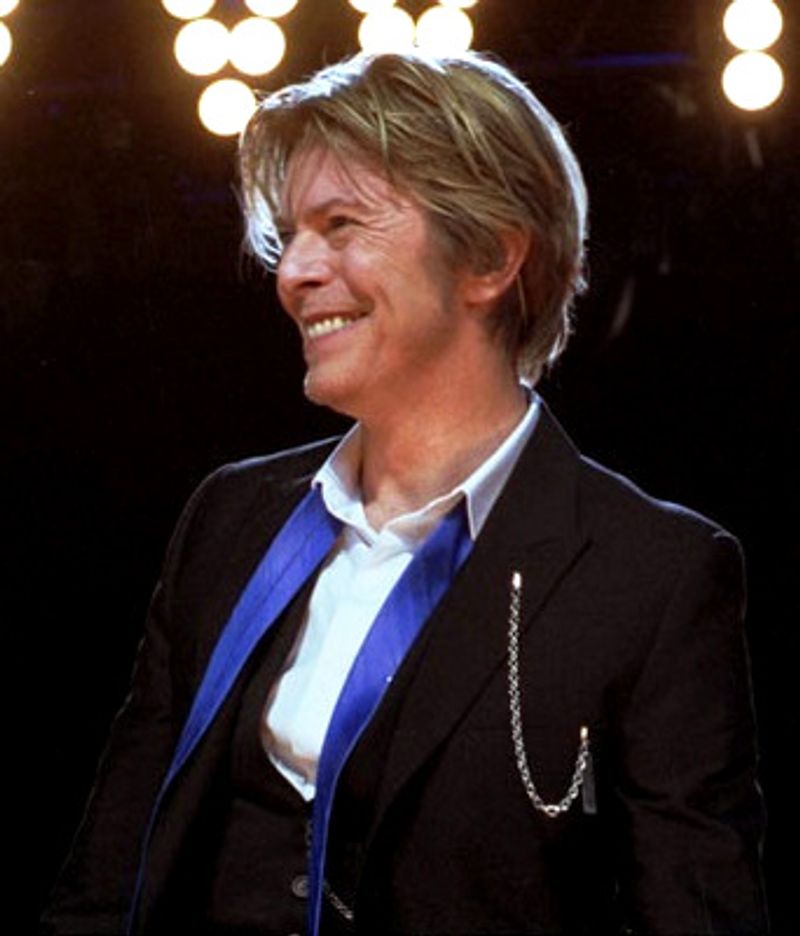
David Bowie treated his wardrobe like a second instrument. Every era came with a new character, a new aesthetic, and a new reason for fashion designers to take notes furiously.
From Ziggy Stardust’s glitter and jumpsuits to the Thin White Duke’s sharp suits, Bowie demonstrated that style could be fluid, theatrical, and deeply personal all at once. He wore makeup, heels, and gender-bending silhouettes decades before those conversations became mainstream in fashion.
Vogue has listed Bowie as a lasting reference for designers including Raf Simons, Hedi Slimane, Jean Paul Gaultier, and Dries Van Noten. That is a serious roster.
His influence on menswear especially changed what was considered acceptable, exciting, and even beautiful for men to wear. Every time a male celebrity steps onto a red carpet in something unexpected and bold, they are, whether they know it or not, working from the Bowie playbook.
Twiggy
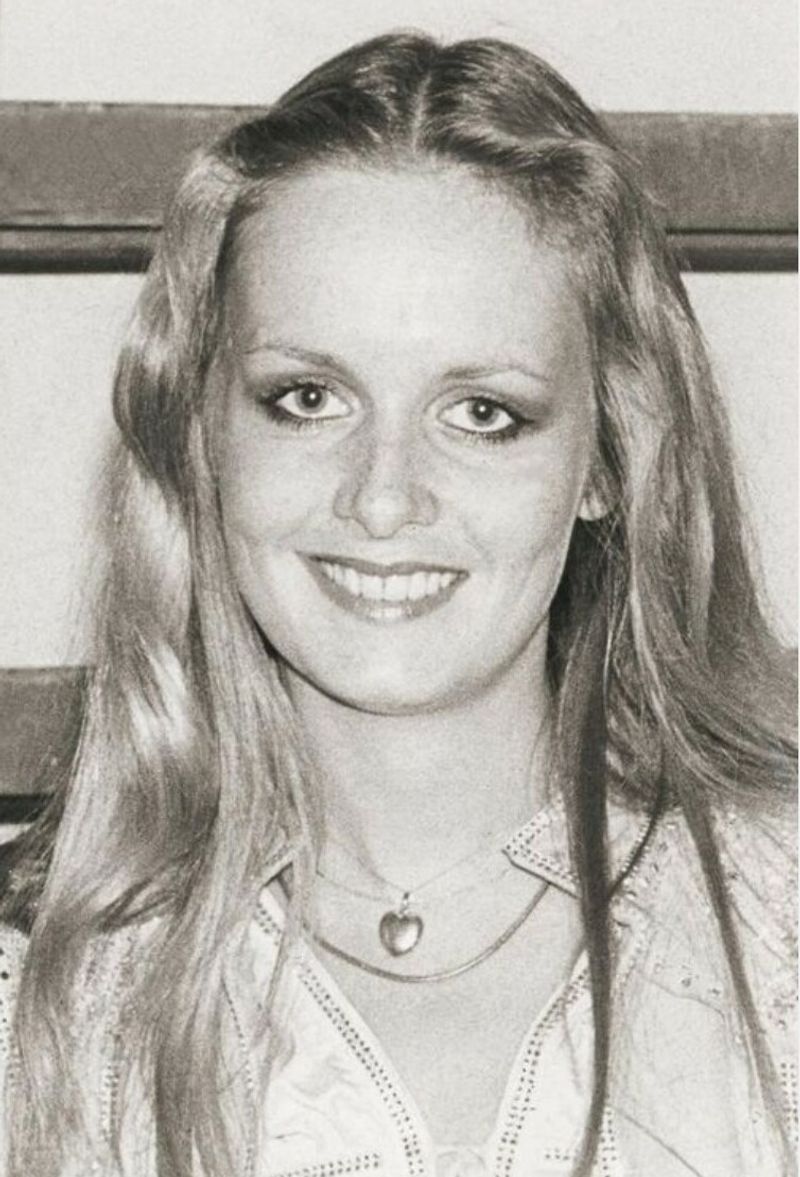
Twiggy arrived in the 1960s like a fashion earthquake, and the aftershocks are still being felt today. Her pixie cut alone launched a thousand copycat haircuts across London almost overnight.
She was the face of mod fashion: mini dresses, bold prints, dramatic painted lashes, and a youthful energy that perfectly captured the spirit of Swinging London. Vogue’s fashion history places her alongside Jackie Kennedy and Yves Saint Laurent as one of the decade’s most defining influences.
What made Twiggy remarkable was how much personality she packed into a minimalist aesthetic. There was nothing subtle about her eye makeup, but her clothing shapes were clean and geometric.
That contrast was the whole point. Modern designers still revisit the mod silhouette regularly, and the oversized lash trend has never truly disappeared from beauty culture.
She was basically a one-woman fashion movement with incredible cheekbones.
Elizabeth Taylor
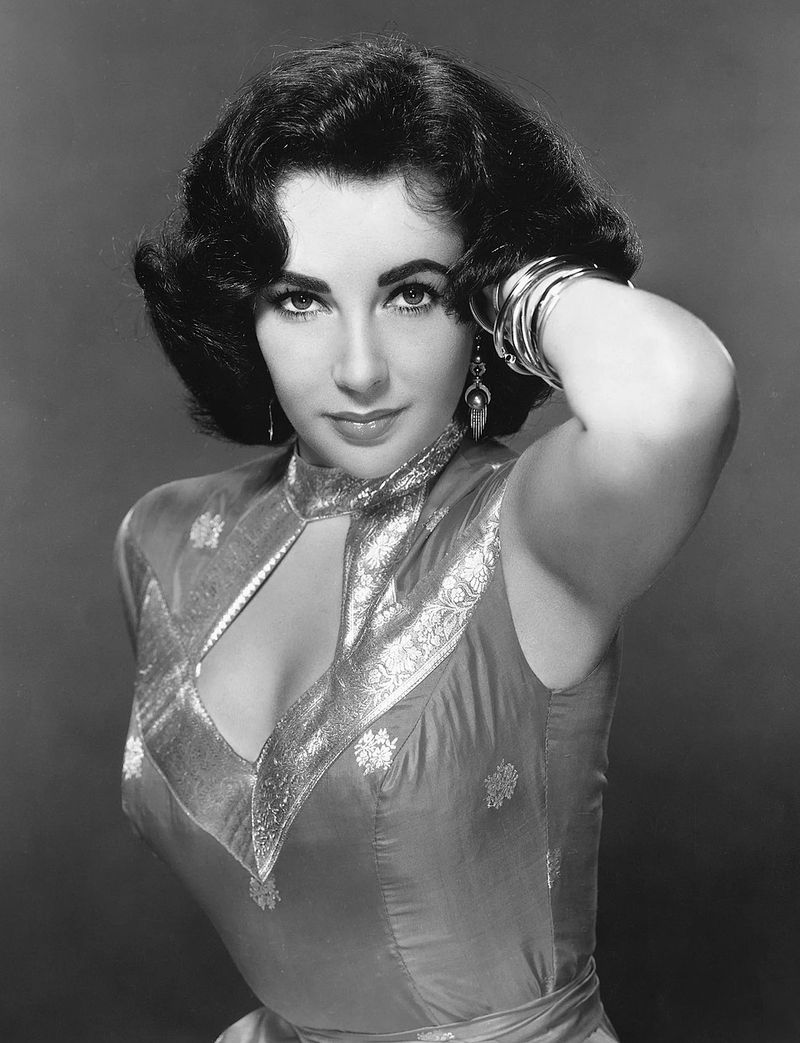
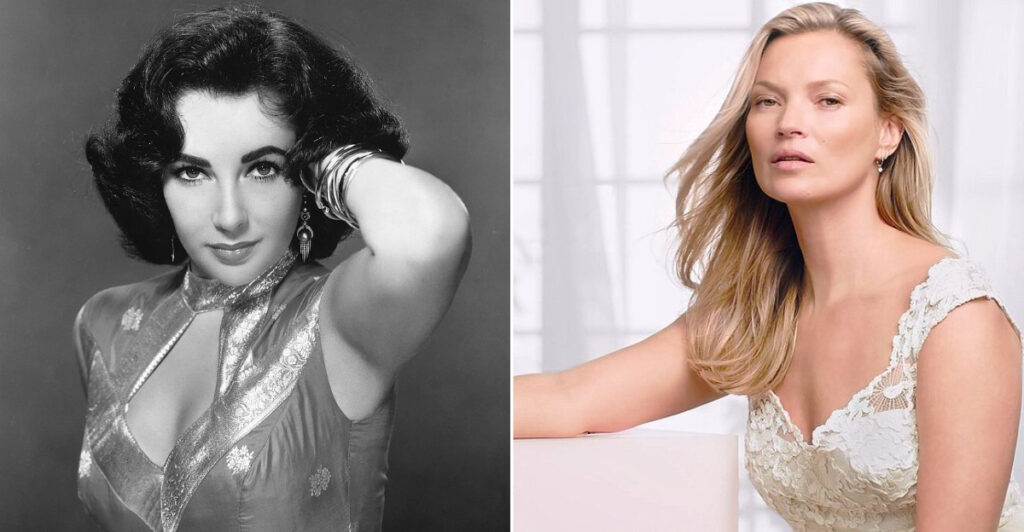
Elizabeth Taylor did not accessorize. She armored herself in diamonds, emeralds, and rubies, and looked absolutely magnificent doing it.
Nobody wore jewelry the way she did, and the industry still has not fully recovered from her standard.
Her style was rich, dramatic, and unapologetically maximalist. Plunging necklines, bold colors, fur, and statement pieces defined her look, particularly during the Cleopatra era when her Bulgari jewelry collection became one of the most famous celebrity-brand connections in history.
Taylor represented old Hollywood glamour at its most luxurious and unrestrained. She never whispered with her wardrobe.
Everything was a full declaration. Modern red carpet dressing owes a significant debt to her willingness to go big, go bold, and go jewel-heavy without apology.
When a celebrity shows up to an awards show dripping in statement pieces today, Elizabeth Taylor basically wrote that particular memo first.
Jane Birkin
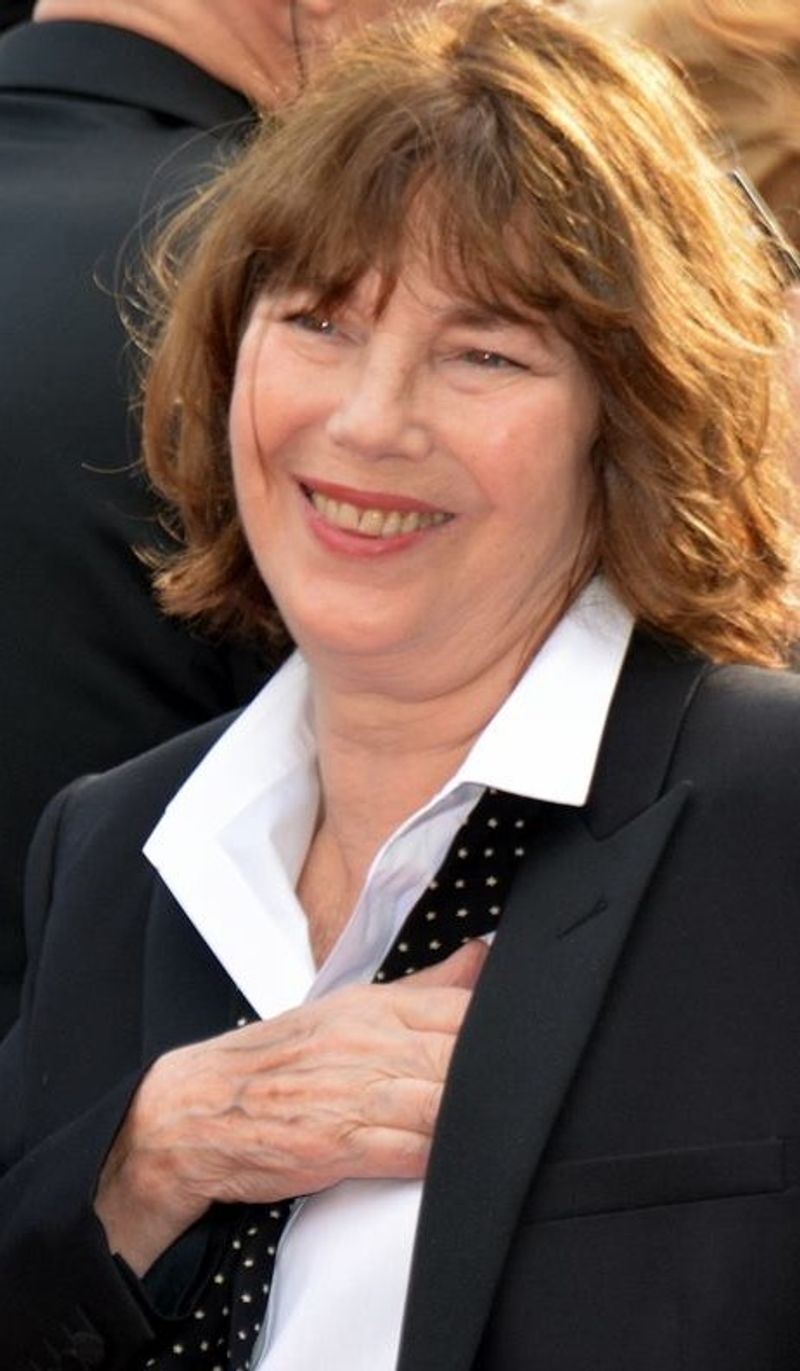
Jane Birkin made looking undone into a full art form. Jeans, a white T-shirt, a wicker basket bag, and barely any makeup somehow added up to one of the most copied aesthetics in fashion history.
Her casual French-girl style became the blueprint that designers, bloggers, and stylists have been referencing for decades. But her cultural footprint goes even further.
After a chance meeting with Hermes executive Jean-Louis Dumas in 1984, her name was attached to a leather bag that became arguably the most coveted accessory on the planet. In 2025, her original Birkin sold for $10.1 million.
That is a staggering number for a bag inspired by someone who preferred wicker. What Birkin proved was that authenticity has enormous staying power.
She never chased trends or dressed for approval, and that genuine ease is exactly why her influence has outlasted countless more deliberately stylish contemporaries.
Kate Moss
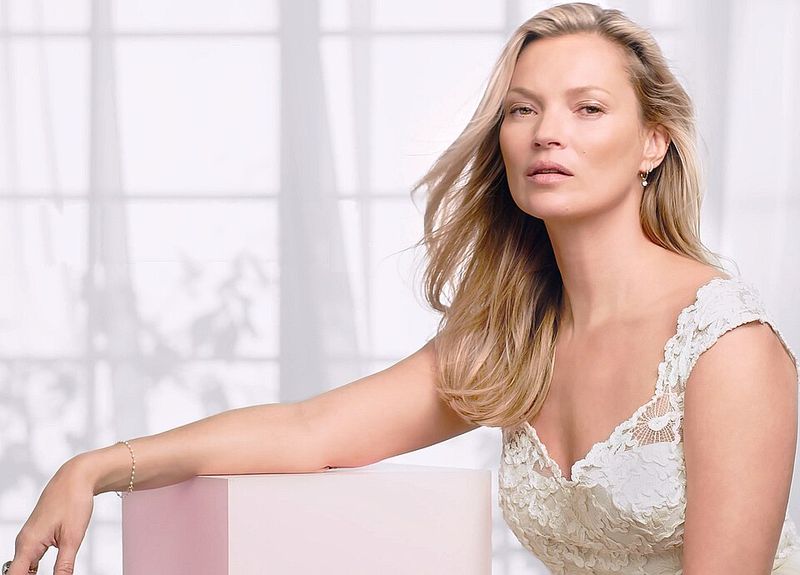
Kate Moss walked so that every model-off-duty street style photo could run. Her 1990s aesthetic basically invented a whole category of fashion that still fills magazine pages and social media feeds today.
Slip dresses, skinny jeans, leather jackets, vintage band tees, and effortlessly undone hair were her signatures. Vogue pointed to her 1993 transparent slip dress as a fashion-history moment that helped establish the lingerie-inspired look as a legitimate style choice rather than a scandal.
Her influence on minimalism was enormous. At a time when fashion was leaning heavily into maximalism and grunge, Moss showed that stripped-back dressing could be just as powerful.
The “model off-duty” aesthetic she popularized is now a permanent fixture in street style coverage. Every time someone pairs a slip dress with chunky boots and calls it an outfit, they are pulling directly from the Kate Moss archives.
Madonna
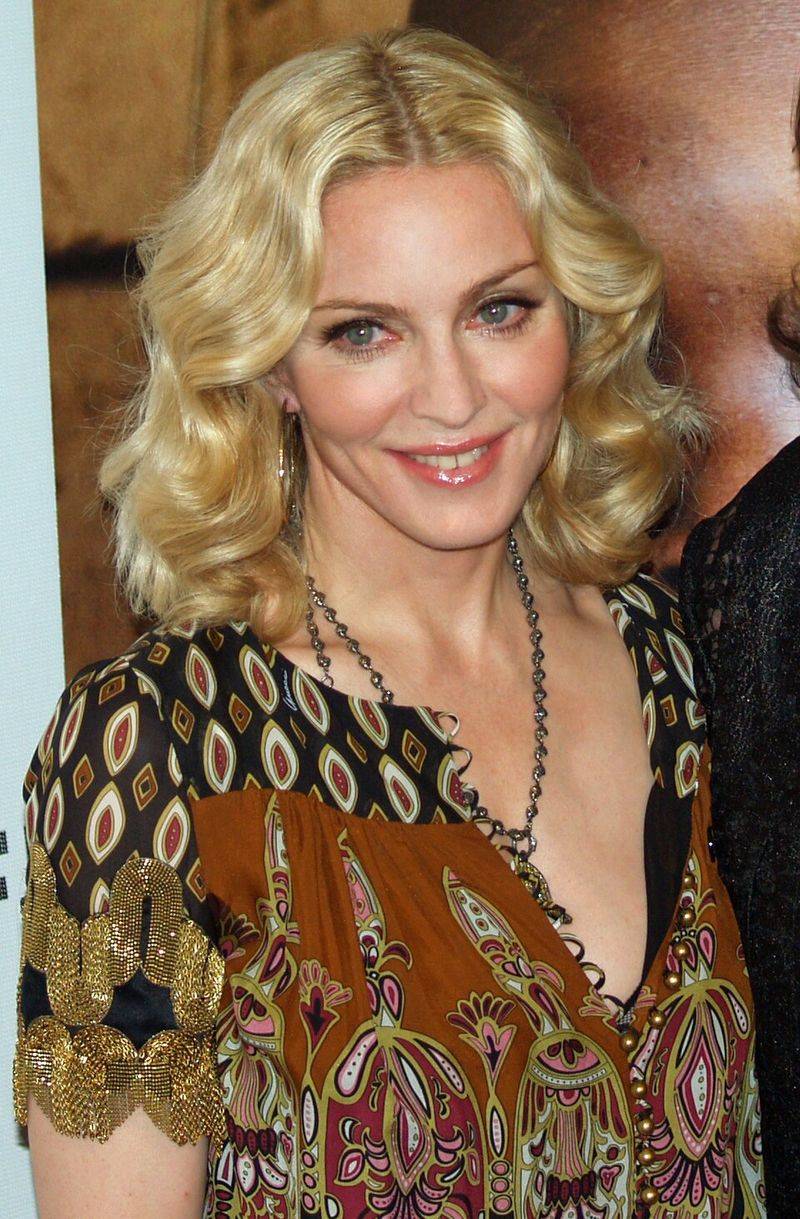
Nobody has reinvented themselves through fashion more aggressively or more successfully than Madonna. She did not just change her look.
She changed what fashion was allowed to say out loud.
Lace gloves, crucifixes, bustiers, corsets, bridal references used provocatively, and menswear all became part of her visual vocabulary. Her Jean Paul Gaultier cone bra from the 1990 Blond Ambition Tour remains one of the most recognizable stage costumes ever created, studied in fashion schools and referenced by performers for decades.
Madonna understood that clothing was communication, and she used it to challenge, provoke, and redefine. Her influence on how pop stars use fashion as a branding tool is genuinely hard to overstate.
Every performer who uses a costume to make a cultural statement is working in a tradition she essentially established. She proved that fashion could be confrontational and iconic at the same time.
Iris Apfel
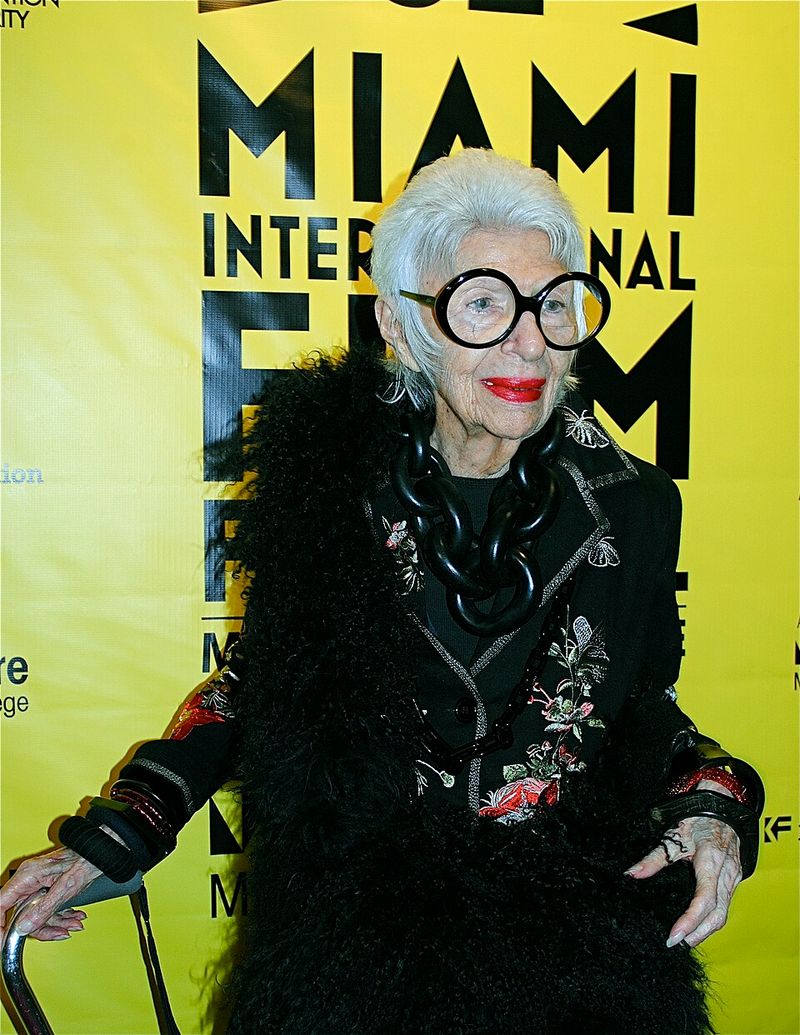
Iris Apfel became a fashion icon at an age when most industries stop paying attention, which is precisely what made her so extraordinary. She did not discover style late.
She just let the world catch up to her.
Oversized round glasses, stacked bangles, clashing colors, and fearless costume jewelry defined her look. Nothing matched in a conventional sense, and everything worked perfectly.
Vogue remembered her after her death in 2024 at age 102 as a symbol of joyful individuality who proved that personal style has no expiration date.
Apfel’s biggest contribution to fashion was philosophical. She made the case that dressing should be fun, personal, and completely free from rules about age or convention.
In an industry obsessed with youth and minimalism, she showed up in layers of color and refused to apologize for a single bangle. That kind of defiance is genuinely inspiring and, honestly, pretty hilarious in the best way.
Share this story